




Pariksha Pe Charcha 2026: 9th Edition — PM Modi Engages Students, Teachers and Parents Nationwide
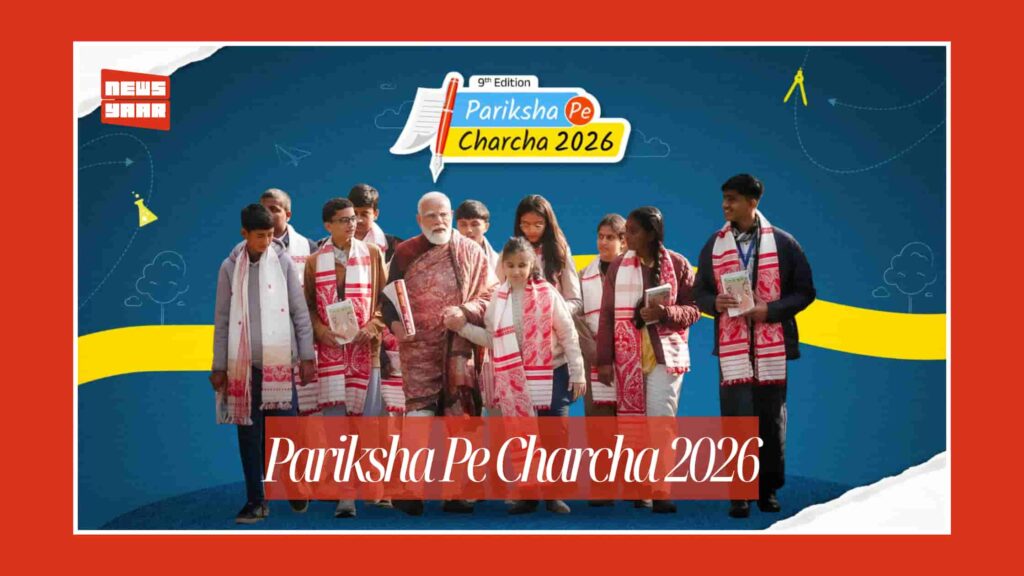
GOVERNMENT Pariksha Pe Charcha 2026: 9th Edition — PM Modi Engages Students, Teachers and Parents Nationwide The 9th edition of Pariksha Pe Charcha (PPC) — India’s annual interactive session between Prime Minister Narendra Modi and students, parents and teachers — was held on Friday, February 6, 2026. The event, broadcast live across television and digital platforms, marked a flagship national initiative that addresses examination stress, learning strategies, mental well-being and life skills for learners in the run-up to major board and competitive exams. Organised by the Department of School Education and Literacy under the Ministry of Education, PPC has evolved into one of the most widely followed educational outreach programmes in the country, reaching millions of students across urban and rural India. What Is Pariksha Pe Charcha? Pariksha Pe Charcha — literally “Discussion on Examinations” — is an annual interactive dialogue in which the Prime Minister addresses the concerns of students, parents and teachers about exams, study practices, stress management and future aspirations. First launched in 2018, the initiative aims to transform examination stress into a celebration of learning, encourage confidence and promote a balanced approach to academic life. Over the years, PPC has become a popular platform that reinforces mental well-being and purposeful learning, extending its relevance beyond just study tips to include broader life skills such as time management, resilience, discipline and digital awareness. Date, Format and Participation Event: Pariksha Pe Charcha 2026 Edition: 9th Date of Main Interaction: 6 February 2026 Organiser: Department of School Education and Literacy, Ministry of Education, Government of India Mode: Live broadcast and digital streaming across Doordarshan channels (DD National, DD News, DD India), All India Radio, MyGov.in, official Ministry of Education channels, YouTube, Facebook Live and other portals. The event was conducted in a hybrid and pan-India format, with interactive segments connecting the Prime Minister to learners in multiple cities including Delhi, Coimbatore (Tamil Nadu), Raipur (Chhattisgarh), Devmogra (Gujarat) and Guwahati (Assam), reflecting the nationwide reach of the initiative. Registration and Nationwide Participation The registration process for Pariksha Pe Charcha 2026 opened on 1 December 2025 on the MyGov portal, where students, teachers and parents could apply to participate and submit questions. The registration window closed on 11 January 2026. This year’s edition witnessed a record turnout, with over 4.5 crore registrations from students, parents and teachers. In addition, more than 2.26 crore people participated in associated school-based activities such as debates, quizzes and workshops, taking the overall engagement to approximately 6.76 crore participants nationwide. Educational institutions organised preparatory and follow-up activities such as quizzes, storytelling sessions, motivational talks and awareness programmes as part of the broader run-up to PPC, reinforcing its impact beyond the live broadcast. Key Themes and Messages During the 2026 interaction, Prime Minister Modi addressed a wide range of topics relevant to students’ academic journeys and personal development. The session did not focus solely on examination techniques, but also on holistic growth, well-being and future opportunities: 1. Exam Preparation and Strategic Learning PM Modi advised students on effective preparation techniques that emphasised consistent effort, understanding concepts and time management rather than last-minute preparation. He spoke about the importance of building a solid daily routine, disciplined revision and active engagement with study material. 2. Stress Management and Mental Well-Being A central thread of PPC 2026 was the discussion on exam anxiety and stress. The Prime Minister encouraged learners to view exams as milestones in learning rather than stress points, and urged them to maintain a calm, confident mindset. He highlighted practices such as regular breaks, physical exercise, sleep hygiene and supportive family environments to support mental well-being. 3. Responsible Use of Technology and Artificial Intelligence (AI) A significant topic for 2026 was the role of technology and AI in education. PM Modi emphasised that students should use AI as a guidance tool to enhance learning, creativity and problem-solving, but warned against over-dependence that might erode independent thinking and effort. He reiterated that discipline, focus and human judgment remain critical to academic success. 4. Career Choices and Personal Growth Responding to student and parent queries about career decisions, the Prime Minister advised learners to explore fields based on their interests, strengths and passions, rather than merely following popular trends. He encouraged self-awareness and thoughtful exploration before choosing professional pathways, highlighting that personal satisfaction and purposeful work contribute to long-term success. 5. Broader Life Skills and Values Beyond exams, the session touched on broader skills such as leadership, time management, emotional balance, discipline and community contribution — urging students to approach life with curiosity, resilience and empathy. In addressing parents, PM Modi called for supportive, pressure-free environments that allow children to thrive without excessive stress. Interactive Format and Question Selection Students and teachers submitted questions through official platforms ahead of the event, allowing the Prime Minister to respond to real concerns from multiple regions and educational backgrounds. The hybrid format enabled live participation from multiple locations, enabling similar levels of engagement across geographic and linguistic diversity. School events and live-streaming sessions, such as those organised in Kamrup Metropolitan district in Assam, facilitated shared viewing experiences, underscoring PPC’s role in fostering community dialogue and collective motivation ahead of examinations. Public and Media Engagement Pariksha Pe Charcha continues to attract broad media attention, with national and regional channels covering the event extensively. News outlets provided live coverage, summaries, thematic highlights and expert analysis, ensuring the session’s key messages reached students who were unable to participate live. Social media platforms were abuzz with clips, quotes, study tips and reflections, making PPC both a live conversation and a catalyst for follow-up discussions in classrooms and homes. Why Pariksha Pe Charcha Matters Pariksha Pe Charcha has grown into a signature national initiative for several reasons: Nationwide Accessibility: Through free broadcasts on television, radio and digital platforms, PPC
Olympic Winter Games 2026: Milano Cortina 2026 — A Historic Global Sporting Spectacle
SPORTS Olympic Winter Games 2026: Milano Cortina 2026 — A Historic Global Sporting Spectacle The 2026 Winter Olympics, officially known as the XXV Olympic Winter Games and commonly branded as Milano Cortina 2026, is an international multi-sport winter event taking place in northern Italy from 6 February to 22 February 2026 with some competitions beginning as early as 4 February 2026. This edition marks a milestone in Olympic history — the first Winter Olympics co-hosted by two cities, Milan and Cortina d’Ampezzo, under a unified organisational framework. Host Selection and Significance Italy secured the Games following a successful joint bid by Milan and Cortina d’Ampezzo at the 134th International Olympic Committee (IOC) Session in June 2019, defeating a competing bid from Stockholm–Åre (Sweden). Milano Cortina 2026 represents the third Winter Olympics in Italy — following Cortina d’Ampezzo in 1956 and Turin in 2006 — and marks a renewed celebration of winter sport in a region long intertwined with alpine traditions and sporting heritage. The official motto of the Games is “IT’s Your Vibe”, reflecting a blend of Italian cultural energy, local identity and global sporting spirit. Dates and Ceremonies Official Dates: 6 February 2026 to 22 February 2026 Opening Ceremony: 6 February 2026 at San Siro (Milano San Siro Olympic Stadium) in Milan, with performances celebrating Italian art and culture and featuring global artists. Closing Ceremony: 22 February 2026 at the Verona Arena, a historic Roman amphitheatre — the first Olympic closing ceremony held at a UNESCO World Heritage site. The opening ceremony celebrates unity and international cooperation, while the closing ceremony traditionally honours athletes, volunteers and the Olympic spirit. Participation and Scope The 2026 Winter Olympics is expected to be one of the most expansive in Winter Games history: Participating Nations: ~92 countries with representation under their national flags. Athletes: Around 2,900 competitors from around the world. Sports Disciplines: 16 winter sports across eight major categories. Medal Events: 116 medal events spread across ice and snow disciplines. The Games are anticipated to be the most geographically spread-out Winter Olympics ever staged, with competition venues spanning multiple regions of northern Italy — from metropolitan Milan to the alpine slopes of the Dolomites and valleys of Lombardy and Veneto. Competition Venues and Sports Milan: San Siro Stadium: Host of the Opening Ceremony. Milano Ice Skating Arena: Figure skating and short-track speed skating. Milano Ice Park / Speed Skating Stadium: Long-track speed skating and select ice hockey events. Milano Santagiulia Ice Hockey Arena: Ice hockey and Para ice hockey (future Paralympics). Cortina d’Ampezzo and Surroundings: Tofane Alpine Ski Centre: Women’s Alpine skiing. Cortina Sliding Centre: Bobsleigh, skeleton and luge. Cortina Para Snowboard Park: Para snowboard events. Other Alpine Locations: Bormio (Stelvio): Men’s Alpine skiing. Livigno: Freestyle skiing and snowboarding. Val di Fiemme / Predazzo and Tesero: Nordic combined, cross-country skiing, ski jumping and biathlon. This multi-venue approach brings seasonal sports to iconic alpine landscapes while integrating urban and mountain cultural settings. Sports and Events The 2026 Winter Olympics features: Alpine skiing Biathlon Bobsleigh Cross-country skiing Curling Figure skating Freestyle skiing Ice hockey Luge Nordic combined Short track speed skating Skeleton Ski jumping Snowboarding Speed skating Ski mountaineering — making its Olympic debut at the Winter Games. A total of 116 Olympic medals are contested, showcasing both traditional and emerging winter sports disciplines. Historic and Cultural Context The 2026 Games highlight several historic and cultural facets: First co-hosted Winter Olympics by two cities, Milan and Cortina. Alpine heritage: Cortina d’Ampezzo previously hosted the Winter Olympics in 1956, reinforcing Italy’s legacy in winter sport. Olympic inclusion: The Games continue efforts to expand global representation, with nations such as Benin, Guinea-Bissau and the United Arab Emirates making their Winter Olympics debuts. Gender balance: Milano Cortina aims for near gender parity with record female participation. Opening Ceremony and Global Engagement The Opening Ceremony in Milan at San Siro Stadium will feature artistic performances by international and Italian cultural figures, elaborate choreography, lighting of the Olympic flame and the Parade of Nations. The ceremony emphasizes unity and celebration of diversity, underlining the Olympic values of peace, fair play and cultural exchange. Medal Design and Symbolism The official Olympic medals for Milano Cortina 2026 were unveiled in Venice prior to the Games. Produced by Italy’s state mint, they incorporate symbolic inscriptions and designs that celebrate the athlete’s journey and the spirit of competition. Challenges and Environmental Considerations While the Games embody global sporting ideals, they have also faced scrutiny over environmental and infrastructural challenges. Critics have highlighted issues related to construction delays and extensive use of artificial snow, prompting broader discussions about sustainability, resource impact and the ecological footprint of large-scale sporting events. Why Milano Cortina 2026 Matters Milano Cortina 2026 stands as a major milestone in Winter Olympic history: It reinforces Italy’s global role in international sport through heritage, culture and modern event management. It expands the global winter sports landscape by introducing new events and drawing nations with emerging winter sport programmes. It highlights sustainability, inclusion and gender equality as core principles. As athletes compete across snow and ice for two weeks of world-class competition, Milano Cortina 2026 represents both a celebration of athletic excellence and a testament to the unifying power of sport in a complex world. Watch: Opening Ceremony Live