




Valley of Words (VoW), Dehradun: India’s Himalayan Literary & Arts Festival
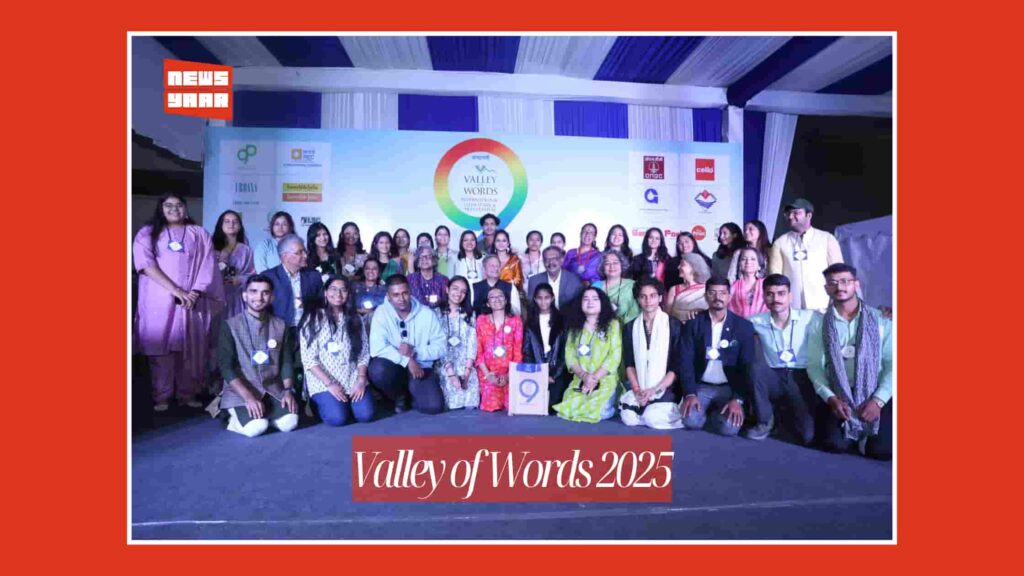
EVENTS Valley of Words (VoW), Dehradun: India’s Himalayan Literary & Arts Festival Dehradun, Uttarakhand — Situated in the foothills of the Himalayas, the Valley of Words (VoW) has emerged as one of India’s most distinctive and engaging literature and arts festivals, blending storytelling, artistic expression, debate and critical thought into a rich cultural tapestry that resonates across generations. Launched in 2017 as a not-for-profit, volunteer-driven initiative of The Valley of Words Foundation Trust, the festival has steadily grown into a pan-Indian celebration of literature, arts, ideas and dialogue that draws writers, artists, performers, scholars, students and readers from across the country and beyond. Origins, Mission and Vision Valley of Words — also known as VoW Shabdavali — is rooted in the belief that words matter and that literature and art have the power to challenge assumptions, broaden perspectives, stimulate empathy and foster critical thinking. The festival’s mission emphasises engaging diverse audiences — particularly students and youth — in dynamic conversations that encourage curiosity, creativity and intergenerational exchange, inviting participants to explore ideas that transcend boundaries of language, culture and discipline. Over the last decade, VoW’s programming has embraced a wide spectrum of voices, encompassing fiction, non-fiction, poetry, translation, philosophy, culture, sustainability, history, theatre, music and visual arts. Through this inclusive approach, the festival has become a platform where literature and life intersect — offering spaces where artistic imagination meets social reflection and community engagement. Flagship Festival and Literary Gathering The heart of the Valley of Words initiative is its annual international literature and arts festival in Dehradun, typically held in October each year, though the organisation also hosts year-round events, workshops and thematic sessions to sustain literary engagement throughout the calendar. The festival attracts acclaimed authors, poets, translators, journalists, critics, artists, civil society figures and students for a series of discussions, debates, performances and creative exchanges. The most recent full edition — the 9th Valley of Words International Literature & Arts Festival — took place on October 25–26, 2025, at Hotel Madhuban, Dehradun, commemorating two and a half decades of Uttarakhand’s statehood and underscoring the region’s rich cultural heritage. It was inaugurated by Uttarakhand Governor Lt Gen Gurmit Singh (Retd), who highlighted the festival’s role in elevating regional creativity while fostering national and global cultural dialogue. Festival Features and Programming The Valley of Words festival is not merely a sequence of book readings; it is a multi-faceted cultural experience where ideas, art and performance come together. Its programming typically includes: Panel discussions and conversations on literature, public policy, culture, identity and contemporary issues Poetry readings and storytelling sessions featuring voices in English, Hindi and other Indian languages Book launches, author dialogues and translation forums that explore how stories travel across linguistic and cultural borders Workshops and masterclasses for aspiring writers, translators and students Art exhibitions and showcase events highlighting visual arts, craft and sustainable creatives Music, theatre and performance arts that amplify literary themes through rhythm, movement and performative expression Youth participation initiatives, including debates and interactive forums designed to nurture critical thinking and creative expression among young audiences. A unique feature of VoW has been its exhibitions and curated spaces such as Iti Kriti (sustainable arts and crafts), Iti Smriti (ethical memorabilia) and Iti Lekh (book bazaars and curated reading lists), which blend artistic exploration with cultural dialogue. REC-VoW Book Awards and Literary Recognition A highlight of the festival is the REC-VoW Book Awards, a nationally recognised literary honour that celebrates excellence across genres, languages and age groups. In 2025, more than 600 nominations from over 75 publishing houses were received, and eight authors across categories including English Fiction, Hindi Fiction, Translation, Children’s & Young Adult Literature were selected as winners to be felicitated during the festival. Each award includes a prestigious citation and a cash prize of ₹1 lakh, underscoring the festival’s commitment to recognising and promoting creative excellence in India’s diverse literary landscape. Cultural Impact and Community Engagement Valley of Words stands out for its commitment to inclusive cultural dialogue, ensuring that discussions are accessible not only to literary connoisseurs but also to students, educators, artists and community members. With sessions that often cut across age, language and disciplinary lines, the festival creates an environment where debate, reflection and artistic exchange are central. Beyond its annual flagship event, VoW conducts year-round outreach programmes, including debates, author-at-work sessions, café dialogues and digital engagements, helping sustain an active literary community in Dehradun and beyond. Over 10,000 students join VoW debate platforms annually, and the festival has cumulatively hosted over 365 sessions across multiple years, reflecting its depth and reach. Why Valley of Words Matters In an era of rapid digital consumption and compressed attention, the Valley of Words festival reminds audiences of the transformative power of deep listening, thoughtful dialogue and story-driven inquiry. By bringing together voices from across India and the world, VoW facilitates cross-cultural understanding, intellectual engagement and creative expression — essentials for a society that seeks to think deeply about its past, present and future. The festival’s location in the Himalayan foothills of Dehradun — a city known for its natural beauty, academic institutions and cultural diversity — further enriches the experience, creating a space where ideas can be explored in peace, reflection and community camaraderie. Looking Ahead As Valley of Words continues to grow in stature and scope, organisers are expanding its footprint with satellite events in other cities, thematic literature initiatives and collaborations with educational institutions, cultural organisations and international partners. For lovers of literature and art, the festival remains a must-attend annual gathering, where stories are celebrated, ideas take flight, and the written word continues to shape collective imagination.
Kalinga Literary Festival 2026: Four Days of Ideas, Culture and Literary Confluence in Bhubaneswar
EVENTS Kalinga Literary Festival 2026: Four Days of Ideas, Culture and Literary Confluence in Bhubaneswar Bhubaneswar, Odisha — January 8–11, 2026: The 12th edition of the Kalinga Literary Festival (KLF) concluded in Bhubaneswar with an expansive celebration of literature, culture and intellectual dialogue, bringing together hundreds of authors, thinkers, poets, translators, artists and public intellectuals from India and abroad. Organised by the Kalinga Literary Festival Pvt. Ltd. under the stewardship of Founder & Director Rashmi Ranjan Parida, the annual gathering has grown into one of India’s most significant literary platforms, bridging regional narratives with global conversations. A Festival with Global Reach and Cultural Depth Held across multiple venues within Mayfair Lagoon, Bhubaneswar, the four-day festival positioned itself at the intersection of literature, culture, public policy, technology and civilisational thought. With the overarching theme “Stories That Shape Humanity: Translating Worlds, Transforming Futures,” KLF 2026 emphasised translation, narrative power, cross-cultural exchange and the contemporary relevance of storytelling — inviting audiences to explore how literature interacts with identity, technology, democracy, sustainability and performance arts. This edition was also notable for its integration of the 10th Kalinga Art Festival, showcasing visual and performative arts alongside literary dialogues, making the event a richly layered cultural experience. Inauguration and Distinguished Guests The festival’s inauguration on January 8, 2026 featured an impressive array of dignitaries and cultural figures: Shri Kanak Vardhan Singh Deo, Deputy Chief Minister of Odisha — Chief Guest Dr. Upali Pannilage, Minister of Rural Development, Sri Lanka — Guest of Honour Shri Harivansh Narayan Singh, Deputy Chairman, Rajya Sabha — Guest of Honour Shri Suryabanshi Suraj, Minister of Culture & Sports, Odisha Ambassador Philip Green OAM, Australia’s High Commissioner to India Shri Sujeet Kumar, MP, Odisha Dr. Binod Chaudhury, Nepalese industrialist & philanthropist Shri Sudarshan Sahoo, Padma Vibhushan awardee Dr. Pratibha Ray, Padma Bhushan awardee Ms. Tanaya Patnaik, Executive Director, Sambad Group Shri Ashok Kumar Bal served as CEO & Patron of KLF, welcoming attendees, while Rashmi Ranjan Parida outlined the vision and cultural significance of the festival. Extensive Speaker Line-up and Influential Voices KLF 2026 featured a distinguished roster of more than 400 speakers, blending international award-winning figures with prominent Indian writers, artists, commentators and thought leaders. Some of the notable speakers and contributors included: Padma Shri Malini Awasthi – celebrated Indian folk singer and cultural ambassador, anchoring performances that blended literature with music. Daisy Rockwell – award-winning artist, writer and translator whose translations have won international honours. Banu Mushtaq – International Booker Prize winner. Deepa Bhasthi – Booker Prize–winning author and cultural critic. Ram Madhav – strategic thinker, author and political voice. Acharya Prashant – spiritual leader and speaker drawing large audiences. Sudhir Mishra – acclaimed filmmaker engaging on cinema and narrative culture. Tuhin A. Sinha – author and political commentator. Arun Lal – former Indian cricketer and writer, presenting on life, sport and narrative history. Amit Lodha – IPS officer and author known for Bihar Diaries. Priya Arora, Sushil Doshi, Dr. Sajjan Singh Yadav, Swati Pandey, Madhuchhanda Bal and many more talents spanning journalism, poetry, translation, essay, art and cultural criticism. This eclectic mix ensured a multi-disciplinary engagement, encouraging dialogue beyond literature into public policy, society, technology, gender, sustainability and more. Sessions and Programmes: Diverse Ideas in Conversation Across its four days, KLF 2026 facilitated a rich array of formats — panel discussions, interviews, conversational salons, poetry readings, translation forums, and masterclasses. Highlights included: International Storytelling Panels that explored how translation bridges voices across cultures and languages Gender, Identity & Feminism Discussions led by writers and scholars investigating contemporary literary narratives Politics, Democracy & Public Policy Conversations with authors and commentators analysing India’s socio-political framework Writing for the Future & AI Forums where evolving technologies and literature intersected Cinema and Story Culture Sessions illuminating how narrative art forms shape public imagination Poetry and Multilingual Workshops celebrating Indian languages alongside world literatures The festival also dedicated space to regional literary traditions, including a focus on Odia literature, storytelling practices, and poetry across borders, acknowledging the cultural depth of India’s myriad languages. Awards, Art and Recognition At the opening ceremony, several prestigious honours were conferred in recognition of literary achievement and cultural contribution: International Living Legend Award: Dr. Binod Chaudhary Kalinga Literary Award: Shri Achyutananda Pati Kalinga International Literary Award: Daisy Rockwell Kalinga Literary Award (Youth): Ranjana Niraula Odisha Living Legend Awards: Pandit Harmohan Khuntia, Shri Govardhan Dora Special awards including the KLF-Penguin Review Project and KLF-Sambad Book Review Awards These recognitions underscored the festival’s commitment to honouring excellence across genres, generations and geographies. Cultural Fusion: Music, Performance, and Engagement Beyond discussions, KLF 2026 integrated music and performance arts. Evening programmes featured performances by Padma Shri Malini Awasthi and other artists, weaving literary themes with folk and classical traditions — a reminder that literature and performance often co-create cultural memory. The festival’s inclusive format also embraced workshops, heritage walks and book launches, turning Bhubaneswar into a vibrant hub of ideas and creative exchange for readers, students and practitioners alike. Why KLF 2026 Holds Special Significance The Kalinga Literary Festival has, over the years, transformed from a regional gathering into a global literary forum where ideas intersect with lived experience and cultural imagination. Rooted in Odisha’s civilisational heritage, KLF continues to expand its reach internationally, with initiatives and editions planned beyond India’s borders, reconnecting ancient cultural ties with contemporary creative discourse. As founder Rashmi Ranjan Parida articulated, the festival reflects a belief that stories do more than entertain — they shape empathy, influence thought and help societies imagine better futures. With its rich programming, diverse voices and deep engagement with literary and cultural themes, KLF 2026 has once again cemented its role as a cornerstone event in India’s literary calendar. The festival not only created spaces for dialogue but also fostered cross-cultural appreciation, making Bhubaneswar a focal point for global conversations on literature and ideas.
Second Global Buddhist Summit 2026, New Delhi: A Confluence of Heritage, Dialogue and Global Peace Efforts
SPIRITUALITY Second Global Buddhist Summit 2026, New Delhi: A Confluence of Heritage, Dialogue and Global Peace Efforts The Second Global Buddhist Summit was held in New Delhi on January 24–25, 2026, bringing together Buddhist leaders, scholars, practitioners and delegates from countries across Asia, Europe, the Americas and Oceania. The summit — a follow-up to the first edition held in 2023 — reaffirmed India’s role as an ancient cradle of Buddhism and a modern platform for inter-civilizational dialogue, peace advocacy, cultural cooperation and spiritual exchange. Hosted in the Indian capital, the summit underscored shared commitments to Buddhist philosophy, ethical governance, sustainable development and global harmony. Context: India and Buddhism Buddhism, originating in India over 2,500 years ago with the enlightenment of Gautama Buddha at Bodh Gaya, has since spread across Asia and the world, influencing culture, art, philosophy and ethical systems. From the ancient universities of Nalanda and Takshashila to the widespread Buddhist traditions of East, Southeast and Central Asia, India remains central to the historical and spiritual heritage of Buddhism. Hosting the Global Buddhist Summit aligns with the country’s broader efforts to preserve and promote its civilizational legacy while encouraging global cooperation on contemporary challenges through the lens of Buddhist teachings. Objectives of the Second Global Buddhist Summit The summit was designed to accomplish several key objectives: Revitalising Buddhist Heritage: Reaffirming India’s connection to Buddhist history and cultural heritage, and encouraging the preservation and promotion of Buddhist sites, languages and scholarly traditions. Promoting Global Dialogue: Providing a structured platform for Buddhist leaders, scholars and practitioners to engage in dialogue on issues such as peace, conflict resolution, ethical leadership, environmental stewardship and human well-being. Enhancing Cultural Exchange: Encouraging cross-cultural understanding and cooperation among Buddhist communities from different countries and traditions, including Theravada, Mahayana and Vajrayana schools. Addressing Contemporary Challenges: Linking traditional Buddhist perspectives with modern issues, including mental health, education, social equity and climate resilience, to highlight the relevance of Buddhist wisdom in the 21st century. Participation and Representation The summit featured participation from over 30 countries, including nations with strong Buddhist traditions such as Japan, Sri Lanka, Thailand, Nepal, Myanmar, Bhutan, South Korea and Vietnam. Delegations comprised: Buddhist monastic leaders and sangha representatives Scholars and academics specialising in Buddhist studies Government officials and cultural envoys Civil society members engaged in peace and ethical initiatives The diverse range of participants reflected the pluralistic nature of global Buddhism and its ability to foster cooperation across different societies and cultures. Summit Themes and Deliberations The agenda included plenary sessions, panel discussions, cultural performances, academic presentations and collaborative workshops. Key themes addressed during the summit included: Peace and Non-Violence: Delegates discussed how Buddhist principles of compassion, non-violence and ethical conduct can inform peacebuilding efforts in regions experiencing conflict and social tension. Buddhist Heritage Preservation: Strategies for safeguarding ancient Buddhist sites, enhancing archaeological research and encouraging pilgrimages were deliberated, with a focus on integrating heritage conservation into sustainable tourism frameworks. Mindfulness, Well-Being and Education: The role of mindfulness, meditation and ethical education in promoting mental health and resilience across societies was a significant focus, examined through interdisciplinary perspectives blending traditional insights with contemporary science. Environmental Ethics: Participants explored how Buddhist teachings on interdependence and respect for all life forms can contribute to global environmental movements, climate action and sustainable living practices. Youth Engagement and Future Leadership: Sessions emphasised empowering young Buddhists and youth leaders to carry forward ethical leadership, community service and cultural exchange in an increasingly interconnected world. Cultural and Ceremonial Highlights The summit also featured cultural programmes designed to showcase the richness and diversity of Buddhist traditions. These included: Traditional chanting and musical recitals Performances of Buddhist dance and theatre forms Exhibitions of Buddhist art, manuscripts and calligraphy Visits to key Buddhist sites in and around the National Capital Region One of the summit’s notable ceremonial moments was a collective meditation and prayer session attended by delegates from various traditions, articulating a shared aspiration for global peace and harmony. India’s Role and Government Support The Government of India actively supported the summit through policy facilitation, logistical arrangements and inter-ministerial coordination. In official statements, ministers highlighted India’s commitment to promoting civilizational dialogue and advancing cooperation on cultural, educational and spiritual fronts. They also reaffirmed the Indian state’s respect for all faith traditions, while underlining the secular ethos enshrined in the Constitution. Officials noted that forums like the Global Buddhist Summit contribute to soft power diplomacy, strengthen cultural ties with Buddhist-majority countries and complement India’s external engagement initiatives such as the Act East Policy and International Buddhist Confederation activities. Why the Summit Matters The Second Global Buddhist Summit holds significance beyond religious discourse. It serves as: A platform for peace and ethical dialogue among nations A mechanism for cultural diplomacy strengthening people-to-people relations An avenue for integrating ancient wisdom with contemporary global issues A reaffirmation of India’s historical role in the preservation and propagation of Buddhist thought At a time when many societies grapple with challenges ranging from conflict and inequality to environmental degradation and mental health crises, the summit’s emphasis on compassion, interdependence and ethical action resonated across cultural and national boundaries. Looking Ahead Building on the momentum of the second edition, participants expressed eagerness to continue collaborative engagement through academic networks, cultural exchange programmes, joint research initiatives and future summits. The host government indicated plans to institutionalise the summit as a recurring global forum, enabling sustained dialogue on issues of shared concern. By situating Buddhist philosophical insights within conversations about peace, sustainability and well-being, the Second Global Buddhist Summit 2026 in New Delhi reaffirmed the timeless relevance of these traditions and charted a path for ongoing cooperation and understanding in an increasingly complex world. Video credit: YT@/IBC World
Chennai Singams Clinch Thrilling ISPL Season 3 Title: A New Chapter for Tennis Ball Cricket
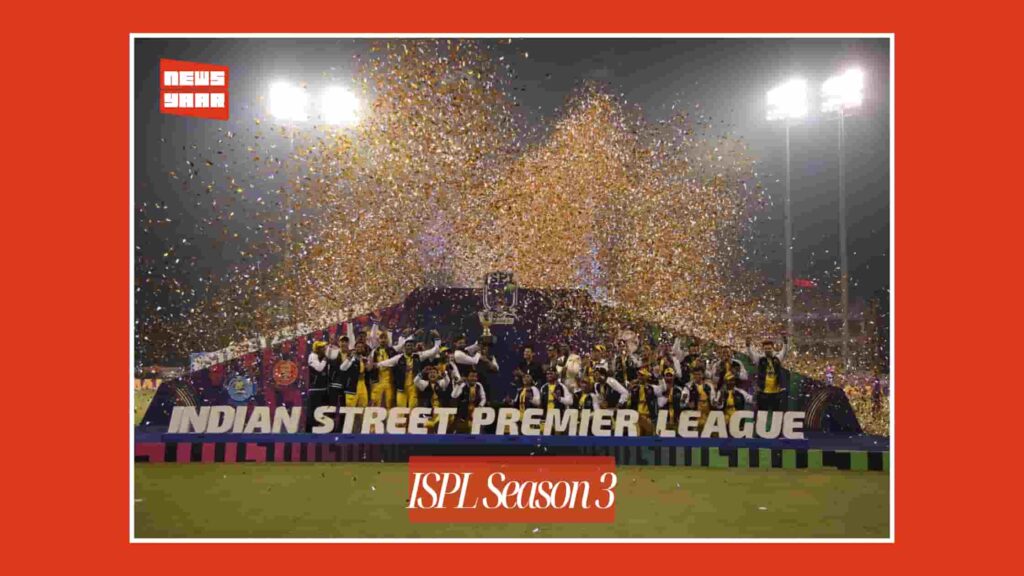
SPORTS Chennai Singams Clinch Thrilling ISPL Season 3 Title: A New Chapter for Tennis Ball Cricket Mumbai, February 9, 2026 – ISPL Season 3 (2026) was held at a single venue: Lalbhai Contractor Stadium, Surat, and scripted history by lifting the Indian Street Premier League (ISPL) Season 3 trophy, defeating the defending champions, Tiigers of Kolkata, by 29 runs. The victory cements Singams’ status as champions while spotlighting the league’s mission to unearth street cricket talent from India’s gullies, blending T10 tennis ball action with star power. Openers Ketan Mhatre (30 off 16) and Jagannath Sarkar set an explosive tone, smashing 28 runs in the second over alone. Despite Saroj Pramanik’s 3/18, Sarfaraz Khan’s six and late hits from Ganesh and Sambhaji propelled Singams to 103/7. Kolkata’s chase faltered at 74/9, with Anurag Sarshar’s 3/17 and wickets from Sunil Kumar and Ankur Singh sealing the win. Sarkar, named MVP, pocketed a Porsche 911, cementing ISPL’s reputation for blockbuster individual prizes. ISPL Founders and Launch Timeline The Indian Street Premier League (ISPL) was founded through a core committee vision in 2023, sparked by a 2021 cricket talent hunt in Mumbai’s Dharavi slums aimed at uplifting underprivileged players via tennis ball cricket. Key Figures: Ashish Shelar (BCCI Treasurer): Primary visionary and initiator. Sachin Tendulkar: Core committee member, providing pivotal support and credibility. Amol Kale and Suraj Samat (League Commissioner): Founding committee partners. Ravi Shastri: Appointed chief mentor pre-launch. Official Launch: Season 1 debuted in March 2024 at Dadoji Kondadev Stadium, Thane, Maharashtra, marking ISPL’s professional bow with Tiigers of Kolkata as inaugural champions. The league formalized post-2023 planning, evolving from street trials to a T10 spectacle blending celebrity ownership (e.g., Salman Khan from 2025) and massive viewership. Season Highlights and Records Tiigers of Kolkata, inaugural winners (2024) and runners-up again after Majhi Mumbai’s Season 2 triumph (2025, owned by Amitabh Bachchan), dazzled with a record 149-run total and a 93-run win. Saif Ali (Tiigers) earned Best Batter (225 runs), Parveen Kumar (Falcon Risers Hyderabad) Best Bowler, and Prathamesh Thackeray (Ahmedabad Lions) Best Catch. Standouts included Krushna Gawali’s 74 (the highest individual score) and Vivek Shelar’s 145.2 kmph thunderbolt plus hat-trick. The Indian Street Premier League (ISPL) Season 3 (2026) features 8 teams, each backed by Bollywood celebrities and investors. Founded in 2024 post a Dharavi talent hunt, ISPL, played at Dadoji Kondadev Stadium initially, boasts 11 million Season 1 viewers and 500,000 attendees. Backed by Sachin Tendulkar (core committee), BCCI treasurer Ashish Shelar, Amol Kale, and commissioner Suraj Samat, with Ravi Shastri as chief mentor and Salman Khan as Delhi franchise owner/ambassador, Season 3 elevated the format. Teams and Ownership Glamour Six teams battled: Chennai Singams, Tiigers of Kolkata (Aksha Kamboj), Majhi Mumbai (Amitabh Bachchan), plus Ahmedabad Lions, Falcon Risers Hyderabad, and Srinagar. Celebrity stakes added buzz, Bachchan’s Mumbai lifted Season 2. Impact and Future ISPL spotlights underprivileged talent via tennis ball T10, fostering professional pathways. Season 3’s feats, from record totals to youth stars like 17-year-old Ankit Yadav (16 wickets), underscore its growth. Plans brew for a Middle East edition. Tigers’ owner praised the “legacy-driven” run, while Singams’ Sarkar shared the thrills of a Sachin Tendulkar victory lap. As street cricket goes mainstream, ISPL Season 3 proves T10’s electric appeal, watch for Season 4 announcements.