




Government Announces 7 New Bullet Train Corridors in India: A Transformative Push for High-Speed Connectivity
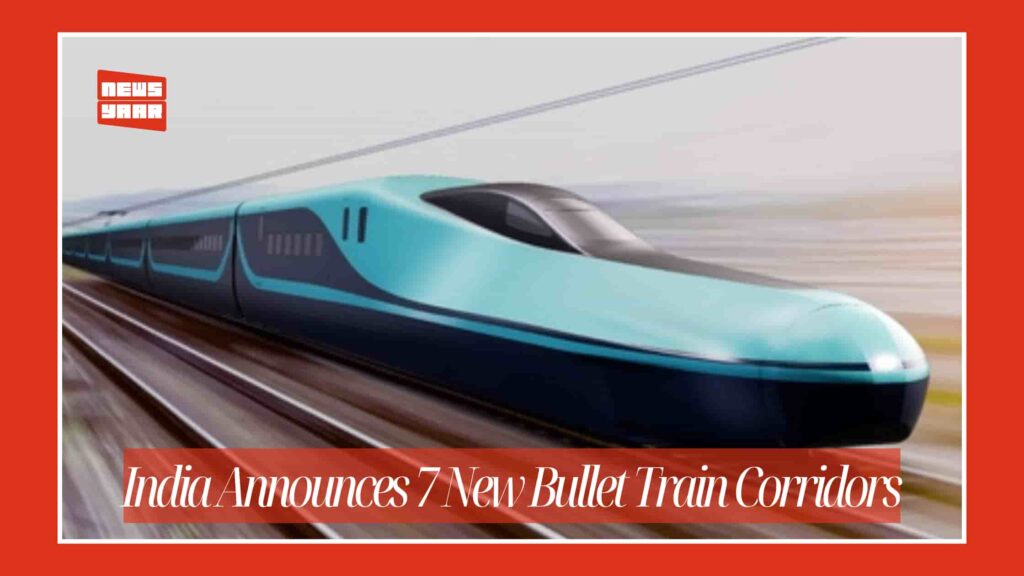
GOVERNMENT Government Announces 7 New Bullet Train Corridors in India: A Transformative Push for High-Speed Connectivity In a landmark expansion of India’s rail infrastructure, the Government of India has announced the development of seven new high-speed rail corridors — popularly referred to as bullet train routes — as part of the Union Budget 2026–27. The ambitious initiative aims to transform inter-city travel by significantly reducing travel times, boosting economic growth and enhancing connectivity between major urban and economic hubs across the country. Announcement and Policy Context Union Finance Minister Nirmala Sitharaman unveiled the corridors during her Budget 2026–27 speech in Parliament, categorising them as “growth connectors” that will promote environmentally sustainable passenger transport systems across India’s rail network. These high-speed corridors complement the Mumbai–Ahmedabad High-Speed Rail Corridor (MAHSR) — India’s first bullet train project — and build on the government’s broader infrastructure and mobility agenda. Railway Minister Ashwini Vaishnaw has confirmed that detailed preparations are underway, with Detailed Project Reports (DPRs) being finalized and pre-construction activities initiated through the National High Speed Rail Corporation Limited (NHSRCL). The government is focused on fast-tracking implementation and standardising high-speed rail system development nationwide. Proposed Bullet Train Corridors: Routes and Connectivity The announcement includes seven high-speed rail corridors that will link key cities and regions across India. These corridors are expected to span nearly 4,000 km and strategically connect major economic, industrial and cultural centres. The routes identified are: Mumbai–Pune High-Speed Rail Corridor — strengthening connectivity within Maharashtra’s economic belt. Pune–Hyderabad High-Speed Rail Corridor — linking western and southern economic hubs. Hyderabad–Bengaluru High-Speed Rail Corridor — a major southern technology and industry link. Hyderabad–Chennai High-Speed Rail Corridor — connecting southern metros with coastal economic zones. Chennai–Bengaluru High-Speed Rail Corridor — improving travel between two major southern cities. Delhi–Varanasi High-Speed Rail Corridor — enhancing northern connectivity with Uttar Pradesh’s cultural capital. Varanasi–Siliguri High-Speed Rail Corridor — extending high-speed reach toward eastern India and gateway regions. Collectively, these corridors aim to connect financial hubs, technology clusters, manufacturing centres and emerging cities with modern high-speed rail infrastructure. Strategic Goals and Economic Rationale Government officials have described the new corridors as not just transport projects but growth engines that will: Reduce travel times drastically between key city pairs (for example, a bullet train between Mumbai and Pune could reduce travel to under an hour), enhancing convenience and productivity. Stimulate regional economic development by creating linked urban-industrial corridors that attract investment, tourism and job creation. Support environmental sustainability by offering cleaner and more energy-efficient alternatives to road and air travel. Drive technology and manufacturing growth by enabling high-speed rail ecosystem development, including engineering, signalling, rolling stock and systems integration. Union Minister Ashwini Vaishnaw has emphasised that the initiative will contribute toward India becoming 100 per cent self-reliant (Atmanirbhar) in high-speed rail technologies, with a focus on leveraging indigenous manufacturing and innovation wherever feasible. Implementation and Timeline While the Mumbai–Ahmedabad corridor is already under construction and expected to begin phased operations starting 2027 for the Surat–Bilimora section and full completion by 2029, the new seven corridors are in the pre-construction and planning stage. Officials have indicated that preparation of DPRs, alignment finalisation, land acquisition and contract documentation will be prioritised over the coming months, with work expected to begin once these foundational studies are complete. Dedicated field teams for each corridor will support expedited project execution. Broader Impact on Indian Railways and Mobility The seven new bullet train corridors represent a shift toward world-class rail mobility in India, aligning with global best practices in high-speed transportation. Once operational, these corridors are expected to: Enhance national connectivity across key economic belts in the west, south, north and east. Reduce congestion on existing air and road networks by providing faster, reliable alternatives. Boost tourism by enabling easy access to major cultural and heritage destinations. Encourage urban transformation through transit-oriented development along high-speed rail alignments. Looking Ahead: A New Era of Rail Travel The announcement of seven additional bullet train corridors marks a transformational phase for Indian Railways, moving the nation closer to a widespread high-speed rail network that complements existing infrastructure and accelerates economic integration. By linking metropolitan centres and regional hubs with modern, efficient rail travel, the government aims to redefine mobility in India and position the country as a global leader in high-speed rail development. Summary of the New Bullet Train Corridors Route Region Strategic Role Mumbai–Pune West Economic mobility in Maharashtra Pune–Hyderabad West–South Industrial and technology linkage Hyderabad–Bengaluru South Connects major IT & innovation hubs Hyderabad–Chennai South Coastal economic corridor Chennai–Bengaluru South Southern metro connectivity Delhi–Varanasi North Links capital with cultural heartland Varanasi–Siliguri North–East Gateway to eastern region
Bikaner Camel Festival 2026: A Majestic Celebration of Desert Culture and Heritage
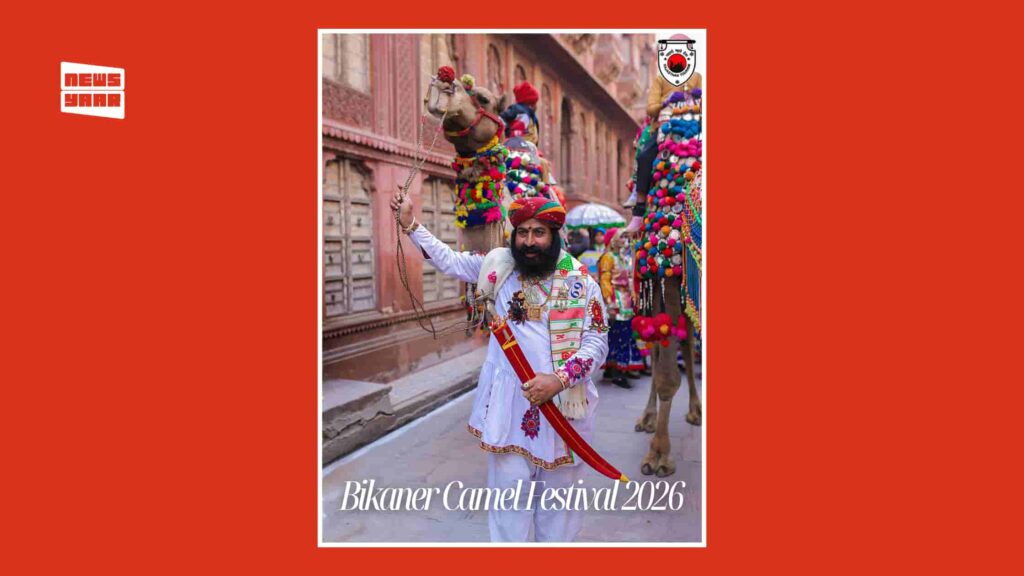
EVENTS Bikaner Camel Festival 2026: A Majestic Celebration of Desert Culture and Heritage The Bikaner Camel Festival 2026 — one of Rajasthan’s most iconic cultural events — was held from January 9 to January 11, 2026, in Bikaner, Rajasthan, celebrating the camel as the enduring “Ship of the Desert” and a living emblem of the region’s history, community and traditions. Organised by the Rajasthan Tourism Department, the three-day festival drew enthusiastic participation from domestic and international visitors, camel breeders, cultural performers and artisans, transforming the historic desert city into a vibrant tapestry of colour, heritage and folk celebration. Dates, Venue and Significance Festival: Bikaner Camel Festival 2026 Dates: January 9–11, 2026 Location: Bikaner, Rajasthan — with key events across Junagarh Fort, Dr. Karni Singh Stadium, Camel Farm, Raisar Sand Dunes and Old City Grounds Organised by: Rajasthan Tourism Department Held annually in January, when the cool desert climate is ideal for outdoor festivities, the festival celebrates the deep bond between the desert communities and the camel, an animal that has sustained trade, transport and cultural continuity in the Thar region for centuries. Cultural Roots and Historical Context The camel is not merely a domestic animal in Rajasthan; it is symbolic of survival, resilience and identity in one of India’s most challenging landscapes. Historically, camel corps were esteemed for their role in regional defence and trade routes — from the terrain of the Thar Desert to campaigns beyond. Today, the festival honors this legacy through artistic expression, competitive displays and community celebrations. Highlights of the 2026 Edition The 2026 festival offered a rich blend of tradition, competition, culture, art and entertainment spread across three action-packed days: Day 1 — Friday, January 9: Heritage and Local Flavor The festivities kicked off with the “Hamari Virasat” Heritage Walk, a vibrant procession of beautifully decorated camels and handlers that wound through the historic lanes from Laxminath Temple to Rampuria Haveli in Bikaner’s Old City. Later in the day, the Bikaneri Food Festival celebrated the unique flavours of Rajasthan — from Bikaneri bhujia to rich thalis and local sweets — offering visitors an authentic taste of Thar cuisine. The afternoon featured Mr. Bikana and Miss Marwan contests at the Dr. Karni Singh Stadium, where participants showcased traditional attire and cultural pride. Day 2 — Saturday, January 10: Camel Artistry and Folk Nights The second day moved to the National Research Centre on Camel (NRCC), where visitors enjoyed a range of spectacular camel-centric events, including: Camel Fur Cutting Competitions — intricate designs trimmed into camel coats reflecting centuries-old artistry. Camel Dance Performances — animals moving rhythmically to traditional beats. The evening culminated in a Folk Night featuring traditional Rajasthani music and dance under the desert sky, amplifying the cultural heartbeat of the festival. Day 3 — Sunday, January 11: Desert Adventure & Finale The final day’s events took place against the scenic backdrop of the Raisar Sand Dunes, incorporating: Rural Sports Events such as tug-of-war and wrestling. Camel Races showcasing speed and agility. Camel Safaris that allowed visitors to experience the desert firsthand. Fire Dance Performances by the legendary Jasnath Sampradaya, a dramatic cultural feature as night fell. Camel Art, Craft and Celebration One of the festival’s signature attractions was the camel decoration and artistry on display. Handlers adorned the animals with bright tassels, mirrors, embroidered saddles, ornamental bridles and jingling bells — transforming camels into living works of traditional art and reflecting the folk creativity of desert communities. From camel races to folk music and dance, the festival also highlighted Rajasthani cultural heritage, featuring performers in vibrant regional attire, musicians using traditional instruments and displays of local handicrafts. Tourism, Experience and Local Engagement The festival has become a significant tourism magnet, drawing travellers eager to witness the unique spectacle of living desert culture. Many visitors combined the festival experience with tours of Bikaner’s historic attractions — including Junagarh Fort, Rampuria Haveli and the Camel Farm — and sampling regional cuisine. Local artisans and craftsmen also benefitted from the festival’s footfall, selling handicrafts, textiles, leather goods and souvenirs that showcase Rajasthan’s artistic traditions. Weather and Travel Tips Held in the heart of winter, the Camel Festival’s January dates offer pleasant daytime temperatures perfect for outdoor festivities, though nights in the desert can be cold, often dropping into single digits — so visitors are advised to carry warm clothing for evening events. Bikaner is well connected by rail and road, with Bikaner Junction providing train links to major cities, and Nal Airport serving domestic flights, making the festival accessible for travellers from across India and abroad. Cultural Significance and Legacy The Bikaner Camel Festival celebrates more than just animal beauty or competition — it honours the enduring partnership between humans and camels in one of India’s most challenging landscapes. The festival preserves traditional knowledge, supports rural economies and reinforces a sense of pride among herder communities who have stewarded this heritage over generations. By bringing together music, sport, food, art and ritual, the festival upholds a dynamic desert culture that continues to thrive in the 21st century, making it a standout event in Rajasthan’s rich calendar of fairs and festivals.