




BNP Sweeps Bangladesh Election 2026: Tarique Rahman Poised for PM as Jamaat Concedes, Marking Post-Hasina Era
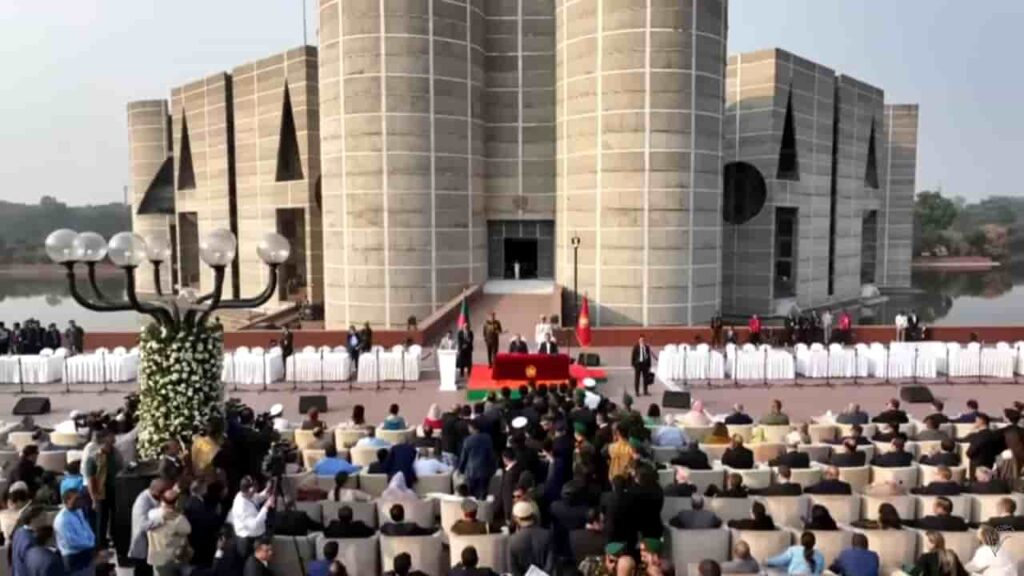
WORLD BNP Sweeps Bangladesh Election 2026: Tarique Rahman Poised for PM as Jamaat Concedes, Marking Post-Hasina Era Bangladesh’s February 12, 2026, general elections delivered a landslide for the Bangladesh Nationalist Party (BNP)-led alliance, securing 212 of 297 announced seats in the 300-member Jatiya Sangsad (50 nominated), ending 20 years out of power. BNP chief Tarique Rahman—son of ex-PM Khaleda Zia, back from a 17-year UK exile, is set to become prime minister after the student uprising toppled Sheikh Hasina’s 15-year rule in August 2024. Jamaat-e-Islami’s 77 seats make it the main opposition; the Awami League was banned. Election Snapshot Held alongside a “July Charter” referendum (endorsed for reforms), polls saw 59.88% turnout, deemed Bangladesh’s “most peaceful and credible” by EU observers. Voting covered 299 seats (one candidate’s death); Chattogram-3/8 results withheld by the court. BNP’s two-thirds majority (212 seats) trumps Jamaat alliance (77), National Citizen Party (NCP, protest-born, 6 seats), others/independents (2). Party/Alliance Seats Won (297 Announced) Notes BNP Alliance 212 Supermajority; Rahman wins Dhaka-17, Bogura-6. Jamaat-e-Islami Alliance 77 Historic high (best); Shafiqur Rahman wins Dhaka-15. NCP (Nahid Islam, 27) 6 Youth uprising reps; youngest MPs. Others/Ind. 2 – Mirza Fakhrul Islam Alamgir (BNP sec-gen) took Thakurgaon-1 over Jamaat’s Delwar Hossain. Post-Uprising Context First vote since Gen Z protests killed 1,400, ousting Hasina (now in India, calling polls “unconstitutional”). BNP’s win flips Awami dominance; Yunus (interim chief) congratulated Rahman for a “landslide,” expecting stability. Rahman urged unity: “National unity is strength; division is weakness.” No victory rallies, mosques, prayers instead. Jamaat conceded despite initial “tampering” claims (inconsistencies, admin bias), vowing “vigilant, principled opposition.” Concerns and Critiques Irregularities: BNP/NCP/Jamaat alleged “election engineering”; EC slow on turnout, result discrepancies, and limited evidence provided. Representation Lows: Women (7 direct seats), minorities (4)—two-decade nadir, signaling reform needs. Regional Eyes: India watches anxiously (Hasina refuge, ties strained); BNP eyes reset. BNP comeback after 2008 “persecution” exile. Daunting Challenges in Forming Bangladesh’s New Government Tarique Rahman’s BNP secured a two-thirds majority (212/297 seats) in Bangladesh’s February 12, 2026, elections, the first since the 2024 uprising toppled Sheikh Hasina, positioning Rahman as the next PM after 20 years out of power. Yet, analysts warn governing trumps winning: Economic distress, political rivals, reform demands, diplomatic tightropes, and internal fragilities loom large for the BNP-led coalition. Economic Revival Amid Crisis Bangladesh reels from Hasina-era mismanagement: Inflation, debt, reserves depletion, and unemployment from 1,400 protest deaths. BNP sec-gen Mirza Fakhrul flags restoring economy, law/order, corruption curbs, justice as priorities. Price stability battles syndicates; youth redirection needed post-Gen Z revolt. Governing demands unpopular fixes, far from opposition theater. Navigating Opposition Pressures Jamaat-e-Islami (77 seats, historic high) conceded but alleged “tampering” (inconsistencies, admin bias), vowing “vigilant opposition.” NCP (6 seats, Nahid Islam, 27) eyes reforms; both wield street power/online sway. BNP must juggle July Charter implementation (referendum-backed) without alienating allies-turned-rivals. Boycott risks or Islamist resurgence could destabilize; BNP lacks counter-blackmail leverage. Internal Party and Leadership Crises Post-2014/2018 election boycotts left BNP unsure of leaders’ true support, hybrid figures dominate. Punitive actions against 5,000+ cadres strain unity; modernization essential for 10-year rule. Rahman (exiled 17 years till Dec 2025) must prove governance mettle beyond dynastic legacy (Khaleda Zia’s son). India watches warily (Hasina refuge, ties plummeted); BNP eyes reset amid pro-India tilt’s end, potentially redrawing Quad dynamics. Awami allies exert global pressure; BNP balances China/Pakistan shadows without isolation. Experts: Diplomatic recalibration key. Lowest women (7 direct seats), minorities (4) in 20+ years signals electoral flaws—urgent fixes needed to honor uprising’s justice/transparency cry. Gen Z demands equality; BNP risks unrest if reforms lag. Path Forward Gazette published Feb 14; swearing-in imminent. EU deems polls “credible”; Yunus congratulated “landslide.” Success hinges on discipline: Confront syndicates/crime, embed reforms, unify amid conspiracies. As Prothom Alo notes, “electoral mandates are burdens”, BNP’s wisdom will decide if resurgence endures or squanders potential.
Delhi Embraces Benne: Mumbai’s Iconic Bangalore-Style Dosa Spot Benne Sparks Celeb Buzz
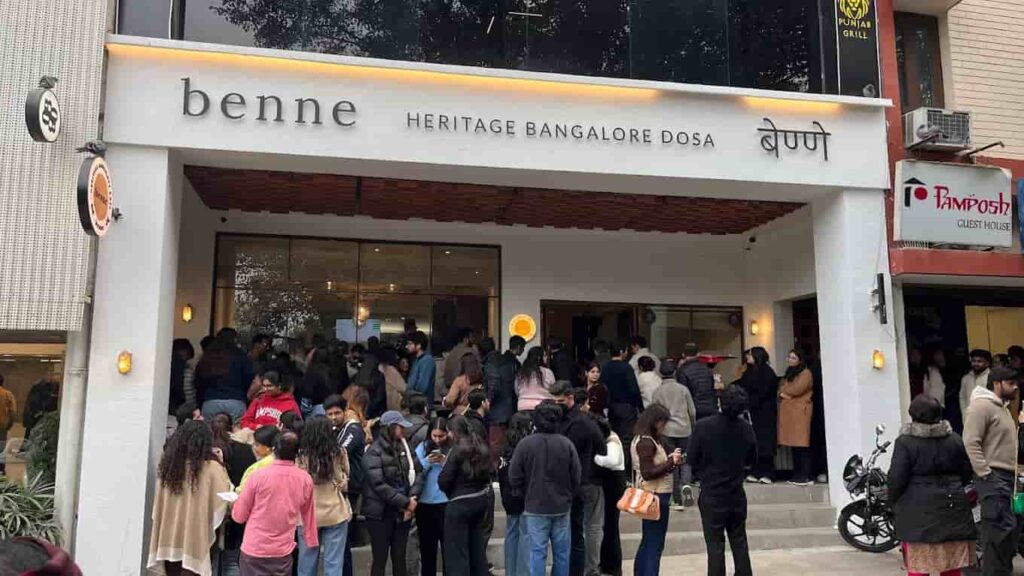
FOOD Delhi Embraces Benne: Mumbai’s Iconic Bangalore-Style Dosa Spot Benne Sparks Celeb Buzz Mumbai’s beloved Benne—Heritage Bangalore Dosas, launched its first Delhi outlet on December 31, 2025, at GK M Block Market, drawing food lovers into long winter lines for crispy, butter-drenched dosas that evoke Bengaluru’s darshini culture. Just two weeks in, crowds brave Delhi’s chill and pollution, with college groups and families waiting hours for bites that have already hooked Bollywood stars like Anushka Sharma, Virat Kohli, Deepika Padukone, and Ranveer Singh. Origins: A Bengaluru Couple’s Nostalgic Venture Founded by Akhil Iyer (The Artist Collective) and Shriya Narayan, both Bengaluru natives who relocated to Mumbai, the Bandra/Khar original opened craving authentic “Benne dosa.” Distinct from Davangere’s watery, puffed-rice version, Benne uses IR8 dosa rice, poha, fenugreek, and chana dal for its signature crisp, golden edges slathered in butter. “It’s not just food; it’s childhood memory,” Akhil explains, with plans to add Davangere-style later. Cost: ₹350/head. Menu Must-Tries Fueling the Hype Limited but laser-focused on Karnataka classics: Benne Podi Dosa: Buttery crisp with spicy podi, coconut chutney, melts in the mouth. Ghee Podi Idli: Soft idlis tossed in ghee-podi mix. Bangalore Masala Dosa: Potato-filled, nostalgia-packed. Akki Roti: Rice flour flatbread. Filter Coffee (Hot/Iced): Strong South Indian kick. Iced Horlicks & Mysore Pak: Sweet closes.Celeb endorsements amplify: Dia Mirza raved on Day 1 (Mumbai); Deepika (Bangalore-raised) and Ranveer visited, solidifying “Bollywood’s breakfast spot” status. Star Item Why Buzzworthy Benne Podi Dosa Butter crisp; podi-chutney magic Filter Coffee Strong, frothy; iced for Delhi Mysore Pak Soft-sweet; perfect dunk Delhi Launch: Instant Sensation South Delhi’s GK M Block (exact address unconfirmed) mirrors Mumbai’s cozy vibe: Open morning-last call, queues from dawn. Groups of 8+ wait Saturdays; hype via social reels of sizzling platters. Expansion teases “Bangalore in the capital”; chilly mornings pair perfectly with hot dosas. Delhi’s dosa scene (South Indian giants aside) gets authentic darshini edge: No-frills, butter-forward, evoking Bengaluru’s hole-in-wall energy. Authentic Bengaluru Darshini Magic Bengaluru natives Akhil Iyer and Shriya Narayan recreated “benne” (butter in Kannada) dosas using IR8 rice, poha, fenugreek, chana dal, crisp-edged, butter-slathered perfection distinct from Davangere’s watery batter. Nostalgic staples like ghee podi idli, filter coffee (hot/iced), Mysore Pak, akki roti evoke hole-in-wall darshinis: Standing-only, self-service, ₹350/head affordability. Delhiites crave this “piece of Bangalore” amid fusion South Indian overload. Celeb Endorsements Fuel FOMO Bollywood stampede: Anushka Sharma/Virat Kohli, Deepika Padukone (Bangalore-raised)/Ranveer Singh, Dia Mirza (Day 1 Mumbai fan), social reels of stars licking fingers went mega-viral. Mumbai Bandra/Juhu success (umbrellas for queues!) primed Delhi hype; influencers/reviewers call it “Delhi NCR’s best dosa.” Social Media & Viral Loops Instagram/TikTok frenzy: Sizzling dosa vids rack millions; “longest queue for dosa” challenges, unboxing reels amplify. Mumbai’s 30-60 min waits became legend; Delhi’s 2-hour lines (morning-last call) self-perpetuate via FOMO posts. Tiny 225 sq ft setup adds charm, no reservations, fun queue slips (e.g., “Sultanpalya Shakir”). Novelty in Delhi’s Scene Capital’s dosa wars get upended: Benne’s hyper-authentic, butter-forward simplicity stands out vs. glitzy chains. Winter pairing (hot dosas vs. chill) + expat nostalgia (Bengaluru migrants) = perfect storm. Expansion buzz (more outlets teased) sustains excitement; “must-visit before sell-out.” Why the Frenzy? Authenticity: Rare true Bengaluru “benne” (butter) style outside Karnataka/Mumbai. Celeb Pull: Virat-Anushka, Deepika-Ranveer sightings fuel FOMO. Nostalgia: Bengaluru expats/Delhiites crave podi-idli, filter coffee amid winter. Simplicity: Limited menu = perfection; ₹350 keeps it accessible.Challenges: Queues test patience; winter pollution adds grit. Yet, it’s spreading: Mumbai success proves scalable. Benne’s Delhi foray cements its mini-chain status, blending South Indian soul with urban hype. Food lovers: Brace for lines, this buttery invasion won’t slow.
Kerala’s ‘Kumbh Mela’ Revival at Thirunavaya: Spiritual Spectacle or Contested Rebranding?
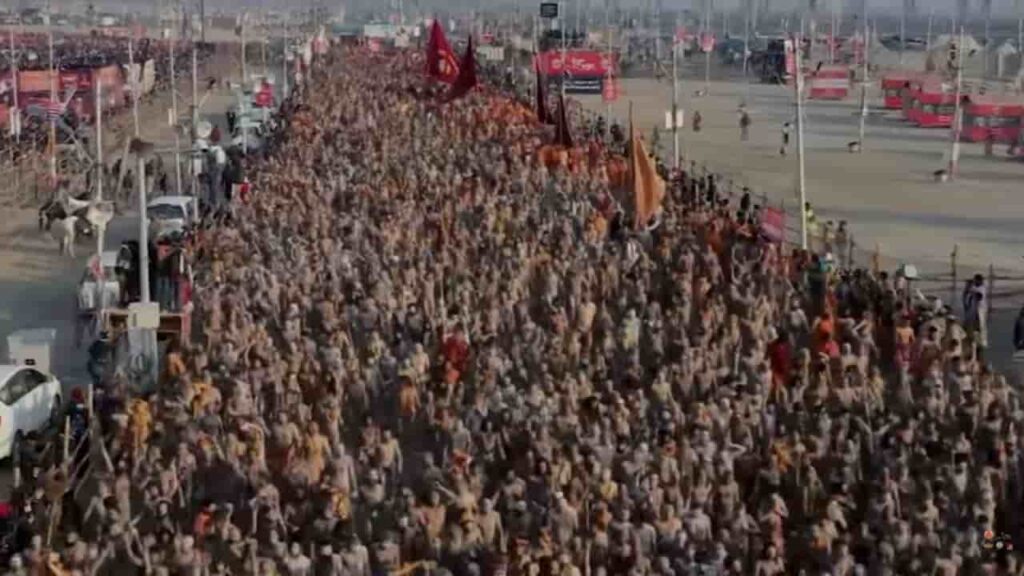
SPIRITUALITY Kerala’s ‘Kumbh Mela’ Revival at Thirunavaya: Spiritual Spectacle or Contested Rebranding? Thirunavaya’s Bharathapuzha (Nila) riverbanks hosted the Mahamagha Mahotsavam, dubbed Kerala’s Kumbh Mela, from January 18 to February 3, 2026, drawing over 3.5 lakh daily devotees at its peak. Organized by Varanasi’s Juna Akhada with Mohanji Foundation and Mata Amritanandamayi Math, the 17-day event peaked February 2-3 with Naga sanyasis’ arrival, blending Vedic dips, Nila aarti by Varanasi priests, and tribal rites, but sparked debate over history, politics, and ecology. Event Highlights and Rituals Held at Trimurti Sangama (Brahma-Vishnu-Shiva temples triangle), the festival revived rituals absent for ~250-270 years: Holy Dips (Snana Mahotsavam): Believed to energize souls, equivalent to Ganga baths. Nila Aarti: 15-member Varanasi team’s evening fire rituals, evoking Kashi ghats. Inclusivity: Vedic yajnas, tantra, Paniya/Kattunayakan tribal practices alongside Brahmin rites; discourses, bhajans. Processions: Mahameru Rath Yatra from Tamil Nadu’s Trimurtimala; Naga sanyasis’ dips/meditations.Special trains stopped at Kuttipuram/Tirur; crowds from Kerala, Tamil Nadu, Andhra, and North India. Logistics: Parking/security robust; stays in Kottakkal/Perinthalmanna (accommodation scarce onsite). Phase/Date Highlights & Significance Jan 18: Inaugural Snana Festival launch; initial mass dips, poojas at Navamukunda Temple. Jan 19-22: Rathayatra Period Chariot arrival; heightened dips amid processions, yajnas. Feb 2: Naga Sanyasi Arrival Ash-smeared avadhoots’ ritual dips via special trains (Kuttipuram/Tirur stops); awe-inspiring for devotees. Feb 3: Mahamagha Culmination Final peak snana; grand aarti, homams, festival close; max crowds for soul purification. Brahma Muhurta (4-5:30 AM) is ideal for dips; post-bath charity/meditation amplified merits. No exact parallels to Prayagraj’s Paush Purnima/Mauni Amavasya, but Feb 3 evoked “king of snans” vibe. Key Leaders and Roles Thirunavaya’s Mahamagha event (Jan 18–Feb 3, 2026) drew key figures from Juna Akhada, Kerala mathas, and reformist lineages, blending north-south traditions. Led by Varanasi’s Juna Akhada with Mohanji Foundation and Mata Amritanandamayi Math, attendees included Naga sanyasis, Aghori babas, and matha heads for dips, aartis, and poojas. Leader/Title Affiliation/Role Highlights Mahamandaleshwar Swami Anandavanam Bharati Juna Akhada (Sabhapati); ex-SFI/journalist turned Mahamandaleshwar (2025 Maha Kumbh). Led inaugural Magha Snana (Jan 19); presided over all rituals; public face promoting “Kerala Kumbh.” Mata Amritanandamayi (Amma) Chief Patron (Mata Amritanandamayi Math). Symbolic patron since 2018 revivals; inclusivity focus. Acharya Mahamandaleshwar Avadheshananda Giri Ji Maharaj Juna Akhada Supreme Head; Co-Chief Patron. Oversaw organizational revival. Swami Satyananda Saraswati Foundation Managing Trustee; Shriramdas Mission National Gen Secy. Inaugural presence (Jan 18). Sri Shakti Shantanananda Maharshi Shriramdas Mission; with Swami Satyananda. Day 1 ceremonies. Mooppil Swamis (Kerala Shankara Mathas) Thrissur Thekke (Vasudevananda Brahmanandabhuti), Kasaragod Idaneer (Sachidananda Bharathi), Thrissur Naduvil (Achyuta Bharathi), Thanur Thrikkaikattu (Narayana Brahmananda Theertha), Ilamura (Parthasarathy Bharathi). Special poojas (Jan 30); sanctified event. Acharyan Arun Prabhakarji Gayatri Gurukulam. Led Vedic chanting for Magha Snana. Ivarmatham Ramesh Korappathji Vedic ritual leader. Shmashana Shraddha (Jan 18). Naga Sanyasis & Aghori Babas Juna Akhada ashrams (Kashi/Varanasi). Arrived Feb 2 for dips/meditations; mystic draw. Additional Context Inaugural Dignitaries: Kerala Governor Rajendra Vishwanath Arlekar (Chief Guest, Dharmadhwaja hoisting Jan 19); Zamorin rep K.C. Dileep Raja Arikkara, Sudheer Namboothiri. Reformist Homage: Honored Adi Shankaracharya, Sree Narayana Guru, Chattampi Swamikal, Ayyankali, Ayya Vaikunda Swamikal, Swami Chinmayananda, Nijananda/Satchidananda Saraswati—inclusivity across sects. Coordination: Swami Chidanandapuri (earlier patron); BJP leaders/Seva Bharati volunteers supported. These figures amplified the event’s pan-Hindu appeal, drawing 3.5 lakh/day peaks despite historical debates. Historical Context: Mamankam vs. Kumbh Rebrand Rooted in medieval Mamankam (Maha-Makham, every 12 years till 1755), a Chera-era trade/political arena where Zamorin-Valluvakonathiri clashed via chaver suicide squads. Sites: Nilapadu Thara (Zamorin throne), Manikkinar well, Changampally Kalari. Legends tie to Parashurama’s yajna at Thavunur. Organizers (Sabhapati Swami Anandavanam Bharati, ex-SFI/journalist turned Mahamandaleshwar) frame as prehistoric Magha Mela revival—Bṛhaspati-led, post-Palazhi Mathanam myth. But historians diverge: Supporters (VV Haridas): River festival akin to Kumbh; Mamakam=Magha Utsavam. Critics (Rajan Gurukkal, KN Ganesh): Distinct—nakshatra (Makam) vs. Jupiter-Sun rāśi alignments; martial/multicultural (Muslim Kozhikotu Koya on platform, Mappila guards/traders), not purely religious. No Kerala Kumbh tradition; Hindutva overlay erases secular history. Revival attempts: 2016 (Thirur Dinesh), 2018+ (Swami Chidanandapuri, Amma); 2025 Juna Akhada scale-up. 2028 promises a fuller 12-year cycle. Controversies: Hindutva, Politics, Ecology Rebranding Critique: Historians (Shibi Thekkeyil, PK Michael Tharakan) call it Hindutva appropriation, Brahminical north-Indian narrative overwriting Dravidian/secular Mamankam in Muslim-majority Malappuram (75%+ local Muslims). RSS visitors’ eyes “Hindu unity.” Permissions Clash: Jan 2026 stop-memo (river conservation/safety) resolved via Collector; TN denied TN-Kerala rathayatra stops—framed as anti-Hindu bias by Swami (communal remarks on LDF/UDF vs. Muslim events). Environmental Alarm: Drought-prone Bharathapuzha (dries summers; coliform pollution, sand-mining); NGOs (Re-Echo, Friends of Bharathapuzha) fear crowds exacerbate scarcity (444 water projects dependent). CPCB post-2025 Prayagraj report warns of pilgrim impacts. Organizers counter: Tradition reveres nature. State aid: Police (hundreds), Haritha Sena (waste), KSRTC buses, despite BJP gripes. Broader Implications In poll-bound Kerala, the event fuses local lore with pan-Indian Hindu revivalism, attracting lakhs yet polarizing: Devotees hail spiritual homecoming; critics see imported north-Indian violence/majoritarianism. As Bharathapuzha’s ecology strains, balancing faith and sustainability looms large for 2028’s sequel.
Fractal Analytics IPO Debuts Muted: Shares List at 2.7% Discount, Close Day 1 Down 6% Amid AI Hype Fade
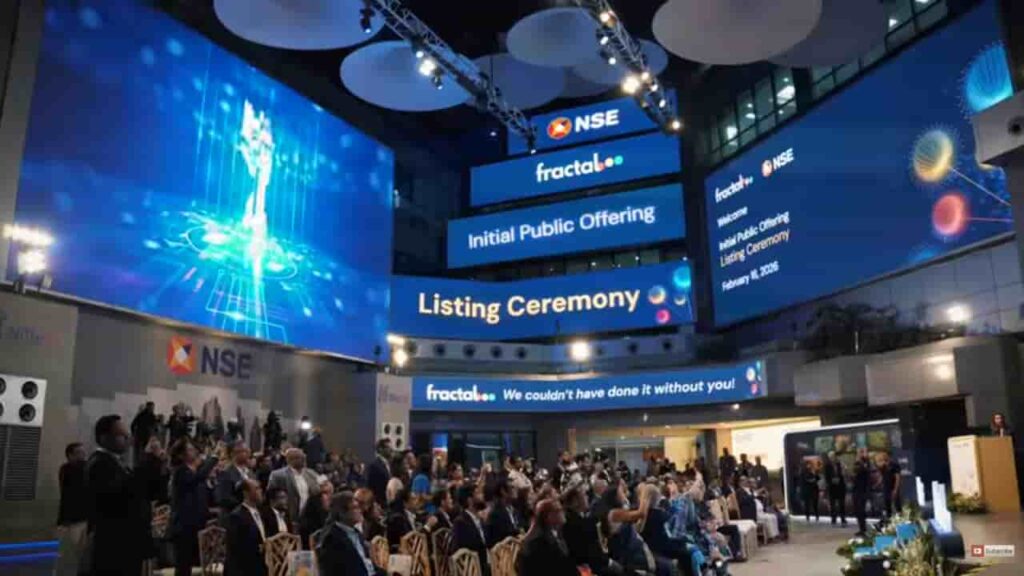
BUSINESS Fractal Analytics IPO Debuts Muted: Shares List at 2.7% Discount, Close Day 1 Down 6% Amid AI Hype Fade Mumbai, February 16, 2026 – AI-driven analytics firm Fractal Analytics made a tepid stock market entry today, listing at ₹876 on NSE (2.7% below the ₹900 IPO price) and flat at ₹900 on BSE, before closing the first day down 6%, signaling investor caution despite 2.66x oversubscription. With a listed market cap of ₹15,061 crore, the debut underscores market demand for execution proof over “AI buzz,” as grey market premium (GMP) flipped negative at -₹10 (-1.11%). IPO Snapshot and Subscription Breakdown The ₹1,526 crore IPO (Dec 9-11, 2025; price band ₹857-900; lot size 16 shares) drew solid institutional interest (4.05x) but tepid retail/non-institutional bids (~1x). Allotment finalized Feb 12; trading commenced Feb 16 post-approvals. Promoters: Srikanth Velamakanni, Pranay Agrawal, Chetana Kumar, Narendra Kumar Agrawal, Rupa Krishnan Agrawal. GMP swung from +₹180 high to -₹10 low, forecasting ₹890 listing, mirroring sentiment. Key Metric Details Issue Size ₹1,526 crore Subscription 2.66x overall Listing (NSE/BSE) ₹876 / ₹900 GMP (Feb 16) -₹10 (-1.11%) Mkt Cap (Listing) ₹15,061 crore Post-listing P/E: 65.6x FY25 profits (down from 67.37x at IPO); 109.1x annualized H1 FY26, premium to Nifty 50 (~22x), pricing in growth but vulnerable to misses. Funds Utilization: Growth Bets with Risks Net proceeds target: Prepay Fractal USA borrowings. Laptops, new India offices, R&D/sales/marketing via Fractal Alpha. Inorganic growth (≤25% cap), general purposes (≤35% total).Unappraised by banks; three-year deployment. No variation without shareholder nod (special resolution). Risks: Delays, overruns, alternative funding needs (debt/accruals). Key Risks from RHP: Execution Hurdles Fractal flagged multiple red flags: Operations: All 24 offices leased (non-renewal risk); 78.2% PPE insured (gaps/exclusions). Growth: Regulatory delays, hiring woes; client concentration (top 10: 54.2% Fractal.ai revenue); US reliance (64.9%). Financials: Employee costs 72.2% revenue (H1 FY26); cash lags possible. Compliance/Tax: Anti-bribery/sanctions exposure; Finance Bill 2025 uncertainties; LTCG 12.5% (>₹1.25L, >12mo hold), STCG 20%. Governance: Concentrated post-IPO holding (Apax, OLMO, TPG, promoters); PFIC risk for US investors; internal controls critical.Anchor lock-ins: 50% till Mar 13, 2026; rest May 12—potential volatility triggers. What to Watch: Investor Triggers Q4 FY26 Results: Validate FY25 ₹220.6 crore profit; margin stability amid people costs. Client Metrics: 122 MWCs (Sep 2025); sticky revenue vs. headcount bloat. Cash Flows: Receivables quality in a project-heavy model. Peers: Premium tech-services+AI valuation; execution > narrative. Analysts eye partial profit-taking for allottees; long-term hold if margins/client base expand. Fractal’s AI analytics pitch met reality check, market demands quarterly proof amid fading hype. Track live at indmoney.com/ipo/fractal-analytics-ipo. Valuation: Premium Pricing, Execution Squeeze Listing P/E 65.6x FY25 (109x H1 FY26 annualized), steep vs. Nifty (~22x), peers. ROCE 13%; per-unit spend ₹0.93/Rs earned FY25. GMP crash (-₹10) reflects fading AI buzz; 2.66x subscription (QIBs 4x, retail ~1x) shows selective appetite. Mkt cap ₹15,061 Cr at list; anchor lock-ins (Mar/May 2026) loom as supply risks. Bull vs. Bear: Balanced Risks Bulls: AI platforms scale margins (45.9% gross); enterprise wins (Google, Wells Fargo); IPO funds inorganic growth (25% cap), offices, R&D. Services-to-subs shift boosts repeatability. Bears: People-heavy (72% costs); unappraised proceeds; leased ops (24 sites); tax/compliance/PFIC risks; no cash flow details signal receivables lag potential. Q4 FY26 must sustain margins amid salary inflation. Investor Playbook Traders: Eye ₹900 resistance; sell on lock-in spikes. 6-12 Months: Hold if Q4 confirms profit stability, client diversification. Long-Term: Bet on AI embedment if subs >20% mix, US demand holds. Partial exits prudent; track cash flows, top-client stability over hype. Fractal’s story hinges on proving scalable profitability, not just “AI-first” labels, in a crowded analytics field.
Snowfall Returns to Bare Himalayas: Tourism Boom Brings Joy, Chaos, and Economic Lifeline
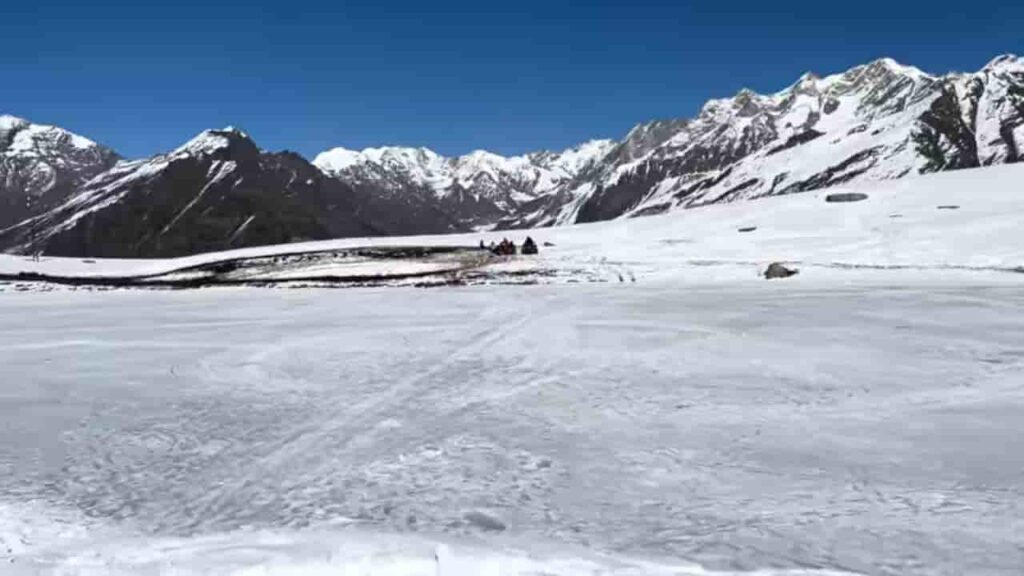
TRAVEL Snowfall Returns to Bare Himalayas: Tourism Boom Brings Joy, Chaos, and Economic Lifeline New Delhi – After months of barren peaks and a crippling “snow drought,” fresh western disturbances have blanketed Uttarakhand, Himachal Pradesh, and Jammu & Kashmir with snow, igniting jubilation among tourists and local businesses. From Auli’s ski slopes to Manali’s adventure hubs, the white resurgence is breathing life into mountain economies, but a sudden influx has exposed infrastructure gaps, traffic snarls, and administrative overstretch. The Himalayas, Asia’s “Third Pole,” stand starkly bare this winter, with vast swathes of peaks in Uttarakhand, Himachal Pradesh, and Jammu & Kashmir defying their snow-clad legacy. Satellite data and IMD reports confirm a severe “snow drought”, the lowest snow persistence in 23 years per ICIMOD’s 2025 update, threatening rivers, glaciers, and 2 billion downstream lives. December 2025’s 100% snowfall deficit in Uttarakhand and 99% in Himachal crushed tourism: Auli hotel occupancy plunged 80%, leaving taxi drivers and paragliding operators idle. Shimla and Gulmarg saw 50-70% cancellations as the “snowless selfies” trend went negative online. But IMD’s Feb 9-11 forecast delivered: 6-12 inches in higher reaches, reviving hopes. “Finally, the mountains look like mountains again,” cheered a Delhi visitor in Manali, where bookings spiked 300% overnight. Causes: Warming & Variability IPCC links this to global warming: warmer air favors rain over snow, quickens melt, shifts snowline upward. Western disturbances, key moisture carriers, were weak/irregular, delaying onset 30-40 days. Over five years, winters lag 1980-2020 averages, with mid-elevations (3,000-6,000m) hit hardest. Primary Drivers: Weak Western Disturbances: Extratropical storms from the Mediterranean deliver winter moisture but were irregular/weak in 2025-26, causing 100% deficits in Uttarakhand, 99% in Himachal. Delayed onset (30-40 days late) slashed accumulation. Rising Temperatures (Elevation-Dependent Warming): HKH warms 2-3x global average; warmer air holds more moisture, shifting precipitation from snow to rain, raising snowline, and accelerating melt. Snow Drought Types: Precipitation Deficit: Below-normal winter storms (e.g., Dec 2025: J&K -78%, Ladakh -63%). Snowmelt Drought: Normal precipitation but hot conditions cause rain/early melt. Long-Term Trends: ICIMOD: 23.6% snow persistence drop (23-year low); 4/5 recent winters below 1980-2020 norms. IPCC: Warming shortens cover, worsens by 2100. Compounding Factors: Greenhouse emissions amplify variability; mid-elevations are most vulnerable as small temp rises tip the snow-to-rain balance. Impacts & Effects Water Security: Snowmelt supplies 25% runoff to the Indus, Ganga, and Brahmaputra; glaciers add dry-season flow. Losses spike spring melt, then shortages, risking droughts for 1/4 of humanity’s basins. Glaciers: Uttarakhand’s may turn negative mass balance; HKH projected 75% loss by 2100.Hazards: Destabilized slopes fuel landslides, GLOFs, fires, Uttarakhand/Himachal fires rose amid dry winters. Economy/Tourism: Auli bookings crashed; Shimla/Manali snowless. Impacts of Reduced Himalayan Snow on Ganges and Indus Rivers Reduced snow in the Himalayas, exacerbated by warming and weak western disturbances, poses severe threats to the Ganges (Ganga) and Indus basins, which sustain 1.65-2 billion people. Short-Term Effects (Peak Melt Phase) Peak Flows Shift: Earlier snowmelt floods rivers prematurely (spring surge), raising flood risks in the Indo-Gangetic plains. Temporary Boost: Glacier/snow melt temporarily increases runoff (to 2050), but erratic. Long-Term Consequences (Post-2050) Declining Dry-Season Flow: Snow contributes 25% annual runoff; deficits (Indus: 30-50%, Ganga: 50-60% by 2100) slash baseflow, causing summer shortages for irrigation, drinking water, and hydropower. Ganga Basin: Upper Ganga snow persistence down 17%; earlier melt disrupts Gangotri/Ganges timing, hitting 500M+ farmers, ecosystems (forest biodiversity loss). Indus Basin: 23% snow drop; critical for Pakistan/India agriculture/hydropower; projected 20-30% flow reduction by 2100. Broader Risks Droughts/Water Stress: Shorter snow cover (5 fewer days/decade) worsens seasonal deficits. Agriculture: 129M farmers affected; reduced irrigation in kharif/rabi seasons. Hydropower/Ecosystems: Diminished reservoirs; biodiversity shifts, fires. Glacier Amplification: Combined with 75% HKH glacier loss by 2100. ICIMOD urges drought plans and transboundary cooperation. Economic Lifeline for Mountain Communities Snowfall is the heartbeat of Himalayan tourism, fueling 70% of winter revenue in hill stations. Himachal’s adventure sector, skiing, snowmobiling, yak safaris, generates ₹5,000 crore annually, employing 2 million in hotels, homestays, taxis, and gear rentals. Uttarakhand’s Auli and Chopta saw ₹1,200 crore from the 2025 peak season alone. Local vendors selling woolens, momos, and hot chai thrive; pony rides and snowman-building add family fun. In Gulmarg, gondola rides resumed at full capacity, injecting cash into shepherds and handicraft sellers. “One good snow week equals a month’s earnings,” said a Manali hotelier. J&K’s Pahalgam reported 40% occupancy jump, easing post-conflict economic pressures. For women-led homestays and tribal artisans, it’s empowerment: snow draws cultural tourists craving authentic pahadi experiences. Joy Amid Chaos: The Double-Edged Snowfall Tourists are ecstatic, families build snow forts, influencers capture reels, and adventure seekers hit slopes. “Pure magic after the drought scare,” posted a group from Punjab. But the rush creates mayhem: narrow Rohtang Pass jams with 5,000 vehicles daily; Auli’s lone cable car queues stretch hours. In Shimla, overbooked hotels turn away families, sparking online fury. Poor preparedness amplifies woes. Landslides from melt-snow mix block paths; inadequate parking floods meadows; waste piles up sans dustbins. Last year, Manali’s “snow chaos” saw 20-hour delays, oxygen shortages at high camps, and petty scams. Locals lament: “Tourists bring money but trash our paradise.” Both Sides: Boom vs. Burden Pro-tourism voices hail snow as salvation: “It saved our season,” says a Kasol trek operator. Businesses invested in snow chains, heated tents—paying off now. Environmentally, snow aids groundwater recharge, curbing wildfires. Critics warn of overload: fragile ecology suffers trampling, pollution spikes (diesel generators, plastic litter). Over-reliance risks bust-boom cycles; climate-vulnerable hills can’t sustain endless crowds. “Sustainable numbers, not mass frenzy,” urges a Nainital activist. Path Forward: Building Resilience Authorities must act decisively: Local Administration: Deploy traffic wardens, mobile toilets, waste squads; enforce carrying capacity (e.g., 2,000/day in Auli). Digital booking for parking/gondolas prevents no-shows. State Governments: Himachal/Uttarakhand invest ₹500 crore in snow-clearing machines, widened roads (Atal Setu-style tunnels), and eco-lodges. Promote off-peak treks and homestays via apps. Central Government/Ministries: MoT allocates ₹2,000 crore for infra (helicopter pads, EV charging at 5,000m). Skill 1 lakh youth in hospitality/glaciology tourism. NGT-monitored waste rules; drone