




Russia Develops Experimental Cancer Vaccine, Early Trials Show Promise

HEALTH Russia Develops Experimental Cancer Vaccine, Early Trials Show Promise Russia has announced the development of an experimental cancer vaccine, marking a significant step in its ongoing efforts to advance personalised cancer treatment through immunotherapy. The vaccine, which is still in the research and clinical trial stage, has been developed by scientific institutions operating under Russia’s state-run medical research framework and is being positioned as a therapeutic vaccine, not a preventive one. According to Russian health authorities, the vaccine is designed to stimulate the patient’s immune system to recognise and attack cancer cells, rather than prevent the onset of cancer. This places it within the rapidly growing global field of cancer immunotherapy, where treatments are tailored to the biological profile of an individual’s tumour. What Makes the Vaccine Different Unlike conventional vaccines used against infectious diseases, Russia’s cancer vaccine is personalised. It is developed using messenger RNA (mRNA) technology, a platform that delivers genetic instructions to the body’s cells, enabling the immune system to identify tumour-specific antigens and mount a targeted response against cancer cells. Russian researchers have stated that the vaccine is created after genetic sequencing of a patient’s tumour, allowing the formulation to be customised for each individual. This approach aims to improve treatment precision while reducing damage to healthy cells — a longstanding challenge in traditional cancer therapies such as chemotherapy and radiation. The project is being led by institutions under the Federal Medical Biological Agency (FMBA), with collaboration from leading molecular biology and oncology research centres in Russia. Stage of Development and Trials Russian officials have clarified that the vaccine has completed pre-clinical testing and has entered early-phase human trials, primarily focused on assessing safety and immune response rather than long-term efficacy or cure rates. Preliminary observations from these early trials suggest that the vaccine has triggered immune activation against cancer cells, with researchers reporting an absence of severe adverse effects among participants. However, experts stress that Phase I trials are not designed to establish effectiveness, and broader conclusions can only be drawn after larger Phase II and Phase III trials. As of now, comprehensive peer-reviewed clinical data has not been published in international medical journals, and the vaccine has not received regulatory approval for widespread clinical use either within Russia or internationally. Not a “Cancer Cure” Medical experts and health authorities have cautioned against describing the development as a cure for cancer. Cancer is not a single disease but a complex group of conditions, and therapeutic vaccines are generally intended to slow disease progression, prevent recurrence, or improve survival outcomes, often in combination with other treatments. Independent analysts have pointed out that while early results are encouraging, claims circulating on social media suggesting “100 per cent effectiveness” are scientifically inaccurate and misleading. Regulatory approval will depend on long-term trial outcomes, reproducibility of results and transparent data validation. International Interest and Future Plans Despite its early stage, the announcement has drawn international attention, with some countries reportedly expressing interest in observing or participating in further clinical evaluation once larger trials are initiated. Russian health authorities have indicated that, subject to successful trial outcomes and regulatory clearance, limited clinical use could be expanded in the coming years, particularly for cancers where existing treatments show limited effectiveness. Why This Development Matters Globally, cancer remains one of the leading causes of death, and the pursuit of personalised, less toxic treatments is a major priority for medical research. Therapeutic cancer vaccines, especially those using mRNA technology, are seen as a promising frontier because they aim to harness the body’s own immune defences rather than relying solely on invasive treatments. Russia’s progress reflects a broader global shift towards precision medicine, where treatments are increasingly tailored to individual patients rather than applied uniformly. The Road Ahead For now, Russia’s cancer vaccine remains an experimental medical innovation, not a commercially available treatment. Scientists and clinicians agree that extensive clinical trials, peer-reviewed data and international regulatory scrutinywill be critical before the vaccine can be considered a reliable addition to cancer care. While the early findings offer cautious optimism, experts emphasise that rigorous science, not headlines, will determine whether the vaccine ultimately changes cancer treatment outcomes.
India–Chile Trade Deal: Deepening Economic Engagement Between South Asia and South America
GOVERNMENT India–Chile Trade Deal: Deepening Economic Engagement Between South Asia and South America India and Chile have nurtured a stable and steadily expanding trade relationship over the past two decades, anchored in the India–Chile Preferential Trade Agreement (PTA) and moving toward a more comprehensive economic partnership. The evolving framework of cooperation reflects both countries’ strategic interests in expanding market access, diversifying export baskets, and strengthening bilateral economic integration within a globalised trade environment. Historical Background: From Framework to Preferential Trade The roots of formal trade cooperation between India and Chile date back to the Framework Agreement on Economic Cooperation signed in January 2005, which laid the foundation for deeper commercial ties. Following this, after four rounds of negotiations, the India–Chile Preferential Trade Agreement (PTA) was finalised and signed on March 8, 2006 and came into force in India on September 11, 2007 and in Chile on August 17, 2007. The PTA was subsequently notified to the World Trade Organization (WTO) in January 2009, underlining its legitimacy and integration into global trade rules. Under the original 2006 PTA, both countries agreed to provide fixed tariff preferences on a selected list of goods to encourage bilateral trade. India initially offered tariff concessions ranging from 10% to 50% on 178 tariff lines at the detailed eight-digit product level to Chile, while Chile reciprocated with concessions on 296 tariff lines, some of which carried preferences of up to 100%. Expansion and Current Trade Regime Recognising the need to broaden the agreement’s scope, India and Chile agreed in 2016 to expand the PTA, which came into effect on May 16, 2017, after ratification by both sides. Under the expanded framework: Chile offered preferential duty reductions on 1,798 goods — with margins of preference (MoP) between 30% and 100% — granting Indian exporters enhanced access to the Chilean market. India reciprocated with tariff concessions on 1,031 products at the eight-digit classification level, providing MoPs between 10% and 100% on items ranging from processed foods and raw materials to industrial and manufacturing inputs. The expanded PTA covers sectors such as agriculture and allied goods, chemicals, pharmaceuticals, textiles and apparel, machinery and equipment, processed foods, leather products, and various industrial commodities. This broader coverage has significantly improved market access for Indian businesses and diversified the range of products traded between the two countries. Trade Flows and Economic Significance Chile is one of India’s key trading partners in Latin America, ranking among the top destinations for Indian exports and sources of imports. According to data for the fiscal year 2023–24, bilateral trade between India and Chile reached approximately US$2.45 billion, with India exporting goods worth about US$1.1 billion and importing nearly US$1.35 billion, reflecting a modest trade deficit for India. Chile’s top exports to India include copper ore and concentrates, iodine, lithium compounds, molybdenum ores, and chemicals, while Indian exports to Chile comprise transport equipment, pharmaceuticals, textiles, engineering goods, plastic and leather products, and handicrafts. Trade experts note that the India–Chile trade relationship remains well-balanced compared with other Latin American partners and continues to deepen despite global economic fluctuations. The diversity of export and import baskets illustrates the complementary aspects of both economies, offering opportunities for further expansion. Towards a Comprehensive Economic Partnership While the PTA has provided a stable framework for tariff concessions, policymakers in both countries have recognised that a broader and more robust trade agreement could unlock greater economic potential. To this end, India and Chile have embarked on negotiations for a Comprehensive Economic Partnership Agreement (CEPA), which aims to expand beyond tariff reductions to cover emerging areas of bilateral cooperation. In May 2025, India and Chile signed the Terms of Reference (ToR) for CEPA, signalling their intent to elevate the trade relationship to a full-fledged free trade agreement (FTA). The CEPA negotiations build upon the existing PTA and foresee expanded cooperation in key sectors such as digital services, investment promotion and protection, small and medium enterprises (MSMEs), critical minerals, and broader goods and services trade. The first round of CEPA talks was concluded in May 2025, followed by subsequent negotiation rounds aimed at finalising the agreement text. Both sides have identified that including digital services and critical minerals — particularly Chile’s rich reserves of lithium and copper — could add significant strategic value to the CEPA framework, benefiting sectors such as clean energy, electronics and high-technology industries. Strategic and Geopolitical Dimensions The India–Chile trade engagement is more than a commercial arrangement. Chile is a founding member of the Pacific Alliance, and India is an observer member, positioning the PTA and prospective CEPA as gateways to deeper engagement with broader Latin American markets. Strengthening trade ties with Chile aligns with India’s global economic outreach strategy, which seeks to diversify export markets, attract foreign investment, and secure supply chains for critical resources. For Indian exporters, Chile offers access to a strategically located South American market with strong linkages to other regional economies. For Chile, India presents opportunities in one of the fastest-growing large economies, with demand for products ranging from pharmaceuticals to engineering goods and textiles. Challenges and Future Prospects While the expanded PTA has facilitated greater market access, the trade relationship still faces challenges such as addressing non-tariff barriers, improving logistics integration, and enhancing investment flows. The CEPA negotiations are seen as a necessary next step, aiming to resolve such issues and elevate economic cooperation to a more comprehensive level. Both governments have expressed optimism that a concluded CEPA will not only expand bilateral trade volumes but also attract greater investment in sectors such as information technology, renewable energy, critical minerals, and services, while supporting MSMEs, innovation ecosystems, and job growth in both countries. Conclusion: A Growing Partnership The India–Chile trade deal — rooted in a preferential trade agreement since 2007 and evolving towards a Comprehensive Economic Partnership Agreement — represents a significant chapter in India’s trade diplomacy with Latin America. Through phased tariff concessions, portfolio diversification, and ongoing negotiations to deepen economic cooperation, the two countries are forging a trade relationship
Valentine’s Day 2026: How Love Was Celebrated, Questioned, and Reimagined This Year

EVENTS Valentine’s Day 2026: How Love Was Celebrated, Questioned, and Reimagined This Year Valentine’s Day this year didn’t arrive with loud declarations alone; it came quietly too — in pauses, in small gestures, in moments that didn’t need to be posted to feel real. Celebrated on February 14 and spilling into conversations well beyond the date, Valentine’s Day 2026 reflected how the idea of love itself is evolving — layered, thoughtful, and far less performative than it once was. Across cities and small towns alike, the day saw a familiar rhythm: cafés filled early, flower sellers doing brisk business, last-minute gift counters crowded by the evening. Roses, chocolates and handwritten notes remained classics, but what stood out this year was the shift in intent. Love was no longer just about grand gestures; it was about presence. Couples chose quieter celebrations — shared meals, long walks, unhurried conversations — opting for connection over spectacle. Social media, often the loudest mirror of Valentine’s Day, also told a different story this year. While there were still curated photographs and carefully framed moments, there was a noticeable rise in honesty. Posts spoke of gratitude, healing, companionship, and growth. Many users moved away from the idea of romantic perfection and instead embraced vulnerability. One widely shared sentiment summed it up simply: “Love doesn’t have to look perfect to feel true.” For many, Valentine’s Day 2026 was not just about romantic partnerships. Friendships were celebrated openly, self-love took centre stage, and families found their own ways to mark the day. Bookstores hosted poetry readings, cafés organised open-mic evenings, and wellness spaces saw people choosing solitude without apology. The definition of love expanded — not diluted, but deepened. Market trends echoed this emotional shift. Experiences overtook objects. Reservations for workshops, intimate dinners, travel getaways, and wellness sessions saw a rise compared to traditional luxury gifting. Consumers leaned toward meaning — gifts that carried stories rather than price tags. As one shopper put it, “I didn’t want to buy something expensive. I wanted to give something that would stay.” Interestingly, Valentine’s Day also became a moment of reflection for those nursing heartbreak or choosing distance. Instead of exclusion, there was acknowledgment. The day allowed space for those who were single, healing, or redefining their relationship with love altogether. Quotes like “Being alone is not the opposite of love; it’s often where it begins”resonated strongly this year. What made Valentine’s Day 2026 stand out was its emotional maturity. It wasn’t louder — it was wiser. It didn’t insist on celebration; it invited intention. Love was expressed in showing up, in staying gentle, in choosing honesty over illusion. As conversations continue beyond the day itself, one thing is clear: Valentine’s Day this year wasn’t about proving love to the world. It was about understanding it better — quietly, sincerely, and on one’s own terms. And perhaps that’s what made it memorable.
Brazil President Lula in India: A Friendly Visit for Talks on AI, Trade, and More
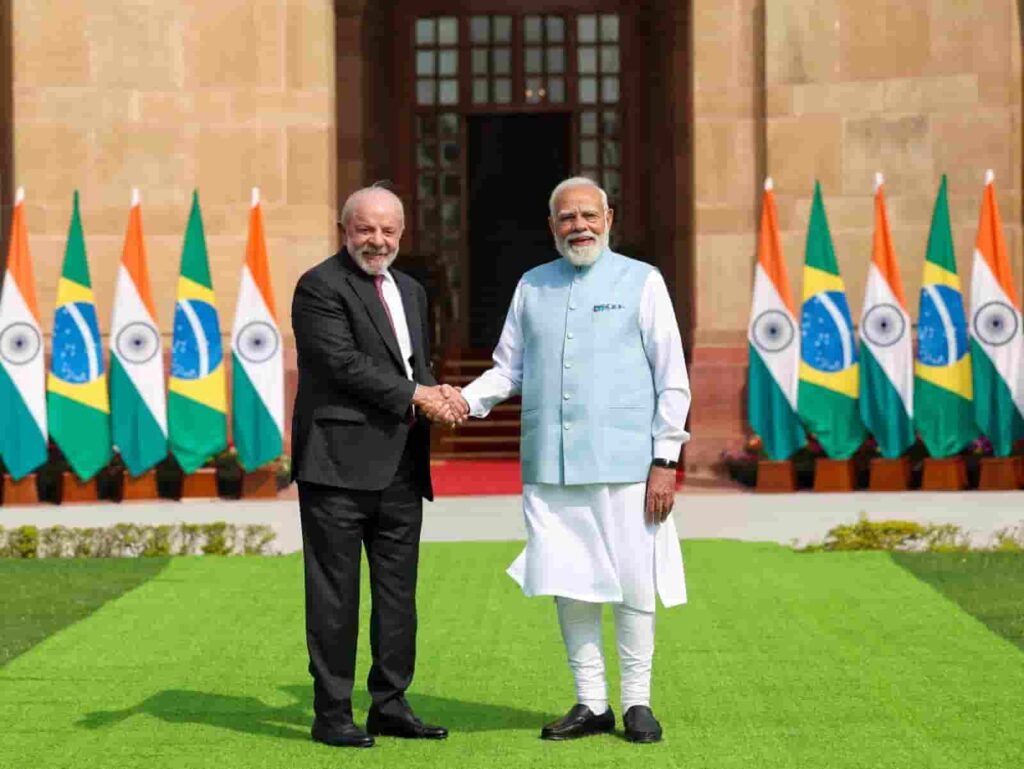
POLITICS Brazil President Lula in India: A Friendly Visit for Talks on AI, Trade, and More Brazil’s President Luiz Inácio Lula da Silva landed in New Delhi on February 18, 2026, for a five-day state visit. He said “Namaste, India!” on social media and shared a video of his warm traditional welcome. This is his sixth trip to India, invited by Prime Minister Narendra Modi. Lula will stay until February 22. The visit focuses on stronger ties between the two countries, with key events like the AI Impact Summit and meetings with top Indian leaders. Lula got a nice welcome at the airport from Minister of State for External Affairs Pabitra Margherita. He is here with about 14 ministers and many top CEOs from Brazilian companies. They will meet Indian leaders and join a Business Forum to talk business. India and Brazil already trade a lot, $15 billion in 2025. Brazil is India’s biggest trade partner in Latin America. What Will Happen During the Visit The visit has a full schedule. On February 19-20, Lula will join the 2nd AI Impact Summit. This event brings leaders together to discuss how AI can help countries grow fairly. India and Brazil both care about smartly using tech. President Droupadi Murmu will meet Lula and host a banquet for him. Vice President C.P. Radhakrishnan and External Affairs Minister S. Jaishankar will also call on him. The big meeting is on February 21. Prime Minister Modi will sit down with Lula to review all parts of their relationship. They will talk about trade, defense, energy, farming, health, and new areas like AI and space. Modi will host lunch for Lula. The leaders will also share ideas on world issues like UN changes, climate change, terrorism, and problems facing the Global South. Strong Ties Between India and Brazil India and Brazil have been close friends since 1948. They became Strategic Partners in 2006. Both are big democracies with shared values. They work together in BRICS, where India is the chair right now. Trade is growing fast. Brazil sells things like soybeans and oil to India. India sends pharma, chemicals, and auto parts to Brazil. They cooperate in defense, green energy, critical minerals for batteries, and Digital Public Infrastructure, like India’s UPI. Both push for UN reforms and fight climate change. Lula first came to India in 2004 as a Republic Day guest. He was here last for the G20 in 2023. Modi visited Brazil in July 2025, the first Indian PM’s state visit there in 57 years. They met again at the G20 in November 2025. Why This Visit Matters This trip will help both countries plan. Business leaders want more deals in trade and investment. Ministers will talk on energy, health, and tech. The CEOs’ forum shows how companies from both sides see big chances. Lula said the visit is about “strengthening ties, deepening partnerships, and discussing AI’s future.” For India, it boosts the BRICS and the Global South work. Brazil gets a stronger link to Asia’s top economy. People-to-people links are good too, yoga in Brazil, Brazilian culture in India. Both leaders want more cooperation on big world problems.
New Mayors Take Charge in Mumbai, Pune, and 27 Other Maharashtra Cities
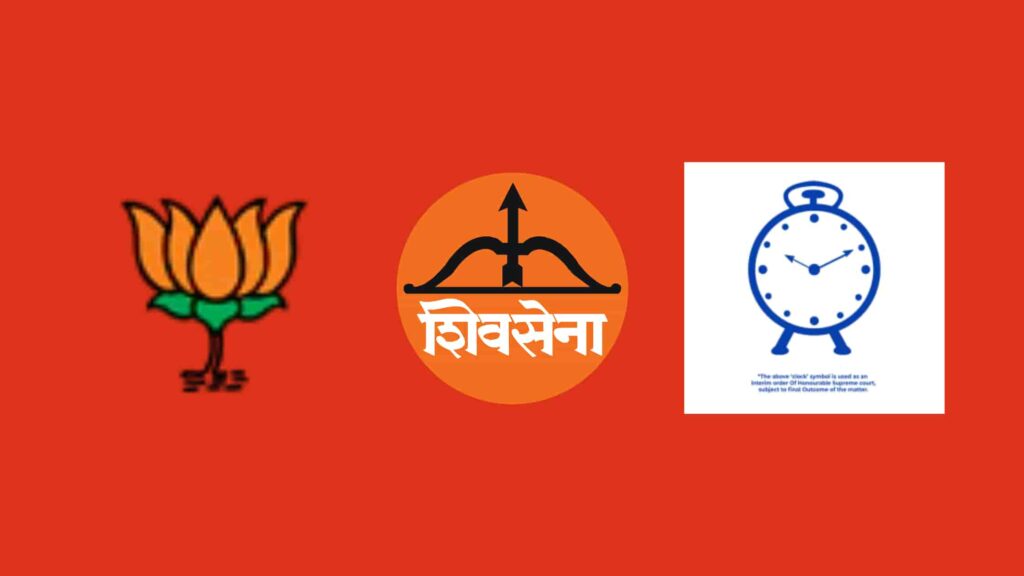
POLITICS New Mayors Take Charge in Mumbai, Pune, and 27 Other Maharashtra Cities In a big win for the ruling Bharatiya Janata Party (BJP), the party has grabbed 20 out of 28 mayoral posts in Maharashtra’s municipal corporations. This comes after elections in 29 cities, with results from 28 announced so far. The BJP also won 17 deputy mayor posts. Only Bhiwandi Nizampur waits, its mayor poll is on February 20. This sweep shows the BJP’s strong hold in urban areas after winning most seats in the January 2026 civic polls. The polls covered 29 municipal corporations (MCs), including big ones like Mumbai (BMC), Pune, Nagpur, Thane, Nashik, and Pimpri-Chinchwad. BJP-led Mahayuti alliance (BJP + Shinde Shiv Sena + Ajit NCP) took control of 25 MCs, including cash-rich BMC. BJP alone won 1,425 of 2,869 seats statewide—a clear majority in many places. How the Mayor Elections Went Mayors are picked from elected corporators. In 28 MCs, BJP got 20 mayors (71%). Others: Shiv Sena (Shinde faction) 3, Shiv Sena UBT 1, Congress 1, NCP 1, Bahujan Vikas Aghadi (BVA) 1, Samajwadi Party 1 (Malegaon). For deputy mayors: BJP 17, Shiv Sena 4, Congress 2, and 1 each for NCP, UBT, BVA, RPI(A), Yuva Swabhiman, Samajwadi Party. Key wins: Mumbai (BMC): Mayor Ritu Tawde (BJP). BJP got 89/227 seats, alliance 118 (majority 114). Ends Thackeray’s rule after 25 years. Pune: Mayor Manjusha Nagpure (BJP). BJP won 110+ seats alone—unopposed in spots. Focus on roads, water. Nagpur: Mayor Samir Rajurkar (BJP), Deputy Rajendra Janjal (Shiv Sena-Shinde). BJP took ~100/150 wards. RSS base stays solid; general quota. Thane: Mayor Nita Thakre (BJP), Deputy Vilas Shinde? (Shiv Sena-Shinde). BJP majority (70+ seats); SC reservation, but alliance win. Thakre family rivalry (BJP vs UBT). Nashik: Mayor Himagauri Adke-Aher (BJP), Deputy Manoj Chaudhary (Shiv Sena-Shinde). BJP 72/122 seats; women’s general quota. Minister Girish Mahajan backs; Kumbh prep ahead. Bhiwandi (90 seats, majority 46) has 10 mayoral candidates, 7 for deputy, tense contest ahead. Reservation Lottery Sparks Row On February 19 (or Thursday per reports), the Urban Development Department ran a lottery for mayor seats in all 29 MCs. Based on the 2011 census quotas: 1 ST, 3 SC (2 women SC), 8 OBC (4 women), 17 General (9 women).Mumbai, Navi Mumbai, Mira-Bhayandar, and Nagpur are among 15 cities getting women mayors. Shiv Sena (UBT) cried foul, calling it “rigged” to favour rulers. They said the draw helpedthe BJP-Shinde picks. BJP dismissed it as sour grapes after poll loss. Nagpur: BJP’s Samir Rajurkar as Mayor Mayor: Samir Rajurkar (BJP). Deputy Mayor: Rajendra Janjal (Shiv Sena-Shinde faction). Details: BJP swept the Nagpur Municipal Corporation (NMC) with around 100 of 150 wards. Rajurkar, a seasoned BJP leader, was elected unopposed or with alliance support. Nagpur (orange city, RSS base) remains a BJP stronghold. Reservations favored general category; the process was smooth. Thane: BJP’s Nita Thakre as Mayor Mayor: Nita Thakre (BJP). Deputy Mayor: Process ongoing or Vilas Shinde (Shiv Sena-Shinde). Details: Thane MC was reserved for the SC category, but the BJP’s majority (over 70 seats) secured it. Thakre, a BJP corporator, takes charge amid Mahayuti control. Thakre brothers’ rivalry (BJP vs UBT) played out, with the BJP winning big. Nashik: BJP’s Himagauri Adke (or Deepmala Kale?) as Frontrunner Mayor: Himagauri Adke-Aher (BJP, likely; reports mention Deepmala Kale or process). Deputy Mayor: Manoj Chaudhary (Shiv Sena-Shinde). Details: Nashik MC is reserved for the general woman category. BJP won 72 of 122 seats, a clear majority. Adke-Aher (ex-standing committee chair) leads the race, backed by Minister Girish Mahajan. Names like Deepali Kulkarni floated; final call soon. BJP eyes Kumbh Mela prep. Background: Civic Polls Shake-Up Polls held January 15, 2026 (results Jan 16), first in 9 years for BMC, delayed by court cases. Turnout 46-50%. BJP’s solo strategy in Pune paid off; Thackeray brothers allied vs BJP-Shinde but lost BMC. AIMIM grabbed 125 seats, mostly in Mumbai. Mahayuti won 25/29 MCs; BJP chief Chandrashekhar Bawankule hailed it “historic.” State Election Commission data: BJP 1,372-1,425 seats statewide; Shiv Sena 394, Congress 315, UBT 149. What It Means BJP’s urban dominance boosts CM Devendra Fadnavis ahead of state polls. Funds control (BMC’s ₹60,000 crore budget) means more development push—roads, water, waste. Opposition warns of “one-party rule.” New mayors face trash piles, flooding, and slums, but the BJP eyes quick wins. For Pune’s Manjusha Nagpure (elected unopposed?), It’s development time.
Anthropic’s Claude Cowork Plug-ins Spark ‘SaaSpocalypse’: Global Tech Sell-Off Hits Indian IT Hard
BUSINESS Anthropic’s Claude Cowork Plug-ins Spark ‘SaaSpocalypse’: Global Tech Sell-Off Hits Indian IT Hard Global tech markets plunged into chaos following Anthropic’s January 30, 2026, launch of 11 open-source plug-ins for its Claude Cowork agent, igniting fears that agentic AI could obliterate traditional SaaS models and disrupt India’s IT services giants. Indian IT stocks like Infosys (down 8%), TCS (6.46%), HCLTech (5.76%), Wipro, and Tech Mahindra cratered, erasing over ₹5.7 lakh crore in market cap as the Nifty IT index dropped 19% in eight sessions, its worst since 2020. The Trigger: Claude Cowork’s Game-Changing Plug-ins Anthropic, founded in 2021 by ex-OpenAI leaders Dario and Daniela Amodei, shifted AI from chatbots to autonomous “coworkers.” These no-code plug-ins bundle skills, connectors, and sub-agents for enterprise roles, autonomously planning, executing, and validating multi-step tasks like document processing, cross-verification, and adaptive strategies. Key offerings target: Plug-in Category Core Functions Legal Contract review, NDA analysis, compliance checks, risk flagging. Sales Prospect research, deal prep, process tracking. Finance Financial modelling, metrics tracking. Data/Marketing/Product Query/visualise datasets, campaign planning, and roadmap prioritisation. Others (Productivity, Support, Biology) Task/calendar management, issue triage, and literature analysis. This “vibe coding” lets users describe intent in plain English, bypassing specialised software from Salesforce, ServiceNow, or Adobe—threatening recurring subscriptions that fueled SaaS profits. Market Carnage: Wall Street to Dalal Street US: Nasdaq fell 1.4-2.4%; Goldman Sachs software basket 6%; S&P 500 -0.84%. Adobe (-7.31%), Cognizant (-10.14%), Thomson Reuters (-15.67%), Gartner (-20.87%), Equifax (-12.11%), ServiceNow/Salesforce (~7%) shed $ 300 B in market cap. Even Nvidia/Meta dipped 2-3%. India: Infosys ADR -5.56% (Nasdaq); TCS mcap below ₹10 lakh crore (2020 levels); Nifty IT -3-6% daily. Sensex dragged 100+ points. Termed ‘SaaSpocalypse’: Jefferies warns AI agents compress software categories into one interface, turning tools into utilities. Palantir’s CTO noted AI slashing SAP migrations from years to weeks, amplifying panic over billable hours in legal research, compliance, and due diligence, bread-and-butter for Indian IT juniors. Indian IT Sector: Existential Threat or Overreaction? India’s IT behemoths thrived on outsourcing data processing, analysis, and support—now AI-vulnerable. Economic Survey 2025-26 flagged risks: concentrated AI data/compute erodes India’s edge if adaptation lags. Mustafa Suleyman-like warnings predict 12-month white-collar hits (lawyers, accountants, coders). Bear Case: Agentic AI automates L1 support, reporting, testing—hollowing low-end services; clients rethink headcount-heavy models. Bull Rebuttals: JPMorgan sees “compelling value” in Infosys/TCS; correction temporary. Cognizant CEO Ravi Kumar: Enterprises need integrators for AI-human bridges; no “plug-and-play” magic. Zoho’s Sridhar Vembu: Domain expertise trumps AI; SaaS woes predated agents. Happiest Minds’ Ashok Soota: Disruption expands IT roles in transformation. Experts (Pareekh Jain, Prasad Valavade): Incremental impact; humans essential for governance, legacy integration, high-stakes decisions. Legal AI needs oversight (Adv. Varun Singh). Broader Implications and Road Ahead Salesforce’s 1,000 AI-driven layoffs signal restructuring. Anthropic’s Dario Amodei reassures startups: “Claude powers AI-native firms.” Indian firms pivot to AI orchestration, but face pricing pressure (fixed-fee vs. hours). JPMorgan urges buying the dip; long-term, IT survives as AI embedders. As of February 17, 2026, markets stabilise slightly, but the AI shift, from assistant to executor, reshapes software economics. Indian IT must accelerate: reskill, embed AI in processes, or risk obsolescence. The ‘SaaSpocalypse’ may be hype, but evolution is inevitable.
Sunidhi Chauhan I Am Home India Tour 2025 – 26: Here’s Everything You Need to Know
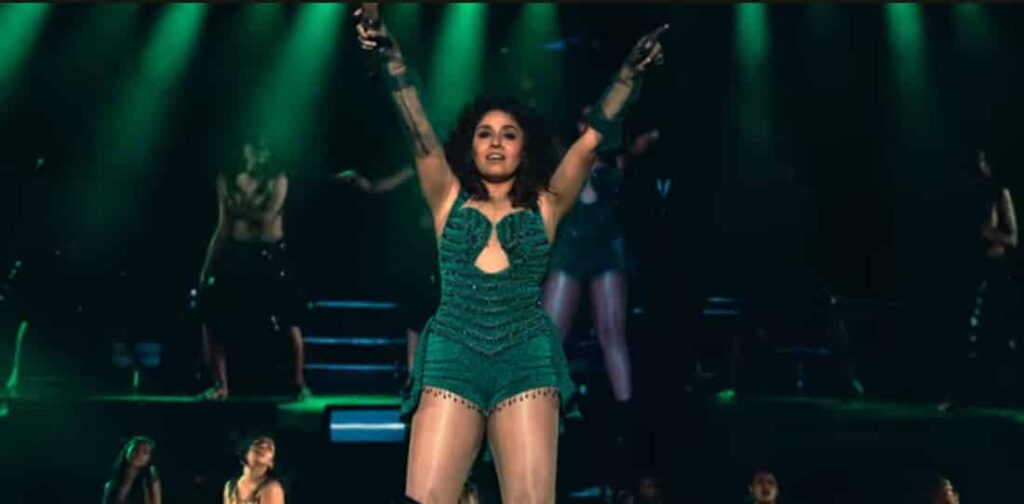
ENTERTAINMENT Sunidhi Chauhan I Am Home India Tour 2025 – 26: Here’s Everything You Need to Know Sunidhi Chauhan’s “I Am Home India Tour 2025-26” electrifies stages across 11 cities, blending her powerhouse vocals with Bollywood hits in a high-energy homecoming after global triumphs. This multi-city spectacle, powered by Mastercard and organized by BAE (ABP Network’s live arm), promises immersive live experiences via District by Zomato tickets. Sunidhi’s Storied Career Indian playback sensation Sunidhi Chauhan, with over 50 million records sold worldwide, debuted at 13 and exploded with “Ruki Ruki Si Zindagi” from Mast (1999). She’s bagged 3 Filmfare Awards (12 nominations), 2 IIFA, 2 Star Screen, and Zee Cine honors for hits like “Dhoom Machale Dhoom,” “Desi Girl,” “Sheila Ki Jawani,” “Kamli,” “Chhaliya,” and “Beedi Jalaile.” Judging Indian Idol (two seasons) and The Voice India, she’s mentored stars while collaborating globally; 2008’s superhits earned her GR8! FLO Women Award. “I Am Home” Tour Legacy Launched internationally in 2023, the series sold out Dubai’s Coca-Cola Arena, London’s Wembley (OVO Arena), and Singapore, as well as US spots like Long Beach Convention Center and Hard Rock Live Hollywood. It traces her journey via classics and fresh takes, famed for vibrant energy, live bands, choreography, and bass-heavy immersion. India Tour 2025-26: Full Schedule Kicking off Mumbai (20,000+ crowd, celebs like Imtiaz Ali, Zakir Khan, Nushrratt Bharuccha, Sunil Grover; Alisha Chinai guest), the 11-city run spans Dec 2025–Mar 2026. Three-hour sets mix anthems, ballads, and regional surprises. City Date Venue (if announced) Mumbai Dec 24, 2025 Hall No. 6, Nesco Center Delhi Dec 27, 2025 JLN Stadium (Gate 14) Bengaluru Jan 17, 2026 TBA Ahmedabad Jan 31, 2026 TBA (Gujarati garba hit) Chennai Feb 7, 2026 TBA Jaipur Feb 14, 2026 TBA Chandigarh Feb 21, 2026 TBA Indore Feb 28, 2026 TBA Lucknow Mar 7, 2026 TBA Kolkata Mar 14, 2026 TBA Confirmed Special Guests Sunidhi Chauhan’s “I Am Home India Tour 2025-26” has featured surprise special guests in early shows, elevating the high-energy Bollywood sets. So far, only Mumbai and Ahmedabad have confirmed performers amid the ongoing 11-city run. Mumbai (Dec 24, 2025, Nesco Center): Veteran singer Alisha Chinai made a surprise appearance, performing nostalgic hits like “Tinka Tinka” and “Aaj Ki Raat.” The 20,000+ crowd, including celebs (Imtiaz Ali, Zakir Khan, Nushrratt Bharuccha, Sunil Grover, Avinash Tiwary, Dhvani Bhanushali, Asees Kaur, Salim Merchant), went wild; Alisha later shared her joy on social media. Ahmedabad (Jan 31, 2026): No formal onstage guests, but Gujarati stars Puja Joshi and Geetaben Rabari grooved front-row to Sunidhi’s viral rendition of “Mahisagar ni Aare Dhol Vaage Se,” sparking spontaneous garba, clip exploded online. Official Booking Steps (District by Zomato) Tickets for Sunidhi Chauhan’s “I Am Home India Tour 2025-26” are available exclusively through the District by Zomato platform, with some resellers offering alternatives. Follow these simple steps for most cities (Delhi, Bengaluru, Lucknow, etc.): Download the District by Zomato app (iOS/Android) or visit district.in/events/sunidhi-chauhan/artist. Log in with your phone number, email, or Google/Zomato account; select your city if prompted. Search “Sunidhi Chauhan I Am Home” or pick your city/date from the tour page. Choose seats/tier (e.g., ₹1,500–₹10,000+; varies by city), add-ons like food/drink packages. Complete payment (UPI, cards, wallets); e-tickets emailed instantly—show QR at venue.Presales (e.g., HDFC/Mastercard) may apply early; general sale live since Oct 30, 2025. Expect quick sell-outs post-Mumbai buzz. Tips and Availability As of Feb 2026, early shows (Mumbai Dec 24, Delhi Dec 27, Bengaluru Jan 17, Ahmedabad Jan 31) likely sold out; later ones (Chennai Feb 7, Jaipur Feb 14, Chandigarh Feb 21, Indore Feb 28, Lucknow Mar 7, Kolkata Mar 14) still have tickets from ₹1,500. Venues serve food/beverages/alcohol on-site. Refunds rare, buy from official sources to avoid fakes. What to Expect? Electric vibes: Nostalgic Bollywood medleys, dance numbers, emotional highs, regional nods (e.g., Ahmedabad’s “Mahisagar ni Aare,” garba dance with Puja Joshi/Geetaben Rabari cheers). Full production, unfiltered Sunidhi, “unstoppable, untamed”, redefining live entertainment via BAE’s “experience-first” ethos.
Maha Shivaratri 2026: Significance, Rituals, and Grand Celebrations Across India
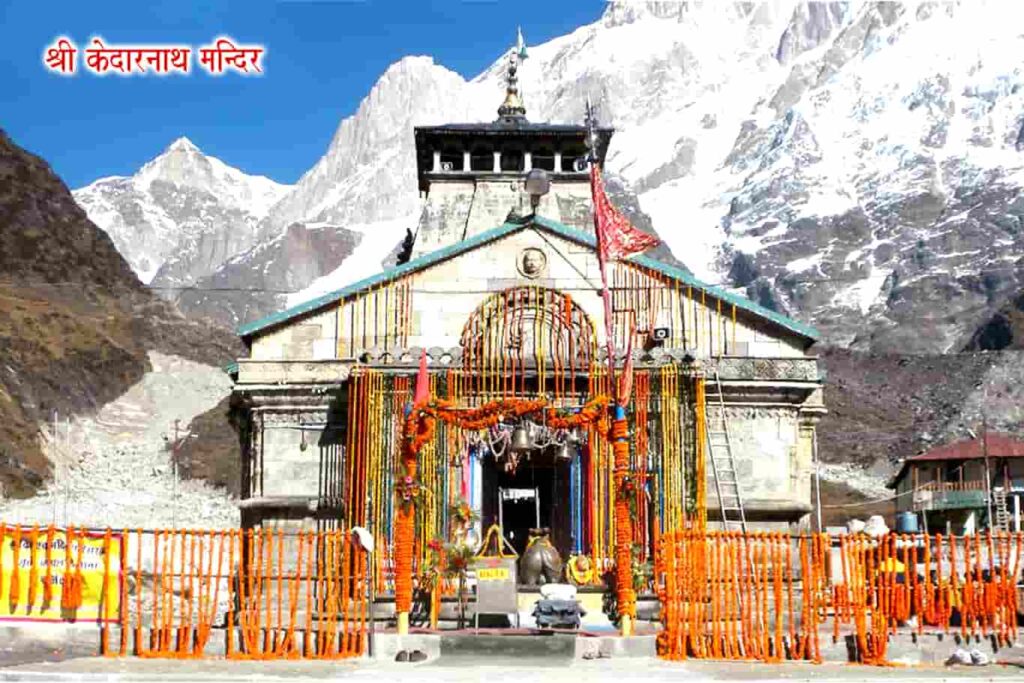
SPIRITUALITY Maha Shivaratri 2026: Significance, Rituals, and Grand Celebrations Across India Coimbatore/Bengaluru/Bhubaneswar – Maha Shivaratri, one of Hinduism’s grandest festivals, falls on February 15, 2026, drawing millions worldwide to honor Lord Shiva—the Adi Yogi, destroyer of ignorance, and cosmic dancer, during the 14th night/15th day of Phalguna’s dark half. This “Great Night of Shiva” symbolizes Shiva’s triumph over poison (Halahala from Samudra Manthan, earning him Neelkanth), his Tandava Nritya, or marriage to Parvati, with natural planetary alignments amplifying spiritual energy for kundalini awakening and inner transformation. As Sadhguru notes, staying awake vertically harnesses nature’s forces for profound physical and spiritual well-being, making it a pivotal night for meditation amid modern stresses. Why and When it is Celebrated? Rooted in myths like Shiva consuming cosmic poison to save creation or manifesting as infinite light (Jyotirlinga), the festival occurs on the year’s darkest, moonless night, ideal for overcoming tamas (inertia). Devotees fast from dawn on February 15 (parana post-sunrise February 16), seeking ego dissolution, health, and moksha. Yogic texts highlight their role in aligning chakras naturally. Core Rituals: How and What All-night jaagran (vigil) from ~6 PM to dawn unfolds with layered practices: Abhishekam & Rudrabhishekam: Bathe Shiva Lingam with milk, honey, curd, ghee, gangajal, sugarcane juice, and bilva patra (sacred leaves mimicking Shiva’s trishul for triple potency). Puja Steps: Mangal aarti, Panchamrit snan, chanting “Om Namah Shivaya,” Shiva Chalisa, Mahamrityunjaya Mantra; midnight Nishita Kaal peak. Fasting & Offerings: Sattvic fruits, thandai (non-bhaang), bhang for some; regional flair like Maharashtra dhuni fires, Gujarat garba, or Tamil Nadu theerthavari. Fun fact: Bilva’s trifoliate shape triples puja merits; many do 108 bilva circumambulations. Jyotirlingas and Iconic Temples The 12 Jyotirlingas, self-manifested fiery lingams, pulse with fervor, expecting crores: Jyotirlinga Location 2026 Highlights Somnath Gujarat (Veraval) Seafront processions; Dwadash Yatra start. Mallikarjuna Andhra (Srisailam) 11-day Brahmotsavam, midnight abhishekam. wikipedia+1 Mahakaleshwar MP (Ujjain) Dawn Bhasma Aarti; south-facing swayambhu. Omkareshwar MP (Khandwa) Narmada parikrama rituals. Baidyanath Jharkhand (Deoghar) Kanwar yatra vibes. Trimbakeshwar Maharashtra (Nashik) Godavari holy dips. Kedarnath Uttarakhand Ghee lingam post-hibernation. Kashi Vishwanath UP (Varanasi) Ganga aarti spectacles. Bhimashankar, Rameswaram, Nageshwar, Grishneshwar Various Rudra jaap marathons. Other gems: Lingaraja Temple (Bhubaneswar) chariot pulls; Pashupatinath (Nepal) massive mela. Spiritual Centers’ Grand Events Isha Foundation (Coimbatore Yoga Center): Sadhguru’s spectacular all-night celebration (Feb 15, 6 PM IST–Feb 16, 6 AM) amid Velliangiri hills draws lakhs for mysticism and music. Highlights: 6 PM: Pancha Bhuta Kriya meditation. Evening: Bhairavi Maha Yatra, Adiyogi Divya Darshanam (yoga origins video). 10:50 PM: Sadhguru Satsang. Midnight: Mahamantra Initiation (open guided session). 3:40 AM: Brahma Muhurtham meditation. 5:45 AM: Finale with performances.Traditional arts by Isha Samskriti students, eminent musicians. Mandatory online registration (sells out fast); no accommodation—arrange nearby. Live webcast global.news18+1 The Art of Living (Bengaluru & worldwide): Sri Sri Ravi Shankar hosts Rudra Puja, Sudarshan Kriya, bhajans, yoga workshops, and midnight meditations, accessible via live streams. Participation and Beyond Virtual streams from Isha, Art of Living, ensure worldwide darshan. Shiva, as yogic source and grace icon, offers renewal; pair with home puja kits for authenticity. This Shivaratri, embrace the Adi Guru’s energy for holistic upliftment. Registration is mandatory and available online in advance, with tickets selling out quickly in past years. Importantly, accommodation is not provided; attendees must arrange their own stays nearby. The event draws lakhs of devotees annually, fostering an electric atmosphere of devotion amid the lush hills of the Isha Yoga Center. Beyond Isha, other prominent organizations are also ramping up for Maha Shivaratri 2026. The Art of Living, led by Sri Sri Ravi Shankar, will host vibrant celebrations featuring Sudarshan Kriya meditation sessions, bhajans, and yoga workshops at centers worldwide, including Bengaluru and online streams for global participation. Temples like the iconic Lingaraja Temple in Bhubaneswar, Ujjain’s Mahakaleshwar Jyotirlinga, and Trimbakeshwar in Nashik anticipate massive pilgrim influxes, with special poojas, rudrabhishekam rituals, and all-night vigils. Video credit: YT@/Sadhguru Video credit: YT@/The Art of Living
Chai Over Cocktails: Bhajan Beats and Sober Raves Redefine South Asian Nightlife
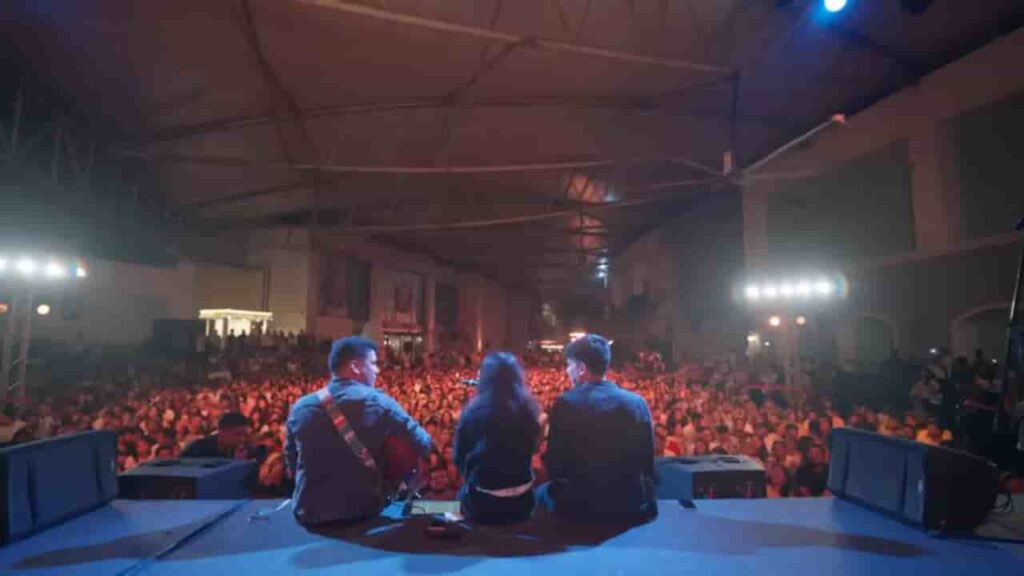
ENTERTAINMENT Chai Over Cocktails: Bhajan Beats and Sober Raves Redefine South Asian Nightlife From chai-fueled dance floors in Karachi to devotional DJ drops in Delhi, Gen Z across South Asia is ditching hangovers for halos in a nightlife revolution. This sober, spiritual wave, blending ancient chants with modern beats, is drawing thousands, offering community without chaos and vibes with values. Bhajan Clubbing Takes India by Storm In Visakhapatnam, over 2,000 young fans packed a recent event, grooving to kirtan remixed with electronic percussion, no booze, just pure energy from “Om Namah Shivaya” and Hanuman Chalisa beats. Delhi’s Indira Gandhi Sports Complex hosted the city’s biggest bash in December 2025, with 3,000 attendees under strobes chanting for Shiva, Ram, and Krishna in a three-hour “satsang 2.0.” From Mumbai’s Kallol Café to Lucknow’s Rangreza Festival on Maha Shivaratri, where hundreds fasted and danced to dholak-infused bhajans, the trend is exploding, ticketed, lit-up, and viral on reels. Karachi’s Sober Raves Glow Up Pakistan’s scene thrives in regulated spots like sports clubs and cafes, where neon-lit padel courts double as dance floors and events wrap at 10 p.m. sharp under cameras and drones. Women-only nights at places like Third Culture Coffee pack in crowds for desi remixes, fostering safety and shareable joy, tickets at 3,000-7,000 PKR signal real demand. Soft drinks sales surged 27% from 2020-2025, fueling this alcohol-free shift aligned with cultural norms. Trend Location Key Features Crowd Size (Recent Events) India (Delhi/Vizag) Bhajans + EDM, chai stations 2,000-3,000 Karachi Techno/des mixes, padel breaks Hundreds per venue Why Gen Z Vibes with It Experts like psychologist Raksha Rajesh call it “neurological relief”, repetitive chants calm overstimulation from digital life, while psychiatrist Dr. Ashima Ranjan links it to mental health wins: no regrets, genuine bonds, and vagus nerve boosts. Sociologist Gulshan Sihag dubs it “cultural hybridity,” remixing jagratas and Garba for Instagram poets craving rootedness amid chaos. Globally sober-leaning youth find perfect sync here: faith-fueled fun in India, boundary-honoring parties in Pakistan. Past Events for Context Recent Vizag shows include a January 25, 2026, Art of Living-organized night and a post-2,500-attendee recap hinting at more “bhakti meets beats” sessions soon. No exact venues or tickets listed yet, check local organizers like Bhavika Patel or Instagram for updates as March nears. Known Venues Moon Bar and Kitchen, VIP Road: Hosted a BhaZen Clubbing debut with DJ sets and devotional beats; RSVPs via 9587192999 for entry. Beach Road: Featured highlights from a major session, drawing crowds for open-air chanting and dancing. Event Trends Past gatherings linked to Art of Living and Nirvana Station Band suggest indoor sports arenas or large halls for the 2,000+ crowds, with chai stations replacing bars, no fixed “home base” yet, as pop-ups rotate for safety and buzz. A Shared South Asian Shift From DU students picking bhajan dates over dinners, inspired by Virat Kohli reels, to Karachi’s safe, early-end raves, this is presence over escapism. Bhajan clubbing events are gaining popularity in the Vizag area, with specific upcoming dates confirmed for nearby districts. Organizers plan expansions following recent successes drawing thousands. Confirmed Dates Vizianagaram District: March 21, 2026 – A state-wide expansion event featuring high-energy bhajans by Nirvana Station Band, blending traditional chants like “Om Namah Shivaya” with electronic beats and prasadam. Visakhapatnam (Vizag): May 2026 – Another major gathering anticipated, building on the viral February event that packed 2,000+ youth.
Alex Honnold’s Historic Free Solo: Conquering Taipei 101
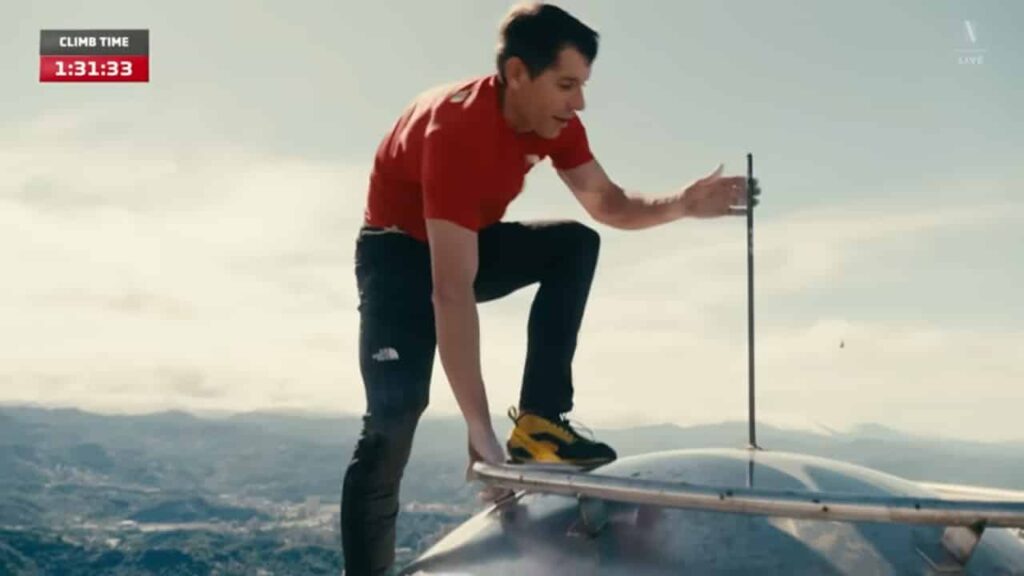
SPORTS Alex Honnold’s Historic Free Solo: Conquering Taipei 101 Alex Honnold has achieved a historic feat by free-soloing Taipei 101, one of Asia’s tallest skyscrapers, captivating global audiences with his ropeless ascent. The 40-year-old American climber scaled the 508-meter (1,667-foot) structure in Taiwan’s capital in just 92 minutes on a sunny Sunday morning, shattering the previous record. Climb Details Honnold began his ascent at around 9 a.m. local time after a one-day delay due to wet weather, gripping metal beams, ledges, and balconies on the bamboo-inspired steel-and-glass tower. He wore a red short-sleeve shirt, a chalk bag for grip, and no ropes, harnesses, or safety gear, true free soloing, relying solely on precision and endurance. At the top, he grinned, waved to cheering crowds below, and later called it “unbelievable,” noting the crowd’s energy made it intense but fun as he relaxed into the rhythm. Background and Training Renowned for his 2017 free solo of Yosemite’s 915-meter El Capitan, immortalized in the Oscar-winning Netflix documentary Free Solo, Honnold had eyed Taipei 101 for over a decade. The 101-story building, opened in 2004 with offices, a mall, and observatories, offers predictable holds like balconies every eight floors, testing stamina more than sheer technical difficulty. He trained for three months in Taipei, including rope-assisted runs amid sirens and drizzle, with city government approval. Record Comparison Honnold’s time of 1 hour, 31 minutes, and 43 seconds more than halved the mark set by French climber Alain Robert, aka “Spiderman,” who topped out in over four hours in 2004 using ropes on the then-world’s tallest building. Robert, recovering from surgery amid wind and rain, praised Honnold’s preparation, saying there’s “not even a one-in-100-million chance” of failure. Climber Year Time Equipment Used Alex Honnold 2026 1:31:43 None (free solo) Alain Robert 2004 4+ hours Ropes and harness Live Broadcast and Reactions Netflix streamed the event live as Skyscraper Live, with a 10-second delay to cut away if needed, drawing massive viewership alongside a small on-site crowd and expert panel. Bets poured in on platforms like Polymarket for his success and timing. While fans erupted in cheers, some climbers criticized it as “voyeuristic” amid recent free-solo deaths, fearing commercialization over safety, though Honnold stayed calm, pausing to wave from balconies. Training Focus Honnold prepped for Taipei with urban-specific grips like box-pinch pull-ups for window edges and mental visualization amid city chaos, emphasizing fatigue from repeated moves. El Cap demanded broader rock mastery, thousands of practice laps, and handling route-specific cruxes like dynamic slabs. Climbers widely view El Cap as riskier and harder technically, though Taipei’s visibility amplified its mental toll. Legacy and Reflections This marks the biggest urban free solo ever, blending Honnold’s mental prep, visualization, and self-talk, with the building’s forgiving design. Post-climb, he rappelled down with a harness, met his wife, and glowed about the thrill, solidifying his legend while sparking debates on risk in live sports.