




HAL, Russia’s UAC to Manufacture SJ 100 Regional Jet in India: A Major Leap for Civil Aviation

BUSINESS HAL, Russia’s UAC to Manufacture SJ 100 Regional Jet in India: A Major Leap for Civil Aviation Newsyaar February 2, 2026 9:11 pm Hindustan Aeronautics Limited (HAL) has entered into a strategic aviation partnership with Russia’s United Aircraft Corporation (UAC) to manufacture the SJ 100 regional jet in India, marking a significant expansion of HAL’s footprint into the civil aviation sector. The move was announced on the sidelines of the Wings India 2026 aviation exhibition held at Begumpet Airport in Hyderabad, where the collaboration was formally unveiled amid industry attention. The pact — which builds on a Memorandum of Understanding (MoU) signed on October 28, 2025, in Moscow — provides HAL with a licence to produce the twin-engine SJ 100 commercial aircraft in India for domestic customers, including local assembly, component manufacturing and maintenance support, alongside technical and consulting assistance from UAC. What Is the SJ 100 and Why It Matters The Yakovlev SJ 100 (often referred to as Sukhoi Superjet 100) is a twin-engine, narrow-body regional passenger jet designed to seat between 87 and 108 passengers, with a range of around 3,000 km, tailored for short- to mid-distance routes. The aircraft is already in service with airlines in Russia and abroad, with over 200 units produced and operated by multiple carriers. The SJ 100 is capable of operating from smaller airports and shorter runways, making it particularly suitable for India’s expanding regional network under initiatives such as the UDAN (Ude Desh ka Aam Naagrik) scheme, which aims to improve connectivity to underserved and tier-2/tier-3 cities. Strategic Shift for HAL HAL — traditionally focused on military aerospace manufacturing (including fighters, trainers and helicopters) — is now actively diversifying into civil aviation manufacturing. Civil platforms currently contribute only about 4–5 per cent of HAL’s revenue. The SJ 100 partnership is a cornerstone of HAL’s strategy to increase this share to about 25 per cent over the next decade, according to HAL Chairman and Managing Director D.K. Sunil. Sunil explained at Wings India 2026 that HAL plans a phased approach to aircraft introduction. Initially, HAL aims to lease about 10–20 fully assembled SJ 100 aircraft from Russia to Indian operators to familiarise them with the aircraft and validate performance and support infrastructure under Indian operating conditions. Timeline and ‘Make in India’ Ambition The partnership foresees several key stages: Short term (next 18 months): Leasing of fully built SJ 100 jets to Indian operators. Medium term (around three years): Commencement of semi-knocked-down (SKD) assembly in India, utilising HAL’s existing facilities at locations such as Nashik and Kanpur. Long term (by late decade): Full domestic manufacture capability with enhanced localisation and “Make in India” content, aligning with national goals of reduced import dependence and broader industrial development. This would mark the first time since the production of the AVRO HS-748 ended in 1988 that a complete passenger aircraft will be manufactured in India, making it a milestone for the country’s civil aviation manufacturing base. Broader Industry and Policy Context The HAL-UAC collaboration highlights deeper Indo-Russian aerospace cooperation, historically rooted in military aircraft production, now extending to civil aircraft. It also dovetails with government measures designed to attract and scale aircraft manufacturing in India. The Union Budget 2026 removed basic customs duty on aircraft components, significantly lowering the cost of establishing manufacturing lines for regional aircraft such as the SJ 100, potentially boosting both HAL’s and other manufacturers’ plans in the civil aviation domain. Industry observers note that HAL’s entry into regional jet production addresses a long-recognized gap in India’s aviation ecosystem: the absence of indigenous passenger aircraft manufacturing. India is among the world’s fastest-growing domestic aviation markets, with demand for short- to medium-haul aircraft projected to remain strong over the next decade. Local assembly and production of the SJ 100 could help airlines bridge capacity needs more cost-effectively while supporting domestic aerospace supply chains. Technology, Certification and Future Prospects Under the agreement, HAL will assist UAC in gaining type certification for the SJ 100 in India, a critical step before domestically produced jets can enter commercial service. In exchange, HAL obtains manufacturing rights and support for establishing production infrastructure, quality control systems, and maintenance ecosystems. Experts see this collaboration as a key step toward building India’s aircraft manufacturing competencies. While HAL’s primary strength has been in defence platforms, working with UAC on a complex regional jet programme is expected to transfer valuable design, production, certification and lifecycle support expertise. Officials and industry executives involved in the pact have described the arrangement as mutually beneficial: it enhances HAL’s capabilities and helps Russia sustain civilian aircraft exports in the face of geopolitical and sanction-related challenges, while opening a new avenue for aerospace collaboration between the two countries. What This Means for Passengers and Airlines If the phased plan succeeds, airlines operating within India could have access to the SJ 100 as an alternative to turboprops and larger narrow-body jets for regional routes. The regional jet segment (90–100 seats) is seen as crucial for balancing operational economics with demand on short-haul sectors, particularly under government connectivity programmes. Leasing a small fleet in the initial phase also allows airlines and HAL to build operational familiarity with the SJ 100 without requiring immediate large capital commitments, potentially encouraging broader adoption in India’s growing domestic market. Conclusion HAL’s partnership with Russia’s United Aircraft Corporation to manufacture the SJ 100 regional jet in India represents a significant step in diversifying India’s aviation industry and strengthening its manufacturing base. By combining Russian aerospace experience with HAL’s production capabilities and India’s burgeoning aviation market, the collaboration aims to deliver regional aircraft solutions tailored to national connectivity needs while advancing the government’s Make in India and civil aerospace ambitions. About the Author Business Reporter Share via Copied Comments Post Comment
Doomsday Clock Explained: Why Humanity Remains 90 Seconds from Midnight
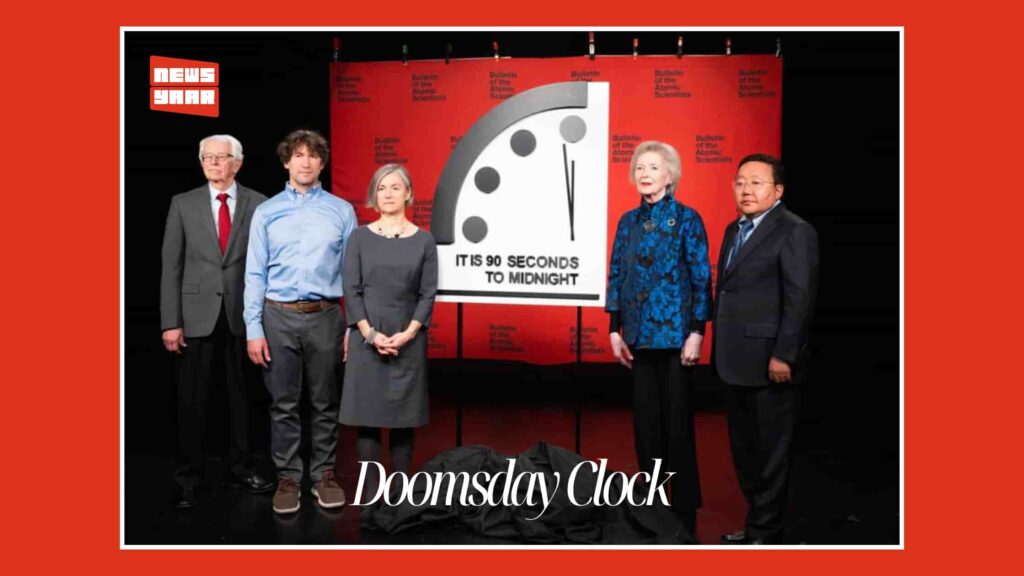
WORLD Doomsday Clock Explained: Why Humanity Remains 90 Seconds from Midnight Newsyaar February 2, 2026 8:54 pm The Doomsday Clock, a symbolic measure of humanity’s proximity to global catastrophe, remains set at 90 seconds to midnight, the closest it has ever been to the point representing irreversible disaster. Maintained by the Bulletin of the Atomic Scientists, the clock reflects the collective judgement of leading scientists, security experts and Nobel laureates on the state of existential threats facing the world. First unveiled in 1947, the Doomsday Clock was conceived by scientists who had worked on the Manhattan Project and later became deeply concerned about the consequences of nuclear weapons. What began as a warning about atomic warfare has since evolved into a broader indicator that incorporates multiple human-driven risks, including nuclear conflict, climate change, biological threats, disruptive technologies and geopolitical instability. Midnight on the clock does not represent a specific event or date. Instead, it symbolises a threshold beyond which civilisation could face irreversible damage. The clock’s movement toward or away from midnight is recalibrated periodically based on global developments, policy decisions and emerging scientific assessments. Why the Clock Is Still at 90 Seconds The decision to keep the Doomsday Clock at 90 seconds to midnight reflects the Bulletin’s view that the global risk environment remains exceptionally dangerous, with no meaningful improvement across major threat categories. At the centre of this assessment lies the continued risk of nuclear confrontation. More than three decades after the end of the Cold War, nuclear weapons remain deeply embedded in global security doctrines. Approximately 12,000 nuclear warheads exist worldwide, many on high alert. The erosion of arms control frameworks, combined with heightened geopolitical tensions, has increased the risk of miscalculation, misunderstanding or unintended escalation. The ongoing conflict in Ukraine, now entering a prolonged phase with no clear resolution, has brought nuclear rhetoric back into mainstream strategic discourse. Relations between nuclear-armed states have grown more confrontational, while communication channels that once helped manage crises have weakened. Experts warn that even a limited nuclear exchange would have catastrophic humanitarian, environmental and economic consequences far beyond national borders. Climate Change as a Risk Multiplier Climate change is another central reason for the clock’s position. Scientists associated with the Bulletin consistently describe climate disruption as a threat multiplier, exacerbating existing political, economic and social stresses. Rising global temperatures, intensifying extreme weather events, melting glaciers and sea-level rise are no longer future projections but present realities. Despite international agreements and climate pledges, global greenhouse gas emissions continue at levels incompatible with limiting warming to safer thresholds. The failure to translate commitments into action has raised concerns that climate impacts could trigger large-scale displacement, food insecurity and conflict, further destabilising fragile regions. The Bulletin has emphasised that climate risks intersect with nuclear and geopolitical dangers, creating complex feedback loops that make crises harder to manage and resolve. Biological Risks and Global Health Vulnerabilities The COVID-19 pandemic reshaped global thinking around biological threats, exposing weaknesses in health systems, international coordination and crisis response mechanisms. While the immediate emergency has passed, experts caution that the world remains underprepared for future pandemics. Advances in biotechnology, while offering immense benefits, also raise concerns about accidental releases, laboratory safety and the potential misuse of biological agents. The Bulletin notes that insufficient global governance in this area increases the likelihood that biological risks could escalate rapidly before adequate countermeasures are deployed. Technology, AI and Unintended Consequences Emerging technologies, particularly artificial intelligence, have become an increasingly important factor in the Doomsday Clock’s assessment. Rapid advances in AI, autonomous systems and cyber capabilities are transforming economies and militaries alike, often faster than regulatory or ethical frameworks can adapt. Of particular concern is the integration of AI into military decision-making systems, where reduced human oversight could increase the risk of unintended escalation during crises. The spread of AI-driven misinformation and deepfake technologies has also undermined trust in institutions, media and democratic processes, contributing to political polarisation and instability. The Bulletin has warned that technological innovation without adequate safeguards could amplify existing threats rather than mitigate them. The Role of Geopolitics and Global Fragmentation A defining feature of the current era is the fragmentation of global cooperation. Multilateral institutions face growing pressure, while geopolitical rivalries increasingly shape international engagement. Trade disputes, sanctions regimes and strategic competition have narrowed the space for collective problem-solving. The Doomsday Clock reflects this reality by highlighting not just the presence of risks, but the absence of effective global responses. According to the Bulletin, many of today’s dangers are exacerbated by mistrust between states and the prioritisation of short-term national interests over long-term global stability. A Warning, Not a Prediction Crucially, the Bulletin of the Atomic Scientists stresses that the Doomsday Clock is not a forecast of inevitable disaster. Rather, it is a warning signal intended to prompt reflection, debate and action. The clock’s hands have moved away from midnight in the past, most notably after the Cold War, demonstrating that political choices and international cooperation can reduce existential risk. The current setting at 90 seconds to midnight is meant to convey urgency. It reflects a judgement that humanity is operating with a dangerously narrow margin for error — but not that catastrophe is unavoidable. Why the Doomsday Clock Still Matters Today In an era of constant news cycles and competing crises, the Doomsday Clock endures because it offers a unified framework for understanding global risk. It reminds policymakers and the public alike that nuclear weapons, climate change, pandemics and disruptive technologies are interconnected challenges requiring coordinated responses. The Bulletin argues that humanity possesses the knowledge and resources needed to address these threats. What remains uncertain is whether there is sufficient political will to act decisively and collectively before risks escalate further. As the world navigates an increasingly complex and volatile landscape, the Doomsday Clock’s position serves
Padma Awards 2026: Full List, Backgrounds and Significance of Recipients
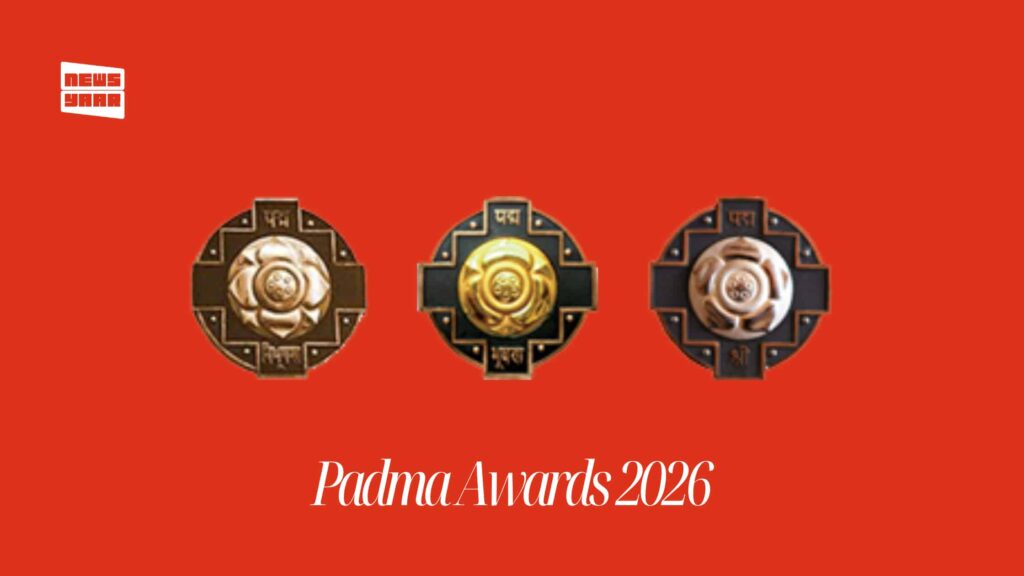
GOVERNMENT Padma Awards 2026: Full List, Backgrounds and Significance of Recipients Newsyaar February 2, 2026 1:57 pm On January 25, 2026, the Government of India announced the Padma Awards 2026, one of the nation’s highest civilian honours, recognising individuals who have made exceptional contributions across public life and diverse fields. The list was released on the eve of the 77th Republic Day, continuing a tradition of celebrating excellence and service that enriches the social, cultural and developmental fabric of India. The awards, which were instituted in 1954, are conferred by the President of India, and are announced annually on Republic Day (26 January). They are classified into three broad categories — Padma Vibhushan, Padma Bhushanand Padma Shri — ranked in descending order of prestige, after the Bharat Ratna, India’s highest civilian award. For 2026, a total of 131 Padma Awards were approved, comprising 5 Padma Vibhushan, 13 Padma Bhushan and 113 Padma Shri awards. Among the awardees are notable figures from art and cinema, public affairs, sports, science, social service, education, medicine and literature. The list includes 19 women, six foreign/NRI/PIO/OCI recipients, and 16 posthumous awards. Padma Vibhushan 2026: Exceptional and Distinguished Service The Padma Vibhushan is the second-highest civilian award of India, presented for “exceptional and distinguished service” in any field. Dharmendra Singh Deol (Posthumous) – ArtVeteran Bollywood actor Dharmendra, often called the “He-Man” of Indian cinema, was honoured posthumously for his unparalleled legacy in Hindi film, spanning over six decades with more than 300 films that shaped Indian popular culture. K T Thomas – Public AffairsJustice K T Thomas served on the Supreme Court of India from 1995 to 2002 and was instrumental in major judicial decisions and legal reforms that shaped Indian constitutional jurisprudence. N Rajam – ArtRenowned violinist N Rajam is celebrated for bridging Hindustani and Carnatic classical music traditions. A former professor and cultural ambassador, her global influence on Indian classical music spans decades. P Narayanan – Literature and EducationWriter and journalist P Narayanan has made enduring contributions to literature and education, particularly through his editorial leadership and influence in regional and national discourse. V S Achuthanandan (Posthumous) – Public AffairsVeteran Kerala political leader V S Achuthanandan was honoured posthumously for his long public service and leadership in social and political arenas, especially in governance, transparency and anti-corruption efforts. Padma Bhushan 2026: Distinguished Service of High Order The Padma Bhushan recognises “distinguished service of high order” in any field, and this year’s list reflects contributions in arts, public affairs, commerce, sport and medicine. Alka Yagnik (Art) – Legendary playback singer whose voice defined generations of Bollywood music and delivered countless chart-topping songs. Bhagat Singh Koshyari (Public Affairs) – Former Uttarakhand Chief Minister and Maharashtra Governor, recognised for his political and administrative service. Kallipatti Ramasamy Palaniswamy (Public Affairs) – Noted leader from Tamil Nadu contributing to public life and governance. Mammootty (Art) – Malayalam cinema icon with a distinguished acting career spanning decades, honoured for his contribution to Indian film. Nori Dattatreyudu (Medicine) – Eminent cancer specialist, internationally recognised for his work in oncology. Piyush Pandey (Posthumous) (Art & Media) – Influential advertising veteran and creative mind whose work shaped Indian media and communication. S K M Maeilanandhan (Trade & Industry) – Entrepreneur and industry leader known for his business acumen and contributions to economic growth. Shatavadhani R Ganesh (Literature & Education) – Celebrated scholar known for literary mastery and cultural scholarship. Shibu Soren (Posthumous) (Public Affairs) – Founder of Jharkhand Mukti Morcha and key figure in the state’s formation movement, recognised posthumously. Uday Kotak (Trade & Industry) – Prominent banker and financial institution builder, founder of Kotak Mahindra Bank. V K Malhotra (Posthumous) (Public Affairs) – Veteran political leader honoured for lifelong service. Vellappally Natesan (Social Service) – Community leader and social service advocate from Kerala. Vijay Amritraj (Sports & International) – Tennis legend and global sports ambassador, acknowledged for enhancing India’s presence in international sport. Padma Shri 2026: Distinguished Service Across Fields The Padma Shri is the fourth-highest civilian honour in India, recognising “distinguished service in any field”. This year, 113 individuals received the Padma Shri, covering disciplines such as arts, sports, public service, science, literature, education, medicine, social work and agriculture. Notable awardees include: Rohit Sharma (Sports) – Captain of the Indian men’s cricket team and globally recognised for leading India to ICC titles. Harmanpreet Kaur (Sports) – Captain of the Indian women’s cricket team, instrumental in India’s international success. Savita Punia (Sports) – Star Indian hockey goalkeeper with standout international performances. R. Madhavan (Art) – Versatile actor and filmmaker known for acclaimed performances across Indian cinema. Anke Gowda (Literature & Education) – Former bus conductor who built India’s largest free-access librarywith over two million books, recognised for lifelong dedication to knowledge and literacy. Naresh Chandra Dev Varma (Literature & Education) – Tripuri writer known for contributions to Kokborok literature. Praveen Kumar (Sports) – Paralympic gold medallist whose achievements inspired national pride. The full Padma Shri roster includes awardees from every region of India, representing innovations and service in areas such as agriculture, archaeology, healthcare, traditional arts, community welfare and scientific research, highlighting the diversity and depth of Indian talent. Download Full List: PadmaAwards2026 Significance and National Impact The Padma Awards underscore India’s appreciation for individuals whose work exemplifies excellence, integrity and service. While Padma Vibhushan and Padma Bhushan honour lifetime achievement and high-order service, the Padma Shri celebrates impactful contributions at national and grassroots levels. These awards not only recognise famous personalities but also highlight unsung heroes whose work fosters community development, preserves culture, advances science, and uplifts society. The 2026 list, with its balance of legendary figures, scholars, sports icons, social changemakers and grassroots achievers, illustrates the expanding scope of national recognition. From cinema legends and artistic luminaries to pioneering scientists, educators and community builders, the Padma Awards 2026 reflect India’s evolving narrative of excellence — one that honours both institutional
National Tourism Day 2026: Celebrating India’s Cultural Heritage, Economic Growth and Youth Engagement
EVENTS National Tourism Day 2026: Celebrating India’s Cultural Heritage, Economic Growth and Youth Engagement Newsyaar February 2, 2026 1:33 pm National Tourism Day is observed annually on January 25 in India to recognise the vital role tourism plays in the nation’s socio-economic development, cultural exchange and heritage conservation. In 2026, the country marked National Tourism Day with multi-theme programmes, state participation, youth-oriented activities, and initiatives to boost both domestic and international travel. Tourism is one of India’s fastest-growing economic sectors, contributing significantly to employment, foreign exchange earnings and community-led development. National Tourism Day highlights these dimensions while promoting travel awareness, sustainability and inclusive participation across regions and communities. Background: Why National Tourism Day Matters National Tourism Day commemorates the adoption of the National Tourism Policy in 2002, a landmark moment when the Government of India formally recognised tourism as a key driver of economic growth and cultural diplomacy. The policy aimed to expand tourism infrastructure, incentivise private sector participation, enhance employability, and position India as a global travel destination. Over the years, tourism has become a major employment generator, particularly in rural and semi-urban areas. The sector supports jobs across hospitality, transportation, cultural industries, handicrafts, heritage management, tour operations, adventure travel and wellness tourism. According to industry estimates, tourism contributes 7–9% of India’s GDP and supports millions of direct and indirect jobs across the country. Post-pandemic recovery and strategic initiatives have further elevated tourism as a priority sector in national development planning. National Tourism Day 2026: Themes and Programmes In 2026, National Tourism Day was marked with a series of coordinated events spanning heritage walks, cultural performances, seminars, youth forums, heritage site launches and promotional campaigns. The Ministry of Tourism’s multi-theme programme emphasised: Heritage Conservation and Cultural Tourism: Celebrating India’s rich history through curated events at iconic sites. Youth Engagement and Education: Special outreach to students and young travellers to encourage tourism careers and awareness of local heritage. Sustainable and Eco-Friendly Tourism: Promoting responsible travel practices that protect landscapes and support community livelihoods. Local and Regional Specialties: Showcasing food, handicrafts, folk art and customs from various states to highlight India’s diversity. The multi-theme approach, adopted by state tourism departments, aimed to both celebrate India’s diverse cultural tapestry and provide economic opportunities for local artists, guides, heritage managers and hospitality professionals. National and State Participation The Ministry of Tourism, Government of India, coordinates National Tourism Day events in collaboration with state tourism boards, cultural institutions, educational bodies and industry associations. State governments organise activities such as: Heritage Walks and Site Visits: Guided tours at forts, temples, museums and historical cities such as Agra, Jaipur, Varanasi and Hampi. Tourism Promotion Fairs: Exhibitions featuring travel destinations, culinary showcases, handicraft bazaars and local performances. Youth Outreach and Awareness Campaigns: Competitions, webinars and campus events to engage students in tourism-related careers. Community Tourism Projects: Initiatives to promote village tourism, eco-trails, homestays and local enterprise models. For 2026, Uttar Pradesh — home to several major heritage sites including the Taj Mahal — held a flagship programme with tribal dance performances, youth engagement forums, skill development workshops and discussions on sustainable destination management. Significance: Beyond Travel National Tourism Day carries multi-layered significance: Economic Significance: Tourism drives economic activity through direct services (hotels, transport, tour operators) and indirect value chains (farmers, artisans, retail, logistics). Growth in visitor numbers fosters investment in infrastructure and amenities. Cultural and Social Impact: Tourism promotes cultural exchange, enabling travellers to experience India’s linguistic, religious and artistic diversity. Heritage conservation initiatives often receive momentum through tourism interests, leading to improved preservation and community pride. Youth Empowerment: With a large youth population, India views tourism as a sector that can offer meaningful careers — from tour guiding and hospitality to digital marketing, event management and sustainable adventure tourism. Global Connectivity: National Tourism Day also underscores India’s place in global travel circuits. India offers unique attractions spanning ancient monuments, biodiversity hotspots, spiritual circuits, hill stations, desert landscapes, backwaters and festivals that draw millions of international travellers every year. Key Initiatives and Government Measures The Government of India has undertaken several strategic measures to enhance India’s tourism footprint: Increased Connectivity: Development of airports, regional air routes, rail connectivity and waterways to improve access to remote and emerging destinations. Incentives for Homestays and Eco-Tourism: Policies to support local tourism entrepreneurs with training, grants and marketing support. Digital Platforms: Initiatives like the Incredible India portal, mobile apps, virtual tours and digital campaigns that offer seamless travel planning and destination information. Skill Development: Collaborations with hospitality training institutes and universities to build tourism-related skills among youth. Safety and Accessibility: Enhancing traveller safety, accessibility for differently-abled tourists and women traveller support systems. Such initiatives reinforce National Tourism Day’s role as both a celebration and a policy milestone, aligning tourism with broader national goals of employment generation, cultural preservation and economic progress. Tourism Trends and Future Outlook India’s tourism sector continues to register strong indicators of growth. Domestic travel has seen sustained enthusiasm, while international arrivals have rebounded following the pandemic. Emerging trends include: Experiential and Adventure Tourism: Rising demand for trekking, wildlife circuits, river rafting and off-beat trails. Wellness and Spiritual Tourism: Increased interest in Ayurveda, yoga retreats and spiritual heritage circuits such as Char Dham and Buddhist heritage trails. Eco-Tourism and Community Tourism: Focus on sustainability, homestays and tourism that directly benefits local communities. Industry analysts expect that India’s tourism sector will continue to expand its contribution to GDP and employment, particularly with supportive government policies, improved infrastructure and global travel confidence. How National Tourism Day Inspires Travellers Travellers and tourism stakeholders view National Tourism Day as an invitation to explore India’s untapped destinationsand celebrate its living heritage. The day inspires individuals, families, students and professionals to discover cultural gems, engage in sustainable travel
18th Rozgar Mela: Massive Government Job Drive Connects Youth With Employment Opportunities
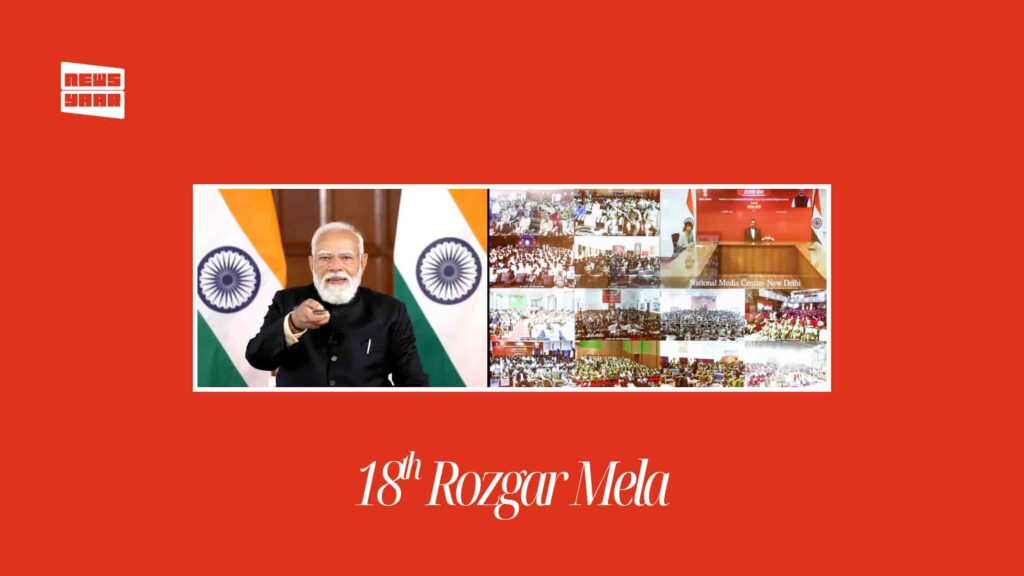
GOVERNMENT 18th Rozgar Mela: Massive Government Job Drive Connects Youth With Employment Opportunities Newsyaar February 2, 2026 1:18 pm The 18th Rozgar Mela, one of India’s largest ongoing employment initiatives, was held on 24 January 2026 with events organised simultaneously across the country to provide job opportunities and appointment letters to young Indians. The flagship programme — aimed at accelerating government recruitment and linking the nation’s youth with jobs across ministries, departments and public sector units — witnessed widespread participation and engagement from newly appointed candidates. Prime Minister Narendra Modi addressed the 18th Rozgar Mela via video conferencing from New Delhi, speaking to appointees gathered at 45 locations nationwide. In his address, he described the initiative as a significant milestone for India’s youth and reiterated the government’s focus on employment creation, skill development and economic opportunity expansion for young Indians. When and Where It Happened The 18th Rozgar Mela took place on 24 January 2026, coinciding with a period of national significance that includes Parakram Diwas (on 23 January), National Voters’ Day (25 January) and the Republic Day celebrations on 26 January. The event was organised at 45 locations across India, allowing candidates from diverse regions to receive appointment letters and engage in related activities. The main address was delivered from New Delhi by the Prime Minister, while physical distribution of letters and events were held at designated Rozgar Mela venues in states across the country, including West Bengal, Nagaland, and other regions. Some centres, such as the Assam Rifles Training Centre in Dimapur, Nagaland, issued appointment letters to newly recruited candidates, reflecting the decentralised nature of the event. Key Highlights and Appointment Distribution Over 61,000 appointment letters were distributed to candidates selected for government jobs across ministries, departments and organisations, including departments such as Home Affairs, Health and Family Welfare, Higher Education, Financial Services, and others. The appointment letters were handed over through a combination of physical distribution at Rozgar Mela venuesand virtual interaction, connecting recipients across different states with the Prime Minister’s address. The event marks one of the largest single distributions of appointment letters under the Rozgar Mela scheme, with many of the new appointees beginning their careers in government service immediately following the mela. Reports from individual centres — such as Digberia in West Bengal — indicated that thousands of appointment letters were issued locally to freshly recruited personnel, including those selected for service in Central Armed Police Forces (CAPFs) and other government wings. Prime Minister’s Address and Core Messages In his address, Prime Minister Narendra Modi highlighted the symbolic importance of the Rozgar Mela and framed the distribution of appointment letters as an “invitation to nation building” for the youth. He noted that the year 2026 had begun with new opportunities and happiness for many young Indians who were now entering government service through the mela. The Prime Minister emphasised that connecting youth with skills and employment remains a priority of the government and that the Rozgar Mela had evolved into a key institutional mechanism over recent years, issuing over 11 lakh appointment letters since its inception as a mission-mode recruitment drive. In his remarks, the Prime Minister also positioned the Rozgar Mela within a larger economic and developmental narrative, highlighting India’s rapidly growing startup ecosystem, expanding opportunities in sectors such as animation, digital media and electronics, and the role of trade and mobility agreements in opening new opportunities for Indian youth globally. He pointed to India’s demographic advantage as one of the youngest countries in the world and underlined the government’s consistent efforts to create employment both domestically and internationally, reinforcing the event’s relevance as part of the broader agenda of economic empowerment and youth inclusion. Broader Impact of Rozgar Melas Since its launch, the Rozgar Mela programme has been a significant tool for mission-mode recruitment by the Centre, working to accelerate government hiring and ensure transparent, timely delivery of appointment letters. According to government figures, the Rozgar Mela initiative has facilitated the distribution of appointment letters in excess of 11 lakh across multiple editions, helping to place youth in positions within central ministries, departments and public sector undertakings nationwide. Union officials and youth representatives have lauded the Rozgar Mela as a platform that not only invites career opportunities but also encourages the next generation of public servants to contribute meaningfully to national development. Many candidates expressed gratitude and optimism after receiving their appointment letters, highlighting the personal and professional significance of the event. A Platform for Empowerment and National Service The 18th Rozgar Mela reinforced its identity as a platform for youth employment generation, providing young Indians with direct entry points into government service while aligning with broader national goals of skill development, economic growth and public service excellence. By bringing thousands of new recruits into government employment, the event underscored the government’s commitment to expanding opportunities for work and career advancement for the nation’s youth. Looking ahead, future editions of the Rozgar Mela will continue to be watched closely as an indicator of the government’s progress in achieving large-scale, transparent employment generation across sectors and regions, particularly at a time when job creation remains a central public policy objective. https://www.youtube.com/watch?v=lgxpTTWZHhk&t=1745s Video credit: YT@/PMOIndia About the Author Government Reporter Share via Copied Comments Post Comment
India Energy Week 2026: Mapping India’s Energy Transition in a Fragmented World
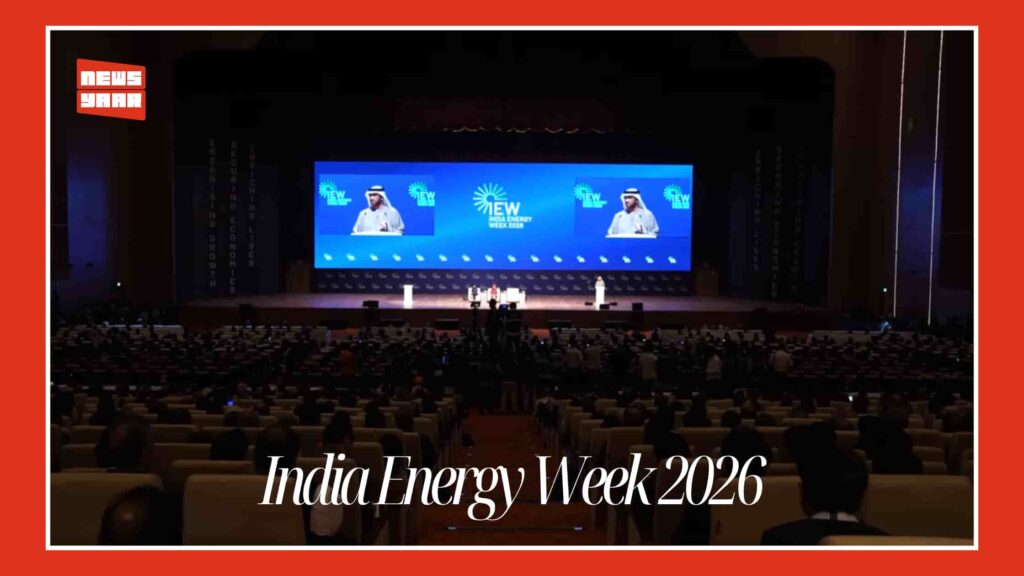
EVENTS India Energy Week 2026: Mapping India’s Energy Transition in a Fragmented World Newsyaar February 1, 2026 11:15 pm New Delhi: India Energy Week (IEW) 2026 emerged as a pivotal platform for India to articulate its energy priorities at a time when global energy systems are undergoing rapid transition amid geopolitical uncertainty, climate imperatives and shifting technology landscapes. Bringing together policymakers, industry leaders, innovators and global stakeholders, the event reinforced India’s ambition to position itself as a key driver of the global energy transition while safeguarding energy security and affordability. Held with a sharp focus on collaboration and execution, India Energy Week 2026 underscored the idea that India’s energy journey will be defined not by a single fuel or technology, but by a balanced, multi-pathway approach. Why India Energy Week Matters India Energy Week is designed as India’s flagship international energy forum, aimed at bridging dialogue between government, global energy companies, clean-tech innovators and investors. As one of the world’s fastest-growing energy consumers, India sits at the centre of global energy conversations, both as a market and as a solutions provider. With India targeting net-zero emissions by 2070, while simultaneously meeting the needs of a growing population and industrial base, the event plays a crucial role in aligning policy intent with industry execution. IEW 2026 continued this mandate by spotlighting policy clarity, investment opportunities and technological pathways across conventional and clean energy sectors. Central Themes and Focus Areas India Energy Week 2026 revolved around a few clear pillars: Energy Security in an Uncertain World: Discussions highlighted the need for diversified supply chains, domestic production and strategic reserves to shield economies from global disruptions. Accelerating the Clean Energy Transition: Renewable energy, green hydrogen, biofuels and energy storage were central to conversations, with India positioning itself as a scalable clean-energy hub rather than just a consumer of imported technologies. Technology, Innovation and Digitalisation: Artificial intelligence, smart grids and digital monitoring systems were presented as key enablers for improving efficiency, reducing losses and optimising energy distribution. Just and Inclusive Transition: Policymakers stressed that India’s energy shift must remain affordable and inclusive, ensuring that growth, employment and access are not compromised in the pursuit of sustainability. Key Highlights from India Energy Week 2026 A major highlight of IEW 2026 was the strong participation from both domestic and global energy players across oil & gas, renewables, power, hydrogen and emerging technologies. The event featured: Policy Dialogues: Senior government representatives outlined India’s evolving energy roadmap, emphasising reforms, infrastructure expansion and investor-friendly frameworks. Investment Conversations: India showcased opportunities across upstream and downstream energy, renewable manufacturing, electric mobility and green hydrogen ecosystems, reinforcing confidence in long-term capital deployment. Hydrogen and Bioenergy Push: India’s ambitions under the National Green Hydrogen Mission were discussed in detail, alongside progress in ethanol blending and bioenergy adoption to reduce import dependence. Energy Transition Showcases: Technology exhibitions and innovation zones demonstrated advancements in storage solutions, clean fuels and digital energy platforms. Global and Domestic Voices on the Same Stage India Energy Week 2026 featured participation from a wide range of stakeholders, including senior Indian ministers, global energy executives, international organisations and climate experts. The presence of global industry leaders reinforced India’s growing relevance in shaping future energy markets. International delegates engaged in dialogues on climate finance, technology transfer and collaborative innovation, while Indian public sector enterprises and private companies presented transition-ready business models aligned with sustainability goals. Strategic Significance for India The significance of India Energy Week 2026 lies in its timing and context. As global energy systems face volatility, from supply disruptions to policy shifts, India is positioning itself as a stable, predictable and scalable energy partner. The event highlighted India’s dual strength: Its ability to anchor traditional energy markets responsibly, and Its growing leadership in renewables and low-carbon solutions. By aligning policy, capital and innovation under one platform, IEW 2026 strengthened India’s narrative as a country that is not choosing between growth and sustainability, but integrating both. Looking Ahead: The Final Insights While India Energy Week 2026 focused heavily on ideas, partnerships and vision, the underlying message was clear: execution will define success. The emphasis on infrastructure readiness, regulatory clarity and market depth suggests a shift from aspirational announcements to delivery-oriented outcomes. As India advances towards becoming a $5 trillion economy, energy will remain at the core of its growth story. India Energy Week 2026 reaffirmed that India’s approach, pragmatic, inclusive and forward-looking, could well serve as a blueprint for other emerging economies navigating similar transitions. In a world searching for balanced energy solutions, India is increasingly positioning itself not just as a participant, but as a shaper of the global energy future. About the Author Events Reporter Share via Copied Comments Post Comment
Economic Survey 2025–26: Know the key highlights of Stable Growth & Inflation
GOVERNMENT Economic Survey 2025–26: Know the key highlights of Stable Growth & Inflation Newsyaar February 1, 2026 10:41 pm New Delhi: The Economic Survey 2025–26, tabled in Parliament on January 29 ahead of the Union Budget, presents a picture of an Indian economy that remains resilient amid global uncertainty, while urging policymakers and businesses to proceed with caution rather than pessimism. Prepared by the Department of Economic Affairs under Chief Economic Adviser (CEA) V. Anantha Nageswaran, the document sets the tone for the government’s economic thinking going into FY27. At its core, the Survey projects real GDP growth in the range of 6.8% to 7.2% for FY27, signalling steady momentum despite a challenging external environment marked by trade tensions, tariff pressures, and geopolitical risks. Growth Outlook: Steady, but Not Without Risks According to the Survey, India’s domestic economy is on a stable footing, supported by strong macro fundamentals. For FY26, growth is estimated at 7.4% as per the first advance estimates. Looking ahead, the government expects India to remain one of the fastest-growing major economies globally. The Survey notes that while domestic drivers such as consumption resilience, public investment, and improving private investment intentions continue to support growth, global conditions remain fragile. Trade conflicts, particularly tariff-related disruptions, could weigh on exports and investor sentiment intermittently. Importantly, the Survey introduces a nuanced stance: growth prospects are steady, but policymakers must maintain buffers and credibility. As the document puts it, the outlook requires “caution, but not pessimism.” Inflation: At Historic Lows, With Firming Ahead One of the most notable takeaways from the Economic Survey is the sharp moderation in inflation. Retail inflation has remained well below the Reserve Bank of India’s target of 4%, aided by food price corrections and improved supply conditions. The RBI has estimated CPI inflation at 2% for FY26, with projections of 0.6% for the December quarter and 2.9% for the March quarter. While inflation is expected to firm up gradually in FY27, it is likely to remain within the targeted range. Healthier balance sheets across households, firms, and banks, combined with controlled inflation, have helped preserve macroeconomic stability, the Survey notes. Global Context: Headwinds Persist The Survey flags a dim medium-term outlook for the global economy, citing modest growth, lingering geopolitical tensions, and risks related to global financial markets. It warns that if the much-hyped AI boom fails to deliver productivity gains, it could trigger corrections in asset markets. Despite these risks, India’s economy has demonstrated resilience. Total exports, including goods and services, reached a record $825.3 billion in FY25, even as merchandise exports faced tariff-related pressures, particularly from the United States. Investment, Reforms, and Deregulation The Economic Survey places renewed emphasis on systematic deregulation as the next phase of reforms under what it calls Ease of Doing Business 2.0. It argues that small, targeted deregulation efforts can trigger a “butterfly effect”, leading to entrepreneurship, investment, and innovation. Public capital expenditure continues to play a critical role, with Centre-led infrastructure spending acting as a key growth driver. At the same time, private investment intentions are improving, though the Survey stresses the need for regulatory certainty to translate intent into execution. Social Sectors and Emerging Themes Beyond macroeconomics, the Survey reviews progress across employment, health, education and agriculture. It reiterates the importance of skill development as services now account for over 55% of India’s Gross Value Added. The document also raises concerns over excessive social media use among younger populations, suggesting that age-based access limits may need consideration. On artificial intelligence, the Survey proposes the creation of an AI Economic Council to calibrate the pace of adoption and balance innovation with societal risks. Setting the Stage for Budget 2026 Presented just days before the Union Budget, the Economic Survey serves as a crucial backdrop for upcoming fiscal decisions. It highlights FY26 as an “unusually challenging year,” but frames FY27 as a year of adjustment, where firms and households adapt to regulatory changes and global shifts. In sum, the Economic Survey 2025–26 paints a picture of an economy that is resilient, reform-oriented and cautiously optimistic, positioning India to navigate uncertainty without losing growth momentum. About the Author Government Reporter Share via Copied Comments Post Comment
Serendipity Arts Festival 2025 Marks a Decade With Its Most Expansive Edition Across Panjim

ENTERTAINMENT Serendipity Arts Festival 2025 Marks a Decade With Its Most Expansive Edition Across Panjim Newsyaar February 1, 2026 10:24 pm Panjim, Goa: As it completes ten years, the Serendipity Arts Festival (SAF) returns to Panjim with its largest, most ambitious and accessible edition yet, reaffirming its place as one of India’s most significant multidisciplinary cultural platforms. Running from December 12 to 21, 2025, the festival will feature over 250 projects, led by 35+ curators, spread across 12 venues across the Goan capital. What makes this tenth anniversary especially significant is that SAF’s celebrations began months before its official opening—spanning cities across India and even reaching overseas, signalling how far the Goa-born festival has travelled since its inception. A Year-Long Prelude to a Landmark Edition The tenth-year celebrations kicked off in May 2025 with a Mini Edition in Birmingham, UK, marking SAF’s growing global footprint. Over the following months, the festival made artistic interventions across the country: an evocative performance at Ahmedabad Cultural Week, a ghazal evening at Delhi’s Safdarjung Tomb, the much-loved River Raag sunset cruise in Varanasi, a curated celebration of Tamil culture in Chennai, and electronic B-Side Sessions in Gurugram. “These were not standalone events,” curators emphasised, “but preludes to a much larger artistic takeover.” Panjim as a Living, Breathing Cultural Canvas From riverfronts and promenades to beaches, parks, jetties and historic buildings, Panjim itself becomes the festival’s canvas. The Old GMC building at Campal—now dominated by artist Diptej Vernekar’s towering Narakasur installation, acts as SAF’s nerve centre, anchoring the festival’s visual identity. The festival officially opened with large-scale concerts by Clay Play and Palette(s) at The Arena, Nagali Hills Ground, with Motown Madness and The Revisit Project headlining subsequent nights. While music sets the tone, exhibitions and experiential venues open to the public from December 14, inviting visitors into a multi-sensorial, cross-cultural exploration of art, craft, performance, and food. SAF 2025’s performance programming spans continents and centuries, reconstructing Mumbai’s early jalsa music clubs, tracing divine feminine energies through Goddess Bhagavathy, revisiting 180 years of Marathi theatre, and reimagining puppetry traditions. Artists from across South Asia and beyond blur disciplinary boundaries, creating unexpected collaborations. Yet, Goa remains at the heart of the festival. Highlights include Goa’s Smallest Big Tradition: The Mini Narkasur Archive, the Terra-Grove terracotta pavilion crafted from kulhads at Miramar Beach by architect Vinu Daniels, and Not a Shore, Neither a Ship, But the Sea, an exhibition curated by Sahil Naik exploring Goa’s oceanic and maritime histories through intergenerational voices. Food as Memory, Culture and Performance Food takes centre stage as both art and archive. The Culinary Odyssey of Goa, curated by Odette Mascarenhas, traces the state’s layered culinary history, from Hindu artisans and Gaud Saraswat Brahmins to Muslim descendants of the Bijapur dynasty, Indo–Luso influences and Christian kitchens. Meanwhile, Goa is a Bebinca, curated by chef Manu Chandra with sensorial design by paChaak, offers an immersive dining experience where food, sound and memory unfold together. In a first since 2017, a docked barge at the Captain of Ports Jetty, Old Goa, has been transformed into a floating gallery, curated by Veerangana Solanki, encouraging slow, mindful engagement with art against the rhythm of the Mandovi river. Craft, Memory and the Museums of Making At the Old GMC Complex, exhibitions foreground craft as living knowledge. Hands, Tools, and the Living Thread, curated by Sandeep Sangaru, offers an intimate look into Kashmiri craft ateliers, presenting everyday tools, sketches and materials as carriers of generational wisdom. Complementary workshops introduce visitors to Namda felting, papier-mâché, and Kari-Kalamdani Naqqashi, led by master artisans. Other highlights include Home is Where the Heart Is, curated by Kristine Michael, exploring memory and migration through handmade materials, and Stepwells: Poetry in Craft, curated by Anjana Somany, which immerses audiences in the mythic and architectural worlds of Gujarat and Rajasthan’s stepwells. Designer Rashmi Varma’s Infinite Drape reimagines sari draping as an evolving, living craft, while The Voice of Fashion, SAF’s art partner, will host guided craft walkthroughs led by editor Shefalee Vasudev. An Inclusive Festival by Design Inclusivity remains central to SAF’s vision. Therefore I Am, curated by disability campaigner Salil Chaturvedi, features seven artists from across India working across media to document how disability shapes creative practice. The programme also includes performances in Indian Sign Language, bird-watching trails for blind audiences, operatic satire on Ambedkarite youth experiences, and Cinema for Every Sense, enabling blind and low-vision audiences to experience Hindi cinema through audio descriptions. With participation from leading artists, musicians, chefs, thinkers and craftspeople, Serendipity Arts Festival 2025 is not merely a celebration of a decade, it is a statement of intent, positioning Panjim as a global crossroads of art, culture and lived experience. About the Author Entertainment Reporter Share via Copied Share via Copied
Oscar Nominations 2026 Announced: ‘Sinners’ Makes History With Record 16 Nods

ENTERTAINMENT Oscar Nominations 2026 Announced: ‘Sinners’ Makes History With Record 16 Nods Newsyaar February 1, 2026 10:12 pm Beverly Hills: The nominations for the 98th Academy Awards were officially announced on Thursday, January 22, 2026, setting the stage for one of the most competitive Oscar races in recent memory. Actors Lewis Pullman and Danielle Brooks revealed the nominees early morning in Beverly Hills, California. The Academy Awards ceremony will take place on March 15, 2026, and will be hosted by Conan O’Brien, airing live on ABC and streaming on Hulu. ‘Sinners’ Dominates the 2026 Oscar Race Ryan Coogler’s ambitious horror drama Sinners emerged as the biggest standout, securing a record-breaking 16 nominations, the highest ever for a single film. Set in 1930s Mississippi, the film stars Michael B. Jordan in a dual role as twins Smoke and Stack, earning him his first-ever Oscar nomination. The film received nominations across major categories, including Best Picture, Best Director, Best Original Screenplay, and multiple acting and technical categories, cementing its place as the frontrunner this year. Close behind is One Battle After Another, which picked up 13 nominations, including Best Picture and Best Actor for Leonardo DiCaprio. First-Time Nominees Shine The 2026 nominations also spotlight a strong wave of first-time acting nominees. Among them are Jacob Elordi (Frankenstein), Delroy Lindo and Wunmi Mosaku (Sinners), Teyana Taylor (One Battle After Another), and several cast members from the Norwegian drama Sentimental Value, including Elle Fanning, Renate Reinsve, and Stellan Skarsgård. Key Oscar Nominations 2026 Best Picture Bugonia F1 Frankenstein Hamnet Marty Supreme One Battle After Another The Secret Agent Sentimental Value Sinners Train Dreams Best Actor (Leading Role) Timothée Chalamet – Marty Supreme Leonardo DiCaprio – One Battle After Another Ethan Hawke – Blue Moon Michael B. Jordan – Sinners Wagner Moura – The Secret Agent Best Actress (Leading Role) Jessie Buckley – Hamnet Rose Byrne – If I Had Legs I’d Kick You Kate Hudson – Song Sung Blue Renate Reinsve – Sentimental Value Emma Stone – Bugonia Best Director Chloé Zhao – Hamnet Josh Safdie – Marty Supreme Paul Thomas Anderson – One Battle After Another Joachim Trier – Sentimental Value Ryan Coogler – Sinners Best Animated Feature Arco Elio KPop Demon Hunters Little Amélie or the Character of Rain Zootopia 2 Best International Feature Film The Secret Agent (Brazil) It Was Just an Accident (France) Sentimental Value (Norway) Sirāt (Spain) The Voice of Hind Rajab (Tunisia) Technical Excellence and Global Storytelling Films like Avatar: Fire and Ash, Frankenstein, and F1 dominated technical categories such as visual effects, sound, costume design, and production design. Meanwhile, documentaries tackling global politics, war, and social change found strong representation in both feature and short documentary categories. Looking Ahead to Oscar Night With blockbuster franchises, intimate international dramas, and politically charged narratives competing side by side, the 2026 Oscars promise a ceremony that reflects both cinematic ambition and cultural relevance. As the countdown to March 15 begins, all eyes will be on whether Sinners can convert its historic nominations into equally historic wins, or if a dark horse emerges on Hollywood’s biggest night. About the Author Entertainment Reporter Share via Copied Comments Post Comment
India-EU Free Trade Agreement: Full Breakdown, Numbers, Timeline and Economic Impact
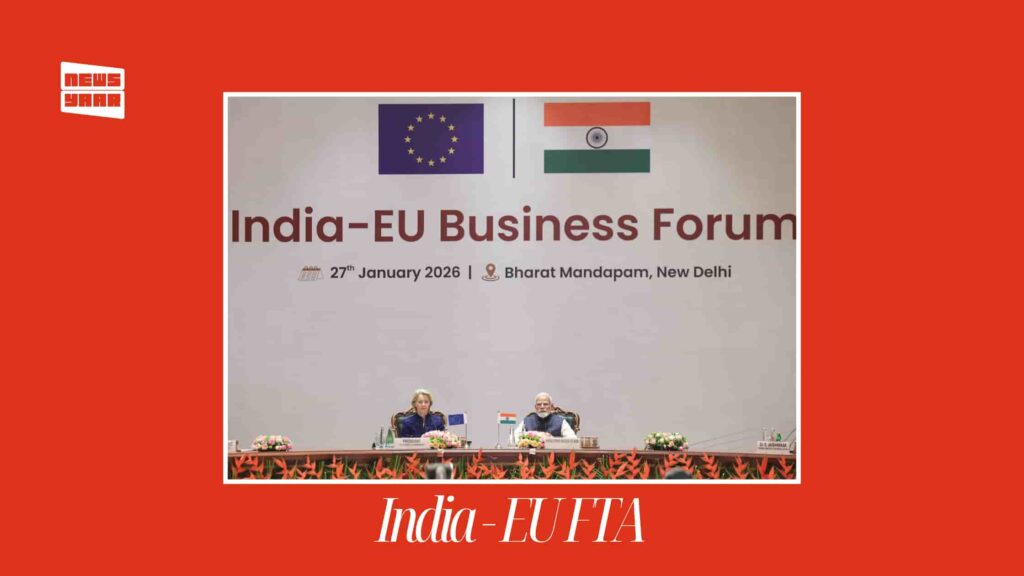
GOVERNMENT India-EU Free Trade Agreement: Full Breakdown, Numbers, Timeline and Economic Impact Newsyaar February 1, 2026 2:22 pm India and the European Union (EU) are intensifying negotiations on a Free Trade Agreement (FTA) that could reshape bilateral commerce, investment flows and economic strategy in the decades ahead. Officially referred to as the EU-India Trade and Investment Agreement (TIA), the proposed pact aims to reduce tariff and non-tariff barriers, deepening economic cooperation between India — one of the world’s fastest-growing major economies — and the world’s largest trading bloc. Negotiations for the FTA have been ongoing for over a decade, and recent diplomatic momentum suggests both sides are serious about concluding a “high-ambition, high-standards” agreement in the medium term. Analysts and industry leaders see this as a strategic priority, especially as global supply chains and geopolitical alignments evolve. Bilateral Trade at a Glance: Current Numbers and Potential Growth Trade data underscores the scale of the economic relationship: Two-way merchandise trade between **India and the EU stood at around ₹11 trillion (approximately $130 billion) in 2024-25. India’s goods exports to the EU reached close to $70 billion, while EU exports to India were around $60 billionin the same period. Services trade adds another significant dimension, with India exporting approximately $30–35 billion in services to the EU annually, driven by IT, professional and business services. Under an effective FTA, many experts believe this bilateral trade could grow substantially. Some projections suggest India-EU trade could double to $250–300 billion by 2030, contingent on market access, tariff elimination and regulatory alignment. Specific forecasts also indicate that India’s exports to the EU could touch $100 billion or more by decade end, helping India pursue its broader goal of achieving $2 trillion in total exports by 2030. What the India-EU FTA Will Cover This proposed FTA is not merely about reducing import duties. It is expected to encompass a broad range of modules: Tariff liberalisation: Both sides are discussing phased or immediate elimination of customs duties on a significant share of goods. For India, priority sectors include textiles and apparel, chemicals, pharmaceuticals and engineering goods. The EU has emphasised its interest in greater access for agricultural and processed food products, wines and spirits. Services trade: The EU seeks greater market access in professional services, financial services, digital services and movement of skilled professionals. India’s services competitiveness, particularly in IT and business process services, stands to benefit substantially if barriers are eased. Investment and business facilitation: The pact is expected to include investor protection clauses, dispute settlement mechanisms and provisions to promote cross-border investment in sectors such as renewable energy, infrastructure, logistics and manufacturing. Regulatory cooperation: Reducing non-tariff barriers — including technical standards, sanitary and phytosanitary (SPS) measures, testing and certification procedures — is a central objective. Regulatory alignment or mutual recognition agreements in key sectors could significantly lower trade costs. Sustainable development and labour standards: The EU traditionally incorporates provisions related to environmental protection, climate commitments, labour rights and responsible corporate behaviour; India has indicated support while seeking flexibility in implementation timelines. Key Sectors Impacted Textiles and Garments India’s apparel and textile industry is one of the largest globally, with exports worth around $40–45 billion annually. Preferential access to the EU market could boost textile shipments by making Indian products more cost-competitive against competitors in Bangladesh, Vietnam and Turkey. Pharmaceuticals and Chemicals India’s pharmaceutical industry — valued at over $50 billion in domestic turnover — is a key exporter of generics, active pharmaceutical ingredients (APIs) and bulk drugs. EU market access could lower costs for Indian exporters by reducing duties (currently up to 6–7% on some products) and harmonising regulatory standards. Engineering Goods and Auto Components Engineering goods and auto parts — long recognised as India’s strength — could see enhanced export growth. Engineering exports to the EU were already around $25–30 billion annually, and an FTA could further these shipments by reducing tariffs and facilitating supply chain integration. Services India exports a large volume of services to the EU, particularly IT and corporate/business services. Improved mobility and mutual recognition for professional services could significantly increase services trade, which already accounts for roughly 25–30% of India-EU trade. Challenges in Negotiations Despite clear benefits, several key differences remain: Agricultural market access: The EU wants greater access for its dairy, meat and processed food products. India, in turn, seeks protection for its small farmers and tariff safeguards that prevent a surge in imports that could disrupt local agriculture. Rules of origin: Determining how much production must occur within India or the EU to qualify for tariff benefits is a sensitive issue. Strict rules may limit benefit realisation, while more flexible rules could risk diversion. Services and labour mobility: The EU emphasises liberalisation in professional services and easier movement for skilled professionals. India supports services access but remains cautious about commitments on short-term mobility and domestic regulatory autonomy. Standards and compliance: The EU has stringent regulatory standards across multiple sectors. Indian industry seeks mutual recognition, capacity building and technical cooperation to meet those norms without prolonged delays. Geopolitical and Strategic Dimensions The India-EU FTA is also significant beyond economics. It aligns with both partners’ strategic imperatives as global trade patterns evolve: Diversification and resilience: For India, the FTA represents a diversification of export destinations beyond traditional partners such as the US and Middle East. For the EU, it enhances engagement with a rapidly growing market in Asia. Strategic autonomy: Deeper economic ties with the EU support India’s broader foreign policy objective of strategic autonomy — maintaining balanced relations with multiple global powers. Global standards and reform: Negotiations with the EU could encourage India to further align with international best practices in digital trade, data flows, sustainability commitments and IP frameworks — strengthening its global integration. Business and Industry Reactions Industry bodies in India — including