


Lakhpati Didi Initiative: Empowering Rural Women Through Sustainable Livelihoods
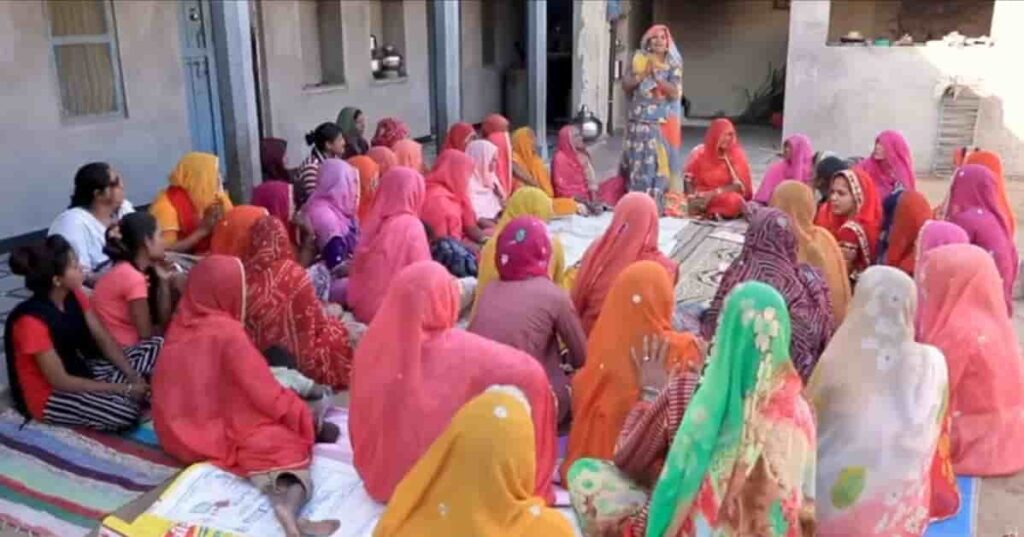
The Lakhpati Didi initiative has emerged as a significant step in India’s rural development framework, aimed at enabling women to achieve financial independence by earning an annual income of at least ₹1 lakh. Implemented under the umbrella of the Deendayal Antyodaya Yojana – National Rural Livelihoods Mission (DAY-NRLM), the programme focuses on strengthening self-help groups (SHGs) and promoting women-led economic activities across rural areas.Over time, the initiative has gained momentum as part of the government’s broader push for women-led development, shifting the focus from welfare support to income generation and entrepreneurship.Concept and ObjectiveThe core idea behind the Lakhpati Didi initiative is to transform rural women into economically self-reliant individuals by ensuring sustainable and diversified income sources. A “Lakhpati Didi” is defined as a woman who, through consistent livelihood activities, earns ₹1 lakh or more annually.The initiative emphasises not just income enhancement but also long-term financial stability. Women are encouraged to move beyond single-source earnings and adopt multiple livelihood options, reducing economic vulnerability and ensuring steady growth.Implementation Through Self-Help GroupsThe programme is primarily implemented through the extensive network of self-help groups formed under DAY-NRLM. These SHGs act as the backbone of the initiative, providing a platform for women to collaborate, access resources, and participate in economic activities.Through these groups, women receive institutional support, peer learning opportunities, and collective bargaining power. The community-based approach has played a crucial role in scaling the initiative across states.Livelihood Activities and Income GenerationWomen identified under the scheme are engaged in a wide range of livelihood activities depending on local resources and skills. These include agriculture and allied sectors such as dairy farming, poultry, and fisheries, along with non-farm activities like tailoring, handicrafts, food processing, and small retail businesses.The initiative promotes diversification of income sources, ensuring that women are not dependent on a single stream of earnings. This approach has helped create resilience against market fluctuations and seasonal uncertainties.Financial Inclusion and Credit AccessAccess to finance remains a critical component of the Lakhpati Didi initiative. Women associated with SHGs are linked to formal banking systems, enabling them to avail low-interest loans and credit facilities.This financial support allows beneficiaries to invest in their businesses, expand operations, and improve productivity. At the same time, the programme also focuses on improving financial literacy, helping women manage savings, credit, and expenditures effectively.Skill Development and Capacity BuildingTo ensure sustainability, the initiative places strong emphasis on skill development and training. Women are provided with technical knowledge related to their chosen livelihoods, along with training in entrepreneurship, business management, and digital literacy.This capacity-building approach enables women to not only generate income but also scale their activities and adapt to changing market demands.Government Push and ExpansionThe government has set ambitious targets to increase the number of Lakhpati Didis across the country, making it a central component of rural economic policy. Efforts are being made to strengthen training programmes, improve market linkages, and provide better infrastructure support.The initiative has also been integrated with other development schemes to maximise its reach and impact.Impact on Rural Economy and Social StructureThe Lakhpati Didi initiative has begun to show visible impact in several parts of rural India. Increased household incomes, reduced dependence on informal credit, and improved standards of living have been reported among beneficiaries.Beyond economic gains, the programme has contributed to enhancing the social status of women. Greater participation in financial decisions, improved confidence, and leadership roles within communities are some of the broader changes observed.Challenges and the Way ForwardDespite its progress, the initiative faces certain challenges, including uneven implementation across states, limited market access in remote areas, and the need for continuous skill upgradation. Ensuring consistent income levels and long-term sustainability remains a key focus area.Experts have highlighted that strengthening supply chains, improving infrastructure, and providing sustained support will be essential to scale the initiative effectively.The Lakhpati Didi initiative represents a shift in India’s rural development strategy, placing women at the centre of economic growth. By combining financial inclusion, skill development, and community support, it continues to build a pathway for sustainable livelihoods and grassroots-level transformation.
Ayushman Bharat: India’s Flagship Healthcare Reform and Its Expanding Impact
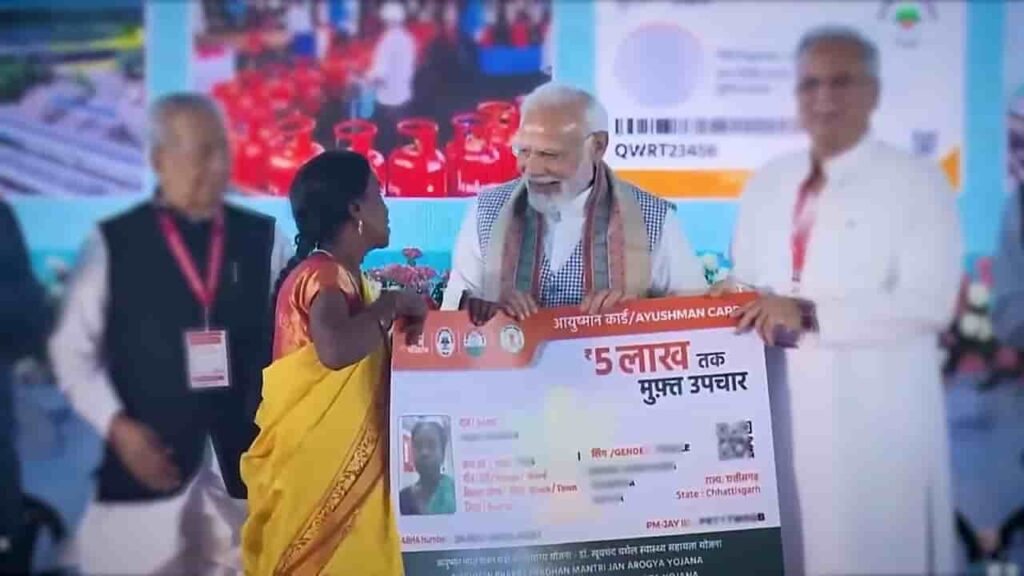
Ayushman Bharat has been one of the most ambitious and transformative public healthcare initiatives undertaken in India, aimed at addressing long-standing gaps in accessibility, affordability, and quality of medical services. Launched in 2018 by the Government of India, the programme was conceptualised as a comprehensive reform to strengthen the country’s healthcare system at multiple levels—from preventive care at the grassroots to financial protection during critical illnesses.Over time, Ayushman Bharat has not only expanded its coverage but also redefined how healthcare is accessed by economically vulnerable populations, making it a central pillar of India’s public health policy.Background: Why Ayushman Bharat Was IntroducedBefore the introduction of Ayushman Bharat, a significant portion of India’s population faced serious challenges in accessing healthcare. High out-of-pocket expenditure, limited insurance coverage, and inadequate primary healthcare infrastructure meant that medical emergencies often pushed families into financial distress.India’s healthcare system had long been characterised by:Heavy reliance on private healthcare servicesHigh treatment costs without financial protectionLimited access to quality care in rural areasFragmented public health infrastructureAyushman Bharat was introduced to address these structural issues by creating a system that combines preventive, promotive, and curative healthcare under a single framework.The Two-Pillar Structure of Ayushman BharatThe programme was designed with a dual approach, ensuring that both basic healthcare needs and advanced medical treatments are covered.1. Health and Wellness Centres (HWCs)The first component focused on strengthening primary healthcare by transforming existing sub-centres and primary health centres into Health and Wellness Centres.These centres were developed to provide comprehensive primary healthcare services, moving beyond limited treatment facilities to include:Maternal and child health servicesImmunisation programmesScreening and management of non-communicable diseases such as diabetes and hypertensionMental health servicesFree essential medicines and diagnosticsPreventive healthcare and awareness programmesThe emphasis on preventive care marked a shift in approach—from treating illness to promoting overall health and early diagnosis.2. Pradhan Mantri Jan Arogya Yojana (PM-JAY)The second and more widely recognised component is Pradhan Mantri Jan Arogya Yojana (PM-JAY), which provides financial protection for hospitalisation.PM-JAY has been designed as a government-funded health insurance scheme, offering:Coverage of up to ₹5 lakh per family per yearAccess to both public and empanelled private hospitalsCashless and paperless treatment at the point of serviceCoverage for a wide range of medical procedures, including surgeries and specialised treatmentsThe scheme primarily targets economically weaker sections, identified through socio-economic data, ensuring that those most in need receive support.Scale and Reach of the ProgrammeAyushman Bharat has been recognised as one of the largest healthcare schemes in the world, covering over 50 crore beneficiaries across India.The scale of the programme is reflected in:Thousands of empanelled hospitals across statesExpansion of Health and Wellness Centres in both rural and urban areasLarge number of hospital admissions under PM-JAYIncreasing awareness and enrolment among eligible populationsThe wide reach of the scheme has played a critical role in bridging healthcare gaps, particularly in underserved regions.Key Features and Operational FrameworkThe effectiveness of Ayushman Bharat lies in its structured implementation and use of technology.Some of its notable features include:Cashless Treatment: Beneficiaries can avail treatment without making upfront paymentsPortability: Services can be accessed across India, irrespective of the beneficiary’s home stateDigital Integration: Use of digital health cards, online verification, and real-time claim processingFraud Control Mechanisms: Systems to monitor and prevent misuse of fundsThese features have made the scheme more accessible, transparent, and efficient.Impact on Healthcare AccessibilitySince its implementation, Ayushman Bharat has had a significant impact on healthcare access in India.It has contributed to:Increased hospital admissions among low-income groupsReduced financial burden during medical emergenciesGreater utilisation of private healthcare facilitiesImproved access to specialised treatments that were previously unaffordableFor many beneficiaries, the scheme has acted as a critical safety net, enabling them to seek timely medical care without fear of financial hardship.Economic and Social ImplicationsBeyond healthcare, Ayushman Bharat has had broader socio-economic implications.By reducing out-of-pocket expenditure, the scheme has helped prevent families from falling into poverty due to medical expenses. It has also:Encouraged investment in healthcare infrastructureCreated employment opportunities in the health sectorPromoted public-private partnerships in healthcare deliveryAdditionally, improved health outcomes contribute to increased productivity and overall economic growth.Challenges in ImplementationDespite its achievements, the programme has faced certain challenges that have influenced its effectiveness.These include:Uneven implementation across statesLimited infrastructure in remote and rural areasAwareness gaps among eligible beneficiariesOccasional delays in claim settlementsConcerns regarding quality of care in some empanelled hospitalsAddressing these challenges has remained crucial for ensuring that the benefits of the scheme reach all intended recipients.Integration with India’s Digital Health EcosystemAyushman Bharat has also played a role in advancing India’s digital health initiatives. The integration of technology has enabled better tracking of patient data, streamlined service delivery, and improved transparency.The move toward digital health records and interconnected systems is expected to further strengthen the healthcare ecosystem in the long run.A Step Toward Universal Health CoverageAyushman Bharat has been a key step in India’s journey toward achieving universal health coverage. By combining primary healthcare reforms with financial protection, the scheme has addressed multiple dimensions of healthcare delivery.It reflects a shift in policy focus—from limited, fragmented healthcare services to a more inclusive and structured system that prioritises accessibility and affordability.Ayushman Bharat has, over the years, reshaped the way healthcare is accessed and delivered in India. By reducing financial barriers, expanding infrastructure, and promoting preventive care, it has moved the country closer to a more equitable healthcare system—one where access to treatment is determined not by income, but by need.
Kumar Bhaskar Varma Bridge Over Brahmaputra River: Strengthening Connectivity in Assam
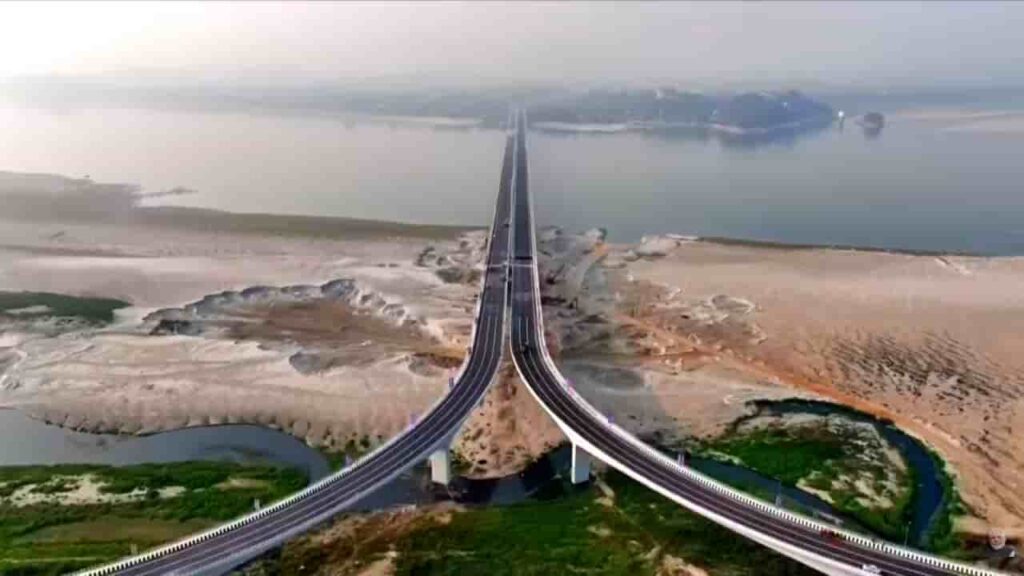
The construction and development of the Kumar Bhaskar Varma Bridge over the Brahmaputra River marks a significant step in enhancing connectivity across Assam. Named after the ancient ruler Kumar Bhaskar Varma, the bridge stands as both an infrastructure milestone and a tribute to the region’s historical legacy.Strategically located, the bridge connects the north and south banks of the Brahmaputra, addressing long-standing challenges of transportation in one of India’s most geographically complex regions.Strategic Location and ImportanceThe Kumar Bhaskar Varma Bridge is being developed near Tezpur, a crucial urban centre in Assam. The Brahmaputra, known for its vast width and unpredictable flow, has historically posed a barrier to seamless connectivity between regions on either side.By linking key districts across the river, the bridge is expected to significantly reduce travel time and improve accessibility for both passengers and goods transport. It will serve as an important alternative route to existing crossings, easing pressure on older bridges and ferry services.Enhancing Regional ConnectivityConnectivity has long been a challenge in Assam, particularly in areas separated by the Brahmaputra. The new bridge aims to transform this by providing:Faster inter-district travelImproved access to healthcare and education facilitiesBetter connectivity for rural and semi-urban areasStrengthened road networks linking national highwaysThe bridge will play a vital role in integrating remote regions with major economic centres, thereby supporting inclusive development.Boost to Trade and Economic ActivityThe project is expected to have a strong economic impact on the region. Assam’s economy relies heavily on agriculture, tea production, and small-scale industries, all of which depend on efficient transportation.With improved connectivity:Movement of goods will become faster and more cost-effectiveTrade between northern and southern Assam will increaseLocal businesses will gain better access to marketsTourism in nearby regions will receive a boostThe bridge is also likely to support cross-border trade routes in the broader Northeast region.Engineering and Infrastructure SignificanceConstructing a bridge over the Brahmaputra is a complex engineering challenge due to the river’s strong currents, shifting channels, and seasonal flooding. The Kumar Bhaskar Varma Bridge reflects advancements in modern engineering techniques designed to withstand such conditions.The structure is expected to feature:Multiple spans to accommodate the river’s widthHigh load-bearing capacity for heavy vehiclesDurable materials suited for flood-prone conditionsSafety features for all-weather usageSuch infrastructure is crucial for ensuring year-round connectivity in a region often affected by monsoon disruptions.Social and Developmental ImpactBeyond economic benefits, the bridge will have a meaningful social impact. Improved connectivity often translates into better quality of life for local communities.Residents will experience:Easier access to hospitals and emergency servicesGreater educational opportunitiesEnhanced mobility for daily commutingReduced isolation of remote areasFor many communities, the bridge represents not just infrastructure, but improved access to essential services and opportunities.Cultural and Historical SignificanceNaming the bridge after Kumar Bhaskar Varma adds a cultural dimension to the project. He was a prominent ruler of the ancient Kamarupa kingdom and is remembered for his contributions to the region’s history.The naming reflects an effort to connect modern development with historical identity, preserving regional pride while moving forward with infrastructure growth.Toward a More Connected NortheastThe Kumar Bhaskar Varma Bridge is part of a broader push by the government to improve infrastructure across Northeast India. Enhanced connectivity is seen as a key driver for economic growth, national integration, and strategic development in the region.As Assam continues to expand its transport network, projects like this bridge are expected to play a central role in shaping the state’s future—bringing regions closer, improving mobility, and unlocking new opportunities across sectors.
Delhi–Meerut RRTS Fully Operational: India’s First Regional Rapid Transit Corridor Becomes a Reality
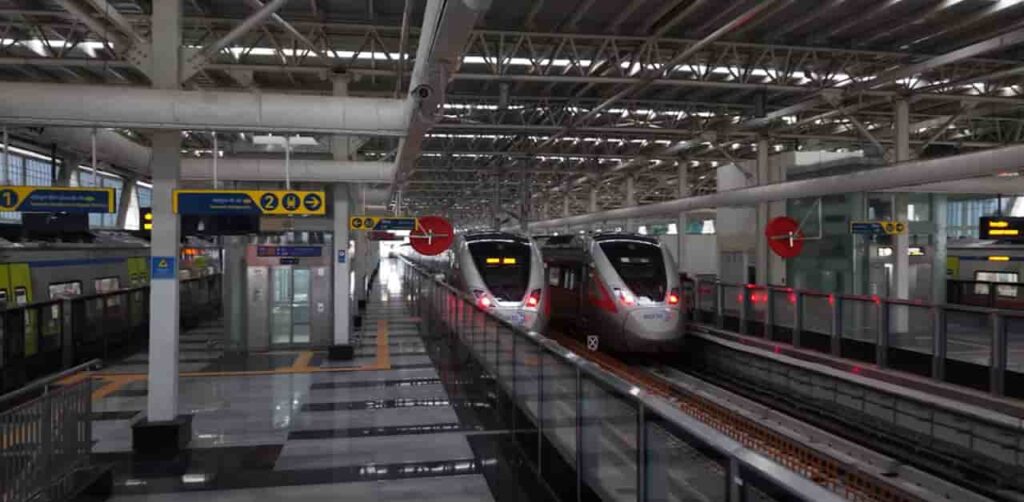
In a major milestone for India’s urban transport infrastructure, the full stretch of the Delhi–Meerut Regional Rapid Transit System (RRTS) has now been opened for public operations. Developed by the National Capital Region Transport Corporation (NCRTC), the corridor marks the country’s first semi-high-speed regional rail system, designed to significantly reduce travel time between Delhi and key cities in western Uttar Pradesh.The corridor connects Delhi, Ghaziabad, and Meerut, transforming daily commuting across the National Capital Region into a faster, more efficient experience.A High-Speed Alternative to Road TravelThe Delhi–Meerut RRTS corridor spans approximately 82 kilometres, making it one of the most advanced regional rail projects in the country. With trains designed to operate at a maximum speed of 180 km/h and an operational speed of around 160 km/h, the system drastically cuts down travel time.Commuters can now travel between Delhi and Meerut in less than one hour, compared to the earlier duration of over two to three hours by road, depending on traffic conditions. This is expected to ease congestion on highways and reduce dependence on private vehicles.Modern Stations and InfrastructureThe corridor includes over 20 strategically located stations, covering major residential, commercial, and transit hubs along the route. Key stations include:Sarai Kale Khan (Delhi)Anand ViharGhaziabadModinagarMeerut SouthMeerut CentralThese stations are equipped with modern facilities such as:Platform screen doorsAutomated ticketing systemsEscalators and elevatorsSeamless integration with metro and bus networksThe infrastructure has been designed keeping in mind accessibility, safety, and passenger comfort.Advanced Technology and Passenger ExperienceThe RRTS introduces a new standard of rail travel in India, combining speed with technology-driven convenience.Trains on the corridor are fully air-conditioned and feature:Ergonomic seatingDedicated luggage spaceOnboard information systemsWi-Fi connectivityCCTV surveillance for securityA separate premium coach has also been introduced, offering business-class-like seating and additional comfort for passengers willing to pay a higher fare.Integration with Urban Transport NetworksOne of the key advantages of the RRTS is its integration with existing urban transit systems. Stations such as Anand Vihar and Sarai Kale Khan connect with metro lines, railway stations, and bus terminals, enabling seamless last-mile connectivity.This multimodal approach is expected to encourage greater use of public transport and reduce traffic congestion in the region.Economic and Regional ImpactThe full operationalisation of the Delhi–Meerut RRTS corridor is expected to have far-reaching economic implications.Improved connectivity will:Boost real estate development along the corridorFacilitate faster movement of workforce between citiesEncourage business expansion beyond DelhiSupport balanced regional development in NCRCities like Ghaziabad and Meerut are likely to witness increased investment and urban growth as commuting becomes more convenient.Environmental BenefitsBy providing a fast and reliable alternative to road travel, the RRTS is also expected to contribute to environmental sustainability.Reduced vehicular traffic will lead to:Lower carbon emissionsDecreased fuel consumptionImproved air quality in the NCR regionThe project aligns with India’s broader goals of promoting sustainable and green mobility solutions.A New Era of Regional ConnectivityThe Delhi–Meerut RRTS is the first of several planned corridors under the regional rapid transit system network. Its successful implementation sets a benchmark for similar projects connecting other parts of the National Capital Region.With high-speed travel, modern infrastructure, and seamless connectivity, the corridor represents a significant leap in how intercity commuting is approached in India—bringing cities closer while improving quality of life for millions of daily commuters.
Kerala Renamed as “Keralam”: History, Reasons, Constitutional Process and What It Means

In a significant development reflecting linguistic identity and cultural heritage, the Union Cabinet of India approved a proposal to change the official name of the southern state of Kerala to “Keralam”. The decision marks a key constitutional step toward aligning the state’s official English name with the name used in the Malayalam language.The proposal was approved by the Union Cabinet on 24 February 2026 during a meeting chaired by the Prime Minister. The move sets in motion the formal constitutional process required to alter the name of an Indian state.The change has been described as a reflection of the linguistic identity of the people of the state, as “Keralam” is the name traditionally used in Malayalam to refer to the region.Background: Why the Name Change Was ProposedThe demand to change the official name from “Kerala” to “Keralam” has existed for several years. In Malayalam—the primary language spoken in the state—the region is commonly referred to as Keralam, not Kerala.Supporters of the change argued that the current name used in English does not fully reflect the linguistic and cultural identity of the state. They maintained that adopting “Keralam” as the official name would bring the constitutional name of the state in line with its traditional and linguistic identity.The Kerala Legislative Assembly formally took up the issue and passed resolutions requesting the Union government to initiate the renaming process.Kerala Assembly ResolutionsThe first major step toward the name change was taken by the Kerala Legislative Assembly. In August 2023, the Assembly adopted a resolution urging the Union government to change the state’s name from Kerala to Keralam.However, the resolution had to be passed again due to procedural reasons. On 24 June 2024, the Assembly unanimously passed another resolution requesting the central government to amend the Constitution and change the state’s name officially to Keralam.The resolution explained that the state has always been known as “Keralam” in Malayalam and that the name “Kerala” appears only in the First Schedule of the Constitution of India.It also pointed out that Indian states were reorganised on linguistic lines in 1956, and therefore the state’s constitutional name should reflect its linguistic identity.Union Cabinet ApprovalAfter receiving the request from the Kerala government, the proposal was examined by the Ministry of Home Affairs and other legal authorities.On 24 February 2026, the Union Cabinet approved the proposal to alter the name of the state from Kerala to Keralam.The Cabinet decision acknowledged the long-standing demand from the state government and noted that the change aligns with the name used in the Malayalam language.The approval was welcomed by several political leaders, who described it as a recognition of the cultural identity of the people of the state.Constitutional Procedure for Changing the Name of a StateChanging the name of an Indian state is not a simple administrative decision. It requires a formal constitutional process under Article 3 of the Constitution of India.The procedure involves several steps:State Resolution The process usually begins with a resolution passed by the state legislature requesting the name change.Union Cabinet Approval The proposal is examined by the Union government and approved by the Union Cabinet.Presidential Recommendation After Cabinet approval, the President of India refers the proposal to the concerned state legislature for its views.Introduction of a Bill in Parliament A bill—called the Kerala (Alteration of Name) Bill, 2026 in this case—will be introduced in Parliament.Parliamentary Approval Both houses of Parliament must pass the bill.Final Presidential Assent After the bill is passed, the President of India gives assent, making the name change official.Only after completing these steps will the state’s name be formally changed in the Constitution.Historical Context of Kerala’s FormationUnderstanding the renaming issue also requires looking at the historical formation of the state.Modern Kerala was created on 1 November 1956 under the States Reorganisation Act, which reorganised Indian states based on linguistic identity. Malayalam-speaking regions from the former princely states of Travancore and Cochin were merged with the Malabar district to form the state of Kerala.This day is celebrated annually as Kerala Piravi (Kerala Formation Day).The demand for a unified state for Malayalam speakers was part of the Aikya Kerala Movement, which sought to unite all Malayalam-speaking regions into a single administrative unit.Supporters of the name change argue that since the state was formed on linguistic grounds, its official name should also reflect the Malayalam form “Keralam.”Cultural and Linguistic SignificanceThe word “Keralam” has deep cultural and linguistic roots. It is the name used in Malayalam literature, historical texts, and everyday speech by residents of the state.In Malayalam grammar, “Keralam” is the natural form of the name, while “Kerala” is an anglicised version that became widely used in English during colonial and post-colonial administrative usage.Changing the official name is therefore seen as a way of reinforcing regional identity and preserving linguistic heritage.Political and Public ReactionsThe renaming proposal has generated both support and debate in political and public circles.Supporters argue that the change is a symbolic but meaningful recognition of the state’s linguistic identity. They believe it reflects the aspirations of the Malayali people and corrects a historical inconsistency between the constitutional name and the local usage.However, some critics have argued that the change is largely symbolic and does not address more pressing economic or social issues facing the state.Despite differing opinions, the move has sparked widespread discussion about linguistic identity, federalism, and the cultural representation of Indian states.What Happens NextFollowing the Union Cabinet’s approval, the next step is the introduction of the Kerala (Alteration of Name) Bill, 2026 in Parliament.If the bill is passed by both houses of Parliament and receives presidential assent, the name “Kerala” will be officially replaced by “Keralam” in the Constitution of India.Once the change takes effect, government documents, official records, and administrative references will gradually adopt the new name.ConclusionThe proposal to rename Kerala as Keralam represents more than a simple change in spelling. It reflects a broader discussion about language, identity, and the relationship between regional cultures and the constitutional framework of India.By aligning the state’s official name with its Malayalam usage, supporters believe the
India Launches First Barrier-Free Toll System on NH-48 in Gujarat
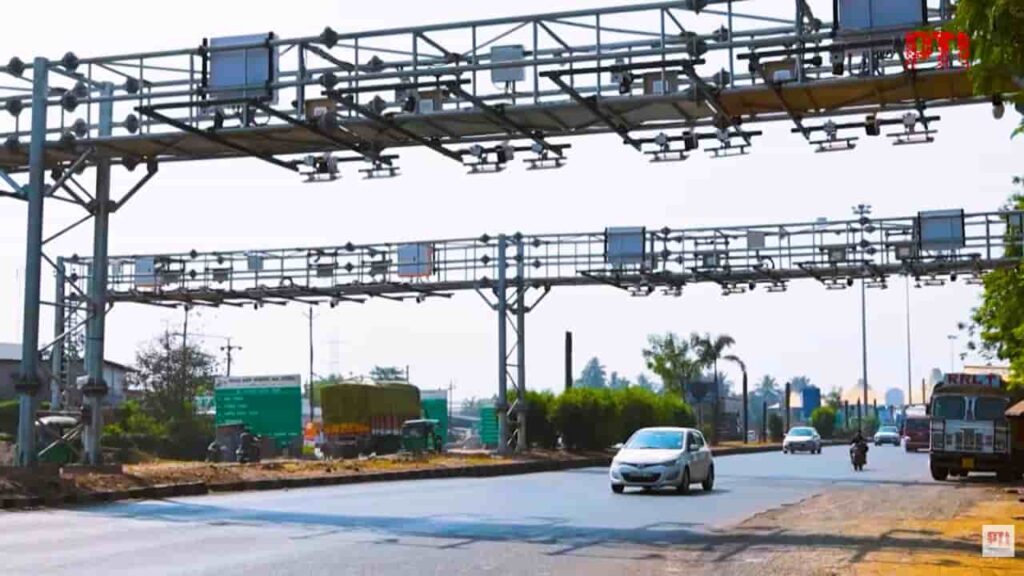
Image: PTIIndia has taken a major step toward modernising its highway infrastructure with the launch of the country’s first barrier-free toll collection system. The Multi-Lane Free-Flow (MLFF) toll system was introduced in early 2026 at the Choryasi toll plaza on National Highway-48 (NH-48) in Gujarat.The new system allows vehicles to pass through toll points without stopping, marking a shift from conventional toll plazas with barriers and manual payment lanes. Instead, tolls are automatically deducted while vehicles continue moving at normal speeds.The project has been implemented by the National Highways Authority of India as part of the government’s efforts to introduce advanced, technology-driven toll collection systems across the country.Where the System Has Been IntroducedThe pilot project is located on the Surat–Bharuch stretch of NH-48 in Gujarat, one of the busy highway corridors connecting major industrial and commercial centres. The installation of the barrier-free system at the Choryasi toll plaza is intended to test the efficiency of automated tolling on high-traffic routes.Officials say that the project will serve as a model for future tolling infrastructure across India.How the MLFF Toll System WorksUnder the Multi-Lane Free-Flow tolling system, vehicles do not need to stop or slow down at toll plazas. Instead of physical barriers, the system relies on advanced digital technologies installed on overhead gantries.The system primarily uses Automatic Number Plate Recognition (ANPR) cameras and high-performance RFID readers to identify vehicles as they pass through the toll point.Vehicles equipped with FASTag are automatically scanned, and the toll amount is deducted directly from the linked prepaid account. For vehicles without FASTag, the number plate is captured using ANPR cameras, and the toll charge can be recovered through the vehicle registration database.This technology enables seamless toll collection while vehicles continue to move at highway speeds.Benefits of Barrier-Free TollingThe introduction of MLFF tolling is expected to bring several advantages for commuters and transport operators.One of the primary benefits is the reduction of congestion at toll plazas. Long queues at toll booths often lead to delays and increased travel time, especially on busy highways. With the new system, vehicles can pass through toll points without stopping, ensuring smoother traffic flow.The system can also help reduce fuel consumption and vehicle emissions, as cars and trucks will no longer need to idle in long lines waiting for toll payments. Additionally, automated tolling improves efficiency and transparency in toll collection.Plans for ExpansionAuthorities plan to expand the barrier-free tolling system to other parts of the national highway network if the pilot project proves successful.According to officials, the National Highways Authority of India is considering implementing the MLFF tolling model at around 25 major toll plazas across India in the coming years.The move is part of a broader push to modernise highway infrastructure and introduce intelligent transport systems that make road travel faster and more efficient.A Step Toward Smart HighwaysIndia has already introduced electronic toll collection through FASTag in recent years. The launch of the barrier-free MLFF system represents the next stage in that evolution, moving toward fully automated tolling without physical barriers.If the system performs as expected, it could gradually replace conventional toll plazas and become a key component of the country’s future highway network.
Prime Minister Modi’s Israel Visit: Strategic Engagement Amid Regional Uncertainty
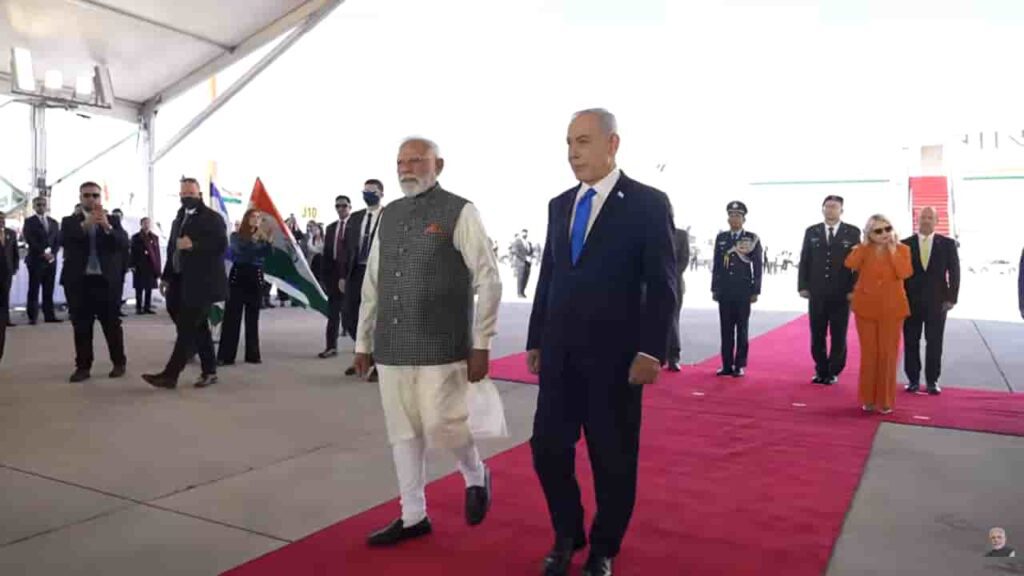
Prime Minister Narendra Modi undertook a two-day official visit to Israel, marking a significant moment in India–Israel relations at a time of heightened geopolitical volatility in West Asia. The visit, described by official sources as historic, was aimed at consolidating India’s long-standing strategic partnership with Israel while navigating the complex regional and global environment shaping Middle Eastern politics.The visit underscored India’s commitment to sustained engagement with Israel across defence, technology, agriculture, innovation and economic cooperation, even as regional conflicts and shifting alliances pose diplomatic headwinds.Context and Timing of the VisitPrime Minister Modi’s Israel visit comes at a sensitive juncture for the region. West Asia continues to witness prolonged instability, with security concerns, evolving power equations and humanitarian challenges dominating the geopolitical landscape. Against this backdrop, India’s outreach to Israel reflects a calibrated diplomatic approach that balances strategic interests with regional stability and global responsibilities.India and Israel share a relationship that has evolved steadily since the establishment of full diplomatic ties in 1992. Over the years, cooperation has expanded from defence procurement to joint research, innovation-driven partnerships and people-centric development projects. The current visit builds on this foundation while acknowledging the realities of a strained regional environment.High-Level Engagements and Bilateral TalksDuring the visit, Prime Minister Modi held extensive talks with Benjamin Netanyahu, focusing on deepening the India–Israel strategic partnership. The discussions reviewed the full spectrum of bilateral cooperation, including defence and security, economic engagement, technological collaboration, water management and agricultural innovation.Both leaders reaffirmed their commitment to strengthening institutional mechanisms that support cooperation in critical and emerging sectors. Emphasis was placed on sustaining momentum in joint initiatives that align with India’s development priorities and Israel’s technological expertise.Defence and Strategic CooperationDefence cooperation remains a central pillar of India–Israel relations. Israel is among India’s key defence partners, particularly in areas such as surveillance systems, missile defence technologies, unmanned aerial vehicles and advanced electronics.During the talks, the two sides reviewed ongoing defence collaboration and explored avenues for deeper cooperation under India’s ‘Make in India’ and ‘Atmanirbhar Bharat’ initiatives. Officials highlighted the importance of co-development, technology transfer and long-term industrial partnerships rather than transactional procurement.The visit reaffirmed mutual interest in enhancing defence industrial ties while ensuring that cooperation remains aligned with international norms and India’s strategic autonomy.Technology, Innovation and Economic CooperationA major focus of the visit was expanding collaboration in technology and innovation, areas where India and Israel share strong complementarities. Israel’s globally recognised startup ecosystem and India’s scale in digital adoption and manufacturing offer significant opportunities for joint growth.Discussions covered cooperation in fields such as artificial intelligence, cybersecurity, digital public infrastructure, healthcare technologies and sustainable innovation. Both sides acknowledged the growing role of startups, research institutions and private enterprises in driving the next phase of bilateral engagement.Economic ties were also reviewed, with leaders noting the steady expansion of bilateral trade and investment. Efforts are underway to diversify trade baskets and encourage partnerships in manufacturing, services and high-technology sectors.Agriculture and Water ManagementAgriculture and water management — long-standing areas of India–Israel cooperation — featured prominently during the visit. Israel’s expertise in drip irrigation, water recycling and arid-zone farming has contributed significantly to India’s agricultural productivity initiatives over the years.The two sides discussed strengthening cooperation through Centres of Excellence across Indian states, capacity-building programmes and joint research initiatives focused on climate-resilient agriculture.Geopolitical Considerations and India’s Balanced ApproachPrime Minister Modi’s Israel visit unfolded amid ongoing geopolitical tensions in West Asia, a factor acknowledged in diplomatic discussions. India reiterated its principled position of supporting peace, dialogue and stability in the region while maintaining constructive relations with all key stakeholders.India’s engagement with Israel is part of a broader West Asia strategy that also encompasses strong ties with Arab nations, Iran and other regional actors. Officials emphasised that India’s foreign policy is guided by national interest, strategic autonomy and respect for sovereignty, rather than bloc-based alignments.People-to-People Ties and Cultural EngagementBeyond strategic and economic discussions, the visit also highlighted the importance of people-to-people ties. The Indian diaspora in Israel, academic exchanges and cultural interactions continue to add depth to bilateral relations.Educational cooperation, student mobility and cultural dialogue were identified as areas with potential for further expansion, particularly among younger generations.Significance of the VisitPrime Minister Modi’s Israel visit is significant not merely for the agreements discussed or reviewed, but for its broader diplomatic message. It signals continuity in India–Israel relations, resilience in engagement despite regional uncertainties, and a forward-looking approach to cooperation in technology-driven and innovation-led sectors.At a time when global geopolitics is marked by uncertainty and realignment, the visit reinforces India’s intent to remain an active, reliable and independent partner on the world stage.The Road AheadThe outcomes of the visit are expected to translate into strengthened institutional cooperation, faster implementation of joint projects and expanded engagement between businesses, research institutions and innovation ecosystems in both countries.As India and Israel look ahead, their partnership is likely to continue evolving — shaped by shared strategic interests, technological collaboration and a mutual commitment to long-term cooperation in an increasingly complex global environment.
Dubai’s World Governments Summit 2026: Global Leaders Shape Tomorrow’s Governance
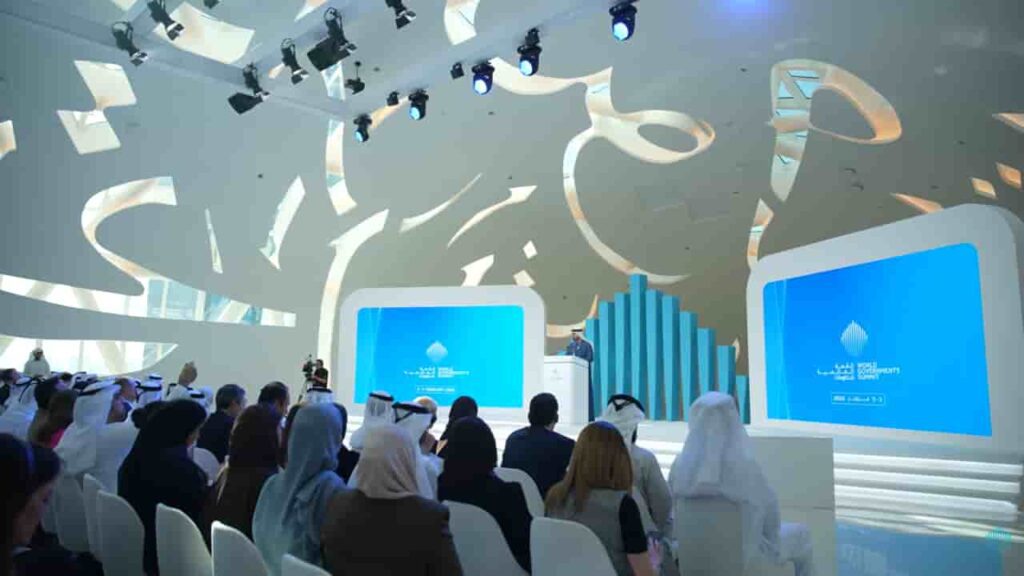
Dubai hosted the landmark World Governments Summit (WGS) 2026 from February 3-5, drawing record crowds under the theme “Shaping Future Governments.” Over 6,000 leaders from 150+ countries gathered for 320+ sessions, creating solutions for AI, sustainability, and resilient economies.Record-Breaking ParticipationThe summit featured more than 35 heads of state, 500+ ministers, and 450+ experts, including delegations from the IMF, IFC, and World Bank. It marked the largest international turnout in WGS history, with 100+ organizations collaborating on 24 specialized forums. Key forums included the New Silk Road Forum, IFC’s Latin America & Caribbean Investment Forum, the 10th International Cooperation Conference with the Association of Caribbean States, and the Future of Economy Forum.Debuting outside Shanghai, the World Laureates Summit (WLS) united Nobel, Turing, and Fields Medal winners like Michael Levitt (2013 Chemistry Nobel), Kip Thorne (2017 Physics Nobel), and John Hopcroft (1986 Turing Award) to tackle global challenges.Star-Studded Speakers LineupCategoryExamplesPresidents/PMsJoko Widodo (Indonesia), William Ruto (Kenya), Mostafa Madbouly (Egypt), Masrour Barzani (Kurdistan Region), Macky Sall (former Senegal)Global Org LeadersNgozi Okonjo-Iweala (WTO), Ajay Banga (World Bank), Catherine Russell (UNICEF), Haitham Al Ghais (OPEC)Tech/BusinessElon Musk, Alexander Karp (Palantir), Klaus SchwabOtherSanjay Gupta (CNN), Idris Elba, Aaron Ciechanover (Nobel Laureate)Speakers spanned presidents, CEOs, and laureates. Heads of government included Indonesia’s Joko Widodo, Kenya’s William Ruto, Egypt’s Mostafa Madbouly, Kurdistan Region’s Masrour Barzani, and the Maldives’ Mohamed Muizzu.Global organization heads: WTO’s Ngozi Okonjo-Iweala, World Bank’s Ajay Banga, UNICEF’s Catherine Russell, OPEC’s Haitham Al Ghais, and NDB’s Dilma Rousseff.Tech and business icons: Elon Musk (Tesla, SpaceX, X), Palantir’s Alexander Karp, WEF’s Klaus Schwab, CNN’s Sanjay Gupta, actor Idris Elba, PepsiCo’s Aamer Sheikh, and Nobel chemist Aaron Ciechanover.Others: Former Senegal President Macky Sall, Cuba’s Manuel Cruz, Sierra Leone’s David Sengeh, Indonesia’s Asman Abnur, Warwick economist Andrew Oswald, and NEA’s William Magwood IV.PwC’s Strategic RolePwC continued as Knowledge Partner, spotlighting the Best Minister Award and Global Ministers Survey. Executives joined closed-door roundtables: Hani Ashkar on Apple’s “AI in Manufacturing” (Day 1), Laurent Depolla on Agility’s “Partnerships for a Sustainable, Intelligent Economy” (Day 2), and Khaled Bin Braik on “The Future of HR in the Era of AI” (Day 3). PwC launched three reports: Anchoring Degrees, Accelerating Skills, Policies Towards a Stackable, Skills-First Ecosystem, Smart Trade Diplomacy, Transport and Logistics Alliances in a Multipolar World, and Harnessing AI to Build Whole-of-Society Resilience, A Blueprint for Governments of the Future.Outcomes and ImpactDiscussions emphasized international cooperation, innovative policies, and empowering next-gen governments amid economic and tech shifts. WLS outcomes were announced on-site, highlighting science-driven fixes for pressing issues.The event reinforced Dubai’s hub status, blending policy discourse with actionable insights for resilient societies.
NGT Greenlights Great Nicobar Mega-Project: Strategic Lifeline or Ecological Gamble?
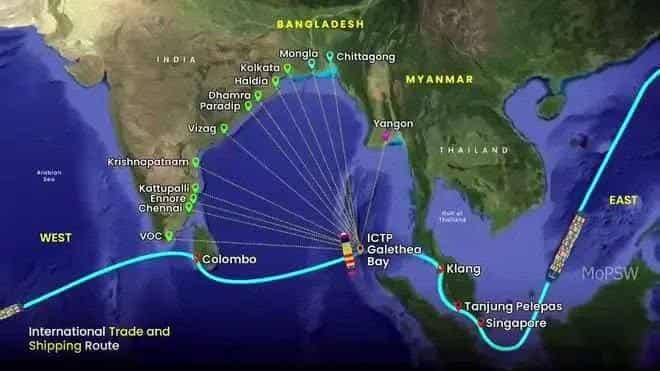
In a landmark ruling, the National Green Tribunal (NGT) on February 16, 2026, upheld environmental clearances for the ₹81,000-92,000 crore Great Nicobar Island development, dismissing petitions citing “strategic importance” and “adequate safeguards,” paving the way for India’s ambitious Bay of Bengal hub amid fierce eco-debates.Project Blueprint: Four Pillars of TransformationSpanning 166 sq km on the 910 sq km island (India’s southernmost at Indira Point), led by Andaman and Nicobar Islands Integrated Development Corp Ltd (ANIIDCO) and NITI Aayog:Dual-Use Airport: Greenfield civil-military strip east of Galathea Bay (4.2 sq km, displacing 379 families); runway north-south over the sea for surveillance near the Six Degree Channel, cutting Port Blair response time by 500+ km; eyes Singapore/Vietnam routes.Transshipment Port: Galathea Bay ICTP challenges Colombo’s monopoly; Leatherback turtle nesting site concerns flagged.Integrated Township: Residential/commercial/tourism/logistics/defense zones; power plant (450 MVA gas-solar).Population Boom: From 6,500 to 3.25L by 2040, 13-15L by 2075, 1L+ jobs projected.NGT bench (Justice Prakash Shrivastava) relied on HPC (ex-secy Leena Nandan) findings: No ICRZ violations, strict compliance mandated.Strategic Imperative in Indo-Pacific Chessboard9km from Sumatra, hugging Malacca Strait trade lanes (80% of India’s oil), Great Nicobar bolsters QUAD/Andaman chain vs. China’s String of Pearls. Dual-use airport enables fighter ops, quick IOR response; port slashes foreign transshipment reliance (₹50,000 cr savings/yr est.). Eco-tourism/scientific hubs eyed, with DPR noting minimal low-alt hill flights.Key Directives on Construction & CoastlineNo Erosion or Shoreline Changes: All activities, including foreshore development, must prevent erosion or adverse coastal alterations across project areas and nearby islands.Preserve Sandy Beaches: Absolute protection for turtle/bird nesting sites, no loss permitted, recognizing their role as natural barriers.Wildlife & Species ProtectionEnvironmental clearance conditions explicitly shield:Leatherback sea turtles (Galathea Bay nesting).Nicobar megapode, saltwater crocodiles, robber crabs, Nicobar macaques, and endemic birds.Long-term monitoring is required for forests, coral reefs, and water quality.Compliance & Tribal MeasuresBinding EC Conditions: Government must enforce all original safeguards without violation at any stage, HPC verified adequacy.Tribal Safeguards: Resettlement honoring pre-tsunami patterns; restricted construction access; include Tribal Councils (Great/Little Nicobar) per Forest Rights Act 2006.Ongoing OversightIndependent ecological audits are mandated.Violations trigger penalties/remediation.NGT emphasized these as non-negotiable for the ₹81,000 cr airport/port/township push on 130 sq km forest land.Ecological & Social StormForest/Wildlife Hit: 130 sq km diversion (14% island), ~1M trees felled; Great Nicobar Biosphere Reserve impacts, Shompen/Nicobarese tribes (84 sq km land) at risk.Critics Cry Foul: Petitions highlighted turtle bays, river deltas; NGT deems safeguards (e.g., no CRZ breaches) sufficient.Population Pressure: 6.5L by 2050 strains fragile marine/forest ecosystems.ANIIDCO insists on mitigation: Site grading, sea-path flights. NGT: “Strategic needs outweigh; monitor compliance.NGT safeguards for the Great Nicobar project aim to protect the vulnerable Shompen tribe—a Particularly Vulnerable Tribal Group (PVTG) of ~200 semi-nomadic hunter-gatherers—primarily by enforcing spatial, surveillance, and legal isolation from project activities, though critics argue enforcement gaps persist.Core Spatial & Access ProtectionsNo Habitat Disturbance: Project explicitly bans encroachment into Shompen settlements, core zones (Galathea/Alexandrina Rivers), or traditional foraging areas—130 sq km forest diversion excludes their 84 sq km reserve.greentribunal+1Geo-Fencing & Surveillance: Towers and restricted entry zones encircle tribal habitats to prevent outsider contact, minimizing disease transmission risks (past epidemics decimated PVTGs like Jarawas).Oversight & Welfare MandatesDepartment of Tribal Welfare (DTW) Lead: Monitors safety, provisions (non-invasive food at Campbell Bay hospital), and rights under Andaman & Nicobar (Protection of Aboriginal Tribes) Regulation 1956, no exploitation of reserve resources by non-tribals.NCST Consultation: Article 338A(9) compliance verified; Forest Rights Act 2006 gram sabha inclusion for PVTGs, though implementation historically lags (“Nil” FRA progress reported).Isolation Protocols: No permanent non-tribal/Govt residences in reserve; temporary camps only for welfare/research; cross-infection barriers in healthcare.Legal & Compliance BackboneNGT/HPC upheld 2022 EC conditions as “adequate”: Independent audits, penalties for violations, tribal council involvement (Great/Little Nicobar). Pre-tsunami resettlement patterns honored; Shompen rights (hunting under Wildlife Act amendment) preserved.Lingering ConcernsAnthropologists warn of indirect threats (fragmented forests, population influx to 3L+ by 2040, disrupting semi-nomadic life); NGT mandates monitoring but lacks PVTG-specific veto power, compliance now pivotal for ~181 Shompen across 56 households.Path ForwardClears legal logjam post-2022 EC; HPC revisited 2023 concerns. Investments (₹1L cr+) promise jobs/hotels but hinge on tribal consent, monitoring.As “India’s Hong Kong,” Great Nicobar eyes global tourism map, balancing security surge with island fragility.
Estonia President’s Official Visit to India: A Milestone in Bilateral Engagement
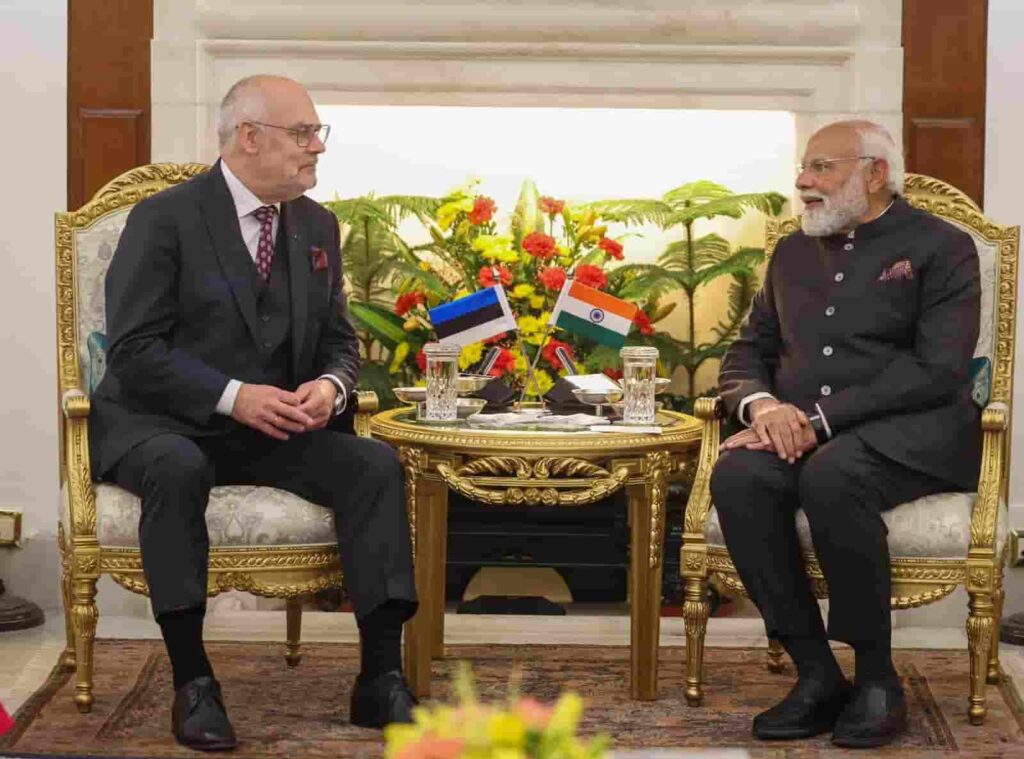
President Alar Karis, the Head of State of Estonia, concluded a significant official visit to India on February 19, 2026, underscoring deepening ties between the two countries across diplomacy, trade, digital cooperation, education and cultural exchange. The discussions and engagements during the visit reflected shared democratic values, mutual interest in technology-led growth and a growing emphasis on people-to-people links.This visit marked a high-profile diplomatic engagement that elevated relations between India and Estonia — both of which are democracies with strong commitments to digital innovation, open governance and strategic multilateral cooperation.Official Welcoming and High-Level MeetingsPresident Alar Karis was received at Rashtrapati Bhavan by President of India Smt. Droupadi Murmu, in a ceremony that reaffirmed the importance both nations place on their bilateral relationship. The ceremonial reception, followed by formal talks, set the tone for substantive discussions on a broad agenda of cooperation.In their meeting, President Murmu and President Karis reviewed ongoing collaboration, expressed satisfaction with the growing momentum of bilateral ties, and identified new avenues for future engagement. Both leaders spoke of shared democratic principles, respect for sovereignty, and the potential for deeper cooperation in emerging sectors.Strategic and Technology CooperationEstonia is known globally for its success in digital governance, cybersecurity and e-services, and these areas took centre stage during the visit. India and Estonia discussed cooperation in:Digital infrastructure and e-governance modelsCybersecurity partnershipsData governance frameworksDigital economy initiativesIndia shared its experience with large-scale programs such as Aadhaar and DigiLocker, while Estonia showcased best practices from its e-Estonia ecosystem — widely regarded as one of the most advanced digital societies in the world.Both sides expressed interest in knowledge exchange and joint initiatives that could benefit public service delivery, innovation pipelines and digital skill development.Economic and Trade EngagementBilateral trade and economic cooperation were key components of the discussions. While overall trade volume between India and Estonia has remained modest compared to India’s larger European partners, both nations affirmed a desire to broaden commercial links.Estonian companies operating in fields such as information technology, clean energy solutions, precision engineering and logistics services were identified as potential partners for deeper engagement with Indian enterprises. Similarly, Indian firms were encouraged to explore opportunities in the Estonian market, particularly in high-technology and service sectors.Both countries agreed on the need to further institutionalise trade facilitation mechanisms, reduce barriers and foster business dialogue through joint economic forums.Education, Culture and People-to-People LinksThe Presidents highlighted the importance of educational and cultural exchanges as core pillars of bilateral engagement. India and Estonia reaffirmed their commitment to expanding academic collaborations, student mobility programs and cultural showcases that deepen understanding between their citizens.Emphasis was placed on supporting:University partnershipsResearch collaboration in science and technologyStudent exchange schemesCultural festivals and artistic collaborationsThese initiatives were seen as vital for building stronger long-term ties, especially among young professionals, innovators and academics.Multilateral Cooperation and Shared ValuesIndia and Estonia also explored cooperation at the United Nations and other multilateral forums. Both countries reiterated their commitment to democratic norms, rule of law, peaceful resolution of disputes and inclusive development.There was agreement on enhancing joint efforts on global issues such as climate change, sustainable development, digital governance norms, and secure cyberspace regulations.Joint Statement and Future RoadmapAt the conclusion of the visit, both leaders issued a joint statement reaffirming their intent to broaden cooperation across multiple domains, including:Digital transformation and cybersecurityEconomic and trade linkagesEducation and cultural exchangeMultilateral engagement and strategic dialogueThe statement also expressed mutual respect for each other’s development models and acknowledged the importance of continued high-level visits and institutional dialogue mechanisms.Significance of the VisitPresident Karis’s visit to India in February 2026 carries strategic significance on several fronts. India’s engagement with Estonia — a small but highly innovative member of the European Union — reflects New Delhi’s broader approach to building partnerships based on shared technological and governance priorities rather than solely on scale.For Estonia, strengthening ties with India provides enhanced access to one of the world’s fastest-growing major economies and offers opportunities to participate in collaborative initiatives in technology, education and strategic innovation. Estonia’s expertise in digital governance was highlighted as a complementary asset to India’s own digital transformation journey.The visit also reaffirmed that India’s foreign policy priorities extend beyond traditional geopolitical partnerships to include innovative, technology-driven countries positioned for long-term global impact.As bilateral engagement moves forward, both sides signalled their intention to operationalise the discussions through focussed working groups, expert exchanges and public-private cooperation platforms that translate high-level commitments into actionable outcomes.President Karis’s visit, therefore, stands out not merely as ceremonial diplomacy but as a visit that helped articulate a forward-looking India-Estonia partnership in the digital age — one rooted in shared values, mutual respect and practical collaboration.