




Oscar Nominations 2026 Announced: ‘Sinners’ Makes History With Record 16 Nods

ENTERTAINMENT Oscar Nominations 2026 Announced: ‘Sinners’ Makes History With Record 16 Nods Newsyaar February 1, 2026 10:12 pm Beverly Hills: The nominations for the 98th Academy Awards were officially announced on Thursday, January 22, 2026, setting the stage for one of the most competitive Oscar races in recent memory. Actors Lewis Pullman and Danielle Brooks revealed the nominees early morning in Beverly Hills, California. The Academy Awards ceremony will take place on March 15, 2026, and will be hosted by Conan O’Brien, airing live on ABC and streaming on Hulu. ‘Sinners’ Dominates the 2026 Oscar Race Ryan Coogler’s ambitious horror drama Sinners emerged as the biggest standout, securing a record-breaking 16 nominations, the highest ever for a single film. Set in 1930s Mississippi, the film stars Michael B. Jordan in a dual role as twins Smoke and Stack, earning him his first-ever Oscar nomination. The film received nominations across major categories, including Best Picture, Best Director, Best Original Screenplay, and multiple acting and technical categories, cementing its place as the frontrunner this year. Close behind is One Battle After Another, which picked up 13 nominations, including Best Picture and Best Actor for Leonardo DiCaprio. First-Time Nominees Shine The 2026 nominations also spotlight a strong wave of first-time acting nominees. Among them are Jacob Elordi (Frankenstein), Delroy Lindo and Wunmi Mosaku (Sinners), Teyana Taylor (One Battle After Another), and several cast members from the Norwegian drama Sentimental Value, including Elle Fanning, Renate Reinsve, and Stellan Skarsgård. Key Oscar Nominations 2026 Best Picture Bugonia F1 Frankenstein Hamnet Marty Supreme One Battle After Another The Secret Agent Sentimental Value Sinners Train Dreams Best Actor (Leading Role) Timothée Chalamet – Marty Supreme Leonardo DiCaprio – One Battle After Another Ethan Hawke – Blue Moon Michael B. Jordan – Sinners Wagner Moura – The Secret Agent Best Actress (Leading Role) Jessie Buckley – Hamnet Rose Byrne – If I Had Legs I’d Kick You Kate Hudson – Song Sung Blue Renate Reinsve – Sentimental Value Emma Stone – Bugonia Best Director Chloé Zhao – Hamnet Josh Safdie – Marty Supreme Paul Thomas Anderson – One Battle After Another Joachim Trier – Sentimental Value Ryan Coogler – Sinners Best Animated Feature Arco Elio KPop Demon Hunters Little Amélie or the Character of Rain Zootopia 2 Best International Feature Film The Secret Agent (Brazil) It Was Just an Accident (France) Sentimental Value (Norway) Sirāt (Spain) The Voice of Hind Rajab (Tunisia) Technical Excellence and Global Storytelling Films like Avatar: Fire and Ash, Frankenstein, and F1 dominated technical categories such as visual effects, sound, costume design, and production design. Meanwhile, documentaries tackling global politics, war, and social change found strong representation in both feature and short documentary categories. Looking Ahead to Oscar Night With blockbuster franchises, intimate international dramas, and politically charged narratives competing side by side, the 2026 Oscars promise a ceremony that reflects both cinematic ambition and cultural relevance. As the countdown to March 15 begins, all eyes will be on whether Sinners can convert its historic nominations into equally historic wins, or if a dark horse emerges on Hollywood’s biggest night. About the Author Entertainment Reporter Share via Copied Comments Post Comment
India-EU Free Trade Agreement: Full Breakdown, Numbers, Timeline and Economic Impact
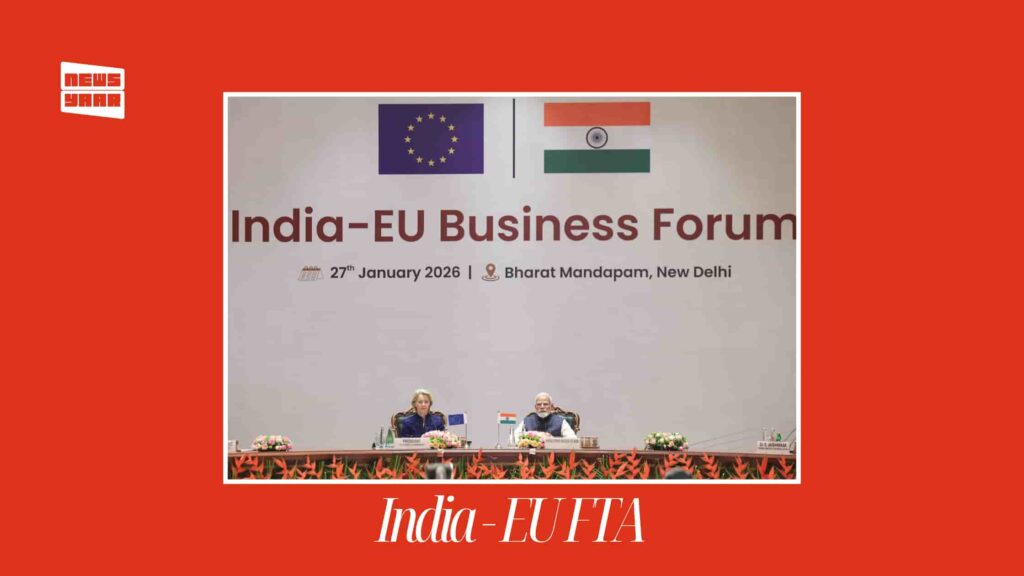
GOVERNMENT India-EU Free Trade Agreement: Full Breakdown, Numbers, Timeline and Economic Impact Newsyaar February 1, 2026 2:22 pm India and the European Union (EU) are intensifying negotiations on a Free Trade Agreement (FTA) that could reshape bilateral commerce, investment flows and economic strategy in the decades ahead. Officially referred to as the EU-India Trade and Investment Agreement (TIA), the proposed pact aims to reduce tariff and non-tariff barriers, deepening economic cooperation between India — one of the world’s fastest-growing major economies — and the world’s largest trading bloc. Negotiations for the FTA have been ongoing for over a decade, and recent diplomatic momentum suggests both sides are serious about concluding a “high-ambition, high-standards” agreement in the medium term. Analysts and industry leaders see this as a strategic priority, especially as global supply chains and geopolitical alignments evolve. Bilateral Trade at a Glance: Current Numbers and Potential Growth Trade data underscores the scale of the economic relationship: Two-way merchandise trade between **India and the EU stood at around ₹11 trillion (approximately $130 billion) in 2024-25. India’s goods exports to the EU reached close to $70 billion, while EU exports to India were around $60 billionin the same period. Services trade adds another significant dimension, with India exporting approximately $30–35 billion in services to the EU annually, driven by IT, professional and business services. Under an effective FTA, many experts believe this bilateral trade could grow substantially. Some projections suggest India-EU trade could double to $250–300 billion by 2030, contingent on market access, tariff elimination and regulatory alignment. Specific forecasts also indicate that India’s exports to the EU could touch $100 billion or more by decade end, helping India pursue its broader goal of achieving $2 trillion in total exports by 2030. What the India-EU FTA Will Cover This proposed FTA is not merely about reducing import duties. It is expected to encompass a broad range of modules: Tariff liberalisation: Both sides are discussing phased or immediate elimination of customs duties on a significant share of goods. For India, priority sectors include textiles and apparel, chemicals, pharmaceuticals and engineering goods. The EU has emphasised its interest in greater access for agricultural and processed food products, wines and spirits. Services trade: The EU seeks greater market access in professional services, financial services, digital services and movement of skilled professionals. India’s services competitiveness, particularly in IT and business process services, stands to benefit substantially if barriers are eased. Investment and business facilitation: The pact is expected to include investor protection clauses, dispute settlement mechanisms and provisions to promote cross-border investment in sectors such as renewable energy, infrastructure, logistics and manufacturing. Regulatory cooperation: Reducing non-tariff barriers — including technical standards, sanitary and phytosanitary (SPS) measures, testing and certification procedures — is a central objective. Regulatory alignment or mutual recognition agreements in key sectors could significantly lower trade costs. Sustainable development and labour standards: The EU traditionally incorporates provisions related to environmental protection, climate commitments, labour rights and responsible corporate behaviour; India has indicated support while seeking flexibility in implementation timelines. Key Sectors Impacted Textiles and Garments India’s apparel and textile industry is one of the largest globally, with exports worth around $40–45 billion annually. Preferential access to the EU market could boost textile shipments by making Indian products more cost-competitive against competitors in Bangladesh, Vietnam and Turkey. Pharmaceuticals and Chemicals India’s pharmaceutical industry — valued at over $50 billion in domestic turnover — is a key exporter of generics, active pharmaceutical ingredients (APIs) and bulk drugs. EU market access could lower costs for Indian exporters by reducing duties (currently up to 6–7% on some products) and harmonising regulatory standards. Engineering Goods and Auto Components Engineering goods and auto parts — long recognised as India’s strength — could see enhanced export growth. Engineering exports to the EU were already around $25–30 billion annually, and an FTA could further these shipments by reducing tariffs and facilitating supply chain integration. Services India exports a large volume of services to the EU, particularly IT and corporate/business services. Improved mobility and mutual recognition for professional services could significantly increase services trade, which already accounts for roughly 25–30% of India-EU trade. Challenges in Negotiations Despite clear benefits, several key differences remain: Agricultural market access: The EU wants greater access for its dairy, meat and processed food products. India, in turn, seeks protection for its small farmers and tariff safeguards that prevent a surge in imports that could disrupt local agriculture. Rules of origin: Determining how much production must occur within India or the EU to qualify for tariff benefits is a sensitive issue. Strict rules may limit benefit realisation, while more flexible rules could risk diversion. Services and labour mobility: The EU emphasises liberalisation in professional services and easier movement for skilled professionals. India supports services access but remains cautious about commitments on short-term mobility and domestic regulatory autonomy. Standards and compliance: The EU has stringent regulatory standards across multiple sectors. Indian industry seeks mutual recognition, capacity building and technical cooperation to meet those norms without prolonged delays. Geopolitical and Strategic Dimensions The India-EU FTA is also significant beyond economics. It aligns with both partners’ strategic imperatives as global trade patterns evolve: Diversification and resilience: For India, the FTA represents a diversification of export destinations beyond traditional partners such as the US and Middle East. For the EU, it enhances engagement with a rapidly growing market in Asia. Strategic autonomy: Deeper economic ties with the EU support India’s broader foreign policy objective of strategic autonomy — maintaining balanced relations with multiple global powers. Global standards and reform: Negotiations with the EU could encourage India to further align with international best practices in digital trade, data flows, sustainability commitments and IP frameworks — strengthening its global integration. Business and Industry Reactions Industry bodies in India — including
World Economic Forum 2026: Global Leaders Converge in Davos Amid Major Economic and Geopolitical Challenges
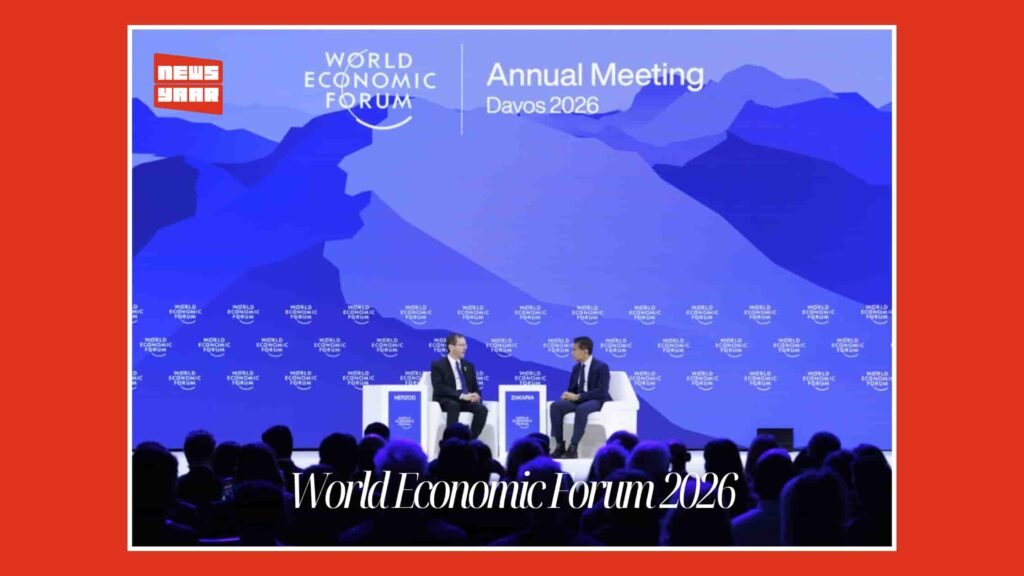
WORLD World Economic Forum 2026: Global Leaders Converge in Davos Amid Major Economic and Geopolitical Challenges Newsyaar January 22, 2026 5:04 pm The World Economic Forum (WEF) Annual Meeting 2026 took place from January 19 to 23 in Davos-Klosters, Switzerland, bringing together leaders from government, business, international organisations and civil society to discuss the most pressing global issues of the moment. Now in its 56th year, the forum — commonly referred to simply as “Davos” — is a flagship platform for public-private cooperation on economic policy, technology governance, sustainability and global security. The meeting’s official theme, “A Spirit of Dialogue,” underscored a widely recognised need for renewed cooperation in an era marked by geopolitical tensions, slowing economic growth, technological disruption and environmental risk. Organisers, delegates and analysts alike framed the discussions around the idea that dialogue — even amid disagreement — is essential for addressing interconnected global challenges. Scale of Participation and Global Profile The WEF 2026 drew thousands of participants from over 100 countries, including government ministers, heads of state, central bankers, chief executives of major corporations, academics and representatives of international institutions. The meeting’s scale and diversity reflect its enduring role as a central venue for high-level engagement on global policy priorities. Among the most notable attendees was United States President Donald Trump, whose presence drew significant media attention and marked a return to Davos for a leader of his stature. Delegations also included major European figures, leaders from Asia, Africa and Latin America, and senior representatives from international organisations and think tanks. Economic Priorities and Global Growth Concerns Economic issues formed a core pillar of the 2026 agenda. Discussions highlighted uneven global growth, persistent inflationary pressures and heightened uncertainty in financial markets. Organisers and speakers emphasised that sluggish expansions in major economies, coupled with high debt levels, pose risks to stability and investment confidence. According to WEF research and policy discussions at Davos, cooperation on economic policy, trade facilitation and investment frameworks remains essential to navigate these headwinds. Investments in human capital, innovation and sustainable growth models were also highlighted as central to unlocking new sources of economic opportunity. Technology, Innovation and Governance Technological advancement — particularly artificial intelligence (AI) — was a prominent topic throughout the meeting. Delegates debated how to harness innovation responsibly while addressing associated risks such as workforce displacement, data protection, ethical use cases and the broader social impact of AI deployment. Speakers noted the absence of globally coordinated regulatory frameworks for emerging technologies, emphasising the need for international dialogue to manage both the opportunities and risks of rapid digital transformation. Geopolitics and International Security Geopolitical tensions and international security issues shaped several panels and bilateral discussions. The ongoing conflict in Ukraine, instability in parts of the Middle East, and great-power competition in regions such as the Indo-Pacific were recurring themes. In this context, world leaders discussed the importance of resilient supply chains, energy security and strategic partnerships while acknowledging that geopolitical fragmentation continues to complicate efforts toward shared economic and diplomatic goals. A particularly high-profile moment at the forum involved exchanges around NATO and Arctic security, with debates over territorial issues such as the strategic role of Greenland drawing media attention and highlighting how security concerns intersect with economic and environmental priorities. Climate, Sustainability and Emerging Risks Climate change and sustainable development remained central to Davos discussions, but delegates acknowledged the gap between global climate commitments and action on the ground. Energy transition strategies, climate finance for developing economies and nature-based risk frameworks were all debated, often in conjunction with economic policy and innovation priorities. A distinctive focus this year was on water systems and planetary stability, with experts warning that imbalances in the global water cycle — including drought, flood extremes and freshwater scarcity — require urgent collective action. These discussions, sometimes referred to as part of the “Blue Davos” agenda, highlighted water as a foundational element of global resilience. Outcomes and Forward Agenda Unlike treaty negotiations or binding international agreements, the World Economic Forum does not issue enforceable resolutions. Instead, its role is to shape the global conversation, build networks of cooperation and catalyse voluntary initiatives. At the conclusion of the 2026 meeting, several partnerships, memoranda of understanding and investment dialogues were announced, particularly in areas such as clean energy, digital infrastructure and sustainable finance. For example, global and regional delegations highlighted collaborative efforts to expand green growth and industrial innovation, reflecting businesses and states seeking resilient growth pathways amid global uncertainty. Beyond formal sessions, the informal interactions in Davos — from bilateral talks between heads of state to private sector strategy meetings — often influence policy choices throughout the year. These engagements are frequently cited by governments and corporations as contributing to priority setting and risk assessment in economic and geopolitical planning. Why World Economic Forum 2026 Matters The World Economic Forum Annual Meeting remains significant because it brings together diverse decision-makers at a time when coordination on global issues has become more fragmented. As geopolitical tensions rise and economic risks persist, forums like Davos offer a rare structured environment where dialogues between competing interests can occur. In 2026, the emphasis on dialogue — even amid disagreement on trade, security, technology and climate policy — reflected a shared recognition that global challenges cannot be addressed in isolation. While the outcomes of Davos are not always immediately visible, the convergence of leaders and ideas continues to shape international conversations and influence public and private sector strategies in the months and years that follow. About the Author World Reporter Share via Copied Comments Post Comment
Davos 2026: World Economic Forum Annual Meeting Begins in Switzerland

WORLD Davos 2026: World Economic Forum Annual Meeting Begins in Switzerland Newsyaar January 20, 2026 3:09 pm The 56th Annual Meeting of the World Economic Forum (WEF) — widely known as Davos 2026 — is underway in the Alpine resort town of Davos-Klosters, Switzerland, bringing together a wide spectrum of global leaders from government, business, civil society, academia and civil organisations. The Annual Meeting is the flagship event of the Forum and serves as a strategic platform for dialogue and collaboration on pressing global issues. The summit is scheduled to take place from 19 January to 23 January 2026. Venue, Dates and Participation Event: World Economic Forum Annual Meeting 2026 Location: Davos-Klosters, Switzerland Dates: 19–23 January 2026 Expected Participants: Around 3,000 leaders from over 130 countries, including heads of state and government, global CEOs, chief policymakers, experts and representatives from civil society and academia. This year’s edition of Davos is notable for its scale and diversity of participation. Organisers expect around 400 top political leaders, including approximately 65 heads of state and government, nearly 850 chief executives and chairs, and close to 100 leading unicorn founders and technology innovators attending sessions across multiple themes. Theme and Agenda: ‘A Spirit of Dialogue’ The overarching theme for Davos 2026 is “A Spirit of Dialogue”, reflecting the Forum’s emphasis on multilateral communication, cooperation and trust building among diverse global stakeholders. The theme underscores the need for open discussion at a time of heightened geopolitical fragmentation, technological disruption and economic uncertainty. Under this theme, sessions are structured to address a set of interconnected global priorities, including: Cooperation in a more contested world Unlocking new sources of inclusive growth Investing in people and workforce transformation Deploying innovation at scale and responsibly Building prosperity within planetary boundaries These priorities reflect both current and long-term global challenges spanning geopolitics, economies, technology, health and sustainability. Key Sessions and Public Engagement While most sessions at Davos are invitation-only, a subset of discussions is available to the public through Open Forum Davos 2026, which runs from 19 to 22 January 2026 under the sub-theme “Visions of 2050: Tomorrow Starts Now”. These sessions encompass topics such as the future of space exploration, quantum science, food systems, medicine, and climate-affected mountain regions. Most of these sessions are livestreamed for global audiences. The Annual Meeting also features a robust media and analyst presence, with over 400 journalists and reporters on site to cover proceedings, announcements, panel discussions and bilateral talks. Who’s Attending and What’s on the Radar Davos has attracted an unusually wide spectrum of influential attendees in 2026. Among expected speakers and delegates are top political leaders from major economies, including leaders from the United States, Europe and emerging markets, as well as CEOs from global corporations. According to reports, U.S. President Donald Trump is attending and leading the largest-ever U.S. delegation to the forum, reflecting the political significance of this year’s agenda. In addition to geopolitical representation, major industry figures — particularly from technology, finance and energy sectors — are participating in discussions on the future of AI, finance, sustainability and industrial transformation. Corporate engagement also includes private sector panels, roundtables and multi-stakeholder dialogues. Key Issues and Global Context Davos 2026 comes at a time of complex global challenges. A range of issues are dominating discussions: Economic Uncertainty: With slowing global growth, rising tariff pressures and evolving trade dynamics, economic cooperation and stability remain top priorities for policymakers and business leaders. Technology and Innovation: Debates on how to harness artificial intelligence, digital transformation and frontier technologies responsibly and for broad societal benefit are central, especially given the potential impacts on jobs, productivity and equity. Climate and Sustainability: Environmental priorities, including climate risk management, carbon pricing, clean energy transitions and resilient infrastructure, feature prominently in agenda sessions. Global Health Preparedness: World Economic Forum discussions include calls for improved pandemic readiness and global health system resilience, reflecting lessons learned in recent years about outbreak risks. Geopolitical Dynamics: Davos serves as a forum for dialogue on geopolitical tensions, security concerns and cooperation frameworks that influence international stability and economic integration. Format and Structure The Annual Meeting employs a mix of session formats including keynote addresses, panel discussions, private roundtables, bilateral meetings, press briefings, and networking forums. Participants can engage in both structured agenda sessions and more informal exchanges in designated WEF venues across Davos-Klosters. There are also numerous country-centric and sector-centric meetings that take place on the sidelines of the main agenda, facilitating high-level public-private partnerships. How to Follow While much of the Davos experience is invitation-only, the WEF provides livestreaming of key sessions, official summaries, press briefings and digital content accessible through its official website and social media channels using hashtags such as #WEF26. This helps global audiences stay informed about insights and commitments emerging from the meeting. The World Economic Forum Annual Meeting 2026 in Davos, Switzerland (19–23 January 2026) convenes world leaders, policymakers and business influencers to address the most pressing global challenges under the theme “A Spirit of Dialogue.” With nearly 3,000 participants from over 130 countries, the summit centres on cooperation, innovation, inclusive growth, future technologies, climate resilience and social investment. Strategic discussions, public-accessible forums and high-level bilateral engagements position Davos 2026 as a pivotal global platform shaping economic, technological and geopolitical agendas for the coming year. About the Author World Reporter Share via Copied Comments Post Comment
Report says, India beats Japan to become world’s 4th largest economy
GOVERNMENT Report says, India beats Japan to become world’s 4th largest economy Newsyaar January 20, 2026 9:29 am In a milestone moment for the Indian economy, official data and projections indicate that India has surpassed Japan to become the world’s fourth-largest economy, a result of strong growth momentum, robust domestic demand, and strategic economic reforms. With a nominal Gross Domestic Product (GDP) estimated at around USD 4.18 trillion in 2025, India is now ranked fourth globally, trailing only the United States, China, and Germany in size. The shift in rankings reflects decades of economic transformation driven by liberalisation, digital and manufacturing reforms, and one of the world’s most dynamic young labour forces. India’s rise in the global economic order has been steady, moving from the eleventh largest economy in 1990 to the fifth in recent years, ahead of major developed countries such as the United Kingdom before overtaking Japan. According to government releases and international forecasts, the Indian economy’s recent performance has been marked by accelerating GDP growth. Official figures show that India’s real GDP expanded by 8.2 per cent in the second quarter of the 2025–26 fiscal year, up from 7.8 per cent in the previous quarter and 7.4 per cent in the final quarter of 2024–25, led by resilient domestic consumption and expanding services and industrial activity. The government’s year-end economic review highlighted that with a GDP valued at USD 4.18 trillion, India has overtaken Japan and is poised to move into the third spot globally in the next 2.5 to 3 years if current growth continues. Projections suggest India’s GDP could reach as high as USD 7.3 trillion by 2030, potentially placing it above Germany and reinforcing its position as a dominant economic power. India’s ascent has drawn wide attention from business leaders and economists. Industry figures such as Anand Mahindra noted that overtaking Japan, long considered an economic powerhouse, is “no small achievement,” underlining the country’s rapid rise driven by entrepreneurial energy and large-scale reforms. He also stressed that while the milestone is significant, continued focus on per capita income and inclusive development will be critical for sustained progress. The achievement also reflects broader global economic shifts. Japan’s economy has faced challenges from demographic decline and slower growth rates, while India’s younger population, expanding middle class, and increasing integration into global trade and technology supply chains have helped boost its economic trajectory. International agencies, including the International Monetary Fund (IMF), World Bank, and rating agencies like Moody’s and Fitch, have projected continued GDP growth for India over the next several years. Despite this success, some analysts caution that headline GDP figures do not fully capture underlying economic welfare, such as per capita income, where India still lags significantly behind Japan. They argue that while India’s total economic output now ranks fourth, focus on quality of growth, productivity improvements, and equitable income distribution remains essential. For now, India’s leap past Japan into the fourth position underscores a transformative economic journey and a rapidly evolving role in global economic leadership. As India continues to expand its industrial base, innovate in technology and services, and enhance global trade relations, its trajectory toward becoming one of the world’s top three economies appears increasingly plausible. About the Author Government Reporter Share via Copied Comments Post Comment
Adani–Embraer Tie-Up Signals a New Chapter in India’s Commercial Aircraft Manufacturing

BUSINESS Adani–Embraer Tie-Up Signals a New Chapter in India’s Commercial Aircraft Manufacturing Newsyaar January 20, 2026 8:48 am India is set to make a landmark entry into commercial aircraft manufacturing as the Adani Group partners with Brazilian aerospace major Embraer to assemble regional passenger jets in the country. This development marks the first time India will host a final assembly line for commercial fixed-wing aircraft, placing it among a select group of nations with such advanced aerospace capabilities. The collaboration is widely seen as a significant boost to the government’s Make in India programme and a major step towards building a self-reliant aviation ecosystem. Under the partnership, Embraer’s widely used regional jets, designed for short- to medium-haul routes and seating between 70 and 146 passengers, will be assembled in India through a final assembly line operated by Adani Aerospace. While details regarding the exact location, investment size, and production timeline have not yet been formally announced, industry sources indicate that a comprehensive announcement is expected at the Hyderabad Air Show scheduled later in January 2026. Once operational, the facility will enable aircraft to be assembled, tested, and delivered from Indian soil. The timing of the partnership is particularly significant given India’s rapidly expanding aviation market. India is currently the world’s fastest-growing civil aviation market, with domestic airlines having placed orders for more than 1,800 aircraft to meet rising passenger demand. Until now, the country has depended almost entirely on global manufacturers for commercial aircraft imports. The establishment of a final assembly line is expected to reduce this dependence, generate skilled employment, and catalyse the growth of an indigenous aerospace manufacturing ecosystem. Government officials have indicated that policy support and fiscal incentives may be extended to airlines that place orders for aircraft assembled in India. Such incentives are likely to be structured on a declining basis as order volumes increase, helping the programme gain early traction while encouraging long-term sustainability. The success of this initiative is also expected to strengthen India’s case as a viable global manufacturing hub for high-value aviation products. Beyond commercial aircraft assembly, the Adani Group is positioning itself as a comprehensive aviation services provider. The group has already announced plans to expand into aircraft engine maintenance, repair and overhaul (MRO) services, as well as passenger-to-freighter conversions. By consolidating its aviation assets, including Indamer and Air Works, Adani aims to create a large integrated MRO platform serving both civilian and defence customers. This broader approach is expected to complement the aircraft assembly line by supporting lifecycle services and long-term operational needs. For Embraer, the partnership represents a strategic expansion in one of its fastest-growing markets. The Brazilian manufacturer has operated in India since 2005 and currently has close to 50 aircraft in the country serving the Indian Air Force, government agencies, business jet operators and regional airline Star Air. In October 2025, Embraer strengthened its commitment by opening an office in New Delhi to support its commercial aviation, defence, services and emerging urban air mobility segments. Industry experts believe the Adani–Embraer collaboration could have wider implications for the global aviation industry. By demonstrating the viability of commercial aircraft assembly in India, the project may encourage larger manufacturers such as Airbus and Boeing to consider setting up similar facilities in the country. If successful, the initiative could redefine India’s role in the global aerospace value chain and mark the beginning of a new era in domestic aircraft manufacturing. About the Author Business Reporter Share via Copied Comments Post Comment
INSV Kaundinya: India’s Engine-Less Ancient-Style Ship on Historic Voyage to Oman

ENGINEERING INSV Kaundinya: India’s Engine-Less Ancient-Style Ship on Historic Voyage to Oman Newsyaar January 19, 2026 7:30 pm India’s Indian Naval Sailing Vessel INSV Kaundinya, a traditionally built engineless ship, is currently on a historic transoceanic voyage from Porbandar in Gujarat to Muscat in Oman. This journey, retracing ancient Indian Ocean trade routes, highlights India’s efforts to revive and celebrate its centuries-old maritime heritage. What Is INSV Kaundinya? INSV Kaundinya is a stitched-plank sailing vessel constructed using an ancient Indian shipbuilding technique that dates back at least to the early centuries of the Common Era. Unlike modern ships powered by engines and metal fastenings, the vessel relies entirely on wind and sails and is built by stitching wooden planks together using coir rope made from coconut fibre, sealed with natural resins, cotton and oils to make it seaworthy. The design draws inspiration from depictions of ships in Ajanta cave paintings and descriptions found in ancient texts. These historic visual sources guided naval architects and traditional craftsmen in recreating the ship, even in the absence of surviving blueprints. How Was the Ship Built? The INSV Kaundinya project was initiated through a collaboration between the Indian Ministry of Culture, the Indian Navy, and Goa-based shipbuilders Hodi Innovations, with support from academic institutions like IIT Madras for scientific validation and hydrodynamic testing. Construction milestones include: Keel laid: September 12, 2023 Launch: February 2025 Formal induction into Indian Navy: May 21, 2025 at the Karwar naval base in Karnataka Commissioning ceremony: Attended by senior officials and cultural leaders, the induction underscored both maritime heritage and national pride. INSV Kaundinya measures around 19.6 metres in length and 6.5 metres in width, with a draft of about 3.33 metres. The ship’s hull incorporates motifs from India’s ancient maritime traditions, including symbolic figures and design elements that reflect civilisational seafaring legacy. The Maiden Overseas Voyage: Porbandar to Muscat The ship embarked on its maiden transoceanic voyage on December 29, 2025, departing from Porbandar in Gujarat— a historic port on India’s western coast. Crewed by approximately 15 sailors and four officers, the vessel retraced an ancient maritime corridor that once connected India with Oman and other parts of West Asia. INSV Kaundinya’s skipper for the expedition is Commander Vikas Sheoran, with Commander Y Hemant Kumarserving as Officer-in-Charge, having been involved with the project since its early stages. The journey took about 17 days at sea, with the ship navigating solely by wind and sail power across the Arabian Sea. On January 14, 2026, INSV Kaundinya reached Muscat, Oman, where it was welcomed at the Port Sultan Qaboos by officials from both countries. Significance of the Voyage The voyage of INSV Kaundinya is more than a naval expedition. It symbolizes: India’s rich maritime heritage and centuries-old seafaring traditions Revival of ancient shipbuilding techniques in a modern context A diplomatic and cultural link between India and Oman, celebrating shared historical ties spanning thousands of years Reinforcement of regional cooperation and maritime diplomacy in the Indian Ocean region The expedition also coincides with the 70th anniversary of diplomatic relations between India and Oman, highlighting deepening cooperation in maritime and cultural domains. Cultural and Historical Context The vessel’s name — Kaundinya — evokes the legendary Indian mariner Kaundinya, believed to have sailed to Southeast Asia in the early centuries of the Common Era. According to historical accounts from Southeast Asia, Kaundinya’s voyage and subsequent marriage to a local princess helped establish early Indianised kingdoms in regions such as present-day Cambodia and Vietnam, underscoring India’s ancient maritime connectivity. The design of the ship itself draws on shipbuilding knowledge evident in ancient art and archaeological references, including mural paintings and iconographic sources from India’s early history. Modern Enhancements for an Ancient Vessel While INSV Kaundinya follows traditional construction methods, modern technologies have been integrated for safety and communication. For instance, the ship uses Eutelsat OneWeb satellite communications to maintain connectivity with land-based teams and share updates during its voyage — a blend of ancient technique and contemporary innovation. What Comes Next After completing necessary maintenance in Oman, the vessel is expected to begin its return journey to India. The Indian Navy has indicated that this historic expedition will not only contribute to cultural diplomacy but also provide insights into ancient navigation methods and inspire future maritime heritage projects. About the Author Engineering Reporter Share via Copied Comments Post Comment
Official Start of Passenger Flights from Navi Mumbai International Airport: A New Era for Regional Aviation
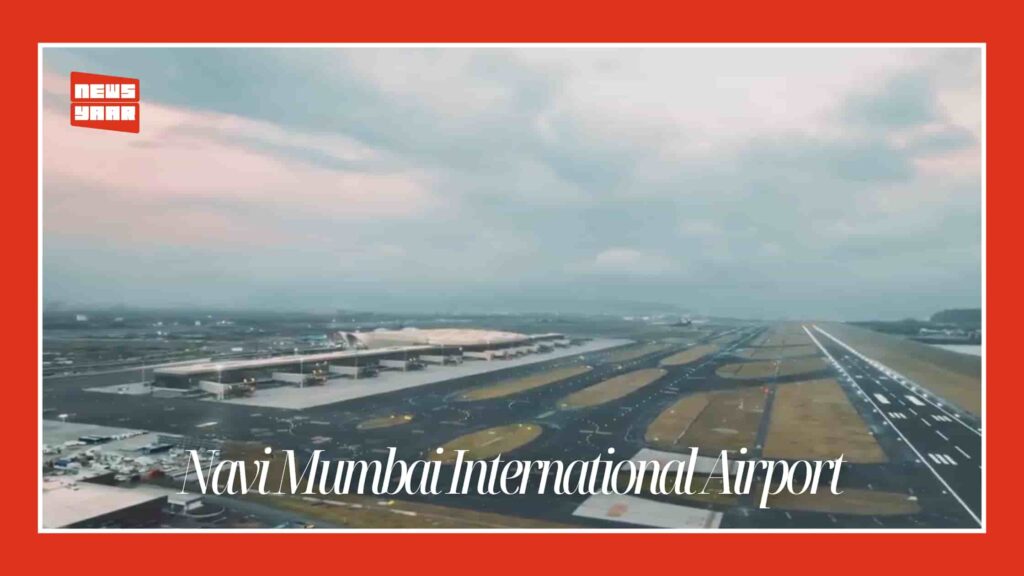
TRAVEL Official Start of Passenger Flights from Navi Mumbai International Airport: A New Era for Regional Aviation Newsyaar January 19, 2026 6:46 pm Navi Mumbai / Mumbai: The long-awaited Navi Mumbai International Airport (NMIA) has officially opened its passenger flight operations, marking a major milestone in India’s civil aviation landscape. Backed by the Adani Group, the new international gateway welcomed its first commercial travellers on Thursday, signalling the beginning of full-scale flight services from the strategically located airport. In its first 19 days of operations, NMIA recorded over 100,000 passengers, highlighting strong early demand and adding momentum to the region’s aviation growth. The early passenger traffic underscores the confidence that travellers, airlines and the broader aviation ecosystem place in the new facility as a major alternative to the congested Chhatrapati Shivaji Maharaj International Airport (CSMIA). The commissioning of NMIA comes as part of a broader effort to ease pressure on Mumbai’s primary airport, long plagued by capacity constraints. Located in Ulwa, Navi Mumbai, the new airport is expected to handle both domestic and international flights, offering enhanced connectivity and reducing congestion in one of India’s busiest airspaces. Passenger Experience and Early Reception Early reports from passengers travelling through NMIA have been overwhelmingly positive. Commuters pointed to the airport’s spacious terminals, streamlined check-in processes and clear signage as key improvements over older facilities. Many highlighted the convenience of the airport’s location for those living in Navi Mumbai and surrounding areas, with easier access than the traditional Mumbai airport. “We had no idea the airport was this smooth and comfortable,” said one traveller who flew out on a weekday morning. “Check-in was quick, security was efficient, and everything felt brand new.” Airline Operations and Flight Routes Several domestic carriers have already begun scheduling flights from NMIA, connecting key metros and regional hubs. As flight operations continue to ramp up, airlines are expected to expand their route portfolios based on demand. Industry analysts suggest that the airport’s growth could attract international carriers in the near future once regulatory clearances and bilateral agreements are in place. The operational launch of NMIA is not only an aviation milestone but also a boost for the broader Maharashtra economy. The airport is expected to catalyse job creation in sectors ranging from hospitality and logistics to retail and ground services. Local businesses have welcomed the development, anticipating increased footfall and commercial opportunities in the region. Infrastructure planners also foresee improvements in last-mile connectivity, including dedicated access roads, metro extensions and bus networks that will link NMIA efficiently with central Mumbai and other areas. Looking Ahead As passenger flights officially take off from the Navi Mumbai International Airport, the aviation sector and travelling public alike are watching closely to see how the new facility evolves. With strong initial numbers and a strategic location, NMIA is poised to become a key node in India’s rapidly growing aviation network, offering relief to existing hubs while setting new benchmarks for passenger comfort and operational excellence. About the Author Travel Reporter Share via Copied Comments Post Comment
New Zealand Tour of India 2026: Full Schedule, Results, Highlights and What It Means

SPORTS New Zealand Tour of India 2026: Full Schedule, Results, Highlights and What It Means Newsyaar January 19, 2026 6:30 pm The New Zealand cricket team’s 2026 tour of India has delivered high-voltage action, blending exciting performances, historic undertones and a tight contest between two top-ranked limited-overs sides. The tour — comprising three One-Day Internationals (ODIs) followed by five Twenty20 Internationals (T20Is) — is not just about results but also about momentum building ahead of the 2026 ICC Men’s T20 World Cup and the Indian home season. Series Schedule: Dates, Venues and Format The tour kicked off in January 2026 and is scheduled to run until the end of the month, featuring both ODI and T20I formats: ODI Series (3 matches): 1st ODI: January 11, 2026 — Kotambi Stadium, Vadodara 2nd ODI: January 14, 2026 — Niranjan Shah Stadium, Rajkot 3rd ODI: January 18, 2026 — Holkar Stadium, Indore T20I Series (5 matches): 1st T20I: January 21, 2026 — Vidarbha Cricket Association Stadium, Nagpur 2nd T20I: January 23, 2026 — Shaheed Veer Narayan Singh International Stadium, Raipur 3rd T20I: January 25, 2026 — Barsapara Cricket Stadium, Guwahati 4th T20I: January 28, 2026 — ACA-VDCA Stadium, Visakhapatnam 5th T20I: January 31, 2026 — Greenfield International Stadium, Thiruvananthapuram This format allows both teams to test combinations and build momentum across white-ball cricket formats with India preparing for global commitments later in the year. ODI Series Results So Far 1st ODI (Vadodara – January 11):India chased down 300/8 in a competitive contest, finishing on 306/6 with contributions from key batters, securing a four-wicket victory. 2nd ODI (Rajkot – January 14):New Zealand responded emphatically with a seven-wicket win, chasing India’s 284/7 with 286/3 on the board. Daryl Mitchell’s unbeaten 131 stood out as a match-defining innings as the series was levelled 1-1. 3rd ODI (Indore – January 18):The series decider is underway at Holkar Stadium in Indore, with New Zealand batting first after India elected to bowl. The match has captured attention not only for its result implications but also for tactical battles in batting and bowling. Key Performances and Milestones Daryl Mitchell (NZ) played a pivotal role in Rajkot, scoring an unbeaten 131 that helped New Zealand level the ODI series. KL Rahul (IND) became the first Indian wicket-keeper to score an ODI century against New Zealand, marking a notable record during the 2nd ODI at Rajkot. Virat Kohli (IND) showcased his enduring class with a crucial inning in Vadodara, driving India to victory in the first ODI. Ravindra Jadeja (IND) made headlines in Indore with an eye-catching flying-eagle style catch, highlighting the spirited fielding throughout the tour. Historical Context: NZ’s Hunt for First ODI Series Win in India New Zealand has LONG struggled to secure an ODI series victory on Indian soil. Despite competing in multiple bilateral series since 1989, the Black Caps have never won a full ODI series in India — a unique challenge they are attempting to overcome in 2026. Achieving this feat would be historic, especially considering New Zealand’s strong cricketing pedigree and adaptability across formats. How Fans Can Follow the Series The tour is widely covered across broadcast and streaming platforms: Star Sports & Disney+ Hotstar (India) Willow TV / Sling TV (USA) Sky Sport (New Zealand) TNT Sports (UK & Europe) Fox Sports / Kayo (Australia) Live telecasts, highlights, expert analysis, and on-field commentary ensure fans never miss a moment from this high-stakes bilateral showdown. Rankings and Bigger Picture Impact Beyond wins and losses, the series carries ranking implications, especially in ODIs, where both India and New Zealand are competing closely for top positions ahead of global tournaments. A series win for New Zealand would be particularly significant, not only historically but also in terms of: Confidence against Asian conditions Momentum heading into future ICC events Breaking long-standing away-series narratives For India, maintaining home dominance remains crucial to reinforcing their status as one of the most formidable limited-overs sides in the world. What the Tour Means for Cricket This tour is more than a series of matches — it’s a benchmark for both teams’ T20 and ODI preparations ahead of the ICC Men’s T20 World Cup 2026 later in the year. India’s depth in batting and bowling is being tested, while New Zealand’s evolving squad — featuring emerging players and seasoned performers — aims to consolidate confidence against strong opposition in foreign conditions. For Indian fans, the series provides a chance to see both established stars and rising talents perform at home. For New Zealand, it is an opportunity to write history by winning their first ODI series on Indian soil — a narrative that has kept cricket fans engaged throughout the tour. About the Author Sports Reporter Share via Copied Comments Post Comment
Dhurandhar’s Box Office Success: Ranveer Singh Starrer Rewrites Hindi Cinema Records

ENTERTAINMENT Dhurandhar’s Box Office Success: Ranveer Singh Starrer Rewrites Hindi Cinema Records Newsyaar January 19, 2026 6:18 pm Aditya Dhar’s Dhurandhar, starring Ranveer Singh and Akshaye Khanna, has emerged as one of the biggest box office success stories in Indian cinema, continuing its remarkable theatrical run well into its seventh week. Released on December 5, the film has not only sustained audience interest but has also rewritten multiple box office benchmarks, particularly for single-language Hindi releases. After a historic opening week collection of ₹207.25 crore, Dhurandhar witnessed an even stronger performance in its second week, amassing a staggering ₹253.25 crore. While collections naturally dipped in the following weeks, the film maintained impressive momentum, earning ₹172 crore in week three, followed by ₹106.5 crore in week four. Even in weeks five and six, when most films faded out, Dhurandhar managed respectable figures of ₹51.25 crore and ₹26.35 crore respectively. What has surprised trade analysts is the film’s resilience in week seven. Despite beginning the week with its lowest single-day collection, early estimates indicate a strong Saturday surge, pushing the week-seven total to approximately ₹4.75 crore in just two days. This places Dhurandhar among the top three highest seventh-week collections in Hindi cinema history, behind only Stree 2 and Chhaava. Domestically, the film’s net collection now stands at an estimated ₹821.35 crore, making it the highest-earning Hindi-only release ever. Its all-India gross has climbed to around ₹985 crore, bringing it within touching distance of the coveted ₹1,000 crore milestone. This achievement positions *Dhurandhar* alongside cinematic giants like KGF: Chapter 2, Baahubali 2, and Pushpa 2 in the list of India’s highest-grossing films. Internationally, the film has performed exceptionally well, particularly in North America and other overseas markets, contributing approximately ₹293 crore. With this, Dhurandhar’s worldwide box office total has reached an estimated ₹1,278.8 crore, further cementing its blockbuster status. Despite competition from newer releases and multilingual films, Dhurandhar has held its ground, often outperforming fresh titles at the box office. The sustained success has also amplified anticipation for Dhurandhar Part 2, officially slated for a March 19 release, as confirmed by director Aditya Dhar. With its blend of strong storytelling, mass appeal, and repeat value, Dhurandhar stands as a defining theatrical phenomenon of modern Bollywood, setting new standards for box office longevity and scale. About the Author Entertainment Reporter Share via Copied Comments Post Comment