




Doomsday Clock Explained: Why Humanity Remains 90 Seconds from Midnight
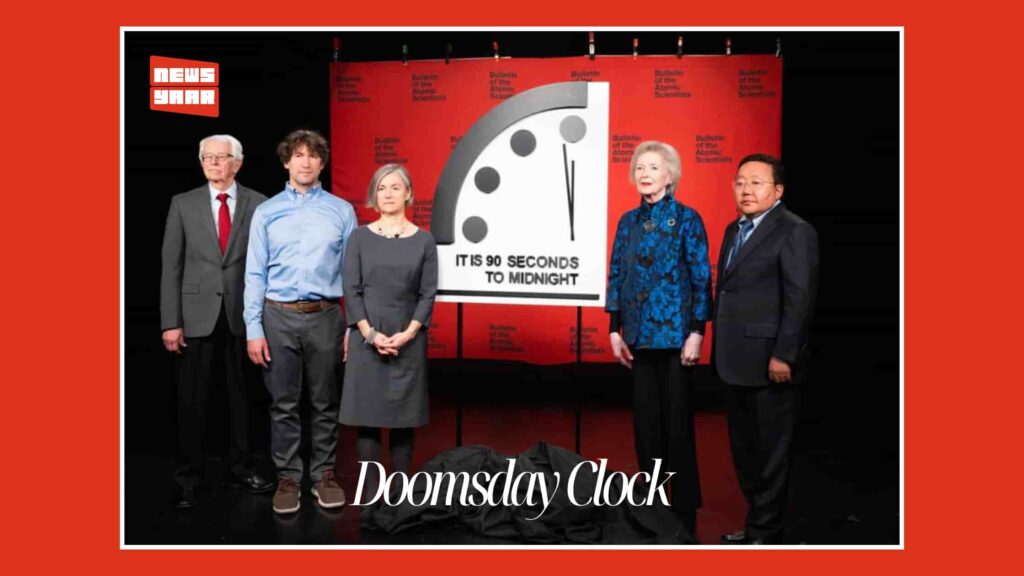
WORLD Doomsday Clock Explained: Why Humanity Remains 90 Seconds from Midnight Newsyaar February 2, 2026 8:54 pm The Doomsday Clock, a symbolic measure of humanity’s proximity to global catastrophe, remains set at 90 seconds to midnight, the closest it has ever been to the point representing irreversible disaster. Maintained by the Bulletin of the Atomic Scientists, the clock reflects the collective judgement of leading scientists, security experts and Nobel laureates on the state of existential threats facing the world. First unveiled in 1947, the Doomsday Clock was conceived by scientists who had worked on the Manhattan Project and later became deeply concerned about the consequences of nuclear weapons. What began as a warning about atomic warfare has since evolved into a broader indicator that incorporates multiple human-driven risks, including nuclear conflict, climate change, biological threats, disruptive technologies and geopolitical instability. Midnight on the clock does not represent a specific event or date. Instead, it symbolises a threshold beyond which civilisation could face irreversible damage. The clock’s movement toward or away from midnight is recalibrated periodically based on global developments, policy decisions and emerging scientific assessments. Why the Clock Is Still at 90 Seconds The decision to keep the Doomsday Clock at 90 seconds to midnight reflects the Bulletin’s view that the global risk environment remains exceptionally dangerous, with no meaningful improvement across major threat categories. At the centre of this assessment lies the continued risk of nuclear confrontation. More than three decades after the end of the Cold War, nuclear weapons remain deeply embedded in global security doctrines. Approximately 12,000 nuclear warheads exist worldwide, many on high alert. The erosion of arms control frameworks, combined with heightened geopolitical tensions, has increased the risk of miscalculation, misunderstanding or unintended escalation. The ongoing conflict in Ukraine, now entering a prolonged phase with no clear resolution, has brought nuclear rhetoric back into mainstream strategic discourse. Relations between nuclear-armed states have grown more confrontational, while communication channels that once helped manage crises have weakened. Experts warn that even a limited nuclear exchange would have catastrophic humanitarian, environmental and economic consequences far beyond national borders. Climate Change as a Risk Multiplier Climate change is another central reason for the clock’s position. Scientists associated with the Bulletin consistently describe climate disruption as a threat multiplier, exacerbating existing political, economic and social stresses. Rising global temperatures, intensifying extreme weather events, melting glaciers and sea-level rise are no longer future projections but present realities. Despite international agreements and climate pledges, global greenhouse gas emissions continue at levels incompatible with limiting warming to safer thresholds. The failure to translate commitments into action has raised concerns that climate impacts could trigger large-scale displacement, food insecurity and conflict, further destabilising fragile regions. The Bulletin has emphasised that climate risks intersect with nuclear and geopolitical dangers, creating complex feedback loops that make crises harder to manage and resolve. Biological Risks and Global Health Vulnerabilities The COVID-19 pandemic reshaped global thinking around biological threats, exposing weaknesses in health systems, international coordination and crisis response mechanisms. While the immediate emergency has passed, experts caution that the world remains underprepared for future pandemics. Advances in biotechnology, while offering immense benefits, also raise concerns about accidental releases, laboratory safety and the potential misuse of biological agents. The Bulletin notes that insufficient global governance in this area increases the likelihood that biological risks could escalate rapidly before adequate countermeasures are deployed. Technology, AI and Unintended Consequences Emerging technologies, particularly artificial intelligence, have become an increasingly important factor in the Doomsday Clock’s assessment. Rapid advances in AI, autonomous systems and cyber capabilities are transforming economies and militaries alike, often faster than regulatory or ethical frameworks can adapt. Of particular concern is the integration of AI into military decision-making systems, where reduced human oversight could increase the risk of unintended escalation during crises. The spread of AI-driven misinformation and deepfake technologies has also undermined trust in institutions, media and democratic processes, contributing to political polarisation and instability. The Bulletin has warned that technological innovation without adequate safeguards could amplify existing threats rather than mitigate them. The Role of Geopolitics and Global Fragmentation A defining feature of the current era is the fragmentation of global cooperation. Multilateral institutions face growing pressure, while geopolitical rivalries increasingly shape international engagement. Trade disputes, sanctions regimes and strategic competition have narrowed the space for collective problem-solving. The Doomsday Clock reflects this reality by highlighting not just the presence of risks, but the absence of effective global responses. According to the Bulletin, many of today’s dangers are exacerbated by mistrust between states and the prioritisation of short-term national interests over long-term global stability. A Warning, Not a Prediction Crucially, the Bulletin of the Atomic Scientists stresses that the Doomsday Clock is not a forecast of inevitable disaster. Rather, it is a warning signal intended to prompt reflection, debate and action. The clock’s hands have moved away from midnight in the past, most notably after the Cold War, demonstrating that political choices and international cooperation can reduce existential risk. The current setting at 90 seconds to midnight is meant to convey urgency. It reflects a judgement that humanity is operating with a dangerously narrow margin for error — but not that catastrophe is unavoidable. Why the Doomsday Clock Still Matters Today In an era of constant news cycles and competing crises, the Doomsday Clock endures because it offers a unified framework for understanding global risk. It reminds policymakers and the public alike that nuclear weapons, climate change, pandemics and disruptive technologies are interconnected challenges requiring coordinated responses. The Bulletin argues that humanity possesses the knowledge and resources needed to address these threats. What remains uncertain is whether there is sufficient political will to act decisively and collectively before risks escalate further. As the world navigates an increasingly complex and volatile landscape, the Doomsday Clock’s position serves
India-EU Free Trade Agreement: Full Breakdown, Numbers, Timeline and Economic Impact
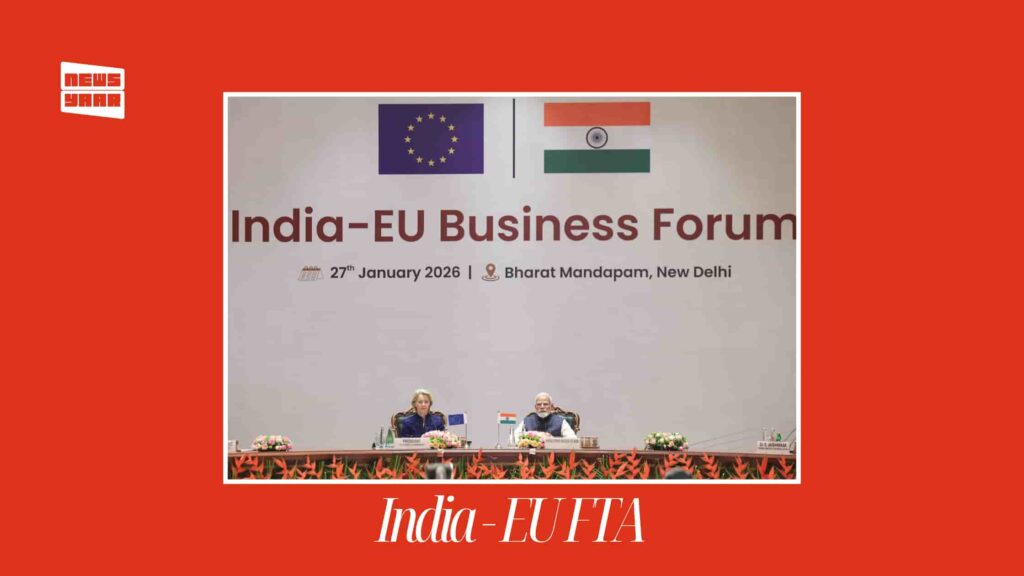
GOVERNMENT India-EU Free Trade Agreement: Full Breakdown, Numbers, Timeline and Economic Impact Newsyaar February 1, 2026 2:22 pm India and the European Union (EU) are intensifying negotiations on a Free Trade Agreement (FTA) that could reshape bilateral commerce, investment flows and economic strategy in the decades ahead. Officially referred to as the EU-India Trade and Investment Agreement (TIA), the proposed pact aims to reduce tariff and non-tariff barriers, deepening economic cooperation between India — one of the world’s fastest-growing major economies — and the world’s largest trading bloc. Negotiations for the FTA have been ongoing for over a decade, and recent diplomatic momentum suggests both sides are serious about concluding a “high-ambition, high-standards” agreement in the medium term. Analysts and industry leaders see this as a strategic priority, especially as global supply chains and geopolitical alignments evolve. Bilateral Trade at a Glance: Current Numbers and Potential Growth Trade data underscores the scale of the economic relationship: Two-way merchandise trade between **India and the EU stood at around ₹11 trillion (approximately $130 billion) in 2024-25. India’s goods exports to the EU reached close to $70 billion, while EU exports to India were around $60 billionin the same period. Services trade adds another significant dimension, with India exporting approximately $30–35 billion in services to the EU annually, driven by IT, professional and business services. Under an effective FTA, many experts believe this bilateral trade could grow substantially. Some projections suggest India-EU trade could double to $250–300 billion by 2030, contingent on market access, tariff elimination and regulatory alignment. Specific forecasts also indicate that India’s exports to the EU could touch $100 billion or more by decade end, helping India pursue its broader goal of achieving $2 trillion in total exports by 2030. What the India-EU FTA Will Cover This proposed FTA is not merely about reducing import duties. It is expected to encompass a broad range of modules: Tariff liberalisation: Both sides are discussing phased or immediate elimination of customs duties on a significant share of goods. For India, priority sectors include textiles and apparel, chemicals, pharmaceuticals and engineering goods. The EU has emphasised its interest in greater access for agricultural and processed food products, wines and spirits. Services trade: The EU seeks greater market access in professional services, financial services, digital services and movement of skilled professionals. India’s services competitiveness, particularly in IT and business process services, stands to benefit substantially if barriers are eased. Investment and business facilitation: The pact is expected to include investor protection clauses, dispute settlement mechanisms and provisions to promote cross-border investment in sectors such as renewable energy, infrastructure, logistics and manufacturing. Regulatory cooperation: Reducing non-tariff barriers — including technical standards, sanitary and phytosanitary (SPS) measures, testing and certification procedures — is a central objective. Regulatory alignment or mutual recognition agreements in key sectors could significantly lower trade costs. Sustainable development and labour standards: The EU traditionally incorporates provisions related to environmental protection, climate commitments, labour rights and responsible corporate behaviour; India has indicated support while seeking flexibility in implementation timelines. Key Sectors Impacted Textiles and Garments India’s apparel and textile industry is one of the largest globally, with exports worth around $40–45 billion annually. Preferential access to the EU market could boost textile shipments by making Indian products more cost-competitive against competitors in Bangladesh, Vietnam and Turkey. Pharmaceuticals and Chemicals India’s pharmaceutical industry — valued at over $50 billion in domestic turnover — is a key exporter of generics, active pharmaceutical ingredients (APIs) and bulk drugs. EU market access could lower costs for Indian exporters by reducing duties (currently up to 6–7% on some products) and harmonising regulatory standards. Engineering Goods and Auto Components Engineering goods and auto parts — long recognised as India’s strength — could see enhanced export growth. Engineering exports to the EU were already around $25–30 billion annually, and an FTA could further these shipments by reducing tariffs and facilitating supply chain integration. Services India exports a large volume of services to the EU, particularly IT and corporate/business services. Improved mobility and mutual recognition for professional services could significantly increase services trade, which already accounts for roughly 25–30% of India-EU trade. Challenges in Negotiations Despite clear benefits, several key differences remain: Agricultural market access: The EU wants greater access for its dairy, meat and processed food products. India, in turn, seeks protection for its small farmers and tariff safeguards that prevent a surge in imports that could disrupt local agriculture. Rules of origin: Determining how much production must occur within India or the EU to qualify for tariff benefits is a sensitive issue. Strict rules may limit benefit realisation, while more flexible rules could risk diversion. Services and labour mobility: The EU emphasises liberalisation in professional services and easier movement for skilled professionals. India supports services access but remains cautious about commitments on short-term mobility and domestic regulatory autonomy. Standards and compliance: The EU has stringent regulatory standards across multiple sectors. Indian industry seeks mutual recognition, capacity building and technical cooperation to meet those norms without prolonged delays. Geopolitical and Strategic Dimensions The India-EU FTA is also significant beyond economics. It aligns with both partners’ strategic imperatives as global trade patterns evolve: Diversification and resilience: For India, the FTA represents a diversification of export destinations beyond traditional partners such as the US and Middle East. For the EU, it enhances engagement with a rapidly growing market in Asia. Strategic autonomy: Deeper economic ties with the EU support India’s broader foreign policy objective of strategic autonomy — maintaining balanced relations with multiple global powers. Global standards and reform: Negotiations with the EU could encourage India to further align with international best practices in digital trade, data flows, sustainability commitments and IP frameworks — strengthening its global integration. Business and Industry Reactions Industry bodies in India — including
Report says, India beats Japan to become world’s 4th largest economy
GOVERNMENT Report says, India beats Japan to become world’s 4th largest economy Newsyaar January 20, 2026 9:29 am In a milestone moment for the Indian economy, official data and projections indicate that India has surpassed Japan to become the world’s fourth-largest economy, a result of strong growth momentum, robust domestic demand, and strategic economic reforms. With a nominal Gross Domestic Product (GDP) estimated at around USD 4.18 trillion in 2025, India is now ranked fourth globally, trailing only the United States, China, and Germany in size. The shift in rankings reflects decades of economic transformation driven by liberalisation, digital and manufacturing reforms, and one of the world’s most dynamic young labour forces. India’s rise in the global economic order has been steady, moving from the eleventh largest economy in 1990 to the fifth in recent years, ahead of major developed countries such as the United Kingdom before overtaking Japan. According to government releases and international forecasts, the Indian economy’s recent performance has been marked by accelerating GDP growth. Official figures show that India’s real GDP expanded by 8.2 per cent in the second quarter of the 2025–26 fiscal year, up from 7.8 per cent in the previous quarter and 7.4 per cent in the final quarter of 2024–25, led by resilient domestic consumption and expanding services and industrial activity. The government’s year-end economic review highlighted that with a GDP valued at USD 4.18 trillion, India has overtaken Japan and is poised to move into the third spot globally in the next 2.5 to 3 years if current growth continues. Projections suggest India’s GDP could reach as high as USD 7.3 trillion by 2030, potentially placing it above Germany and reinforcing its position as a dominant economic power. India’s ascent has drawn wide attention from business leaders and economists. Industry figures such as Anand Mahindra noted that overtaking Japan, long considered an economic powerhouse, is “no small achievement,” underlining the country’s rapid rise driven by entrepreneurial energy and large-scale reforms. He also stressed that while the milestone is significant, continued focus on per capita income and inclusive development will be critical for sustained progress. The achievement also reflects broader global economic shifts. Japan’s economy has faced challenges from demographic decline and slower growth rates, while India’s younger population, expanding middle class, and increasing integration into global trade and technology supply chains have helped boost its economic trajectory. International agencies, including the International Monetary Fund (IMF), World Bank, and rating agencies like Moody’s and Fitch, have projected continued GDP growth for India over the next several years. Despite this success, some analysts caution that headline GDP figures do not fully capture underlying economic welfare, such as per capita income, where India still lags significantly behind Japan. They argue that while India’s total economic output now ranks fourth, focus on quality of growth, productivity improvements, and equitable income distribution remains essential. For now, India’s leap past Japan into the fourth position underscores a transformative economic journey and a rapidly evolving role in global economic leadership. As India continues to expand its industrial base, innovate in technology and services, and enhance global trade relations, its trajectory toward becoming one of the world’s top three economies appears increasingly plausible. About the Author Government Reporter Share via Copied Comments Post Comment
U.S. Arrest of Venezuelan President Nicolás Maduro: A Comprehensive Overview
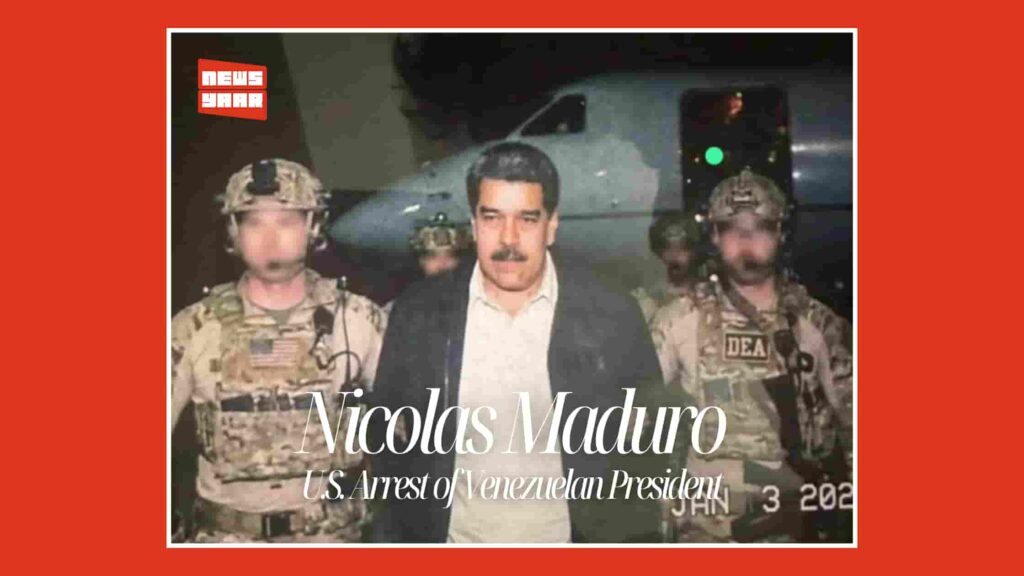
WORLD U.S. Arrest of Venezuelan President Nicolás Maduro: A Comprehensive Overview Newsyaar January 19, 2026 5:56 pm In one of the most dramatic international developments of 2026, the United States military captured Venezuelan President Nicolás Maduro in a large-scale operation on January 3, 2026, removed him from power, and brought him to the United States to face criminal charges. The operation has had far-reaching political, legal and diplomatic implications for Venezuela, the United States, and global geopolitics. What Happened and When In the early hours of January 3, 2026, U.S. forces launched a major military operation in Caracas, Venezuela’s capital, known as “Operation Absolute Resolve.” Using air strikes and special operations units, U.S. troops seized President Nicolás Maduro and his wife, Cilia Flores, in what Washington described as the execution of arrest warrants related to drug trafficking and narco-terrorism. Maduro and Flores were transported to the United States, where they appeared in federal court in Manhattan, New York, on January 5, 2026, and pleaded not guilty to multiple serious charges, including leading a corrupt government and involvement in extensive drug trafficking. Why the U.S. Acted The Trump administration has long accused Maduro’s government of corruption, human rights abuses and facilitating large-scale drug trafficking into the United States. The U.S. Department of Justice had prosecuted Maduro in absentia on these charges and the U.S. issued a series of increasing bounties for information leading to his arrest. In November 2025, Washington designated the shadowy criminal network linked to the Venezuelan regime — often referred to as the “Cartel of the Suns” — as a Foreign Terrorist Organization, amplifying pressure on the Maduro government. A detailed U.S. government timeline shows the operation followed months of military buildup off the Venezuelan coast, where warships, aircraft and strike groups were deployed, signaling escalating tensions and intent. How It Happened According to experts and official accounts, the operation involved: U.S. Army and special forces units engaged in strikes and capture operations in Caracas. Initial detainment aboard a U.S. Navy ship before transfer to New York. Charges brought in a federal court linked to narcotics trafficking, weapons, and narco-terrorism. The Trump administration framed the seizure as a law enforcement action supported by military force, although critics argue it constitutes a direct intervention in a sovereign state. Legal Charges and Court Proceedings Maduro and his wife were charged with multiple federal crimes in the Southern District of New York. These included: Narcotics trafficking Conspiracy to import large quantities of cocaine Narco-terrorism and organized crime offenses. In court, Maduro maintained he was still Venezuela’s legitimate leader and repeatedly insisted on his innocence, describing himself as a victim of U.S. political action rather than a criminal defendant. Who Is Nicolás Maduro? Nicolás Maduro first became president of Venezuela in 2013 after the death of Hugo Chávez and consolidated power through increasingly authoritarian measures. His rule has been marked by widespread economic crisis, allegations of election manipulation, suppression of opposition, and mass migration from Venezuela. Despite winning a third term in a disputed election in July 2024, recognized by Maduro’s government but denounced as illegitimate by many nations, criticism of his leadership and accusations of corruption and repression continued. Immediate Aftermath in Venezuela Following Maduro’s removal, Venezuela’s Supreme Court appointed Vice President Delcy Rodríguez as interim president for 90 days. Rodríguez has sought to consolidate power amid internal factional tensions. Various military and political elites remain influential, notably Interior Minister Diosdado Cabello, who has not been detained despite prior U.S. warnings. Rodríguez, a long-time Maduro ally, has moved quickly to reorganize government leadership while maintaining resistance to U.S. intervention. Her rise has intensified internal political divisions and raised concerns about stability. International and Regional Reactions The operation elicited a wide range of reactions: Supporters: Some U.S. lawmakers and allied leaders hailed the capture as a victory against corruption and narco-terrorism. Critics: Many Latin American governments and international legal experts condemned the U.S. action as a violation of international law and Venezuelan sovereignty, arguing the U.S. had no legal justification without Security Council authorization. Countries like Russia explicitly criticized the operation as destabilizing, while some regional governments warned of broader geopolitical consequences. Impact on Oil and Economy Venezuela sits atop some of the world’s largest proven oil reserves, and control of these resources has long been a major strategic focus. Following Maduro’s ouster, the U.S. has moved to sell Venezuelan oil assets, starting with a $500 million sale aimed at benefiting both U.S. and Venezuelan citizens while stabilizing markets. The U.S. plans further sales with revenues held under U.S. oversight. This shift underscores the interplay of energy strategy with geopolitical goals and highlights the economic stakes involved in the crisis. Legal and International Law Debate The U.S. Department of Justice released internal memos asserting that international law compliance was not required for the operation, given domestic authority — a position sharply criticized by legal scholars who argue a foreign head of state’s forcible capture violates the United Nations Charter prohibitions on use of force without Security Council approval. Humanitarian and Domestic Concerns Venezuela’s population has endured a profound humanitarian crisis for years, with severe shortages of food, medicine, and basic services, resulting in one of the largest migrations in the Western Hemisphere in recent history. The removal of Maduro has sparked mixed reactions domestically — some Venezuelans see it as a hopeful moment, while others fear renewed instability and uncertainty about future governance. What’s Next Maduro’s next court date is scheduled, keeping international attention on his criminal case. Political transition plans remain unsettled, with Rodríguez’s interim leadership drawing scrutiny. U.S. involvement in Venezuelan governance, including oil and economic reconstruction, is likely to continue to be a major issue in diplomatic and regional politics. International opposition and legal challenges could shape the broader geopolitical fallout of
Mumbai BMC Election Results 2026: BJP Breaks Shiv Sena Stronghold, Fragmented Mandate Sets New Political Tone
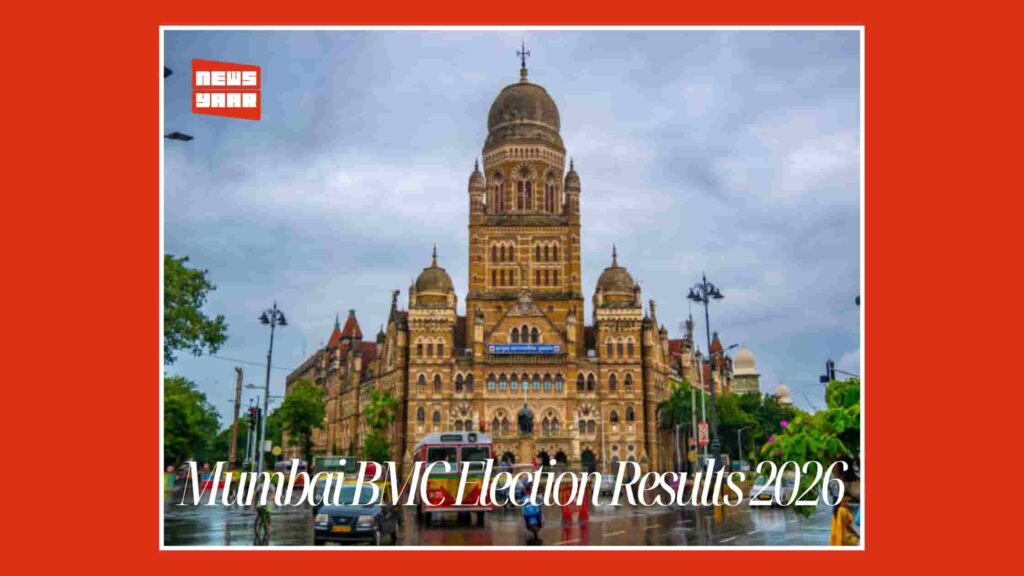
POLITICS Mumbai BMC Election Results 2026: BJP Breaks Shiv Sena Stronghold, Fragmented Mandate Sets New Political Tone Newsyaar January 18, 2026 11:27 am The results of the Brihanmumbai Municipal Corporation (BMC) elections 2026, declared late Friday night, have reconfigured civic politics in Mumbai after years of uncertainty. In a contest marked by shifting alliances and urban development themes, the Bharatiya Janata Party (BJP)-led Mahayuti alliance has emerged as the largest bloc in India’s richest municipal body, ending decades of dominance by the undivided Shiv Sena and reshaping the city’s political landscape. What Is the BMC and Why This Election Matters The Brihanmumbai Municipal Corporation is the administrative body responsible for civic services in Mumbai, including roads, hospitals, sanitation, water supply, and urban infrastructure. With an annual budget of over Rs 74,400 crore, it plays a crucial role in daily life for millions and sets the tone for urban policy in the Mumbai Metropolitan Region. This election was especially significant because it was the first held after a four-year delay and the first civic poll since the Shiv Sena split in 2022, which divided the party into the Eknath Shinde-led faction allied with the BJP and the Uddhav Balasaheb Thackeray-led Shiv Sena (UBT). Final Results: Seat Share and Winning Parties No single party secured an outright majority in the 227-ward BMC, but results show a clear lead for the Mahayuti alliance. Party-wise tally in BMC 2026: Bharatiya Janata Party (BJP): 89 seats Shiv Sena (Shinde faction): 29 seats Shiv Sena (UBT): 65 seats Congress: 24 seats AIMIM: 8 seats MNS: 6 seats Nationalist Congress Party (NCP): 3 seats Samajwadi Party: 2 seats NCP (SP): 1 seat(Majority mark in BMC: 114) With the BJP–Shinde Sena alliance jointly leading in 118 wards, they are well-positioned to form the next civic administration. Key Ward Victories and Local Players Several notable victories across the city shaped the electoral narrative. Highlights include: Ward 2 (BJP): Tejaswini Ghosalkar Ward 214 (BJP): Ajay Patil Ward 123 (UBT): Sunil More Ward 182 (UBT): Milind Vaidya Ward 183 (Congress): Asha Kale These wins reflect how both national and local issues influenced voter decisions across diverse Mumbai neighbourhoods. Political Reactions After the Results Leaders from all major camps offered their perspectives soon after results were declared. Maharashtra Chief Minister Devendra Fadnavis highlighted the alliance’s performance as a reflection of public trust in governance. According to him, the BJP’s share — around 45% vote share — demonstrated a broad urban mandate for development-oriented politics. From the opposition, Shiv Sena (UBT) leader Sanjay Raut said the results showed continued support for the Thackeray brand in many traditional areas, even as the party lost its institutional hold. Why This Is a Turning Point for Mumbai BMC has historically been a bastion of regional identity politics, with the Shiv Sena’s rise intertwined with the ‘Marathi asmita’ narrative — emphasising local pride and mobilisation around regional interests. However, this election suggests a shift toward urban governance themes such as infrastructure, flood management, civic service delivery, and development outcomes, rather than purely identity-based politics. Analysts note that the BJP’s success is the result of a “triple engine” strategy, combining support from the Centre, state leadership, and local organisational strength to appeal to voters focused on performance and delivery. Broader Maharashtra Civic Sweep and Urban Impact The BMC outcome was part of a wider civic sweep by the BJP-led alliance across Maharashtra. The party has secured dominant positions in multiple municipal corporations, including Pune and Pimpri-Chinchwad, further weakening rival factions and establishing itself as the leading force in urban local bodies ahead of future state and national contests. What Comes Next: Leadership and Governance With the alliance poised to control the BMC, the focus now shifts to: Election of the Mayor Formation of key standing committees (finance, public works, health) Early policy signals on infrastructure upgrades, monsoon preparedness, housing redevelopment and sanitation The new administration faces a range of civic challenges that will test its governance approach amidst high public expectations. In Brief BMC election 2026 held after a four-year gap ended long-standing political patterns in Mumbai. The BJP-Shinde Sena alliance crossed the majority mark with 118 wards. Shiv Sena (UBT) held on to 65 seats, showing resilience in core areas. Congress, AIMIM, MNS and smaller parties maintained pockets of influence. Urban governance and development issues appeared to outweigh traditional identity politics. About the Author Politics Reporter Share via Copied Comments Post Comment
German Chancellor Friedrich Merz’s India Visit Signals Deeper Strategic Engagement
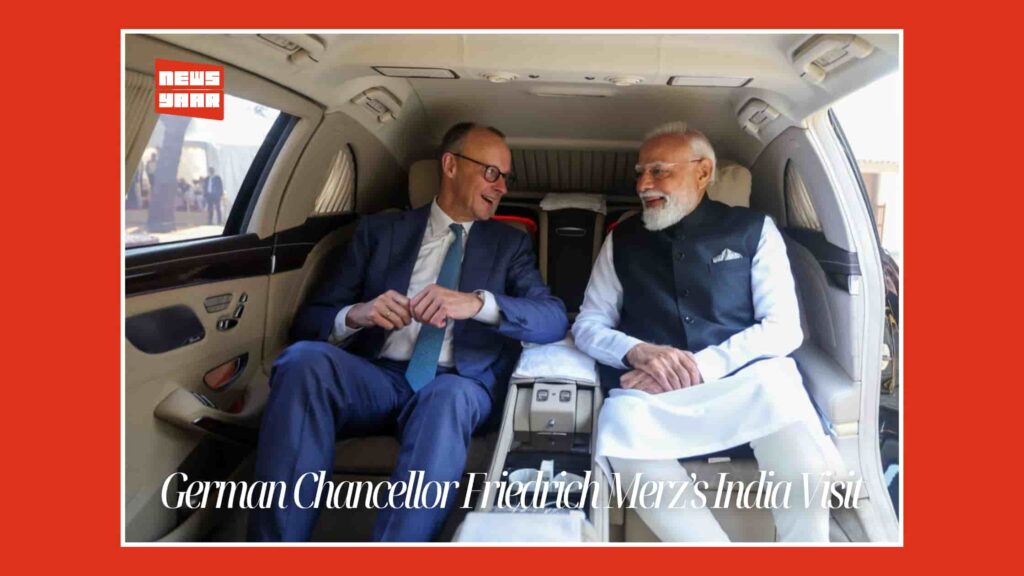
POLITICS German Chancellor Friedrich Merz’s India Visit Signals Deeper Strategic Engagement Newsyaar January 18, 2026 9:14 am German Chancellor Friedrich Merz’s first official visit to India has set the tone for a renewed phase in India–Germany relations, with both sides signalling intent to expand cooperation across defence, trade, technology and people-to-people exchanges. Welcoming the visit, Germany’s Ambassador to India, Philipp Ackermann, described it as wide-ranging and forward-looking. In a social media post, Ackermann highlighted discussions on defence cooperation, economic ties and migration, while also sharing a personal moment from the visit that underscored growing cultural links between the two countries. He noted that Chancellor Merz was particularly impressed after speaking in German with a young Indian woman who had begun learning the language only months ago. Focus on Defence, Trade and Technology Chancellor Merz arrived in Gujarat earlier this week at the invitation of Prime Minister Narendra Modi, marking his first official visit to India since taking office. The visit comes at a significant moment, as India and Germany mark 25 years of their Strategic Partnership and 75 years of diplomatic relations. During bilateral talks, Prime Minister Modi and Chancellor Merz reaffirmed their shared commitment to strengthening defence and security cooperation. The discussions covered deeper military-to-military engagement, including joint exercises, training programmes and exchanges between senior officials. Both leaders also acknowledged the value of regular port calls by naval ships, describing them as a symbol of growing trust and operational cooperation. Expanding Cooperation Beyond Security Beyond defence, the talks reflected a broader ambition to elevate the partnership. Prime Minister Modi said the two leaders agreed to take the relationship to a higher qualitative level, with enhanced collaboration in areas such as space, critical and emerging technologies, climate action and resilient supply chains. Education, skilling, sports and cultural exchanges also featured prominently in the discussions, pointing to a long-term vision focused on people-to-people ties. Modi described Chancellor Merz’s choice of India as the destination for his first visit to Asia as a reflection of Germany’s commitment to strengthening bilateral relations. Joint Exercises and Strategic Presence in the Indian Ocean The visit also resulted in concrete commitments in the maritime and defence domains. India welcomed Germany’s intention to participate in major regional and multilateral naval and air exercises in the coming years. These include Naval Exercise MILAN and the Indian Ocean Naval Symposium Conclave of Chiefs in early 2026, as well as the Air Combat Exercise Tarang Shakti later the same year. Germany’s decision to deploy a liaison officer to the Information Fusion Centre for the Indian Ocean Region was also noted as a significant step towards closer coordination in maritime domain awareness. Defence Collaboration With Europe Both sides expressed satisfaction with ongoing cooperation between India’s Defence Research and Development Organisation and the Organisation for Joint Armament Cooperation. The collaboration on the Eurodrone MALE UAV programme was highlighted as an example of how India can access advanced defence technologies while strengthening strategic ties with Europe. Looking Ahead Chancellor Merz’s visit has added momentum to India–Germany relations at a time when both countries are seeking reliable partners in a rapidly changing global landscape. With shared interests in security, innovation and sustainable development, the visit signals a mutual willingness to translate strategic intent into long-term cooperation. As the two nations look ahead, the outcomes of this visit are expected to shape bilateral engagement across defence, technology and economic sectors, reinforcing the growing importance of the India–Germany partnership on the global stage. https://www.youtube.com/watch?v=1Xnoi3Vs6Es Video credit: YT@/NaMo https://www.youtube.com/watch?v=rN32XAuURj4 Video credit: YT@/NaMo https://www.youtube.com/watch?v=fL2LfqroK30 Video credit: YT@/NaMo About the Author Politics Reporter Share via Copied Comments Post Comment
BRICS India 2026: New Logo, Theme and Website Launched as Chairship Preparations Get Underway
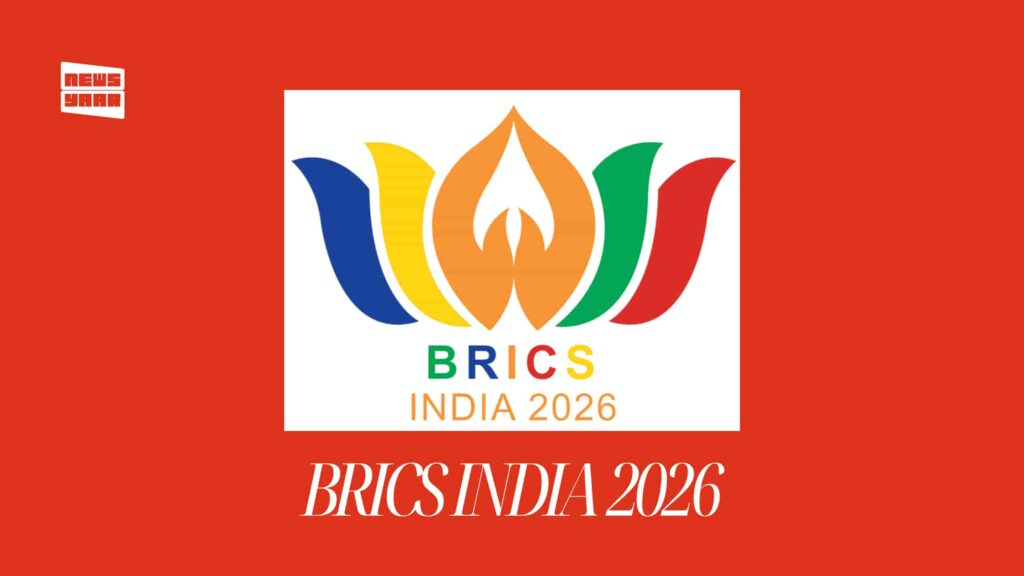
GOVERNMENT BRICS India 2026: New Logo, Theme and Website Launched as Chairship Preparations Get Underway Newsyaar January 17, 2026 12:57 pm New Delhi, India, has officially launched the logo, theme and official website for its year-long BRICS Chairship in 2026, marking the start of its leadership of the influential multilateral grouping that brings together emerging markets and developing economies. The unveiling took place in New Delhi on January 13, 2026, with External Affairs Minister Dr S. Jaishankar presiding over the ceremony. A Symbol of Unity and Shared Aspirations The newly showcased BRICS India 2026 logo draws its inspiration from the lotus flower, a symbol deeply rooted in Indian culture and widely associated with resilience, renewal and cultural heritage. The design incorporates petals in the vibrant colours of all BRICS member countries, highlighting the unity of diverse nations under a common purpose. At the centre of the emblem is the Namaste gesture, symbolising respect, warmth of partnership and a commitment to harmonious collaboration among nations. Accompanying the visual identity is the official theme for India’s chairship: “Building for Resilience, Innovation, Cooperation and Sustainability”. The theme reflects a people-centric and humanity-first approach, emphasising inclusive development, practical cooperation and mutual support. “The Indian government has said this vision is inspired by broader goals of shared growth and equitable progress across regions.” A Central Digital Platform Alongside the logo and theme, India also launched the official BRICS 2026 website, brics2026.gov.in. The digital platform is expected to serve as a central source of information on BRICS initiatives, meetings, official documents and events scheduled during India’s chairship. The website is designed to enhance transparency, engagement and communication both among member countries and with the global public. Officials highlighted that the platform’s easy access and regular updates will allow stakeholders from across member nations, partner states and civil society to stay informed about key developments and collaborative efforts under the BRICS framework. Context and Significance India assumed the BRICS Chairship on January 1, 2026, coinciding with the 20th anniversary of the BRICS grouping, which was first formed in 2006 to foster cooperation among key emerging economies. Over the years, BRICS has expanded beyond its five founding members, Brazil, Russia, India, China and South Africa, to include Egypt, Ethiopia, Iran, the United Arab Emirates and Indonesia as full members, significantly broadening its global footprint. The launch ceremony in New Delhi was attended by senior officials from the Ministry of External Affairs and representatives from diplomatic missions, underlining the importance India places on using its chairship to strengthen global dialogue and cooperation. Looking Ahead: The Final Insight With its theme focused on resilience and sustainability, India’s BRICS agenda in 2026 is expected to tackle key global challenges, including economic recovery, technological innovation, climate action and people-to-people exchanges. As preparations continue, the logo and website launch mark a pivotal early step in shaping India’s leadership year and the broader narrative of BRICS cooperation on the world stage. https://www.youtube.com/watch?v=WP8v54_xXR8 Video credit: YT@/MEA About the Author Government Reporter Share via Copied Comments Post Comment
International Kite Festival 2026: All You Need To Know

EVENTS International Kite Festival 2026: All You Need To Know Newsyaar January 13, 2026 1:52 pm Ahmedabad transforms into a city of colours every January as it hosts the International Kite Festival, one of Gujarat’s most iconic cultural events. Celebrated alongside Uttarayan (Makar Sankranti), the festival draws kite flyers, artists, and tourists from across India and the world, turning the sky into a vibrant canvas. The International Kite Festival is held annually on January 14 and is organised by the Gujarat Tourism Department. The main events take place along the Sabarmati Riverfront and other designated venues across Ahmedabad. What began as a local harvest celebration has now grown into a globally recognised cultural festival. Participants from countries like Japan, Brazil, France, Italy, the UK, and the USA bring uniquely designed kites, showcasing creativity, craftsmanship, and cultural diversity. Why Ahmedabad Becomes the Kite Capital? During Uttarayan, almost every rooftop in Ahmedabad turns into a kite-flying arena. Families, friends, and neighbours gather from early morning till sunset, competing to cut each other’s kites while shouting the famous phrase, “Kai Po Che!” The festival symbolises the end of winter and the arrival of longer, sunnier days, making it a time of joy, hope, and renewal. For Gujaratis, kite flying is not just a pastime but a deeply rooted tradition passed down through generations. One of the biggest attractions is the display of giant kites, artistic designs, and night kite flying, also known as tukkals. These illuminated kites light up the evening sky and add a magical touch to the celebrations. Cultural performances, music, dance, and local food stalls enhance the festive atmosphere. Traditional Gujarati dishes like undhiyu, jalebi, and chikki are an essential part of the experience. Global Participation and Tourism Boost The International Kite Festival plays a major role in promoting cultural exchange and tourism. International participants not only showcase their kite-flying skills but also engage with local traditions, making the event a meeting point of global cultures. Hotels, local markets, and tourism services see a significant boost during the festival, contributing to Ahmedabad’s economy. More Than a Festival Beyond colours and competition, the International Kite Festival reflects the spirit of community, creativity, and celebration. It brings people together under one sky, reminding everyone of the joy found in simple traditions. As kites fly high above Ahmedabad, the festival continues to celebrate freedom, culture, and the timeless charm of Uttarayan, making it an unforgettable experience year after year. https://www.youtube.com/watch?v=fQP9my6MK5g Video credit: @YT/NarendraModi About the Author Events Reporter Share via Copied Comments Post Comment
India Army’s Combat Battalions Bhairav Force Ready for Modern Warfare
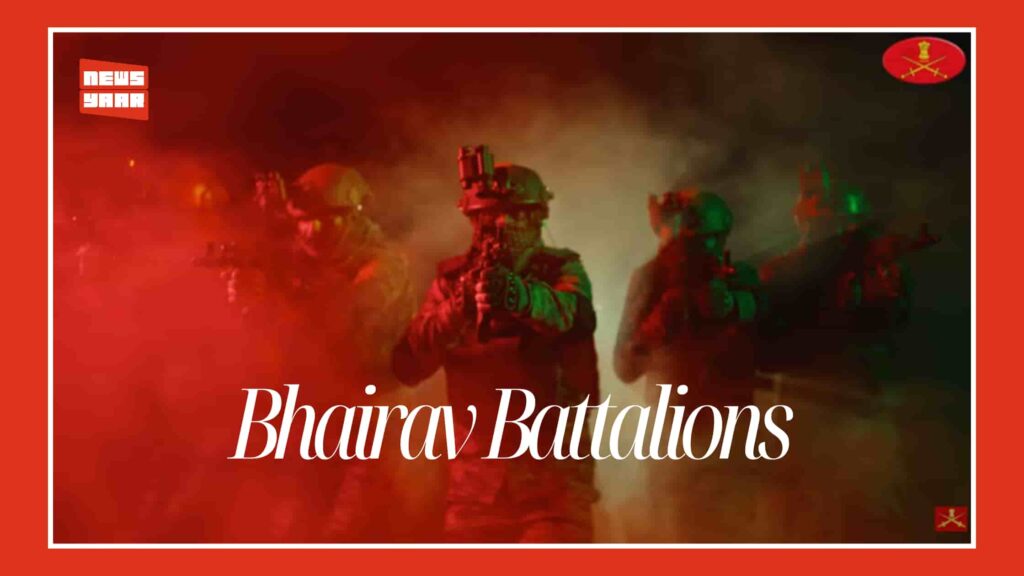
DEFENCE India Army’s Combat Battalions Bhairav Force Ready for Modern Warfare Newsyaar January 13, 2026 1:29 pm Image credit: @IndianArmy The Indian Army’s Bhairav Battalions are fast emerging as a key element of the force’s modernisation drive, designed to meet the demands of 21st-century warfare with speed, technology, and tactical agility. These newly raised light commando units are set to play a significant role in both operational deployments and ceremonial showcases, including participation in the upcoming 78th Army Day Parade in Jaipur. A New Chapter in Army Modernisation Officially introduced in 2025, the Bhairav Battalions form part of a broader restructuring effort by the Indian Army to adapt to rapidly evolving threats along India’s borders. Rather than replacing traditional infantry or elite Special Forces, these units are meant to bridge the capability gap between regular battalions and the highly specialised Para Special Forces. Each battalion typically consists of around 250 soldiers selected from various arms of the Army, including infantry, artillery, air defence, and signals, providing an integrated and versatile combat unit. The Bhairav formation reflects the Army’s recognition that future conflicts will likely involve hybrid warfare, where speed, technology, and precision matter as much as manpower. Strategic Deployment and Expansion The Bhairav concept has already seen practical implementation, with around 15 battalions raised and integrated across various commands on both the northern and western borders. Plans are underway to expand this number to 25 battalions within the next few months, underscoring the Army’s emphasis on adaptability and readiness. Two of these units, the 2 Bhairav Battalion from Southern Command, known as the “Desert Falcons”, and the 4 Bhairav Battalion from South Western Command, have been confirmed to participate in this year’s Army Day celebrations in Jaipur. The 2 Bhairav Battalion’s distinctive war cry, “Raja Ramchandra ki Jai,” embodies its fighting spirit and commitment to mission success. Role and Operational Focus Unlike the Para Special Forces, Bhairav Battalions operate as a rapid response force capable of acting independently at short notice. Their training emphasises modern tactical manoeuvres, drone integration, surveillance, and quick-strike capabilities, making them well-suited to the challenges of today’s complex battlefield environments. With their smaller size and high mobility, Bhairav units can rapidly respond to evolving threats, conduct targeted operations in diverse terrains, and support conventional forces during high-intensity situations. Final Insights The rise of the Bhairav Battalions signals a significant shift in the Indian Army’s operational doctrine, blending traditional combat strength with modern warfare capabilities. These units represent the service’s efforts to stay ahead of contemporary threats while enhancing overall battlefield effectiveness. As they take centre stage during national events and operational deployments alike, the Bhairav Force stands as a symbol of India’s evolving military prowess in an increasingly dynamic security landscape. https://www.youtube.com/watch?v=lY7_5WBEhfY Video credit: DD India About the Author Defence Reporter Share via Copied Comments Post Comment
Sergio Gor Takes Charge as U.S. Ambassador to India: What His Appointment Means for India-US Trade Relations
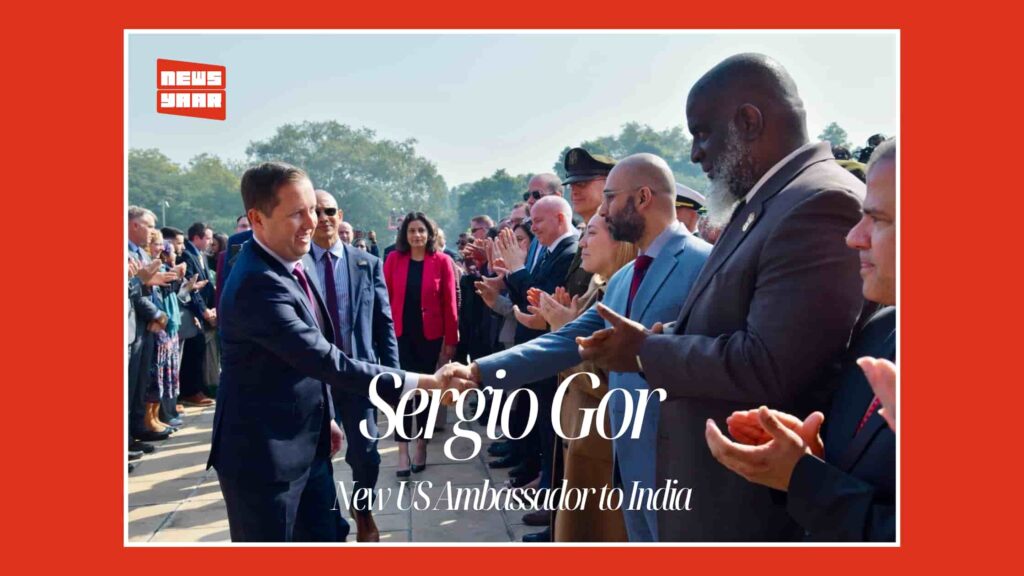
POLITICS Sergio Gor Takes Charge as U.S. Ambassador to India: What His Appointment Means for India-US Trade Relations Newsyaar January 13, 2026 1:03 pm Sergio Gor formally assumed his role as the United States Ambassador to India on Monday, signalling a fresh chapter in the bilateral relationship between the two democracies. Gor, a close associate of U.S. President Donald Trump, addressed the press ahead of taking office and outlined his vision for strengthening cooperation between Washington and New Delhi. Ambassador Gor’s appointment comes at a time when diplomatic ties between India and the United States have faced several challenges, from disagreements over trade to tensions related to global geopolitical issues. Yet his arrival has sparked cautious optimism among policymakers and analysts on both sides of the aisle. A Personal Message of Partnership and Collaboration In his public remarks upon taking charge, Ambassador Gor underscored India’s importance to the United States. He stated that no country is more “essential” to American strategic interests than India, highlighting shared values and mutual goals in areas like trade, security, technology, and regional stability. Gor also referenced the strong personal rapport between President Trump and Prime Minister Narendra Modi, describing their friendship as “real” and pivotal for future cooperation. This emphasis on interpersonal diplomacy signals an attempt to soften recent strains and build momentum for collaborative action. Reports indicate that one of Gor’s early initiatives will be to invite India to participate in the Pax Silica initiative, a U.S.-led multilateral forum focused on mineral security and advanced technologies such as artificial intelligence. Participation in this forum could broaden India’s role in global tech and strategic discussions. Trade Talks and Economic Expectations Economists and trade experts have weighed in on the potential impact of Ambassador Gor’s appointment on economic ties. India and the U.S. are actively working on a bilateral trade agreement aimed at reducing tariff barriers and promoting deeper economic engagement. ABC News and Politico Pro reports highlighted that one of the ambassador’s priorities will be expanding trade ties despite ongoing tensions related to Russian oil and global energy dynamics. As such, Gor’s role will not only be diplomatic but also deeply economic. A Reset in Relations? Analysts from The Assam Tribune and ETV Bharat have described Ambassador Gor’s messages as signalling a reset in diplomatic outreach. By stressing mutual respect and partnership, he appears intent on building a stronger, more resilient relationship that can withstand geopolitical pressure. With his first address and public engagements in India, Sergio Gor has laid the groundwork for renewed strategic dialogue. As bilateral initiatives, the world will be watching closely to see how India and the United States navigate their partnership in 2026 and beyond. https://www.youtube.com/watch?v=HsCV6soEErQ Video credit: ANI About the Author Politics Reporter Share via Copied Comments Post Comment