




INSV Kaundinya: India’s Engine-Less Ancient-Style Ship on Historic Voyage to Oman

ENGINEERING INSV Kaundinya: India’s Engine-Less Ancient-Style Ship on Historic Voyage to Oman Newsyaar January 19, 2026 7:30 pm India’s Indian Naval Sailing Vessel INSV Kaundinya, a traditionally built engineless ship, is currently on a historic transoceanic voyage from Porbandar in Gujarat to Muscat in Oman. This journey, retracing ancient Indian Ocean trade routes, highlights India’s efforts to revive and celebrate its centuries-old maritime heritage. What Is INSV Kaundinya? INSV Kaundinya is a stitched-plank sailing vessel constructed using an ancient Indian shipbuilding technique that dates back at least to the early centuries of the Common Era. Unlike modern ships powered by engines and metal fastenings, the vessel relies entirely on wind and sails and is built by stitching wooden planks together using coir rope made from coconut fibre, sealed with natural resins, cotton and oils to make it seaworthy. The design draws inspiration from depictions of ships in Ajanta cave paintings and descriptions found in ancient texts. These historic visual sources guided naval architects and traditional craftsmen in recreating the ship, even in the absence of surviving blueprints. How Was the Ship Built? The INSV Kaundinya project was initiated through a collaboration between the Indian Ministry of Culture, the Indian Navy, and Goa-based shipbuilders Hodi Innovations, with support from academic institutions like IIT Madras for scientific validation and hydrodynamic testing. Construction milestones include: Keel laid: September 12, 2023 Launch: February 2025 Formal induction into Indian Navy: May 21, 2025 at the Karwar naval base in Karnataka Commissioning ceremony: Attended by senior officials and cultural leaders, the induction underscored both maritime heritage and national pride. INSV Kaundinya measures around 19.6 metres in length and 6.5 metres in width, with a draft of about 3.33 metres. The ship’s hull incorporates motifs from India’s ancient maritime traditions, including symbolic figures and design elements that reflect civilisational seafaring legacy. The Maiden Overseas Voyage: Porbandar to Muscat The ship embarked on its maiden transoceanic voyage on December 29, 2025, departing from Porbandar in Gujarat— a historic port on India’s western coast. Crewed by approximately 15 sailors and four officers, the vessel retraced an ancient maritime corridor that once connected India with Oman and other parts of West Asia. INSV Kaundinya’s skipper for the expedition is Commander Vikas Sheoran, with Commander Y Hemant Kumarserving as Officer-in-Charge, having been involved with the project since its early stages. The journey took about 17 days at sea, with the ship navigating solely by wind and sail power across the Arabian Sea. On January 14, 2026, INSV Kaundinya reached Muscat, Oman, where it was welcomed at the Port Sultan Qaboos by officials from both countries. Significance of the Voyage The voyage of INSV Kaundinya is more than a naval expedition. It symbolizes: India’s rich maritime heritage and centuries-old seafaring traditions Revival of ancient shipbuilding techniques in a modern context A diplomatic and cultural link between India and Oman, celebrating shared historical ties spanning thousands of years Reinforcement of regional cooperation and maritime diplomacy in the Indian Ocean region The expedition also coincides with the 70th anniversary of diplomatic relations between India and Oman, highlighting deepening cooperation in maritime and cultural domains. Cultural and Historical Context The vessel’s name — Kaundinya — evokes the legendary Indian mariner Kaundinya, believed to have sailed to Southeast Asia in the early centuries of the Common Era. According to historical accounts from Southeast Asia, Kaundinya’s voyage and subsequent marriage to a local princess helped establish early Indianised kingdoms in regions such as present-day Cambodia and Vietnam, underscoring India’s ancient maritime connectivity. The design of the ship itself draws on shipbuilding knowledge evident in ancient art and archaeological references, including mural paintings and iconographic sources from India’s early history. Modern Enhancements for an Ancient Vessel While INSV Kaundinya follows traditional construction methods, modern technologies have been integrated for safety and communication. For instance, the ship uses Eutelsat OneWeb satellite communications to maintain connectivity with land-based teams and share updates during its voyage — a blend of ancient technique and contemporary innovation. What Comes Next After completing necessary maintenance in Oman, the vessel is expected to begin its return journey to India. The Indian Navy has indicated that this historic expedition will not only contribute to cultural diplomacy but also provide insights into ancient navigation methods and inspire future maritime heritage projects. About the Author Engineering Reporter Share via Copied Comments Post Comment
India Army’s Combat Battalions Bhairav Force Ready for Modern Warfare
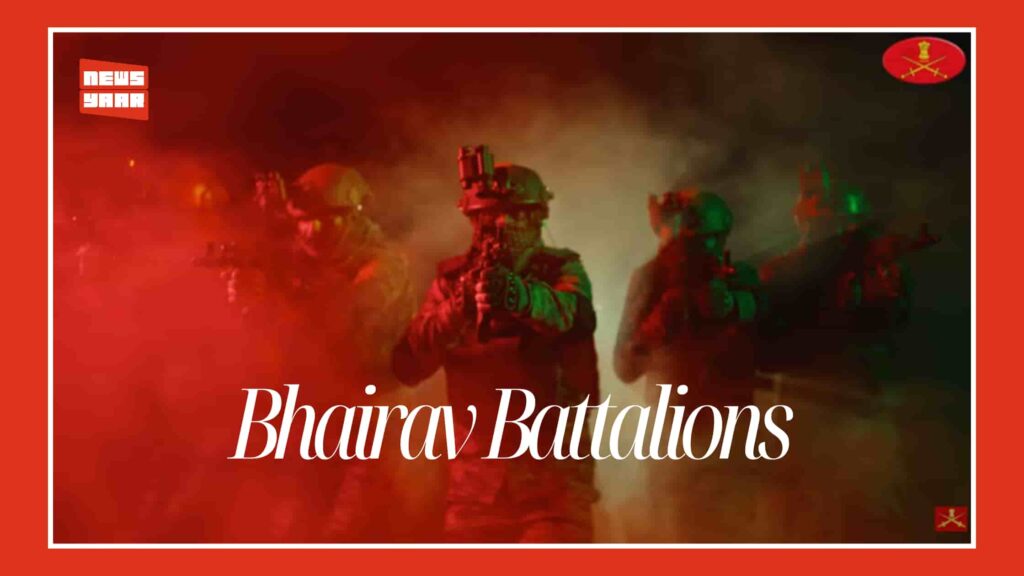
DEFENCE India Army’s Combat Battalions Bhairav Force Ready for Modern Warfare Newsyaar January 13, 2026 1:29 pm Image credit: @IndianArmy The Indian Army’s Bhairav Battalions are fast emerging as a key element of the force’s modernisation drive, designed to meet the demands of 21st-century warfare with speed, technology, and tactical agility. These newly raised light commando units are set to play a significant role in both operational deployments and ceremonial showcases, including participation in the upcoming 78th Army Day Parade in Jaipur. A New Chapter in Army Modernisation Officially introduced in 2025, the Bhairav Battalions form part of a broader restructuring effort by the Indian Army to adapt to rapidly evolving threats along India’s borders. Rather than replacing traditional infantry or elite Special Forces, these units are meant to bridge the capability gap between regular battalions and the highly specialised Para Special Forces. Each battalion typically consists of around 250 soldiers selected from various arms of the Army, including infantry, artillery, air defence, and signals, providing an integrated and versatile combat unit. The Bhairav formation reflects the Army’s recognition that future conflicts will likely involve hybrid warfare, where speed, technology, and precision matter as much as manpower. Strategic Deployment and Expansion The Bhairav concept has already seen practical implementation, with around 15 battalions raised and integrated across various commands on both the northern and western borders. Plans are underway to expand this number to 25 battalions within the next few months, underscoring the Army’s emphasis on adaptability and readiness. Two of these units, the 2 Bhairav Battalion from Southern Command, known as the “Desert Falcons”, and the 4 Bhairav Battalion from South Western Command, have been confirmed to participate in this year’s Army Day celebrations in Jaipur. The 2 Bhairav Battalion’s distinctive war cry, “Raja Ramchandra ki Jai,” embodies its fighting spirit and commitment to mission success. Role and Operational Focus Unlike the Para Special Forces, Bhairav Battalions operate as a rapid response force capable of acting independently at short notice. Their training emphasises modern tactical manoeuvres, drone integration, surveillance, and quick-strike capabilities, making them well-suited to the challenges of today’s complex battlefield environments. With their smaller size and high mobility, Bhairav units can rapidly respond to evolving threats, conduct targeted operations in diverse terrains, and support conventional forces during high-intensity situations. Final Insights The rise of the Bhairav Battalions signals a significant shift in the Indian Army’s operational doctrine, blending traditional combat strength with modern warfare capabilities. These units represent the service’s efforts to stay ahead of contemporary threats while enhancing overall battlefield effectiveness. As they take centre stage during national events and operational deployments alike, the Bhairav Force stands as a symbol of India’s evolving military prowess in an increasingly dynamic security landscape. https://www.youtube.com/watch?v=lY7_5WBEhfY Video credit: DD India About the Author Defence Reporter Share via Copied Comments Post Comment
Historic Army Day Parade in Jaipur: A Public Spectacle of Pride
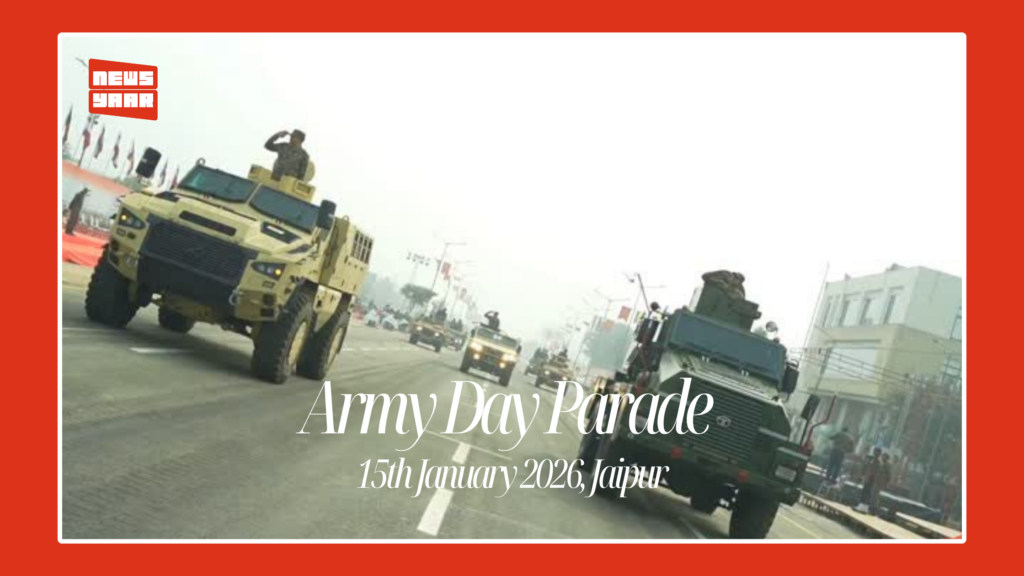
EVENTS Historic Army Day Parade in Jaipur: A Public Spectacle of Pride Newsyaar January 12, 2026 3:12 pm Jaipur is up for a historic celebration as the 78th Army Day Parade & is set to take place on January 15, 2026. The event along Mahal Road in Jagatpura is one of the most inclusive tributes to the Indian Army. Army Day is observed every year on January 15 to honour Field Marshal Kodandera M. Cariappa, who became the first Indian Commander-in-Chief of the Indian Army in 1949 following independence. A Parade Like Never Before Authorities have organised open rehearsals on January 9, 11, and 13, allowing thousands of residents to witness military precision, disciplined marching contingents, and displays of modern weapons well ahead of the main parade. Public enthusiasm has been palpable, with crowds gathering early along Mahal Road to watch tanks, missile systems, and advanced defence technologies. Patriotism on Display Officials have emphasised the parade’s role in reinforcing civil-military harmony and national pride. Thousands of audiences, including school and college students, women’s groups, ex-servicemen, and families, are expected to attend under a registration system implemented by the Rajasthan government. The excitement has translated into public participation during rehearsals, with residents capturing performances on mobile phones and cheering the march-past and military bands. More Than a Parade: The Final Insights Alongside the main event, Jaipur will host a variety of complementary programs, including a “Know Your Army” exhibition, which showcases armoured vehicles, missile systems, and interactive displays aimed at deepening public awareness of India’s defence forces. A special evening event, Shaurya Sandhya 2026, featuring cultural performances, light and sound shows, and a tribute to families of martyrs, will take place as part of the broader celebration. The 78th Army Day Parade stands as a celebration of military tradition and discipline, but also as a powerful symbol of national unity, pride, and collective respect for the service of the Indian Army. https://www.youtube.com/watch?v=pVc4qjUJ8JA&t=6751s Video credit: DD News About the Author Events Reporter Share via Copied Comments Post Comment
Putin in Delhi: A Big Push for India-Russia
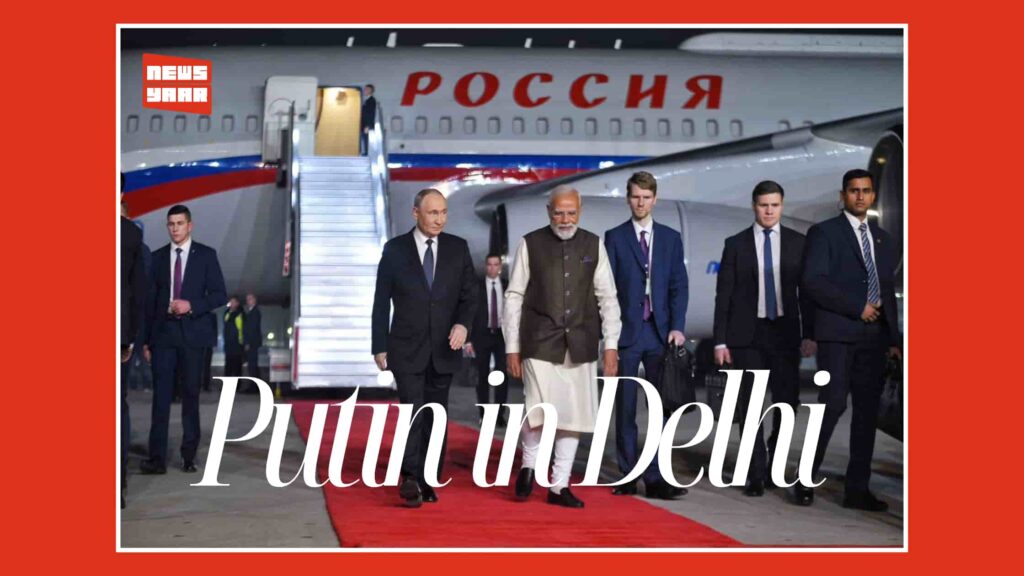
POLITICS Putin in Delhi: A Big Push for India-Russia Link to the Narendra Modi receiving Vladimir Putin at Delhi Airport video In early December 2025, Russian President Vladimir Putin arrived in New Delhi for his first visit in four years. Prime Minister Narendra Modi welcomed him warmly, and the visit was treated as a major moment for both countries. A Partnership Built Over Decades India and Russia have shared a strong bond for many years, known as their “Special and Privileged Strategic Partnership.” During this visit, both sides agreed to make the relationship even stronger. They discussed cooperation in defence, energy, science, technology, trade, and diplomacy. At a time when global politics is shifting, and Russia faces sanctions, the visit showed that India still values Russia as an important partner. It also highlighted India’s ability to balance relations with different major powers. Big Trade Plans for the Future One of the major outcomes was a new Economic Cooperation Programme that will guide both countries until 2030. The aim is to increase the current trade value of about $68.7 billion to $100 billion. India and Russia want to go beyond buying and selling oil or defence equipment. They’re looking to expand into areas like manufacturing, clean energy, minerals, pharma, agriculture, food processing, and new technology collaborations. There’s also fresh momentum to sign a Free Trade Agreement between India and the Eurasian Economic Union, which could make it easier for Indian products to enter Russian and Eurasian markets. Energy & Defence: Still the Backbone Energy remained one of the main discussion points. Putin assured India that Russia will continue supplying oil and fuel without interruption, despite global sanctions. This promise is crucial for India’s energy security. On the defence front, both sides agreed to deepen cooperation, focusing on joint manufacturing, co-production, sharing technology, and strengthening military ties. These steps aim to reduce India’s dependency on imports and build capabilities within the country. A Balanced Approach in a Complicated World What makes this visit important is India’s clear message: it will continue to follow an independent foreign policy. Despite pressure from Western countries to reduce ties with Russia, India maintained its balanced approach, keeping strong relations with both Russia and the West. For Russia, the visit helped reinforce partnerships outside the Western sphere. For India, it strengthened its trade, energy, and defence needs while preparing for a more uncertain global future. The Bottom Line Putin’s visit wasn’t just a diplomatic event. It created a fresh roadmap for India–Russia ties, focusing on stronger trade, reliable energy, deep defence cooperation, and long-term strategic trust. The visit marks a new chapter in a partnership that has stood firm for decades. https://www.youtube.com/watch?v=-oRdrsLAv1o Video credit: Narendra Modi’s Youtube Video https://www.youtube.com/watch?v=lDts5BTpyFc Video credit: Narendra Modi’s Youtube Video https://www.youtube.com/watch?v=rANa23Pxxo0 Video credit: President of India Youtube Video https://www.youtube.com/watch?v=o3_gk2xIv38 Video credit: DD News About the Author Politics Reporter Share via Copied Comments Post Comment