




Wings India 2026: Celebrating Aviation Excellence and Cultural Unity in the Skies

Gujarat wins top aviation award as Air India Express showcases India’s rich heritage through music and art Hyderabad: The Wings India 2026 aviation expo, held at Begumpet Airport from January 28-31, has emerged as more than just an industry gathering—it’s a celebration of how aviation connects cultures, builds communities, and drives economic progress across the nation. The four-day event brought together thousands of aviation professionals, exhibitors, and enthusiasts from around the world, highlighting India’s position as one of the fastest-growing aviation markets globally. From cutting-edge technology exhibits to cultural performances on the tarmac, the expo demonstrated that modern aviation is about more than just moving people—it’s about creating meaningful connections. Gujarat Soars High with Prestigious Recognition Gujarat received the coveted ‘Best State for Promotion of Aviation Ecosystem’ award, presented by Union Minister for Civil Aviation Shri K. Ram Mohan Naidu. The state shared this honor with Telangana and Uttarakhand, recognizing their exceptional contributions to India’s aviation sector. KL Bachani, Gujarat’s Civil Aviation Commissioner, attributed the achievement to Chief Minister Bhupendra Patel’s visionary leadership and the state’s focus on world-class infrastructure. “This honor reflects Gujarat’s commitment to making air travel more accessible for citizens while driving economic growth,” Bachani said. The award acknowledges Gujarat’s impressive progress in aviation infrastructure, including maintenance, repair, and overhaul (MRO) facilities and the aircraft leasing sector. This marks Gujarat’s third consecutive recognition at Wings India, having previously won awards in 2022 and 2024, demonstrating sustained excellence in aviation development. When Aviation Meets Art: Air India Express’s Cultural Showcase One of the most memorable moments at Wings India 2026 was Air India Express’s spectacular cultural performance featuring legendary singer Usha Uthup. The unique event took place on the airport tarmac beside the airline’s stunning first line-fit Boeing 737-8 aircraft, VT-RNT, adorned with livery inspired by traditional Parsi Gara embroidery. Uthup performed alongside talented artists from eleven Indian states: Andhra Pradesh, Assam, Delhi, Gujarat, Jammu & Kashmir, Karnataka, Kerala, Maharashtra, Odisha, Punjab, and Tamil Nadu. The performance created a vibrant tapestry of India’s diverse cultural heritage against the backdrop of modern aviation. “Music is a language that connects people across cultures and geographies,” Uthup said. “Performing at Wings India as the country’s cultural ambassador makes this truly special.” Aviation with Heart: Connecting People, Not Just Places Siddhartha Butalia, Chief Marketing Officer of Air India Express, emphasized the deeper purpose behind aviation. “In an increasingly digitally connected world, the true value of travel lies in real, immersive experiences and meaningful human connections,” he explained. The airline also received the prestigious ‘Domestic Connectivity’ award from the Ministry of Civil Aviation, recognizing its efforts to expand air travel access across India. This follows their ‘Sustainability Champions’ recognition at Wings India 2024. Air India Express’s ‘Tales of India’ initiative showcases India’s artistic heritage through aircraft liveries featuring indigenous designs like Kalamkari, Bandhani, Jamawar, Warli, and Phulkari. Their ‘Gourmair’ in-flight dining extends this cultural celebration to regional cuisines, featuring special menus for festivals like Onam, Navratri, and Diwali. The new Boeing 737-8 aircraft features ergonomically designed seats, fast-charging power outlets, on-board ovens for hot meals, spacious overhead bins, and Boeing’s Sky Interior with soothing mood lighting, proving that comfort and culture can fly together. Building Tomorrow’s Skies Today Wings India 2026 demonstrated that India’s aviation sector is not just about economic growth; it’s about inclusivity, sustainability, and preserving cultural identity while embracing innovation. As states like Gujarat lead infrastructure development and airlines like Air India Express celebrate regional diversity, Indian aviation is truly paving the future from design to deployment. The event reinforced that when aviation connects people meaningfully, everyone wins, from passengers experiencing rich cultural journeys to states driving economic development through better connectivity.
India–Chile Trade Deal: Deepening Economic Engagement Between South Asia and South America

India–Chile Trade Deal: Deepening Economic Engagement Between South Asia and South America India and Chile have nurtured a stable and steadily expanding trade relationship over the past two decades, anchored in the India–Chile Preferential Trade Agreement (PTA) and moving toward a more comprehensive economic partnership. The evolving framework of cooperation reflects both countries’ strategic interests in expanding market access, diversifying export baskets, and strengthening bilateral economic integration within a globalised trade environment. Historical Background: From Framework to Preferential Trade The roots of formal trade cooperation between India and Chile date back to the Framework Agreement on Economic Cooperation signed in January 2005, which laid the foundation for deeper commercial ties. Following this, after four rounds of negotiations, the India–Chile Preferential Trade Agreement (PTA) was finalised and signed on March 8, 2006 and came into force in India on September 11, 2007 and in Chile on August 17, 2007. The PTA was subsequently notified to the World Trade Organization (WTO) in January 2009, underlining its legitimacy and integration into global trade rules. Under the original 2006 PTA, both countries agreed to provide fixed tariff preferences on a selected list of goods to encourage bilateral trade. India initially offered tariff concessions ranging from 10% to 50% on 178 tariff lines at the detailed eight-digit product level to Chile, while Chile reciprocated with concessions on 296 tariff lines, some of which carried preferences of up to 100%. Expansion and Current Trade Regime Recognising the need to broaden the agreement’s scope, India and Chile agreed in 2016 to expand the PTA, which came into effect on May 16, 2017, after ratification by both sides. Under the expanded framework: Chile offered preferential duty reductions on 1,798 goods — with margins of preference (MoP) between 30% and 100% — granting Indian exporters enhanced access to the Chilean market. India reciprocated with tariff concessions on 1,031 products at the eight-digit classification level, providing MoPs between 10% and 100% on items ranging from processed foods and raw materials to industrial and manufacturing inputs. The expanded PTA covers sectors such as agriculture and allied goods, chemicals, pharmaceuticals, textiles and apparel, machinery and equipment, processed foods, leather products, and various industrial commodities. This broader coverage has significantly improved market access for Indian businesses and diversified the range of products traded between the two countries. Trade Flows and Economic Significance Chile is one of India’s key trading partners in Latin America, ranking among the top destinations for Indian exports and sources of imports. According to data for the fiscal year 2023–24, bilateral trade between India and Chile reached approximately US$2.45 billion, with India exporting goods worth about US$1.1 billion and importing nearly US$1.35 billion, reflecting a modest trade deficit for India. Chile’s top exports to India include copper ore and concentrates, iodine, lithium compounds, molybdenum ores, and chemicals, while Indian exports to Chile comprise transport equipment, pharmaceuticals, textiles, engineering goods, plastic and leather products, and handicrafts. Trade experts note that the India–Chile trade relationship remains well-balanced compared with other Latin American partners and continues to deepen despite global economic fluctuations. The diversity of export and import baskets illustrates the complementary aspects of both economies, offering opportunities for further expansion. Towards a Comprehensive Economic Partnership While the PTA has provided a stable framework for tariff concessions, policymakers in both countries have recognised that a broader and more robust trade agreement could unlock greater economic potential. To this end, India and Chile have embarked on negotiations for a Comprehensive Economic Partnership Agreement (CEPA), which aims to expand beyond tariff reductions to cover emerging areas of bilateral cooperation. In May 2025, India and Chile signed the Terms of Reference (ToR) for CEPA, signalling their intent to elevate the trade relationship to a full-fledged free trade agreement (FTA). The CEPA negotiations build upon the existing PTA and foresee expanded cooperation in key sectors such as digital services, investment promotion and protection, small and medium enterprises (MSMEs), critical minerals, and broader goods and services trade. The first round of CEPA talks was concluded in May 2025, followed by subsequent negotiation rounds aimed at finalising the agreement text. Both sides have identified that including digital services and critical minerals — particularly Chile’s rich reserves of lithium and copper — could add significant strategic value to the CEPA framework, benefiting sectors such as clean energy, electronics and high-technology industries. Strategic and Geopolitical Dimensions The India–Chile trade engagement is more than a commercial arrangement. Chile is a founding member of the Pacific Alliance, and India is an observer member, positioning the PTA and prospective CEPA as gateways to deeper engagement with broader Latin American markets. Strengthening trade ties with Chile aligns with India’s global economic outreach strategy, which seeks to diversify export markets, attract foreign investment, and secure supply chains for critical resources. For Indian exporters, Chile offers access to a strategically located South American market with strong linkages to other regional economies. For Chile, India presents opportunities in one of the fastest-growing large economies, with demand for products ranging from pharmaceuticals to engineering goods and textiles. Challenges and Future Prospects While the expanded PTA has facilitated greater market access, the trade relationship still faces challenges such as addressing non-tariff barriers, improving logistics integration, and enhancing investment flows. The CEPA negotiations are seen as a necessary next step, aiming to resolve such issues and elevate economic cooperation to a more comprehensive level. Both governments have expressed optimism that a concluded CEPA will not only expand bilateral trade volumes but also attract greater investment in sectors such as information technology, renewable energy, critical minerals, and services, while supporting MSMEs, innovation ecosystems, and job growth in both countries. Conclusion: A Growing Partnership The India–Chile trade deal — rooted in a preferential trade agreement since 2007 and evolving towards a Comprehensive Economic Partnership Agreement — represents a significant chapter in India’s trade diplomacy with Latin America. Through phased tariff concessions, portfolio diversification, and ongoing negotiations to deepen economic cooperation, the two countries are forging a trade relationship that blends traditional commerce with emerging sectoral opportunities. As negotiations continue and potential CEPA outcomes take shape, the India–Chile economic partnership stands poised to expand not only in value but also in strategic scope, reflecting a shared vision of inclusive, future-oriented growth that benefits businesses, workers, and consumers on both sides.
India–Chile Trade Deal: Deepening Economic Engagement Between South Asia and South America
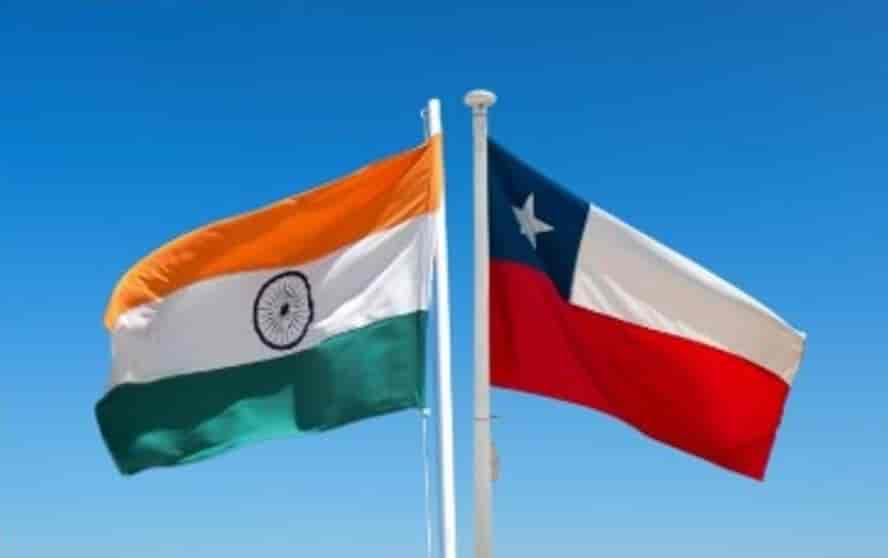
GOVERNMENT India–Chile Trade Deal: Deepening Economic Engagement Between South Asia and South America India and Chile have nurtured a stable and steadily expanding trade relationship over the past two decades, anchored in the India–Chile Preferential Trade Agreement (PTA) and moving toward a more comprehensive economic partnership. The evolving framework of cooperation reflects both countries’ strategic interests in expanding market access, diversifying export baskets, and strengthening bilateral economic integration within a globalised trade environment. Historical Background: From Framework to Preferential Trade The roots of formal trade cooperation between India and Chile date back to the Framework Agreement on Economic Cooperation signed in January 2005, which laid the foundation for deeper commercial ties. Following this, after four rounds of negotiations, the India–Chile Preferential Trade Agreement (PTA) was finalised and signed on March 8, 2006 and came into force in India on September 11, 2007 and in Chile on August 17, 2007. The PTA was subsequently notified to the World Trade Organization (WTO) in January 2009, underlining its legitimacy and integration into global trade rules. Under the original 2006 PTA, both countries agreed to provide fixed tariff preferences on a selected list of goods to encourage bilateral trade. India initially offered tariff concessions ranging from 10% to 50% on 178 tariff lines at the detailed eight-digit product level to Chile, while Chile reciprocated with concessions on 296 tariff lines, some of which carried preferences of up to 100%. Expansion and Current Trade Regime Recognising the need to broaden the agreement’s scope, India and Chile agreed in 2016 to expand the PTA, which came into effect on May 16, 2017, after ratification by both sides. Under the expanded framework: Chile offered preferential duty reductions on 1,798 goods — with margins of preference (MoP) between 30% and 100% — granting Indian exporters enhanced access to the Chilean market. India reciprocated with tariff concessions on 1,031 products at the eight-digit classification level, providing MoPs between 10% and 100% on items ranging from processed foods and raw materials to industrial and manufacturing inputs. The expanded PTA covers sectors such as agriculture and allied goods, chemicals, pharmaceuticals, textiles and apparel, machinery and equipment, processed foods, leather products, and various industrial commodities. This broader coverage has significantly improved market access for Indian businesses and diversified the range of products traded between the two countries. Trade Flows and Economic Significance Chile is one of India’s key trading partners in Latin America, ranking among the top destinations for Indian exports and sources of imports. According to data for the fiscal year 2023–24, bilateral trade between India and Chile reached approximately US$2.45 billion, with India exporting goods worth about US$1.1 billion and importing nearly US$1.35 billion, reflecting a modest trade deficit for India. Chile’s top exports to India include copper ore and concentrates, iodine, lithium compounds, molybdenum ores, and chemicals, while Indian exports to Chile comprise transport equipment, pharmaceuticals, textiles, engineering goods, plastic and leather products, and handicrafts. Trade experts note that the India–Chile trade relationship remains well-balanced compared with other Latin American partners and continues to deepen despite global economic fluctuations. The diversity of export and import baskets illustrates the complementary aspects of both economies, offering opportunities for further expansion. Towards a Comprehensive Economic Partnership While the PTA has provided a stable framework for tariff concessions, policymakers in both countries have recognised that a broader and more robust trade agreement could unlock greater economic potential. To this end, India and Chile have embarked on negotiations for a Comprehensive Economic Partnership Agreement (CEPA), which aims to expand beyond tariff reductions to cover emerging areas of bilateral cooperation. In May 2025, India and Chile signed the Terms of Reference (ToR) for CEPA, signalling their intent to elevate the trade relationship to a full-fledged free trade agreement (FTA). The CEPA negotiations build upon the existing PTA and foresee expanded cooperation in key sectors such as digital services, investment promotion and protection, small and medium enterprises (MSMEs), critical minerals, and broader goods and services trade. The first round of CEPA talks was concluded in May 2025, followed by subsequent negotiation rounds aimed at finalising the agreement text. Both sides have identified that including digital services and critical minerals — particularly Chile’s rich reserves of lithium and copper — could add significant strategic value to the CEPA framework, benefiting sectors such as clean energy, electronics and high-technology industries. Strategic and Geopolitical Dimensions The India–Chile trade engagement is more than a commercial arrangement. Chile is a founding member of the Pacific Alliance, and India is an observer member, positioning the PTA and prospective CEPA as gateways to deeper engagement with broader Latin American markets. Strengthening trade ties with Chile aligns with India’s global economic outreach strategy, which seeks to diversify export markets, attract foreign investment, and secure supply chains for critical resources. For Indian exporters, Chile offers access to a strategically located South American market with strong linkages to other regional economies. For Chile, India presents opportunities in one of the fastest-growing large economies, with demand for products ranging from pharmaceuticals to engineering goods and textiles. Challenges and Future Prospects While the expanded PTA has facilitated greater market access, the trade relationship still faces challenges such as addressing non-tariff barriers, improving logistics integration, and enhancing investment flows. The CEPA negotiations are seen as a necessary next step, aiming to resolve such issues and elevate economic cooperation to a more comprehensive level. Both governments have expressed optimism that a concluded CEPA will not only expand bilateral trade volumes but also attract greater investment in sectors such as information technology, renewable energy, critical minerals, and services, while supporting MSMEs, innovation ecosystems, and job growth in both countries. Conclusion: A Growing Partnership The India–Chile trade deal — rooted in a preferential trade agreement since 2007 and evolving towards a Comprehensive Economic Partnership Agreement — represents a significant chapter in India’s trade diplomacy with Latin America. Through phased tariff concessions, portfolio diversification, and ongoing negotiations to deepen economic cooperation, the two countries are forging a trade relationship
Brazil President Lula in India: A Friendly Visit for Talks on AI, Trade, and More
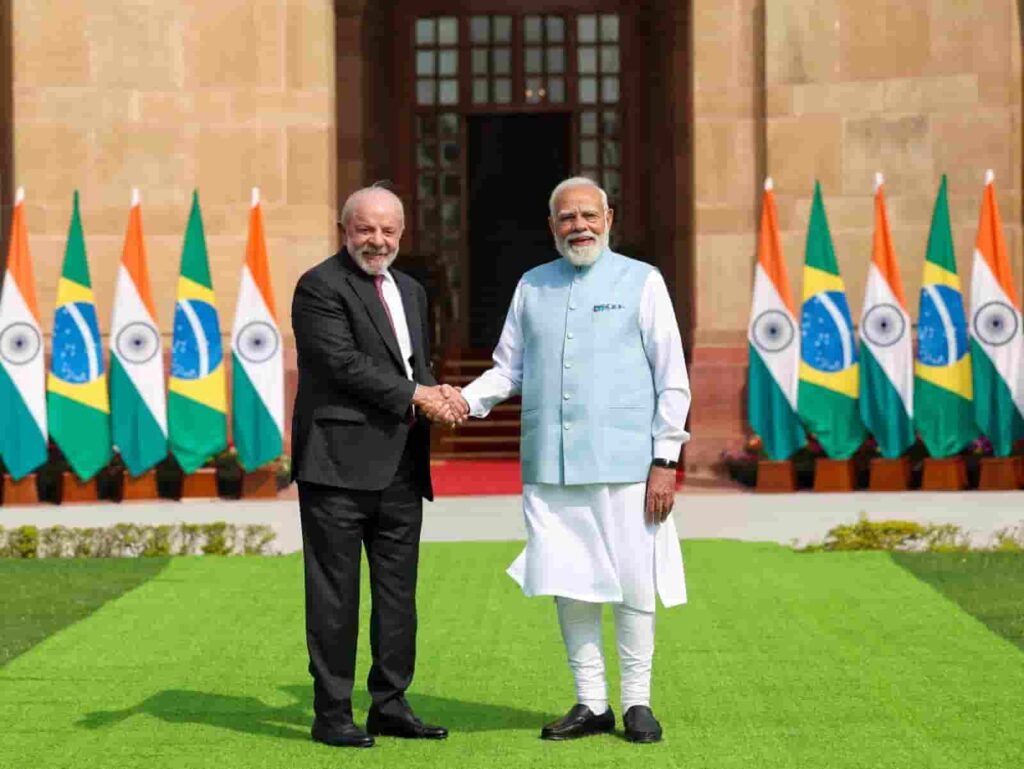
POLITICS Brazil President Lula in India: A Friendly Visit for Talks on AI, Trade, and More Brazil’s President Luiz Inácio Lula da Silva landed in New Delhi on February 18, 2026, for a five-day state visit. He said “Namaste, India!” on social media and shared a video of his warm traditional welcome. This is his sixth trip to India, invited by Prime Minister Narendra Modi. Lula will stay until February 22. The visit focuses on stronger ties between the two countries, with key events like the AI Impact Summit and meetings with top Indian leaders. Lula got a nice welcome at the airport from Minister of State for External Affairs Pabitra Margherita. He is here with about 14 ministers and many top CEOs from Brazilian companies. They will meet Indian leaders and join a Business Forum to talk business. India and Brazil already trade a lot, $15 billion in 2025. Brazil is India’s biggest trade partner in Latin America. What Will Happen During the Visit The visit has a full schedule. On February 19-20, Lula will join the 2nd AI Impact Summit. This event brings leaders together to discuss how AI can help countries grow fairly. India and Brazil both care about smartly using tech. President Droupadi Murmu will meet Lula and host a banquet for him. Vice President C.P. Radhakrishnan and External Affairs Minister S. Jaishankar will also call on him. The big meeting is on February 21. Prime Minister Modi will sit down with Lula to review all parts of their relationship. They will talk about trade, defense, energy, farming, health, and new areas like AI and space. Modi will host lunch for Lula. The leaders will also share ideas on world issues like UN changes, climate change, terrorism, and problems facing the Global South. Strong Ties Between India and Brazil India and Brazil have been close friends since 1948. They became Strategic Partners in 2006. Both are big democracies with shared values. They work together in BRICS, where India is the chair right now. Trade is growing fast. Brazil sells things like soybeans and oil to India. India sends pharma, chemicals, and auto parts to Brazil. They cooperate in defense, green energy, critical minerals for batteries, and Digital Public Infrastructure, like India’s UPI. Both push for UN reforms and fight climate change. Lula first came to India in 2004 as a Republic Day guest. He was here last for the G20 in 2023. Modi visited Brazil in July 2025, the first Indian PM’s state visit there in 57 years. They met again at the G20 in November 2025. Why This Visit Matters This trip will help both countries plan. Business leaders want more deals in trade and investment. Ministers will talk on energy, health, and tech. The CEOs’ forum shows how companies from both sides see big chances. Lula said the visit is about “strengthening ties, deepening partnerships, and discussing AI’s future.” For India, it boosts the BRICS and the Global South work. Brazil gets a stronger link to Asia’s top economy. People-to-people links are good too, yoga in Brazil, Brazilian culture in India. Both leaders want more cooperation on big world problems.
Mumbai Hits Play: India’s First Musical Road Belts Out ‘Jai Ho’ – Your Drive Just Got an Oscar-Worthy Soundtrack!
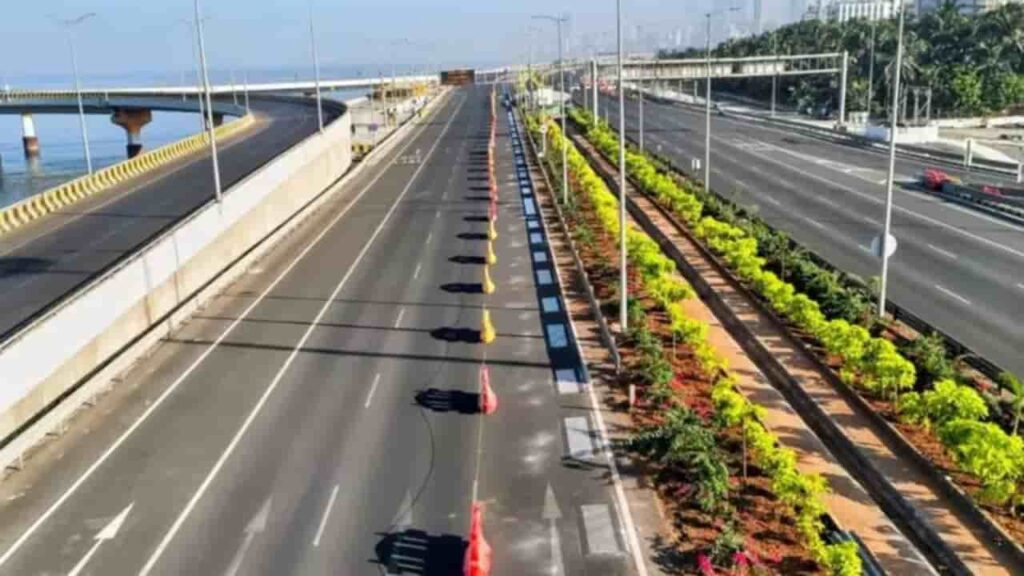
SCIENCE Mumbai Hits Play: India’s First Musical Road Belts Out ‘Jai Ho’ – Your Drive Just Got an Oscar-Worthy Soundtrack! Picture this: You’re cruising out of Mumbai’s swanky Coastal Road tunnel, windows up, AC humming, when suddenly… thrum-thrum-TA-DA! A.R. Rahman’s Oscar-winning Jai Ho explodes from your tires. No speakers, no playlist – just pure road magic! On February 11, 2026, the Brihanmumbai Municipal Corporation (BMC) flipped the switch on India’s first musical road, a 500-meter groove-fest on the northbound stretch from Nariman Point to Worli. Maharashtra CM Devendra Fadnavis and Deputy CM Eknath Shinde cut the ribbon, but let’s be real – the real stars are the rumble strips stealing the show. A ₹7.5 crore stretch of asphalt grooves that’s got drivers ditching Spotify for tire-tarmac tunes. Is it gimmick, genius, or both? Let’s dive deep into the beats, tech, trivia, and tips that make this road India’s freshest jam. How This Asphalt Symphony Works Forget pothole symphonies of despair. This ₹7.5 crore wonder uses Hungarian-engineered rumble strips, think tiny grooves laser-cut into the asphalt at ninja-level precision. Hit 60-80 kmph (that’s your sweet spot, speed demons), and your tires “strum” the road like guitar strings. Vibrations bounce inside your car (hello, natural resonator!), birthing Jai Ho’s triumphant beats. Too slow? Silence. Too fast? Chaos. Just right? You’re Slumdog Millionaire’s dancing hero. Signboards scream warnings 500m, 100m, and 60m ahead (even in the tunnel): “Slow to 70-80 kmph for Jai Ho!” – BMC’s sneaky genius for safer speeds. Pro tip: Early mornings or late evenings = lighter traffic, clearer tunes. Windows up? Still slaps. Not Just Gimmick – A Global Groove Gang Mumbai joins an elite club: Japan kicked it off in 2007 (Asphaltophone vibes from Denmark’s 1990s artists), with Hungary, South Korea, UAE, USA, China, and more grooving along. Mumbai’s twist? Oscar swagger via Rahman. “It’s engineering meets entertainment,” BMC boasts, and honestly, who wouldn’t merge lanes for melody? Why You’ll Ditch Spotify for This Stretch Bucket-List Drive: Northbound only, post-tunnel joyride – perfect Instagram reel fodder (tag your co-pilot’s jaw-drop). Safety Sneak: Tunes tempt ideal speeds, cutting rash-driving blues. Mumbai Flex: Coastal Road’s tunnel-to-sea views + free concert? Peak city swagger.Fun fact: Sound stays inside your vehicle – no blaring for neighbors. Celebs, your move – Virat, Deepika, ready for a Jai Ho cruise? Next time you’re Mumbai-bound, skip the aux cord. Let the road sing. Jai Ho indeed – India’s drive game just leveled up! The Magic Under the Tires: How Rumble Strips Remix Rahman No speakers, no speakers, just pure physics playing DJ. Picture rumble strips on steroids: Precisely engineered grooves (depths and spacings calculated to millimeter perfection) etched into the asphalt divider-adjacent lane. Cruise at the “Goldilocks speed” of 60-80 kmph (BMC’s sweet spot: 70kmph for crystal-clear Jai Ho), and your tires “strum” the ridges like a sitar. Friction sparks vibrations that resonate through your chassis, your car becomes a natural echo chamber, birthing sound waves tuned to Rahman’s triumphant melody. Science Breakdown: Narrower grooves = higher pitches (that TA-DA! hook); wider ones rumble low bass. Speed too low? Muted hum. Zoom past 80? Cacophony. Windows up? Still slaps – sound’s trapped inside for your private gig. Safety Symphony: BMC’s ulterior motive? Nudge safe speeds on the high-speed Coastal Road. Signage screams from 500m, 100m, and 60m ahead (tunnel inklings too): “Maintain 70-80 kmph for Jai Ho!” It’s behavioral engineering disguised as fun – fewer accidents, one catchy chorus at a time. Cost & Specs: ₹7.5 crore for 500m of melodic mastery. Northbound only (Breach Candy exit vibes), audible solely in-vehicle, no neighborhood noise wars. Early birds report goosebumps: “Felt like Rahman remixed my engine!” quips a tester. Rainy days? Tunes hold (grooves drain fast). Pro drive hack: Early mornings/late evenings = traffic-light serenades. Mumbai Joins the Global Groove Parade: Musical Roads Around the World India’s debut steals from a quirky international playlist. Japan pioneered in 2007 (Honda’s Fukuoka “Melody Road” played anime OSTs), sparking a wave: Hungary: Tech blueprint here – traffic-calming tunes (Mumbai adapted theirs). South Korea/UAE: K-pop/Arabic hits for highways. USA/China/Iran/Russia/Turkey: From California’s “Honda Sounds” to Tehran’s Persian pops. Roots trace to Denmark’s 1990s Asphaltophone, artists Steen Krarup Jensen and Jakob Freud-Magnus vibing pavement poetry. Mumbai elevates: Jai Ho’s global Oscar cred (2009 Best Original Song) nods Bollywood’s soft power. Fun global nugget: Japan’s roads “sing” only at exact speeds, stray, and it’s static city! Why Mumbai? Coastal Road’s Perfect Stage This isn’t random tarmac, it’s the poster child for BMC’s infrastructure glow-up. The Coastal Road (Nariman Point-Worli sea-link shortcut) slashes commute hell, dodging Marine Drive snarls. Post-tunnel emergence? Epic: Arabian Sea sunsets + surprise soundtrack = Insta-gold. BMC’s vision: Blend utility (speed enforcement) with wow-factor (tourist trap). Travel buffs: Hit lighter hours – dawn cruises amplify sea breeze + Jai Ho euphoria. Beyond the Buzz: Real Impact and Reader Roadmap Celeb Bait?: Expect Bollywood cameos, Coastal Road’s elite lane screams influencer flex. Eco Angle: Grooves sip minimal asphalt; no lights/power draw. Expansion Tease: BMC eyes more stretches – patriotic anthems next? Your Play-by-Play Guide: Enter Northbound: Nariman Point → Worli tunnel. Spot Signs: Gear down to 60-80 kmph. Exit Tunnel: Jai Ho drops – film it (safely!). Best Time: 6-9 AM/7-10 PM – queue-free vibes. Pit Stops: Worli Sea Face for post-tune selfies. Critics yawn “gimmick,” but riders rave: “Engineering poetry!” In a pothole-plagued nation, Mumbai’s dropping beats, not bombs. Next time you’re Mumbai-bound, skip the aux cord. Let the road sing. Jai Ho indeed – India’s drive game just leveled up!
Government Announces 7 New Bullet Train Corridors in India: A Transformative Push for High-Speed Connectivity

GOVERNMENT Government Announces 7 New Bullet Train Corridors in India: A Transformative Push for High-Speed Connectivity In a landmark expansion of India’s rail infrastructure, the Government of India has announced the development of seven new high-speed rail corridors — popularly referred to as bullet train routes — as part of the Union Budget 2026–27. The ambitious initiative aims to transform inter-city travel by significantly reducing travel times, boosting economic growth and enhancing connectivity between major urban and economic hubs across the country. Announcement and Policy Context Union Finance Minister Nirmala Sitharaman unveiled the corridors during her Budget 2026–27 speech in Parliament, categorising them as “growth connectors” that will promote environmentally sustainable passenger transport systems across India’s rail network. These high-speed corridors complement the Mumbai–Ahmedabad High-Speed Rail Corridor (MAHSR) — India’s first bullet train project — and build on the government’s broader infrastructure and mobility agenda. Railway Minister Ashwini Vaishnaw has confirmed that detailed preparations are underway, with Detailed Project Reports (DPRs) being finalized and pre-construction activities initiated through the National High Speed Rail Corporation Limited (NHSRCL). The government is focused on fast-tracking implementation and standardising high-speed rail system development nationwide. Proposed Bullet Train Corridors: Routes and Connectivity The announcement includes seven high-speed rail corridors that will link key cities and regions across India. These corridors are expected to span nearly 4,000 km and strategically connect major economic, industrial and cultural centres. The routes identified are: Mumbai–Pune High-Speed Rail Corridor — strengthening connectivity within Maharashtra’s economic belt. Pune–Hyderabad High-Speed Rail Corridor — linking western and southern economic hubs. Hyderabad–Bengaluru High-Speed Rail Corridor — a major southern technology and industry link. Hyderabad–Chennai High-Speed Rail Corridor — connecting southern metros with coastal economic zones. Chennai–Bengaluru High-Speed Rail Corridor — improving travel between two major southern cities. Delhi–Varanasi High-Speed Rail Corridor — enhancing northern connectivity with Uttar Pradesh’s cultural capital. Varanasi–Siliguri High-Speed Rail Corridor — extending high-speed reach toward eastern India and gateway regions. Collectively, these corridors aim to connect financial hubs, technology clusters, manufacturing centres and emerging cities with modern high-speed rail infrastructure. Strategic Goals and Economic Rationale Government officials have described the new corridors as not just transport projects but growth engines that will: Reduce travel times drastically between key city pairs (for example, a bullet train between Mumbai and Pune could reduce travel to under an hour), enhancing convenience and productivity. Stimulate regional economic development by creating linked urban-industrial corridors that attract investment, tourism and job creation. Support environmental sustainability by offering cleaner and more energy-efficient alternatives to road and air travel. Drive technology and manufacturing growth by enabling high-speed rail ecosystem development, including engineering, signalling, rolling stock and systems integration. Union Minister Ashwini Vaishnaw has emphasised that the initiative will contribute toward India becoming 100 per cent self-reliant (Atmanirbhar) in high-speed rail technologies, with a focus on leveraging indigenous manufacturing and innovation wherever feasible. Implementation and Timeline While the Mumbai–Ahmedabad corridor is already under construction and expected to begin phased operations starting 2027 for the Surat–Bilimora section and full completion by 2029, the new seven corridors are in the pre-construction and planning stage. Officials have indicated that preparation of DPRs, alignment finalisation, land acquisition and contract documentation will be prioritised over the coming months, with work expected to begin once these foundational studies are complete. Dedicated field teams for each corridor will support expedited project execution. Broader Impact on Indian Railways and Mobility The seven new bullet train corridors represent a shift toward world-class rail mobility in India, aligning with global best practices in high-speed transportation. Once operational, these corridors are expected to: Enhance national connectivity across key economic belts in the west, south, north and east. Reduce congestion on existing air and road networks by providing faster, reliable alternatives. Boost tourism by enabling easy access to major cultural and heritage destinations. Encourage urban transformation through transit-oriented development along high-speed rail alignments. Looking Ahead: A New Era of Rail Travel The announcement of seven additional bullet train corridors marks a transformational phase for Indian Railways, moving the nation closer to a widespread high-speed rail network that complements existing infrastructure and accelerates economic integration. By linking metropolitan centres and regional hubs with modern, efficient rail travel, the government aims to redefine mobility in India and position the country as a global leader in high-speed rail development. Summary of the New Bullet Train Corridors Route Region Strategic Role Mumbai–Pune West Economic mobility in Maharashtra Pune–Hyderabad West–South Industrial and technology linkage Hyderabad–Bengaluru South Connects major IT & innovation hubs Hyderabad–Chennai South Coastal economic corridor Chennai–Bengaluru South Southern metro connectivity Delhi–Varanasi North Links capital with cultural heartland Varanasi–Siliguri North–East Gateway to eastern region
India AI Impact Summit 2026: Detailed Agenda for Global AI Action in New Delhi
EVENTS India AI Impact Summit 2026: Detailed Agenda for Global AI Action in New Delhi New Delhi, February 9, 2026 – India gears up for the India AI Impact Summit 2026, set for February 16-20 at Bharat Mandapam, Pragati Maidan, New Delhi, the primary venue for the India AI Impact Summit 2026, which will host the main events on February 19-20. Hosted by the Ministry of Electronics and Information Technology (MeitY), this first Global South edition, billed by Union Minister Ashwini Vaishnaw as the “largest yet,” transitions AI discourse from vision to verifiable impact under the “Three Sutras”: People, Planet, and Progress. Some sources mention a broader program across February 16-20, potentially using additional Delhi venues like Sushma Swaraj Bhawan for side events, sessions, or exhibitions. Bharat Mandapam, one of India’s largest convention centers, was upgraded by NDMC for this flagship gathering. Chief Guests and Stellar Lineup Prime Minister Narendra Modi serves as the Chief Guest, inaugurating on February 16 with a keynote and hosting a leaders’ dinner. Expected heads of government include representatives from Singapore, the UAE, and Brazil (15-20 total), plus 50+ ministers. Key speakers feature Google’s Sundar Pichai, Anthropic’s Dario Amodei, Microsoft’s Satya Nadella, and Indian luminaries like Nandan Nilekani (Infosys co-founder) and Ola’s Bhavish Aggarwal. Over 40 CEOs from Reliance, TCS, and global firms join, along with a Chinese delegation, signaling a thaw in collaboration. Event Schedule and Dialogues Feb 16: Inauguration, Modi address, CEO roundtable. Feb 17-18: Plenary sessions and seven “Chakras” (working groups) on core topics. Feb 19: Startup showcase (500+ ventures), AI model launches, bilateral dialogues. Feb 20: Closing with actionable declarations. Expect 500+ parallel sessions, hackathons, and exhibitions. Dialogues include G20-style tracks on AI ethics, public-private partnerships, and Global South priorities. Participating Governments in India AI Impact Summit 2026 The summit, hosted by India’s Ministry of Electronics and Information Technology (MeitY) under the IndiaAI Mission, expects involvement from over 100 countries. Key highlights: High-Level Representation: 15-20 heads of government and 50+ ministers confirmed, including from Singapore, UAE, Brazil, and others. China: Delegation attending after India’s formal invitation, signaling AI collaboration. Preceding Hosts: Builds on summits by UK (2023 Bletchley), South Korea (2024 Seoul), France (2025 Paris). Collaborators: NITI Aayog (India’s policy think tank), state governments like Uttarakhand (pre-summit host), and international bodies (ITU, World Economic Forum). Global Engagement: Multinational working groups across Chakras, with US, UK, EU, and ASEAN nations active in prep consultations. Key Topics and Seven Chakras The India AI Impact Summit 2026 is structured around three foundational “Sutras” (People, Planet, Progress) that guide its discussions, with seven interconnected “Chakras” (working groups) translating these into specific, actionable themes. Core Sutras People: Focuses on human-centric AI, including safeguarding rights, enhancing access to services (e.g., healthcare, education), building user trust, workforce reskilling amid job impacts, and ensuring equitable benefits across societies. Planet: Addresses sustainable AI deployment, such as energy-efficient models, responsible resource use (e.g., reducing GPU/data center power demands), and AI applications for climate action, environmental monitoring, and resilience. Progress: Emphasizes inclusive innovation, capacity-building, productivity gains in sectors like agriculture and manufacturing, economic growth, and bridging the AI divide for the Global South. Seven Chakras (Key Discussion Topics)These working groups, involving 100+ countries, cover: AI governance and ethical frameworks. Trust and safety protocols for AI models (e.g., bias mitigation, transparency). AI’s impact on work and future jobs. Sector-specific applications (healthcare, agriculture, industry). Innovation and scalable solutions. Sustainability and environmental integration. Equitable access, inclusion, and development outcomes. Sessions will also spotlight IndiaAI Mission launches, startup innovations, and global standards, prioritizing “on-ground” results over regulations. What to Expect in India AI Summit? MeitY leads with partners like NITI Aayog, NASSCOM, World Economic Forum, and ITU. Corporate backers include Google, Microsoft, NVIDIA (GPU focus), and Indian firms like Tata and Adani (data centers). Governments from US, UK, EU, and ASEAN collaborate. Attendees (10,000+), policymakers, researchers, startups, NGOs, can expect networking zones, live demos (e.g., edge AI), policy labs, and a “Global AI Talent Fair.” Launches include indigenous foundational models under the Rs 10,370 crore IndiaAI Mission. India’s Strategic Push Amid Hurdles Echoing Bletchley (2023), Seoul (2024), and Paris (2025), India’s summit prioritizes “on-ground” wins for 1.4 billion people, as per Secretary S. Krishnan. AI could add $500B to GDP (NASSCOM), but challenges like GPU imports persist—eased by US trade deals and data center tax holidays to 2047. Budget 2026-27 tweaks fund nuclear-powered AI infra, as Vaishnaw eyes energy self-reliance. Vaishnaw hailed “phenomenal” global buy-in, with NDMC upgrading venues. Beyond talks, expect MoUs on compute sharing, talent visas, and sustainable AI pacts, positioning India as an AI diplomacy hub. This summit promises not just dialogue, but deliverables: inclusive, green AI for humanity’s progress. Video credit: YT@/Digital India
Amrit Udyan 2026 Opens: Rashtrapati Bhavan’s Floral Paradise Welcomes Visitors from February 3

GOVERNMENT Amrit Udyan 2026 Opens: Rashtrapati Bhavan’s Floral Paradise Welcomes Visitors from February 3 New Delhi, February 9, 2026 – President Droupadi Murmu inaugurated the Winter Annuals Edition of Amrit Udyan on February 1, throwing open the gates of Rashtrapati Bhavan’s iconic 15-acre gardens to the public from February 3 to March 31. Renamed from the historic Mughal Gardens, this “soul of Rashtrapati Bhavan” promises a breathtaking display of 85 flower species, including 145 rose varieties like ‘Bheem’, ‘Arjun’, and ‘Mother Teresa’, alongside tulips, the cascading Babbling Brook, and new reflexology paths in the Banyan Garden. Spanning East Lawn, Central Lawn, Long Garden, and Circular Garden, enhanced by additions like Herbal Garden, Tactile Garden, Bonsai Garden, and Arogya Vanam during Presidents APJ Abdul Kalam and Ram Nath Kovind’s tenures, Amrit Udyan blends Mughal symmetry with modern horticultural innovation. This year’s highlights include the landscaped Banyan Garden and a serene water stream, offering therapeutic walks amid nature’s splendor. Visitor Essentials: Timings, Booking, and Access Open Tuesday to Sunday, 10:00 AM to 6:00 PM (last entry 5:00-5:15 PM), the gardens close Mondays for maintenance and on March 4 for Holi. Entry is free, but mandatory online booking via https://visit.rashtrapatibhavan.gov.in/ ensures smooth access, with no on-the-spot registrations. Slots (hourly from 10 AM-4 PM) book up to six people per ticket and close at 10 AM the previous day; planning is advised. Entry/Exit: Gate No. 35, President’s Estate (near North Avenue). Shuttle buses run every 30 minutes from Central Secretariat Metro Station (9:30 AM-6:00 PM, last from the metro at 4:00 PM), marked “Shuttle Service for Amrit Udyan”. The self-guided route: Bal Vatika → Plumeria Garden → Banyan Garden → Bonsai Garden → Babbling Brook → Central Lawn → Long Garden → Circular Garden. Permitted items include mobiles, keys, purses, water bottles, baby milk bottles, and umbrellas. On-site amenities: drinking water, restrooms, and first aid. Special Access Days for Inclusivity March 3: Defence Personnel March 5: Senior Citizens March 10: Women and Tribal Women’s SHGs March 13: Divyangjan (persons with disabilities) Main Gardens in Amrit Udyan Amrit Udyan (formerly Mughal Gardens) at Rashtrapati Bhavan spans 15 acres with these core sections, enhanced over time: Central Lawn: Vast manicured expanse, central to the layout. Long Garden: Elongated walled stretch with water channels, roses, and bougainvillea. Circular Garden (Pearl/Sunken/Butterfly Garden): Amphitheater-style with ringed flower beds (stock, phlox, pansies, marigolds), lotus pond, bubble fountain, and nearby apiary. East Lawn: Original formal section with lotus fountains and stepped geometry. Bal Vatika: Children’s garden featuring a 225-year-old Sheesham tree, treehouse, and nature classroom. Bonsai Garden: Collection of miniature trees (some 80+ years old). Banyan Garden: Landscaped with reflexology paths. Plumeria Garden: Fragrant flowering section. Herbal Garden / Arogya Vanam: Medicinal plants and herbs. Tactile/Sensory Garden: Textured plants for touch. Musical Garden: Fountains synced to music. Spiritual Garden: Serene herbs from ancient texts. Visitor Route (self-guided): Bal Vatika → Plumeria → Banyan → Bonsai → Babbling Brook → Central Lawn → Long Garden → Circular Garden. Key Flowers (2026 Highlights)85 species total, with 145 rose varieties like ‘Bheem’, ‘Arjun’, and ‘Mother Teresa’. Seasonal stars: tulips, daffodils, Asiatic/Oriental lilies, calendula, viola, alyssum, marigolds, phlox, pansies, stock, lotus. Musical Garden in Amrit Udyan: Unique Features The Musical Garden at Rashtrapati Bhavan’s Amrit Udyan stands out for its innovative fusion of music, science, and nature. Key Unique Elements: Inaugurated in 2006 by President APJ Abdul Kalam, transforming a former nursery into a high-tech sensory space. Dancing Fountains: Three large water fountains showcase digital electronics, electromagnetism, hydrodynamics, and hydrostatics, synchronized perfectly with music via computerized controllers. Tunes and Lights: Plays classical Indian instruments (shehnai, veena) and patriotic songs like Vande Mataram, with colorful lights shifting from white to red for a magical effect. Surroundings: Nestled amid tennis courts, biodiversity park, Bonsai Garden, and Herbal Garden; often frequented by peacocks, adding natural liveliness. Interactive Science: Exemplifies “human creativity through contact between music and science,” breaking the gardens’ tranquility with rhythmic water shows. Beyond the Gardens: Full Rashtrapati Bhavan Experience Pair your visit with Rashtrapati Bhavan tours, the Museum, or Saturday’s Change-of-Guard Ceremony (Forecourt). Combine tickets for a full day exploring India’s presidential heritage. Amrit Udyan isn’t just flora, it’s a living testament to India’s gardening legacy, drawing lakhs annually. Deputy Press Secretary Navika Gupta and garden in-charge Avneesh Banswal highlighted this season’s vibrant blooms during media previews, urging families to book early. As Delhi’s winter blooms, don’t miss this free oasis of tranquility amid urban hustle, perfect for photos, picnics, and peace. Video credit: YT@/President of India Video credit: YT@/President of India
DRDO’s GaN Chip Breakthrough: A Strategic Leap in India’s Defence Technology
DEFENCE DRDO’s GaN Chip Breakthrough: A Strategic Leap in India’s Defence Technology India’s Defence Research and Development Organisation (DRDO) has achieved a transformative milestone in defence electronics with the successful development of indigenous Gallium Nitride (GaN) semiconductor chips — a feat that marks a decisive shift in the country’s technological autonomy and strategic capability. This achievement, emerging from years of sustained research and innovation, places India alongside a select group of countries with advanced compound semiconductor capabilities and strengthens its defence industrial base amid evolving global security dynamics. What Are GaN Chips and Why They Matter Gallium Nitride (GaN) chips represent a class of compound semiconductors that outperform traditional silicon-based technologies in power efficiency, thermal tolerance and high-frequency performance. Unlike silicon, GaN can operate at much higher power densities and elevated temperatures, making it ideal for defence systems where reliability under extreme conditions is critical. These characteristics are especially valuable in active electronically scanned array (AESA) radars, missile seekers, electronic warfare systems, communication arrays and surveillance sensors, which demand compact, high-power, high-frequency performance. Experts characterise compound semiconductor technologies like GaN and Silicon Carbide (SiC) as “thoroughbred racehorses” of modern defence electronics — systems that deliver superior range, resolution and signal fidelity in comparison with legacy counterparts. From Technology Denial to Indigenous Mastery The journey toward GaN mastery in India began as a response to foreign technology denial regimes that restricted access to high-end semiconductor technologies during sensitive defence procurements. A notable example occurred during negotiations for the Rafale fighter jet acquisition, when France declined to transfer restricted chip-level technologies under offset requirements. Rather than accept continued dependence, Indian scientists initiated a long-term indigenous development effort led by DRDO labs. Two principal research centres spearheaded this effort: Solid State Physics Laboratory (SSPL), Delhi — focusing on material growth, device physics and compound semiconductor device design. Gallium Arsenide Enabling Technology Centre (GAETEC), Hyderabad — concentrating on compound chip fabrication, testing and integration. By late 2025 and into 2026, DRDO scientists had successfully decoded and implemented GaN technology at the level of monolithic microwave integrated circuits (MMICs) and high-power GaN High Electron Mobility Transistors (HEMTs), a critical achievement for defence electronic systems. Strategic and Operational Implications The GaN breakthrough is not merely a laboratory milestone — it has direct implications for India’s defence preparedness, sensor infrastructure and future combat platforms: Enhanced Radar and AESA Systems: GaN-based radar modules allow systems to transmit and receive much higher power with reduced heat loss, improving detection range, resolution and reliability — vital for surveillance and targeting. Missile Seekers and Electronic Warfare: GaN chips’ high-frequency handling and thermal tolerance make them suitable for compact, resilient radar seekers and EW systems used in both air-to-air and surface-to-air engagements. Communication and Satellite Systems: GaN’s superior power efficiency enhances satellite payloads and communication terminals, especially where size, weight and power constraints are critical. The integration of GaN in defence electronics also supports self-reliance in mission-critical technology, reducing dependency on imports and external suppliers. DRDO leadership has emphasised this capability as a strategic buffer against supply disruptions and export control regimes in times of geopolitical tension. Broader Technological Context GaN development is part of a broader global emphasis on third-generation semiconductor technologies, which include GaN and SiC. These technologies are rapidly shaping defence, telecommunications, electric vehicles, power electronics and 5G infrastructure due to their ability to handle extreme operating conditions and high efficiencies. India’s achievement places it in an elite cohort of nations — including the United States, France, Russia, Germany, South Korea and China — actively pursuing sovereign GaN semiconductor capabilities. Expert Perspectives and Domestic Innovation Ecosystem Officials within DRDO, including Suma Varughese — Director General of Micro Electronic Devices and Computational Systems — have highlighted that GaN chips are not incremental advancements but foundational enablers for next-generation defence systems. These chips allow systems such as AESA radars to deliver significantly greater range and resolution, while electronic warfare setups benefit from enhanced power management and frequency agility. The GaN initiative also bolsters India’s indigenous semiconductor ecosystem, encouraging domestic research institutions, startups and industry partners to participate in high-end chip design and fabrication research. Integration into Defence Platforms While the GaN chips themselves are an achievement, the ongoing work involves incorporating them into operational systems. DRDO’s progress in GaN technology aligns with advancements in long-range radars, missile guidance systems and next-generation avionics, where compound semiconductors enable performance far beyond what silicon technology can offer. Indigenous GaN technology is expected to play a key role in future sensor suites for platforms such as radar networks and upgraded fighter aircraft systems, enhancing India’s air domain awareness and electronic warfare capabilities. Strategic Autonomy and Future Prospects From a strategic standpoint, achieving GaN chip capability is a milestone in India’s pursuit of technological sovereignty. DRDO’s advancements underscore a wider national effort toward self-reliance in defence technology, consistent with the government’s “Aatmanirbhar Bharat” (self-reliant India) vision. Officials estimate that mastering and iterating next-generation semiconductor technologies — including further refinement of GaN and related systems — will be a multi-year endeavour. However, the successful development of indigenous GaN chips demonstrates India’s capacity to innovate at the highest technical levels, insulating its defence industry from external constraint and positioning it for leadership in future electronic warfare technologies. Why This Breakthrough Matters The indigenous GaN chip triumph represents more than a single technical achievement; it embodies a shift in India’s defence technology trajectory — from dependence on foreign suppliers to authentic self-sufficiency in core electronic systems. As warfare becomes increasingly reliant on advanced sensors, radar systems and digital electronics, the mastery of GaN technology equips India with tools essential for next-generation defence capabilities, operational autonomy and strategic deterrence in the evolving security environment.
PM Narendra Modi’s Malaysia Visit: Strengthening Strategic Partnership, Economic Cooperation and Cultural Ties
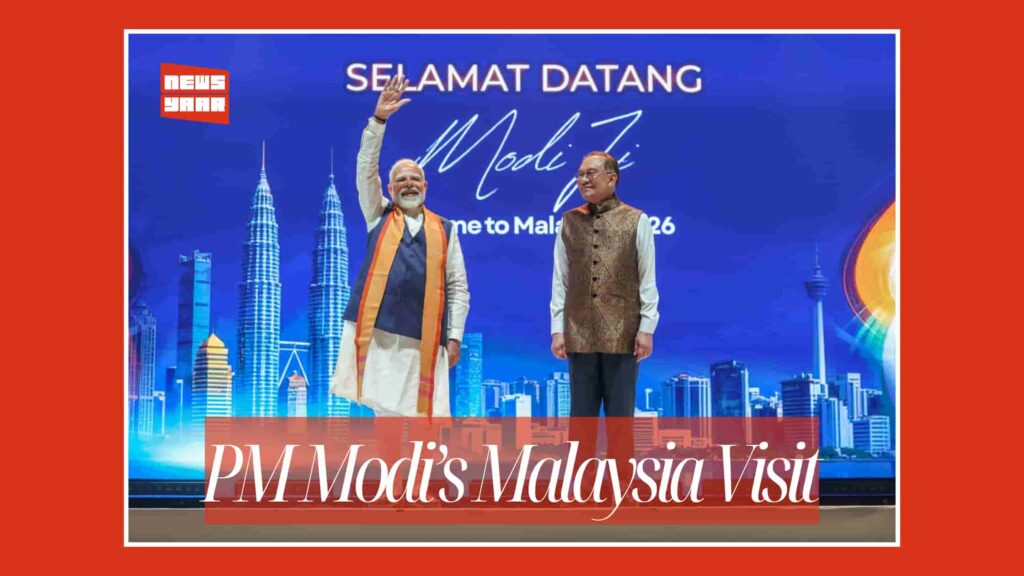
GOVERNMENT PM Narendra Modi’s Malaysia Visit: Strengthening Strategic Partnership, Economic Cooperation and Cultural Ties Prime Minister Narendra Modi concluded a substantive and forward-looking official visit to Malaysia, reinforcing a deepening partnership between the two nations across political, economic, security and cultural spheres. The visit — the first by an Indian Prime Minister to Malaysia in several years — was marked by high-level engagements, the signing of multiple agreements and robust discussions on shared priorities in the Indo-Pacific context, trade expansion, connectivity and people-to-people linkages. The Malaysian leg of PM Modi’s trip underscored New Delhi’s commitment to cultivating regional cooperation in Southeast Asia, building on historical ties rooted in shared democratic values, cultural exchange and economic complementarities. High-Level Bilateral Talks and Strategic Dialogue At the heart of the visit were comprehensive talks between PM Narendra Modi and Malaysian Prime Minister Anwar Ibrahim. The leaders reaffirmed their commitment to elevating the bilateral relationship to a strategic partnership reflective of converging interests in peace, security and prosperity in the region. Discussions focused on a broad agenda, including deeper cooperation in defence and security, counter-terrorism efforts, cyber security collaboration, climate resilience, digital transformation and health systems strengthening. Both leaders emphasised the importance of safeguarding freedom of navigation, upholding international law and advancing regional stability in the face of evolving global challenges. PM Modi and PM Anwar also exchanged views on enhancing cooperation within multilateral frameworks, including the United Nations, ASEAN (Association of Southeast Asian Nations) and the Indian Ocean Rim Association (IORA), highlighting India and Malaysia’s shared interest in promoting a rules-based global order. A Comprehensive Package of Agreements A key highlight of the visit was the signing of six significant bilateral agreements and memoranda of understanding (MoUs), expanding collaboration across strategic sectors: MoU on Economic Partnership – aimed at boosting bilateral trade, investment flows and cooperation in priority sectors such as technology, manufacturing and services. Agreement on Defence Cooperation – providing a framework for joint exercises, training, information sharing and capacity building in defence and security. MoU on Connectivity – facilitating improved air, sea and digital linkages to enhance mobility for business, tourism and cultural exchange. Agreement on Energy Cooperation – focusing on renewable energy collaboration, energy security and technical exchange in clean technologies. MoU on Innovation and Digital Transformation – promoting cooperation in emerging technologies, digital governance and start-up ecosystems. Cultural Exchange Protocol – designed to further deepen people-to-people connections and collaboration in arts, education, language and heritage preservation. These agreements reflect a multi-sectoral expansion of the bilateral agenda, providing a structured roadmap for cooperation in areas critical to growth, innovation and regional integration. Economic Engagement and Trade Promotion Economic cooperation formed a central pillar of the visit. India and Malaysia committed to further strengthening trade relations, which have grown steadily over the past decade. Both sides resolved to work toward removing structural bottlenecks, diversifying trade baskets and enhancing business connectivity. PM Modi highlighted India’s interest in attracting greater Malaysian investment in sectors such as infrastructure, semiconductors, digital technologies and renewable energy. Similarly, Malaysia expressed its intent to expand investment in India’s manufacturing and services sectors. Both leaders also discussed operationalising joint initiatives to support micro, small and medium enterprises (MSMEs), harnessing complementarities between India’s growing innovation ecosystem and Malaysia’s advanced industrial base. Shared Values and Cultural Linkages A particularly resonant aspect of the visit was the emphasis on shared cultural heritage. PM Modi and PM Anwar reflected on the longstanding historical connections between India and Malaysia, rooted in centuries of trade, migration and cultural exchange. In a visible celebration of this shared legacy, PM Modi spoke warmly about India and Malaysia’s mutual affection for Tamil culture, which has enduring influence in both societies — in language, literature, arts and performance traditions. Recognition of these cultural affinities served as a reminder that the bilateral partnership extends beyond geo-political imperatives to deep human and historical bonds. Diaspora and People-to-People Bonds The Indian diaspora in Malaysia, one of the largest overseas Indian communities, was an explicit focus of PM Modi’s engagements. The Prime Minister interacted with diaspora representatives, acknowledging their contributions to Malaysia’s economic and social fabric while affirming India’s continued commitment to their welfare and aspirations. Both sides agreed to enhance cooperation in education, skill development, cultural exchange programmes and youth engagement to encourage future generations to build meaningful cross-border linkages. Defence, Security and Regional Cooperation Defence cooperation discussions highlighted shared concerns regarding emerging security challenges in the Indo-Pacific. Both India and Malaysia reaffirmed their commitment to enhancing interoperability through joint training, maritime exercises and information exchange mechanisms. In addition, the leaders discussed counter-terrorism cooperation, focusing on intelligence sharing, capacity building and collaborative frameworks to prevent radicalisation, cyber threats and transnational criminal activities. Climate Action and Sustainable Development In line with global climate imperatives, the visit also spotlighted cooperation on climate resilience and sustainable development. India and Malaysia reiterated their commitment to implementing the Paris Agreement goals and enhancing collaboration in renewable energy, sustainable urbanisation, water management and disaster response mechanisms. Both nations agreed to share best practices in technology deployment for climate mitigation and adaptation, recognising the shared vulnerabilities of the Asian region to climate change impacts. Joint Statement and Forward Agenda In the joint statement issued at the conclusion of the visit, India and Malaysia articulated a shared vision for a robust, equitable and forward-looking partnership. The statement highlighted mutual respect for sovereignty, adherence to international law, and cooperation in multilateral platforms. Both countries resolved to pursue deeper engagement through structured policy dialogues, frequent exchanges at ministerial and working group levels and proactive collaboration in regional and global forums. Media, Public Reception and Global Attention PM Modi’s visit received widespread media coverage in both India and Malaysia, with detailed reporting on bilateral talks, public events and ceremonial functions. Analysts from strategic affairs institutes and media houses underscored the visit’s