


HAL, Russia’s UAC to Manufacture SJ 100 Regional Jet in India: A Major Leap for Civil Aviation

Hindustan Aeronautics Limited (HAL) has entered into a strategic aviation partnership with Russia’s United Aircraft Corporation (UAC) to manufacture the SJ 100 regional jet in India, marking a significant expansion of HAL’s footprint into the civil aviation sector. The move was announced on the sidelines of the Wings India 2026 aviation exhibition held at Begumpet Airport in Hyderabad, where the collaboration was formally unveiled amid industry attention. The pact — which builds on a Memorandum of Understanding (MoU) signed on October 28, 2025, in Moscow — provides HAL with a licence to produce the twin-engine SJ 100 commercial aircraft in India for domestic customers, including local assembly, component manufacturing and maintenance support, alongside technical and consulting assistance from UAC. What Is the SJ 100 and Why It Matters The Yakovlev SJ 100 (often referred to as Sukhoi Superjet 100) is a twin-engine, narrow-body regional passenger jet designed to seat between 87 and 108 passengers, with a range of around 3,000 km, tailored for short- to mid-distance routes. The aircraft is already in service with airlines in Russia and abroad, with over 200 units produced and operated by multiple carriers. The SJ 100 is capable of operating from smaller airports and shorter runways, making it particularly suitable for India’s expanding regional network under initiatives such as the UDAN (Ude Desh ka Aam Naagrik) scheme, which aims to improve connectivity to underserved and tier-2/tier-3 cities. Strategic Shift for HAL HAL — traditionally focused on military aerospace manufacturing (including fighters, trainers and helicopters) — is now actively diversifying into civil aviation manufacturing. Civil platforms currently contribute only about 4–5 per cent of HAL’s revenue. The SJ 100 partnership is a cornerstone of HAL’s strategy to increase this share to about 25 per cent over the next decade, according to HAL Chairman and Managing Director D.K. Sunil. Sunil explained at Wings India 2026 that HAL plans a phased approach to aircraft introduction. Initially, HAL aims to lease about 10–20 fully assembled SJ 100 aircraft from Russia to Indian operators to familiarise them with the aircraft and validate performance and support infrastructure under Indian operating conditions. Timeline and ‘Make in India’ Ambition The partnership foresees several key stages: Short term (next 18 months): Leasing of fully built SJ 100 jets to Indian operators. Medium term (around three years): Commencement of semi-knocked-down (SKD) assembly in India, utilising HAL’s existing facilities at locations such as Nashik and Kanpur. Long term (by late decade): Full domestic manufacture capability with enhanced localisation and “Make in India” content, aligning with national goals of reduced import dependence and broader industrial development. This would mark the first time since the production of the AVRO HS-748 ended in 1988 that a complete passenger aircraft will be manufactured in India, making it a milestone for the country’s civil aviation manufacturing base. Broader Industry and Policy Context The HAL-UAC collaboration highlights deeper Indo-Russian aerospace cooperation, historically rooted in military aircraft production, now extending to civil aircraft. It also dovetails with government measures designed to attract and scale aircraft manufacturing in India. The Union Budget 2026 removed basic customs duty on aircraft components, significantly lowering the cost of establishing manufacturing lines for regional aircraft such as the SJ 100, potentially boosting both HAL’s and other manufacturers’ plans in the civil aviation domain. Industry observers note that HAL’s entry into regional jet production addresses a long-recognized gap in India’s aviation ecosystem: the absence of indigenous passenger aircraft manufacturing. India is among the world’s fastest-growing domestic aviation markets, with demand for short- to medium-haul aircraft projected to remain strong over the next decade. Local assembly and production of the SJ 100 could help airlines bridge capacity needs more cost-effectively while supporting domestic aerospace supply chains. Technology, Certification and Future Prospects Under the agreement, HAL will assist UAC in gaining type certification for the SJ 100 in India, a critical step before domestically produced jets can enter commercial service. In exchange, HAL obtains manufacturing rights and support for establishing production infrastructure, quality control systems, and maintenance ecosystems. Experts see this collaboration as a key step toward building India’s aircraft manufacturing competencies. While HAL’s primary strength has been in defence platforms, working with UAC on a complex regional jet programme is expected to transfer valuable design, production, certification and lifecycle support expertise. Officials and industry executives involved in the pact have described the arrangement as mutually beneficial: it enhances HAL’s capabilities and helps Russia sustain civilian aircraft exports in the face of geopolitical and sanction-related challenges, while opening a new avenue for aerospace collaboration between the two countries. What This Means for Passengers and Airlines If the phased plan succeeds, airlines operating within India could have access to the SJ 100 as an alternative to turboprops and larger narrow-body jets for regional routes. The regional jet segment (90–100 seats) is seen as crucial for balancing operational economics with demand on short-haul sectors, particularly under government connectivity programmes. Leasing a small fleet in the initial phase also allows airlines and HAL to build operational familiarity with the SJ 100 without requiring immediate large capital commitments, potentially encouraging broader adoption in India’s growing domestic market. Conclusion HAL’s partnership with Russia’s United Aircraft Corporation to manufacture the SJ 100 regional jet in India represents a significant step in diversifying India’s aviation industry and strengthening its manufacturing base. By combining Russian aerospace experience with HAL’s production capabilities and India’s burgeoning aviation market, the collaboration aims to deliver regional aircraft solutions tailored to national connectivity needs while advancing the government’s Make in India and civil aerospace ambitions.
Doomsday Clock Explained: Why Humanity Remains 90 Seconds from Midnight
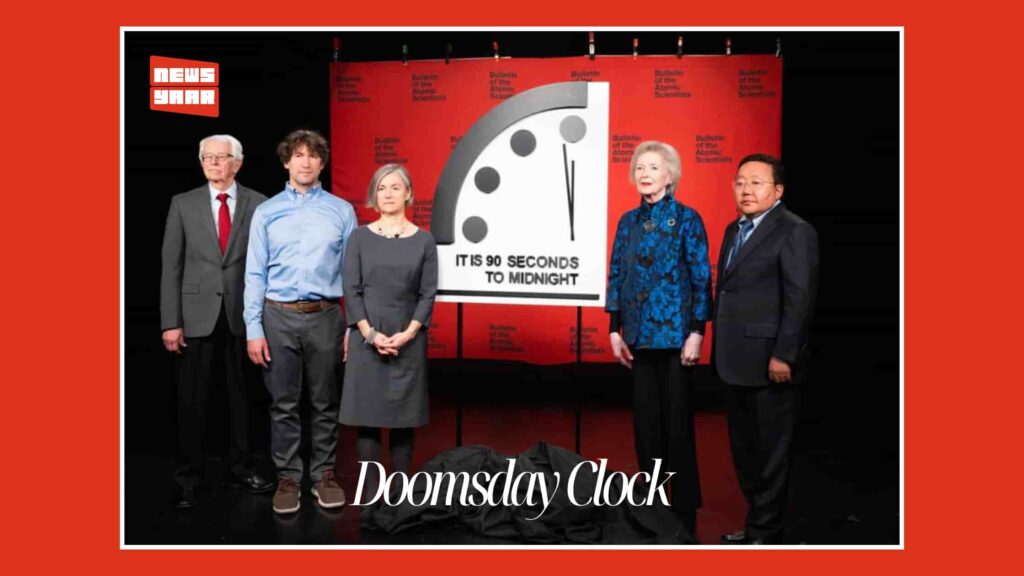
The Doomsday Clock, a symbolic measure of humanity’s proximity to global catastrophe, remains set at 90 seconds to midnight, the closest it has ever been to the point representing irreversible disaster. Maintained by the Bulletin of the Atomic Scientists, the clock reflects the collective judgement of leading scientists, security experts and Nobel laureates on the state of existential threats facing the world.First unveiled in 1947, the Doomsday Clock was conceived by scientists who had worked on the Manhattan Project and later became deeply concerned about the consequences of nuclear weapons. What began as a warning about atomic warfare has since evolved into a broader indicator that incorporates multiple human-driven risks, including nuclear conflict, climate change, biological threats, disruptive technologies and geopolitical instability.Midnight on the clock does not represent a specific event or date. Instead, it symbolises a threshold beyond which civilisation could face irreversible damage. The clock’s movement toward or away from midnight is recalibrated periodically based on global developments, policy decisions and emerging scientific assessments.Why the Clock Is Still at 90 SecondsThe decision to keep the Doomsday Clock at 90 seconds to midnight reflects the Bulletin’s view that the global risk environment remains exceptionally dangerous, with no meaningful improvement across major threat categories.At the centre of this assessment lies the continued risk of nuclear confrontation. More than three decades after the end of the Cold War, nuclear weapons remain deeply embedded in global security doctrines. Approximately 12,000 nuclear warheads exist worldwide, many on high alert. The erosion of arms control frameworks, combined with heightened geopolitical tensions, has increased the risk of miscalculation, misunderstanding or unintended escalation.The ongoing conflict in Ukraine, now entering a prolonged phase with no clear resolution, has brought nuclear rhetoric back into mainstream strategic discourse. Relations between nuclear-armed states have grown more confrontational, while communication channels that once helped manage crises have weakened. Experts warn that even a limited nuclear exchange would have catastrophic humanitarian, environmental and economic consequences far beyond national borders.Climate Change as a Risk MultiplierClimate change is another central reason for the clock’s position. Scientists associated with the Bulletin consistently describe climate disruption as a threat multiplier, exacerbating existing political, economic and social stresses. Rising global temperatures, intensifying extreme weather events, melting glaciers and sea-level rise are no longer future projections but present realities.Despite international agreements and climate pledges, global greenhouse gas emissions continue at levels incompatible with limiting warming to safer thresholds. The failure to translate commitments into action has raised concerns that climate impacts could trigger large-scale displacement, food insecurity and conflict, further destabilising fragile regions.The Bulletin has emphasised that climate risks intersect with nuclear and geopolitical dangers, creating complex feedback loops that make crises harder to manage and resolve.Biological Risks and Global Health VulnerabilitiesThe COVID-19 pandemic reshaped global thinking around biological threats, exposing weaknesses in health systems, international coordination and crisis response mechanisms. While the immediate emergency has passed, experts caution that the world remains underprepared for future pandemics.Advances in biotechnology, while offering immense benefits, also raise concerns about accidental releases, laboratory safety and the potential misuse of biological agents. The Bulletin notes that insufficient global governance in this area increases the likelihood that biological risks could escalate rapidly before adequate countermeasures are deployed.Technology, AI and Unintended ConsequencesEmerging technologies, particularly artificial intelligence, have become an increasingly important factor in the Doomsday Clock’s assessment. Rapid advances in AI, autonomous systems and cyber capabilities are transforming economies and militaries alike, often faster than regulatory or ethical frameworks can adapt.Of particular concern is the integration of AI into military decision-making systems, where reduced human oversight could increase the risk of unintended escalation during crises. The spread of AI-driven misinformation and deepfake technologies has also undermined trust in institutions, media and democratic processes, contributing to political polarisation and instability.The Bulletin has warned that technological innovation without adequate safeguards could amplify existing threats rather than mitigate them.The Role of Geopolitics and Global FragmentationA defining feature of the current era is the fragmentation of global cooperation. Multilateral institutions face growing pressure, while geopolitical rivalries increasingly shape international engagement. Trade disputes, sanctions regimes and strategic competition have narrowed the space for collective problem-solving.The Doomsday Clock reflects this reality by highlighting not just the presence of risks, but the absence of effective global responses. According to the Bulletin, many of today’s dangers are exacerbated by mistrust between states and the prioritisation of short-term national interests over long-term global stability.A Warning, Not a PredictionCrucially, the Bulletin of the Atomic Scientists stresses that the Doomsday Clock is not a forecast of inevitable disaster. Rather, it is a warning signal intended to prompt reflection, debate and action. The clock’s hands have moved away from midnight in the past, most notably after the Cold War, demonstrating that political choices and international cooperation can reduce existential risk.The current setting at 90 seconds to midnight is meant to convey urgency. It reflects a judgement that humanity is operating with a dangerously narrow margin for error — but not that catastrophe is unavoidable.Why the Doomsday Clock Still Matters TodayIn an era of constant news cycles and competing crises, the Doomsday Clock endures because it offers a unified framework for understanding global risk. It reminds policymakers and the public alike that nuclear weapons, climate change, pandemics and disruptive technologies are interconnected challenges requiring coordinated responses.The Bulletin argues that humanity possesses the knowledge and resources needed to address these threats. What remains uncertain is whether there is sufficient political will to act decisively and collectively before risks escalate further.As the world navigates an increasingly complex and volatile landscape, the Doomsday Clock’s position serves as both a mirror and a message — reflecting the consequences of current choices and urging leaders to recognise that the future is still shaped by decisions made today.
Padma Awards 2026: Full List, Backgrounds and Significance of Recipients
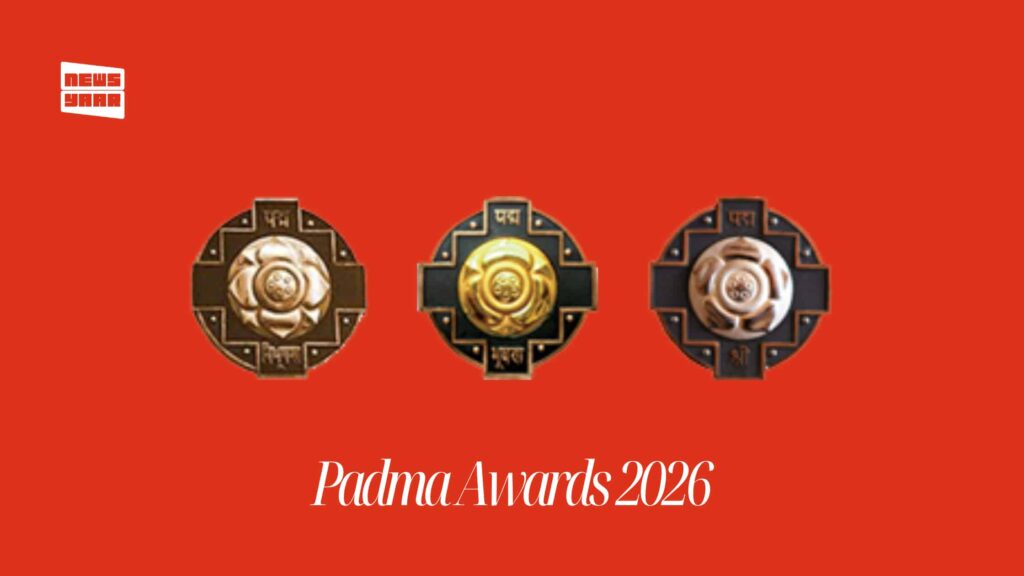
On January 25, 2026, the Government of India announced the Padma Awards 2026, one of the nation’s highest civilian honours, recognising individuals who have made exceptional contributions across public life and diverse fields. The list was released on the eve of the 77th Republic Day, continuing a tradition of celebrating excellence and service that enriches the social, cultural and developmental fabric of India. The awards, which were instituted in 1954, are conferred by the President of India, and are announced annually on Republic Day (26 January). They are classified into three broad categories — Padma Vibhushan, Padma Bhushanand Padma Shri — ranked in descending order of prestige, after the Bharat Ratna, India’s highest civilian award. For 2026, a total of 131 Padma Awards were approved, comprising 5 Padma Vibhushan, 13 Padma Bhushan and 113 Padma Shri awards. Among the awardees are notable figures from art and cinema, public affairs, sports, science, social service, education, medicine and literature. The list includes 19 women, six foreign/NRI/PIO/OCI recipients, and 16 posthumous awards. Padma Vibhushan 2026: Exceptional and Distinguished ServiceThe Padma Vibhushan is the second-highest civilian award of India, presented for “exceptional and distinguished service” in any field. Dharmendra Singh Deol (Posthumous) – ArtVeteran Bollywood actor Dharmendra, often called the “He-Man” of Indian cinema, was honoured posthumously for his unparalleled legacy in Hindi film, spanning over six decades with more than 300 films that shaped Indian popular culture. K T Thomas – Public AffairsJustice K T Thomas served on the Supreme Court of India from 1995 to 2002 and was instrumental in major judicial decisions and legal reforms that shaped Indian constitutional jurisprudence. N Rajam – ArtRenowned violinist N Rajam is celebrated for bridging Hindustani and Carnatic classical music traditions. A former professor and cultural ambassador, her global influence on Indian classical music spans decades. P Narayanan – Literature and EducationWriter and journalist P Narayanan has made enduring contributions to literature and education, particularly through his editorial leadership and influence in regional and national discourse. V S Achuthanandan (Posthumous) – Public AffairsVeteran Kerala political leader V S Achuthanandan was honoured posthumously for his long public service and leadership in social and political arenas, especially in governance, transparency and anti-corruption efforts. Padma Bhushan 2026: Distinguished Service of High OrderThe Padma Bhushan recognises “distinguished service of high order” in any field, and this year’s list reflects contributions in arts, public affairs, commerce, sport and medicine. Alka Yagnik (Art) – Legendary playback singer whose voice defined generations of Bollywood music and delivered countless chart-topping songs. Bhagat Singh Koshyari (Public Affairs) – Former Uttarakhand Chief Minister and Maharashtra Governor, recognised for his political and administrative service. Kallipatti Ramasamy Palaniswamy (Public Affairs) – Noted leader from Tamil Nadu contributing to public life and governance. Mammootty (Art) – Malayalam cinema icon with a distinguished acting career spanning decades, honoured for his contribution to Indian film. Nori Dattatreyudu (Medicine) – Eminent cancer specialist, internationally recognised for his work in oncology. Piyush Pandey (Posthumous) (Art & Media) – Influential advertising veteran and creative mind whose work shaped Indian media and communication. S K M Maeilanandhan (Trade & Industry) – Entrepreneur and industry leader known for his business acumen and contributions to economic growth. Shatavadhani R Ganesh (Literature & Education) – Celebrated scholar known for literary mastery and cultural scholarship. Shibu Soren (Posthumous) (Public Affairs) – Founder of Jharkhand Mukti Morcha and key figure in the state’s formation movement, recognised posthumously. Uday Kotak (Trade & Industry) – Prominent banker and financial institution builder, founder of Kotak Mahindra Bank. V K Malhotra (Posthumous) (Public Affairs) – Veteran political leader honoured for lifelong service. Vellappally Natesan (Social Service) – Community leader and social service advocate from Kerala. Vijay Amritraj (Sports & International) – Tennis legend and global sports ambassador, acknowledged for enhancing India’s presence in international sport. Padma Shri 2026: Distinguished Service Across FieldsThe Padma Shri is the fourth-highest civilian honour in India, recognising “distinguished service in any field”. This year, 113 individuals received the Padma Shri, covering disciplines such as arts, sports, public service, science, literature, education, medicine, social work and agriculture. Notable awardees include:Rohit Sharma (Sports) – Captain of the Indian men’s cricket team and globally recognised for leading India to ICC titles. Harmanpreet Kaur (Sports) – Captain of the Indian women’s cricket team, instrumental in India’s international success. Savita Punia (Sports) – Star Indian hockey goalkeeper with standout international performances. R. Madhavan (Art) – Versatile actor and filmmaker known for acclaimed performances across Indian cinema. Anke Gowda (Literature & Education) – Former bus conductor who built India’s largest free-access librarywith over two million books, recognised for lifelong dedication to knowledge and literacy. Naresh Chandra Dev Varma (Literature & Education) – Tripuri writer known for contributions to Kokborok literature. Praveen Kumar (Sports) – Paralympic gold medallist whose achievements inspired national pride. The full Padma Shri roster includes awardees from every region of India, representing innovations and service in areas such as agriculture, archaeology, healthcare, traditional arts, community welfare and scientific research, highlighting the diversity and depth of Indian talent. Significance and National ImpactThe Padma Awards underscore India’s appreciation for individuals whose work exemplifies excellence, integrity and service. While Padma Vibhushan and Padma Bhushan honour lifetime achievement and high-order service, the Padma Shri celebrates impactful contributions at national and grassroots levels. These awards not only recognise famous personalities but also highlight unsung heroes whose work fosters community development, preserves culture, advances science, and uplifts society. The 2026 list, with its balance of legendary figures, scholars, sports icons, social changemakers and grassroots achievers, illustrates the expanding scope of national recognition. From cinema legends and artistic luminaries to pioneering scientists, educators and community builders, the Padma Awards 2026 reflect India’s evolving narrative of excellence — one that honours both institutional achievements and everyday courage.
India Energy Week 2026: Mapping India’s Energy Transition in a Fragmented World
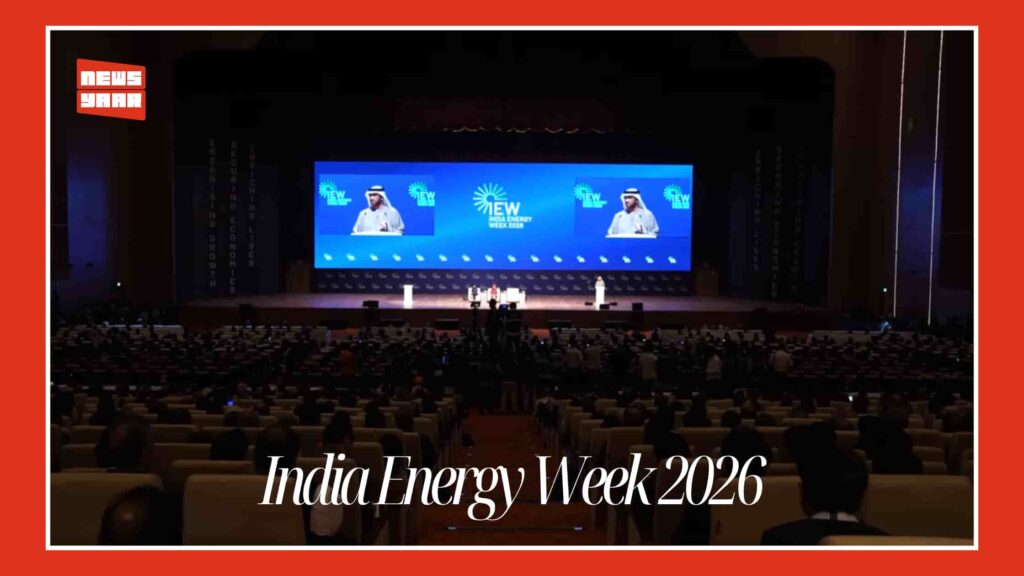
New Delhi: India Energy Week (IEW) 2026 emerged as a pivotal platform for India to articulate its energy priorities at a time when global energy systems are undergoing rapid transition amid geopolitical uncertainty, climate imperatives and shifting technology landscapes. Bringing together policymakers, industry leaders, innovators and global stakeholders, the event reinforced India’s ambition to position itself as a key driver of the global energy transition while safeguarding energy security and affordability.Held with a sharp focus on collaboration and execution, India Energy Week 2026 underscored the idea that India’s energy journey will be defined not by a single fuel or technology, but by a balanced, multi-pathway approach.Why India Energy Week MattersIndia Energy Week is designed as India’s flagship international energy forum, aimed at bridging dialogue between government, global energy companies, clean-tech innovators and investors. As one of the world’s fastest-growing energy consumers, India sits at the centre of global energy conversations, both as a market and as a solutions provider.With India targeting net-zero emissions by 2070, while simultaneously meeting the needs of a growing population and industrial base, the event plays a crucial role in aligning policy intent with industry execution. IEW 2026 continued this mandate by spotlighting policy clarity, investment opportunities and technological pathways across conventional and clean energy sectors.Central Themes and Focus AreasIndia Energy Week 2026 revolved around a few clear pillars:Energy Security in an Uncertain World: Discussions highlighted the need for diversified supply chains, domestic production and strategic reserves to shield economies from global disruptions.Accelerating the Clean Energy Transition: Renewable energy, green hydrogen, biofuels and energy storage were central to conversations, with India positioning itself as a scalable clean-energy hub rather than just a consumer of imported technologies.Technology, Innovation and Digitalisation: Artificial intelligence, smart grids and digital monitoring systems were presented as key enablers for improving efficiency, reducing losses and optimising energy distribution.Just and Inclusive Transition: Policymakers stressed that India’s energy shift must remain affordable and inclusive, ensuring that growth, employment and access are not compromised in the pursuit of sustainability.Key Highlights from India Energy Week 2026A major highlight of IEW 2026 was the strong participation from both domestic and global energy players across oil & gas, renewables, power, hydrogen and emerging technologies. The event featured:Policy Dialogues: Senior government representatives outlined India’s evolving energy roadmap, emphasising reforms, infrastructure expansion and investor-friendly frameworks.Investment Conversations: India showcased opportunities across upstream and downstream energy, renewable manufacturing, electric mobility and green hydrogen ecosystems, reinforcing confidence in long-term capital deployment.Hydrogen and Bioenergy Push: India’s ambitions under the National Green Hydrogen Mission were discussed in detail, alongside progress in ethanol blending and bioenergy adoption to reduce import dependence.Energy Transition Showcases: Technology exhibitions and innovation zones demonstrated advancements in storage solutions, clean fuels and digital energy platforms.Global and Domestic Voices on the Same StageIndia Energy Week 2026 featured participation from a wide range of stakeholders, including senior Indian ministers, global energy executives, international organisations and climate experts. The presence of global industry leaders reinforced India’s growing relevance in shaping future energy markets.International delegates engaged in dialogues on climate finance, technology transfer and collaborative innovation, while Indian public sector enterprises and private companies presented transition-ready business models aligned with sustainability goals.Strategic Significance for IndiaThe significance of India Energy Week 2026 lies in its timing and context. As global energy systems face volatility, from supply disruptions to policy shifts, India is positioning itself as a stable, predictable and scalable energy partner.The event highlighted India’s dual strength:Its ability to anchor traditional energy markets responsibly, andIts growing leadership in renewables and low-carbon solutions.By aligning policy, capital and innovation under one platform, IEW 2026 strengthened India’s narrative as a country that is not choosing between growth and sustainability, but integrating both.Looking Ahead: The Final Insights While India Energy Week 2026 focused heavily on ideas, partnerships and vision, the underlying message was clear: execution will define success. The emphasis on infrastructure readiness, regulatory clarity and market depth suggests a shift from aspirational announcements to delivery-oriented outcomes.As India advances towards becoming a $5 trillion economy, energy will remain at the core of its growth story. India Energy Week 2026 reaffirmed that India’s approach, pragmatic, inclusive and forward-looking, could well serve as a blueprint for other emerging economies navigating similar transitions.In a world searching for balanced energy solutions, India is increasingly positioning itself not just as a participant, but as a shaper of the global energy future.
Economic Survey 2025–26: Know the key highlights of Stable Growth& Inflation
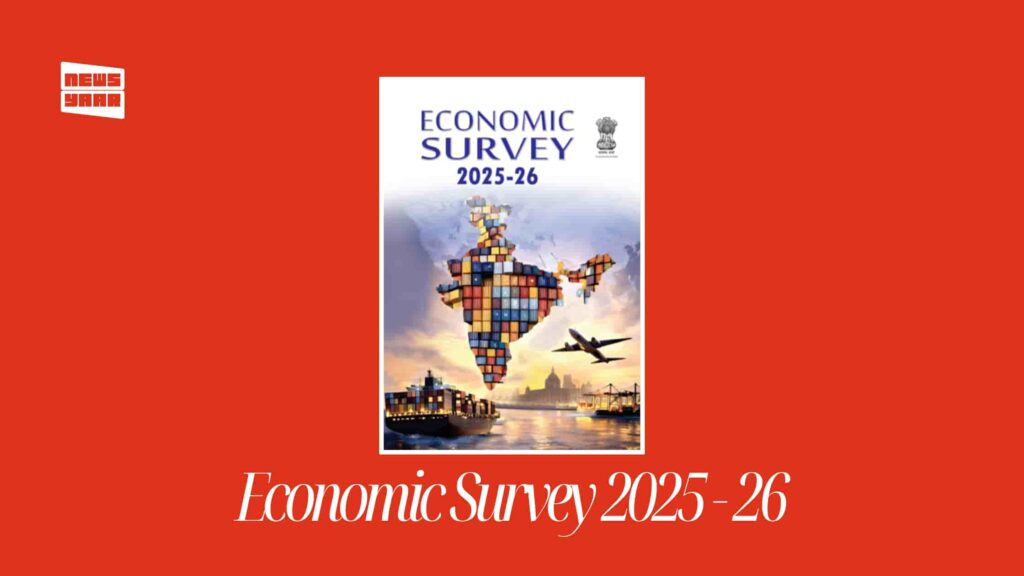
New Delhi:The Economic Survey 2025–26, tabled in Parliament on January 29 ahead of the Union Budget, presents a picture of an Indian economy that remains resilient amid global uncertainty, while urging policymakers and businesses to proceed with caution rather than pessimism. Prepared by the Department of Economic Affairs under Chief Economic Adviser (CEA) V. Anantha Nageswaran, the document sets the tone for the government’s economic thinking going into FY27. At its core, the Survey projects real GDP growth in the range of 6.8% to 7.2% for FY27, signalling steady momentum despite a challenging external environment marked by trade tensions, tariff pressures, and geopolitical risks. Growth Outlook: Steady, but Not Without Risks According to the Survey, India’s domestic economy is on a stable footing, supported by strong macro fundamentals. For FY26, growth is estimated at 7.4% as per the first advance estimates. Looking ahead, the government expects India to remain one of the fastest-growing major economies globally. The Survey notes that while domestic drivers such as consumption resilience, public investment, and improving private investment intentions continue to support growth, global conditions remain fragile. Trade conflicts, particularly tariff-related disruptions, could weigh on exports and investor sentiment intermittently. Importantly, the Survey introduces a nuanced stance: growth prospects are steady, but policymakers must maintain buffers and credibility. As the document puts it, the outlook requires “caution, but not pessimism.” Inflation: At Historic Lows, With Firming Ahead One of the most notable takeaways from the Economic Survey is the sharp moderation in inflation. Retail inflation has remained well below the Reserve Bank of India’s target of 4%, aided by food price corrections and improved supply conditions. The RBI has estimated CPI inflation at 2% for FY26, with projections of 0.6% for the December quarter and 2.9% for the March quarter. While inflation is expected to firm up gradually in FY27, it is likely to remain within the targeted range. Healthier balance sheets across households, firms, and banks, combined with controlled inflation, have helped preserve macroeconomic stability, the Survey notes. Global Context: Headwinds Persist The Survey flags a dim medium-term outlook for the global economy, citing modest growth, lingering geopolitical tensions, and risks related to global financial markets. It warns that if the much-hyped AI boom fails to deliver productivity gains, it could trigger corrections in asset markets. Despite these risks, India’s economy has demonstrated resilience. Total exports, including goods and services, reached a record $825.3 billion in FY25, even as merchandise exports faced tariff-related pressures, particularly from the United States. Investment, Reforms, and Deregulation The Economic Survey places renewed emphasis on systematic deregulation as the next phase of reforms under what it calls Ease of Doing Business 2.0. It argues that small, targeted deregulation efforts can trigger a “butterfly effect”, leading to entrepreneurship, investment, and innovation. Public capital expenditure continues to play a critical role, with Centre-led infrastructure spending acting as a key growth driver. At the same time, private investment intentions are improving, though the Survey stresses the need for regulatory certainty to translate intent into execution. Social Sectors and Emerging Themes Beyond macroeconomics, the Survey reviews progress across employment, health, education and agriculture. It reiterates the importance of skill development as services now account for over 55% of India’s Gross Value Added. The document also raises concerns over excessive social media use among younger populations, suggesting that age-based access limits may need consideration. On artificial intelligence, the Survey proposes the creation of an AI Economic Council to calibrate the pace of adoption and balance innovation with societal risks. Setting the Stage for Budget 2026 Presented just days before the Union Budget, the Economic Survey serves as a crucial backdrop for upcoming fiscal decisions. It highlights FY26 as an “unusually challenging year,” but frames FY27 as a year of adjustment, where firms and households adapt to regulatory changes and global shifts. In sum, the Economic Survey 2025–26 paints a picture of an economy that is resilient, reform-oriented and cautiously optimistic, positioning India to navigate uncertainty without losing growth momentum.
Oscar Nominations 2026 Announced: ‘Sinners’ Makes History With Record 16 Nods

Beverly Hills: The nominations for the 98th Academy Awards were officially announced on Thursday, January 22, 2026, setting the stage for one of the most competitive Oscar races in recent memory. Actors Lewis Pullman and Danielle Brooks revealed the nominees early morning in Beverly Hills, California. The Academy Awards ceremony will take place on March 15, 2026, and will be hosted by Conan O’Brien, airing live on ABC and streaming on Hulu. ‘Sinners’ Dominates the 2026 Oscar Race Ryan Coogler’s ambitious horror drama Sinners emerged as the biggest standout, securing a record-breaking 16 nominations, the highest ever for a single film. Set in 1930s Mississippi, the film stars Michael B. Jordan in a dual role as twins Smoke and Stack, earning him his first-ever Oscar nomination. The film received nominations across major categories, including Best Picture, Best Director, Best Original Screenplay, and multiple acting and technical categories, cementing its place as the frontrunner this year. Close behind is One Battle After Another, which picked up 13 nominations, including Best Picture and Best Actor for Leonardo DiCaprio. First-Time Nominees Shine The 2026 nominations also spotlight a strong wave of first-time acting nominees. Among them are Jacob Elordi (Frankenstein), Delroy Lindo and Wunmi Mosaku (Sinners), Teyana Taylor (One Battle After Another), and several cast members from the Norwegian drama Sentimental Value, including Elle Fanning, Renate Reinsve, and Stellan Skarsgård. Key Oscar Nominations 2026 Best Picture Bugonia F1 Frankenstein Hamnet Marty Supreme One Battle After Another The Secret Agent Sentimental Value Sinners Train Dreams Best Actor (Leading Role) Timothée Chalamet – Marty Supreme Leonardo DiCaprio – One Battle After Another Ethan Hawke – Blue Moon Michael B. Jordan – Sinners Wagner Moura – The Secret Agent Best Actress (Leading Role) Jessie Buckley – Hamnet Rose Byrne – If I Had Legs I’d Kick You Kate Hudson – Song Sung Blue Renate Reinsve – Sentimental Value Emma Stone – Bugonia Best Director Chloé Zhao – Hamnet Josh Safdie – Marty Supreme Paul Thomas Anderson – One Battle After Another Joachim Trier – Sentimental Value Ryan Coogler – Sinners Best Animated Feature Arco Elio KPop Demon Hunters Little Amélie or the Character of Rain Zootopia 2 Best International Feature Film The Secret Agent (Brazil) It Was Just an Accident (France) Sentimental Value (Norway) Sirāt (Spain) The Voice of Hind Rajab (Tunisia) Technical Excellence and Global Storytelling Films like Avatar: Fire and Ash, Frankenstein, and F1 dominated technical categories such as visual effects, sound, costume design, and production design. Meanwhile, documentaries tackling global politics, war, and social change found strong representation in both feature and short documentary categories. Looking Ahead to Oscar Night With blockbuster franchises, intimate international dramas, and politically charged narratives competing side by side, the 2026 Oscars promise a ceremony that reflects both cinematic ambition and cultural relevance. As the countdown to March 15 begins, all eyes will be on whether Sinners can convert its historic nominations into equally historic wins, or if a dark horse emerges on Hollywood’s biggest night.
India-EU Free Trade Agreement Explained: What It Means for Trade, Economy and Strategic Partnerships
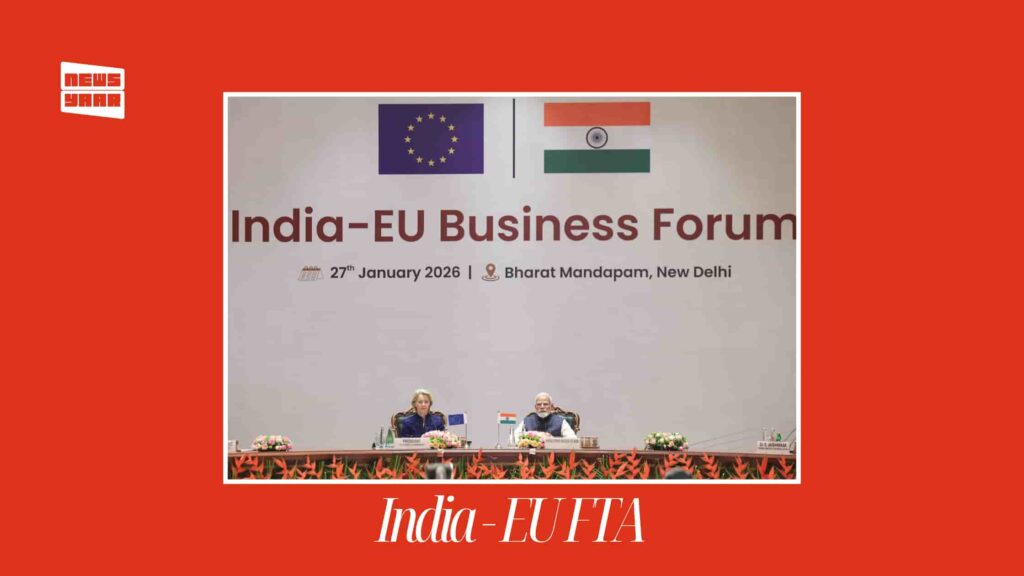
India and the European Union (EU) are advancing free trade agreement (FTA) negotiations aimed at expanding economic ties between one of the world’s fastest-growing major economies and the bloc comprising 27 European nations. The India-EU FTA, also known as the EU-India Trade and Investment Agreement (TIA), is expected to be one of the most significant trade pacts of the decade, with potential to reshape global trade flows, boost exports, and deepen strategic cooperation between two large economic partners. What Is the India-EU FTA? The India-EU Free Trade Agreement is a planned comprehensive trade deal designed to facilitate the reduction or elimination of tariffs, address non-tariff barriers, and expand market access for goods and services between India and the EU. Unlike a simple tariff agreement, the FTA also aims to cover investment protection, digital trade, intellectual property, rules of origin, services, government procurement and sustainable development — making it a high-ambition, high-standards agreement. Negotiations for the trade pact have been ongoing for over a decade, reflecting both the complexity of aligning regulatory frameworks and the growing economic significance of the India-EU relationship. While some rounds of talks were stalled or slowed due to differences on specific issues, recent developments indicate renewed momentum and a political commitment from both sides to conclude the deal. Why the India-EU FTA Is Important An India-EU FTA holds strategic economic importance for both partners: Expanding Trade and Market Access:The EU is among India’s largest trading partners, with two-way trade exceeding $130 billion in recent years. Economic modelling suggests that a successful FTA could significantly raise the volume of bilateral trade by eliminating tariffs on key products such as textiles, automobiles, engineering goods, pharmaceuticals, chemicals and agricultural products. Export Competitiveness and Targets:India has set ambitious export targets — including achieving $14 trillion in exports by 2030. An FTA with the EU could provide preferential market access that boosts India’s export competitiveness in key sectors, helping it approach those targets sooner. Reductions in tariff barriers and streamlined standards would make Indian goods more competitive in European markets. Investment and Economic Cooperation:Beyond goods, the FTA could strengthen services trade and investment flows, particularly in sectors where India has global strength, such as IT and professional services. It also presents opportunities for EU investors in India’s manufacturing, infrastructure and clean energy sectors. Strategic and Geopolitical Alignment:The India-EU FTA is also seen through a geopolitical lens, strengthening economic ties at a time when global trade dynamics are shifting. Deeper integration with the EU can provide India diversification from traditional trade partners and reduce dependence on any single market. Key Issues and Areas of Negotiation Negotiating an ambitious trade deal between two large economies involves complex discussions. Key areas under negotiation include: Tariff Reductions and Market Access:India is seeking lower tariffs on goods such as automobiles and textiles, while the EU is pushing for tariff cuts on agricultural products, dairy and alcoholic beverages. The pace and scope of tariff liberalisation remain a central challenge. Services and Regulatory Cooperation:The EU places significant emphasis on services trade, including professional services, digital trade and data flows. India continues to seek greater access for its services exports while ensuring data protection and regulatory balance. Rules of Origin and Supply Chains:Both sides aim to include clear and predictable rules of origin, which determine how products qualify for preferential tariff treatment under the FTA. This is critical for supply chain integration and ensuring that Indian and EU manufacturers can benefit from the agreement. Sustainable Development and Labour Standards:The EU typically includes provisions on environmental protection, labour rights and sustainability in its trade agreements. India has pushed for similar commitments but within its developmental context, seeking flexibility on implementation timelines. Agriculture and Food Products:Agricultural market access has been a contentious area, with the EU seeking greater access for its dairy and other farm products, while India aims to safeguard the interests of its agricultural producers and small farmers. Impact on Indian Economy and Industries If successfully concluded, the India-EU FTA could produce a range of economic impacts: Boost to Exports:Reduced tariffs and smoother market access could help Indian exporters increase shipments of textiles, pharmaceuticals, chemicals, automotive components, machinery and engineering goods — sectors that have already registered strong growth in recent years. Improved Competitiveness:By aligning standards and reducing trade costs, the FTA could help Indian industries become more competitive globally, attracting foreign investment and encouraging technology transfer. Services Sector Growth:India’s services sector, particularly IT and business process management services, is expected to gain from improved access to EU markets. The agreement could address regulatory barriers that currently limit the full potential of services exports. Investment Flows:With clear investment protections and dispute resolution mechanisms, an FTA could drive greater EU investment into Indian sectors such as renewable energy, infrastructure, healthcare and manufacturing — sectors critical to India’s economic transformation. Regional and Global Implications The India-EU FTA has strategic implications beyond immediate bilateral trade: Diversification of Trade Relations:For India, the pact offers diversification in a global context where trade tensions and supply chain vulnerabilities have increased interest in forging deeper partnerships outside traditional markets. Competitive Response:Neighbouring countries and trading blocs are closely watching the negotiations. In some cases, like Pakistan, there is concern that closer India-EU economic ties could shift regional trade dynamics and erode competitive advantages in certain areas. Alignment with Global Standards:By negotiating with the EU — a bloc known for high regulatory standards — India could accelerate its own reforms in areas such as intellectual property, digital trade, quality standards and sustainability frameworks. What Comes Next Discussions on the India-EU FTA have gained pace in recent months, with officials from both sides underscoring the importance of reaching an agreement that is “balanced, comprehensive and forward-looking.” While the timeline remains uncertain and depends on resolving differences in key areas, sources indicate that negotiators are working toward finalising an outline that could pave the way for conclusion in the coming years. Both policymakers and businesses are closely monitoring developments. Indian industry bodies have urged the government to secure a
PM Modi’s Mann Ki Baat – Episode: 130th
GOVERNMENTPM Modi’s Mann Ki Baat – Episode: 130th Newsyaar January 25, 2026 6:15 pm https://www.youtube.com/watch?v=ehO3BjjTQgM&t=28sVideo credit: YT@/NaMo My dear countrymen, Namaskar. This is the first ‘Mann Ki Baat’ of the year 2026. Tomorrow, on the 26th of January, we shall all celebrate our Republic Day. Our Constitution came into effect on this very day. This day; the 26th of January, gives us an opportunity to pay homage to the founding fathers of our Constitution. Today, the 25th of January, is also a very significant day. Today is National Voter’s Day… Matadata Diwas. A voter is the soul of democracy. Friends, Usually, when someone turns 18, becomes a voter, it is considered a normal milestone in life. However, this occasion is actually a major milestone in any Indian’s life. Therefore, it is very important that we celebrate becoming a voter in our country. Just as we wish and celebrate birthdays… similarly, whenever a young person becomes a voter for the first time, the entire neighbourhood, village, or city should come together to congratulate them and distribute sweets. That would raise awareness about voting and strengthen the feeling of how important it is to be a voter. Friends, I would like to express my deep appreciation to all those people in the country who are involved in the electoral process and work at the grassroots level to keep our democracy vibrant. Today, on ‘Voter’s Day’, I would once again urge my young friends to register themselves as voters upon turning 18. This will fulfil the sense of duty that the Constitution expects of every citizen and will also strengthen India’s democracy. My dear countrymen, These days I am seeing an interesting trend on social media. People are reliving their memories of the year 2016. In the same spirit, today I too would like to share one of my memories with you. Ten years ago, in January 2016, we embarked upon an ambitious journey. We had realised then, that even if it were a small one, it was very important for the future of the country for the young generation. At that time, some people could not understand what it was all about, after all! Friends, the journey I am referring to is the journey of Start-up India. The heroes of this amazing journey are our young friends. The innovations they came up with by stepping out of their comfort zones are being recorded in history. Friends, Today India has turned into the third largest Start-ups ecosystem in the world. These Start-ups are out of the box; they are working in sectors that were unimaginable even 10 years ago. AI, Space, Nuclear Energy, Semiconductors, Mobility, Green Hydrogen, Biotechnology… you name it and you’ll find one Indian Start-up or the other working in that sector. I salute all my young friends who are associated with one Start-up or the other or want to start one of their own. Friends, Today through ‘Mann Ki Baat’, I want to urge my countrymen; especially the youth associated with industry and Start-ups. India’s economy is progressing rapidly. The world is watching India. At such a juncture, we all shoulder a huge responsibility. That responsibility is to emphasize on quality. The era of ‘it just happens… it works… it will go through somehow’ is over. Come, let us prioritize quality with all our might this year. Let our only mantra be quality, quality and only quality. Better quality today than what it was yesterday. Let us resolve to improve the quality of whatever we manufacture. Be it our textiles, technology or electronics… even packaging; the connotation of an Indian product should become – ‘top quality’. Come, let us make excellence our benchmark. Let us resolve that there will be no laxity on quality, nor will there be any compromise on quality. And I had expressed from Red Fort – ‘Zero Defect Zero Effect’. Only by doing this shall we be able to accelerate the journey towards a ‘Viksit Bharat’. My dear countrymen, The people of our country are very innovative. Seeking solutions to problems is part of our countrymen’s nature. Some do this through start-ups; while others try to find a solution through the collective strength of society. One such effort has emerged in Azamgarh, Uttar Pradesh. The People there have lent life anew to the Tamsa River that flows through this place. The Tamsa is not just a river; it’s a Live continuum of our cultural and spiritual heritage. This river, which crosses Ayodhya and merges with the Ganga, was once the axis of life for the people of this region. However, on account of pollution, its uninterrupted flow was obstructed. Silt, garbage and filth had blocked the flow of this river. After that, the people here started a campaign to give it a new lease of life. The river was cleaned, and shady, fruit-bearing trees were planted along its banks. Local people engaged themselves at the task with a sense of duty… and through everyone’s efforts, the river was revived. Friends, A similar endeavour of public participation has also been witnessed in Ananthapur, Andhra Pradesh. This is a region that has been grappling with a severe drought. The soil here is red and sandy, which is why people face water shortages. Many areas here do not receive rain over long periods. People sometimes even compare Anantapur to a desert drought.Friends, to address this problem, locals resolved to clean the reservoirs. After that, with the support of the administration, the ‘Ananta Neeru Sanrakshanam Project’ was launched. Under this effort, more than 10 reservoirs have been revived. These reservoirs are filling with water now. Simultaneously, more than 7,000 trees have been planted. This means that along with water conservation, the green cover in Anantapur has also increased. Children now, can also enjoy swimming here. In a way, the entire ecosystem here has been revitalized. Friends, Whether it’s Azamgarh, Ananthapur,
Modi Calls Nitin Nabin His ‘Boss’ as New BJP President Takes Charge
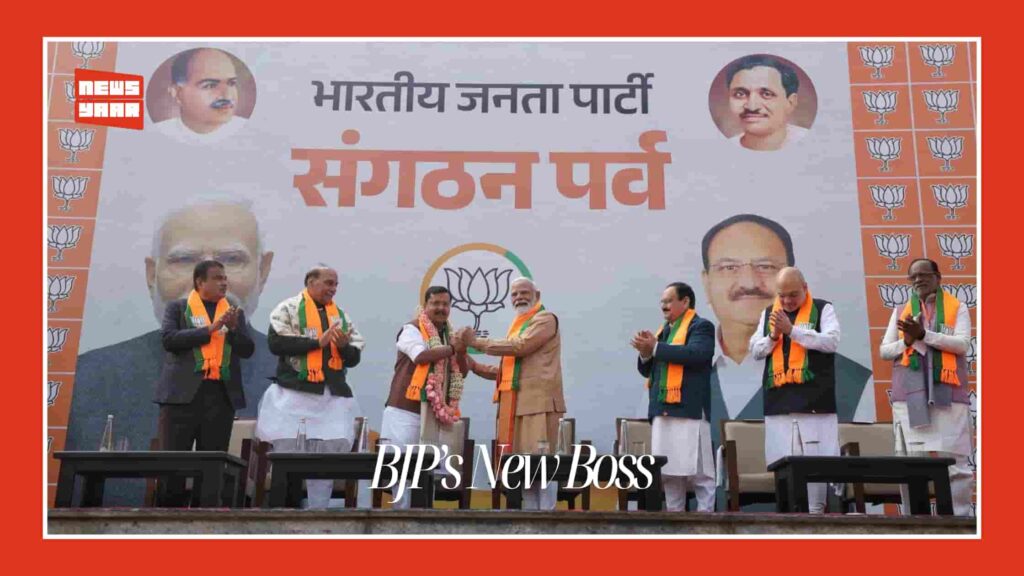
New Delhi:In a moment rich with symbolism and political messaging, Prime Minister Narendra Modi on Tuesday formally welcomed Nitin Nabin as the new national president of the Bharatiya Janata Party (BJP), declaring that in party matters, the newly appointed chief would be his “boss”. The remark, made at a felicitation event on January 20, 2026, with the BJP’s emphasis on organisational discipline and a clear separation between the party and the government.Nitin Nabin, 45, officially assumed charge in the presence of senior party leaders and Prime Minister Modi, marking the beginning of a new phase for the BJP’s organisational leadership. Addressing party workers, Modi said he had presented an account of his own work to the new president, adding with a touch of humour that he now awaited Nabin’s “guidance” and confidential report.“When it comes to party matters, honourable Nitin Nabin ji is my boss. I am a worker,” Modi said, drawing applause from the audience. The Prime Minister had made a similar statement in 2019 alongside then BJP president Amit Shah, reiterating a long-standing message within the party that the organisation functions independently of the government.Highlighting Nabin’s generational outlook, Modi pointed to the new president’s ability to bridge tradition and modernity. He remarked that while he himself grew up listening to news on the radio, Nabin represents a generation comfortable with technology and artificial intelligence, an implicit nod to the BJP’s evolving political strategies in a digital age.Nitin Nabin was officially declared the BJP national president on January 19, following the completion of an extensive internal organisational election process. According to party sources, 37 nominations were filed in his support, all of which were found valid.While the event largely focused on organisational unity, Modi also touched upon broader political issues. He reiterated the BJP’s position on national security, stating that infiltrators posed a serious threat to the country and must be identified and deported. He stressed the importance of learning from the mistakes of other political parties, a veiled reference to the Congress, and urged BJP workers to remain disciplined and connected to grassroots concerns.As Nitin Nabin steps into his new role, he faces the challenge of steering the BJP through complex electoral terrain and internal expectations. His relatively young age and organisational mandate signal a leadership style that blends experience with adaptability, qualities the party believes are essential for navigating the evolving political landscape.The transition, marked by Modi’s symbolic deference, reinforces the BJP’s core message: strong leadership thrives on organisational clarity, collective responsibility, and disciplined separation between party and power.
International Theatre Festival of Kerala 2026: Thrissur Set to Transform into a Global Stage for Theatre

The 16th International Theatre Festival of Kerala (ITFoK) is set to take place from 25 January to 1 February 2026 in Thrissur city, Kerala, reaffirming its position as one of India’s most significant international cultural events. Organised by the Kerala Sangeetha Nataka Akademi under the Cultural Department of the Government of Kerala, the festival will bring together theatre practitioners, scholars and audiences from across the world to celebrate performance, dialogue and storytelling in its many forms.The week-long festival will be hosted across multiple venues in Thrissur, with the Kerala Sangeetha Nataka Akademi complex serving as the focal point. Key performance spaces will include the Murali Outdoor Theatre, K. T. Muhammed Regional Theatre, and other designated cultural venues across the city, transforming Thrissur into a vibrant, open stage for global theatre.Dates, Theme and StructureEvent: International Theatre Festival of Kerala (ITFoK) 2026 Edition: 16th Dates: 25 January to 1 February 2026 Venue: Thrissur, Kerala Organiser: Kerala Sangeetha Nataka Akademi, Government of KeralaThe 2026 edition will be presented under the theme “Voices in the Silence”, a concept that reflects theatre’s enduring ability to articulate unspoken realities through movement, dialogue, visual language and performance. The theme highlights ITFoK’s emphasis on theatre as both artistic expression and social commentary, especially in a time marked by global uncertainty, conflict and transformation.Performances and International ParticipationITFoK 2026 will feature 23 plays across approximately 46 performances, showcasing a carefully curated mix of international and Indian productions. Theatre groups from Argentina, Brazil, Armenia, Palestine, Slovakia, Spain, Japan and Denmark are scheduled to participate, presenting works that span classical theatre, contemporary experimentation and cross-cultural collaboration.Indian theatre will be represented by productions from Kerala, Rajasthan, Assam, Maharashtra and Tamil Nadu, offering audiences exposure to diverse linguistic traditions, regional aesthetics and evolving performance practices. The programme aims to place Indian theatre in dialogue with global narratives, encouraging comparative engagement and artistic exchange.Several international productions are expected to address themes such as identity, memory, political conflict, displacement and social change, reinforcing ITFoK’s reputation as a festival that privileges substance, experimentation and intellectual depth.Organisation and AccessibilitySince its inception in 2008, the International Theatre Festival of Kerala has grown into one of Asia’s most respected theatre festivals. The event is fully organised and curated by the Kerala Sangeetha Nataka Akademi, with institutional support from the state’s cultural machinery.For the 2026 edition, organisers have expanded the number of plays compared to previous years, reflecting renewed focus on diversity and scale. In addition to stage performances, the festival will also include cultural interactions, informal discussions and academic engagements, fostering dialogue between artists, scholars and audiences.While tickets are required for major performances, several associated programmes and discussions will remain open to the public, ensuring wider access and community participation.Cultural Importance of ITFoKThe International Theatre Festival of Kerala occupies a distinctive place in India’s cultural landscape. It functions not merely as a performance showcase, but as a space for cultural diplomacy, artistic exchange and critical reflection. By bringing global theatre traditions to a regional Indian audience, ITFoK contributes to expanding cultural literacy and deepening engagement with contemporary global issues.The festival also reinforces Thrissur’s identity as a cultural capital of Kerala, complementing the city’s long-standing association with classical arts, festivals and literary traditions. Each edition attracts theatre enthusiasts, students and visitors from across India, adding to the city’s cultural and intellectual vibrancy.Looking AheadAs ITFoK 2026 prepares to open on 25 January, expectations are high for a festival that continues to push the boundaries of performance while remaining rooted in dialogue and inclusivity. With its expanded programme, strong international presence and thematic focus on unheard voices, the festival is poised to reaffirm its relevance in both Indian and global theatre circuits.By sustaining conversations across borders, languages and artistic traditions, the International Theatre Festival of Kerala continues to position theatre as a living, evolving medium — one that reflects society, questions power and invites audiences to engage more deeply with the world around them.