




Nitin Nabin Appointed BJP National Working President in Major Leadership Move
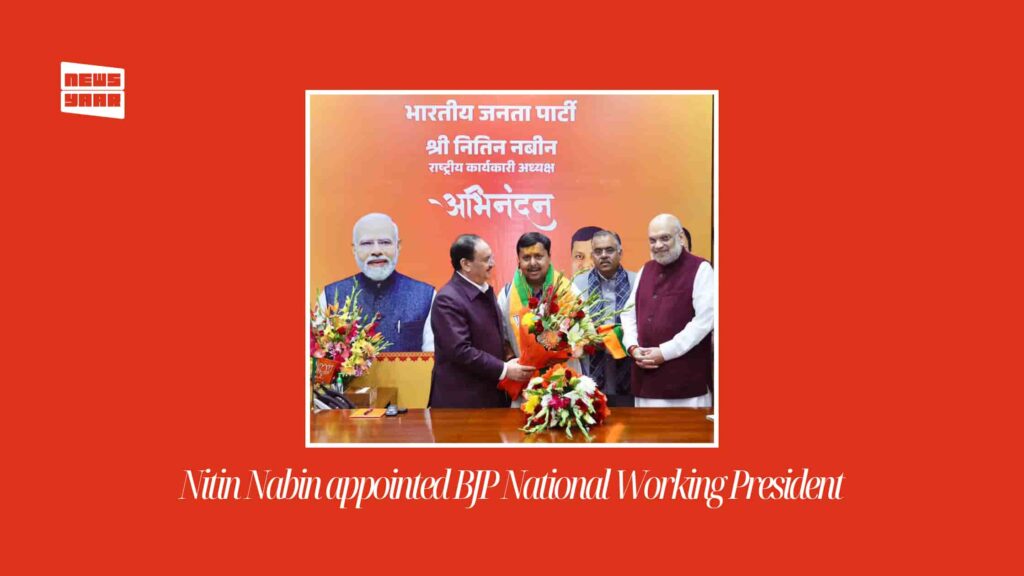
POLITICS Nitin Nabin Appointed BJP National Working President in Major Leadership Move In a significant organisational shift, the Bharatiya Janata Party (BJP) has appointed Nitin Nabin as its National Working President, marking a key moment in the party’s leadership strategy as India approaches a politically important period. The appointment was made by the BJP Parliamentary Board on 14 December 2025, and Nabin formally assumed charge at the party’s headquarters in New Delhi in the presence of senior leaders, including Home Minister Amit Shah and outgoing national president J.P. Nadda. A Generational Change in BJP Leadership At 45 years of age, Nitin Nabin becomes one of the youngest leaders to hold the post of National Working President, signalling a deliberate generational shift within the party’s top ranks. The BJP has described the appointment as recognition of his long organisational experience and grassroots work. Nabin is a five-term MLA from the Bankipur Assembly constituency in Patna and has held multiple ministerial portfolios in the Bihar government, including road construction and urban development. Shortly after taking on his national role, he resigned from his Bihar cabinet positions, adhering to the BJP’s “one person, one post” policy, reinforcing his full-time commitment to the party organisation. Political Outreach and Organisational Work Since his appointment, Nitin Nabin has embarked on an active outreach programme. He was recently seen leading a large roadshow in Patna, where thousands of party workers and supporters greeted him with slogans and flower showers, highlighting his strong support base in his home state. He has also travelled to Assam as part of the BJP’s national campaign to strengthen grassroots engagement under the party’s “Mera Booth Sabse Majboot” initiative, a key organisational push ahead of upcoming state elections. New Delhi Moves and Status In New Delhi, Nitin Nabin has also been allocated a government bungalow in the prestigious Lutyens’ Delhi area, underlining his elevated status within the party and the central leadership’s support. His visibility has risen sharply, with meetings reported with senior political figures and government dignitaries. Within a short span in his new role, he has been actively engaging with party workers and planning organisational strategy for future electoral battles. Future Prospects and Party Direction Political analysts see Nitin Nabin’s appointment as part of the BJP’s broader strategy to strengthen organisational coherence and nurture younger leadership ahead of major elections. There is also speculation that he could be elevated further within the party structure in early 2026, potentially positioning him as a future BJP national president. As Nabin settles into the role, party insiders say his blend of experience, organisational work, and ground presence will be central to the BJP’s efforts to reinforce its political footprint across India. About the Author Politics Reporter Share via Copied Comments Post Comment
Special Intensive Revision: Why Electoral Rolls Are Being Rechecked
GOVERNMENT Special Intensive Revision: Why Electoral Rolls Are Being Rechecked Every democracy depends on a simple but powerful foundation: the right list of voters. To protect that foundation, election authorities periodically undertake an exercise known as the Special Intensive Revision (SIR) of the electoral rolls process that may appear routine on paper but carries deep significance for free and fair elections. Unlike regular updates, which happen continuously through the year, a Special Intensive Revision is a focused, time-bound effort to comprehensively verify and correct voter lists in a particular area. It is usually undertaken ahead of major elections or when concerns arise about inaccuracies, duplication, or demographic changes that may affect electoral integrity. At its core, SIR is about accuracy and inclusion. Over time, electoral rolls naturally become outdated. People move homes, migrate for work, change names, or pass away. New voters turn 18 and become eligible, while others may no longer meet the criteria to remain on the list. If these changes are not addressed systematically, voter rolls risk becoming cluttered with errorspotentially disenfranchising genuine voters or allowing misuse. The Special Intensive Revision seeks to address this by going beyond desk-based corrections. Booth Level Officers (BLOs) are often tasked with physical verification, visiting households to confirm voter details. Citizens are encouraged to check their entries, submit claims for inclusion, request corrections, or file objections against incorrect listings. Draft rolls are published, feedback is invited, and final rolls are prepared only after this public scrutiny. This participatory nature is what makes SIR especially important. It places responsibility not just on election officials, but also on voters themselves. A clean electoral roll is not created in isolation relies on citizens taking the time to verify their information and report inaccuracies. In recent years, SIR exercises have gained added relevance due to increased urban migration and rapid population shifts. Cities expand, rural populations relocate, and entire neighbourhoods transform within a few years. Without intensive revision, voter lists may fail to reflect these realities, leading to confusion on polling day and, in some cases, allegations of unfair practices. Technology has also reshaped how SIR is conducted. Digital databases, online forms, and mobile applications have made it easier for voters to check their status and submit requests. However, physical verification remains a critical component, particularly in areas with limited digital access. The balance between technology and on-ground outreach ensures that no voter is left out due to the digital divide. Critics sometimes raise concerns that intensive revisions could lead to wrongful deletions if not handled carefully. Election authorities, therefore, emphasise transparency and due process. Deletions are not meant to be arbitrary; they follow clear guidelines, documented verification, and opportunities for appeal. The goal is correction, not exclusion. From a democratic standpoint, SIR serves as a preventive measure. Clean electoral rolls reduce disputes, build trust in the election process, and strengthen the credibility of outcomes. When voters see their details accurately reflected, confidence in the system grows. When political parties operate with the same verified data, the playing field becomes more level. Ultimately, the Special Intensive Revision is not just an administrative exercise; it is a democratic safeguard. It reminds citizens that voting rights come with civic responsibility, and that democracy requires regular maintenance, not blind faith. As elections approach in different parts of the country, SIR exercises will continue to play a quiet but crucial role behind the scenes. Their success depends on meticulous execution by officials and active participation by voters. In that partnership lies the assurance that every legitimate voice is counted and counted correctly. https://www.youtube.com/watch?v=v3jwbffAJrE Video credit: Election Commission of India About the Author Government Reporter Share via Copied Comments Post Comment
PM Modi’s 129th Mann Ki Baat – Listen to the Full Episode.
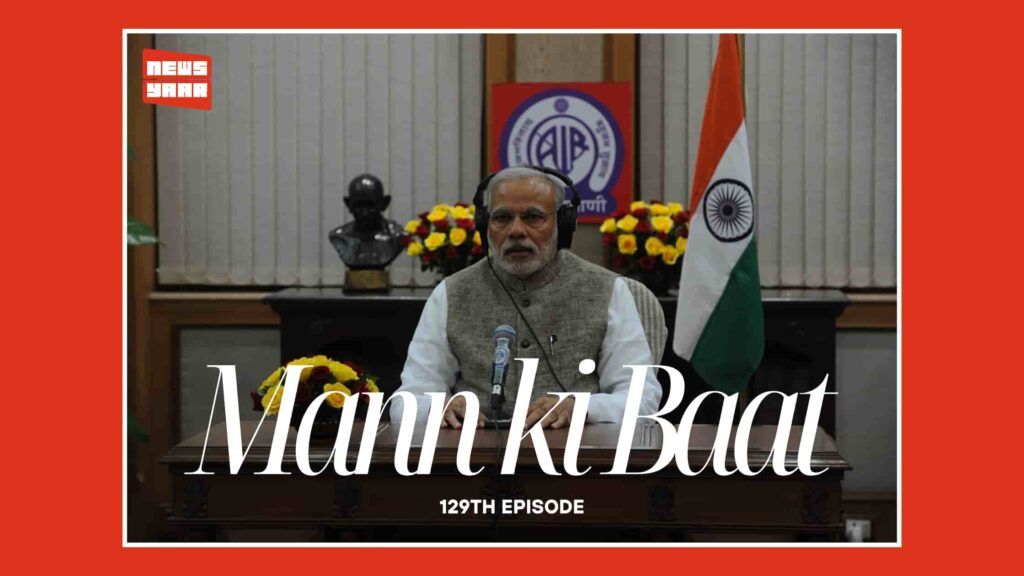
POLITICS PM Modi’s 129th Mann Ki Baat – Listen to the Full Episode. https://www.youtube.com/watch?v=xD64_6cgK64 Video credit: Narendra Modi My dear countrymen, Namaskar. Welcome back to ‘Mann Ki Baat’, greetings to you. The year 2026 is knocking at the door, and today, as I speak to you, memories of an entire year are swirling in my mind – myriad images, many discussions, many achievements that bound the nation together. 2025 gave us many moments that made every Indian proud. From national security to the sports field, from science laboratories to the world’s biggest platforms, India left a strong mark everywhere. This year, ‘Operation Sindoor’ became a symbol of pride for every Indian. The world clearly saw that today’s India does not compromise on its security. During ‘Operation Sindoor’, images of love and devotion towards Maa Bharati emerged from every corner of the country. People expressed their feelings in their own unique ways. Friends, the same spirit was also visible when ‘Vande Mataram’ completed 150 years. I had requested you to send your messages and suggestions with ‘#VandeMataram150’. The countrymen participated enthusiastically in this campaign. Friends, 2025 was also a memorable year in terms of sports. Our men’s cricket team won the ICC Champions Trophy. The women’s cricket team won the World Cup for the first time. India’s daughters created history by winning the Women’s Blind T20 World Cup. The tricolour also fluttered high with pride in the Asia Cup T20. In the World Championship Para-athletes proved by winning several medals that no obstacle can come in the way of zeal & determination. India also took a big leap in the field of Science and Space. Shubhanshu Shukla became the first Indian to reach the International Space Station. Many efforts related to environmental conservation and wildlife protection also became the hallmark of 2025. The number of cheetahs in India has now increased to more than 30. In 2025, faith, culture, and India’s unique heritage all came together. The Prayagraj Mahakumbh organized at the beginning of the year astonished the entire world. At the end of the year, the Dhwajarohan ceremony at the Ram Mandir in Ayodhya filled every Indian with pride. The excitement towards Swadeshi was also evident among one & all. People are purchasing only those goods that bear the sweat of an Indian and the fragrance of Indian soil. Today, we can proudly say that 2025 has given India even greater confidence. It is also true that this year we had to face natural disasters, at very many places. Now, the country is ready to move forward in 2026 with new hopes and new resolutions. My dear countrymen, today the world is looking at India with great hope. The biggest reason for hope in India is our youth power. Our achievements in the field of science, new innovations, and the expansion of technology have greatly impressed countries around the world. Friends, the youth of India always have a passion for something new and they are equally aware. My young friends often ask me how they can further contribute to nation-building. How can they share their ideas? Many among them enquire as to how they can present their ideas to me. The answer to this curiosity of our young colleagues is the ‘Viksit Bharat Young Leaders Dialogue’. Its first edition was held last year, and now its second edition is scheduled in a few days’ time. On the 12th of next month, ‘National Youth Day’ will be celebrated on the occasion of Swami Vivekananda’s birth anniversary. A ‘Young Leaders Dialogue’ will also be held on this day, and I will certainly participate in that. In this, our youth will share their ideas on important topics like innovation, fitness, startups, and agriculture. I am very eager about this program. Friends, I am pleased to see the rising participation of our youth in this program. A quiz competition related to this was held a few days ago. More than 50 lakh youth participated in it. An essay competition was also held, in which students expressed their views on various topics. Tamil Nadu stood first and Uttar Pradesh second in this competition. Friends, today the youth in the country are getting new opportunities to showcase their talent. Many platforms are being developed where youth can showcase their talent as per their abilities and interests. One such platform is ‘Smart India Hackathon’; another medium where ideas are turned into action. Friends, the ‘Smart India Hackathon 2025’ concluded this month. During this Hackathon, students worked on more than 270 problems of more than 80 government departments. Students offered solutions which were related to real life challenges like traffic related problems. Related to this, the youth shared very interesting perspectives on ‘Smart Traffic Management’. The youth also put forward their ideas on solutions to challenges like Financial Frauds and Digital Arrests. Suggestions were extended on Cyber Security Framework for digital banking in villages. Many youth remained engaged in solving the challenges in the agriculture sector. Friends, over 13 lakh students and over 6,000 institutes have participated in the ‘Smart India Hackathon’ in the last 7 to 8 years. The youth have also provided accurate solutions to hundreds of problems. Such Hackathons are organized from time to time. I urge my young friends to certainly be a part of these Hackathons. Friends, today’s life is becoming tech-driven, and the changes that used to happen over centuries; we are seeing them happen over a few years. At times, some people express concern whether robots are going to replace humans! In such changing times, it is very important to stay connected to our roots for human development. I am very happy to see that our next generation is holding on to the roots of our culture well – with new thinking and new methods. Friends, you must have heard the name of the Indian Institute of Science. Research and innovation are the hallmarks of this institute. A few years ago, some students there felt that there should
Putin in Delhi: A Big Push for India-Russia
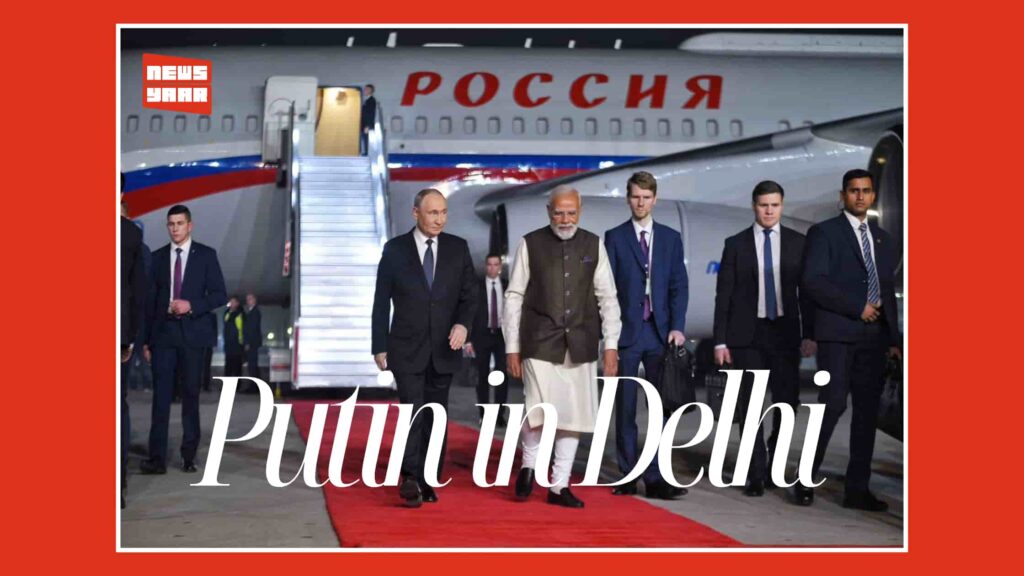
POLITICS Putin in Delhi: A Big Push for India-Russia Link to the Narendra Modi receiving Vladimir Putin at Delhi Airport video In early December 2025, Russian President Vladimir Putin arrived in New Delhi for his first visit in four years. Prime Minister Narendra Modi welcomed him warmly, and the visit was treated as a major moment for both countries. A Partnership Built Over Decades India and Russia have shared a strong bond for many years, known as their “Special and Privileged Strategic Partnership.” During this visit, both sides agreed to make the relationship even stronger. They discussed cooperation in defence, energy, science, technology, trade, and diplomacy. At a time when global politics is shifting, and Russia faces sanctions, the visit showed that India still values Russia as an important partner. It also highlighted India’s ability to balance relations with different major powers. Big Trade Plans for the Future One of the major outcomes was a new Economic Cooperation Programme that will guide both countries until 2030. The aim is to increase the current trade value of about $68.7 billion to $100 billion. India and Russia want to go beyond buying and selling oil or defence equipment. They’re looking to expand into areas like manufacturing, clean energy, minerals, pharma, agriculture, food processing, and new technology collaborations. There’s also fresh momentum to sign a Free Trade Agreement between India and the Eurasian Economic Union, which could make it easier for Indian products to enter Russian and Eurasian markets. Energy & Defence: Still the Backbone Energy remained one of the main discussion points. Putin assured India that Russia will continue supplying oil and fuel without interruption, despite global sanctions. This promise is crucial for India’s energy security. On the defence front, both sides agreed to deepen cooperation, focusing on joint manufacturing, co-production, sharing technology, and strengthening military ties. These steps aim to reduce India’s dependency on imports and build capabilities within the country. A Balanced Approach in a Complicated World What makes this visit important is India’s clear message: it will continue to follow an independent foreign policy. Despite pressure from Western countries to reduce ties with Russia, India maintained its balanced approach, keeping strong relations with both Russia and the West. For Russia, the visit helped reinforce partnerships outside the Western sphere. For India, it strengthened its trade, energy, and defence needs while preparing for a more uncertain global future. The Bottom Line Putin’s visit wasn’t just a diplomatic event. It created a fresh roadmap for India–Russia ties, focusing on stronger trade, reliable energy, deep defence cooperation, and long-term strategic trust. The visit marks a new chapter in a partnership that has stood firm for decades. https://www.youtube.com/watch?v=-oRdrsLAv1o Video credit: Narendra Modi’s Youtube Video https://www.youtube.com/watch?v=lDts5BTpyFc Video credit: Narendra Modi’s Youtube Video https://www.youtube.com/watch?v=rANa23Pxxo0 Video credit: President of India Youtube Video https://www.youtube.com/watch?v=o3_gk2xIv38 Video credit: DD News About the Author Politics Reporter Share via Copied Comments Post Comment
Bihar Election Results 2025: A Clear Mandate, A Loud Message
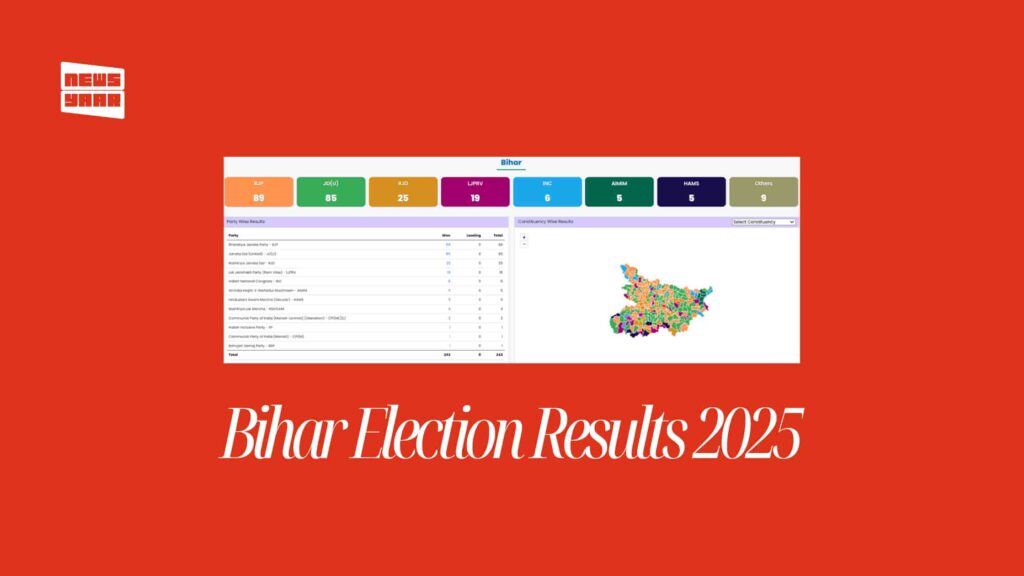
POLITICS Bihar Election Results 2025: A Clear Mandate, A Loud Message Link to the Bihar Election Results Live video The dust has settled, and the verdict is out: National Democratic Alliance (NDA) has secured a landslide victory in Bihar’s 2025 assembly elections, winning a whopping majority in a show that left rival alliances reeling. Heading the charge was Bharatiya Janata Party (BJP), which emerged as the single-largest party with 89 seats, closely followed by its partner Janata Dal (United) (JD(U)), which bagged 85 seats, together sealing what many are calling a “tsunami” of support. Image credit: Election Commission of India On the other side, Rashtriya Janata Dal (RJD) and the broader opposition, despite winning large vote shares in some pockets, failed to translate that into seats. Their dispersed votes and strategic vote-splits under the “First Past the Post” system cost them dearly. What Made the Difference? The Bihar Election Results 2025 were shaped by a mix of strategy, voter behaviour, and political arithmetic that worked in the NDA’s favour. Their strong coalition strategy, tight coordination between the BJP and JD(U), smart seat-sharing, and aggressive grassroots outreach helped them consolidate votes in key battleground constituencies. On the other side, the election saw strong voter turnout, with an especially notable rise in female participation, which, as reported by multiple outlets like The Indian Express and PIB, played a crucial role in shifting the electoral balance. Women voters showed a preference for stability, welfare continuity, and governance credibility, adding momentum to the NDA’s campaign. Meanwhile, the opposition struggled with fragmentation; their votes were spread thin across several parties, leading to many second-place finishes but very few actual wins, a classic case of the “vote-split penalty,” noted by political analysts and outlets like The Times of India. In a tight electoral battlefield like Bihar, this scattering of anti-NDA votes proved costly, allowing the ruling alliance to convert even marginal leads into decisive victories. Together, these factors created the perfect conditions for the sweeping mandate delivered in 2025. What This Means for Bihar? This verdict gives the NDA, and likely Nitish Kumar, a strong mandate to govern. With comfortable numbers in the assembly, the government can push its agenda without the constant threat of instability. For the opposition, the message is loud and clear: vote consolidation matters. Winning hearts is not enough; you need votes to translate to seats. For political strategists, this result may spark a rethinking of alliances, messaging, and outreach strategies. For citizens, especially in Bihar, it’s a moment of expectation. Promises of development, governance, and social welfare now carry weight. The next few months will show if this electoral mandate leads to real change. Final Thoughts Bihar Election 2025 wasn’t just another polling season; it turned into a lesson on political arithmetic, coalition strength, and the power of effective campaigning. The NDA’s dominant win is a clear mandate: the people spoke, and the message is loud. But for democracy, the real test begins now, whether the government delivers, and whether the opposition recalibrates. For voters across India, Bihar’s result will likely become a blueprint for what works, and what doesn’t, in today’s political arena. https://www.youtube.com/watch?v=WXZuRzWV5PA Video credit: DD News https://www.youtube.com/watch?v=C0LnV3qa-JQ Video credit: BJP About the Author Politics Reporter Share via Copied Comments Post Comment