




New York Gets Indian-Origin Mayor Zohran Mamdani: A Historic Moment in Global Politics
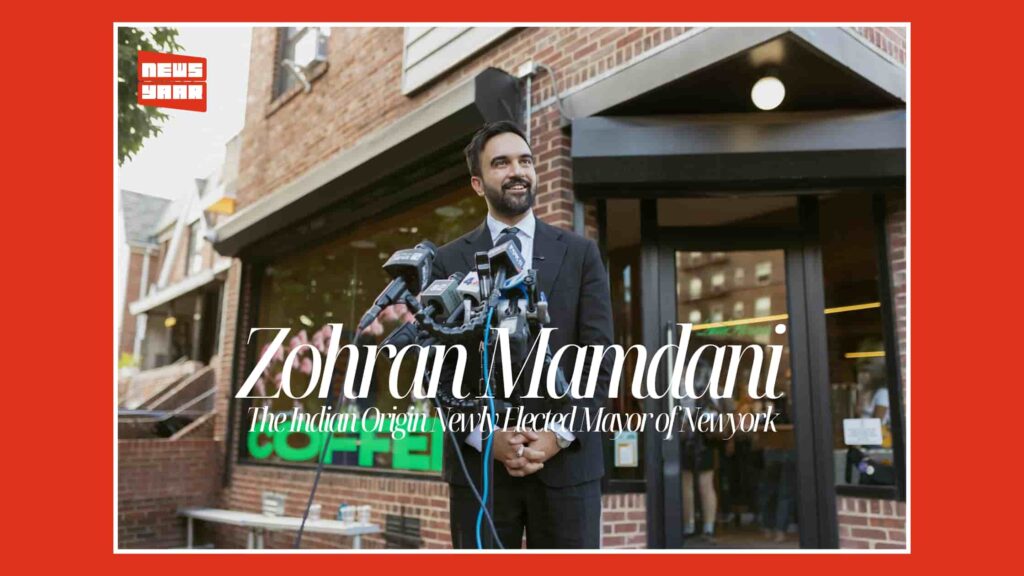
WORLD New York Gets Indian-Origin Mayor Zohran Mamdani: A Historic Moment in Global Politics In a historic political shift that has captured international attention, Zohran Kwame Mamdani has been sworn in as the 112th mayor of New York City, becoming the first Indian-origin, South Asian, and Muslim leader to hold the post in one of the world’s most influential cities. Mamdani, aged 34, officially took the oath on January 1, 2026, succeeding Eric Adams after an electrifying election victory in November 2025. His swearing-in ceremony took place in a symbolic location. At this historic Old City Hall subway station, he took the oath on two Qur’ans, including one belonging to his grandfather, highlighting both his faith and multicultural identity. Born in Kampala, Uganda, in 1991 to Indian heritage parents, acclaimed filmmaker Mira Nair and academic Mahmood Mamdani, Zohran moved to the United States as a child and grew up in New York City. He attended top local schools before graduating from Bowdoin College. Mamdani began his political career in the New York State Assembly, representing Queens, and quickly established a reputation as a progressive and community-focused leader. Mamdani’s election is seen as a major milestone for representation and diversity in American politics. As both the first Muslim and first South Asian mayor of New York City, his victory resonates far beyond municipal boundaries, symbolizing how multicultural identities are increasingly shaping the political landscapes of major Western democracies. His campaign platform focused heavily on critical issues such as affordability, public transit, and social infrastructure. Promises included fare-free city buses, universal public childcare, expanded affordable housing, and city-run grocery stores, initiatives aimed at addressing the deep economic challenges facing millions of city residents. Public response to Mamdani’s progressive agenda It turned out to be mixed. While a recent poll showed that a majority of New Yorkers support his democratic socialist policies, concerns remain among some voters about the financial feasibility of his ambitious reforms and potential budget deficits. Cultural celebrations followed his inauguration, including a block party near City Hall and Punjabi music echoing through parts of the city, reflecting pride in his heritage and the diverse identity of New York itself. As Mamdani begins his term, the world watches to see whether his blend of progressive policy, grassroots leadership, and global heritage will chart a new path for urban governance in the 21st century and what his success might mean for emerging leaders from diverse backgrounds. https://www.youtube.com/watch?v=5cG4WD8uEwE Video credit: Zohran Mamdani’s Youtube About the Author World Reporter Share via Copied Comments Post Comment
India’s DHRUV64: The First 1 GHz, 64-Bit Dual-Core Microprocessor
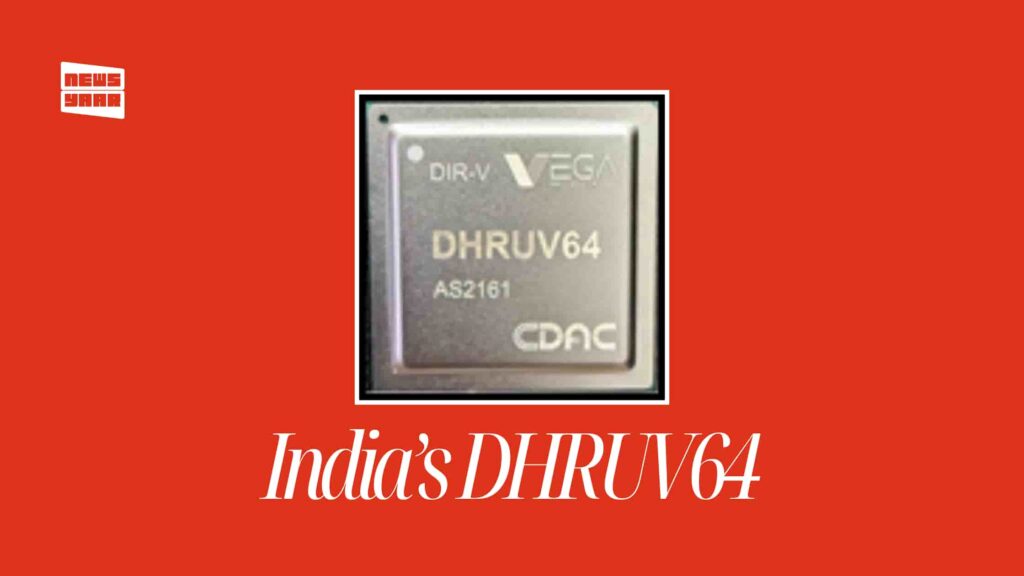
TECH India’s DHRUV64: The First 1 GHz, 64-Bit Dual-Core Microprocessor In a landmark moment for India’s semiconductor ambitions, the Centre for Development of Advanced Computing (C-DAC) has unveiled DHRUV64, the country’s first 1 GHz, 64-bit dual-core microprocessor. Developed under the government’s Microprocessor Development Programme and showcased as part of the Digital India RISC-V (DIR-V) initiative, DHRUV64 represents a major stride toward self-reliance in advanced chip design and computing technology. A Milestone in Indigenous Chip Design DHRUV64 is built on an open-source RISC-V architecture, an increasingly popular set of instructions that allows chip designers to innovate without costly licensing fees from foreign companies. Operating at a clock speed of 1.0 GHz with dual processing cores and 64-bit capability, it brings India into the realm of gigahertz-class embedded processors, a class previously dominated by global players. Unlike earlier academic or specialised chips, DHRUV64 is designed for broader strategic and commercial applications, including industrial automation, automotive electronics, 5G infrastructure, consumer devices, and Internet of Things (IoT) systems. It supports modern operating systems, integrates with diverse hardware systems, and provides multitasking efficiency suited for a range of real-world deployments. How Does It Matter? India currently consumes roughly 20 percent of the world’s microprocessors, yet historically has relied heavily on imports for core computing technology. Developing a homegrown processor like DHRUV64 is significant not only for technological sovereignty but also for enhancing security, reducing supply-chain vulnerabilities, and building local expertise in semiconductor design. By creating a platform that domestic startups, researchers, and established companies can build upon, DHRUV64 is expected to boost innovation across the electronics ecosystem and support cheaper prototyping and product development. It also provides a foundation for a growing pipeline of skilled chip design professionals, further energising India’s tech sector. A Step Toward Aatmanirbhar Bharat in Technology DHRUV64 marks a continuation of India’s journey toward an Aatmanirbhar (self-reliant) semiconductor ecosystem. The chip follows earlier indigenous designs such as SHAKTI, AJIT, VIKRAM, and THEJAS64, and sits alongside future variants like Dhanush and Dhanush+ in the development pipeline. While India still relies on global fabrication technologies for manufacturing, the design and strategic deployment of processors like DHRUV64 signal a slow but steady shift toward autonomous capabilities in core computing technologies, a critical competitiveness marker in the global tech landscape. About the Author Tech Reporter Share via Copied Comments Post Comment
Amazon, Microsoft, Google Announce $67B India Growth Push: What you need to know?
BUSINESS Amazon, Microsoft, Google Announce $67B India Growth Push: What you need to know? In a landmark development that could reshape India’s digital economy, three global tech giants, Amazon, Microsoft, and Google, have unveiled a combined $67 billion investment plan for India over the coming years. The multi-billion-dollar commitment highlights the country’s central role in the future of technology, cloud computing, digital infrastructure, and innovation. The announcement, which follows India’s ongoing push toward digital transformation and strategic technology partnerships, signifies escalating competition among the world’s largest cloud and internet companies to expand in one of the fastest-growing tech markets. Over the past decade, India has emerged as a hub for startups, data centers, and digital services, driven by rising internet penetration, affordable data, and a large talent pool. Details of the Investment Plans: The Overview Each company’s commitment targets strategic areas of strength and collaboration with India’s public and private sectors: Amazon said it will invest roughly $30 billion in India through its cloud division, Amazon Web Services (AWS), over the next 10-12 years. The funds will support cloud infrastructure expansion, data center development, and training initiatives that aim to build digital skills across industries in India. Microsoft announced plans to invest $20 billion focused on expanding its cloud footprint through Azure data centers, partnerships with local enterprises, and programs to boost artificial intelligence (AI) adoption and digital literacy. Microsoft also reiterated its commitment to supporting India’s data governance initiatives while prioritizing data privacy and sovereignty. Google pledged $17 billion toward its India strategy, with investments in cloud infrastructure, AI research, and initiatives to support startups and developers. Google’s investment is expected to enhance its cloud services as well as expand local innovation programs in areas such as machine learning and language technologies. Collectively, these investments, totaling $67 billion, represent some of the largest foreign tech commitments in India’s history, reflecting confidence in India’s market potential and policy environment. Strategic Drivers and Implications India’s digital economy is projected to exceed $1 trillion by 2030, according to industry estimates, driven by cloud growth, mobile services, e-commerce, and AI-enabled technologies. With a population exceeding 1.4 billion and a young, tech-savvy workforce, global tech leaders see India as a strategic partner for long-term innovation and market expansion. Experts suggest that the latest funding commitments will accelerate digital infrastructure build-out, boost job creation, and stimulate growth in sectors ranging from fintech and healthtech to manufacturing and education technology. The emphasis on cloud services and AI also aligns with India’s ambitions to become a leader in emerging technologies. Policy and Public Response Government officials welcomed the investments as a vote of confidence in India’s tech ecosystem and regulatory framework. Analysts note that sustained collaboration between the tech industry and policymakers could further strengthen India’s position on the global innovation map. As Amazon, Microsoft, and Google deepen their footprints, India’s digital future appears poised for rapid transformation, with significant economic and societal implications in the years ahead. About the Author Business Reporter Share via Copied Comments Post Comment
Clascoterone Breakthrough Boosts Hair Growth by Up to 539%, Offering New Hope Against Baldness
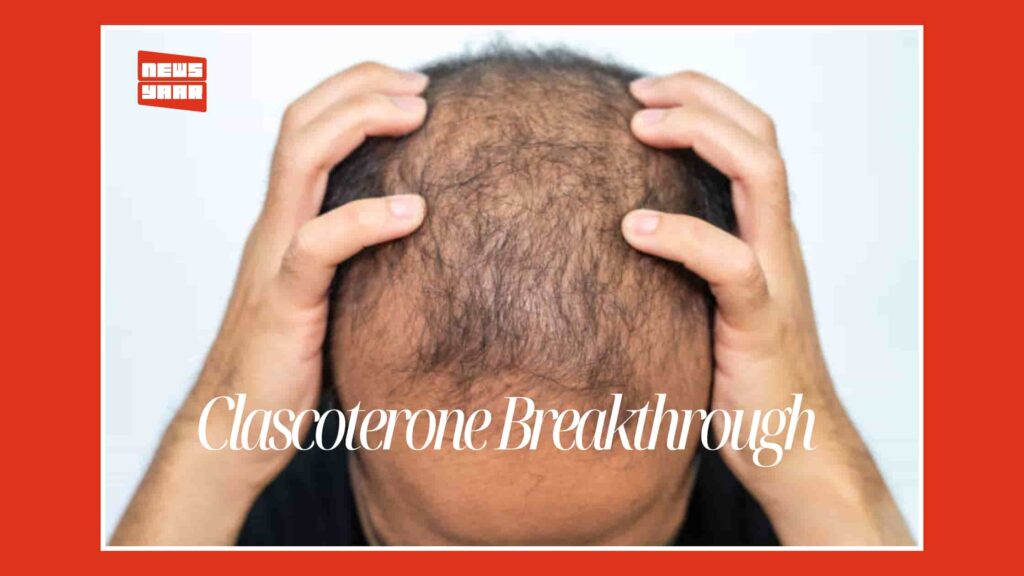
HEALTH Clascoterone Breakthrough Boosts Hair Growth by Up to 539%, Offering New Hope Against Baldness After decades of limited progress in male-pattern baldness treatment, new clinical data released this month have generated a wave of optimism in the dermatology and biotech communities. Clascoterone 5% topical solution, developed by Irish-based Cosmo Pharmaceuticals, has shown remarkably strong results in late-stage clinical trials, including up to a 539% relative improvement in hair count compared with placebo in one study. The results, drawn from two identically designed Phase III trials named SCALP-1 and SCALP-2, represent the largest late-stage clinical program ever conducted for a topical hair-loss treatment. Together, these studies enrolled 1,465 men across the United States and Europe with androgenetic alopecia, the most common form of hair loss worldwide. In SCALP-1, participants using clascoterone showed a 5.39-fold (539%) relative increase in target-area hair count compared with those receiving a placebo vehicle. The second trial demonstrated a 1.68-fold (168%) improvement over placebo. Both results met strict statistical significance thresholds. Why This Matters? Male-pattern baldness, or androgenetic alopecia (AGA), affects a huge portion of the global population, with some estimates suggesting over 1 billion men are impacted. Current treatment options include oral medication like finasteride and topical minoxidil. Clascoterone works differently. Instead of interfering with the hormone system-wide, it blocks dihydrotestosterone (DHT) locally at the hair follicle, the hormone widely understood to shrink hair roots and trigger thinning in genetically predisposed individuals. By acting directly on the scalp with minimal systemic absorption, clascoterone aims to reduce common side effect concerns associated with oral treatments. Early patient-reported outcomes also supported the objective findings, with many users noting visible regrowth and satisfaction, an encouraging sign that the statistical benefits translated into meaningful change for subjects in the trials. Safety and the Path Ahead Safety data from the trials are promising. Incidences of treatment-emergent adverse events were comparable to placebo, indicating a favorable tolerability profile. Cosmo Pharmaceuticals is now completing an additional 12-month safety and durability study, expected by spring 2026, after which it plans parallel regulatory submissions to U.S. and European authorities. If approved, clascoterone could become the first novel topical hair-loss mechanism in over 30 years, a milestone many clinicians have long awaited. While not a guaranteed “cure,” these results may reshape the therapeutic landscape for millions struggling with hair loss and could launch a new era of effective, topical solutions. About the Author Health Reporter Share via Copied Comments Post Comment
Omnicom Completes IPG Acquisition, Creating World’s Largest Advertising Group

ADVERTISING Omnicom Completes IPG Acquisition, Creating World’s Largest Advertising Group Omnicom Group has officially completed its acquisition of Interpublic Group of Companies (IPG), finalizing a deal that creates the world’s largest advertising holding company and marks a major shift in the global agency landscape. The stock-for-stock transaction, valued at approximately $8.9 billion, closed on November 26, 2025. With the merger, Omnicom moves to the top of the global agency rankings, reporting $26.4 billion in combined worldwide revenue for 2024, ahead of Accenture Song, WPP, and Publicis Groupe. Omnicom Chairman and CEO John Wren, along with senior leadership, described the merger as a strategic move focused on scale, technology, and operational efficiency rather than expansion for its own sake. Creative Networks Restructured As part of the integration, Omnicom confirmed it will retire three legacy creative networks, DDB, FCB, and MullenLowe. FCB will be consolidated into BBDO, while TBWA will absorb both DDB and MullenLowe. McCann will remain the sole surviving IPG global creative network, selected for its strong international presence and brand recognition. The move reflects a broader industry trend toward fewer, globally scalable agency brands. Media Agencies Largely Unchanged Unlike the creative restructuring, Omnicom’s media operations will remain largely intact. The combined company will continue to operate five global media agency brands, with no immediate plans to eliminate any of them. Technology at the Core Omnicom executives positioned the deal as a technology-driven merger, highlighting the company’s AI-powered intelligence platform, Omni, and an expanded agentic framework designed to unify data, identity, and activation across the organization. Leadership said the combined entity now holds one of the strongest data and technology foundations in the advertising industry. Workforce Impact The merger will result in significant job reductions. Omnicom expects its global workforce to total approximately 105,000 employees, down from a combined 128,200 at the end of 2024, implying around 23,200 job cuts worldwide. A Giant Reborn As Omnicom enters this new chapter, it stands taller, leaner and more technologically ambitious than ever before. Built on the foundations of BBDO, McCann and TBWA, the company is betting that clarity, scale, and data-driven creativity will define the next decade of marketing. The merger doesn’t just create the world’s largest agency holding company, it redraws the rules of what an agency is expected to be. About the Author Business Reporter Share via Copied Comments Post Comment
Putin in Delhi: A Big Push for India-Russia
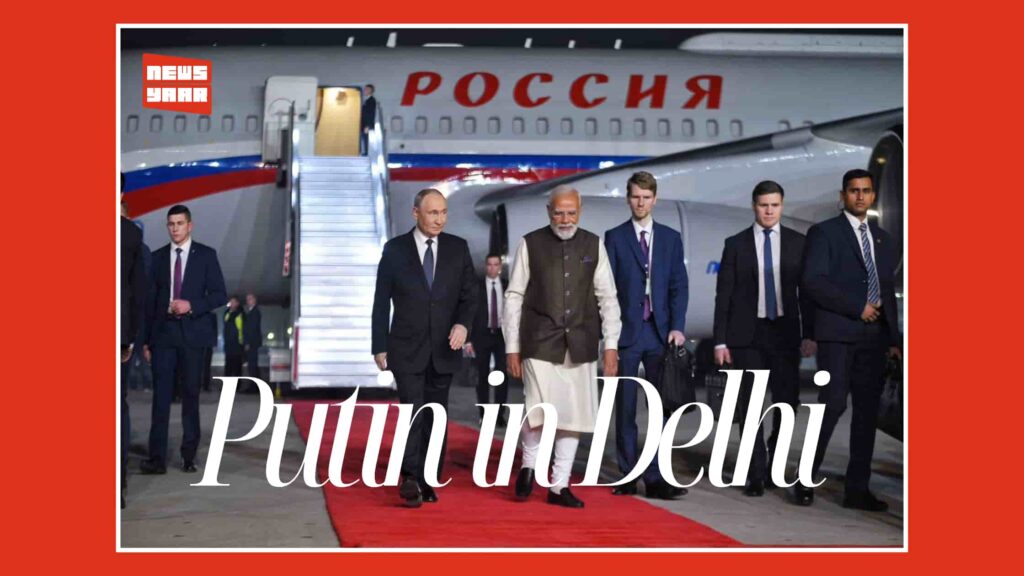
POLITICS Putin in Delhi: A Big Push for India-Russia Link to the Narendra Modi receiving Vladimir Putin at Delhi Airport video In early December 2025, Russian President Vladimir Putin arrived in New Delhi for his first visit in four years. Prime Minister Narendra Modi welcomed him warmly, and the visit was treated as a major moment for both countries. A Partnership Built Over Decades India and Russia have shared a strong bond for many years, known as their “Special and Privileged Strategic Partnership.” During this visit, both sides agreed to make the relationship even stronger. They discussed cooperation in defence, energy, science, technology, trade, and diplomacy. At a time when global politics is shifting, and Russia faces sanctions, the visit showed that India still values Russia as an important partner. It also highlighted India’s ability to balance relations with different major powers. Big Trade Plans for the Future One of the major outcomes was a new Economic Cooperation Programme that will guide both countries until 2030. The aim is to increase the current trade value of about $68.7 billion to $100 billion. India and Russia want to go beyond buying and selling oil or defence equipment. They’re looking to expand into areas like manufacturing, clean energy, minerals, pharma, agriculture, food processing, and new technology collaborations. There’s also fresh momentum to sign a Free Trade Agreement between India and the Eurasian Economic Union, which could make it easier for Indian products to enter Russian and Eurasian markets. Energy & Defence: Still the Backbone Energy remained one of the main discussion points. Putin assured India that Russia will continue supplying oil and fuel without interruption, despite global sanctions. This promise is crucial for India’s energy security. On the defence front, both sides agreed to deepen cooperation, focusing on joint manufacturing, co-production, sharing technology, and strengthening military ties. These steps aim to reduce India’s dependency on imports and build capabilities within the country. A Balanced Approach in a Complicated World What makes this visit important is India’s clear message: it will continue to follow an independent foreign policy. Despite pressure from Western countries to reduce ties with Russia, India maintained its balanced approach, keeping strong relations with both Russia and the West. For Russia, the visit helped reinforce partnerships outside the Western sphere. For India, it strengthened its trade, energy, and defence needs while preparing for a more uncertain global future. The Bottom Line Putin’s visit wasn’t just a diplomatic event. It created a fresh roadmap for India–Russia ties, focusing on stronger trade, reliable energy, deep defence cooperation, and long-term strategic trust. The visit marks a new chapter in a partnership that has stood firm for decades. https://www.youtube.com/watch?v=-oRdrsLAv1o Video credit: Narendra Modi’s Youtube Video https://www.youtube.com/watch?v=lDts5BTpyFc Video credit: Narendra Modi’s Youtube Video https://www.youtube.com/watch?v=rANa23Pxxo0 Video credit: President of India Youtube Video https://www.youtube.com/watch?v=o3_gk2xIv38 Video credit: DD News About the Author Politics Reporter Share via Copied Comments Post Comment