




Sergio Gor Takes Charge as U.S. Ambassador to India: What His Appointment Means for India-US Trade Relations

POLITICS Sergio Gor Takes Charge as U.S. Ambassador to India: What His Appointment Means for India-US Trade Relations Newsyaar January 13, 2026 1:03 pm Sergio Gor formally assumed his role as the United States Ambassador to India on Monday, signalling a fresh chapter in the bilateral relationship between the two democracies. Gor, a close associate of U.S. President Donald Trump, addressed the press ahead of taking office and outlined his vision for strengthening cooperation between Washington and New Delhi. Ambassador Gor’s appointment comes at a time when diplomatic ties between India and the United States have faced several challenges, from disagreements over trade to tensions related to global geopolitical issues. Yet his arrival has sparked cautious optimism among policymakers and analysts on both sides of the aisle. A Personal Message of Partnership and Collaboration In his public remarks upon taking charge, Ambassador Gor underscored India’s importance to the United States. He stated that no country is more “essential” to American strategic interests than India, highlighting shared values and mutual goals in areas like trade, security, technology, and regional stability. Gor also referenced the strong personal rapport between President Trump and Prime Minister Narendra Modi, describing their friendship as “real” and pivotal for future cooperation. This emphasis on interpersonal diplomacy signals an attempt to soften recent strains and build momentum for collaborative action. Reports indicate that one of Gor’s early initiatives will be to invite India to participate in the Pax Silica initiative, a U.S.-led multilateral forum focused on mineral security and advanced technologies such as artificial intelligence. Participation in this forum could broaden India’s role in global tech and strategic discussions. Trade Talks and Economic Expectations Economists and trade experts have weighed in on the potential impact of Ambassador Gor’s appointment on economic ties. India and the U.S. are actively working on a bilateral trade agreement aimed at reducing tariff barriers and promoting deeper economic engagement. ABC News and Politico Pro reports highlighted that one of the ambassador’s priorities will be expanding trade ties despite ongoing tensions related to Russian oil and global energy dynamics. As such, Gor’s role will not only be diplomatic but also deeply economic. A Reset in Relations? Analysts from The Assam Tribune and ETV Bharat have described Ambassador Gor’s messages as signalling a reset in diplomatic outreach. By stressing mutual respect and partnership, he appears intent on building a stronger, more resilient relationship that can withstand geopolitical pressure. With his first address and public engagements in India, Sergio Gor has laid the groundwork for renewed strategic dialogue. As bilateral initiatives, the world will be watching closely to see how India and the United States navigate their partnership in 2026 and beyond. https://www.youtube.com/watch?v=HsCV6soEErQ Video credit: ANI About the Author Politics Reporter Share via Copied Comments Post Comment
India Greenlights 3 New Airlines: Transforming Domestic Aviation

BUSINESS India Greenlights 3 New Airlines: Transforming Domestic Aviation India’s aviation landscape is up for a major shake-up with the Ministry of Civil Aviation granting no-objection certificates (NOCs) to three new domestic carriers, Shankh Air, Al Hind Air, and FlyExpress, signaling steps toward increased competition, enhanced regional connectivity, and more affordable travel options in 2026. The approvals come amid growing calls to diversify the aviation market, which has long been dominated by IndiGo and the Air India Group, together controlling more than 90 % of domestic flights. Recent operational disruptions at one of the country’s largest carriers underscored the risks of such concentration and prompted regulators to clear the way for fresh capacity. Shankh Air: Uttar Pradesh’s New Player Shankh Air is expected to be one of the first among the three to begin operations, with plans to launch flight services in early 2026. Based in Uttar Pradesh, the airline aims to connect north and central Indian cities, initially linking Lucknow with major metros such as Delhi and Mumbai while expanding to Varanasi, Gorakhpur, and other destinations. The carrier, led by founder Shravan Kumar Vishwakarma, plans to start with an initial fleet of Airbus aircraft and gradually expand, including potential international operations by the late 2020s. Its mission underscores making air travel more accessible to middle-class and first-time flyers while strengthening intrastate connectivity. Al Hind Air: Regional Focus from Kerala Al Hind Air, headquartered in Kozhikode, Kerala, will initially operate as a regional commuter airline under the UDAN scheme. With a focus on connecting smaller cities and underserved markets in southern India, it plans to begin services using ATR turboprop aircraft. The airline emerges from the established Alhind Group, which brings travel and tourism sector experience to its aviation venture. While it has faced early financial strain, including unpaid leave for some staff, the carrier is advancing toward operational readiness pending its Air Operator Certificate (AOC). FlyExpress: Low-Cost Connectivity & Cargo Potential FlyExpress, a Hyderabad-based startup, has also received its NOC and intends to serve both passengers and freight across India’s regional markets as a low-cost carrier. It joins the other two new entrants in targeting a balance between affordability and broader market access. What’s Ahead for Indian Aviation? While securing NOCs is an important regulatory milestone, these airlines must still complete technical requirements, including proving flights, crew training, and DGCA-issued Air Operator Certificates, before selling commercial tickets. If successful, the trio could destabilize the market dominance, competitive pricing, boost connectivity to Tier-II and Tier-III cities, and make flying more accessible for millions of Indians. As they take shape in 2026, the aviation sector will be watching closely to see whether this trio can break into a market long held by a few major carriers. About the Author Business Reporter Share via Copied Comments Post Comment
Why Gold and Silver Prices Are Rising: Key Reasons Behind the Metals Surge

BUSINESS Why Gold and Silver Prices Are Rising: Key Reasons Behind the Metals Surge As global markets continue to face uncertainty, gold and silver prices have been witnessing a steady upward trend, reinforcing their long-standing status as safe-haven assets. From geopolitical tensions to economic slowdowns, multiple factors are pushing investors toward precious metals, making gold and silver increasingly attractive in both domestic and international markets. Safe-Haven Demand Amid Global Uncertainty One of the primary reasons behind the rising prices of gold and silver is growing global uncertainty. Ongoing geopolitical conflicts, trade tensions, and instability in key regions have made investors cautious about riskier assets like equities. In such times, precious metals are seen as a store of value, leading to higher demand and, consequently, rising prices. Inflation and Currency Fluctuations Persistent inflation across major economies has also played a crucial role. When inflation erodes the purchasing power of money, investors turn to gold and silver as hedges against rising prices. Additionally, fluctuations in major currencies, particularly the US dollar, influence metal prices. A weaker dollar often makes gold and silver cheaper for global buyers, boosting demand. Central Bank Policies and Interest Rates Monetary policies adopted by central banks worldwide significantly impact precious metal markets. Expectations of interest rate cuts or a pause in tightening cycles make non-yielding assets like gold and silver more attractive. When interest rates remain low or are expected to decline, investors are less inclined toward fixed-income instruments and more inclined toward commodities. Industrial Demand for Silver While gold is largely driven by investment and jewellery demand, silver benefits from strong industrial usage as well. Silver is a key component in sectors such as electronics, renewable energy, electric vehicles, and solar panel manufacturing. With the global push toward green energy and technological advancement, industrial demand for silver has grown, contributing to its price rise. Strong Domestic Demand and Festive Buying In countries like India, cultural and festive demand also plays an important role. Weddings, festivals, and traditional investments lead to consistent buying of gold and silver, especially during auspicious periods. Rising demand during these seasons often adds upward pressure on prices. With India being one of the world’s largest consumers of gold, any movement in international prices quickly reflects in local bullion markets. Conclusion The growing prices of gold and silver reflect a complex mix of global economic trends, investor sentiment, and industrial demand. Whether for investment, jewellery, or industrial use, precious metals remain central to financial strategies in uncertain times. As markets evolve, gold and silver are expected to continue shining as reliable assets in diversified portfolios. About the Author Business Reporter Share via Copied Comments Post Comment
What Happened in Parliament’s Winter Session 2025: Key Takeaways
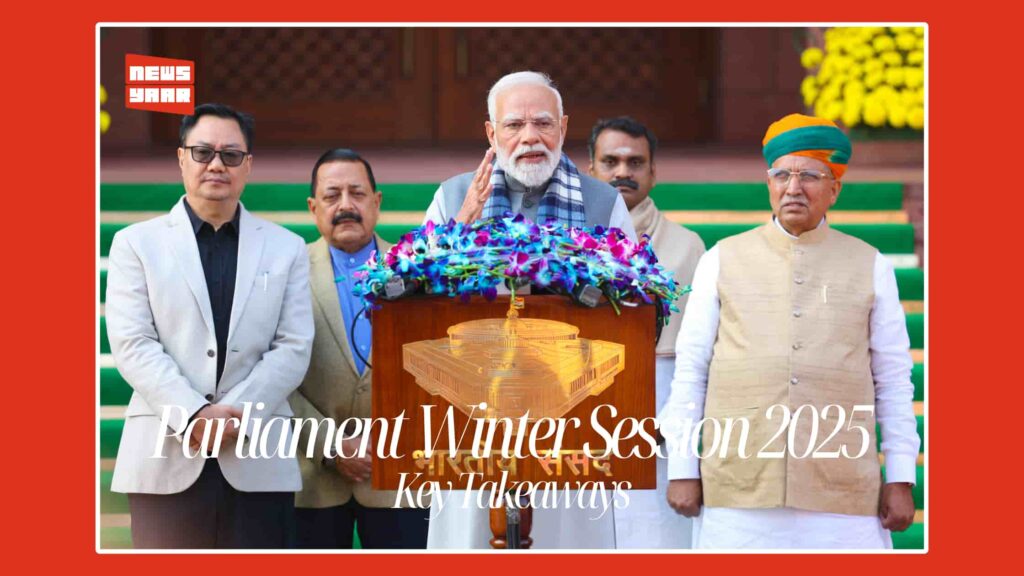
GOVERNMENT What Happened in Parliament’s Winter Session 2025: Key Takeaways The Winter Session of the Indian Parliament, held from December 1 to December 19, 2025, concluded this week with both Houses, Lok Sabha and Rajya Sabha, adjourned sine die after a packed legislative agenda and spirited debates. Across 15 sittings in each house, lawmakers debated, deliberated, and passed several bills with far-reaching implications for India’s governance, economy, and social fabric. Legislative Activity and Major Bills Passed One of the most significant outcomes of the session was the passage of eight key bills covering agriculture and rural employment, economic reforms, financial legislation, and sectoral development. At the forefront was the Viksit Bharat Guarantee for Rozgar and Ajeevika Mission (Gramin) Act, 2025, popularly known as the VB-G RAM G Bill. This legislation replaces the two-decade-old MGNREGA framework with a revised rural employment guarantee, offering 125 days of statutory work to eligible rural households and aligning with the government’s Viksit Bharat 2047 goals. Another cornerstone was the Sustainable Harnessing and Advancement of Nuclear Energy for Transforming India (SHANTI) Bill, 2025, which opens up the previously state-controlled civil nuclear sector to private participation and foreign investment, a structural shift in India’s energy policy. The Sabka Bima Sabki Raksha (Amendment of Insurance Laws) Bill, 2025, also gained Parliamentary approval, raising the FDI cap in the insurance sector from 74% to 100% and aiming to attract global capital, deepen insurance penetration, and enhance consumer choice. Other bills passed included the Appropriation (No. 4) Bill, 2025, authorising additional government spending for the current fiscal cycle, and the Repealing and Amending Bill, 2025, which repeals outdated laws and amends several existing statutes to streamline legal frameworks. Taxation adjustments were addressed through the Central Excise (Amendment) Bill, 2025, and the Manipur Goods and Services Tax (Second Amendment) Bill, 2025, while the Health Security and National Security Cess Bill, 2025, sought to replace the compensation cess on pan masala with a broader cess aimed at funding health and security needs. Debates and Political Dynamics The session saw intense political exchanges. The VB-G RAM G Bill, in particular, sparked opposition protests, with several parliamentarians objecting to the repeal of MGNREGA and the shift in funding arrangements. There were heated interventions in both Houses as lawmakers debated the future of rural employment schemes. Apart from legislative business, members also spotlighted social issues, national song Vande Mataram discussions, and challenges such as air pollution and infrastructure concerns, reflecting Parliament’s role as a platform for diverse public concerns. Session Takeaways The 2025 Winter Session underscored the government’s push towards economic reforms, rural employment restructuring, and opening strategic sectors like nuclear energy. Increased insurance sector liberalisation and the repeal of obsolete laws additionally signal a legislative drive toward modernisation. Yet, the session’s political temperature also highlighted the contentious nature of major reforms, with opposition parties raising questions about their socio-economic impacts. As Parliament adjourned, it left behind both substantive legislative change and an ongoing debate on India’s policy priorities in the years ahead. https://www.youtube.com/watch?v=jEjKon5GubM Video credit: Sansad TV About the Author Government Reporter Share via Copied Comments Post Comment
India’s DHRUV64: The First 1 GHz, 64-Bit Dual-Core Microprocessor
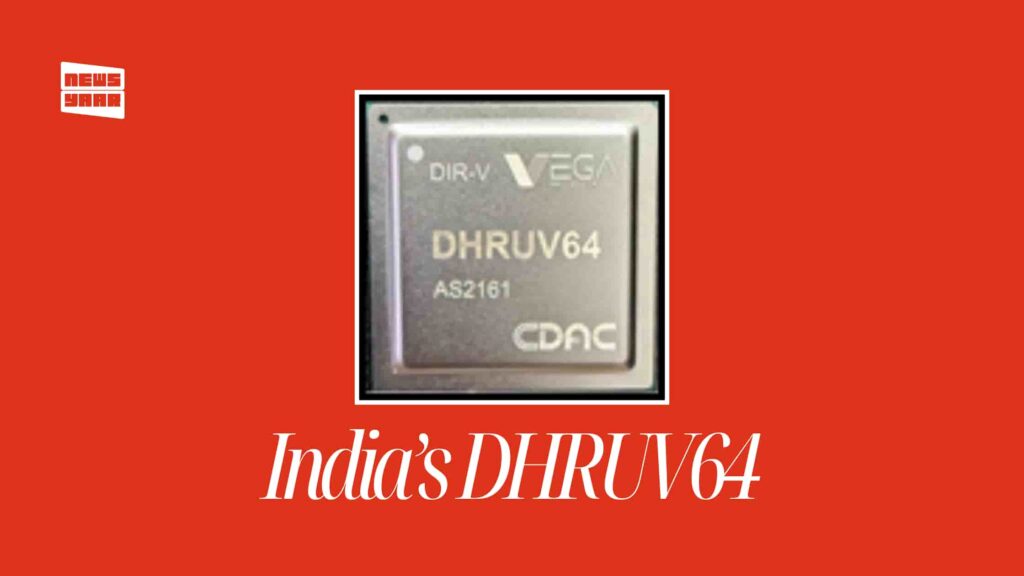
TECH India’s DHRUV64: The First 1 GHz, 64-Bit Dual-Core Microprocessor In a landmark moment for India’s semiconductor ambitions, the Centre for Development of Advanced Computing (C-DAC) has unveiled DHRUV64, the country’s first 1 GHz, 64-bit dual-core microprocessor. Developed under the government’s Microprocessor Development Programme and showcased as part of the Digital India RISC-V (DIR-V) initiative, DHRUV64 represents a major stride toward self-reliance in advanced chip design and computing technology. A Milestone in Indigenous Chip Design DHRUV64 is built on an open-source RISC-V architecture, an increasingly popular set of instructions that allows chip designers to innovate without costly licensing fees from foreign companies. Operating at a clock speed of 1.0 GHz with dual processing cores and 64-bit capability, it brings India into the realm of gigahertz-class embedded processors, a class previously dominated by global players. Unlike earlier academic or specialised chips, DHRUV64 is designed for broader strategic and commercial applications, including industrial automation, automotive electronics, 5G infrastructure, consumer devices, and Internet of Things (IoT) systems. It supports modern operating systems, integrates with diverse hardware systems, and provides multitasking efficiency suited for a range of real-world deployments. How Does It Matter? India currently consumes roughly 20 percent of the world’s microprocessors, yet historically has relied heavily on imports for core computing technology. Developing a homegrown processor like DHRUV64 is significant not only for technological sovereignty but also for enhancing security, reducing supply-chain vulnerabilities, and building local expertise in semiconductor design. By creating a platform that domestic startups, researchers, and established companies can build upon, DHRUV64 is expected to boost innovation across the electronics ecosystem and support cheaper prototyping and product development. It also provides a foundation for a growing pipeline of skilled chip design professionals, further energising India’s tech sector. A Step Toward Aatmanirbhar Bharat in Technology DHRUV64 marks a continuation of India’s journey toward an Aatmanirbhar (self-reliant) semiconductor ecosystem. The chip follows earlier indigenous designs such as SHAKTI, AJIT, VIKRAM, and THEJAS64, and sits alongside future variants like Dhanush and Dhanush+ in the development pipeline. While India still relies on global fabrication technologies for manufacturing, the design and strategic deployment of processors like DHRUV64 signal a slow but steady shift toward autonomous capabilities in core computing technologies, a critical competitiveness marker in the global tech landscape. About the Author Tech Reporter Share via Copied Comments Post Comment
Special Intensive Revision: Why Electoral Rolls Are Being Rechecked
GOVERNMENT Special Intensive Revision: Why Electoral Rolls Are Being Rechecked Every democracy depends on a simple but powerful foundation: the right list of voters. To protect that foundation, election authorities periodically undertake an exercise known as the Special Intensive Revision (SIR) of the electoral rolls process that may appear routine on paper but carries deep significance for free and fair elections. Unlike regular updates, which happen continuously through the year, a Special Intensive Revision is a focused, time-bound effort to comprehensively verify and correct voter lists in a particular area. It is usually undertaken ahead of major elections or when concerns arise about inaccuracies, duplication, or demographic changes that may affect electoral integrity. At its core, SIR is about accuracy and inclusion. Over time, electoral rolls naturally become outdated. People move homes, migrate for work, change names, or pass away. New voters turn 18 and become eligible, while others may no longer meet the criteria to remain on the list. If these changes are not addressed systematically, voter rolls risk becoming cluttered with errorspotentially disenfranchising genuine voters or allowing misuse. The Special Intensive Revision seeks to address this by going beyond desk-based corrections. Booth Level Officers (BLOs) are often tasked with physical verification, visiting households to confirm voter details. Citizens are encouraged to check their entries, submit claims for inclusion, request corrections, or file objections against incorrect listings. Draft rolls are published, feedback is invited, and final rolls are prepared only after this public scrutiny. This participatory nature is what makes SIR especially important. It places responsibility not just on election officials, but also on voters themselves. A clean electoral roll is not created in isolation relies on citizens taking the time to verify their information and report inaccuracies. In recent years, SIR exercises have gained added relevance due to increased urban migration and rapid population shifts. Cities expand, rural populations relocate, and entire neighbourhoods transform within a few years. Without intensive revision, voter lists may fail to reflect these realities, leading to confusion on polling day and, in some cases, allegations of unfair practices. Technology has also reshaped how SIR is conducted. Digital databases, online forms, and mobile applications have made it easier for voters to check their status and submit requests. However, physical verification remains a critical component, particularly in areas with limited digital access. The balance between technology and on-ground outreach ensures that no voter is left out due to the digital divide. Critics sometimes raise concerns that intensive revisions could lead to wrongful deletions if not handled carefully. Election authorities, therefore, emphasise transparency and due process. Deletions are not meant to be arbitrary; they follow clear guidelines, documented verification, and opportunities for appeal. The goal is correction, not exclusion. From a democratic standpoint, SIR serves as a preventive measure. Clean electoral rolls reduce disputes, build trust in the election process, and strengthen the credibility of outcomes. When voters see their details accurately reflected, confidence in the system grows. When political parties operate with the same verified data, the playing field becomes more level. Ultimately, the Special Intensive Revision is not just an administrative exercise; it is a democratic safeguard. It reminds citizens that voting rights come with civic responsibility, and that democracy requires regular maintenance, not blind faith. As elections approach in different parts of the country, SIR exercises will continue to play a quiet but crucial role behind the scenes. Their success depends on meticulous execution by officials and active participation by voters. In that partnership lies the assurance that every legitimate voice is counted and counted correctly. https://www.youtube.com/watch?v=v3jwbffAJrE Video credit: Election Commission of India About the Author Government Reporter Share via Copied Comments Post Comment
Sanchar Saathi App: How India Is Empowering Citizens Against Telecom Fraud

TECH Sanchar Saathi App: How India Is Empowering Citizens Against Telecom Fraud Understanding the Sanchar Saathi Initiative Sanchar Saathi is a government-backed digital initiative aimed at protecting telecom users from fraud, identity theft, and the misuse of mobile connections. The app aims to bring transparency and control directly into the hands of citizens. Why the App Was Needed? India has witnessed a sharp rise in cyber fraud, fake SIM usage, and unauthorised mobile connections. Many users were unaware of the number of numbers issued in their name, making them vulnerable to misuse. Key Features Explained Simply The Sanchar Saathi app allows users to check mobile connections linked to their Aadhaar, block lost or stolen phones, and report suspected fraud. These features reduce dependency on telecom offices and speed up action. How It Helps Ordinary Users For common citizens, the app provides peace of mind. Users can instantly identify unknown connections, prevent misuse, and take quick corrective steps without technical knowledge. The launch of Sanchar Saathi reflects the government’s broader focus on digital safety and citizen empowerment. It aligns with initiatives aimed at securing India’s rapidly expanding digital ecosystem. Final Words As awareness grows, Sanchar Saathi could become a key tool in fighting telecom fraud nationwide. Experts believe regular updates and public education will determine its long-term success. About the Author Tech Reporter Share via Copied Comments Post Comment
Census 2027: India Prepares to Count Itself Again, This Time, Digitally
GOVERNMENT Census 2027: India Prepares to Count Itself Again, This Time, Digitally After a silence that lasted longer than any in independent India’s history, the country is finally preparing to count itself again. On December 12, 2025, the Union Cabinet, chaired by Prime Minister Narendra Modi, approved the scheme for conducting the Census of India 2027, allocating ₹11,718.24 crore for what will be the largest administrative and statistical exercise in the world. More than a routine headcount, Census 2027 marks a reset of data, of governance, and of how India understands itself. A 16-Year Pause and a Long-Awaited Restart India’s census tradition dates back to 1872, when the first synchronised census was conducted under British rule. Since Independence, the country has followed a strict decennial rhythm, conducting censuses every ten years starting in 1951. That rhythm broke in 2021. Originally scheduled to begin in April 2020, the census was postponed due to the COVID-19 pandemic. What followed were years of disruption, lockdowns, vaccination drives, stretched administrative machinery and shifting priorities. The result is a 16-year gap between censuses, the longest since Independence. In that time, India changed dramatically. Cities expanded, migration patterns shifted, new welfare schemes rolled out, and digital infrastructure deepened, yet policymaking continued to rely on 2011 population data. Census 2027 is expected to finally bridge that gap. India’s First Fully Digital Census For the first time in its history, India will conduct a digital census. Gone are paper schedules and hand-drawn maps. Instead, data will be collected using mobile applications compatible with Android and iOS, deployed across the country by nearly 30 lakh field functionaries. These enumerators—mostly government teachers and officials appointed by states—will visit every household, armed with smartphones instead of registers. At the heart of this transformation is the Census Management and Monitoring System (CMMS), a centralised digital portal that will allow real-time tracking of progress across districts, states and Union Territories. Another major shift is the introduction of self-enumeration. Citizens will have the option to fill in their census details online through a secure portal, generating a QR code or reference number that enumerators can later verify. Two Phases, One Massive Operation The Census of India 2027 will be conducted in two distinct phases: Phase I: Houselisting and Housing Census Scheduled between April and September 2026, this phase will collect data on housing conditions, household assets, sanitation, drinking water, cooking fuel and amenities. Each state and Union Territory will select a 30-day window within this period. Phase II: Population Enumeration The main headcount will take place in February 2027, with a reference date of March 1, 2027. For snow-bound regions such as Ladakh, parts of Jammu & Kashmir, Himachal Pradesh and Uttarakhand, enumeration will be conducted earlier, in September 2026, with a reference date of October 1, 2026. Together, these phases will capture granular data down to the village and ward level, covering demography, religion, language, literacy, migration, fertility and economic activity. The Return of Caste Enumeration One of the most significant, and debated features of Census 2027 is the inclusion of caste enumeration. In April 2025, the Cabinet Committee on Political Affairs approved the decision to collect caste data electronically during the Population Enumeration phase. This will be the first full caste census since 1931, going beyond the Scheduled Castes and the Scheduled Tribes to include all communities. Enumerators will use a state-specific coded directory, presented as a drop-down menu within the app, to ensure consistency and accuracy in data collection. Data as a Service, Not Just a Report Census 2027 is also reimagining how data is used. Under a new “Census as a Service” (CaaS) model, census data will be delivered to ministries and departments in a clean, machine-readable and actionable format. Instead of static tables released years later, policymakers will be able to access query-based data through digital systems—supporting faster, evidence-based decision-making. The government has promised improved data dissemination with customised visualisation tools, allowing access to information down to the lowest administrative units. Privacy, Law and Public Trust With digitisation comes concern, and the government has emphasised safeguards. The census continues to operate under the Census Act, 1948, and Census Rules, 1990, which guarantee confidentiality. Individual data cannot be shared, published or used as evidence in civil or criminal proceedings. Only aggregated data will be released. Census 2027 will be India’s 16th census and the 8th since Independence, but its significance goes beyond counting people. It is an attempt to realign governance with reality, to replace assumptions with evidence, and to modernise a system that shapes everything from welfare schemes to parliamentary constituencies. As India prepares for this massive exercise, its success will depend not just on technology or budgets, but on participation, trust and accuracy. After sixteen long years, the country is finally ready to count itself again. And this time, every click matters. About the Author Government Reporter Share via Copied Comments Post Comment
Putin in Delhi: A Big Push for India-Russia
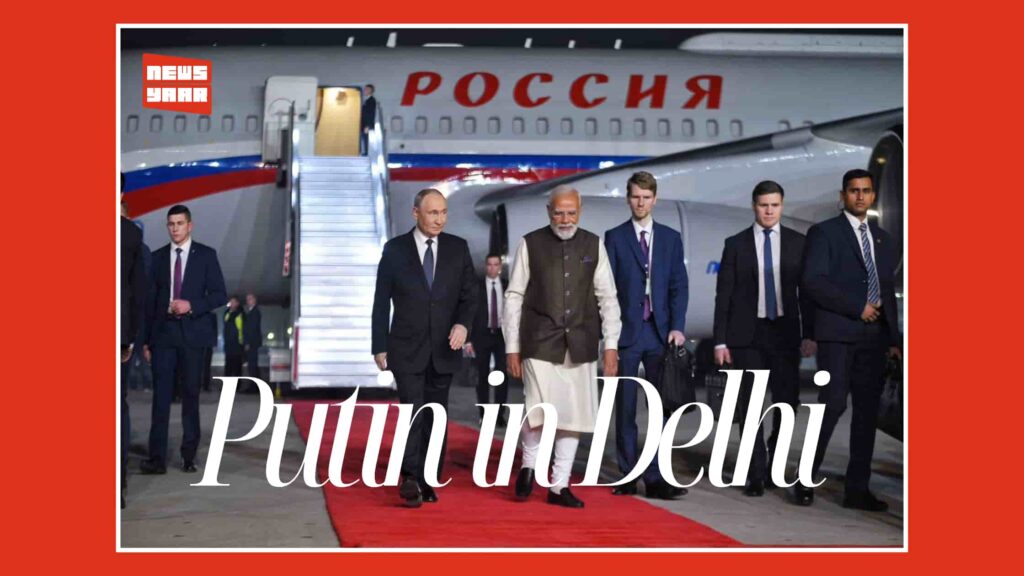
POLITICS Putin in Delhi: A Big Push for India-Russia Link to the Narendra Modi receiving Vladimir Putin at Delhi Airport video In early December 2025, Russian President Vladimir Putin arrived in New Delhi for his first visit in four years. Prime Minister Narendra Modi welcomed him warmly, and the visit was treated as a major moment for both countries. A Partnership Built Over Decades India and Russia have shared a strong bond for many years, known as their “Special and Privileged Strategic Partnership.” During this visit, both sides agreed to make the relationship even stronger. They discussed cooperation in defence, energy, science, technology, trade, and diplomacy. At a time when global politics is shifting, and Russia faces sanctions, the visit showed that India still values Russia as an important partner. It also highlighted India’s ability to balance relations with different major powers. Big Trade Plans for the Future One of the major outcomes was a new Economic Cooperation Programme that will guide both countries until 2030. The aim is to increase the current trade value of about $68.7 billion to $100 billion. India and Russia want to go beyond buying and selling oil or defence equipment. They’re looking to expand into areas like manufacturing, clean energy, minerals, pharma, agriculture, food processing, and new technology collaborations. There’s also fresh momentum to sign a Free Trade Agreement between India and the Eurasian Economic Union, which could make it easier for Indian products to enter Russian and Eurasian markets. Energy & Defence: Still the Backbone Energy remained one of the main discussion points. Putin assured India that Russia will continue supplying oil and fuel without interruption, despite global sanctions. This promise is crucial for India’s energy security. On the defence front, both sides agreed to deepen cooperation, focusing on joint manufacturing, co-production, sharing technology, and strengthening military ties. These steps aim to reduce India’s dependency on imports and build capabilities within the country. A Balanced Approach in a Complicated World What makes this visit important is India’s clear message: it will continue to follow an independent foreign policy. Despite pressure from Western countries to reduce ties with Russia, India maintained its balanced approach, keeping strong relations with both Russia and the West. For Russia, the visit helped reinforce partnerships outside the Western sphere. For India, it strengthened its trade, energy, and defence needs while preparing for a more uncertain global future. The Bottom Line Putin’s visit wasn’t just a diplomatic event. It created a fresh roadmap for India–Russia ties, focusing on stronger trade, reliable energy, deep defence cooperation, and long-term strategic trust. The visit marks a new chapter in a partnership that has stood firm for decades. https://www.youtube.com/watch?v=-oRdrsLAv1o Video credit: Narendra Modi’s Youtube Video https://www.youtube.com/watch?v=lDts5BTpyFc Video credit: Narendra Modi’s Youtube Video https://www.youtube.com/watch?v=rANa23Pxxo0 Video credit: President of India Youtube Video https://www.youtube.com/watch?v=o3_gk2xIv38 Video credit: DD News About the Author Politics Reporter Share via Copied Comments Post Comment
New Labour Codes 2025: Opportunity or Outcry?

GOVERNMENT New Labour Codes 2025: Opportunity or Outcry? On 21 November 2025, India’s labour landscape changed forever: the government replaced 29 older laws with four comprehensive new labour codes, covering wages, industrial relations, social security, and workplace safety. What does that mean for workers? For many, it sounded like a win, especially for contract and fixed-term workers, who, under the updated rules, now qualify for gratuity after just one year of service, instead of the previous five. Add to that expanded definitions for “wage” (so allowances count more), protections for health, social security, and more inclusive job norms, and it seems like a long-awaited step toward modern labour reform. For many gig, contract, and temporary workers, long excluded from benefits, this appears to be a landmark shift. Suddenly, some of the perks traditionally reserved only for permanent staff are extended to a much larger pool. It is social security made more inclusive. The Political Backlash: Protests Outside Parliament But this reform didn’t sail smoothly. The moment the new codes were notified, alarm bells rang for many union leaders and opposition parties. On December 2, MPs, including Sonia Gandhi and Mallikarjun Kharge, staged a protest outside the Parliament complex, raising placards and slogans demanding that he new laws be rolled back. Their argument? These codes benefit corporations more than workers, allowing easier layoffs, diluting job security, and undermining collective bargaining rights. Trade unions across the country echo similar fears: what if “flexibility” becomes “exploitation”? What if temporary jobs, previously light on benefits, become even more vulnerable under the cloak of new definitions and frequent hiring-firing cycles? For them, this isn’t reform, it’s a disguised rollback of worker rights. Between Reform and Risk: What’s the Verdict? The new labour codes walk a tightrope. On one side, there’s a needed push toward inclusivity, protection for informal workers, and flexibility for modern businesses. On the other, a legitimate fear that under relaxed labour norms, job security and worker welfare might take a back seat. For contract workers, the cut in gratuity eligibility from five years to one is a game-changer. For millions of India’s unorganised workforce, it might mean a combination of dignity and safety. But for many unions and opposition leaders, the same laws signal a slippery slope. As politics rages on and protests echo through Parliament corridors, the real test will be in implementation, whether the laws reflect worker protection or corporate convenience. For now, the 2025 labour reforms remain India’s most ambitious overhaul in decades: hopeful for some, controversial for many, and undoubtedly the biggest labour conversation in recent memory. https://www.youtube.com/watch?v=aA6wgQnumDc Video credit: DD News About the Author Government Reporter Share via Copied Comments Post Comment