




Wings India 2026: Celebrating Aviation Excellence and Cultural Unity in the Skies

Gujarat wins top aviation award as Air India Express showcases India’s rich heritage through music and art Hyderabad: The Wings India 2026 aviation expo, held at Begumpet Airport from January 28-31, has emerged as more than just an industry gathering—it’s a celebration of how aviation connects cultures, builds communities, and drives economic progress across the nation. The four-day event brought together thousands of aviation professionals, exhibitors, and enthusiasts from around the world, highlighting India’s position as one of the fastest-growing aviation markets globally. From cutting-edge technology exhibits to cultural performances on the tarmac, the expo demonstrated that modern aviation is about more than just moving people—it’s about creating meaningful connections. Gujarat Soars High with Prestigious Recognition Gujarat received the coveted ‘Best State for Promotion of Aviation Ecosystem’ award, presented by Union Minister for Civil Aviation Shri K. Ram Mohan Naidu. The state shared this honor with Telangana and Uttarakhand, recognizing their exceptional contributions to India’s aviation sector. KL Bachani, Gujarat’s Civil Aviation Commissioner, attributed the achievement to Chief Minister Bhupendra Patel’s visionary leadership and the state’s focus on world-class infrastructure. “This honor reflects Gujarat’s commitment to making air travel more accessible for citizens while driving economic growth,” Bachani said. The award acknowledges Gujarat’s impressive progress in aviation infrastructure, including maintenance, repair, and overhaul (MRO) facilities and the aircraft leasing sector. This marks Gujarat’s third consecutive recognition at Wings India, having previously won awards in 2022 and 2024, demonstrating sustained excellence in aviation development. When Aviation Meets Art: Air India Express’s Cultural Showcase One of the most memorable moments at Wings India 2026 was Air India Express’s spectacular cultural performance featuring legendary singer Usha Uthup. The unique event took place on the airport tarmac beside the airline’s stunning first line-fit Boeing 737-8 aircraft, VT-RNT, adorned with livery inspired by traditional Parsi Gara embroidery. Uthup performed alongside talented artists from eleven Indian states: Andhra Pradesh, Assam, Delhi, Gujarat, Jammu & Kashmir, Karnataka, Kerala, Maharashtra, Odisha, Punjab, and Tamil Nadu. The performance created a vibrant tapestry of India’s diverse cultural heritage against the backdrop of modern aviation. “Music is a language that connects people across cultures and geographies,” Uthup said. “Performing at Wings India as the country’s cultural ambassador makes this truly special.” Aviation with Heart: Connecting People, Not Just Places Siddhartha Butalia, Chief Marketing Officer of Air India Express, emphasized the deeper purpose behind aviation. “In an increasingly digitally connected world, the true value of travel lies in real, immersive experiences and meaningful human connections,” he explained. The airline also received the prestigious ‘Domestic Connectivity’ award from the Ministry of Civil Aviation, recognizing its efforts to expand air travel access across India. This follows their ‘Sustainability Champions’ recognition at Wings India 2024. Air India Express’s ‘Tales of India’ initiative showcases India’s artistic heritage through aircraft liveries featuring indigenous designs like Kalamkari, Bandhani, Jamawar, Warli, and Phulkari. Their ‘Gourmair’ in-flight dining extends this cultural celebration to regional cuisines, featuring special menus for festivals like Onam, Navratri, and Diwali. The new Boeing 737-8 aircraft features ergonomically designed seats, fast-charging power outlets, on-board ovens for hot meals, spacious overhead bins, and Boeing’s Sky Interior with soothing mood lighting, proving that comfort and culture can fly together. Building Tomorrow’s Skies Today Wings India 2026 demonstrated that India’s aviation sector is not just about economic growth; it’s about inclusivity, sustainability, and preserving cultural identity while embracing innovation. As states like Gujarat lead infrastructure development and airlines like Air India Express celebrate regional diversity, Indian aviation is truly paving the future from design to deployment. The event reinforced that when aviation connects people meaningfully, everyone wins, from passengers experiencing rich cultural journeys to states driving economic development through better connectivity.
DRDO’s GaN Chip Breakthrough: A Strategic Leap in India’s Defence Technology

DEFENCE DRDO’s GaN Chip Breakthrough: A Strategic Leap in India’s Defence Technology India’s Defence Research and Development Organisation (DRDO) has achieved a transformative milestone in defence electronics with the successful development of indigenous Gallium Nitride (GaN) semiconductor chips — a feat that marks a decisive shift in the country’s technological autonomy and strategic capability. This achievement, emerging from years of sustained research and innovation, places India alongside a select group of countries with advanced compound semiconductor capabilities and strengthens its defence industrial base amid evolving global security dynamics. What Are GaN Chips and Why They Matter Gallium Nitride (GaN) chips represent a class of compound semiconductors that outperform traditional silicon-based technologies in power efficiency, thermal tolerance and high-frequency performance. Unlike silicon, GaN can operate at much higher power densities and elevated temperatures, making it ideal for defence systems where reliability under extreme conditions is critical. These characteristics are especially valuable in active electronically scanned array (AESA) radars, missile seekers, electronic warfare systems, communication arrays and surveillance sensors, which demand compact, high-power, high-frequency performance. Experts characterise compound semiconductor technologies like GaN and Silicon Carbide (SiC) as “thoroughbred racehorses” of modern defence electronics — systems that deliver superior range, resolution and signal fidelity in comparison with legacy counterparts. From Technology Denial to Indigenous Mastery The journey toward GaN mastery in India began as a response to foreign technology denial regimes that restricted access to high-end semiconductor technologies during sensitive defence procurements. A notable example occurred during negotiations for the Rafale fighter jet acquisition, when France declined to transfer restricted chip-level technologies under offset requirements. Rather than accept continued dependence, Indian scientists initiated a long-term indigenous development effort led by DRDO labs. Two principal research centres spearheaded this effort: Solid State Physics Laboratory (SSPL), Delhi — focusing on material growth, device physics and compound semiconductor device design. Gallium Arsenide Enabling Technology Centre (GAETEC), Hyderabad — concentrating on compound chip fabrication, testing and integration. By late 2025 and into 2026, DRDO scientists had successfully decoded and implemented GaN technology at the level of monolithic microwave integrated circuits (MMICs) and high-power GaN High Electron Mobility Transistors (HEMTs), a critical achievement for defence electronic systems. Strategic and Operational Implications The GaN breakthrough is not merely a laboratory milestone — it has direct implications for India’s defence preparedness, sensor infrastructure and future combat platforms: Enhanced Radar and AESA Systems: GaN-based radar modules allow systems to transmit and receive much higher power with reduced heat loss, improving detection range, resolution and reliability — vital for surveillance and targeting. Missile Seekers and Electronic Warfare: GaN chips’ high-frequency handling and thermal tolerance make them suitable for compact, resilient radar seekers and EW systems used in both air-to-air and surface-to-air engagements. Communication and Satellite Systems: GaN’s superior power efficiency enhances satellite payloads and communication terminals, especially where size, weight and power constraints are critical. The integration of GaN in defence electronics also supports self-reliance in mission-critical technology, reducing dependency on imports and external suppliers. DRDO leadership has emphasised this capability as a strategic buffer against supply disruptions and export control regimes in times of geopolitical tension. Broader Technological Context GaN development is part of a broader global emphasis on third-generation semiconductor technologies, which include GaN and SiC. These technologies are rapidly shaping defence, telecommunications, electric vehicles, power electronics and 5G infrastructure due to their ability to handle extreme operating conditions and high efficiencies. India’s achievement places it in an elite cohort of nations — including the United States, France, Russia, Germany, South Korea and China — actively pursuing sovereign GaN semiconductor capabilities. Expert Perspectives and Domestic Innovation Ecosystem Officials within DRDO, including Suma Varughese — Director General of Micro Electronic Devices and Computational Systems — have highlighted that GaN chips are not incremental advancements but foundational enablers for next-generation defence systems. These chips allow systems such as AESA radars to deliver significantly greater range and resolution, while electronic warfare setups benefit from enhanced power management and frequency agility. The GaN initiative also bolsters India’s indigenous semiconductor ecosystem, encouraging domestic research institutions, startups and industry partners to participate in high-end chip design and fabrication research. Integration into Defence Platforms While the GaN chips themselves are an achievement, the ongoing work involves incorporating them into operational systems. DRDO’s progress in GaN technology aligns with advancements in long-range radars, missile guidance systems and next-generation avionics, where compound semiconductors enable performance far beyond what silicon technology can offer. Indigenous GaN technology is expected to play a key role in future sensor suites for platforms such as radar networks and upgraded fighter aircraft systems, enhancing India’s air domain awareness and electronic warfare capabilities. Strategic Autonomy and Future Prospects From a strategic standpoint, achieving GaN chip capability is a milestone in India’s pursuit of technological sovereignty. DRDO’s advancements underscore a wider national effort toward self-reliance in defence technology, consistent with the government’s “Aatmanirbhar Bharat” (self-reliant India) vision. Officials estimate that mastering and iterating next-generation semiconductor technologies — including further refinement of GaN and related systems — will be a multi-year endeavour. However, the successful development of indigenous GaN chips demonstrates India’s capacity to innovate at the highest technical levels, insulating its defence industry from external constraint and positioning it for leadership in future electronic warfare technologies. Why This Breakthrough Matters The indigenous GaN chip triumph represents more than a single technical achievement; it embodies a shift in India’s defence technology trajectory — from dependence on foreign suppliers to authentic self-sufficiency in core electronic systems. As warfare becomes increasingly reliant on advanced sensors, radar systems and digital electronics, the mastery of GaN technology equips India with tools essential for next-generation defence capabilities, operational autonomy and strategic deterrence in the evolving security environment.
Beating Retreat 2026: A Grand Musical Finale to India’s Republic Day Celebrations

GOVERNMENT Beating Retreat 2026: A Grand Musical Finale to India’s Republic Day Celebrations Newsyaar February 8, 2026 11:08 pm The Beating Retreat ceremony — a time-honoured tradition that marks the official conclusion of India’s Republic Day festivities — was held on the evening of January 29, 2026, at Vijay Chowk in New Delhi. The event, presided over by President Droupadi Murmu in her capacity as Supreme Commander of the Indian Armed Forces, brought to a close several days of national celebration through a stirring display of military music, ceremonial precision and patriotic sentiment. The ceremony was also attended by Prime Minister Narendra Modi, Vice President Jagdeep Dhankhar, senior government officials and distinguished guests. Beating Retreat is held three days after Republic Day (26 January) and traditionally marks the end of India’s four-day long Republic Day celebrations that begin with the Parade on Kartavya Path and culminate in this distinctive evening event. What Beating Retreat Is and Its Origins The term “Beating Retreat” originates from a 17th-century military practice in England, when drums and bugles were sounded at sunset to signal troops to retire from the battlefield or return to their quarters for the night. Over time, this evolved into a ceremonial tradition involving massed military bands and formal musical routines. In India, the Beating Retreat ceremony was first introduced in 1955 during the state visit of Queen Elizabeth II and Prince Philip, with efforts led by officers of the Indian Army’s Ceremonial and Welfare Directorate. Since then, it has become a formal annual event integral to Republic Day observances, symbolising both military discipline and national unity. Ceremony Format and Key Elements Beating Retreat is celebrated against the backdrop of Vijay Chowk — the historic ceremonial venue flanked by the North and South Blocks of the Central Secretariat and the Rashtrapati Bhavan. The ceremony typically begins as the sun begins to set: When the President arrives, she is escorted by the President’s Bodyguard (PBG), a cavalry unit of the Indian Army, and receives a ceremonial salute. This is followed by the playing of the Indian National Anthem (Jana Gana Mana) by the massed bands and the unfurling of the National Flag. The musical programme features performances by a mass formation of bands drawn from multiple services and organisations — including the Indian Army, Indian Navy, Indian Air Force, pipe bands of the Army, Central Armed Police Forces (CAPF) and the Delhi Police bands. These ensembles play a blend of traditional military marches, Indian patriotic tunes and Western compositions. As the sky darkens, bands perform in synchronisation, demonstrating precision drills, compound marches and coordinated formations that reflect the discipline and heritage of India’s armed forces. Many of the musical arrangements incorporate both Western and Indian instruments, honouring the diversity of India’s cultural and military music traditions. A signature moment of the ceremony is the lowering of the National Flag at sunset. This is traditionally accompanied by a bugle call signalling retreat, followed by the martial strains of patriotic tunes such as “Saare Jahan Se Accha” and, in many years, the poignant hymn “Abide With Me”, which has been a fixture at the ceremony due to its historical association with Mahatma Gandhi. Beating Retreat 2026: Highlights and Significance The 2026 ceremony showcased the unity and precision of India’s military and paramilitary bands in a beautifully choreographed musical presentation. As the Republic Day festivities drew to a close, the event reaffirmed the discipline, dedication and professionalism of India’s defence and security forces. Prime Minister Narendra Modi, while attending the ceremony, underscored its importance as a symbol of India’s rich military heritage and traditions, reflecting the nation’s pride in its armed forces and cultural unity. The Beating Retreat ceremony is widely recognised not merely as a military protocol but as a cultural homage to the values enshrined in India’s Constitution — unity, diversity, courage and disciplined service to the nation. It is both a tribute to the armed forces and a reminder of the republic’s democratic ethos. Cultural and Public Engagement For many citizens and visitors, Beating Retreat represents the emotional climax of Republic Day celebrations, bringing together music, history and ceremonial dignity. The event is open to the public through limited ticketing and live broadcasts, and is followed by celebratory lighting displays across key government buildings in New Delhi, including the North and South Blocks and Rashtrapati Bhavan, enhancing the spectacle for attendees. Authorities in the capital also implement traffic and security arrangements in areas surrounding Vijay Chowk, Kartavya Path and Rafi Marg to ensure public safety and smooth conduct of the ceremony. Why Beating Retreat Matters Beating Retreat holds a unique place in India’s national calendar. Beyond crowd applause and musical grandeur, it encapsulates centuries-old military tradition adapted to contemporary national celebrations. The ceremony bridges historical practice with modern patriotic expression, reinforcing respect for service and sacrifice among citizens. Held every year on January 29, the Beating Retreat does more than end a series of Republic Day events; it symbolises the transition from formal celebration back to the regular rhythms of civic life, leaving an enduring impression of national pride and unity. https://www.youtube.com/watch?v=AlkqUq4SQXE Video credit: YT@/NaMo About the Author Government Reporter Share via Copied Comments Post Comment
Wings India 2026: Celebrating Aviation Excellence and Cultural Unity in the Skies
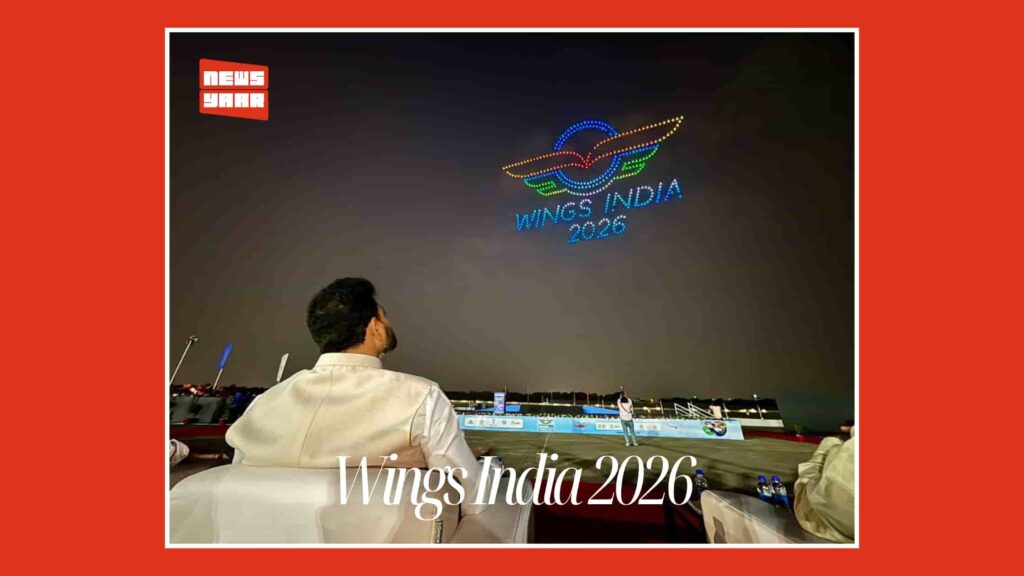
EVENTS Wings India 2026: Celebrating Aviation Excellence and Cultural Unity in the Skies Newsyaar February 5, 2026 6:31 pm Gujarat wins top aviation award as Air India Express showcases India’s rich heritage through music and art Hyderabad: The Wings India 2026 aviation expo, held at Begumpet Airport from January 28-31, has emerged as more than just an industry gathering—it’s a celebration of how aviation connects cultures, builds communities, and drives economic progress across the nation. The four-day event brought together thousands of aviation professionals, exhibitors, and enthusiasts from around the world, highlighting India’s position as one of the fastest-growing aviation markets globally. From cutting-edge technology exhibits to cultural performances on the tarmac, the expo demonstrated that modern aviation is about more than just moving people—it’s about creating meaningful connections. Gujarat Soars High with Prestigious Recognition Gujarat received the coveted ‘Best State for Promotion of Aviation Ecosystem’ award, presented by Union Minister for Civil Aviation Shri K. Ram Mohan Naidu. The state shared this honor with Telangana and Uttarakhand, recognizing their exceptional contributions to India’s aviation sector. KL Bachani, Gujarat’s Civil Aviation Commissioner, attributed the achievement to Chief Minister Bhupendra Patel’s visionary leadership and the state’s focus on world-class infrastructure. “This honor reflects Gujarat’s commitment to making air travel more accessible for citizens while driving economic growth,” Bachani said. The award acknowledges Gujarat’s impressive progress in aviation infrastructure, including maintenance, repair, and overhaul (MRO) facilities and the aircraft leasing sector. This marks Gujarat’s third consecutive recognition at Wings India, having previously won awards in 2022 and 2024, demonstrating sustained excellence in aviation development. When Aviation Meets Art: Air India Express’s Cultural Showcase One of the most memorable moments at Wings India 2026 was Air India Express’s spectacular cultural performance featuring legendary singer Usha Uthup. The unique event took place on the airport tarmac beside the airline’s stunning first line-fit Boeing 737-8 aircraft, VT-RNT, adorned with livery inspired by traditional Parsi Gara embroidery. Uthup performed alongside talented artists from eleven Indian states: Andhra Pradesh, Assam, Delhi, Gujarat, Jammu & Kashmir, Karnataka, Kerala, Maharashtra, Odisha, Punjab, and Tamil Nadu. The performance created a vibrant tapestry of India’s diverse cultural heritage against the backdrop of modern aviation. “Music is a language that connects people across cultures and geographies,” Uthup said. “Performing at Wings India as the country’s cultural ambassador makes this truly special.” Aviation with Heart: Connecting People, Not Just Places Siddhartha Butalia, Chief Marketing Officer of Air India Express, emphasized the deeper purpose behind aviation. “In an increasingly digitally connected world, the true value of travel lies in real, immersive experiences and meaningful human connections,” he explained. The airline also received the prestigious ‘Domestic Connectivity’ award from the Ministry of Civil Aviation, recognizing its efforts to expand air travel access across India. This follows their ‘Sustainability Champions’ recognition at Wings India 2024. Air India Express’s ‘Tales of India’ initiative showcases India’s artistic heritage through aircraft liveries featuring indigenous designs like Kalamkari, Bandhani, Jamawar, Warli, and Phulkari. Their ‘Gourmair’ in-flight dining extends this cultural celebration to regional cuisines, featuring special menus for festivals like Onam, Navratri, and Diwali. The new Boeing 737-8 aircraft features ergonomically designed seats, fast-charging power outlets, on-board ovens for hot meals, spacious overhead bins, and Boeing’s Sky Interior with soothing mood lighting, proving that comfort and culture can fly together. Building Tomorrow’s Skies Today Wings India 2026 demonstrated that India’s aviation sector is not just about economic growth; it’s about inclusivity, sustainability, and preserving cultural identity while embracing innovation. As states like Gujarat lead infrastructure development and airlines like Air India Express celebrate regional diversity, Indian aviation is truly paving the future from design to deployment. The event reinforced that when aviation connects people meaningfully, everyone wins, from passengers experiencing rich cultural journeys to states driving economic development through better connectivity. About the Author Events Reporter Share via Copied Comments Post Comment
Republic Day 2026: India Celebrates 77 Years of the Constitution with a Grand Display of Unity and Aspirations
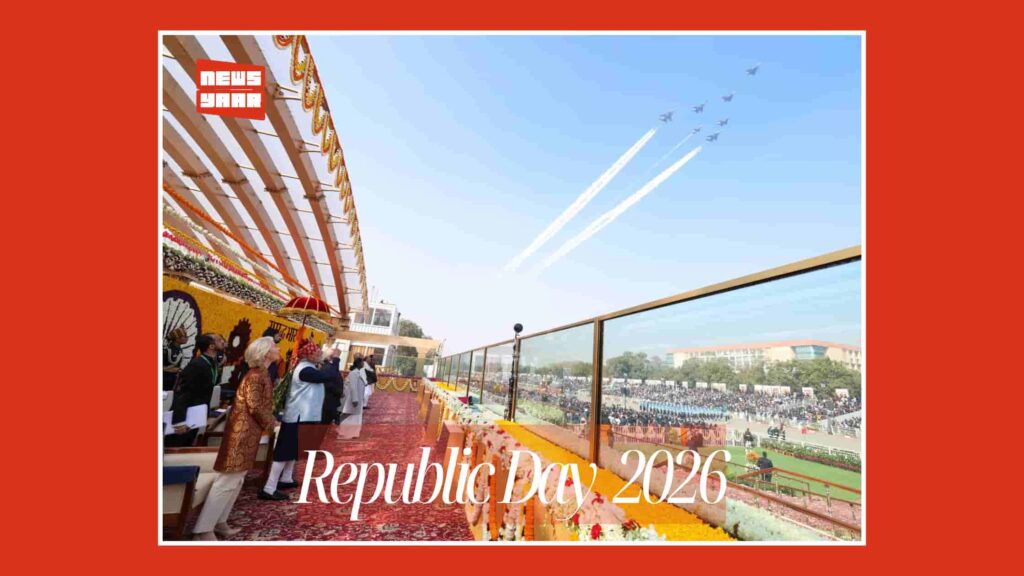
GOVERNMENT Republic Day 2026: India Celebrates 77 Years of the Constitution with a Grand Display of Unity and Aspirations Newsyaar February 5, 2026 5:09 pm New Delhi: India celebrated its 77th Republic Day on January 26, 2026, with a majestic ceremonial parade at Kartavya Path, showcasing the country’s constitutional ethos, democratic resilience and evolving national priorities. The occasion marked 77 years since the Constitution of India came into force in 1950, laying the foundation of a republic built on justice, liberty, equality and fraternity. The celebrations were graced by the Republic Day Chief Guest, a distinguished head of state from a key strategic partner nation, underlining India’s growing global stature and its emphasis on international cooperation in a rapidly changing world. Chief Guests The celebrations were graced by two distinguished chief guests: President of the European Commission Ursula von der Leyen and President of the European Council António Costa, underscoring India’s strategic partnership with the European Union. Their presence highlighted international cooperation amid global challenges. Ceremonial Traditions and National Homage The day commenced with the President of India unfurling the national flag, followed by the traditional 21-gun salute, symbolising the sovereignty of the republic. Earlier in the morning, Prime Minister Narendra Modi paid tribute to fallen soldiers at the National War Memorial, reaffirming the nation’s gratitude to the armed forces for their sacrifice and service. Parade Highlights: Military Might and Indigenous Capability The Republic Day parade unfolded as a powerful demonstration of discipline, preparedness and national resolve. The parade featured marching contingents from the Army, Navy, Air Force, and paramilitary forces, including 18 contingents and 13 bands, with a new “phased battle array” format mimicking battlefield deployment for realism. A debut animal contingent from the Remount & Veterinary Corps showcased camels, ponies, raptors, and dogs. A major highlight was the display of indigenously developed defence platforms, reinforcing India’s push towards Aatmanirbhar Bharat in defence manufacturing. From advanced weapon systems to next-generation mobility platforms, the parade reflected India’s transition from an importer to a producer of defence technology. Tableaux: India’s Diversity, Development and Vision The state and Union Territory tableaux remained among the most visually striking segments of Republic Day 2026. Each tableau told a distinct story, blending cultural heritage with development priorities. Thirty tableaux participated: 17 from states/UTs depicting culture, freedom struggle, and self-reliance (e.g., Uttar Pradesh, Maharashtra, Tamil Nadu), and 13 from ministries on defence, education reforms, skill development, and urban transformation. A special Ministry of Culture tableau celebrated “150 Years of Vande Mataram.” Themes ranged from traditional art forms and indigenous knowledge systems to modern infrastructure, digital governance, green energy initiatives and social welfare programmes. Together, the tableaux offered a snapshot of how India’s regions are preserving identity while embracing transformation. Notable Performances and Special Segments This year’s celebrations placed special emphasis on youth and women-led participation. Performances highlighted achievements in science, innovation, education, sports and entrepreneurship, underscoring the role of the next generation in shaping India’s future. The growing presence of women in the armed forces and leadership roles stood out during the parade, symbolising changing social norms and expanding opportunities across sectors. Aerial Display & Sky Show The parade culminated in a spectacular flypast by the Indian Air Force, with fighter jets, transport aircraft and helicopters soaring across Kartavya Path. The tricolour smoke trails across the winter sky provided a dramatic finale, drawing applause from spectators and reinforcing national pride. The Indian Air Force flypast featured Rafale, Sukhoi, and Tejas jets in formations like “Trishul,” painting tricolour trails, followed by a spectacular fireworks and drone show finale. Republic Day Beyond Celebration Republic Day is more than a ceremonial occasion; it is a reaffirmation of India’s constitutional identity. As the world’s largest democracy, India’s Constitution continues to function as a living document, guiding governance while adapting to societal change. Leaders across political and institutional lines used the occasion to reiterate their commitment to constitutional values, democratic institutions and inclusive growth. Messages centred on balancing economic expansion with social justice, sustainability and technological advancement. A Nation Reflects and Looks Ahead Across the country, Republic Day was observed with flag-hoisting ceremonies, cultural programmes and community gatherings, allowing citizens to reconnect with the ideals that define the republic. As India steps into its 78th year as a republic, Republic Day 2026 reflected a nation confident in its achievements, conscious of its challenges, and committed to progress that leaves no one behind. Above all, the celebrations reaffirmed a timeless truth: India’s strength lies in its people and their enduring faith in the Constitution that binds the nation together. https://www.youtube.com/watch?v=wfUmNyo6y64 Video credit: YT@/NaMo About the Author Government Reporter Share via Copied Comments Post Comment
Economic Survey 2025–26: Know the key highlights of Stable Growth & Inflation

GOVERNMENT Economic Survey 2025–26: Know the key highlights of Stable Growth & Inflation Newsyaar February 1, 2026 10:41 pm New Delhi: The Economic Survey 2025–26, tabled in Parliament on January 29 ahead of the Union Budget, presents a picture of an Indian economy that remains resilient amid global uncertainty, while urging policymakers and businesses to proceed with caution rather than pessimism. Prepared by the Department of Economic Affairs under Chief Economic Adviser (CEA) V. Anantha Nageswaran, the document sets the tone for the government’s economic thinking going into FY27. At its core, the Survey projects real GDP growth in the range of 6.8% to 7.2% for FY27, signalling steady momentum despite a challenging external environment marked by trade tensions, tariff pressures, and geopolitical risks. Growth Outlook: Steady, but Not Without Risks According to the Survey, India’s domestic economy is on a stable footing, supported by strong macro fundamentals. For FY26, growth is estimated at 7.4% as per the first advance estimates. Looking ahead, the government expects India to remain one of the fastest-growing major economies globally. The Survey notes that while domestic drivers such as consumption resilience, public investment, and improving private investment intentions continue to support growth, global conditions remain fragile. Trade conflicts, particularly tariff-related disruptions, could weigh on exports and investor sentiment intermittently. Importantly, the Survey introduces a nuanced stance: growth prospects are steady, but policymakers must maintain buffers and credibility. As the document puts it, the outlook requires “caution, but not pessimism.” Inflation: At Historic Lows, With Firming Ahead One of the most notable takeaways from the Economic Survey is the sharp moderation in inflation. Retail inflation has remained well below the Reserve Bank of India’s target of 4%, aided by food price corrections and improved supply conditions. The RBI has estimated CPI inflation at 2% for FY26, with projections of 0.6% for the December quarter and 2.9% for the March quarter. While inflation is expected to firm up gradually in FY27, it is likely to remain within the targeted range. Healthier balance sheets across households, firms, and banks, combined with controlled inflation, have helped preserve macroeconomic stability, the Survey notes. Global Context: Headwinds Persist The Survey flags a dim medium-term outlook for the global economy, citing modest growth, lingering geopolitical tensions, and risks related to global financial markets. It warns that if the much-hyped AI boom fails to deliver productivity gains, it could trigger corrections in asset markets. Despite these risks, India’s economy has demonstrated resilience. Total exports, including goods and services, reached a record $825.3 billion in FY25, even as merchandise exports faced tariff-related pressures, particularly from the United States. Investment, Reforms, and Deregulation The Economic Survey places renewed emphasis on systematic deregulation as the next phase of reforms under what it calls Ease of Doing Business 2.0. It argues that small, targeted deregulation efforts can trigger a “butterfly effect”, leading to entrepreneurship, investment, and innovation. Public capital expenditure continues to play a critical role, with Centre-led infrastructure spending acting as a key growth driver. At the same time, private investment intentions are improving, though the Survey stresses the need for regulatory certainty to translate intent into execution. Social Sectors and Emerging Themes Beyond macroeconomics, the Survey reviews progress across employment, health, education and agriculture. It reiterates the importance of skill development as services now account for over 55% of India’s Gross Value Added. The document also raises concerns over excessive social media use among younger populations, suggesting that age-based access limits may need consideration. On artificial intelligence, the Survey proposes the creation of an AI Economic Council to calibrate the pace of adoption and balance innovation with societal risks. Setting the Stage for Budget 2026 Presented just days before the Union Budget, the Economic Survey serves as a crucial backdrop for upcoming fiscal decisions. It highlights FY26 as an “unusually challenging year,” but frames FY27 as a year of adjustment, where firms and households adapt to regulatory changes and global shifts. In sum, the Economic Survey 2025–26 paints a picture of an economy that is resilient, reform-oriented and cautiously optimistic, positioning India to navigate uncertainty without losing growth momentum. About the Author Government Reporter Share via Copied Comments Post Comment
Parakram Diwas 2026: Remembering Netaji Subhas Chandra Bose and the Spirit of Fearless Nationalism
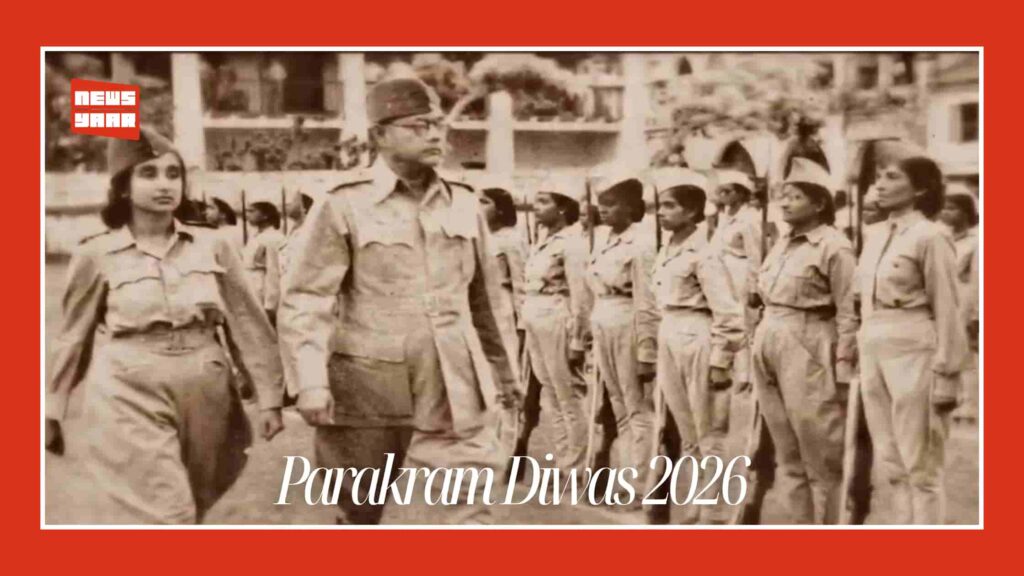
EVENTS Parakram Diwas 2026: Remembering Netaji Subhas Chandra Bose and the Spirit of Fearless Nationalism Newsyaar February 1, 2026 2:07 pm Parakram Diwas, observed every year on January 23, marks the birth anniversary of Netaji Subhas Chandra Bose, one of India’s most formidable freedom fighters. As India commemorates Parakram Diwas 2026, the day serves not merely as a tribute to a historical figure but as a reminder of an uncompromising vision of freedom, courage, and self-reliance that continues to resonate with the nation. Born on January 23, 1897, in Cuttack, Odisha, Subhas Chandra Bose was a brilliant student who topped the Indian Civil Services (ICS) examination in England. Yet, in an act that defined his life, he resigned from the prestigious service to dedicate himself entirely to India’s freedom struggle. His decision reflected a core belief: freedom could not be negotiated; it had to be seized. Unlike many leaders of his time, Bose believed that political independence required direct action, not prolonged compromise. His ideological differences with the Indian National Congress leadership eventually led him to chart his own path, driven by urgency and revolutionary resolve. The Formation of the Indian National Army (INA) Netaji’s most defining contribution was the revival and leadership of the Indian National Army (Azad Hind Fauj). With the iconic call of “Give me blood, and I will give you freedom,” Bose mobilised thousands of Indians across Southeast Asia to take up arms against British rule. The INA was not merely a military force, it was a symbol of defiance. It challenged the myth of British invincibility and ignited a powerful sense of national pride among Indians, including those serving within the British Indian Army. Historians widely agree that the INA trials played a significant role in accelerating the British decision to leave India. The word “Parakram” means courage, valour, and decisive action, qualities Bose embodied throughout his life. Parakram Diwas was officially instituted by the Government of India to honour these values and inspire citizens, especially the youth, to act with conviction in nation-building. In 2026, as India navigates complex global challenges, economic uncertainty, technological transformation, and geopolitical shifts, Netaji’s ideas on self-reliance, unity, and national confidence feel strikingly relevant. His emphasis on discipline, leadership, and sacrifice offers a counterpoint to complacency and apathy. Bose’s vision extended beyond the mere end of colonial rule. He envisioned a strong, socially just, and industrially advanced India, where freedom translated into dignity for every citizen. His advocacy for women’s participation in the freedom struggle, exemplified by the Rani of Jhansi Regiment, was far ahead of its time. Even today, his ideas provoke thought, about leadership that demands accountability, patriotism that requires action, and freedom that comes with responsibility. Parakram Diwas 2026: A Call to Reflect and Act Parakram Diwas is not just about remembering Netaji Subhas Chandra Bose; it is about questioning ourselves. Are we bold enough to stand by our principles? Are we willing to act when circumstances demand courage? As India observes Parakram Diwas 2026, Netaji’s life stands as a reminder that history is shaped not by comfort, but by conviction. His legacy urges the nation to move forward, not cautiously, but courageously. About the Author Events Reporter Share via Copied Comments Post Comment
PM Modi Receives the UAE President at the Airport
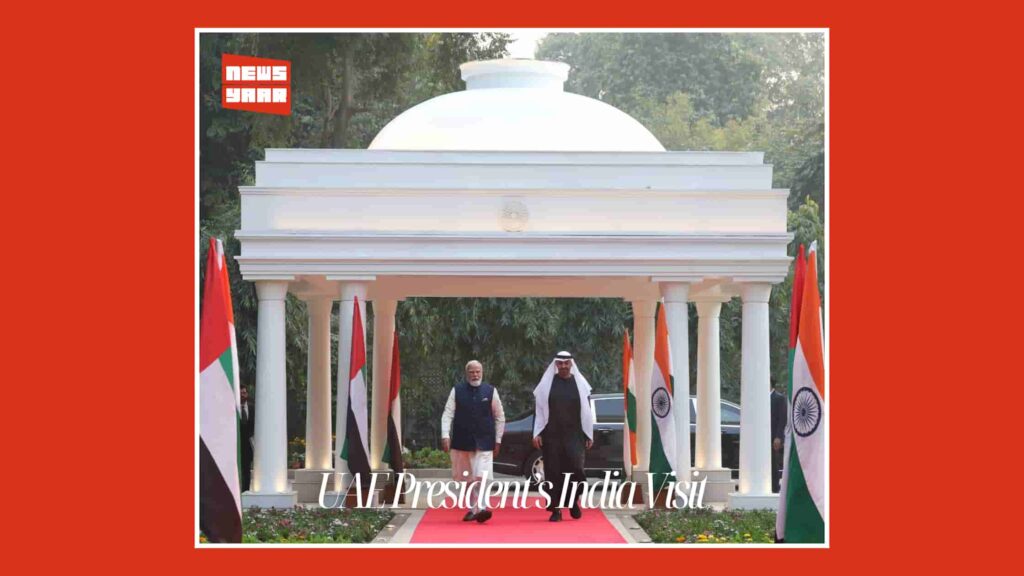
DEFENCE PM Modi Receives the UAE President at the Airport Newsyaar January 23, 2026 7:44 pm New Delhi: United Arab Emirates President Sheikh Mohamed bin Zayed Al Nahyan concluded a high-profile official visit to India on January 19, 2026, reinforcing the growing strategic partnership between New Delhi and Abu Dhabi. In a rare and symbolic gesture, Prime Minister Narendra Modi personally received the UAE President at the airport, underscoring the importance India attaches to its relationship with the Gulf nation. This marked Sheikh Mohamed bin Zayed’s third official visit to India since assuming office as UAE President and his fifth visit to the country over the past decade. The visit highlighted the sustained political engagement between the two countries and reflected the UAE’s view of India as a key strategic partner in Asia. During the visit, the two leaders held comprehensive talks covering trade, investment, energy security, defence cooperation, technology, and regional geopolitics. Several agreements and memoranda of understanding (MoUs) were signed to further strengthen bilateral cooperation. These included frameworks to expand collaboration in renewable energy, food security, digital infrastructure, fintech, and defence manufacturing, aligning with India’s “Make in India” and self-reliance goals while offering new opportunities for UAE investors. A major focus of the discussions was economic cooperation under the Comprehensive Economic Partnership Agreement (CEPA), which has significantly boosted bilateral trade since its implementation. Both sides reviewed progress under CEPA and agreed to work toward further increasing non-oil trade, easing market access, and encouraging private-sector partnerships. The use of local currency settlement mechanisms and the bilateral investment treaty were also highlighted as key enablers of smoother financial flows and long-term investment confidence. From India’s perspective, the outcomes of the visit strengthen energy security through long-term supply arrangements and increased cooperation in clean energy and green hydrogen. The UAE’s continued interest in investing in Indian infrastructure, ports, logistics, and technology startups was seen as a strong vote of confidence in India’s growth story. For the UAE, deeper engagement with India supports its strategy of economic diversification and strengthens its footprint in one of the world’s fastest-growing major economies. Enhanced cooperation in food corridors, technology, and innovation helps Abu Dhabi secure supply chains while expanding its global economic influence. The leaders also exchanged views on regional and global issues, including developments in West Asia, maritime security, and global economic uncertainty. Both sides reaffirmed their commitment to stability, dialogue, and cooperation in an increasingly complex geopolitical environment. Beyond agreements, the visit carried strong symbolic value. Prime Minister Modi’s decision to personally welcome Sheikh Mohamed bin Zayed sent a clear message of trust, warmth, and strategic alignment. It also reflected the personal rapport between the two leaders, which has played a significant role in elevating India–UAE ties over the years. As the UAE President departed India, the visit was widely seen as a reaffirmation of a mature and forward-looking partnership, one that goes beyond transactional ties to focus on long-term strategic, economic, and people-centric cooperation. About the Author Defence Reporter Share via Copied Comments Post Comment
Bhargavastra: India’s Indigenous Counter-Drone Micro-Missile Defence System

DEFENCE Bhargavastra: India’s Indigenous Counter-Drone Micro-Missile Defence System Newsyaar January 23, 2026 6:24 pm Bhargavastra is an indigenous counter-drone defence system developed in India to address the rapidly evolving threat posed by unmanned aerial vehicles (UAVs), particularly drone swarms and autonomous aerial threats. Designed and developed by Solar Defence and Aerospace Limited (SDAL) in collaboration with Economic Explosives Limited, Bhargavastra represents a significant step in India’s efforts to build cost-effective, hard-kill air defence solutions that can operate across diverse terrains and combat modern aerial threats. The system takes its name from Indian mythological tradition, where “astra” refers to a powerful celestial weapon — an apt metaphor for a defence capability aimed at neutralising airborne dangers effectively. Why Bhargavastra Was Developed Recent conflicts around the world, including the Russian invasion of Ukraine and clashes in the Nagorno-Karabakh region, have highlighted how drone swarms and loitering munitions can pose significant challenges to traditional air defence systems. The Indian defence establishment and private sector designers concluded that a new kind of counter-drone solution was needed — one that could detect, track and neutralise small, low-altitude aerial threats at a lower cost than conventional surface-to-air missiles. Bhargavastra was developed in response to these emerging threats and does not rely on a formal request for proposals from the armed forces, indicating proactive indigenous innovation. Key Features and Capabilities Bhargavastra is built around a multi-layered defence architecture that combines detection, target acquisition and hard-kill interception mechanisms: Detection and Tracking: The system is equipped with advanced radar capable of detecting small unmanned aerial targets between 6 km and 10 km away. It also uses electro-optical/infrared (EO/IR) sensors and radio frequency receivers to accurately identify low radar cross-section targets and small drones. These sensors feed into a Command, Control, Communications, Computers and Intelligence (C4I) centre, which provides real-time situational awareness and coordinated engagement decisions. Hard Kill Mechanism: Bhargavastra operates primarily in a hard-kill mode, physically destroying hostile drones rather than just disrupting their electronics. It employs two layers of interception: First Layer: Uses unguided micro-rockets capable of neutralising multiple drones within a lethal radius of approximately 20 metres, with an engagement range of up to 2.5 km. Second Layer: Uses guided micro-missiles that offer high precision for targeting evasive or high-value aerial threats, improving interception accuracy and effectiveness. A single launcher can carry multiple micro-rockets and micro-missiles, enabling rapid firing in salvo mode. The system’s modular design allows up to 64 micro munitions to be launched in quick succession, providing coverage over a wide area. Soft Kill Integration: While the system’s primary focus is hard kill interception, it can also be equipped with an optional soft-kill layer that includes jamming and spoofing technologies. These can confuse or misdirect hostile drones as part of a layered defence strategy, making Bhargavastra a comprehensive counter-UAV solution. Mobility and Terrain Adaptability One of Bhargavastra’s distinguishing features is its ability to be deployed on mobile platforms, such as a 7.5-ton class all-terrain vehicle. This mobility makes it suitable for rapid repositioning to support frontline units, critical infrastructure sites, border areas and high-altitude regions. The system is capable of operating effectively in diverse environments, including mountainous terrain above 5,000 metres, making it adaptable to India’s varied geographic and strategic requirements. Testing and Integration Bhargavastra has undergone multiple rounds of successful testing. Trials conducted at the Seaward Firing Range in Gopalpur demonstrated its ability to launch rockets and intercept targets reliably, with both individual and salvo-mode firings meeting design parameters. These tests were observed by senior officers from the Indian Army Air Defence, underlining its potential military utility. The system is designed for integration with existing network-centric warfare infrastructures, allowing it to work seamlessly with broader command and control systems used by the Indian armed forces. Its modular components — radar, sensors and launch units — can be customised based on mission needs and integrated into larger air defence architectures. Operational Significance Bhargavastra is seen as a strategic enhancement to India’s air defence capabilities, especially in an era where unmanned systems are increasingly used in reconnaissance, surveillance and offensive roles. Traditional air defence systems can be costly and less effective against low-signature drone threats; Bhargavastra’s low-cost, mobile, multi-layer approach fills a capability gap by offering focused protection against fast-evolving UAV risks. By reducing dependency on expensive surface-to-air missiles for counter-UAV roles and leveraging domestic technology, Bhargavastra also aligns with the “Make in India” initiative and supports self-reliance in defence manufacturing. Its development positions India closer to global innovators in the counter-drone domain and has potential export prospects once fully operational. What It Means for Future Defence As warfare evolves with the increased use of autonomous aerial systems and swarming drones, defence forces worldwide are seeking cost-effective, scalable solutions. Bhargavastra’s layered architecture — combining detection, hard-kill interception and optional soft-kill measures — reflects this shift and underscores the importance of indigenous technological solutions tailored to contemporary threats. With further integration, testing, refinement and deployment, Bhargavastra could become a core component of India’s layered air defence grid, enhancing protection for frontline troops, strategic installations and critical assets against complex drone threats About the Author Defence Reporter Share via Copied Comments Post Comment
India, France Hold High-Level Talks on $36–39 Billion Rafale Fighter Jet Deal
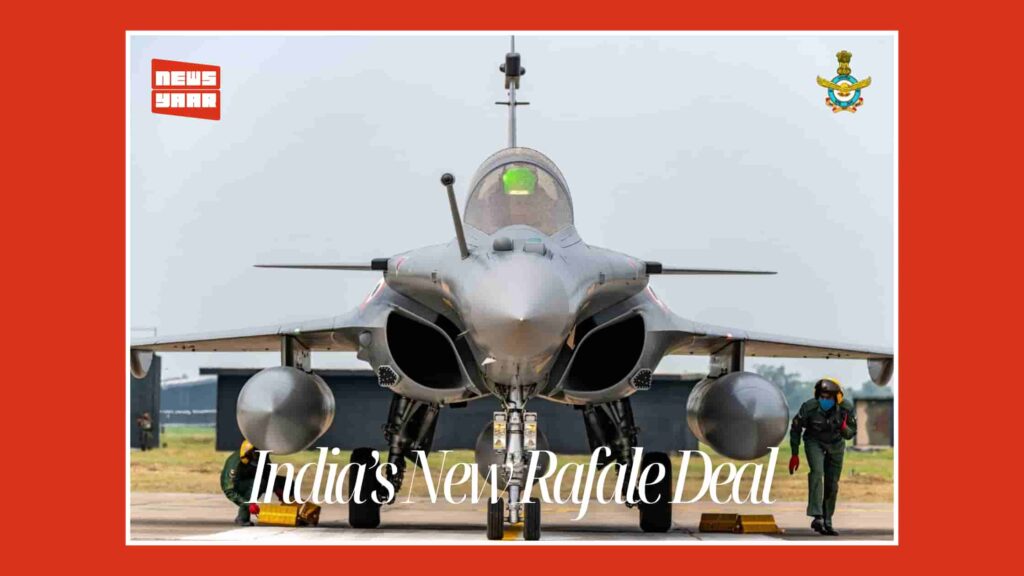
DEFENCE India, France Hold High-Level Talks on $36–39 Billion Rafale Fighter Jet Deal Newsyaar January 20, 2026 6:49 pm New Delhi is preparing for crucial high-level discussions with France this week on a proposal to acquire 114 additional Rafale fighter jets, a defence deal estimated at around $36–39 billion (approximately ₹3.25 trillion). If cleared, the agreement would become India’s largest-ever defence procurement, significantly boosting the combat capability of the Indian Air Force (IAF) and deepening strategic ties between the two countries. According to defence officials, the proposal will be reviewed at a senior-level Defence Ministry meeting after months of internal assessment by the IAF. The plan, formally known as the Statement of Case, must receive Defence Ministry approval before being sent to the Cabinet Committee on Security (CCS), the highest authority on defence decisions in India. The proposed acquisition comes at a critical time for the Indian Air Force, which continues to face a shortage of fighter squadrons. Several squadrons are operating below sanctioned strength, raising concerns over long-term operational readiness amid evolving regional security challenges. If approved, the deal would raise India’s total Rafale fleet to 176 aircraft, including the 36 Rafale jets already in service with the IAF and 26 Rafale-M jets contracted by the Indian Navy for aircraft carrier operations. India would then become one of the world’s largest operators of the Rafale platform. A key feature of the proposal is its strong Make in India component. Defence sources say over 30 per cent of the aircraft content would be indigenous, with most of the jets assembled domestically. Only 12 to 18 aircraft are expected to be delivered in “fly-away” condition for immediate operational use, while the rest would be produced in India in partnership with local industry. India is also seeking French approval to integrate indigenously developed weapons and electronic systems onto the Rafale. However, officials noted that the aircraft’s proprietary source codes would remain under French control, consistent with global defence norms. The deal is expected to significantly expand Dassault Aviation’s industrial footprint in India. Plans include enhanced maintenance, repair and overhaul (MRO) facilities and a proposed engine maintenance hub for Rafale’s M88 engines in Hyderabad, which could serve regional requirements as well. Indian private sector firms, including the Tata Group, are likely to play a major role in manufacturing and sustainment activities. The Rafale proposal comes amid offers from other global defence majors, including the United States’ F-35 stealth fighter and Russia’s Su-57. However, Indian officials have emphasised that proven operational performance and immediate readiness are key priorities. The Rafale’s advanced avionics, sensors and electronic warfare systems have reportedly performed strongly during recent IAF exercises. The talks follow the 38th India–France Strategic Dialogue, co-chaired by National Security Adviser Ajit Doval and French President Emmanuel Macron’s diplomatic adviser Emmanuel Bonne. Defence cooperation, technology partnerships and joint production were among the key issues discussed, setting the stage for an expected visit by President Macron to India. While the Rafale deal is still under consideration, defence analysts say it reflects India’s balanced approach, combining foreign technology with domestic manufacturing, to modernise its armed forces in an increasingly complex Indo-Pacific security environment. About the Author Defence Reporter Share via Copied Comments Post Comment