


International Kite Festival 2026: All You Need To Know

Ahmedabad transforms into a city of colours every January as it hosts the International Kite Festival, one of Gujarat’s most iconic cultural events. Celebrated alongside Uttarayan (Makar Sankranti), the festival draws kite flyers, artists, and tourists from across India and the world, turning the sky into a vibrant canvas.The International Kite Festival is held annually on January 14 and is organised by the Gujarat Tourism Department. The main events take place along the Sabarmati Riverfront and other designated venues across Ahmedabad. What began as a local harvest celebration has now grown into a globally recognised cultural festival.Participants from countries like Japan, Brazil, France, Italy, the UK, and the USA bring uniquely designed kites, showcasing creativity, craftsmanship, and cultural diversity.Why Ahmedabad Becomes the Kite Capital?During Uttarayan, almost every rooftop in Ahmedabad turns into a kite-flying arena. Families, friends, and neighbours gather from early morning till sunset, competing to cut each other’s kites while shouting the famous phrase, “Kai Po Che!”The festival symbolises the end of winter and the arrival of longer, sunnier days, making it a time of joy, hope, and renewal. For Gujaratis, kite flying is not just a pastime but a deeply rooted tradition passed down through generations.One of the biggest attractions is the display of giant kites, artistic designs, and night kite flying, also known as tukkals. These illuminated kites light up the evening sky and add a magical touch to the celebrations.Cultural performances, music, dance, and local food stalls enhance the festive atmosphere. Traditional Gujarati dishes like undhiyu, jalebi, and chikki are an essential part of the experience.Global Participation and Tourism BoostThe International Kite Festival plays a major role in promoting cultural exchange and tourism. International participants not only showcase their kite-flying skills but also engage with local traditions, making the event a meeting point of global cultures.Hotels, local markets, and tourism services see a significant boost during the festival, contributing to Ahmedabad’s economy.More Than a FestivalBeyond colours and competition, the International Kite Festival reflects the spirit of community, creativity, and celebration. It brings people together under one sky, reminding everyone of the joy found in simple traditions.As kites fly high above Ahmedabad, the festival continues to celebrate freedom, culture, and the timeless charm of Uttarayan, making it an unforgettable experience year after year.Video credit: @YT/NarendraModi
Historic Army Day Parade in Jaipur: A Public Spectacle of Pride

Jaipur is up for a historic celebration as the 78th Army Day Parade & is set to take place on January 15, 2026.The event along Mahal Road in Jagatpura is one of the most inclusive tributes to the Indian Army.Army Day is observed every year on January 15 to honour Field Marshal Kodandera M. Cariappa, who became the first Indian Commander-in-Chief of the Indian Army in 1949 following independence.A Parade Like Never BeforeAuthorities have organised open rehearsals on January 9, 11, and 13, allowing thousands of residents to witness military precision, disciplined marching contingents, and displays of modern weapons well ahead of the main parade.Public enthusiasm has been palpable, with crowds gathering early along Mahal Road to watch tanks, missile systems, and advanced defence technologies.Patriotism on DisplayOfficials have emphasised the parade’s role in reinforcing civil-military harmony and national pride. Thousands of audiences, including school and college students, women’s groups, ex-servicemen, and families, are expected to attend under a registration system implemented by the Rajasthan government.The excitement has translated into public participation during rehearsals, with residents capturing performances on mobile phones and cheering the march-past and military bands. More Than a Parade: The Final InsightsAlongside the main event, Jaipur will host a variety of complementary programs, including a “Know Your Army” exhibition, which showcases armoured vehicles, missile systems, and interactive displays aimed at deepening public awareness of India’s defence forces.A special evening event, Shaurya Sandhya 2026, featuring cultural performances, light and sound shows, and a tribute to families of martyrs, will take place as part of the broader celebration.The 78th Army Day Parade stands as a celebration of military tradition and discipline, but also as a powerful symbol of national unity, pride, and collective respect for the service of the Indian Army.Video credit: DD News
World Hindi Day: Connect Cultures Across Continents
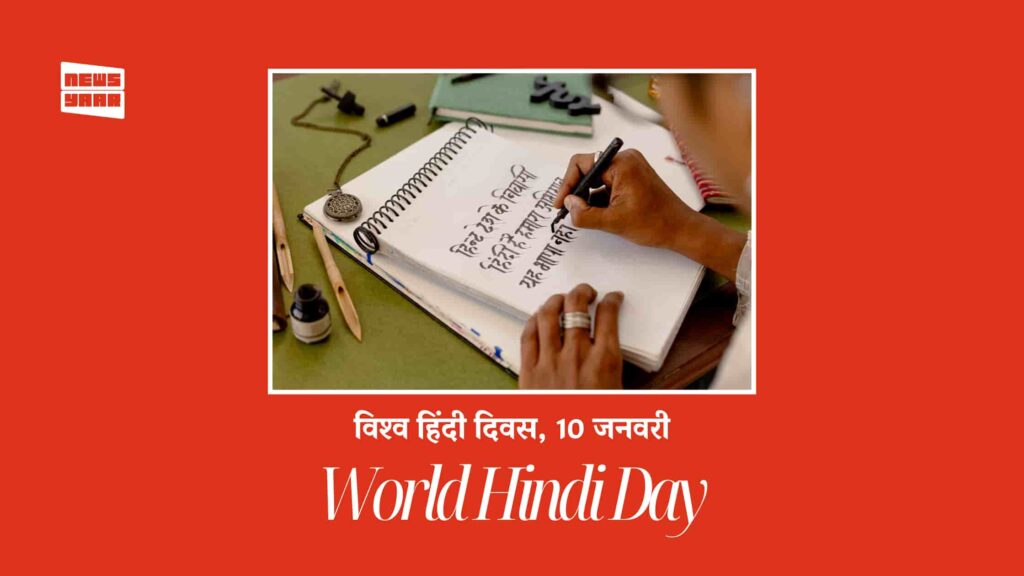
January 10 marks World Hindi Day, a global celebration of one of the world’s most widely spoken languages and a symbol of India’s cultural identity. The Preface World Hindi Day, observed every year on January 10, is dedicated to promoting the Hindi language at an international level.Unlike Hindi Diwas, which is celebrated in India on September 14, World Hindi Day focuses on strengthening Hindi’s presence beyond India’s borders and encouraging its use as a medium of global communication.Hindi is spoken by over 600 million people worldwide, either as a first or second language. Over the years, it has grown beyond a regional language to become a cultural bridge connecting communities across continents. How Did World Hindi Day Begin? The origins of World Hindi Day can be traced back to the First World Hindi Conference, held in Nagpur on January 10, 1975. The conference brought together scholars, writers and language experts from across the world to discuss the global future of Hindi.To commemorate this historic event and to underline the importance of Hindi on the international stage, the Government of India officially declared January 10 as World Hindi Day in 2006. Since then, it has been observed annually to expand the language’s global reach. Where and How Is It Celebrated? World Hindi Day is celebrated not only in India but also across Indian embassies, cultural centres and universities worldwide.Countries with significant Indian diaspora populations, such as Mauritius, Fiji, Suriname, Trinidad and Tobago, Nepal, the United States and the United Kingdom mark the day with seminars, literary events, poetry readings and cultural programmes.Digital platforms have also played a key role in recent years, allowing Hindi writers and speakers from different countries to connect and participate in global discussions. Final Insights The day highlights Hindi’s role as a unifying language that carries India’s history, philosophy, literature and social values.As the world becomes more interconnected, World Hindi Day reinforces the idea that language is not just a means of communication, but a powerful carrier of culture, thought and shared heritage.
Madhavi Latha: The Engineer Behind the World’s Highest Rail Bridge

When the Chenab Rail Bridge, the world’s highest railway bridge, stands tall amid the rugged Himalayas, it represents more than an engineering marvel. It tells the story of Dr. G. Madhavi Latha, the engineer whose expertise and vision played a pivotal role in turning an impossible idea into reality. She has also been awarded the NDTV Science Icon of the Year Award.Towering at 359 metres above the Chenab River in Jammu and Kashmir, the bridge is higher than the Eiffel Tower and is one of India’s most ambitious infrastructure projects. Designed to withstand extreme winds, earthquakes, and challenging geological conditions, the Chenab Bridge is a symbol of modern India’s engineering strength, and Dr. Madhavi Latha was at the heart of it.A professor at IIT Madras, Dr. Madhavi Latha, served as the geotechnical consultant for the project. Her role was crucial: the bridge stands in a highly seismic zone with fragile rock formations and unpredictable terrain. Traditional construction methods were not enough. Innovative geotechnical solutions were required to stabilise slopes, design foundations, and ensure long-term safety in one of the most hostile environments imaginable.Dr. Latha and her team worked extensively on slope stabilisation, foundation design, and rock reinforcement, addressing landslide risks and geological uncertainties. What made the challenge even greater was the remoteness of the site, harsh weather conditions, and limited accessibility. Despite these obstacles, her scientific approach and practical problem-solving ensured that the bridge could safely support high-speed trains while enduring nature’s extremes.Beyond its technical brilliance, Dr. Madhavi Latha’s contribution carries deep symbolic value. In a field traditionally dominated by men, her leadership and expertise have made her an inspiration for young engineers across India. She has often spoken about how the project demanded patience, collaboration, and unwavering commitment, qualities as critical as technical knowledge.The Chenab Rail Bridge is a vital link in the Udhampur–Srinagar–Baramulla Rail Line (USBRL) project, aimed at improving connectivity, mobility, and development in Jammu and Kashmir. Its completion marks a major milestone in India’s infrastructure journey.Dr. Madhavi Latha’s story reminds us that behind every iconic structure lies human effort, intellect, and resilience. As trains begin to cross the world’s highest rail bridge, they carry with them not just passengers, but the legacy of an engineer who redefined what was possible.
India Greenlights 3 New Airlines: Transforming Domestic Aviation

India’s aviation landscape is up for a major shake-up with the Ministry of Civil Aviation granting no-objection certificates (NOCs) to three new domestic carriers, Shankh Air, Al Hind Air, and FlyExpress, signaling steps toward increased competition, enhanced regional connectivity, and more affordable travel options in 2026.The approvals come amid growing calls to diversify the aviation market, which has long been dominated by IndiGo and the Air India Group, together controlling more than 90 % of domestic flights. Recent operational disruptions at one of the country’s largest carriers underscored the risks of such concentration and prompted regulators to clear the way for fresh capacity. Shankh Air: Uttar Pradesh’s New Player Shankh Air is expected to be one of the first among the three to begin operations, with plans to launch flight services in early 2026. Based in Uttar Pradesh, the airline aims to connect north and central Indian cities, initially linking Lucknow with major metros such as Delhi and Mumbai while expanding to Varanasi, Gorakhpur, and other destinations.The carrier, led by founder Shravan Kumar Vishwakarma, plans to start with an initial fleet of Airbus aircraft and gradually expand, including potential international operations by the late 2020s. Its mission underscores making air travel more accessible to middle-class and first-time flyers while strengthening intrastate connectivity. Al Hind Air: Regional Focus from Kerala Al Hind Air, headquartered in Kozhikode, Kerala, will initially operate as a regional commuter airline under the UDAN scheme. With a focus on connecting smaller cities and underserved markets in southern India, it plans to begin services using ATR turboprop aircraft.The airline emerges from the established Alhind Group, which brings travel and tourism sector experience to its aviation venture. While it has faced early financial strain, including unpaid leave for some staff, the carrier is advancing toward operational readiness pending its Air Operator Certificate (AOC). FlyExpress: Low-Cost Connectivity & Cargo Potential FlyExpress, a Hyderabad-based startup, has also received its NOC and intends to serve both passengers and freight across India’s regional markets as a low-cost carrier.It joins the other two new entrants in targeting a balance between affordability and broader market access. What’s Ahead for Indian Aviation? While securing NOCs is an important regulatory milestone, these airlines must still complete technical requirements, including proving flights, crew training, and DGCA-issued Air Operator Certificates, before selling commercial tickets.If successful, the trio could destabilize the market dominance, competitive pricing, boost connectivity to Tier-II and Tier-III cities, and make flying more accessible for millions of Indians. As they take shape in 2026, the aviation sector will be watching closely to see whether this trio can break into a market long held by a few major carriers.
PM Modi Inaugurates Rashtra Prerna Sthal in Lucknow: Atal Bihari Vajpayee’s 101st Birth Anniversary
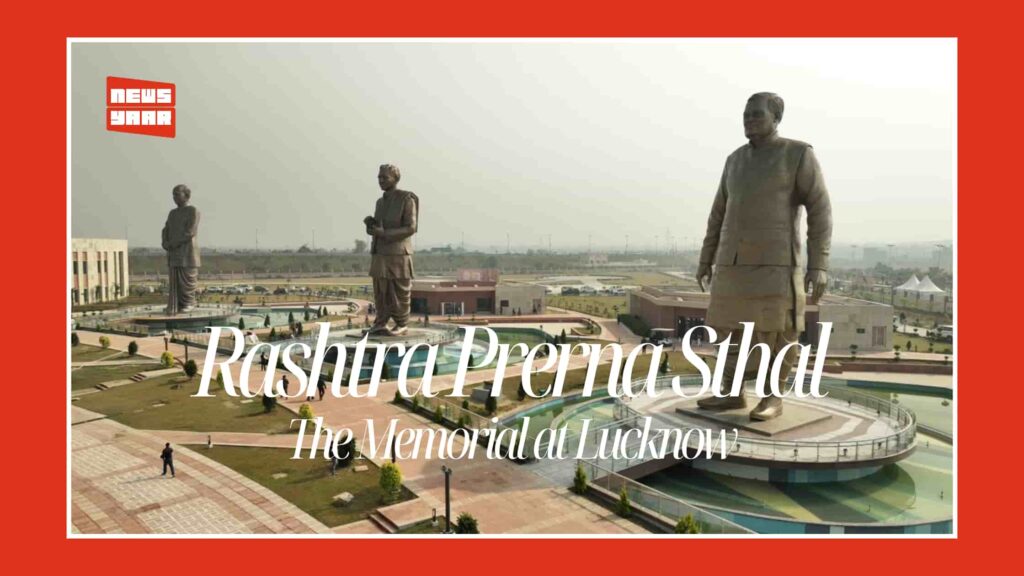
Prime Minister Narendra Modi inaugurated the Rashtra Prerna Sthal in Lucknow, Uttar Pradesh, on Wednesday, a national memorial dedicated to the life, ideals, and legacy of former Prime Minister Atal Bihari Vajpayee. The inauguration coincided with Vajpayee’s 101st birth anniversary, marking December 25 as a day of national remembrance and inspiration.Symbol of Unity, Self-Respect and ServiceAddressing the gathering, the Prime Minister said the Rashtra Prerna Sthal symbolises a vision that guided India towards self-respect, unity, and service. He emphasised that the spirit of Sabka Prayas, collective effort, would play a crucial role in achieving the goal of a developed India.Extending Christmas greetings to the people of India and the world, the Prime Minister acknowledged that millions of Christian families a-cross the country were celebrating the festival. He expressed hope that the occasion would bring happiness, peace, and goodwill to all.Highlighting the significance of December 25, Prime Minister Modi paid tribute to several eminent personalities born on this day, including Bharat Ratna Atal Bihari Vajpayee, Bharat Ratna Mahamana Madan Mohan Malaviya, and Maharaja Bijli Pasi. He said their contributions strengthened India’s unity, cultural identity, and nation-building efforts.The Prime Minister noted that the Rashtra Prerna Sthal has been developed on land that previously housed a massive garbage dump spanning over 30 acres. Over the past three years, the area has been completely cleared and transformed into a modern national memorial. He congratulated the workers, planners, and the Uttar Pradesh government for converting a neglected site into a space of inspiration and national pride.Ideals That Continue to Guide the NationRemembering to the contributions of Dr Syama Prasad Mookerjee, Pandit Deendayal Upadhyaya, and Atal Bihari Vajpayee, the Prime Minister said their ideals continue to guide the nation. He recalled Dr Mookerjee’s role in strengthening India’s unity and said the abrogation of Article 370 ensured the full implementation of the Constitution in Jammu and Kashmir.He further highlighted Pandit Deendayal Upadhyaya’s philosophy of Antyodaya, stating that it has been strengthened through the saturation of welfare schemes to ensure benefits reach every eligible citizen without discrimination. Over the past decade, crores of people have received houses, toilets, tap water connections, electricity, free ration, and healthcare, he said.The Prime Minister also spoke about the expansion of social security coverage, which has increased from around 25 crore beneficiaries before 2014 to nearly 95 crore people today. He cited schemes such as the Pradhan Mantri Jeevan Jyoti Bima Yojana and Pradhan Mantri Suraksha Bima Yojana as key contributors.Recalling Atal Bihari Vajpayee’s tenure, the Prime Minister credited his government with laying the foundation for digital identity, telecom reforms, highway expansion, and metro connectivity. He noted that India is now the world’s second-largest mobile phone manufacturer, with Uttar Pradesh emerging as the leading manufacturing state.Final insights Highlighting Uttar Pradesh’s transformation, he said the state is now known for development, infrastructure, and tourism, with projects such as expressways, defence manufacturing corridors, and the Ram Mandir in Ayodhya shaping its new identity.The event was attended by Uttar Pradesh Governor Anandiben Patel, Chief Minister Yogi Adityanath, Union Ministers Rajnath Singh and Pankaj Chaudhary, along with other dignitaries.Video credit: Narendra Modi
IndiGo’s December 2025 Meltdown: What Really Happened?
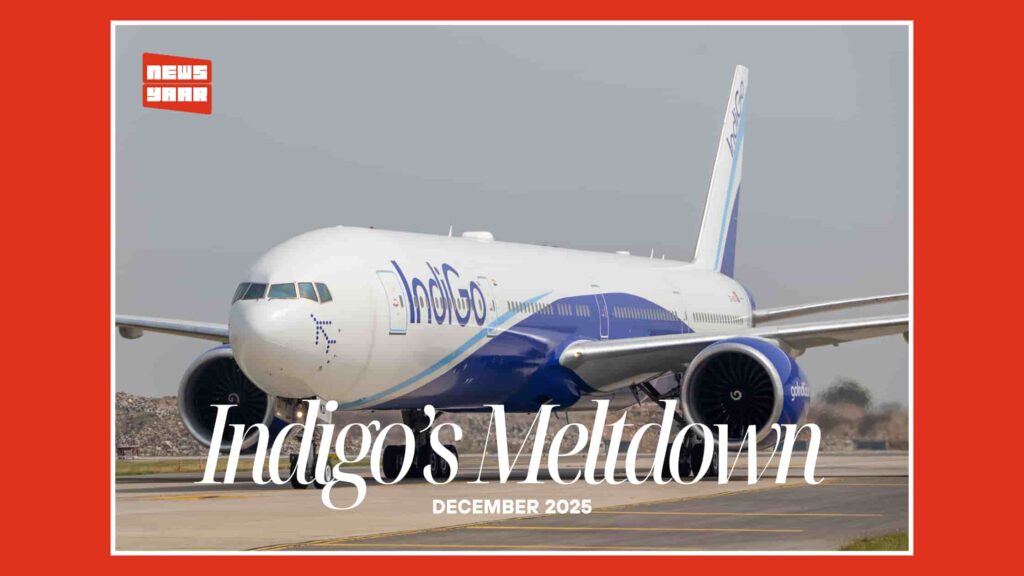
In early December 2025, IndiGo, India’s biggest budget airline, faced one of the worst aviation breakdowns the country has seen in years. Starting around December 2, thousands of flights were cancelled across major cities. Airports were filled with stranded passengers, long queues, and growing frustration. What looked like a crisis was actually the result of a deeper planning failure.Why Did Everything Collapse?The core issue began with new rules introduced by the Directorate General of Civil Aviation (DGCA). These updated regulations required airlines to:Strictly limit pilot flying hoursGive longer rest breaks between flightsReduce fatigue risks, especially on late-night schedulesWhile these rules had been planned for months, it appears IndiGo didn’t reorganise its crew schedules, standby pilots, or rosters in time.The result?Many flights simply had no pilot or co-pilot who was legally eligible to fly. Without meeting DGCA requirements, IndiGo was forced to cancel entire sets of flights, creating a ripple effect across the network.IndiGo flies over 2,200 flights daily, including many night operations. So even a small scheduling disruption hit the airline on a massive scale.The Passenger Impact: A Domino Effect Across IndiaWhat began as a few hundred cancellations quickly escalated. On some of the worst days:550–560 flights were cancelled within hoursBengaluru alone saw around 150 flight cancellationsDelhi, Mumbai, Hyderabad, and Kolkata experienced severe chaosPassengers experienced:Sudden last-minute cancellationsExtremely long lines at help desksDelayed or misplaced luggageStruggles to find alternate flights during the busy winter and wedding seasonHow IndiGo Tried to RecoverFacing public anger, media pressure, and regulatory scrutiny, IndiGo moved into crisis-recovery mode. They claimed rapid improvements:About 1,800 flights were operating again within daysOn-time performance slowly improvedThey released ₹827 crore in refunds to affected passengersBaggage delays and customer complaints were prioritisedMost routes were restored by mid-DecemberThe airline also deployed additional staff to manage queues and customer support.Final Words IndiGo’s December 2025 crisis wasn’t a one-day glitch; it was a major systems failure. Safety rules triggered the disruption, but weak internal preparation turned it into a nationwide travel meltdown. Strong safety regulations must be matched with strong operational readiness. Otherwise, passengers end up paying the price.