




EVENTS
Halda Festival: A Traditional Himalayan Celebration of Community, Culture and New Beginnings
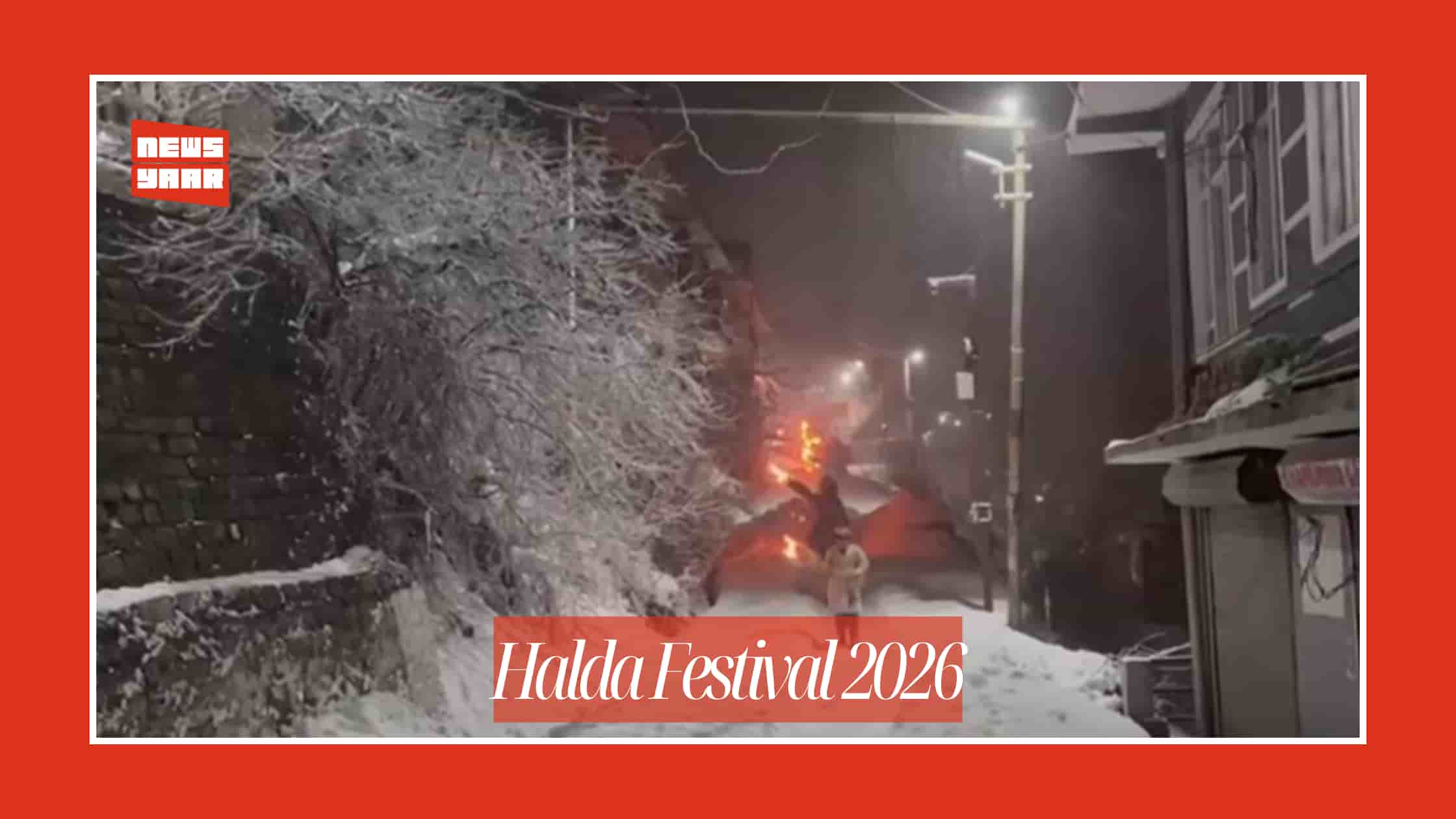
The Halda Festival is an ancient cultural festival observed in the Lahaul-Spiti district of Himachal Pradesh, celebrated each year in January to mark the New Year, strengthen community bonds and seek blessings for prosperity, good harvests and protection against misfortune. The festival holds deep significance for the tribal communities of the region, blending rituals, folklore, music, dance, community gatherings and symbolic fire ceremonies that have been preserved across generations.
When and Where It Happens
Unlike many fixed-date festivals, the precise dates of the Halda Festival are determined by local spiritual leaders — the Lamas — each year based on traditional observances. The celebrations typically occur during the second and third weeks of January, when Lahaul Valley communities come together to perform age-old customs amid the region’s snowy winter landscape.
The festival is especially prominent in the Gahar, Chandra and Pattan valleys of Lahaul-Spiti, which lie along the Chandra and Bhaga river systems. These valleys become vibrant centres of traditional activity as residents participate in Halda’s rituals and social celebrations.
In 2026, local administrations and community leaders prepared for the festival’s start around mid-January, with areas like Koksar and Sissu temporarily closing to tourism and non-residents so the festival could proceed without disruption to sacred practices.
Origins and Cultural Significance
Halda is rooted in the Indigenous Himalayan traditions of the Lahaul-Spiti region, where harsh winters, geographic isolation and agrarian cycles have shaped the cultural calendar over centuries. It is generally understood as a New Year’s festival, a time when communities come together at the peak of winter to renew social ties, offer devotions and symbolically seek protection and abundance for the coming year.
The festival is dedicated to Shashikar Apa, a Goddess of Wealth in the local Lamaistic pantheon, revered for bestowing prosperity and well-being upon the community. Families invoke her blessings in traditional rituals and collective gatherings.
Rituals, Customs and Celebrations
At the heart of Halda is a set of distinctive rituals, most of which revolve around fire, community gatherings and symbolic offerings:
Lighting the Halda Torch:
Each family cuts branches of pencil cedar (a local conifer) and binds them into bundles called “Halda” — essentially large, hand-made torches. On the festival day, these torches are lit to form a ceremonial fire, which serves as a focal point for community prayers, rituals and collective gatherings in homes or village spaces.
Families often prepare a number of torches corresponding to male members in the household, underscoring the personalised and family-centric nature of the ritual. Once lit, residents gather around the fire to sing traditional songs, perform rituals and share food and stories.
Music, Dance and Folklore:
Halda is marked by vibrant folk music, communal dancing and song, which reflect the cultural heritage of the valley peoples. One of the most distinctive traditional performances is the Asur Dance, presented in some villages (such as Khangsar in the Chandra Valley) on the concluding day. This performance involves dancers wearing masks representing demons (Asur) — a symbolic ritual rooted in local folklore about warding off evil forces.
Ritual Offerings and Community Prayers:
Residents perform prayers to local deities and ancestral spirits to ensure prosperity, protection and a good agricultural season ahead, even as the stark winter persists. These rites are considered vital for maintaining spiritual harmony and community cohesion.
Festive Atmosphere and Social Elements
Though the festival is deeply traditional and spiritual, Halda also resembles a period of communal unity and social celebration. Despite the extreme cold and snow that blankets Lahaul in January, people gather to share food, socialize, and celebrate their shared culture. Visitors from other parts of Himachal Pradesh and neighbouring regions often attend the festivities, drawn by the music, dance and unique rituals.
In contrast to more commercialised national festivals, Halda remains largely a community-driven cultural observance, with emphasis on shared participation and continuity of local heritage rather than tourism-focused activities.
Social and Symbolic Importance
The Halda Festival serves several deep cultural and social purposes:
Preservation of Indigenous Traditions: Its rituals, music and community practices are a living repository of the traditional values, mythologies and spiritual outlook of the mountain people.
Community Solidarity: The collective lighting of the Halda fire, shared songs and communal dances reinforce social unity, mutual support and intergenerational bonds at a time when isolation and harsh climate can strain everyday life.
Seasonal Transition Symbolism: Held mid-winter, the festival symbolically marks a moment of hope, renewal and cultural resilience, anticipating the return of spring and the season of growth.
Why Halda Festival Matters
In an era of rapid cultural change and globalization, the Halda Festival represents a vibrant thread of continuity for Lahaul-Spiti’s unique cultural identity. It preserves ancient rituals, promotes collective memory and sustains traditions that have been passed down through generations. By anchoring community life and seasonal cycles, Halda helps ensure that local customs remain alive even as younger generations navigate the pressures of modern life.
For cultural scholars, anthropologists and travellers interested in Himalayan heritage, Halda offers insight into how festival practices, spiritual symbolism and communal cohesion intersect in one of India’s most remote and resilient regions.
How to Experience Halda
While Halda remains primarily a local observance rooted in tribal and village communities, those wishing to witness aspects of the festival should respect its traditional and spiritual context. Visitors are encouraged to engage respectfully with local practices, understand community norms and appreciate the symbolic significance of rituals rather than treat the festival as mere spectacle.
 Entertainment Reporter



Comments
Leave a Comment
No comments yet. Be the first to comment!