




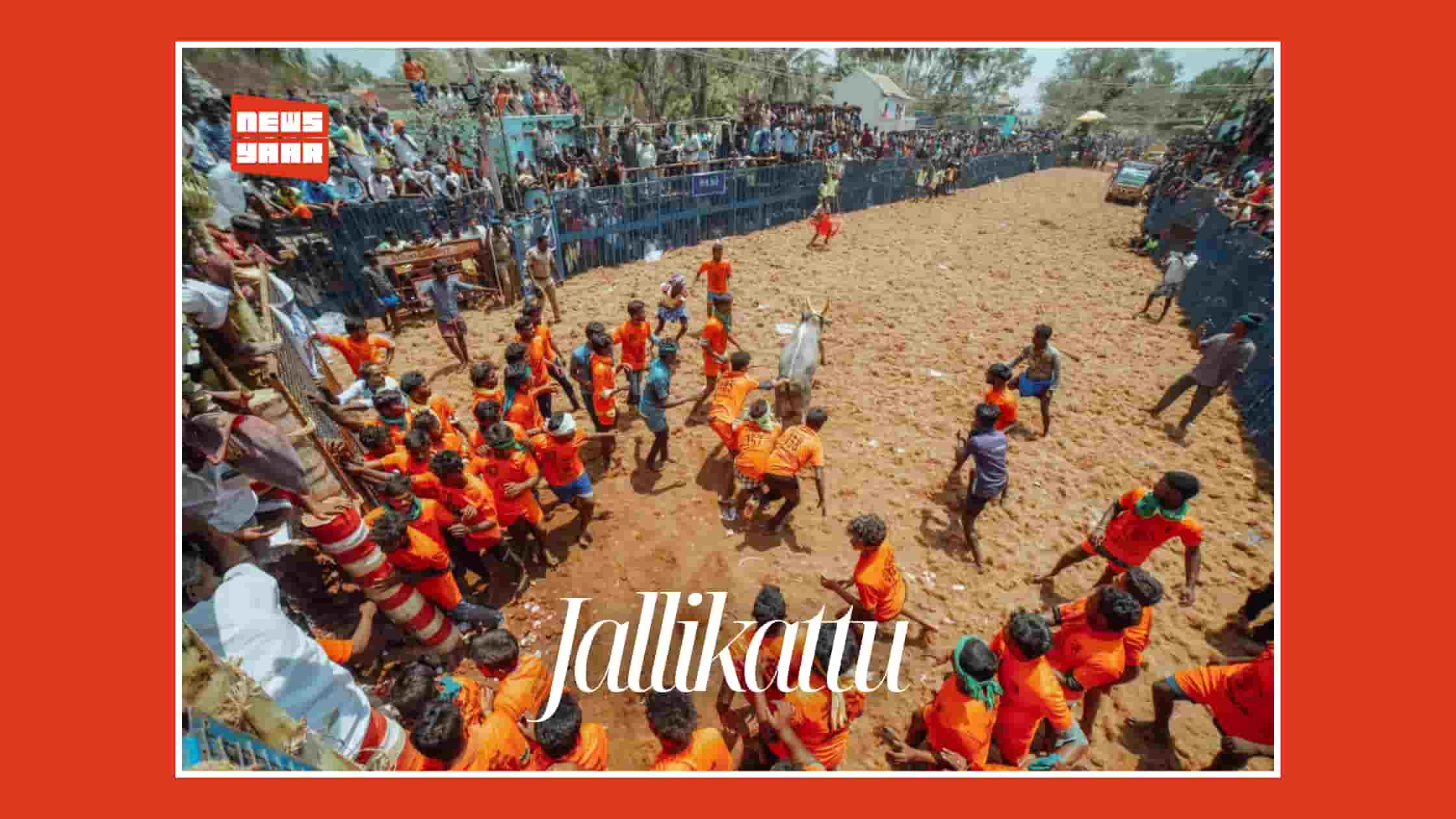
Jallikattu, a centuries-old bull-taming event deeply rooted in Tamil Nadu’s cultural fabric, is among India’s most iconic traditional sports. Celebrated as part of the Pongal harvest festival in January, Jallikattu blends sport, heritage and community identity, drawing enthusiastic participation from rural areas and spectators from across the state and beyond.
What Is Jallikattu and Why It Matters
Jallikattu (also known as Sallikkattu or Manjuvirattu) is a traditional sport in which a bull, often of native breeds such as Pulikulam or Kangayam, is released into an open arena. Participants, known as tamers, attempt to grasp the bull’s hump and hold on long enough to bring the animal to a stop or cross a designated finish line. The sport is symbolic of valour, rural tradition and cattle conservation, traditionally practised in southern Tamil Nadu as part of Pongal celebrations.
The sport also functions as a way for farming communities to maintain and honour native bull breeds, which are culturally and economically significant in agrarian life.
When It Happens: Dates and Duration
Jallikattu events are typically held during the Pongal festival, which falls in mid-January each year. The main events are organised on Mattu Pongal day — the third day of the four-day Pongal celebration — with some competitions taking place before and after this date as part of the broader season.
In recent seasons:
- The first Jallikattu of the year has been held as early as January 3 in districts such as Pudukottai.
- Major competitions like those in Avaniyapuram, Palamedu and Alanganallur are usually held between January 14 and 16, coinciding with Pongal festivities.
Major Venues Where Jallikattu Is Held
Jallikattu is organised in several traditional hotspots, particularly in southern Tamil Nadu:
- Avaniyapuram (Madurai district): One of the first and most popular stages of Jallikattu — often held on Pongal day — attracting hundreds of participants and thousands of spectators each year.
- Palamedu: Another historic venue with intense local participation.
- Alanganallur: Considered among the most famous Jallikattu arenas in the state with large crowd turnout.
- Suriyur (Trichy district): A permanent Jallikattu arena inaugurated recently to host this traditional sport during the season.
- Thatchankurichi (Pudukottai district): Hosts one of the opening events of the season, drawing participants from several districts.
How to Reach and Experience Jallikattu
Air Travel:
- The nearest major airport for most Jallikattu venues is Madurai Airport (IXM), well connected to major Indian cities including Chennai, Bengaluru and Hyderabad.
Rail Travel:
- Madurai Junction is the closest major railway station to Avaniyapuram, Palamedu and Alanganallur, with regular trains from key cities across India.
Road Connectivity:
- Tamil Nadu’s road network links other districts such as Pudukottai, Tiruchirappalli and Theni to the Jallikattu venues. State buses, private taxis and shared vehicles are common options during the festival.
What to Expect at the Event
Traditional Spectacle:
Each Jallikattu event begins with bulls being released from a designated enclosure (called vadivasal) into a field where tamers attempt to hold onto the animal’s hump or ride them. Success entails stopping or controlling the bull, which requires strength, skill and experience.
Registration and Safety:
Bull tamers and owners usually register with district authorities ahead of events, and bulls undergo veterinary checks to ensure fitness for participation. Medical and veterinary teams are typically stationed at arenas to handle injuries.
Prizes and Recognition:
In past years, winners have received significant prizes — including cars for top tamers and tractors or other awards for the best bulls — reflecting the prestige associated with the sport.
Spectator Culture:
Thousands of spectators, including local devotees and cultural tourists, gather at these arenas. Large crowds, local music and festive foods are part of the overall experience.
Cultural and Historical Significance
Jallikattu’s origins date back over two millennia, with references to bull-taming activities in ancient Tamil literature. The sport is traditionally linked to the harvest festival of Pongal, where people express gratitude for agricultural bounty and honour livestock, which are central to rural livelihoods.
Beyond sport, Jallikattu symbolizes community pride, bravery and rural identity. Despite controversies over animal welfare and safety in the past, it retains deep cultural resonance in Tamil Nadu and forms an integral part of the Pongal narrative.
Visitor Tips and Safety
- Plan Travel Early: January is peak season; book transport and accommodation well in advance.
- Stay Informed: Specific dates and registrations vary by district; check local administration notifications for schedules.
- Safety Precautions: While festive, Jallikattu involves large animals and crowds. Follow directions from officials and avoid entering restricted areas in arenas.
- Cultural Respect: The event is traditionally tied to local customs and community pride — respectful behaviour enhances the experience.
In Summary
Jallikattu is more than a sporting spectacle — it is a living tradition celebrated against the backdrop of harvest gratitude and local identity during the Pongal festival in Tamil Nadu. Combining cultural heritage, fierce competition and community participation, it offers an unforgettable experience for participants and spectators alike. With major venues such as Avaniyapuram, Palamedu and Alanganallur hosting events each January, the sport continues to draw attention both within India and abroad as an enduring symbol of Tamil rural culture.
About the Author
 Events Reporter





Comments
Leave a Comment
No comments yet. Be the first to comment!