




Wings India 2026: Celebrating Aviation Excellence and Cultural Unity in the Skies
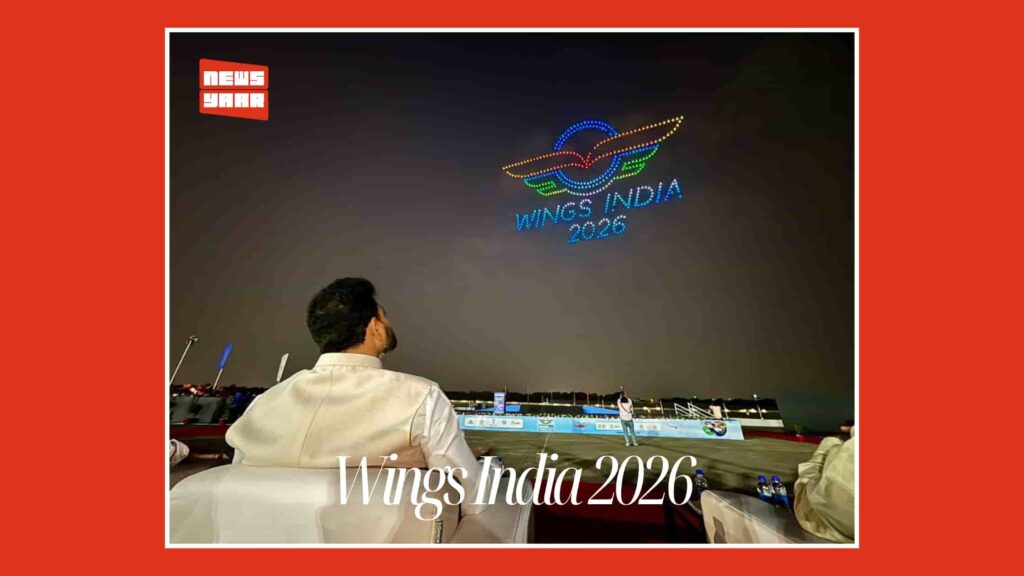
EVENTS Wings India 2026: Celebrating Aviation Excellence and Cultural Unity in the Skies Newsyaar February 5, 2026 6:31 pm Gujarat wins top aviation award as Air India Express showcases India’s rich heritage through music and art Hyderabad: The Wings India 2026 aviation expo, held at Begumpet Airport from January 28-31, has emerged as more than just an industry gathering—it’s a celebration of how aviation connects cultures, builds communities, and drives economic progress across the nation. The four-day event brought together thousands of aviation professionals, exhibitors, and enthusiasts from around the world, highlighting India’s position as one of the fastest-growing aviation markets globally. From cutting-edge technology exhibits to cultural performances on the tarmac, the expo demonstrated that modern aviation is about more than just moving people—it’s about creating meaningful connections. Gujarat Soars High with Prestigious Recognition Gujarat received the coveted ‘Best State for Promotion of Aviation Ecosystem’ award, presented by Union Minister for Civil Aviation Shri K. Ram Mohan Naidu. The state shared this honor with Telangana and Uttarakhand, recognizing their exceptional contributions to India’s aviation sector. KL Bachani, Gujarat’s Civil Aviation Commissioner, attributed the achievement to Chief Minister Bhupendra Patel’s visionary leadership and the state’s focus on world-class infrastructure. “This honor reflects Gujarat’s commitment to making air travel more accessible for citizens while driving economic growth,” Bachani said. The award acknowledges Gujarat’s impressive progress in aviation infrastructure, including maintenance, repair, and overhaul (MRO) facilities and the aircraft leasing sector. This marks Gujarat’s third consecutive recognition at Wings India, having previously won awards in 2022 and 2024, demonstrating sustained excellence in aviation development. When Aviation Meets Art: Air India Express’s Cultural Showcase One of the most memorable moments at Wings India 2026 was Air India Express’s spectacular cultural performance featuring legendary singer Usha Uthup. The unique event took place on the airport tarmac beside the airline’s stunning first line-fit Boeing 737-8 aircraft, VT-RNT, adorned with livery inspired by traditional Parsi Gara embroidery. Uthup performed alongside talented artists from eleven Indian states: Andhra Pradesh, Assam, Delhi, Gujarat, Jammu & Kashmir, Karnataka, Kerala, Maharashtra, Odisha, Punjab, and Tamil Nadu. The performance created a vibrant tapestry of India’s diverse cultural heritage against the backdrop of modern aviation. “Music is a language that connects people across cultures and geographies,” Uthup said. “Performing at Wings India as the country’s cultural ambassador makes this truly special.” Aviation with Heart: Connecting People, Not Just Places Siddhartha Butalia, Chief Marketing Officer of Air India Express, emphasized the deeper purpose behind aviation. “In an increasingly digitally connected world, the true value of travel lies in real, immersive experiences and meaningful human connections,” he explained. The airline also received the prestigious ‘Domestic Connectivity’ award from the Ministry of Civil Aviation, recognizing its efforts to expand air travel access across India. This follows their ‘Sustainability Champions’ recognition at Wings India 2024. Air India Express’s ‘Tales of India’ initiative showcases India’s artistic heritage through aircraft liveries featuring indigenous designs like Kalamkari, Bandhani, Jamawar, Warli, and Phulkari. Their ‘Gourmair’ in-flight dining extends this cultural celebration to regional cuisines, featuring special menus for festivals like Onam, Navratri, and Diwali. The new Boeing 737-8 aircraft features ergonomically designed seats, fast-charging power outlets, on-board ovens for hot meals, spacious overhead bins, and Boeing’s Sky Interior with soothing mood lighting, proving that comfort and culture can fly together. Building Tomorrow’s Skies Today Wings India 2026 demonstrated that India’s aviation sector is not just about economic growth; it’s about inclusivity, sustainability, and preserving cultural identity while embracing innovation. As states like Gujarat lead infrastructure development and airlines like Air India Express celebrate regional diversity, Indian aviation is truly paving the future from design to deployment. The event reinforced that when aviation connects people meaningfully, everyone wins, from passengers experiencing rich cultural journeys to states driving economic development through better connectivity. About the Author Events Reporter Share via Copied Comments Post Comment
India Greenlights 3 New Airlines: Transforming Domestic Aviation

BUSINESS India Greenlights 3 New Airlines: Transforming Domestic Aviation India’s aviation landscape is up for a major shake-up with the Ministry of Civil Aviation granting no-objection certificates (NOCs) to three new domestic carriers, Shankh Air, Al Hind Air, and FlyExpress, signaling steps toward increased competition, enhanced regional connectivity, and more affordable travel options in 2026. The approvals come amid growing calls to diversify the aviation market, which has long been dominated by IndiGo and the Air India Group, together controlling more than 90 % of domestic flights. Recent operational disruptions at one of the country’s largest carriers underscored the risks of such concentration and prompted regulators to clear the way for fresh capacity. Shankh Air: Uttar Pradesh’s New Player Shankh Air is expected to be one of the first among the three to begin operations, with plans to launch flight services in early 2026. Based in Uttar Pradesh, the airline aims to connect north and central Indian cities, initially linking Lucknow with major metros such as Delhi and Mumbai while expanding to Varanasi, Gorakhpur, and other destinations. The carrier, led by founder Shravan Kumar Vishwakarma, plans to start with an initial fleet of Airbus aircraft and gradually expand, including potential international operations by the late 2020s. Its mission underscores making air travel more accessible to middle-class and first-time flyers while strengthening intrastate connectivity. Al Hind Air: Regional Focus from Kerala Al Hind Air, headquartered in Kozhikode, Kerala, will initially operate as a regional commuter airline under the UDAN scheme. With a focus on connecting smaller cities and underserved markets in southern India, it plans to begin services using ATR turboprop aircraft. The airline emerges from the established Alhind Group, which brings travel and tourism sector experience to its aviation venture. While it has faced early financial strain, including unpaid leave for some staff, the carrier is advancing toward operational readiness pending its Air Operator Certificate (AOC). FlyExpress: Low-Cost Connectivity & Cargo Potential FlyExpress, a Hyderabad-based startup, has also received its NOC and intends to serve both passengers and freight across India’s regional markets as a low-cost carrier. It joins the other two new entrants in targeting a balance between affordability and broader market access. What’s Ahead for Indian Aviation? While securing NOCs is an important regulatory milestone, these airlines must still complete technical requirements, including proving flights, crew training, and DGCA-issued Air Operator Certificates, before selling commercial tickets. If successful, the trio could destabilize the market dominance, competitive pricing, boost connectivity to Tier-II and Tier-III cities, and make flying more accessible for millions of Indians. As they take shape in 2026, the aviation sector will be watching closely to see whether this trio can break into a market long held by a few major carriers. About the Author Business Reporter Share via Copied Comments Post Comment
IndiGo’s December 2025 Meltdown: What Really Happened?
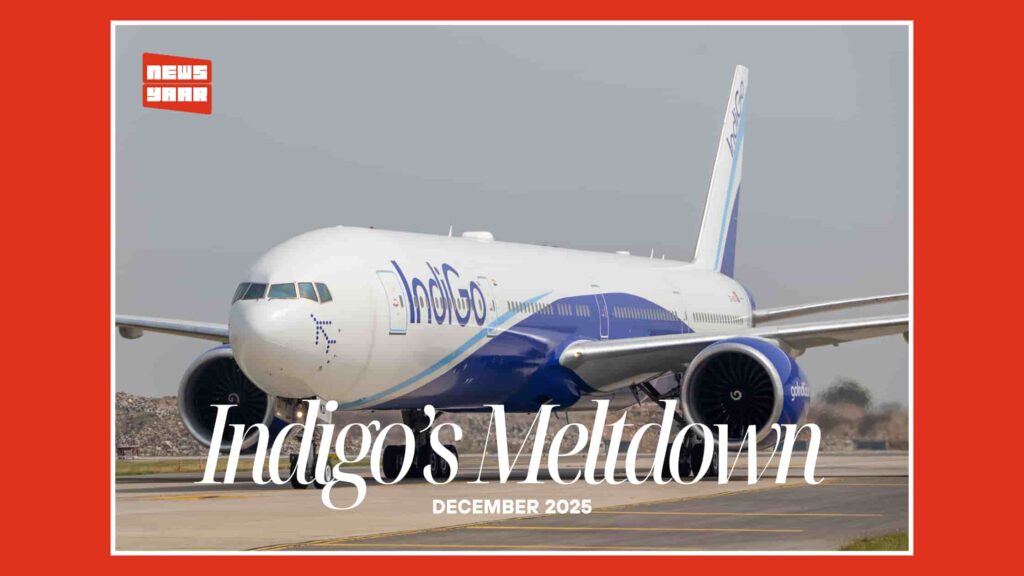
BUSINESS IndiGo’s December 2025 Meltdown: What Really Happened? In early December 2025, IndiGo, India’s biggest budget airline, faced one of the worst aviation breakdowns the country has seen in years. Starting around December 2, thousands of flights were cancelled across major cities. Airports were filled with stranded passengers, long queues, and growing frustration. What looked like a crisis was actually the result of a deeper planning failure. Why Did Everything Collapse? The core issue began with new rules introduced by the Directorate General of Civil Aviation (DGCA). These updated regulations required airlines to: Strictly limit pilot flying hours Give longer rest breaks between flights Reduce fatigue risks, especially on late-night schedules While these rules had been planned for months, it appears IndiGo didn’t reorganise its crew schedules, standby pilots, or rosters in time. The result? Many flights simply had no pilot or co-pilot who was legally eligible to fly. Without meeting DGCA requirements, IndiGo was forced to cancel entire sets of flights, creating a ripple effect across the network. IndiGo flies over 2,200 flights daily, including many night operations. So even a small scheduling disruption hit the airline on a massive scale. The Passenger Impact: A Domino Effect Across India What began as a few hundred cancellations quickly escalated. On some of the worst days: 550–560 flights were cancelled within hours Bengaluru alone saw around 150 flight cancellations Delhi, Mumbai, Hyderabad, and Kolkata experienced severe chaos Passengers experienced: Sudden last-minute cancellations Extremely long lines at help desks Delayed or misplaced luggage Struggles to find alternate flights during the busy winter and wedding season How IndiGo Tried to Recover Facing public anger, media pressure, and regulatory scrutiny, IndiGo moved into crisis-recovery mode. They claimed rapid improvements: About 1,800 flights were operating again within days On-time performance slowly improved They released ₹827 crore in refunds to affected passengers Baggage delays and customer complaints were prioritised Most routes were restored by mid-December The airline also deployed additional staff to manage queues and customer support. Final Words IndiGo’s December 2025 crisis wasn’t a one-day glitch; it was a major systems failure. Safety rules triggered the disruption, but weak internal preparation turned it into a nationwide travel meltdown. Strong safety regulations must be matched with strong operational readiness. Otherwise, passengers end up paying the price. About the Author Business Reporter Share via Copied Comments Post Comment