



Kalinga Literary Festival 2026: Four Days of Ideas, Culture and Literary Confluence in Bhubaneswar
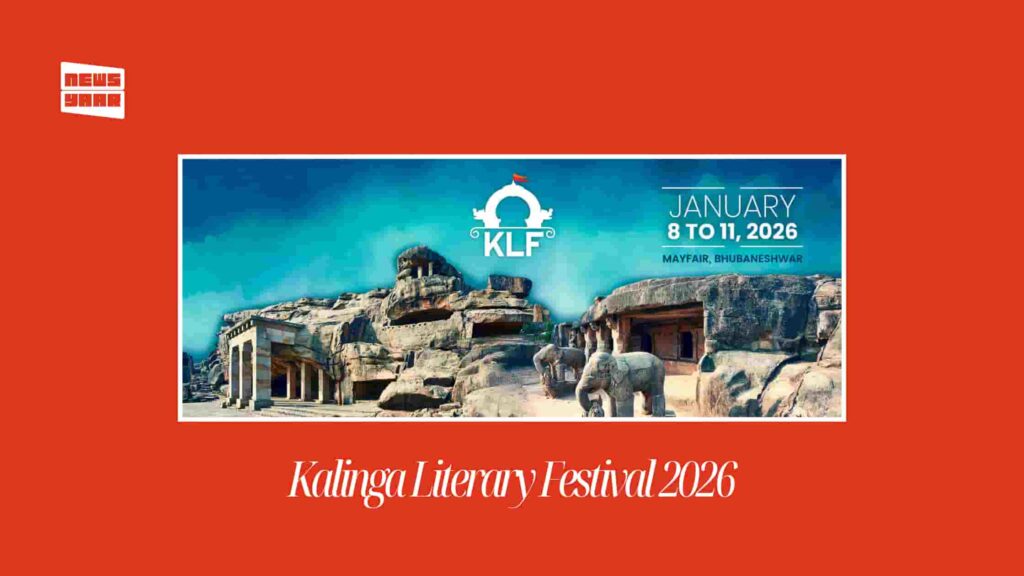
EVENTS Kalinga Literary Festival 2026: Four Days of Ideas, Culture and Literary Confluence in Bhubaneswar Bhubaneswar, Odisha — January 8–11, 2026: The 12th edition of the Kalinga Literary Festival (KLF) concluded in Bhubaneswar with an expansive celebration of literature, culture and intellectual dialogue, bringing together hundreds of authors, thinkers, poets, translators, artists and public intellectuals from India and abroad. Organised by the Kalinga Literary Festival Pvt. Ltd. under the stewardship of Founder & Director Rashmi Ranjan Parida, the annual gathering has grown into one of India’s most significant literary platforms, bridging regional narratives with global conversations. A Festival with Global Reach and Cultural Depth Held across multiple venues within Mayfair Lagoon, Bhubaneswar, the four-day festival positioned itself at the intersection of literature, culture, public policy, technology and civilisational thought. With the overarching theme “Stories That Shape Humanity: Translating Worlds, Transforming Futures,” KLF 2026 emphasised translation, narrative power, cross-cultural exchange and the contemporary relevance of storytelling — inviting audiences to explore how literature interacts with identity, technology, democracy, sustainability and performance arts. This edition was also notable for its integration of the 10th Kalinga Art Festival, showcasing visual and performative arts alongside literary dialogues, making the event a richly layered cultural experience. Inauguration and Distinguished Guests The festival’s inauguration on January 8, 2026 featured an impressive array of dignitaries and cultural figures: Shri Kanak Vardhan Singh Deo, Deputy Chief Minister of Odisha — Chief Guest Dr. Upali Pannilage, Minister of Rural Development, Sri Lanka — Guest of Honour Shri Harivansh Narayan Singh, Deputy Chairman, Rajya Sabha — Guest of Honour Shri Suryabanshi Suraj, Minister of Culture & Sports, Odisha Ambassador Philip Green OAM, Australia’s High Commissioner to India Shri Sujeet Kumar, MP, Odisha Dr. Binod Chaudhury, Nepalese industrialist & philanthropist Shri Sudarshan Sahoo, Padma Vibhushan awardee Dr. Pratibha Ray, Padma Bhushan awardee Ms. Tanaya Patnaik, Executive Director, Sambad Group Shri Ashok Kumar Bal served as CEO & Patron of KLF, welcoming attendees, while Rashmi Ranjan Parida outlined the vision and cultural significance of the festival. Extensive Speaker Line-up and Influential Voices KLF 2026 featured a distinguished roster of more than 400 speakers, blending international award-winning figures with prominent Indian writers, artists, commentators and thought leaders. Some of the notable speakers and contributors included: Padma Shri Malini Awasthi – celebrated Indian folk singer and cultural ambassador, anchoring performances that blended literature with music. Daisy Rockwell – award-winning artist, writer and translator whose translations have won international honours. Banu Mushtaq – International Booker Prize winner. Deepa Bhasthi – Booker Prize–winning author and cultural critic. Ram Madhav – strategic thinker, author and political voice. Acharya Prashant – spiritual leader and speaker drawing large audiences. Sudhir Mishra – acclaimed filmmaker engaging on cinema and narrative culture. Tuhin A. Sinha – author and political commentator. Arun Lal – former Indian cricketer and writer, presenting on life, sport and narrative history. Amit Lodha – IPS officer and author known for Bihar Diaries. Priya Arora, Sushil Doshi, Dr. Sajjan Singh Yadav, Swati Pandey, Madhuchhanda Bal and many more talents spanning journalism, poetry, translation, essay, art and cultural criticism. This eclectic mix ensured a multi-disciplinary engagement, encouraging dialogue beyond literature into public policy, society, technology, gender, sustainability and more. Sessions and Programmes: Diverse Ideas in Conversation Across its four days, KLF 2026 facilitated a rich array of formats — panel discussions, interviews, conversational salons, poetry readings, translation forums, and masterclasses. Highlights included: International Storytelling Panels that explored how translation bridges voices across cultures and languages Gender, Identity & Feminism Discussions led by writers and scholars investigating contemporary literary narratives Politics, Democracy & Public Policy Conversations with authors and commentators analysing India’s socio-political framework Writing for the Future & AI Forums where evolving technologies and literature intersected Cinema and Story Culture Sessions illuminating how narrative art forms shape public imagination Poetry and Multilingual Workshops celebrating Indian languages alongside world literatures The festival also dedicated space to regional literary traditions, including a focus on Odia literature, storytelling practices, and poetry across borders, acknowledging the cultural depth of India’s myriad languages. Awards, Art and Recognition At the opening ceremony, several prestigious honours were conferred in recognition of literary achievement and cultural contribution: International Living Legend Award: Dr. Binod Chaudhary Kalinga Literary Award: Shri Achyutananda Pati Kalinga International Literary Award: Daisy Rockwell Kalinga Literary Award (Youth): Ranjana Niraula Odisha Living Legend Awards: Pandit Harmohan Khuntia, Shri Govardhan Dora Special awards including the KLF-Penguin Review Project and KLF-Sambad Book Review Awards These recognitions underscored the festival’s commitment to honouring excellence across genres, generations and geographies. Cultural Fusion: Music, Performance, and Engagement Beyond discussions, KLF 2026 integrated music and performance arts. Evening programmes featured performances by Padma Shri Malini Awasthi and other artists, weaving literary themes with folk and classical traditions — a reminder that literature and performance often co-create cultural memory. The festival’s inclusive format also embraced workshops, heritage walks and book launches, turning Bhubaneswar into a vibrant hub of ideas and creative exchange for readers, students and practitioners alike. Why KLF 2026 Holds Special Significance The Kalinga Literary Festival has, over the years, transformed from a regional gathering into a global literary forum where ideas intersect with lived experience and cultural imagination. Rooted in Odisha’s civilisational heritage, KLF continues to expand its reach internationally, with initiatives and editions planned beyond India’s borders, reconnecting ancient cultural ties with contemporary creative discourse. As founder Rashmi Ranjan Parida articulated, the festival reflects a belief that stories do more than entertain — they shape empathy, influence thought and help societies imagine better futures. With its rich programming, diverse voices and deep engagement with literary and cultural themes, KLF 2026 has once again cemented its role as a cornerstone event in India’s literary calendar. The festival not only created spaces for dialogue but also fostered cross-cultural appreciation, making Bhubaneswar a focal point for global conversations on literature and ideas.
Hyderabad Literary Festival 2026: A Confluence of Culture, Ideas and Storytelling
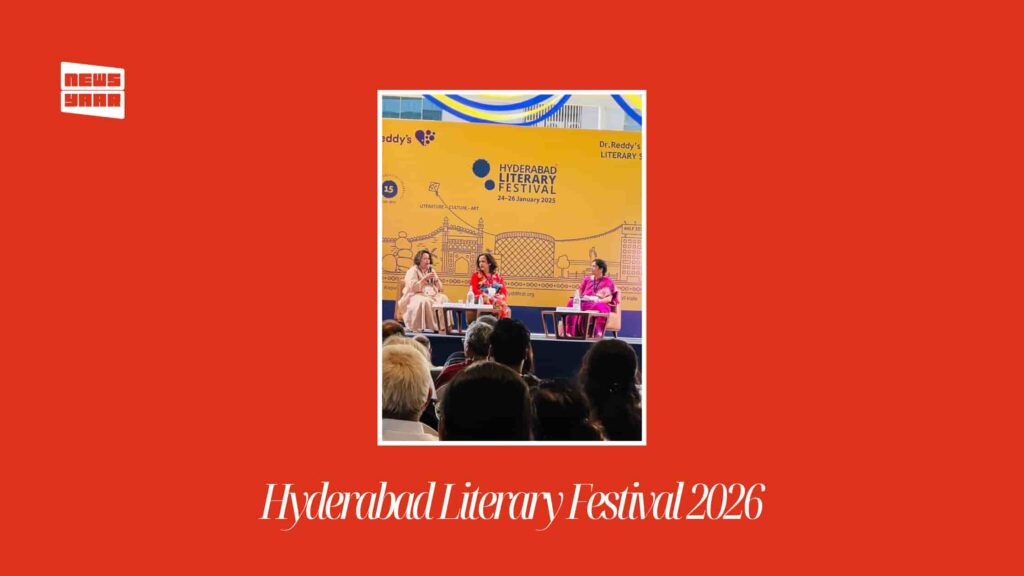
EVENTS Hyderabad Literary Festival 2026: A Confluence of Culture, Ideas and Storytelling The Hyderabad Literary Festival 2026 — one of South India’s most dynamic and inclusive literary events — was held from January 24 to January 26, 2026, in Hyderabad, Telangana. The annual festival brought together authors, poets, journalists, scholars, artists, translators and readers for three days of conversations, performances, workshops and community engagement revolving around literature, culture, cinema, history, social issues and the arts. The festival’s programming underscored its commitment to diversity, regional voices, multilingual storytelling and public dialogue. Organised by the Hyderabad Literary Trust, the festival has become a cornerstone of the city’s cultural calendar. It invites audiences not only from Hyderabad and other Indian states but also from abroad, positioning the city as a vibrant literary hub that celebrates both regional and global narratives. About the Festival The Hyderabad Literary Festival (HLF) is an annual event initiated with the purpose of promoting reading and writing, nurturing literary talent, fostering cross-cultural exchange, and creating an inclusive space where ideas and stories flourish. Since its inception, the festival has expanded in scale and scope, integrating a wide range of programmes including panel discussions, one-on-one conversations, book launches, poetry recitals, theatre presentations, film screenings, children’s literature sessions and writing workshops. The festival’s charter emphasises multilingual engagement, reflecting Hyderabad’s cosmopolitan ethos. Sessions at the festival are conducted in English as well as other Indian languages — particularly Telugu, Urdu and Hindi — ensuring accessibility for diverse audiences and literary communities. Dates and Venue (2026 Edition) Festival Name: Hyderabad Literary Festival 2026 Edition: Annual literary festival Dates: January 24–26, 2026 Location: Hyderabad (multiple cultural venues across the city) Organiser: Hyderabad Literary Trust For 2026, the festival took place at several venues in Hyderabad, including auditoriums, public libraries, literary centres and cultural institutions. These spaces enabled both curated programmes and interactive audience participation, accommodating literary events for all age groups. Key Highlights of HLF 2026 The 2026 edition of the Hyderabad Literary Festival featured an eclectic mix of sessions and activities. Major highlights included: Conversations with Renowned Authors: Established and emerging writers participated in in-depth discussions about their work, creative processes and the broader role of literature in society. Themes ranged from fiction and poetry to biography and reportage. Panel Discussions on Contemporary Issues: Festival sessions examined pressing social, political and cultural topics, including freedom of expression, climate narratives, migration and identity, digital media’s impact on storytelling, and historical memory. Regional Language Focus: True to its ethos of multilingual inclusivity, HLF 2026 amplified regional language voices — with sessions in Telugu, Urdu and Hindi alongside English. These included poetry recitals, translations showcases and dialogues on local literary traditions. Book Launches and Author Meet-and-Greets: Several new titles were launched during the festival, giving audiences the opportunity to interact with authors directly, participate in Q&A sessions and engage with creative communities. Workshops and Masterclasses: The festival offered a series of workshops aimed at aspiring writers, poets and students. Topics included creative writing techniques, translation skills, narrative structure, publishing insights and editorial craft. Children’s Literature Programme: With dedicated sessions for young readers, storytelling hours, interactive activities and workshops tailored for children and teenagers, the festival encouraged early literary engagement and fostered a reading culture among youth. Performances and Cultural Presentations: Poetry slams, theatre presentations and musical performances complemented the literary offerings, demonstrating how literature intersects with other art forms and live expression. Notable Participants and Voices While the festival featured a wide array of contributors, some notable participants in 2026 included: Indian authors and poets whose works have shaped contemporary discourse Regional language writers celebrated for their contributions to Telugu, Urdu and Hindi literature Journalists and cultural commentators addressing social change and media landscapes Academics and critics offering analytical perspectives on national and global themes Children’s authors and educators engaging young audiences through interactive sessions The diversity of participants underscored HLF’s commitment to providing platforms for both established voices and emerging talent. Why the Festival Matters The Hyderabad Literary Festival matters for a number of reasons: Promotion of Reading Culture: By drawing together writers, readers and cultural enthusiasts, the festival fosters a vibrant environment that encourages reading and literary appreciation across age groups. Multilingual and Inclusive Engagement: HLF’s focus on sessions in multiple languages acknowledges India’s rich linguistic landscape and promotes inclusivity in literary dialogue. Cultural and Intellectual Exchange: With discussions that cross disciplines — from literature and philosophy to social justice and technology — the festival stimulates intellectual exchange and public engagement with complex ideas. Support for Emerging Writers: Workshops, masterclasses and interactive forums provide emerging writers with mentorship opportunities and peer learning experiences, supporting the next generation of creative voices. City as Cultural Hub: For Hyderabad, the festival reinforces the city’s reputation as a thriving centre for culture, arts and literary expression. It contributes to the city’s cultural identity and encourages tourism, academic discourse and community participation. Audience Experience and Participation The 2026 festival welcomed readers, students, families, scholars and visitors from different parts of India. The inclusive programming ensured that sessions were accessible to a wide audience, with free or affordable tickets for select events and open-air activities designed to appeal to casual attendees and serious literature enthusiasts alike. Local institutions — including universities, cultural organisations and libraries — collaborated with the festival to support community outreach, extend programming into public spaces and integrate educational events into school and college schedules. Looking Forward As the Hyderabad Literary Festival continues to grow, its future promises enhanced engagement with national and international literary communities, deeper collaborations across cultures and greater emphasis on digital outreach and hybrid participation. By championing storytelling in all its forms, HLF remains a vital platform for ideas, identity and cultural dialogue in contemporary India.
The Hindu Lit For Life 2026: 14th Edition Brings Literature and Public Discourse to Chennai
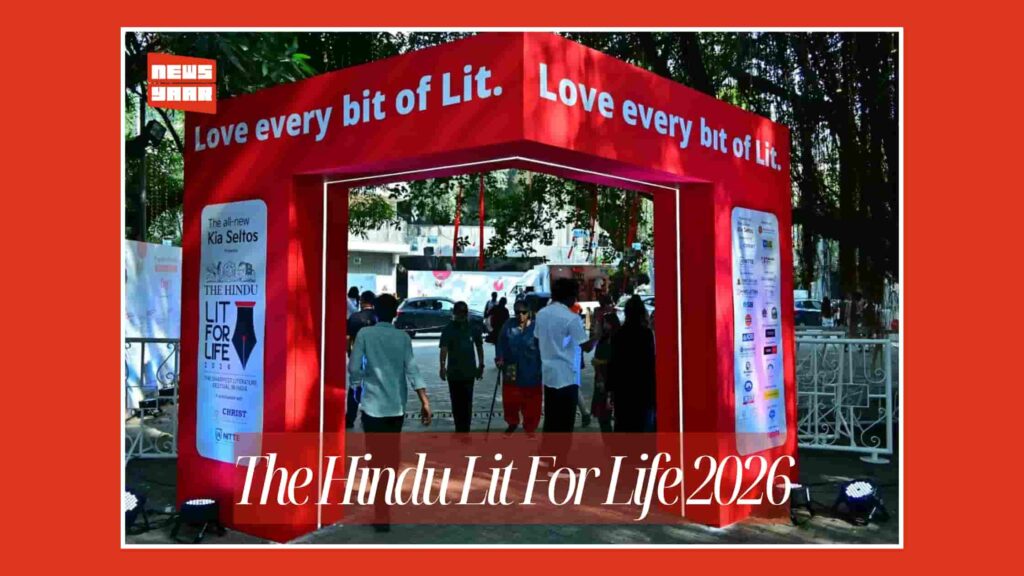
EVENTSThe Hindu Lit For Life 2026: 14th Edition Brings Literature and Public Discourse to Chennai Newsyaar February 8, 2026 11:38 pm The 14th edition of The Hindu Lit For Life Festival 2026 will be held on January 17 and 18, 2026, at the Sir Mutha Venkatasubba Rao Concert Hall, located within the Music Academy complex in Chennai. Organised by The Hindu Group, the annual literary festival continues its long-standing tradition of bringing together leading writers, thinkers, journalists, artists and public intellectuals for conversations on literature, culture, politics and contemporary society. Over the years, Lit For Life has established itself as one of India’s most respected literary platforms, known for its focus on ideas, public dialogue and intellectual engagement rather than purely commercial book promotion. The 2026 edition marks the festival’s 14th year, reinforcing its position as a key fixture on India’s cultural calendar. About the Festival The Hindu Lit For Life was launched in 2013 as a space for meaningful literary and cultural conversations. Curated and hosted by The Hindu, the festival reflects the publication’s editorial ethos of informed debate, critical thinking and public interest journalism. Each year, the festival brings together voices from diverse fields — literature, politics, cinema, history, journalism, science and the arts — encouraging dialogue across disciplines and perspectives. The Chennai edition has traditionally been a central pillar of the festival, drawing audiences ranging from students and academics to avid readers and cultural practitioners. Dates, Venue and Format Event: The Hindu Lit For Life 2026Edition: 14thDates: January 17–18, 2026Venue: Sir Mutha Venkatasubba Rao Concert Hall, Music Academy, ChennaiOrganiser: The Hindu Group The festival will feature panel discussions, author interactions, keynote conversations, poetry readings and thematic sessions, spread across two full days. Sessions are designed to encourage audience participation, with ample scope for questions and discussion. Themes and Focus Areas Lit For Life 2026 will focus on the evolving role of literature and ideas in a rapidly changing world. Discussions will span themes such as: Literature and democracyMedia, truth and public trustWriting across languages and culturesMemory, history and identityGender, society and representationThe intersection of literature, cinema and popular culture The festival’s programming aims to connect literary discourse with real-world concerns, making it relevant not only to writers and scholars but also to a wider public audience. Speakers and Participants As in previous years, the 2026 edition is expected to feature a diverse lineup of prominent Indian and international writers, journalists, academics and cultural figures. The Hindu traditionally curates sessions that bring together contrasting viewpoints, encouraging nuanced debate rather than consensus-driven discussion. Detailed speaker line-ups and session schedules are released closer to the event. Why Lit For Life Matters At a time when public discourse is increasingly fragmented, The Hindu Lit For Life serves as an important forum for thoughtful, evidence-based conversations. The festival provides space for long-form discussion, critical engagement and intellectual exchange — values that are often underrepresented in fast-paced digital media environments. By hosting the festival in Chennai, a city with a deep literary and cultural legacy, The Hindu reinforces the importance of regional cultural hubs in shaping national conversations. Public Engagement and Accessibility The festival is open to the public, with entry passes available through official channels. Over the years, Lit For Life has attracted a wide demographic — from college students and first-time readers to senior academics and cultural professionals — making it one of the more inclusive literary events in the country. Select sessions are also typically covered extensively by The Hindu, ensuring wider access through news reports, interviews and digital content. Looking Ahead As The Hindu Lit For Life enters its 14th edition, it continues to evolve while staying rooted in its core mission — fostering informed dialogue through literature and ideas. The 2026 edition is expected to further strengthen the festival’s role as a space where literature engages directly with the social, political and cultural questions of the present. About the Author Events Reporter Share via Copied Comments Post Comment
Mathrubhumi International Festival of Letters (MBIFL) 2026: A Global Platform for Literature, Ideas and Cultural Dialogue
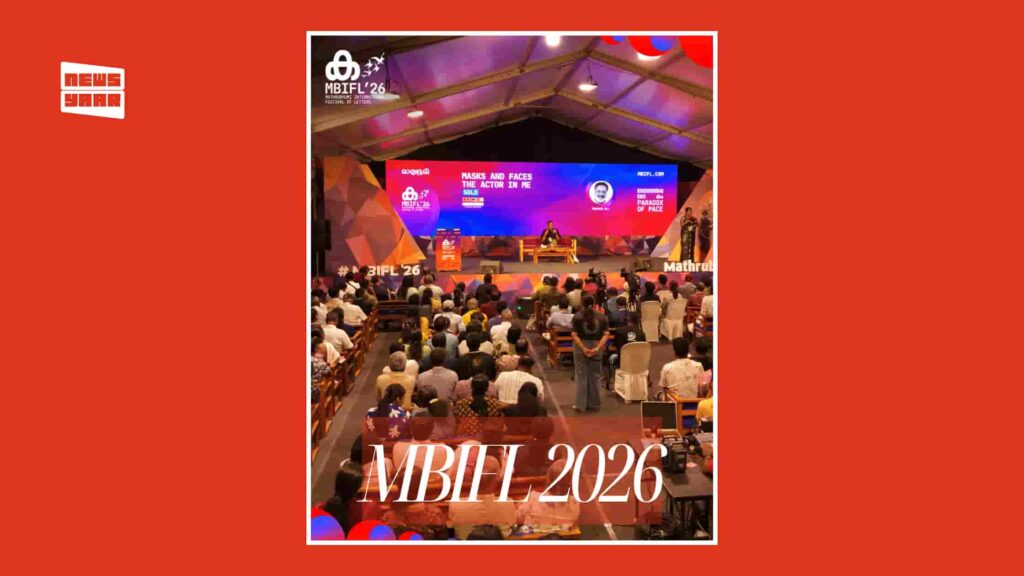
EVENTSMathrubhumi International Festival of Letters (MBIFL) 2026: A Global Platform for Literature, Ideas and Cultural Dialogue Newsyaar February 8, 2026 11:19 pm The Mathrubhumi International Festival of Letters (MBIFL) is one of India’s most prominent literary and cultural festivals, conceived as a forum where literature intersects with ideas, society, politics, art and contemporary global discourse. Since its inception, the festival has positioned itself not merely as a celebration of books, but as a festival of conversations, bringing together writers, thinkers, artists, translators, journalists and readers from across India and the world. Organisers and Vision MBIFL is organised by the Mathrubhumi Group, one of India’s oldest and most respected media and publishing houses, with a legacy rooted deeply in Kerala’s literary and socio-political history. Founded in 1923, Mathrubhumi has played a formative role in shaping public discourse in India through journalism, publishing and cultural initiatives. The festival is curated and managed by Mathrubhumi Books and Mathrubhumi Event Division, with the objective of creating a global intellectual space rooted in Indian linguistic and cultural traditions. The organisers have consistently emphasised inclusivity, multilingualism and critical dialogue as the core pillars of the festival. By hosting MBIFL annually in Kozhikode — a city historically known for its openness, trade links and literary heritage — the organisers aim to position Kerala as a global destination for literary exchange and cultural thought. What the Festival Represents Unlike conventional literature festivals focused primarily on book launches or author readings, MBIFL is designed as an idea-driven platform. The festival foregrounds: Literature as a tool for social and political reflectionDialogue between Indian languages and global literaturesTranslation as cultural mediation rather than mere linguistic conversionIntersections between literature, history, science, cinema, philosophy, environment and democracy The festival actively brings together voices from diverse backgrounds, ensuring representation across geographies, languages, disciplines and generations. MBIFL 2026: 7th Edition — Dates, Venue and Structure The 7th edition of the Mathrubhumi International Festival of Letters (MBIFL 2026) was held from January 29 to February 1, 2026, in Kozhikode (Calicut), Kerala. Spanning four days, the festival featured an extensive programme of discussions, author interactions, panel sessions, workshops and performances hosted across multiple venues in the city. These included auditoriums, cultural centres, academic institutions and public spaces, enabling broad public access. Key Highlights of MBIFL 2026 Global Participation:The 2026 edition featured a strong international presence, with writers, scholars and cultural commentators from Asia, Europe, Africa and the Americas participating alongside leading Indian authors and intellectuals. Multilingual Focus:A defining highlight of MBIFL 2026 was its continued emphasis on Indian languages, particularly Malayalam, alongside English and other global languages. Several sessions focused on translation, linguistic identity and the future of regional literatures in a globalised world. Thematic Conversations:The festival curated discussions around themes such as: Literature and democracyMemory, history and identityClimate change and ecological narrativesMigration, borders and belongingThe evolving role of storytelling in the digital age These sessions brought together novelists, poets, historians, journalists and activists, encouraging cross-disciplinary dialogue. Translation and Cultural Exchange:Special sessions were dedicated to translation as both a creative and political act, examining how stories move across languages and cultures and how translation shapes global literary circulation. Youth and Student Engagement:MBIFL 2026 placed strong emphasis on engaging young readers and writers through interactive workshops, campus-linked programmes and student-focused discussions, strengthening the festival’s outreach beyond elite literary circles. Performative and Artistic Elements:In addition to discussions, the festival featured poetry readings, literary performances and cultural presentations that blended literature with music, theatre and oral storytelling traditions. Public Access and Media Engagement Many sessions at MBIFL 2026 were open to the public, reinforcing the festival’s democratic ethos. Select discussions were also livestreamed, allowing national and international audiences to engage with the festival remotely. The event attracted significant attention from national and regional media, literary publications and cultural platforms, underlining its growing importance in India’s cultural calendar. Cultural Significance and Impact Over the years, MBIFL has emerged as a key cultural institution that bridges regional and global literary ecosystems. Its impact extends beyond the festival days, influencing reading cultures, translation initiatives and intellectual debates within and beyond Kerala. For Kozhikode, the festival has become a defining annual event, boosting cultural tourism and reinforcing the city’s identity as a centre of ideas, literature and dialogue. Why MBIFL Matters The Mathrubhumi International Festival of Letters stands out because it treats literature not as an isolated art form, but as a living, questioning practice deeply connected to society. In an era marked by polarisation and information overload, MBIFL’s insistence on dialogue, nuance and critical engagement gives it renewed relevance. The 7th edition in 2026 reaffirmed the festival’s role as a space where stories, ideas and languages meet — not to compete, but to converse. About the AuthorEvents Reporter Share via Copied Comments Post Comment
Literary Celebration Bringing Readers and Writers Together in Delhi Book Fair 2026
EVENTSLiterary Celebration Bringing Readers and Writers Together in Delhi Book Fair 2026 Newsyaar January 17, 2026 5:53 am The Delhi Book Fair once again transformed the national capital into a vibrant hub of literature, ideas, and storytelling. Known as one of India’s most loved literary events, the fair attracted book lovers, authors, publishers, and students from across the country, reaffirming Delhi’s place as a cultural and intellectual centre. Held at its iconic venue, the fair offered a rich mix of books across genres, ranging from fiction, non-fiction, academic texts, children’s literature, self-help, and regional language publications. A Paradise for Book Lovers Walking into the Delhi Book Fair felt like stepping into a world made entirely of stories. Hundreds of stalls showcased books in English, Hindi, and several Indian languages, ensuring there was something for every reader. From bestselling novels and classic literature to competitive exam guides and research material, the fair catered to readers of all ages. Special sections dedicated to children remained a major attraction, with colourful books, comics, and activity corners encouraging young minds to develop a love for reading. Authors, Discussions, and Cultural Exchange Beyond book shopping, the Delhi Book Fair served as a platform for author interactions, panel discussions, and book launches. Renowned writers, emerging voices, and publishers engaged in conversations around literature, education, publishing trends, and the future of reading in a digital age. These sessions provided readers with a chance to connect directly with authors, understand their creative journeys, and gain insights into the evolving literary landscape. In a time when online content dominates, the fair stood as a reminder of the lasting value of printed books and structured learning. Keeping the Reading Culture Alive Despite the rise of e-books and digital platforms, the Delhi Book Fair highlighted that the charm of physical books remains strong. The event brought together people from diverse backgrounds, united by a shared love for reading, learning, and storytelling. Publishers also offered attractive discounts, making books more accessible and encouraging readers to build personal libraries. Delhi Book Fair: More Than Just an Event The Delhi Book Fair is not just about buying books; it is about celebrating ideas, creativity, and knowledge. It continues to inspire curiosity, promote literacy, and strengthen India’s reading culture. As the fair concludes, it leaves behind shelves full of new books and minds filled with fresh perspectives, proving once again that stories still matter, and always will. About the AuthorEvents Reporter Share via Copied Comments Post Comment