




Bikaner Camel Festival 2026: A Majestic Celebration of Desert Culture and Heritage
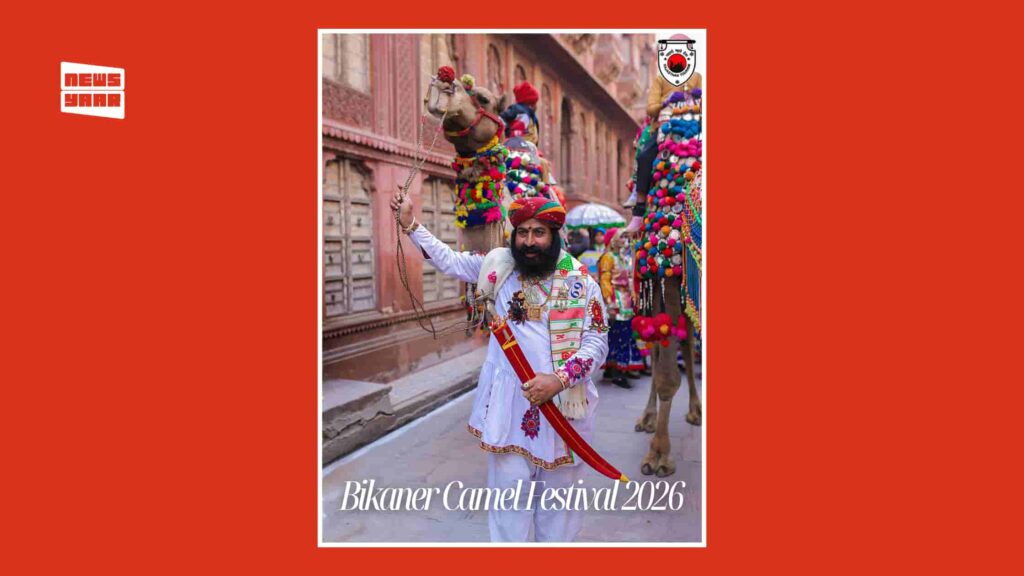
EVENTS Bikaner Camel Festival 2026: A Majestic Celebration of Desert Culture and Heritage The Bikaner Camel Festival 2026 — one of Rajasthan’s most iconic cultural events — was held from January 9 to January 11, 2026, in Bikaner, Rajasthan, celebrating the camel as the enduring “Ship of the Desert” and a living emblem of the region’s history, community and traditions. Organised by the Rajasthan Tourism Department, the three-day festival drew enthusiastic participation from domestic and international visitors, camel breeders, cultural performers and artisans, transforming the historic desert city into a vibrant tapestry of colour, heritage and folk celebration. Dates, Venue and Significance Festival: Bikaner Camel Festival 2026 Dates: January 9–11, 2026 Location: Bikaner, Rajasthan — with key events across Junagarh Fort, Dr. Karni Singh Stadium, Camel Farm, Raisar Sand Dunes and Old City Grounds Organised by: Rajasthan Tourism Department Held annually in January, when the cool desert climate is ideal for outdoor festivities, the festival celebrates the deep bond between the desert communities and the camel, an animal that has sustained trade, transport and cultural continuity in the Thar region for centuries. Cultural Roots and Historical Context The camel is not merely a domestic animal in Rajasthan; it is symbolic of survival, resilience and identity in one of India’s most challenging landscapes. Historically, camel corps were esteemed for their role in regional defence and trade routes — from the terrain of the Thar Desert to campaigns beyond. Today, the festival honors this legacy through artistic expression, competitive displays and community celebrations. Highlights of the 2026 Edition The 2026 festival offered a rich blend of tradition, competition, culture, art and entertainment spread across three action-packed days: Day 1 — Friday, January 9: Heritage and Local Flavor The festivities kicked off with the “Hamari Virasat” Heritage Walk, a vibrant procession of beautifully decorated camels and handlers that wound through the historic lanes from Laxminath Temple to Rampuria Haveli in Bikaner’s Old City. Later in the day, the Bikaneri Food Festival celebrated the unique flavours of Rajasthan — from Bikaneri bhujia to rich thalis and local sweets — offering visitors an authentic taste of Thar cuisine. The afternoon featured Mr. Bikana and Miss Marwan contests at the Dr. Karni Singh Stadium, where participants showcased traditional attire and cultural pride. Day 2 — Saturday, January 10: Camel Artistry and Folk Nights The second day moved to the National Research Centre on Camel (NRCC), where visitors enjoyed a range of spectacular camel-centric events, including: Camel Fur Cutting Competitions — intricate designs trimmed into camel coats reflecting centuries-old artistry. Camel Dance Performances — animals moving rhythmically to traditional beats. The evening culminated in a Folk Night featuring traditional Rajasthani music and dance under the desert sky, amplifying the cultural heartbeat of the festival. Day 3 — Sunday, January 11: Desert Adventure & Finale The final day’s events took place against the scenic backdrop of the Raisar Sand Dunes, incorporating: Rural Sports Events such as tug-of-war and wrestling. Camel Races showcasing speed and agility. Camel Safaris that allowed visitors to experience the desert firsthand. Fire Dance Performances by the legendary Jasnath Sampradaya, a dramatic cultural feature as night fell. Camel Art, Craft and Celebration One of the festival’s signature attractions was the camel decoration and artistry on display. Handlers adorned the animals with bright tassels, mirrors, embroidered saddles, ornamental bridles and jingling bells — transforming camels into living works of traditional art and reflecting the folk creativity of desert communities. From camel races to folk music and dance, the festival also highlighted Rajasthani cultural heritage, featuring performers in vibrant regional attire, musicians using traditional instruments and displays of local handicrafts. Tourism, Experience and Local Engagement The festival has become a significant tourism magnet, drawing travellers eager to witness the unique spectacle of living desert culture. Many visitors combined the festival experience with tours of Bikaner’s historic attractions — including Junagarh Fort, Rampuria Haveli and the Camel Farm — and sampling regional cuisine. Local artisans and craftsmen also benefitted from the festival’s footfall, selling handicrafts, textiles, leather goods and souvenirs that showcase Rajasthan’s artistic traditions. Weather and Travel Tips Held in the heart of winter, the Camel Festival’s January dates offer pleasant daytime temperatures perfect for outdoor festivities, though nights in the desert can be cold, often dropping into single digits — so visitors are advised to carry warm clothing for evening events. Bikaner is well connected by rail and road, with Bikaner Junction providing train links to major cities, and Nal Airport serving domestic flights, making the festival accessible for travellers from across India and abroad. Cultural Significance and Legacy The Bikaner Camel Festival celebrates more than just animal beauty or competition — it honours the enduring partnership between humans and camels in one of India’s most challenging landscapes. The festival preserves traditional knowledge, supports rural economies and reinforces a sense of pride among herder communities who have stewarded this heritage over generations. By bringing together music, sport, food, art and ritual, the festival upholds a dynamic desert culture that continues to thrive in the 21st century, making it a standout event in Rajasthan’s rich calendar of fairs and festivals.
Hyderabad Literary Festival 2026: A Confluence of Culture, Ideas and Storytelling
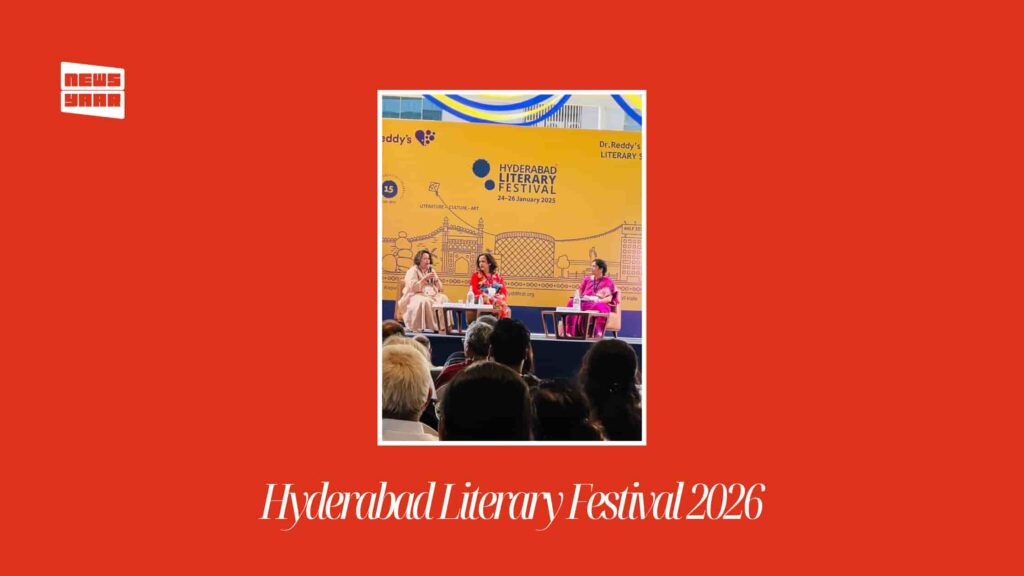
EVENTS Hyderabad Literary Festival 2026: A Confluence of Culture, Ideas and Storytelling The Hyderabad Literary Festival 2026 — one of South India’s most dynamic and inclusive literary events — was held from January 24 to January 26, 2026, in Hyderabad, Telangana. The annual festival brought together authors, poets, journalists, scholars, artists, translators and readers for three days of conversations, performances, workshops and community engagement revolving around literature, culture, cinema, history, social issues and the arts. The festival’s programming underscored its commitment to diversity, regional voices, multilingual storytelling and public dialogue. Organised by the Hyderabad Literary Trust, the festival has become a cornerstone of the city’s cultural calendar. It invites audiences not only from Hyderabad and other Indian states but also from abroad, positioning the city as a vibrant literary hub that celebrates both regional and global narratives. About the Festival The Hyderabad Literary Festival (HLF) is an annual event initiated with the purpose of promoting reading and writing, nurturing literary talent, fostering cross-cultural exchange, and creating an inclusive space where ideas and stories flourish. Since its inception, the festival has expanded in scale and scope, integrating a wide range of programmes including panel discussions, one-on-one conversations, book launches, poetry recitals, theatre presentations, film screenings, children’s literature sessions and writing workshops. The festival’s charter emphasises multilingual engagement, reflecting Hyderabad’s cosmopolitan ethos. Sessions at the festival are conducted in English as well as other Indian languages — particularly Telugu, Urdu and Hindi — ensuring accessibility for diverse audiences and literary communities. Dates and Venue (2026 Edition) Festival Name: Hyderabad Literary Festival 2026 Edition: Annual literary festival Dates: January 24–26, 2026 Location: Hyderabad (multiple cultural venues across the city) Organiser: Hyderabad Literary Trust For 2026, the festival took place at several venues in Hyderabad, including auditoriums, public libraries, literary centres and cultural institutions. These spaces enabled both curated programmes and interactive audience participation, accommodating literary events for all age groups. Key Highlights of HLF 2026 The 2026 edition of the Hyderabad Literary Festival featured an eclectic mix of sessions and activities. Major highlights included: Conversations with Renowned Authors: Established and emerging writers participated in in-depth discussions about their work, creative processes and the broader role of literature in society. Themes ranged from fiction and poetry to biography and reportage. Panel Discussions on Contemporary Issues: Festival sessions examined pressing social, political and cultural topics, including freedom of expression, climate narratives, migration and identity, digital media’s impact on storytelling, and historical memory. Regional Language Focus: True to its ethos of multilingual inclusivity, HLF 2026 amplified regional language voices — with sessions in Telugu, Urdu and Hindi alongside English. These included poetry recitals, translations showcases and dialogues on local literary traditions. Book Launches and Author Meet-and-Greets: Several new titles were launched during the festival, giving audiences the opportunity to interact with authors directly, participate in Q&A sessions and engage with creative communities. Workshops and Masterclasses: The festival offered a series of workshops aimed at aspiring writers, poets and students. Topics included creative writing techniques, translation skills, narrative structure, publishing insights and editorial craft. Children’s Literature Programme: With dedicated sessions for young readers, storytelling hours, interactive activities and workshops tailored for children and teenagers, the festival encouraged early literary engagement and fostered a reading culture among youth. Performances and Cultural Presentations: Poetry slams, theatre presentations and musical performances complemented the literary offerings, demonstrating how literature intersects with other art forms and live expression. Notable Participants and Voices While the festival featured a wide array of contributors, some notable participants in 2026 included: Indian authors and poets whose works have shaped contemporary discourse Regional language writers celebrated for their contributions to Telugu, Urdu and Hindi literature Journalists and cultural commentators addressing social change and media landscapes Academics and critics offering analytical perspectives on national and global themes Children’s authors and educators engaging young audiences through interactive sessions The diversity of participants underscored HLF’s commitment to providing platforms for both established voices and emerging talent. Why the Festival Matters The Hyderabad Literary Festival matters for a number of reasons: Promotion of Reading Culture: By drawing together writers, readers and cultural enthusiasts, the festival fosters a vibrant environment that encourages reading and literary appreciation across age groups. Multilingual and Inclusive Engagement: HLF’s focus on sessions in multiple languages acknowledges India’s rich linguistic landscape and promotes inclusivity in literary dialogue. Cultural and Intellectual Exchange: With discussions that cross disciplines — from literature and philosophy to social justice and technology — the festival stimulates intellectual exchange and public engagement with complex ideas. Support for Emerging Writers: Workshops, masterclasses and interactive forums provide emerging writers with mentorship opportunities and peer learning experiences, supporting the next generation of creative voices. City as Cultural Hub: For Hyderabad, the festival reinforces the city’s reputation as a thriving centre for culture, arts and literary expression. It contributes to the city’s cultural identity and encourages tourism, academic discourse and community participation. Audience Experience and Participation The 2026 festival welcomed readers, students, families, scholars and visitors from different parts of India. The inclusive programming ensured that sessions were accessible to a wide audience, with free or affordable tickets for select events and open-air activities designed to appeal to casual attendees and serious literature enthusiasts alike. Local institutions — including universities, cultural organisations and libraries — collaborated with the festival to support community outreach, extend programming into public spaces and integrate educational events into school and college schedules. Looking Forward As the Hyderabad Literary Festival continues to grow, its future promises enhanced engagement with national and international literary communities, deeper collaborations across cultures and greater emphasis on digital outreach and hybrid participation. By championing storytelling in all its forms, HLF remains a vital platform for ideas, identity and cultural dialogue in contemporary India.
Jallikattu 2026: Dates, Venues, Significance and How to Experience Tamil Nadu’s Bull-Taming Celebration
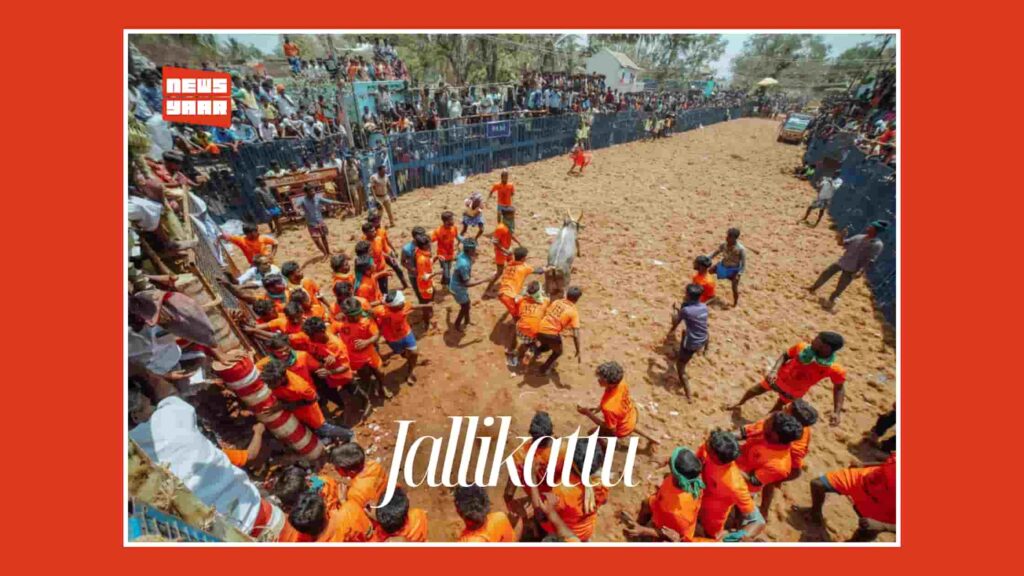
EVENTSJallikattu 2026: Dates, Venues, Significance and How to Experience Tamil Nadu’s Bull-Taming Celebration Newsyaar January 18, 2026 12:12 pm Jallikattu, a centuries-old bull-taming event deeply rooted in Tamil Nadu’s cultural fabric, is among India’s most iconic traditional sports. Celebrated as part of the Pongal harvest festival in January, Jallikattu blends sport, heritage and community identity, drawing enthusiastic participation from rural areas and spectators from across the state and beyond. What Is Jallikattu and Why It Matters Jallikattu (also known as Sallikkattu or Manjuvirattu) is a traditional sport in which a bull, often of native breeds such as Pulikulam or Kangayam, is released into an open arena. Participants, known as tamers, attempt to grasp the bull’s hump and hold on long enough to bring the animal to a stop or cross a designated finish line. The sport is symbolic of valour, rural tradition and cattle conservation, traditionally practised in southern Tamil Nadu as part of Pongal celebrations. The sport also functions as a way for farming communities to maintain and honour native bull breeds, which are culturally and economically significant in agrarian life. When It Happens: Dates and Duration Jallikattu events are typically held during the Pongal festival, which falls in mid-January each year. The main events are organised on Mattu Pongal day — the third day of the four-day Pongal celebration — with some competitions taking place before and after this date as part of the broader season. In recent seasons: The first Jallikattu of the year has been held as early as January 3 in districts such as Pudukottai. Major competitions like those in Avaniyapuram, Palamedu and Alanganallur are usually held between January 14 and 16, coinciding with Pongal festivities. Major Venues Where Jallikattu Is Held Jallikattu is organised in several traditional hotspots, particularly in southern Tamil Nadu: Avaniyapuram (Madurai district): One of the first and most popular stages of Jallikattu — often held on Pongal day — attracting hundreds of participants and thousands of spectators each year. Palamedu: Another historic venue with intense local participation. Alanganallur: Considered among the most famous Jallikattu arenas in the state with large crowd turnout. Suriyur (Trichy district): A permanent Jallikattu arena inaugurated recently to host this traditional sport during the season. Thatchankurichi (Pudukottai district): Hosts one of the opening events of the season, drawing participants from several districts. How to Reach and Experience Jallikattu Air Travel:The nearest major airport for most Jallikattu venues is Madurai Airport (IXM), well connected to major Indian cities including Chennai, Bengaluru and Hyderabad. Rail Travel:Madurai Junction is the closest major railway station to Avaniyapuram, Palamedu and Alanganallur, with regular trains from key cities across India. Road Connectivity:Tamil Nadu’s road network links other districts such as Pudukottai, Tiruchirappalli and Theni to the Jallikattu venues. State buses, private taxis and shared vehicles are common options during the festival. What to Expect at the Event Traditional Spectacle:Each Jallikattu event begins with bulls being released from a designated enclosure (called vadivasal) into a field where tamers attempt to hold onto the animal’s hump or ride them. Success entails stopping or controlling the bull, which requires strength, skill and experience. Registration and Safety:Bull tamers and owners usually register with district authorities ahead of events, and bulls undergo veterinary checks to ensure fitness for participation. Medical and veterinary teams are typically stationed at arenas to handle injuries. Prizes and Recognition:In past years, winners have received significant prizes — including cars for top tamers and tractors or other awards for the best bulls — reflecting the prestige associated with the sport. Spectator Culture:Thousands of spectators, including local devotees and cultural tourists, gather at these arenas. Large crowds, local music and festive foods are part of the overall experience. Cultural and Historical Significance Jallikattu’s origins date back over two millennia, with references to bull-taming activities in ancient Tamil literature. The sport is traditionally linked to the harvest festival of Pongal, where people express gratitude for agricultural bounty and honour livestock, which are central to rural livelihoods. Beyond sport, Jallikattu symbolizes community pride, bravery and rural identity. Despite controversies over animal welfare and safety in the past, it retains deep cultural resonance in Tamil Nadu and forms an integral part of the Pongal narrative. Visitor Tips and Safety Plan Travel Early: January is peak season; book transport and accommodation well in advance.Stay Informed: Specific dates and registrations vary by district; check local administration notifications for schedules.Safety Precautions: While festive, Jallikattu involves large animals and crowds. Follow directions from officials and avoid entering restricted areas in arenas.Cultural Respect: The event is traditionally tied to local customs and community pride — respectful behaviour enhances the experience. In Summary Jallikattu is more than a sporting spectacle — it is a living tradition celebrated against the backdrop of harvest gratitude and local identity during the Pongal festival in Tamil Nadu. Combining cultural heritage, fierce competition and community participation, it offers an unforgettable experience for participants and spectators alike. With major venues such as Avaniyapuram, Palamedu and Alanganallur hosting events each January, the sport continues to draw attention both within India and abroad as an enduring symbol of Tamil rural culture.https://www.youtube.com/watch?v=7bndyTzPd7Q&t=4156sVideo credit: YT@/Vikatan TV About the AuthorEvents Reporter Share via Copied Comments Post Comment
Ahmedabad International Flower Show 2026: A Celebration of Art, Culture, and Nature
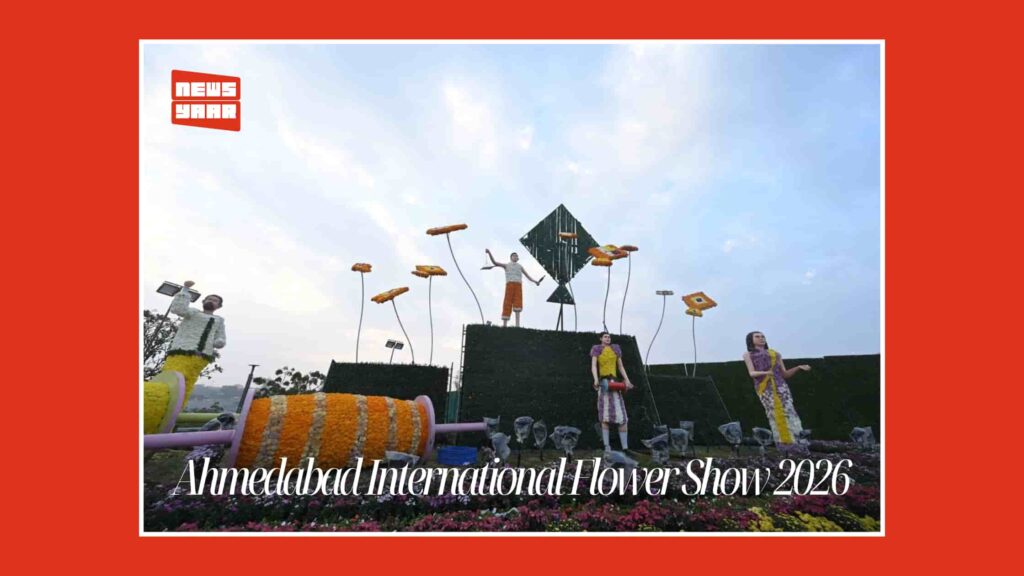
EVENTSAhmedabad International Flower Show 2026: A Celebration of Art, Culture, and Nature Newsyaar January 17, 2026 1:43 pm Ahmedabad has once again blossomed into a vibrant hub of creativity as the 14th International Flower Show 2026 opened at the Sabarmati Riverfront Event Centre. Organised by the Ahmedabad Municipal Corporation (AMC), this year’s spectacle, themed “Bharat Ek Gatha,” is on display from January 1 to January 22, 2026, inviting visitors from across India and around the world to witness a stunning fusion of floral art, culture, and history. A Floral Tale of India’s Journey The theme Bharat Ek Gatha aims to narrate the story of India’s civilisation from ancient roots to modern achievements, all through imaginative and artistic floral installations. Curators have designed the show to be more than a typical exhibition; it is a living narrative of the nation’s heritage and aspirations, expressed through millions of flowers arranged in thematic zones. These zones highlight everything from India’s spiritual traditions and festivals to its strides in science, technology, education, and innovation. Visitors can explore imaginative displays such as the “Sanatan Bharat” pavilion, which celebrates traditional knowledge, yoga, and classical arts, alongside floral structures that reflect India’s modern trajectory in sectors like renewable energy and digital technology. A specially dedicated floral arrangement on women’s empowerment (Stree Shaktikaran) graced the inauguration, adding depth and social context to the event’s storytelling. World Records and National Pride The 2026 edition of the Flower Show has drawn global attention by setting two Guinness World Records. One is for the world’s largest flower mandala, and the other for the world’s largest flower portrait of Sardar Vallabhbhai Patel. These accomplishments mark a hat-trick for the Ahmedabad Flower Show, following previous record-breaking floral achievements in 2024 and 2025. Prime Minister Narendra Modi lauded the spectacle, calling it “captivating” and an example of how creativity and public participation can elevate cultural expression. This year’s mega installations, including the expansive mandala and the striking portrait of Sardar Patel, reflect both a celebration of national unity and a tribute to India’s cultural icons, enhancing the show’s appeal as both an artistic and patriotic experience. What to See and Experience The exhibition covers a sprawling area along the riverfront and has been organised into multiple themed zones featuring more than a million flowers and plants from dozens of species. Classic floral art, intricate sculptures, fountains, and vibrant displays make the event a visual treat for families, artists, students, and tourists alike. Other attractions include themed sections dedicated to India’s festivals, landscapes, wildlife, and cultural motifs, ensuring that visitors enjoy both educational depth and aesthetic richness as they stroll the event grounds. Special children’s zones and interactive display areas add to the appeal for younger visitors and families. A Blooming Celebration of Culture The Ahmedabad International Flower Show is more than an exhibition; it has become a symbolic celebration of nature, creativity, community, and national pride. Blending artistic expression with cultural storytelling, the show continues to grow in scope, drawing large crowds and international attention year after year. As it runs through January 22, 2026, the event offers a unique opportunity for visitors to connect with India’s rich heritage through the universal beauty of flowers. About the AuthorEvents Reporter Share via Copied Comments Post Comment