




India AI Impact Summit 2026: Detailed Agenda for Global AI Action in New Delhi
EVENTS India AI Impact Summit 2026: Detailed Agenda for Global AI Action in New Delhi New Delhi, February 9, 2026 – India gears up for the India AI Impact Summit 2026, set for February 16-20 at Bharat Mandapam, Pragati Maidan, New Delhi, the primary venue for the India AI Impact Summit 2026, which will host the main events on February 19-20. Hosted by the Ministry of Electronics and Information Technology (MeitY), this first Global South edition, billed by Union Minister Ashwini Vaishnaw as the “largest yet,” transitions AI discourse from vision to verifiable impact under the “Three Sutras”: People, Planet, and Progress. Some sources mention a broader program across February 16-20, potentially using additional Delhi venues like Sushma Swaraj Bhawan for side events, sessions, or exhibitions. Bharat Mandapam, one of India’s largest convention centers, was upgraded by NDMC for this flagship gathering. Chief Guests and Stellar Lineup Prime Minister Narendra Modi serves as the Chief Guest, inaugurating on February 16 with a keynote and hosting a leaders’ dinner. Expected heads of government include representatives from Singapore, the UAE, and Brazil (15-20 total), plus 50+ ministers. Key speakers feature Google’s Sundar Pichai, Anthropic’s Dario Amodei, Microsoft’s Satya Nadella, and Indian luminaries like Nandan Nilekani (Infosys co-founder) and Ola’s Bhavish Aggarwal. Over 40 CEOs from Reliance, TCS, and global firms join, along with a Chinese delegation, signaling a thaw in collaboration. Event Schedule and Dialogues Feb 16: Inauguration, Modi address, CEO roundtable. Feb 17-18: Plenary sessions and seven “Chakras” (working groups) on core topics. Feb 19: Startup showcase (500+ ventures), AI model launches, bilateral dialogues. Feb 20: Closing with actionable declarations. Expect 500+ parallel sessions, hackathons, and exhibitions. Dialogues include G20-style tracks on AI ethics, public-private partnerships, and Global South priorities. Participating Governments in India AI Impact Summit 2026 The summit, hosted by India’s Ministry of Electronics and Information Technology (MeitY) under the IndiaAI Mission, expects involvement from over 100 countries. Key highlights: High-Level Representation: 15-20 heads of government and 50+ ministers confirmed, including from Singapore, UAE, Brazil, and others. China: Delegation attending after India’s formal invitation, signaling AI collaboration. Preceding Hosts: Builds on summits by UK (2023 Bletchley), South Korea (2024 Seoul), France (2025 Paris). Collaborators: NITI Aayog (India’s policy think tank), state governments like Uttarakhand (pre-summit host), and international bodies (ITU, World Economic Forum). Global Engagement: Multinational working groups across Chakras, with US, UK, EU, and ASEAN nations active in prep consultations. Key Topics and Seven Chakras The India AI Impact Summit 2026 is structured around three foundational “Sutras” (People, Planet, Progress) that guide its discussions, with seven interconnected “Chakras” (working groups) translating these into specific, actionable themes. Core Sutras People: Focuses on human-centric AI, including safeguarding rights, enhancing access to services (e.g., healthcare, education), building user trust, workforce reskilling amid job impacts, and ensuring equitable benefits across societies. Planet: Addresses sustainable AI deployment, such as energy-efficient models, responsible resource use (e.g., reducing GPU/data center power demands), and AI applications for climate action, environmental monitoring, and resilience. Progress: Emphasizes inclusive innovation, capacity-building, productivity gains in sectors like agriculture and manufacturing, economic growth, and bridging the AI divide for the Global South. Seven Chakras (Key Discussion Topics)These working groups, involving 100+ countries, cover: AI governance and ethical frameworks. Trust and safety protocols for AI models (e.g., bias mitigation, transparency). AI’s impact on work and future jobs. Sector-specific applications (healthcare, agriculture, industry). Innovation and scalable solutions. Sustainability and environmental integration. Equitable access, inclusion, and development outcomes. Sessions will also spotlight IndiaAI Mission launches, startup innovations, and global standards, prioritizing “on-ground” results over regulations. What to Expect in India AI Summit? MeitY leads with partners like NITI Aayog, NASSCOM, World Economic Forum, and ITU. Corporate backers include Google, Microsoft, NVIDIA (GPU focus), and Indian firms like Tata and Adani (data centers). Governments from US, UK, EU, and ASEAN collaborate. Attendees (10,000+), policymakers, researchers, startups, NGOs, can expect networking zones, live demos (e.g., edge AI), policy labs, and a “Global AI Talent Fair.” Launches include indigenous foundational models under the Rs 10,370 crore IndiaAI Mission. India’s Strategic Push Amid Hurdles Echoing Bletchley (2023), Seoul (2024), and Paris (2025), India’s summit prioritizes “on-ground” wins for 1.4 billion people, as per Secretary S. Krishnan. AI could add $500B to GDP (NASSCOM), but challenges like GPU imports persist—eased by US trade deals and data center tax holidays to 2047. Budget 2026-27 tweaks fund nuclear-powered AI infra, as Vaishnaw eyes energy self-reliance. Vaishnaw hailed “phenomenal” global buy-in, with NDMC upgrading venues. Beyond talks, expect MoUs on compute sharing, talent visas, and sustainable AI pacts, positioning India as an AI diplomacy hub. This summit promises not just dialogue, but deliverables: inclusive, green AI for humanity’s progress. Video credit: YT@/Digital India
Amrit Udyan 2026 Opens: Rashtrapati Bhavan’s Floral Paradise Welcomes Visitors from February 3
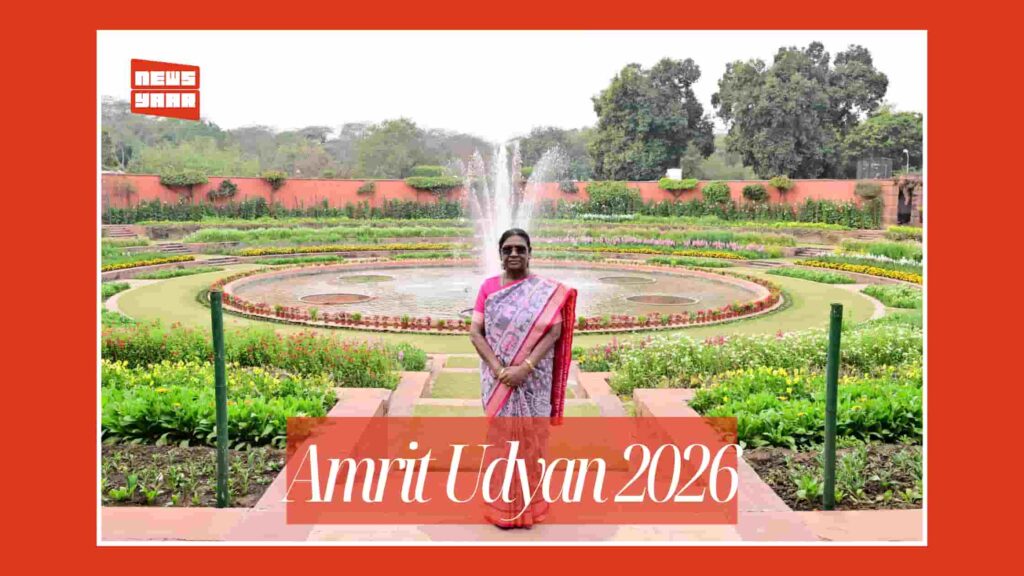
GOVERNMENT Amrit Udyan 2026 Opens: Rashtrapati Bhavan’s Floral Paradise Welcomes Visitors from February 3 New Delhi, February 9, 2026 – President Droupadi Murmu inaugurated the Winter Annuals Edition of Amrit Udyan on February 1, throwing open the gates of Rashtrapati Bhavan’s iconic 15-acre gardens to the public from February 3 to March 31. Renamed from the historic Mughal Gardens, this “soul of Rashtrapati Bhavan” promises a breathtaking display of 85 flower species, including 145 rose varieties like ‘Bheem’, ‘Arjun’, and ‘Mother Teresa’, alongside tulips, the cascading Babbling Brook, and new reflexology paths in the Banyan Garden. Spanning East Lawn, Central Lawn, Long Garden, and Circular Garden, enhanced by additions like Herbal Garden, Tactile Garden, Bonsai Garden, and Arogya Vanam during Presidents APJ Abdul Kalam and Ram Nath Kovind’s tenures, Amrit Udyan blends Mughal symmetry with modern horticultural innovation. This year’s highlights include the landscaped Banyan Garden and a serene water stream, offering therapeutic walks amid nature’s splendor. Visitor Essentials: Timings, Booking, and Access Open Tuesday to Sunday, 10:00 AM to 6:00 PM (last entry 5:00-5:15 PM), the gardens close Mondays for maintenance and on March 4 for Holi. Entry is free, but mandatory online booking via https://visit.rashtrapatibhavan.gov.in/ ensures smooth access, with no on-the-spot registrations. Slots (hourly from 10 AM-4 PM) book up to six people per ticket and close at 10 AM the previous day; planning is advised. Entry/Exit: Gate No. 35, President’s Estate (near North Avenue). Shuttle buses run every 30 minutes from Central Secretariat Metro Station (9:30 AM-6:00 PM, last from the metro at 4:00 PM), marked “Shuttle Service for Amrit Udyan”. The self-guided route: Bal Vatika → Plumeria Garden → Banyan Garden → Bonsai Garden → Babbling Brook → Central Lawn → Long Garden → Circular Garden. Permitted items include mobiles, keys, purses, water bottles, baby milk bottles, and umbrellas. On-site amenities: drinking water, restrooms, and first aid. Special Access Days for Inclusivity March 3: Defence Personnel March 5: Senior Citizens March 10: Women and Tribal Women’s SHGs March 13: Divyangjan (persons with disabilities) Main Gardens in Amrit Udyan Amrit Udyan (formerly Mughal Gardens) at Rashtrapati Bhavan spans 15 acres with these core sections, enhanced over time: Central Lawn: Vast manicured expanse, central to the layout. Long Garden: Elongated walled stretch with water channels, roses, and bougainvillea. Circular Garden (Pearl/Sunken/Butterfly Garden): Amphitheater-style with ringed flower beds (stock, phlox, pansies, marigolds), lotus pond, bubble fountain, and nearby apiary. East Lawn: Original formal section with lotus fountains and stepped geometry. Bal Vatika: Children’s garden featuring a 225-year-old Sheesham tree, treehouse, and nature classroom. Bonsai Garden: Collection of miniature trees (some 80+ years old). Banyan Garden: Landscaped with reflexology paths. Plumeria Garden: Fragrant flowering section. Herbal Garden / Arogya Vanam: Medicinal plants and herbs. Tactile/Sensory Garden: Textured plants for touch. Musical Garden: Fountains synced to music. Spiritual Garden: Serene herbs from ancient texts. Visitor Route (self-guided): Bal Vatika → Plumeria → Banyan → Bonsai → Babbling Brook → Central Lawn → Long Garden → Circular Garden. Key Flowers (2026 Highlights)85 species total, with 145 rose varieties like ‘Bheem’, ‘Arjun’, and ‘Mother Teresa’. Seasonal stars: tulips, daffodils, Asiatic/Oriental lilies, calendula, viola, alyssum, marigolds, phlox, pansies, stock, lotus. Musical Garden in Amrit Udyan: Unique Features The Musical Garden at Rashtrapati Bhavan’s Amrit Udyan stands out for its innovative fusion of music, science, and nature. Key Unique Elements: Inaugurated in 2006 by President APJ Abdul Kalam, transforming a former nursery into a high-tech sensory space. Dancing Fountains: Three large water fountains showcase digital electronics, electromagnetism, hydrodynamics, and hydrostatics, synchronized perfectly with music via computerized controllers. Tunes and Lights: Plays classical Indian instruments (shehnai, veena) and patriotic songs like Vande Mataram, with colorful lights shifting from white to red for a magical effect. Surroundings: Nestled amid tennis courts, biodiversity park, Bonsai Garden, and Herbal Garden; often frequented by peacocks, adding natural liveliness. Interactive Science: Exemplifies “human creativity through contact between music and science,” breaking the gardens’ tranquility with rhythmic water shows. Beyond the Gardens: Full Rashtrapati Bhavan Experience Pair your visit with Rashtrapati Bhavan tours, the Museum, or Saturday’s Change-of-Guard Ceremony (Forecourt). Combine tickets for a full day exploring India’s presidential heritage. Amrit Udyan isn’t just flora, it’s a living testament to India’s gardening legacy, drawing lakhs annually. Deputy Press Secretary Navika Gupta and garden in-charge Avneesh Banswal highlighted this season’s vibrant blooms during media previews, urging families to book early. As Delhi’s winter blooms, don’t miss this free oasis of tranquility amid urban hustle, perfect for photos, picnics, and peace. Video credit: YT@/President of India Video credit: YT@/President of India
Delhi Literature Festival 2026: Three Days of Ideas, Culture and Dialogue in the Capital
EVENTS Delhi Literature Festival 2026: Three Days of Ideas, Culture and Dialogue in the Capital The 14th edition of the Delhi Literature Festival (DLF) 2026 — one of India’s most vibrant annual literary events — was held from 6 February to 8 February 2026 at the Indira Gandhi National Centre for the Arts (IGNCA) Amphitheatre on Janpath in New Delhi. Spread over three days, the festival served as a confluence of literature, culture, art and public discourse, featuring a rich programme of author interactions, panel discussions, book launches, poetry sessions, performances and special thematic conversations. It is recognised as a key platform for nurturing literary talent, promoting creative expression, and fostering dialogue between writers, thinkers and readers. Origins and Purpose of the Festival First launched in 2013, the Delhi Literature Festival was conceived with the aim of celebrating India’s varied literary heritage and providing an inclusive space for thought leadership and cultural exchange. Over the years it has evolved into a major winter literary gathering that attracts authors, poets, journalists, policy experts, academics, cultural practitioners and enthusiastic readers from across India and abroad. The festival’s programming spans panel discussions, book readings, creative writing workshops, theatre and music performances, poetry recitals, debates, live interviews and thematic sessions that explore literature in its many forms. The festival emphasises the interplay between literature and public life, encouraging discussions that reflect the complexities of contemporary Indian society while also showcasing artistic and narrative innovation. It draws inspiration from Delhi’s long tradition as a cultural and intellectual hub, making it an ideal venue for literary exchange. Dates, Venue and Organisation Festival Name: Delhi Literature Festival 2026 Edition: 14th Dates: 6 February – 8 February 2026 Venue: Indira Gandhi National Centre for the Arts (IGNCA) Amphitheatre, Janpath, New Delhi Organisers: Delhi Literature Festival Organising Committee with support from cultural partners and sponsors The festival was open to the public with free registration, reinforcing its mission to make literature and cultural dialogue accessible to all sections of society. Theme and Programming The 2026 edition was held under the broad theme of “Literature, Culture and Prosperity”, acknowledging the role of literary engagement in shaping cultural understanding, public debate and intellectual flourishing. The festival’s sessions were designed to showcase diverse perspectives while exploring how stories and ideas connect to broader social, artistic and philosophical contexts. Programming was spread across the three days and included a balance of formal discussions and interactive sessions: Panel Discussions and Conversations: Authors, poets, literary critics and scholars participated in in-depth discussions on topics ranging from contemporary fiction and narrative style to cultural heritage, social issues and the future of publishing. Thematic Sessions: Special thematic talks gave voice to pressing subjects at the intersection of literature and society, such as the evolving role of storytelling in a digital era, the political dimensions of writing, and creative responses to cultural change. Cybercrime Awareness Session: Reflecting the festival’s engagement with contemporary realities beyond traditional literary boundaries, a notable session focused on cybercrime awareness, particularly the rise of “digital arrest” scams and online financial fraud. The session featured Nishant Kumar, Director of the Indian Cybercrime Coordination Centre (I4C), in conversation with RJ Purkhaa Tak, underscoring the importance of digital literacy and public vigilance in a rapidly evolving technological environment. Book Launches and Author Interactions: Several book launches and author meet-and-greet sessions were held, allowing readers to engage directly with writers and learn about their creative processes and recent work. Poetry and Performance: Poetry readings and live performances highlighted the expressive dimensions of language and narrative, bringing together established and emerging voices in verse and spoken word. Notable Participants and Voices While the official speakers’ list for DLF 2026 included a range of distinguished authors, thinkers, journalists and artists from across India, some sessions stood out for their depth and public engagement: Literary figures and cultural commentators Journalists and media personalities Policy experts and public intellectuals Emerging writers and poets The festival provided an important space for cross-generational dialogue, with established voices engaging with rising talent and new ideas. Public Engagement and Support The Delhi Literature Festival is supported by cultural organisations, literary associations, sponsor partners and volunteers who contribute to its efficient organisation and outreach. By offering free or accessible entry and a diverse programme, the festival has cultivated a broad audience, including students, professionals, senior citizens and families. Session formats were designed to encourage audience participation through question-and-answer segments, open debates and interactive workshops, making it not just a platform for listening but also for engaging. Why the Festival Matters The Delhi Literature Festival holds a unique place in India’s cultural calendar for several reasons: Promotion of Creative Expression: It celebrates literary creativity in its widest sense — from fiction and poetry to essays and public discourse — and supports writers in sharing their work beyond conventional publishing spaces. Cross-Disciplinary Dialogue: By incorporating contemporary issues such as digital literacy, technology and social questions into its programming, the festival underscores the relevance of literature to everyday public life. Audience Inclusivity: Free and open sessions attract a diverse audience, encouraging an active reading and discussion culture among people from different regions, age groups and backgrounds. Platform for Emerging Voices: Workshops, open mic formats and interactive panels provide opportunities for emerging writers and young thinkers to connect with established figures and build literary communities. Legacy and Future Outlook Since its inception in 2013, the Delhi Literature Festival has grown in influence and scope, becoming a hallmark of India’s literary landscape. The 2026 edition reinforced its commitment to evolving with the times — integrating contemporary subjects, forging new partnerships and encouraging participatory public engagement. As it looks forward to future editions, the festival continues to embrace literature as a space for cultural exchange, critical thinking and collective imagination, reaffirming the enduring
AP Dhillon’s “One of One India Tour” Sweeps the Country, Turning Concerts into Cultural Events
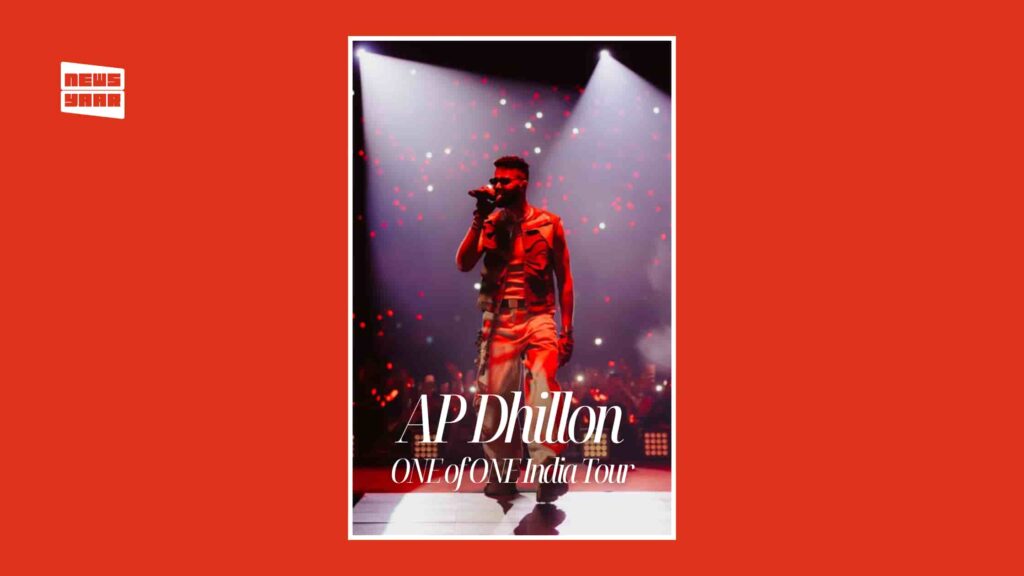
MUSIC AP Dhillon’s “One of One India Tour” Sweeps the Country, Turning Concerts into Cultural Events Newsyaar January 20, 2026 6:16 pm Punjabi-Canadian global star AP Dhillon wrapped up his ambitious “One of One India Tour” after a multi-city run that cut across regions, languages and fan cultures, reaffirming his status as one of the most influential live performers in India’s contemporary music scene. Spanning metros and emerging cultural hubs alike, the tour transformed concert venues into shared spaces of music, identity and youthful expression. More than a string of sold-out shows, the tour unfolded as a pan-India cultural movement, reflecting how Dhillon’s sound — rooted in Punjabi music yet shaped by global hip-hop and R&B — has found resonance far beyond linguistic boundaries. A Nationwide Tour with City-Specific Energy The One of One India Tour 2025–26 covered multiple states and major cities, each responding to Dhillon’s music in its own distinct way. In Mumbai, one of the tour’s most high-profile stops, the concert drew a dense mix of music lovers, industry figures and celebrities. Actress Tara Sutaria’s presence at the Mumbai show added to the buzz, underlining the tour’s crossover appeal beyond music circles. The city’s crowd responded with near-constant sing-alongs, turning tracks like Excuses and Insane into collective anthems. Delhi-NCR witnessed one of the loudest receptions of the tour, with fans arriving hours early and filling the venue to capacity. The capital’s stop stood out for its raw energy and intense fan interaction, with Dhillon frequently pausing to acknowledge placards, flags and fan chants. In Bengaluru, the show reflected the city’s cosmopolitan character, attracting a diverse audience that mirrored Dhillon’s global following. The performance leaned heavily into production finesse — lighting, visuals and sound — creating an immersive experience that resonated strongly with the city’s young, tech-savvy crowd. Hyderabad and Pune saw packed venues as well, reinforcing Dhillon’s growing footprint in India’s non-traditional Punjabi music markets. Fans in these cities responded enthusiastically to both his chartbusters and newer material, underscoring how his appeal has moved well beyond niche audiences. The eastern leg of the tour, particularly Kolkata, stood out for its emotional intensity. Fans from neighbouring states travelled to attend the show, turning it into a regional gathering. Dhillon’s engagement with the crowd here became one of the most shared moments on social media during the tour. The tour concluded in Jaipur, where the finale took on a celebratory tone. The Rajasthan capital witnessed one of the tour’s most talked-about moments when Indian cricketer Abhishek Sharma made a surprise appearance on stage, blending sport and music fandom into a single spectacle and amplifying the concert’s cultural reach. Other cities on the tour included Ahmedabad, Chandigarh and select regional hubs, each adding to the tour’s geographic and cultural spread. Music, Performance and Fan Connection At the heart of the tour was Dhillon’s ability to convert studio hits into high-impact live experiences. Setlists featured fan favourites such as Brown Munde, Summer High, Dil Nu and With You, delivered through tightly choreographed lighting, sharp visuals and controlled stagecraft. Yet what truly distinguished the tour was its fan engagement. Dhillon repeatedly acknowledged the role of Indian audiences in shaping his career, often addressing crowds directly and responding to fan-led chants and moments. This mutual exchange — rather than a one-way performance — gave the concerts a sense of intimacy despite their scale. Digital Buzz and Cultural Visibility The One of One India Tour dominated social media timelines throughout its run. Clips from Mumbai, Delhi, Kolkata and Jaipur trended across platforms, while fan-shot videos, outfit recreations and live reactions extended the tour’s impact far beyond the venues themselves. This digital amplification reinforced Dhillon’s role in normalising Punjabi-led global pop culture within India’s mainstream youth ecosystem, where language barriers increasingly matter less than authenticity and sound. Economic and Cultural Ripple Effect Beyond music, the tour contributed to local event economies, driving footfall for hotels, transport services and nightlife in host cities. For many fans, concerts became weekend travel plans, blending music with urban exploration. Culturally, the tour highlighted how contemporary Indian audiences are embracing artists who operate at the intersection of diaspora identity and homegrown culture, signalling a shift in how Indian pop culture defines success and relevance. A Defining Chapter in AP Dhillon’s India Story By the time the final notes rang out in Jaipur, the One of One India Tour had firmly established itself as more than a promotional run. It stood as a statement of scale, influence and connection — a reminder that live music, when executed with intent, can still create moments that feel personal even in packed arenas. As AP Dhillon looks ahead to new music and future global tours, the India leg of One of One will be remembered as a defining chapter — one that captured a country singing back, city after city, in its own voice. About the AuthorMusic Reporter Share via Copied Comments Post Comment