




Messi gets a Luxury Watch: Anant Ambani Richard Mille Watch Moment Goes Viral Online
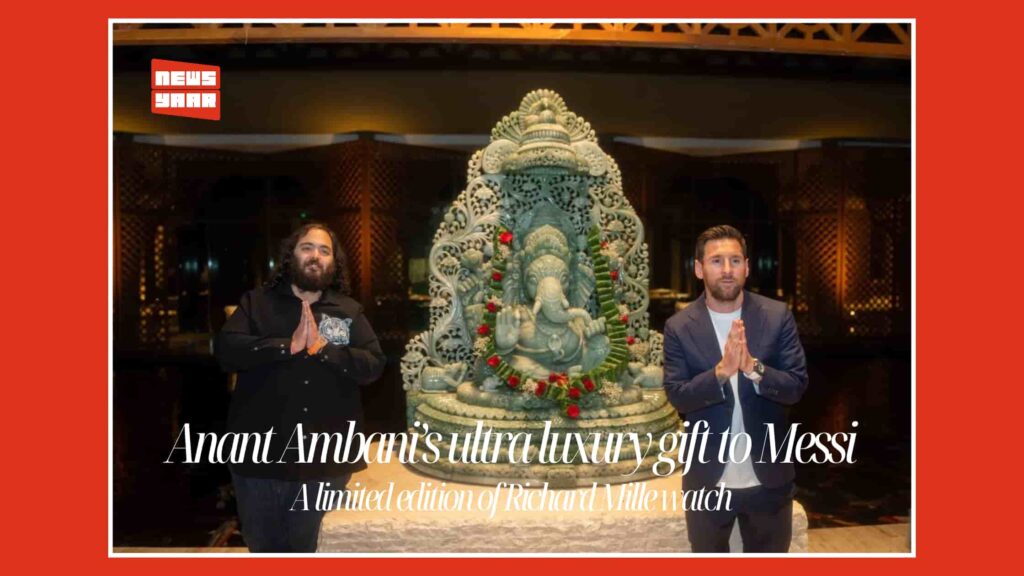
LIFESTYLE Messi gets a Luxury Watch: Anant Ambani Richard Mille Watch Moment Goes Viral Online In a moment that blended global sport, luxury, and Indian business legacy, Anant Ambani’s reported gift of an ultra-luxury Richard Mille watch to football legend Lionel Messi has set social media and lifestyle circles abuzz. The gesture, understated yet powerful, reflects the growing intersection of sports icons and global elite branding. Lionel Messi, widely regarded as one of the greatest footballers of all time, is no stranger to luxury watches. However, the Richard Mille timepiece gifted to him stands apart, not just for its craftsmanship but also for what it represents. Richard Mille watches are known for their aerospace-grade materials and limited production, making them symbols of exclusivity rather than mere accessories. The watch reportedly belongs to Richard Mille’s ultra-high-end collection, a brand long associated with elite athletes including Rafael Nadal, Lewis Hamilton, and Charles Leclerc. Messi himself has often been seen wearing rare timepieces, but this particular gift has drawn attention due to its association with Anant Ambani, the youngest son of industrialist Mukesh Ambani. Online Reactions to the News Online reactions to the news have been swift and divided, while many admire the elegance of the exchange, others see it as a reflection of how luxury brands and elite personalities operate in a shared ecosystem of influence. Regardless, the moment has undeniably captured attention worldwide. Sources close to the development suggest the gift was a mark of admiration and mutual respect, highlighting Messi’s impact on global sport and his inspirational journey from Rosario to football immortality. The Ambani family has frequently been associated with major international sporting events, athletes, and cultural icons, reinforcing India’s rising presence on the global luxury and influence map. In an era where gestures often speak louder than statements, this exchange between Anant Ambani and Lionel Messi stands as a symbol of global connection, where sport, luxury, and legacy converge seamlessly. About the Author Lifestyle Reporter Share via Copied Comments Post Comment
Aravalli Issue: The Slow Disappearance of India’s Oldest Mountain Range
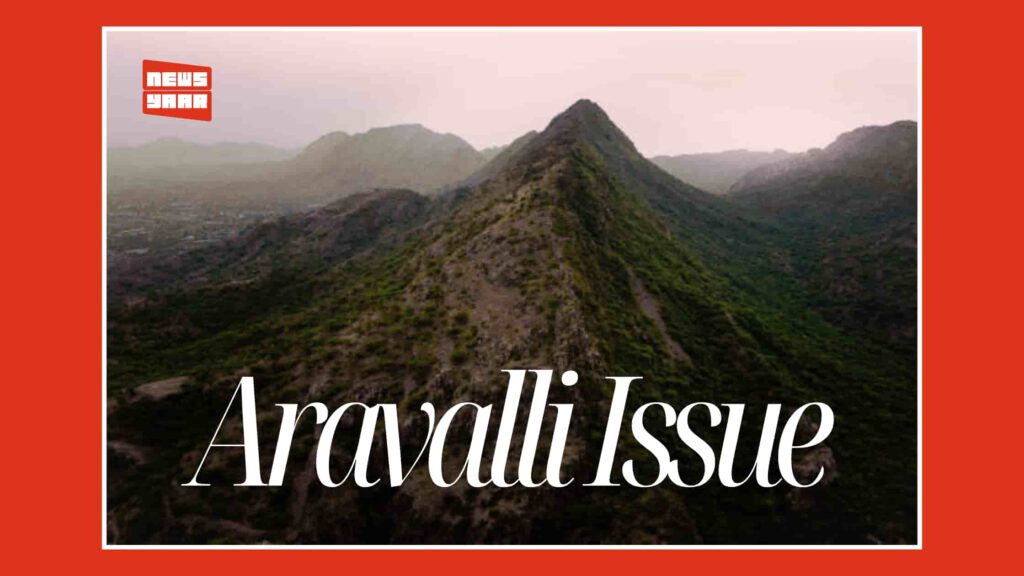
Newsyaar 9:55 am December 31, 2025 ENVIRONMENT Aravalli Issue: The Slow Disappearance of India’s Oldest Mountain Range Stretching across Rajasthan, Haryana, and Delhi, the Aravalli range is among the oldest mountain systems in the world. For centuries, it has acted as a natural shield against desertification, helped regulate groundwater, and supported diverse ecosystems. Yet today, the Aravallis are facing an existential threat, one that has intensified following a recent Supreme Court judgement. What Triggered the Current Aravalli Debate? The Aravalli issue has resurfaced as a major public concern after the Supreme Court approved a new, stricter definition of the Aravalli Hills. According to this ruling, only landforms rising 100 metres or more above the local relief will now qualify as Aravallis. This reclassification effectively removes legal protection from over 90% of areas that were previously considered part of the Aravalli range. The judgment has sparked widespread criticism from environmentalists, scientists, and civil society groups, who argue that the decision ignores geological realities and decades of conservation efforts. Protests and public campaigns have since emerged, demanding stronger protection for the fragile ecosystem. Mining, Construction, and Urban Pressure Even before the judgment, the Aravallis were under severe pressure from illegal mining, real estate development, and deforestation. The new definition is feared to further open vast stretches of land to mining and construction, particularly around the National Capital Region (NCR), where urban expansion is already aggressive. Experts warn that narrowing the legal definition provides a loophole that could legitimize activities earlier deemed illegal, accelerating environmental degradation. Impact on Climate and Water Resources The consequences of Aravalli degradation are far-reaching. The range plays a crucial role in groundwater recharge, especially in semi-arid regions. Its destruction has been linked to declining water tables, rising temperatures, dust storms, and worsening air pollution across North India. Environmentalists caution that weakening protections could worsen climate vulnerability in cities like Delhi, Gurugram, and Jaipur. Legal Battles and Policy Challenges Over the years, multiple court orders and environmental regulations sought to safeguard the Aravallis. However, ambiguous land classifications, conflicting state policies, and weak enforcement have consistently diluted these protections. The recent Supreme Court ruling has further complicated the legal landscape, prompting calls for a review and clearer conservation-focused policies. What Needs to Be Done? Experts stress that protecting the Aravallis requires scientifically sound definitions, stronger enforcement, and coordinated policy action across states. Public participation and transparency are equally critical. As protests grow louder, the debate is no longer just environmental; it is about sustainable development and the future of millions who depend on this ancient mountain range. About the Author Environment Reporter Share via Copied Comments Post Comment