




Olympic Winter Games 2026: Milano Cortina 2026 — A Historic Global Sporting Spectacle

SPORTS Olympic Winter Games 2026: Milano Cortina 2026 — A Historic Global Sporting Spectacle The 2026 Winter Olympics, officially known as the XXV Olympic Winter Games and commonly branded as Milano Cortina 2026, is an international multi-sport winter event taking place in northern Italy from 6 February to 22 February 2026 with some competitions beginning as early as 4 February 2026. This edition marks a milestone in Olympic history — the first Winter Olympics co-hosted by two cities, Milan and Cortina d’Ampezzo, under a unified organisational framework. Host Selection and Significance Italy secured the Games following a successful joint bid by Milan and Cortina d’Ampezzo at the 134th International Olympic Committee (IOC) Session in June 2019, defeating a competing bid from Stockholm–Åre (Sweden). Milano Cortina 2026 represents the third Winter Olympics in Italy — following Cortina d’Ampezzo in 1956 and Turin in 2006 — and marks a renewed celebration of winter sport in a region long intertwined with alpine traditions and sporting heritage. The official motto of the Games is “IT’s Your Vibe”, reflecting a blend of Italian cultural energy, local identity and global sporting spirit. Dates and Ceremonies Official Dates: 6 February 2026 to 22 February 2026 Opening Ceremony: 6 February 2026 at San Siro (Milano San Siro Olympic Stadium) in Milan, with performances celebrating Italian art and culture and featuring global artists. Closing Ceremony: 22 February 2026 at the Verona Arena, a historic Roman amphitheatre — the first Olympic closing ceremony held at a UNESCO World Heritage site. The opening ceremony celebrates unity and international cooperation, while the closing ceremony traditionally honours athletes, volunteers and the Olympic spirit. Participation and Scope The 2026 Winter Olympics is expected to be one of the most expansive in Winter Games history: Participating Nations: ~92 countries with representation under their national flags. Athletes: Around 2,900 competitors from around the world. Sports Disciplines: 16 winter sports across eight major categories. Medal Events: 116 medal events spread across ice and snow disciplines. The Games are anticipated to be the most geographically spread-out Winter Olympics ever staged, with competition venues spanning multiple regions of northern Italy — from metropolitan Milan to the alpine slopes of the Dolomites and valleys of Lombardy and Veneto. Competition Venues and Sports Milan: San Siro Stadium: Host of the Opening Ceremony. Milano Ice Skating Arena: Figure skating and short-track speed skating. Milano Ice Park / Speed Skating Stadium: Long-track speed skating and select ice hockey events. Milano Santagiulia Ice Hockey Arena: Ice hockey and Para ice hockey (future Paralympics). Cortina d’Ampezzo and Surroundings: Tofane Alpine Ski Centre: Women’s Alpine skiing. Cortina Sliding Centre: Bobsleigh, skeleton and luge. Cortina Para Snowboard Park: Para snowboard events. Other Alpine Locations: Bormio (Stelvio): Men’s Alpine skiing. Livigno: Freestyle skiing and snowboarding. Val di Fiemme / Predazzo and Tesero: Nordic combined, cross-country skiing, ski jumping and biathlon. This multi-venue approach brings seasonal sports to iconic alpine landscapes while integrating urban and mountain cultural settings. Sports and Events The 2026 Winter Olympics features: Alpine skiing Biathlon Bobsleigh Cross-country skiing Curling Figure skating Freestyle skiing Ice hockey Luge Nordic combined Short track speed skating Skeleton Ski jumping Snowboarding Speed skating Ski mountaineering — making its Olympic debut at the Winter Games. A total of 116 Olympic medals are contested, showcasing both traditional and emerging winter sports disciplines. Historic and Cultural Context The 2026 Games highlight several historic and cultural facets: First co-hosted Winter Olympics by two cities, Milan and Cortina. Alpine heritage: Cortina d’Ampezzo previously hosted the Winter Olympics in 1956, reinforcing Italy’s legacy in winter sport. Olympic inclusion: The Games continue efforts to expand global representation, with nations such as Benin, Guinea-Bissau and the United Arab Emirates making their Winter Olympics debuts. Gender balance: Milano Cortina aims for near gender parity with record female participation. Opening Ceremony and Global Engagement The Opening Ceremony in Milan at San Siro Stadium will feature artistic performances by international and Italian cultural figures, elaborate choreography, lighting of the Olympic flame and the Parade of Nations. The ceremony emphasizes unity and celebration of diversity, underlining the Olympic values of peace, fair play and cultural exchange. Medal Design and Symbolism The official Olympic medals for Milano Cortina 2026 were unveiled in Venice prior to the Games. Produced by Italy’s state mint, they incorporate symbolic inscriptions and designs that celebrate the athlete’s journey and the spirit of competition. Challenges and Environmental Considerations While the Games embody global sporting ideals, they have also faced scrutiny over environmental and infrastructural challenges. Critics have highlighted issues related to construction delays and extensive use of artificial snow, prompting broader discussions about sustainability, resource impact and the ecological footprint of large-scale sporting events. Why Milano Cortina 2026 Matters Milano Cortina 2026 stands as a major milestone in Winter Olympic history: It reinforces Italy’s global role in international sport through heritage, culture and modern event management. It expands the global winter sports landscape by introducing new events and drawing nations with emerging winter sport programmes. It highlights sustainability, inclusion and gender equality as core principles. As athletes compete across snow and ice for two weeks of world-class competition, Milano Cortina 2026 represents both a celebration of athletic excellence and a testament to the unifying power of sport in a complex world. Watch: Opening Ceremony Live
Ahmedabad To Host 2030 Commonwealth Games: Hosting Rights Confirmed
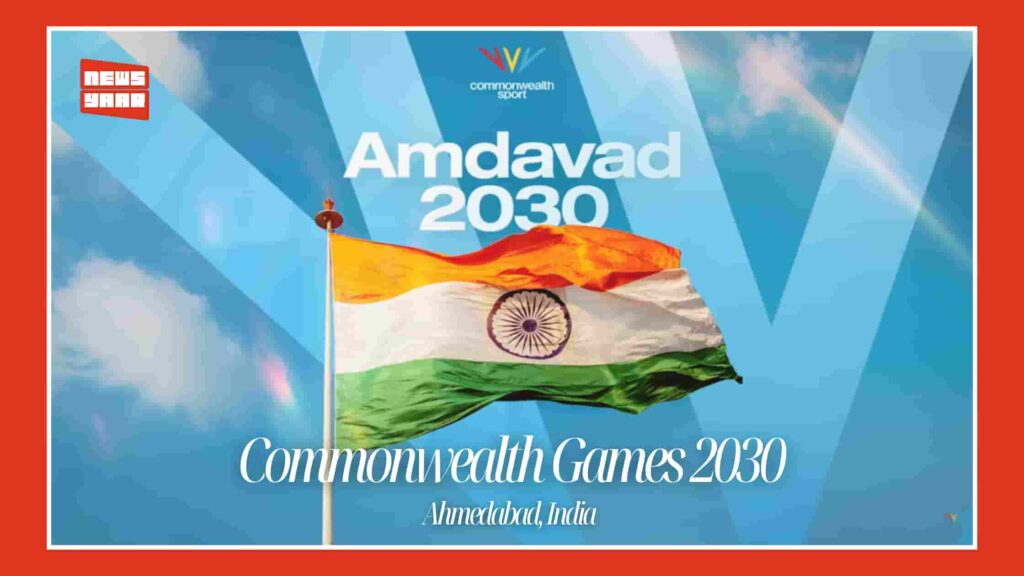
SPORTS Ahmedabad To Host 2030 Commonwealth Games: Hosting Rights Confirmed Newsyaar January 27, 2026 6:00 pm Ahmedabad / New Delhi: In a historic moment for Indian sport and global multi-sport events, Ahmedabad has been formally confirmed as the host city for the 2030 Commonwealth Games, marking the centenary edition of the Games and a significant milestone in India’s sporting ambitions. The decision was ratified at the Commonwealth Sport General Assembly in Glasgow, where delegates from 74 Commonwealth member nations and territories voted in favour of India’s bid. This will be the second time India hosts the Commonwealth Games after the 2010 edition in Delhi and the first time for the centenary Games, celebrating 100 years since the inaugural event in Hamilton, Canada in 1930. Ahmedabad’s selection over competing bids, including Nigeria’s Abuja, reflects strong confidence in India’s capacity to deliver a world-class edition of the Games. The 2030 Commonwealth Games, formally known as the XXIV Commonwealth Games, are scheduled to take place in October 2030 across Ahmedabad and surrounding areas, anchored by a cluster of world-class venues. The iconic Narendra Modi Stadium, the world’s largest cricket arena, will host the opening and closing ceremonies, while the Sardar Vallabhbhai Patel Sports Enclave (SVPSE) and the Naranpura Sports Complex are being developed to stage multiple competitions. Organisers have outlined a sports programme featuring approximately 15–17 disciplines, significantly expanded from the 10 sports at the preceding 2026 Games in Glasgow. Confirmed and proposed disciplines include athletics, para-athletics, swimming, para-swimming, table tennis and para table tennis, bowls and para bowls, weightlifting, para powerlifting, artistic gymnastics, netball, boxing, and more. Hosts may also propose up to two additional sports, including T20 cricket, which has been discussed as a potential inclusion. Infrastructure, Legacy and Economic Impact Preparations are already gathering momentum. Key infrastructure projects, including the SVP Sports Enclave and Police Academy Sports Hub, are slated for completion by late 2028 or early 2029, supported by secured funding and a detailed delivery timeline. These complexes will house arenas, aquatic centres, training facilities, athlete villages and more, forming the backbone of a sustainable, long-term sports ecosystem for Ahmedabad and the state of Gujarat. Beyond competition venues, the Games are spurring upgrades to transport, accommodation and urban infrastructure. Ahmedabad’s airport expansion, surge in hotel development, and public transit improvements align with plans to create a lasting legacy that extends far beyond the 2030 event. Officials project the Games will also generate significant economic opportunities, including thousands of jobs, increased tourism, and heightened global visibility for India as a destination for major sporting events. From Commonwealth to Olympic Horizon Hosting the centenary Games is seen not just as a sporting celebration but as a strategic leap toward India’s broader global sports ambitions, including a potential bid for the 2036 Summer Olympics. Commonwealth Sport President Dr. Donald Rukare described Ahmedabad’s selection as ushering in “a new golden era” for the Games, highlighting India’s “scale, youth, ambition, rich culture, and enormous sporting passion.” India’s successful bid reflects decades of investment in sport and infrastructure, signalling a readiness to host even larger multi-sport spectacles in the future. With its rich cultural heritage, enthusiastic sports fans and rapidly developing facilities, Ahmedabad 2030 is poised to be a defining moment not just for the Commonwealth Games, but for India’s place on the world sporting map. About the Author Sports Reporter Share via Copied Comments Post Comment