




Ahmedabad International Flower Show 2026: A Celebration of Art, Culture, and Nature
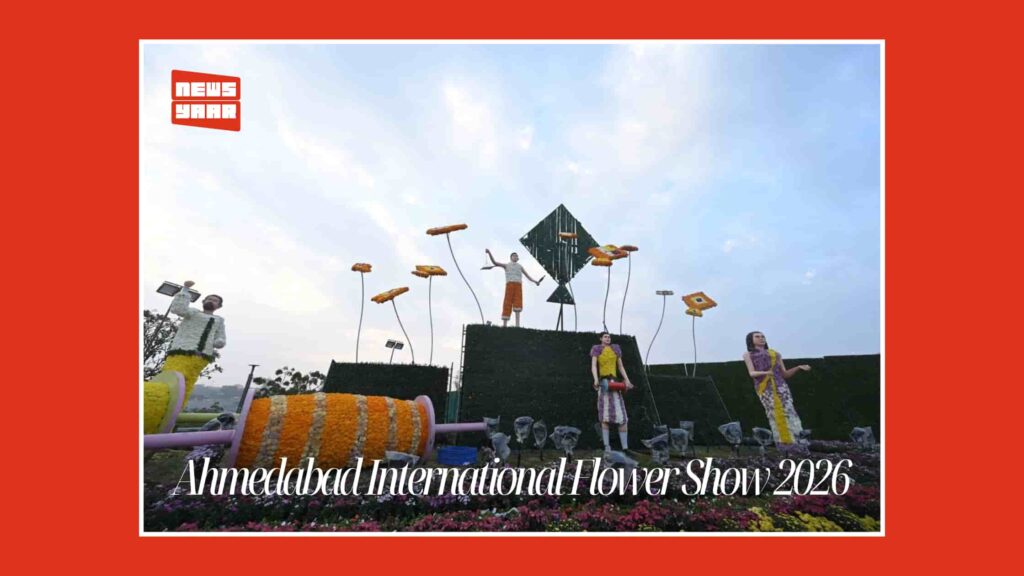
EVENTS Ahmedabad International Flower Show 2026: A Celebration of Art, Culture, and Nature Newsyaar January 17, 2026 1:43 pm Ahmedabad has once again blossomed into a vibrant hub of creativity as the 14th International Flower Show 2026 opened at the Sabarmati Riverfront Event Centre. Organised by the Ahmedabad Municipal Corporation (AMC), this year’s spectacle, themed “Bharat Ek Gatha,” is on display from January 1 to January 22, 2026, inviting visitors from across India and around the world to witness a stunning fusion of floral art, culture, and history. A Floral Tale of India’s Journey The theme Bharat Ek Gatha aims to narrate the story of India’s civilisation from ancient roots to modern achievements, all through imaginative and artistic floral installations. Curators have designed the show to be more than a typical exhibition; it is a living narrative of the nation’s heritage and aspirations, expressed through millions of flowers arranged in thematic zones. These zones highlight everything from India’s spiritual traditions and festivals to its strides in science, technology, education, and innovation. Visitors can explore imaginative displays such as the “Sanatan Bharat” pavilion, which celebrates traditional knowledge, yoga, and classical arts, alongside floral structures that reflect India’s modern trajectory in sectors like renewable energy and digital technology. A specially dedicated floral arrangement on women’s empowerment (Stree Shaktikaran) graced the inauguration, adding depth and social context to the event’s storytelling. World Records and National Pride The 2026 edition of the Flower Show has drawn global attention by setting two Guinness World Records. One is for the world’s largest flower mandala, and the other for the world’s largest flower portrait of Sardar Vallabhbhai Patel. These accomplishments mark a hat-trick for the Ahmedabad Flower Show, following previous record-breaking floral achievements in 2024 and 2025. Prime Minister Narendra Modi lauded the spectacle, calling it “captivating” and an example of how creativity and public participation can elevate cultural expression. This year’s mega installations, including the expansive mandala and the striking portrait of Sardar Patel, reflect both a celebration of national unity and a tribute to India’s cultural icons, enhancing the show’s appeal as both an artistic and patriotic experience. What to See and Experience The exhibition covers a sprawling area along the riverfront and has been organised into multiple themed zones featuring more than a million flowers and plants from dozens of species. Classic floral art, intricate sculptures, fountains, and vibrant displays make the event a visual treat for families, artists, students, and tourists alike. Other attractions include themed sections dedicated to India’s festivals, landscapes, wildlife, and cultural motifs, ensuring that visitors enjoy both educational depth and aesthetic richness as they stroll the event grounds. Special children’s zones and interactive display areas add to the appeal for younger visitors and families. A Blooming Celebration of Culture The Ahmedabad International Flower Show is more than an exhibition; it has become a symbolic celebration of nature, creativity, community, and national pride. Blending artistic expression with cultural storytelling, the show continues to grow in scope, drawing large crowds and international attention year after year. As it runs through January 22, 2026, the event offers a unique opportunity for visitors to connect with India’s rich heritage through the universal beauty of flowers. About the Author Events Reporter Share via Copied Comments Post Comment
BRICS India 2026: New Logo, Theme and Website Launched as Chairship Preparations Get Underway
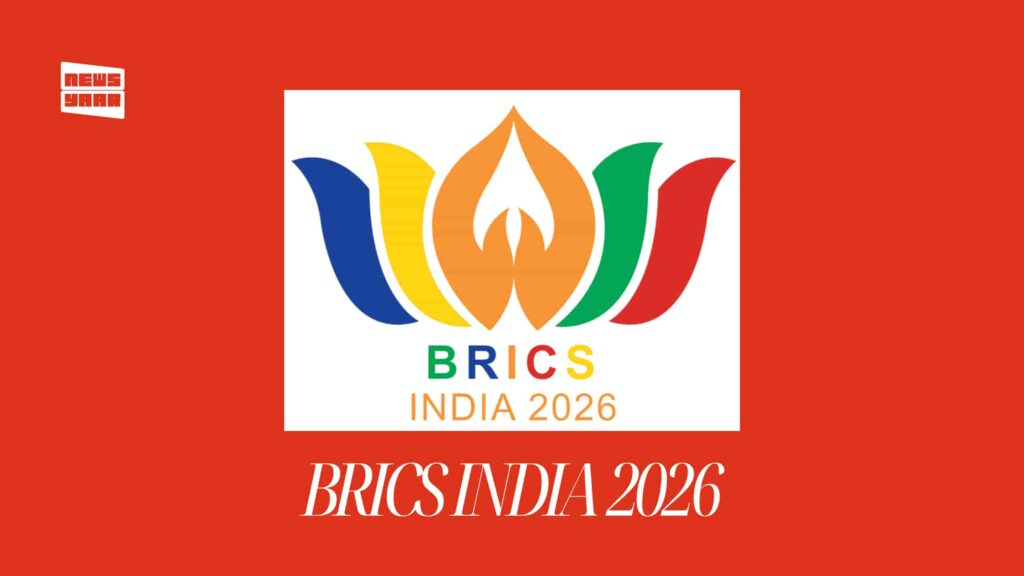
GOVERNMENT BRICS India 2026: New Logo, Theme and Website Launched as Chairship Preparations Get Underway Newsyaar January 17, 2026 12:57 pm New Delhi, India, has officially launched the logo, theme and official website for its year-long BRICS Chairship in 2026, marking the start of its leadership of the influential multilateral grouping that brings together emerging markets and developing economies. The unveiling took place in New Delhi on January 13, 2026, with External Affairs Minister Dr S. Jaishankar presiding over the ceremony. A Symbol of Unity and Shared Aspirations The newly showcased BRICS India 2026 logo draws its inspiration from the lotus flower, a symbol deeply rooted in Indian culture and widely associated with resilience, renewal and cultural heritage. The design incorporates petals in the vibrant colours of all BRICS member countries, highlighting the unity of diverse nations under a common purpose. At the centre of the emblem is the Namaste gesture, symbolising respect, warmth of partnership and a commitment to harmonious collaboration among nations. Accompanying the visual identity is the official theme for India’s chairship: “Building for Resilience, Innovation, Cooperation and Sustainability”. The theme reflects a people-centric and humanity-first approach, emphasising inclusive development, practical cooperation and mutual support. “The Indian government has said this vision is inspired by broader goals of shared growth and equitable progress across regions.” A Central Digital Platform Alongside the logo and theme, India also launched the official BRICS 2026 website, brics2026.gov.in. The digital platform is expected to serve as a central source of information on BRICS initiatives, meetings, official documents and events scheduled during India’s chairship. The website is designed to enhance transparency, engagement and communication both among member countries and with the global public. Officials highlighted that the platform’s easy access and regular updates will allow stakeholders from across member nations, partner states and civil society to stay informed about key developments and collaborative efforts under the BRICS framework. Context and Significance India assumed the BRICS Chairship on January 1, 2026, coinciding with the 20th anniversary of the BRICS grouping, which was first formed in 2006 to foster cooperation among key emerging economies. Over the years, BRICS has expanded beyond its five founding members, Brazil, Russia, India, China and South Africa, to include Egypt, Ethiopia, Iran, the United Arab Emirates and Indonesia as full members, significantly broadening its global footprint. The launch ceremony in New Delhi was attended by senior officials from the Ministry of External Affairs and representatives from diplomatic missions, underlining the importance India places on using its chairship to strengthen global dialogue and cooperation. Looking Ahead: The Final Insight With its theme focused on resilience and sustainability, India’s BRICS agenda in 2026 is expected to tackle key global challenges, including economic recovery, technological innovation, climate action and people-to-people exchanges. As preparations continue, the logo and website launch mark a pivotal early step in shaping India’s leadership year and the broader narrative of BRICS cooperation on the world stage. https://www.youtube.com/watch?v=WP8v54_xXR8 Video credit: YT@/MEA About the Author Government Reporter Share via Copied Comments Post Comment
Literary Celebration Bringing Readers and Writers Together in Delhi Book Fair 2026
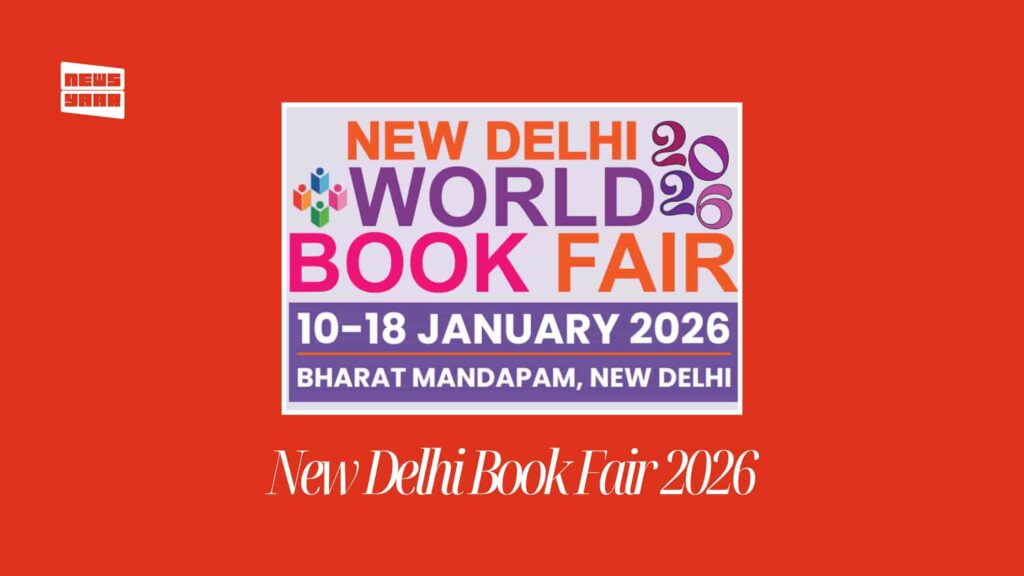
EVENTS Literary Celebration Bringing Readers and Writers Together in Delhi Book Fair 2026 Newsyaar January 17, 2026 5:53 am The Delhi Book Fair once again transformed the national capital into a vibrant hub of literature, ideas, and storytelling. Known as one of India’s most loved literary events, the fair attracted book lovers, authors, publishers, and students from across the country, reaffirming Delhi’s place as a cultural and intellectual centre. Held at its iconic venue, the fair offered a rich mix of books across genres, ranging from fiction, non-fiction, academic texts, children’s literature, self-help, and regional language publications. A Paradise for Book Lovers Walking into the Delhi Book Fair felt like stepping into a world made entirely of stories. Hundreds of stalls showcased books in English, Hindi, and several Indian languages, ensuring there was something for every reader. From bestselling novels and classic literature to competitive exam guides and research material, the fair catered to readers of all ages. Special sections dedicated to children remained a major attraction, with colourful books, comics, and activity corners encouraging young minds to develop a love for reading. Authors, Discussions, and Cultural Exchange Beyond book shopping, the Delhi Book Fair served as a platform for author interactions, panel discussions, and book launches. Renowned writers, emerging voices, and publishers engaged in conversations around literature, education, publishing trends, and the future of reading in a digital age. These sessions provided readers with a chance to connect directly with authors, understand their creative journeys, and gain insights into the evolving literary landscape. In a time when online content dominates, the fair stood as a reminder of the lasting value of printed books and structured learning. Keeping the Reading Culture Alive Despite the rise of e-books and digital platforms, the Delhi Book Fair highlighted that the charm of physical books remains strong. The event brought together people from diverse backgrounds, united by a shared love for reading, learning, and storytelling. Publishers also offered attractive discounts, making books more accessible and encouraging readers to build personal libraries. Delhi Book Fair: More Than Just an Event The Delhi Book Fair is not just about buying books; it is about celebrating ideas, creativity, and knowledge. It continues to inspire curiosity, promote literacy, and strengthen India’s reading culture. As the fair concludes, it leaves behind shelves full of new books and minds filled with fresh perspectives, proving once again that stories still matter, and always will. About the Author Events Reporter Share via Copied Comments Post Comment
Pongal 2026: India Celebrates the Festival of Harvest with Tradition, Gratitude, and Unity
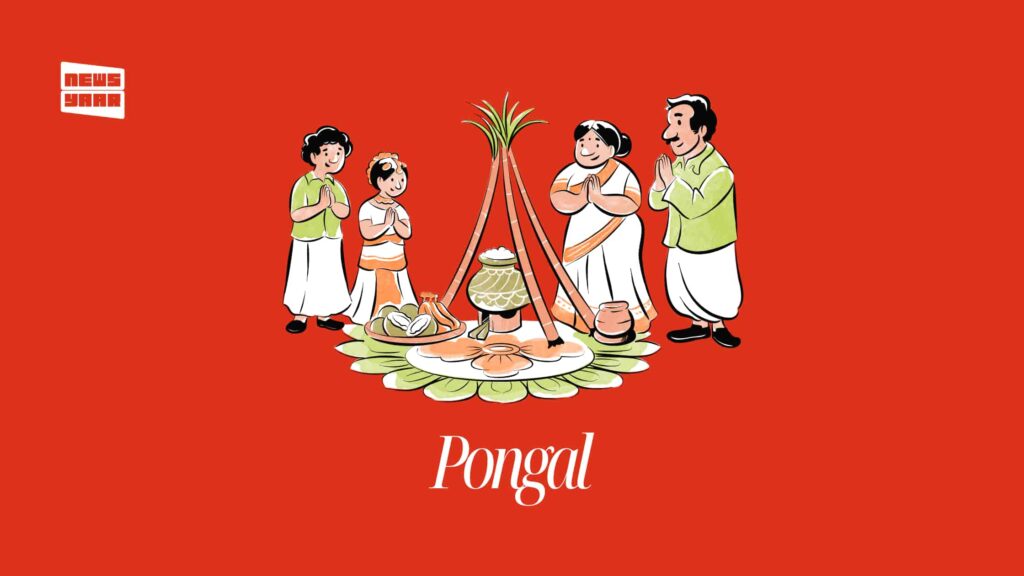
EVENTS Pongal 2026: India Celebrates the Festival of Harvest with Tradition, Gratitude, and Unity Newsyaar January 13, 2026 5:02 pm As the sun begins its northward journey, Tamil Nadu and Tamil communities across the globe come alive with joy, devotion, and cultural pride to celebrate Pongal 2026, one of India’s most significant harvest festivals. Observed annually in mid-January, Pongal marks gratitude to nature, farmers, cattle, and the Sun God for a bountiful harvest. Pongal 2026 will be celebrated over four days, each holding deep cultural and spiritual meaning. The festival begins with Bhogi Pongal, symbolizing renewal and the discarding of old possessions to welcome positivity and prosperity. Homes are cleaned, bonfires are lit, and families prepare for new beginnings. The main day, Thai Pongal, is dedicated to Surya Dev (the Sun God). Families gather early in the morning to prepare the traditional sweet dish “Pongal” made from freshly harvested rice, jaggery, milk, and lentils. As the milk overflows from the pot, cries of “Pongalo Pongal!” echo through homes, symbolizing abundance and good fortune. Colorful kolams (rangoli) adorn entrances, reflecting happiness and creativity. The third day, Mattu Pongal, honors cattle, recognizing their vital role in agriculture and rural life. Cows and bulls are bathed, decorated with flowers, and worshipped. In many villages, traditional events like Jallikattu add excitement, drawing large crowds and tourists. The celebrations conclude with Kaanum Pongal, a day for social bonding. Families visit relatives, enjoy outdoor picnics, and strengthen community ties. In 2026, urban celebrations are expected to blend tradition with modernity, featuring cultural programs, eco-friendly festivities, and digital greetings. Pongal 2026 also highlights sustainability and respect for nature. Many communities are choosing organic decorations, traditional cooking methods, and locally sourced ingredients, aligning the festival with environmental awareness. Beyond Tamil Nadu, Pongal is celebrated by the Tamil diaspora worldwide, from Sri Lanka and Malaysia to the US, UK, and Canada, making it a global cultural event. As Pongal 2026 arrives, it serves as a reminder of gratitude, hard work, and harmony between humans and nature, values that remain timeless in a rapidly changing world. About the Author Events Reporter Share via Copied Comments Post Comment
Sergio Gor Takes Charge as U.S. Ambassador to India: What His Appointment Means for India-US Trade Relations
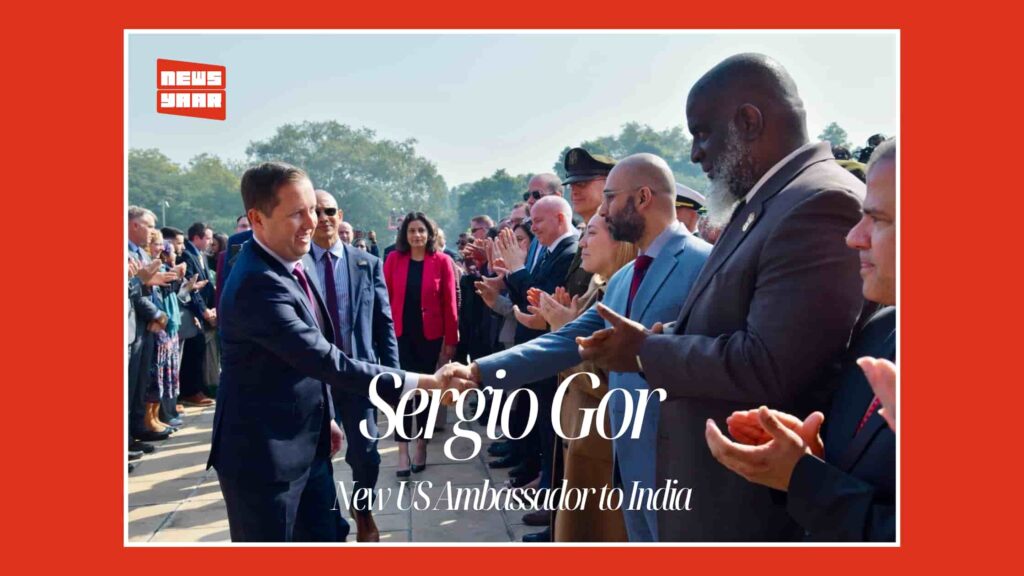
POLITICS Sergio Gor Takes Charge as U.S. Ambassador to India: What His Appointment Means for India-US Trade Relations Newsyaar January 13, 2026 1:03 pm Sergio Gor formally assumed his role as the United States Ambassador to India on Monday, signalling a fresh chapter in the bilateral relationship between the two democracies. Gor, a close associate of U.S. President Donald Trump, addressed the press ahead of taking office and outlined his vision for strengthening cooperation between Washington and New Delhi. Ambassador Gor’s appointment comes at a time when diplomatic ties between India and the United States have faced several challenges, from disagreements over trade to tensions related to global geopolitical issues. Yet his arrival has sparked cautious optimism among policymakers and analysts on both sides of the aisle. A Personal Message of Partnership and Collaboration In his public remarks upon taking charge, Ambassador Gor underscored India’s importance to the United States. He stated that no country is more “essential” to American strategic interests than India, highlighting shared values and mutual goals in areas like trade, security, technology, and regional stability. Gor also referenced the strong personal rapport between President Trump and Prime Minister Narendra Modi, describing their friendship as “real” and pivotal for future cooperation. This emphasis on interpersonal diplomacy signals an attempt to soften recent strains and build momentum for collaborative action. Reports indicate that one of Gor’s early initiatives will be to invite India to participate in the Pax Silica initiative, a U.S.-led multilateral forum focused on mineral security and advanced technologies such as artificial intelligence. Participation in this forum could broaden India’s role in global tech and strategic discussions. Trade Talks and Economic Expectations Economists and trade experts have weighed in on the potential impact of Ambassador Gor’s appointment on economic ties. India and the U.S. are actively working on a bilateral trade agreement aimed at reducing tariff barriers and promoting deeper economic engagement. ABC News and Politico Pro reports highlighted that one of the ambassador’s priorities will be expanding trade ties despite ongoing tensions related to Russian oil and global energy dynamics. As such, Gor’s role will not only be diplomatic but also deeply economic. A Reset in Relations? Analysts from The Assam Tribune and ETV Bharat have described Ambassador Gor’s messages as signalling a reset in diplomatic outreach. By stressing mutual respect and partnership, he appears intent on building a stronger, more resilient relationship that can withstand geopolitical pressure. With his first address and public engagements in India, Sergio Gor has laid the groundwork for renewed strategic dialogue. As bilateral initiatives, the world will be watching closely to see how India and the United States navigate their partnership in 2026 and beyond. https://www.youtube.com/watch?v=HsCV6soEErQ Video credit: ANI About the Author Politics Reporter Share via Copied Comments Post Comment
PM Modi’s Inspiring Speech on National Youth Day at Viksit Bharat Young Leaders Dialogue 2026
EVENTS PM Modi’s Inspiring Speech on National Youth Day at Viksit Bharat Young Leaders Dialogue 2026 Newsyaar January 12, 2026 5:25 pm PM Modi addresses Young Indians on National Youth Day. It is officially celebrated on 12th January every year. PM delivered the speech on concluding session of Viksit Bharat Young Leaders Dialogue 2026, a public event that was organised especially for the Youths of the nation. https://www.youtube.com/watch?v=yRjxTPhGcZQ Video credit: @Youtube/Narendra Modi About the Author Events Reporter Share via Copied Comments Post Comment
Lohri 2026: What You Need to Know About Punjab’s Lohri
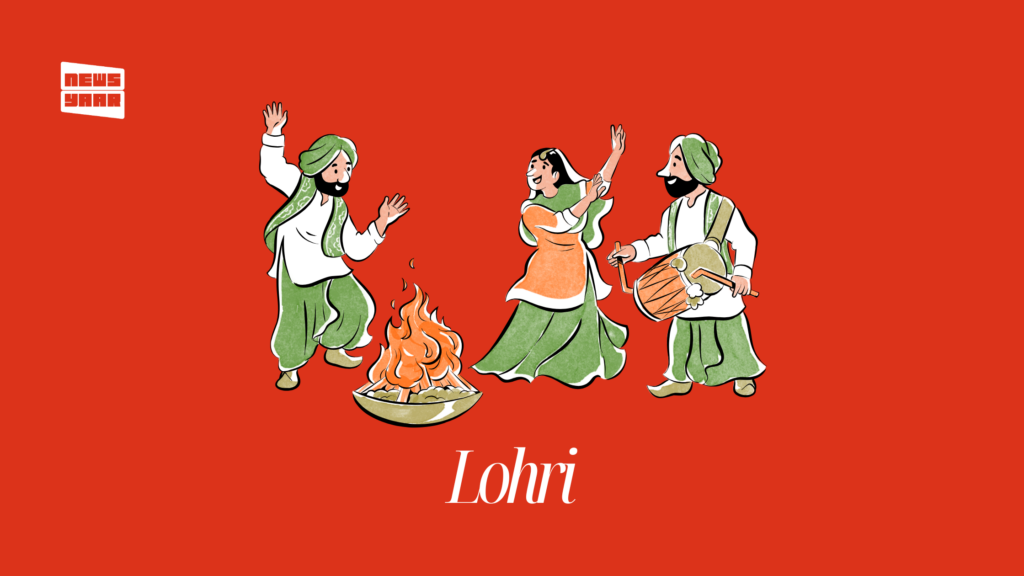
EVENTS Lohri 2026: What You Need to Know About Punjab’s Lohri Newsyaar January 12, 2026 4:32 pm Lohri is one of the most vibrant and culturally rich festivals of North India, especially celebrated with great enthusiasm in Punjab, Haryana, Himachal Pradesh, and parts of Delhi. Observed every year on January 13, Lohri marks the end of winter and the arrival of longer days. Deeply rooted in Punjabi traditions, the festival is a celebration of warmth, harvest, community bonding, and gratitude. Why is Lohri celebrated? Lohri is closely associated with the harvest of rabi crops, particularly sugarcane and wheat. For farmers, it is a time to thank nature for a good harvest and pray for prosperity in the coming season. The festival also coincides with the solar movement before Makar Sankranti, symbolising the transition from cold, dark days to brighter and warmer times. Historically, Lohri is linked to folklore and legends, most notably the tale of Dulla Bhatti, remembered for helping young girls during difficult times. Folk songs sung around the bonfire often mention his bravery, keeping oral traditions alive across generations. The Bonfire: Heart of Lohri Celebrations The bonfire is the centrepiece of Lohri celebrations. Families and communities gather around it in the evening, offering rewri, gajak, peanuts, popcorn, and til to the fire. This ritual symbolises gratitude to the Sun God and the elements of nature. People walk around the fire, sing traditional songs, and offer prayers for happiness, good health, and abundance. The warmth of the fire reflects the spirit of togetherness that defines Lohri. Punjabi Traditions and Cultural Celebrations Lohri is incomplete without Punjabi folk music and dance. Men perform bhangra, while women dance gidda, dressed in colourful traditional attire. The beats of the dhol set the mood for celebration, turning villages and cities into lively cultural spaces. The festival holds special significance for newlyweds and newborns, as their first Lohri is celebrated with extra joy and rituals, symbolising new beginnings and blessings. More Than a Festival Lohri is more than just a seasonal celebration; it is a reflection of Punjabi identity, resilience, and joy. It brings people together, strengthens social bonds, and keeps cultural heritage alive in a rapidly modernising world. As Lohri approaches, the festival continues to remind communities of the importance of gratitude, unity, and celebrating life’s simple joys. About the Author Events Reporter Share via Copied Comments Post Comment
Makar Sankranti 2026: Know the Importance of the Festival
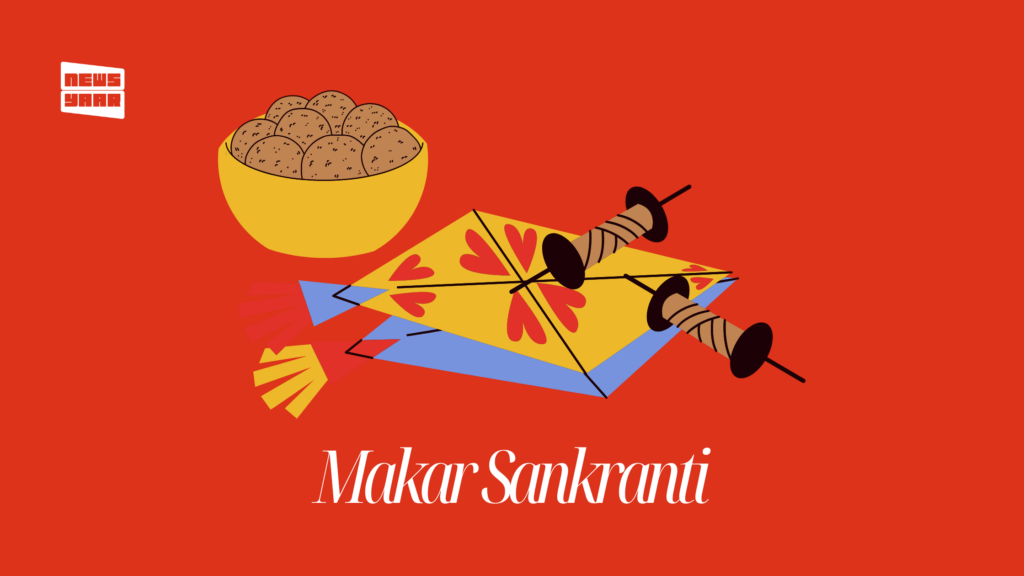
EVENTS Makar Sankranti 2026: Know the Importance of the Festival Newsyaar January 12, 2026 4:12 pm Makar Sankranti, one of India’s most widely celebrated harvest festivals, will be observed on January 14, 2026. Unlike many Hindu festivals that follow the lunar calendar, Makar Sankranti is based on the solar cycle, making its date largely fixed every year. The festival marks a significant event and holds deep cultural, spiritual, and agricultural importance across the country. Why Makar Sankranti Is Celebrated? Makar Sankranti signifies the Sun’s transition into the zodiac sign Capricorn (Makara). This movement marks the beginning of Uttarayan, the sun’s northward journey, which is considered highly auspicious in Hindu tradition. According to ancient beliefs, the period of Uttarayan symbolises light, positivity, and spiritual progress, while the previous phase, Dakshinayan, is associated with darkness and inactivity. The festival also marks the end of the winter solstice and the gradual lengthening of days, bringing warmth and renewed energy. Farmers across India celebrate it as a harvest festival, thanking nature for its bounty and welcoming a new agricultural cycle. Cultural Significance Across India Makar Sankranti is celebrated under different names in different regions, reflecting India’s cultural diversity. In Punjab, it is celebrated as Lohri, marked by bonfires and folk songs. Tamil Nadu observes it as Pongal, a four-day harvest festival. In Assam, it is known as Magh Bihu, while Gujarat celebrates with vibrant kite-flying festivals that fill the sky with colour. Despite regional variations, the essence of the festival remains the same: gratitude, renewal, and togetherness. Rituals and Traditions One of the most common rituals associated with Makar Sankranti is taking a holy dip in rivers such as the Ganga, Yamuna, and Godavari. It is believed that bathing on this day cleanses sins and brings spiritual merit. Another key tradition is the exchange of til (sesame) and jaggery sweets, symbolising unity, warmth, and harmony. The phrase “til-gud ghya ani god-god bola” reflects the spirit of speaking kindly and maintaining sweet relationships. Spiritual and Health Importance Makar Sankranti is not only spiritually significant but also aligned with seasonal health practices. Sesame seeds and jaggery, commonly consumed during this time, help generate warmth in the body and strengthen immunity during winter. Spiritually, the festival encourages people to move away from negativity and embrace discipline, charity, and self-reflection. Donating food, clothes, and essentials to the needy is considered highly auspicious. A Festival of Hope and Positivity As Makar Sankranti 2026 approaches, the festival serves as a reminder of the balance between nature, faith, and human life. It celebrates new beginnings, collective joy, and the timeless bond between tradition and daily living, making it one of the most meaningful festivals in India’s cultural calendar. About the Author Events Reporter Share via Copied Comments Post Comment
Historic Army Day Parade in Jaipur: A Public Spectacle of Pride

EVENTS Historic Army Day Parade in Jaipur: A Public Spectacle of Pride Newsyaar January 12, 2026 3:12 pm Jaipur is up for a historic celebration as the 78th Army Day Parade & is set to take place on January 15, 2026. The event along Mahal Road in Jagatpura is one of the most inclusive tributes to the Indian Army. Army Day is observed every year on January 15 to honour Field Marshal Kodandera M. Cariappa, who became the first Indian Commander-in-Chief of the Indian Army in 1949 following independence. A Parade Like Never Before Authorities have organised open rehearsals on January 9, 11, and 13, allowing thousands of residents to witness military precision, disciplined marching contingents, and displays of modern weapons well ahead of the main parade. Public enthusiasm has been palpable, with crowds gathering early along Mahal Road to watch tanks, missile systems, and advanced defence technologies. Patriotism on Display Officials have emphasised the parade’s role in reinforcing civil-military harmony and national pride. Thousands of audiences, including school and college students, women’s groups, ex-servicemen, and families, are expected to attend under a registration system implemented by the Rajasthan government. The excitement has translated into public participation during rehearsals, with residents capturing performances on mobile phones and cheering the march-past and military bands. More Than a Parade: The Final Insights Alongside the main event, Jaipur will host a variety of complementary programs, including a “Know Your Army” exhibition, which showcases armoured vehicles, missile systems, and interactive displays aimed at deepening public awareness of India’s defence forces. A special evening event, Shaurya Sandhya 2026, featuring cultural performances, light and sound shows, and a tribute to families of martyrs, will take place as part of the broader celebration. The 78th Army Day Parade stands as a celebration of military tradition and discipline, but also as a powerful symbol of national unity, pride, and collective respect for the service of the Indian Army. https://www.youtube.com/watch?v=pVc4qjUJ8JA&t=6751s Video credit: DD News About the Author Events Reporter Share via Copied Comments Post Comment
World Hindi Day: Connect Cultures Across Continents
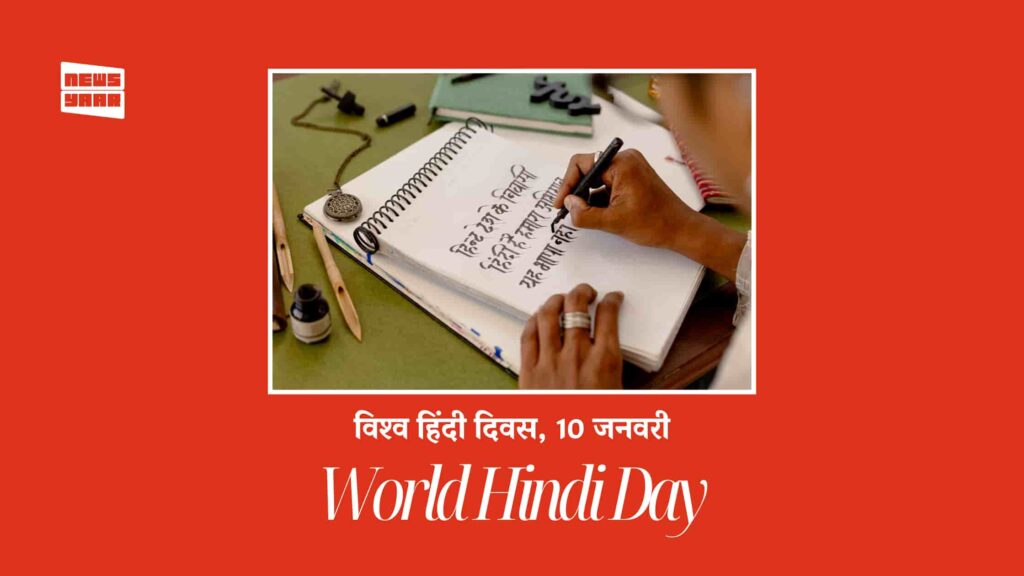
January 11, 2026 Newsyaar 4:35 am EVENTS World Hindi Day: Connect Cultures Across Continents January 10 marks World Hindi Day, a global celebration of one of the world’s most widely spoken languages and a symbol of India’s cultural identity. The Preface World Hindi Day, observed every year on January 10, is dedicated to promoting the Hindi language at an international level. Unlike Hindi Diwas, which is celebrated in India on September 14, World Hindi Day focuses on strengthening Hindi’s presence beyond India’s borders and encouraging its use as a medium of global communication. Hindi is spoken by over 600 million people worldwide, either as a first or second language. Over the years, it has grown beyond a regional language to become a cultural bridge connecting communities across continents. How Did World Hindi Day Begin? The origins of World Hindi Day can be traced back to the First World Hindi Conference, held in Nagpur on January 10, 1975. The conference brought together scholars, writers and language experts from across the world to discuss the global future of Hindi. To commemorate this historic event and to underline the importance of Hindi on the international stage, the Government of India officially declared January 10 as World Hindi Day in 2006. Since then, it has been observed annually to expand the language’s global reach. Where and How Is It Celebrated? World Hindi Day is celebrated not only in India but also across Indian embassies, cultural centres and universities worldwide. Countries with significant Indian diaspora populations, such as Mauritius, Fiji, Suriname, Trinidad and Tobago, Nepal, the United States and the United Kingdom mark the day with seminars, literary events, poetry readings and cultural programmes. Digital platforms have also played a key role in recent years, allowing Hindi writers and speakers from different countries to connect and participate in global discussions. Final Insights The day highlights Hindi’s role as a unifying language that carries India’s history, philosophy, literature and social values. As the world becomes more interconnected, World Hindi Day reinforces the idea that language is not just a means of communication, but a powerful carrier of culture, thought and shared heritage. About the Author Events Reporter Share via Copied Comments Post Comment