




Snowfall Returns to Bare Himalayas: Tourism Boom Brings Joy, Chaos, and Economic Lifeline
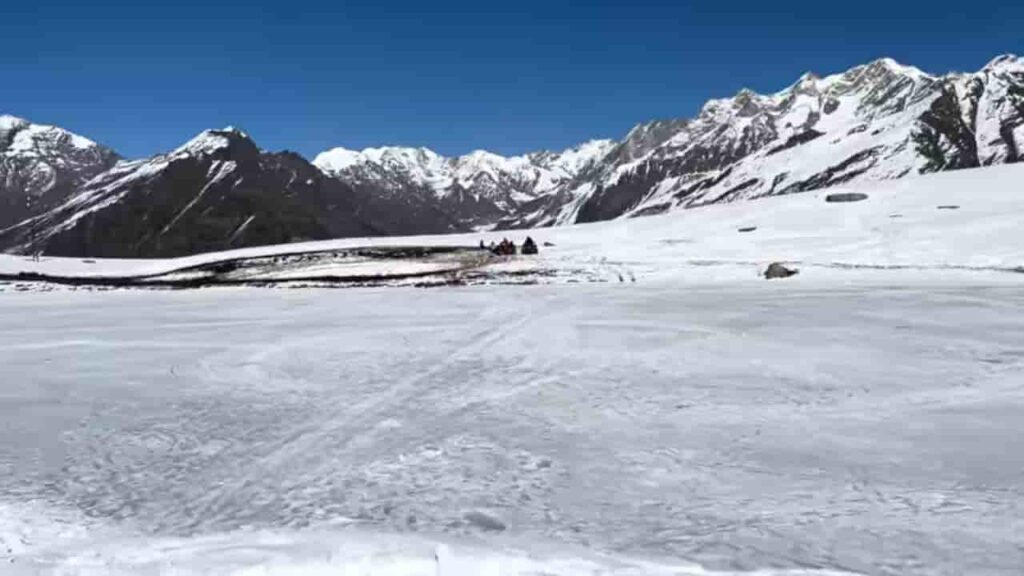
TRAVEL Snowfall Returns to Bare Himalayas: Tourism Boom Brings Joy, Chaos, and Economic Lifeline New Delhi – After months of barren peaks and a crippling “snow drought,” fresh western disturbances have blanketed Uttarakhand, Himachal Pradesh, and Jammu & Kashmir with snow, igniting jubilation among tourists and local businesses. From Auli’s ski slopes to Manali’s adventure hubs, the white resurgence is breathing life into mountain economies, but a sudden influx has exposed infrastructure gaps, traffic snarls, and administrative overstretch. The Himalayas, Asia’s “Third Pole,” stand starkly bare this winter, with vast swathes of peaks in Uttarakhand, Himachal Pradesh, and Jammu & Kashmir defying their snow-clad legacy. Satellite data and IMD reports confirm a severe “snow drought”, the lowest snow persistence in 23 years per ICIMOD’s 2025 update, threatening rivers, glaciers, and 2 billion downstream lives. December 2025’s 100% snowfall deficit in Uttarakhand and 99% in Himachal crushed tourism: Auli hotel occupancy plunged 80%, leaving taxi drivers and paragliding operators idle. Shimla and Gulmarg saw 50-70% cancellations as the “snowless selfies” trend went negative online. But IMD’s Feb 9-11 forecast delivered: 6-12 inches in higher reaches, reviving hopes. “Finally, the mountains look like mountains again,” cheered a Delhi visitor in Manali, where bookings spiked 300% overnight. Causes: Warming & Variability IPCC links this to global warming: warmer air favors rain over snow, quickens melt, shifts snowline upward. Western disturbances, key moisture carriers, were weak/irregular, delaying onset 30-40 days. Over five years, winters lag 1980-2020 averages, with mid-elevations (3,000-6,000m) hit hardest. Primary Drivers: Weak Western Disturbances: Extratropical storms from the Mediterranean deliver winter moisture but were irregular/weak in 2025-26, causing 100% deficits in Uttarakhand, 99% in Himachal. Delayed onset (30-40 days late) slashed accumulation. Rising Temperatures (Elevation-Dependent Warming): HKH warms 2-3x global average; warmer air holds more moisture, shifting precipitation from snow to rain, raising snowline, and accelerating melt. Snow Drought Types: Precipitation Deficit: Below-normal winter storms (e.g., Dec 2025: J&K -78%, Ladakh -63%). Snowmelt Drought: Normal precipitation but hot conditions cause rain/early melt. Long-Term Trends: ICIMOD: 23.6% snow persistence drop (23-year low); 4/5 recent winters below 1980-2020 norms. IPCC: Warming shortens cover, worsens by 2100. Compounding Factors: Greenhouse emissions amplify variability; mid-elevations are most vulnerable as small temp rises tip the snow-to-rain balance. Impacts & Effects Water Security: Snowmelt supplies 25% runoff to the Indus, Ganga, and Brahmaputra; glaciers add dry-season flow. Losses spike spring melt, then shortages, risking droughts for 1/4 of humanity’s basins. Glaciers: Uttarakhand’s may turn negative mass balance; HKH projected 75% loss by 2100.Hazards: Destabilized slopes fuel landslides, GLOFs, fires, Uttarakhand/Himachal fires rose amid dry winters. Economy/Tourism: Auli bookings crashed; Shimla/Manali snowless. Impacts of Reduced Himalayan Snow on Ganges and Indus Rivers Reduced snow in the Himalayas, exacerbated by warming and weak western disturbances, poses severe threats to the Ganges (Ganga) and Indus basins, which sustain 1.65-2 billion people. Short-Term Effects (Peak Melt Phase) Peak Flows Shift: Earlier snowmelt floods rivers prematurely (spring surge), raising flood risks in the Indo-Gangetic plains. Temporary Boost: Glacier/snow melt temporarily increases runoff (to 2050), but erratic. Long-Term Consequences (Post-2050) Declining Dry-Season Flow: Snow contributes 25% annual runoff; deficits (Indus: 30-50%, Ganga: 50-60% by 2100) slash baseflow, causing summer shortages for irrigation, drinking water, and hydropower. Ganga Basin: Upper Ganga snow persistence down 17%; earlier melt disrupts Gangotri/Ganges timing, hitting 500M+ farmers, ecosystems (forest biodiversity loss). Indus Basin: 23% snow drop; critical for Pakistan/India agriculture/hydropower; projected 20-30% flow reduction by 2100. Broader Risks Droughts/Water Stress: Shorter snow cover (5 fewer days/decade) worsens seasonal deficits. Agriculture: 129M farmers affected; reduced irrigation in kharif/rabi seasons. Hydropower/Ecosystems: Diminished reservoirs; biodiversity shifts, fires. Glacier Amplification: Combined with 75% HKH glacier loss by 2100. ICIMOD urges drought plans and transboundary cooperation. Economic Lifeline for Mountain Communities Snowfall is the heartbeat of Himalayan tourism, fueling 70% of winter revenue in hill stations. Himachal’s adventure sector, skiing, snowmobiling, yak safaris, generates ₹5,000 crore annually, employing 2 million in hotels, homestays, taxis, and gear rentals. Uttarakhand’s Auli and Chopta saw ₹1,200 crore from the 2025 peak season alone. Local vendors selling woolens, momos, and hot chai thrive; pony rides and snowman-building add family fun. In Gulmarg, gondola rides resumed at full capacity, injecting cash into shepherds and handicraft sellers. “One good snow week equals a month’s earnings,” said a Manali hotelier. J&K’s Pahalgam reported 40% occupancy jump, easing post-conflict economic pressures. For women-led homestays and tribal artisans, it’s empowerment: snow draws cultural tourists craving authentic pahadi experiences. Joy Amid Chaos: The Double-Edged Snowfall Tourists are ecstatic, families build snow forts, influencers capture reels, and adventure seekers hit slopes. “Pure magic after the drought scare,” posted a group from Punjab. But the rush creates mayhem: narrow Rohtang Pass jams with 5,000 vehicles daily; Auli’s lone cable car queues stretch hours. In Shimla, overbooked hotels turn away families, sparking online fury. Poor preparedness amplifies woes. Landslides from melt-snow mix block paths; inadequate parking floods meadows; waste piles up sans dustbins. Last year, Manali’s “snow chaos” saw 20-hour delays, oxygen shortages at high camps, and petty scams. Locals lament: “Tourists bring money but trash our paradise.” Both Sides: Boom vs. Burden Pro-tourism voices hail snow as salvation: “It saved our season,” says a Kasol trek operator. Businesses invested in snow chains, heated tents—paying off now. Environmentally, snow aids groundwater recharge, curbing wildfires. Critics warn of overload: fragile ecology suffers trampling, pollution spikes (diesel generators, plastic litter). Over-reliance risks bust-boom cycles; climate-vulnerable hills can’t sustain endless crowds. “Sustainable numbers, not mass frenzy,” urges a Nainital activist. Path Forward: Building Resilience Authorities must act decisively: Local Administration: Deploy traffic wardens, mobile toilets, waste squads; enforce carrying capacity (e.g., 2,000/day in Auli). Digital booking for parking/gondolas prevents no-shows. State Governments: Himachal/Uttarakhand invest ₹500 crore in snow-clearing machines, widened roads (Atal Setu-style tunnels), and eco-lodges. Promote off-peak treks and homestays via apps. Central Government/Ministries: MoT allocates ₹2,000 crore for infra (helicopter pads, EV charging at 5,000m). Skill 1 lakh youth in hospitality/glaciology tourism. NGT-monitored waste rules; drone
Madhavi Latha: The Engineer Behind the World’s Highest Rail Bridge
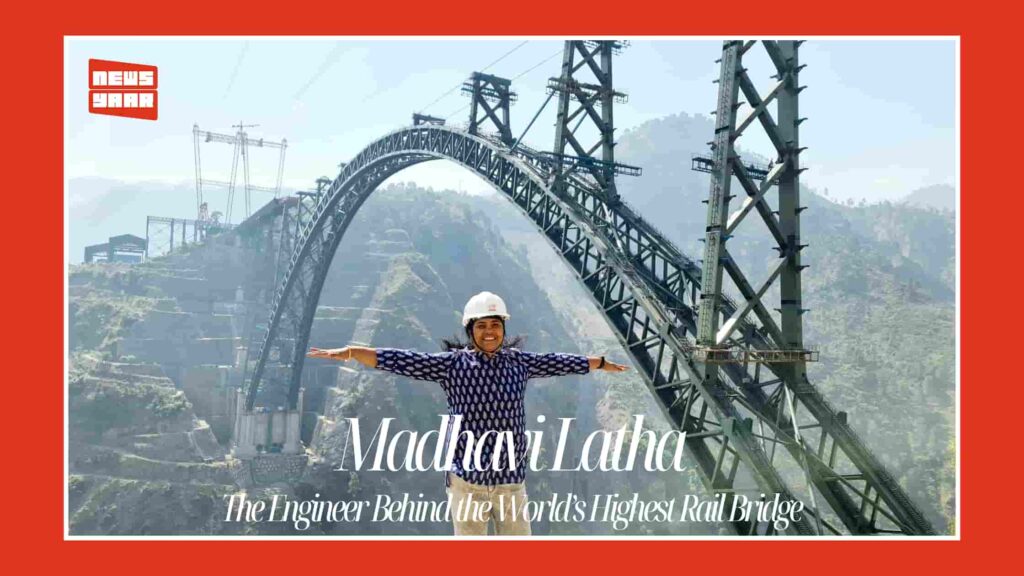
SCIENCE Madhavi Latha: The Engineer Behind the World’s Highest Rail Bridge When the Chenab Rail Bridge, the world’s highest railway bridge, stands tall amid the rugged Himalayas, it represents more than an engineering marvel. It tells the story of Dr. G. Madhavi Latha, the engineer whose expertise and vision played a pivotal role in turning an impossible idea into reality. She has also been awarded the NDTV Science Icon of the Year Award. Towering at 359 metres above the Chenab River in Jammu and Kashmir, the bridge is higher than the Eiffel Tower and is one of India’s most ambitious infrastructure projects. Designed to withstand extreme winds, earthquakes, and challenging geological conditions, the Chenab Bridge is a symbol of modern India’s engineering strength, and Dr. Madhavi Latha was at the heart of it. A professor at IIT Madras, Dr. Madhavi Latha, served as the geotechnical consultant for the project. Her role was crucial: the bridge stands in a highly seismic zone with fragile rock formations and unpredictable terrain. Traditional construction methods were not enough. Innovative geotechnical solutions were required to stabilise slopes, design foundations, and ensure long-term safety in one of the most hostile environments imaginable. Dr. Latha and her team worked extensively on slope stabilisation, foundation design, and rock reinforcement, addressing landslide risks and geological uncertainties. What made the challenge even greater was the remoteness of the site, harsh weather conditions, and limited accessibility. Despite these obstacles, her scientific approach and practical problem-solving ensured that the bridge could safely support high-speed trains while enduring nature’s extremes. Beyond its technical brilliance, Dr. Madhavi Latha’s contribution carries deep symbolic value. In a field traditionally dominated by men, her leadership and expertise have made her an inspiration for young engineers across India. She has often spoken about how the project demanded patience, collaboration, and unwavering commitment, qualities as critical as technical knowledge. The Chenab Rail Bridge is a vital link in the Udhampur–Srinagar–Baramulla Rail Line (USBRL) project, aimed at improving connectivity, mobility, and development in Jammu and Kashmir. Its completion marks a major milestone in India’s infrastructure journey. Dr. Madhavi Latha’s story reminds us that behind every iconic structure lies human effort, intellect, and resilience. As trains begin to cross the world’s highest rail bridge, they carry with them not just passengers, but the legacy of an engineer who redefined what was possible. About the Author Science Reporter Share via Copied Comments Post Comment