




HAL, Russia’s UAC to Manufacture SJ 100 Regional Jet in India: A Major Leap for Civil Aviation

BUSINESS HAL, Russia’s UAC to Manufacture SJ 100 Regional Jet in India: A Major Leap for Civil Aviation Newsyaar February 2, 2026 9:11 pm Hindustan Aeronautics Limited (HAL) has entered into a strategic aviation partnership with Russia’s United Aircraft Corporation (UAC) to manufacture the SJ 100 regional jet in India, marking a significant expansion of HAL’s footprint into the civil aviation sector. The move was announced on the sidelines of the Wings India 2026 aviation exhibition held at Begumpet Airport in Hyderabad, where the collaboration was formally unveiled amid industry attention. The pact — which builds on a Memorandum of Understanding (MoU) signed on October 28, 2025, in Moscow — provides HAL with a licence to produce the twin-engine SJ 100 commercial aircraft in India for domestic customers, including local assembly, component manufacturing and maintenance support, alongside technical and consulting assistance from UAC. What Is the SJ 100 and Why It Matters The Yakovlev SJ 100 (often referred to as Sukhoi Superjet 100) is a twin-engine, narrow-body regional passenger jet designed to seat between 87 and 108 passengers, with a range of around 3,000 km, tailored for short- to mid-distance routes. The aircraft is already in service with airlines in Russia and abroad, with over 200 units produced and operated by multiple carriers. The SJ 100 is capable of operating from smaller airports and shorter runways, making it particularly suitable for India’s expanding regional network under initiatives such as the UDAN (Ude Desh ka Aam Naagrik) scheme, which aims to improve connectivity to underserved and tier-2/tier-3 cities. Strategic Shift for HAL HAL — traditionally focused on military aerospace manufacturing (including fighters, trainers and helicopters) — is now actively diversifying into civil aviation manufacturing. Civil platforms currently contribute only about 4–5 per cent of HAL’s revenue. The SJ 100 partnership is a cornerstone of HAL’s strategy to increase this share to about 25 per cent over the next decade, according to HAL Chairman and Managing Director D.K. Sunil. Sunil explained at Wings India 2026 that HAL plans a phased approach to aircraft introduction. Initially, HAL aims to lease about 10–20 fully assembled SJ 100 aircraft from Russia to Indian operators to familiarise them with the aircraft and validate performance and support infrastructure under Indian operating conditions. Timeline and ‘Make in India’ Ambition The partnership foresees several key stages: Short term (next 18 months): Leasing of fully built SJ 100 jets to Indian operators. Medium term (around three years): Commencement of semi-knocked-down (SKD) assembly in India, utilising HAL’s existing facilities at locations such as Nashik and Kanpur. Long term (by late decade): Full domestic manufacture capability with enhanced localisation and “Make in India” content, aligning with national goals of reduced import dependence and broader industrial development. This would mark the first time since the production of the AVRO HS-748 ended in 1988 that a complete passenger aircraft will be manufactured in India, making it a milestone for the country’s civil aviation manufacturing base. Broader Industry and Policy Context The HAL-UAC collaboration highlights deeper Indo-Russian aerospace cooperation, historically rooted in military aircraft production, now extending to civil aircraft. It also dovetails with government measures designed to attract and scale aircraft manufacturing in India. The Union Budget 2026 removed basic customs duty on aircraft components, significantly lowering the cost of establishing manufacturing lines for regional aircraft such as the SJ 100, potentially boosting both HAL’s and other manufacturers’ plans in the civil aviation domain. Industry observers note that HAL’s entry into regional jet production addresses a long-recognized gap in India’s aviation ecosystem: the absence of indigenous passenger aircraft manufacturing. India is among the world’s fastest-growing domestic aviation markets, with demand for short- to medium-haul aircraft projected to remain strong over the next decade. Local assembly and production of the SJ 100 could help airlines bridge capacity needs more cost-effectively while supporting domestic aerospace supply chains. Technology, Certification and Future Prospects Under the agreement, HAL will assist UAC in gaining type certification for the SJ 100 in India, a critical step before domestically produced jets can enter commercial service. In exchange, HAL obtains manufacturing rights and support for establishing production infrastructure, quality control systems, and maintenance ecosystems. Experts see this collaboration as a key step toward building India’s aircraft manufacturing competencies. While HAL’s primary strength has been in defence platforms, working with UAC on a complex regional jet programme is expected to transfer valuable design, production, certification and lifecycle support expertise. Officials and industry executives involved in the pact have described the arrangement as mutually beneficial: it enhances HAL’s capabilities and helps Russia sustain civilian aircraft exports in the face of geopolitical and sanction-related challenges, while opening a new avenue for aerospace collaboration between the two countries. What This Means for Passengers and Airlines If the phased plan succeeds, airlines operating within India could have access to the SJ 100 as an alternative to turboprops and larger narrow-body jets for regional routes. The regional jet segment (90–100 seats) is seen as crucial for balancing operational economics with demand on short-haul sectors, particularly under government connectivity programmes. Leasing a small fleet in the initial phase also allows airlines and HAL to build operational familiarity with the SJ 100 without requiring immediate large capital commitments, potentially encouraging broader adoption in India’s growing domestic market. Conclusion HAL’s partnership with Russia’s United Aircraft Corporation to manufacture the SJ 100 regional jet in India represents a significant step in diversifying India’s aviation industry and strengthening its manufacturing base. By combining Russian aerospace experience with HAL’s production capabilities and India’s burgeoning aviation market, the collaboration aims to deliver regional aircraft solutions tailored to national connectivity needs while advancing the government’s Make in India and civil aerospace ambitions. About the Author Business Reporter Share via Copied Comments Post Comment
Report says, India beats Japan to become world’s 4th largest economy
GOVERNMENT Report says, India beats Japan to become world’s 4th largest economy Newsyaar January 20, 2026 9:29 am In a milestone moment for the Indian economy, official data and projections indicate that India has surpassed Japan to become the world’s fourth-largest economy, a result of strong growth momentum, robust domestic demand, and strategic economic reforms. With a nominal Gross Domestic Product (GDP) estimated at around USD 4.18 trillion in 2025, India is now ranked fourth globally, trailing only the United States, China, and Germany in size. The shift in rankings reflects decades of economic transformation driven by liberalisation, digital and manufacturing reforms, and one of the world’s most dynamic young labour forces. India’s rise in the global economic order has been steady, moving from the eleventh largest economy in 1990 to the fifth in recent years, ahead of major developed countries such as the United Kingdom before overtaking Japan. According to government releases and international forecasts, the Indian economy’s recent performance has been marked by accelerating GDP growth. Official figures show that India’s real GDP expanded by 8.2 per cent in the second quarter of the 2025–26 fiscal year, up from 7.8 per cent in the previous quarter and 7.4 per cent in the final quarter of 2024–25, led by resilient domestic consumption and expanding services and industrial activity. The government’s year-end economic review highlighted that with a GDP valued at USD 4.18 trillion, India has overtaken Japan and is poised to move into the third spot globally in the next 2.5 to 3 years if current growth continues. Projections suggest India’s GDP could reach as high as USD 7.3 trillion by 2030, potentially placing it above Germany and reinforcing its position as a dominant economic power. India’s ascent has drawn wide attention from business leaders and economists. Industry figures such as Anand Mahindra noted that overtaking Japan, long considered an economic powerhouse, is “no small achievement,” underlining the country’s rapid rise driven by entrepreneurial energy and large-scale reforms. He also stressed that while the milestone is significant, continued focus on per capita income and inclusive development will be critical for sustained progress. The achievement also reflects broader global economic shifts. Japan’s economy has faced challenges from demographic decline and slower growth rates, while India’s younger population, expanding middle class, and increasing integration into global trade and technology supply chains have helped boost its economic trajectory. International agencies, including the International Monetary Fund (IMF), World Bank, and rating agencies like Moody’s and Fitch, have projected continued GDP growth for India over the next several years. Despite this success, some analysts caution that headline GDP figures do not fully capture underlying economic welfare, such as per capita income, where India still lags significantly behind Japan. They argue that while India’s total economic output now ranks fourth, focus on quality of growth, productivity improvements, and equitable income distribution remains essential. For now, India’s leap past Japan into the fourth position underscores a transformative economic journey and a rapidly evolving role in global economic leadership. As India continues to expand its industrial base, innovate in technology and services, and enhance global trade relations, its trajectory toward becoming one of the world’s top three economies appears increasingly plausible. About the Author Government Reporter Share via Copied Comments Post Comment
Adani–Embraer Tie-Up Signals a New Chapter in India’s Commercial Aircraft Manufacturing

BUSINESS Adani–Embraer Tie-Up Signals a New Chapter in India’s Commercial Aircraft Manufacturing Newsyaar January 20, 2026 8:48 am India is set to make a landmark entry into commercial aircraft manufacturing as the Adani Group partners with Brazilian aerospace major Embraer to assemble regional passenger jets in the country. This development marks the first time India will host a final assembly line for commercial fixed-wing aircraft, placing it among a select group of nations with such advanced aerospace capabilities. The collaboration is widely seen as a significant boost to the government’s Make in India programme and a major step towards building a self-reliant aviation ecosystem. Under the partnership, Embraer’s widely used regional jets, designed for short- to medium-haul routes and seating between 70 and 146 passengers, will be assembled in India through a final assembly line operated by Adani Aerospace. While details regarding the exact location, investment size, and production timeline have not yet been formally announced, industry sources indicate that a comprehensive announcement is expected at the Hyderabad Air Show scheduled later in January 2026. Once operational, the facility will enable aircraft to be assembled, tested, and delivered from Indian soil. The timing of the partnership is particularly significant given India’s rapidly expanding aviation market. India is currently the world’s fastest-growing civil aviation market, with domestic airlines having placed orders for more than 1,800 aircraft to meet rising passenger demand. Until now, the country has depended almost entirely on global manufacturers for commercial aircraft imports. The establishment of a final assembly line is expected to reduce this dependence, generate skilled employment, and catalyse the growth of an indigenous aerospace manufacturing ecosystem. Government officials have indicated that policy support and fiscal incentives may be extended to airlines that place orders for aircraft assembled in India. Such incentives are likely to be structured on a declining basis as order volumes increase, helping the programme gain early traction while encouraging long-term sustainability. The success of this initiative is also expected to strengthen India’s case as a viable global manufacturing hub for high-value aviation products. Beyond commercial aircraft assembly, the Adani Group is positioning itself as a comprehensive aviation services provider. The group has already announced plans to expand into aircraft engine maintenance, repair and overhaul (MRO) services, as well as passenger-to-freighter conversions. By consolidating its aviation assets, including Indamer and Air Works, Adani aims to create a large integrated MRO platform serving both civilian and defence customers. This broader approach is expected to complement the aircraft assembly line by supporting lifecycle services and long-term operational needs. For Embraer, the partnership represents a strategic expansion in one of its fastest-growing markets. The Brazilian manufacturer has operated in India since 2005 and currently has close to 50 aircraft in the country serving the Indian Air Force, government agencies, business jet operators and regional airline Star Air. In October 2025, Embraer strengthened its commitment by opening an office in New Delhi to support its commercial aviation, defence, services and emerging urban air mobility segments. Industry experts believe the Adani–Embraer collaboration could have wider implications for the global aviation industry. By demonstrating the viability of commercial aircraft assembly in India, the project may encourage larger manufacturers such as Airbus and Boeing to consider setting up similar facilities in the country. If successful, the initiative could redefine India’s role in the global aerospace value chain and mark the beginning of a new era in domestic aircraft manufacturing. About the Author Business Reporter Share via Copied Comments Post Comment
Bajaj Chetak 2026 Electric Scooter Launched in India: Price, Range, Features and What You Need to Know
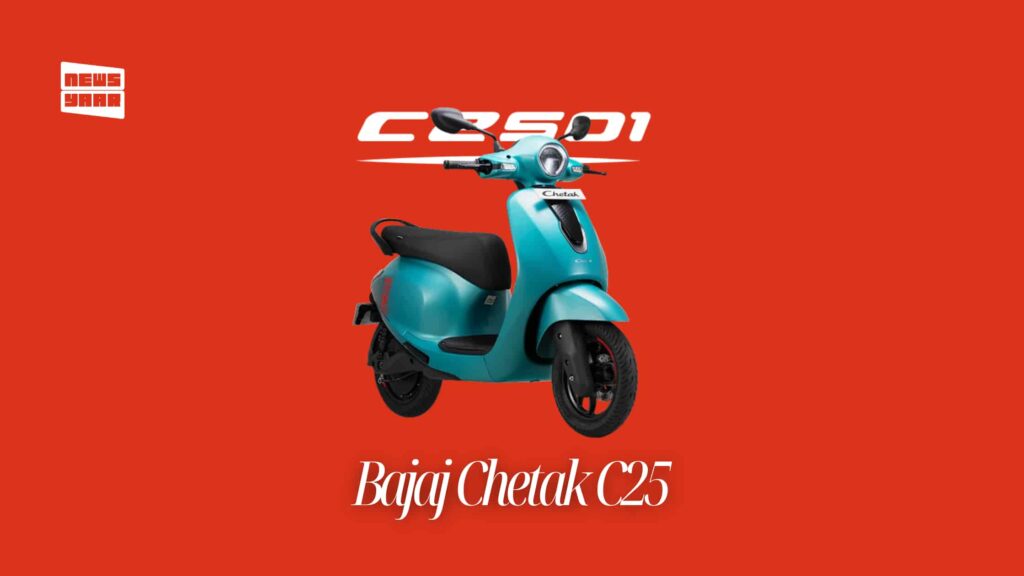
AUTO Bajaj Chetak 2026 Electric Scooter Launched in India: Price, Range, Features and What You Need to Know Newsyaar January 19, 2026 8:19 pm Bajaj Auto has expanded its electric scooter portfolio with the launch of the Bajaj Chetak C25 in India, bringing a more accessible and city-focused variant to its popular Chetak electric lineup. The new model, priced competitively in the growing electric two-wheeler segment, is designed specifically for urban commuters and daily use. Entry-Level Electric Mobility: What’s New in 2026 On 14 January 2026, Bajaj Auto officially introduced the Bajaj Chetak C25, marking a strategic push to make electric scooters more affordable without compromising core Chetak attributes such as build quality and reliability. The C25 model joins the existing 35 Series and other Chetak variants as part of Bajaj’s effort to capture a larger share of India’s rapidly growing EV market. With competition intensifying from brands like Ola, Hero and TVS, Bajaj’s move towards budget-friendly electrics targets everyday riders who want a dependable city commuter. Price, Battery and Range Ex-showroom price: ₹91,399 (Bengaluru) Battery capacity: 2.5 kWh Claimed range: Up to 113 km on a single charge (IDC certified) Charging time: Approximately 80% in about 2 hours 25 minutes using a suitable charger This range and pricing position the Chetak C25 as one of the most affordable electric scooters in its category, making it attractive for daily city travel and short commutes. Performance and Design The Chetak C25 retains many of the styling cues and build philosophy of earlier Chetak models while introducing features tailored for urban ease: Motor: Hub-mounted electric motor designed for city cruising Top speed: Around 55 km/h Body: Metal frame construction, characteristic of Chetak’s durability Display: LCD instrument console with essential ride information Storage: Around 25 litres under-seat space Bajaj Auto has retained the signature metal body and sturdy build quality that Chetak is known for, even as it aims for a lighter, more agile feel suited to dense city traffic. Features and Technology While not as feature-rich as higher-end models, the C25 offers practical kit for daily use: Hill Hold Assist for easier starts on slopes Guide-Me-Home lighting for safety at night Bluetooth and LCD display with basic connectivity USB charging port for mobile devices These features are aimed at balancing practicality with value, ensuring riders get essential EV tech without paying a premium. Availability and Booking The Bajaj Chetak C25 is available for booking online and at official dealerships across India. As stocks reach showrooms, deliveries are expected to begin soon, giving early adopters an advantage in a segment where demand continues to grow. How it Compares with Other Models The new Chetak wariant sits below the established 35 Series in both price and specifications, making it a strong competitor to other affordable electric scooters such as the Hero Vida VX2 Go and TVS Orbiter in the sub-₹1 lakh category. Compared to more premium Chetak variants (which offer larger batteries, longer range and advanced features), the C25 focuses on efficiency and everyday practicality, making it ideal for 9-to-5 commuters and urban families looking for a reliable second vehicle. What This Launch Means for the EV Market With this launch, Bajaj Auto aims to strengthen its position in the electric two-wheeler ecosystem. The company has previously held significant market presence with its older combustion-engine scooters, and the Chetak name carries strong brand equity among Indian riders. The C25’s accessible pricing and competitive range are likely to attract first-time EV buyers and riders seeking an upgrade from conventional scooters, reinforcing the shift toward electrification in India’s personal mobility landscape. https://www.youtube.com/watch?v=-XYCQBKzfHk Video credit: YT@/ChetakOfficial About the Author Auto Reporter Share via Copied Comments Post Comment
National Startup Day 2026: India Celebrates a Decade of Entrepreneurial Transformation
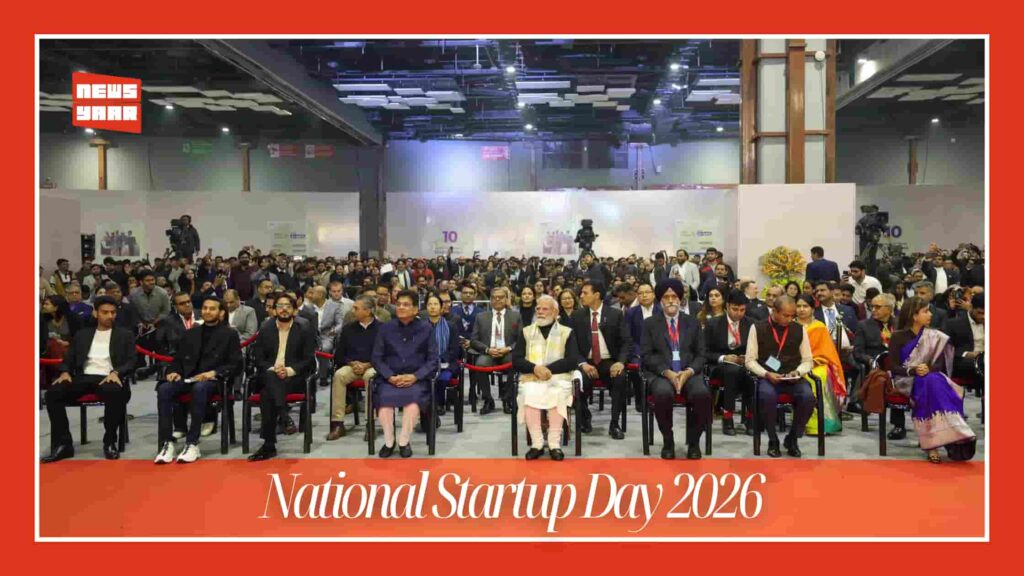
STARTUPS National Startup Day 2026: India Celebrates a Decade of Entrepreneurial Transformation Newsyaar January 19, 2026 7:50 pm New Delhi, 16 January 2026: India marked National Startup Day 2026 with grand celebrations highlighting ten years of the government’s Startup India initiative and its transformative impact on the nation’s innovation landscape. The event drew founders, investors, policymakers, and ecosystem leaders from across the country to reflect on the journey of entrepreneurship and chart the path ahead. At a flagship event held in New Delhi, Prime Minister Narendra Modi joined startup founders and industry stakeholders to commemorate the milestone. Addressing the gathering, he emphasized the courage and innovative spirit of India’s youth, calling startups engines of economic growth and societal change. His remarks underscored how risk–taking and problem-solving have become mainstream within the entrepreneurial community. Over the past decade since the launch of Startup India, more than 200,000 startups have been recognised across sectors such as technology, healthcare, climate solutions, logistics, fintech, and education. These ventures have collectively generated millions of jobs and helped India emerge as one of the world’s largest and most dynamic startup ecosystems. The celebrations showcased a broad shift in the startup narrative—from chasing rapid valuations to focusing on sustainable growth and real-world impact. Industry experts highlighted that Indian startups are increasingly building deep-tech and AI-driven solutions tailored to local challenges, with a rising emphasis on climate tech, healthcare innovation, and sovereign AI platforms. A notable trend highlighted during the day was the geographical diversification of entrepreneurship. Recent data suggests that over half of registered startups now originate from Tier-2 and Tier-3 cities, signalling a decentralisation of innovation beyond traditional metropolitan hubs. Panel discussions and keynote sessions throughout the event brought to light how startups are contributing to India’s economic resilience, job creation, and technological advancement. Speakers also discussed policy priorities for the next decade, including a renewed push into manufacturing, deep-tech research, and global market expansion. Celebrations were not limited to New Delhi alone. Across states and regions, local startup communities hosted meetups, pitch events, and mentoring sessions, reinforcing a nationwide commitment to empowering entrepreneurs. As National Startup Day 2026 concluded, the startup ecosystem stood not only proud of its achievements over the last ten years but also energized for future challenges, firmly anchored in innovation, inclusivity, and impact. https://www.youtube.com/watch?v=MMbxe9uiAEA Video credit: YT@/NaMo https://www.youtube.com/watch?v=6Io_e-QP1XU Video credit: YT@/NaMo About the Author Startups Reporter Share via Copied Comments Post Comment
Madhavi Latha: The Engineer Behind the World’s Highest Rail Bridge

SCIENCE Madhavi Latha: The Engineer Behind the World’s Highest Rail Bridge When the Chenab Rail Bridge, the world’s highest railway bridge, stands tall amid the rugged Himalayas, it represents more than an engineering marvel. It tells the story of Dr. G. Madhavi Latha, the engineer whose expertise and vision played a pivotal role in turning an impossible idea into reality. She has also been awarded the NDTV Science Icon of the Year Award. Towering at 359 metres above the Chenab River in Jammu and Kashmir, the bridge is higher than the Eiffel Tower and is one of India’s most ambitious infrastructure projects. Designed to withstand extreme winds, earthquakes, and challenging geological conditions, the Chenab Bridge is a symbol of modern India’s engineering strength, and Dr. Madhavi Latha was at the heart of it. A professor at IIT Madras, Dr. Madhavi Latha, served as the geotechnical consultant for the project. Her role was crucial: the bridge stands in a highly seismic zone with fragile rock formations and unpredictable terrain. Traditional construction methods were not enough. Innovative geotechnical solutions were required to stabilise slopes, design foundations, and ensure long-term safety in one of the most hostile environments imaginable. Dr. Latha and her team worked extensively on slope stabilisation, foundation design, and rock reinforcement, addressing landslide risks and geological uncertainties. What made the challenge even greater was the remoteness of the site, harsh weather conditions, and limited accessibility. Despite these obstacles, her scientific approach and practical problem-solving ensured that the bridge could safely support high-speed trains while enduring nature’s extremes. Beyond its technical brilliance, Dr. Madhavi Latha’s contribution carries deep symbolic value. In a field traditionally dominated by men, her leadership and expertise have made her an inspiration for young engineers across India. She has often spoken about how the project demanded patience, collaboration, and unwavering commitment, qualities as critical as technical knowledge. The Chenab Rail Bridge is a vital link in the Udhampur–Srinagar–Baramulla Rail Line (USBRL) project, aimed at improving connectivity, mobility, and development in Jammu and Kashmir. Its completion marks a major milestone in India’s infrastructure journey. Dr. Madhavi Latha’s story reminds us that behind every iconic structure lies human effort, intellect, and resilience. As trains begin to cross the world’s highest rail bridge, they carry with them not just passengers, but the legacy of an engineer who redefined what was possible. About the Author Science Reporter Share via Copied Comments Post Comment
India’s DHRUV64: The First 1 GHz, 64-Bit Dual-Core Microprocessor
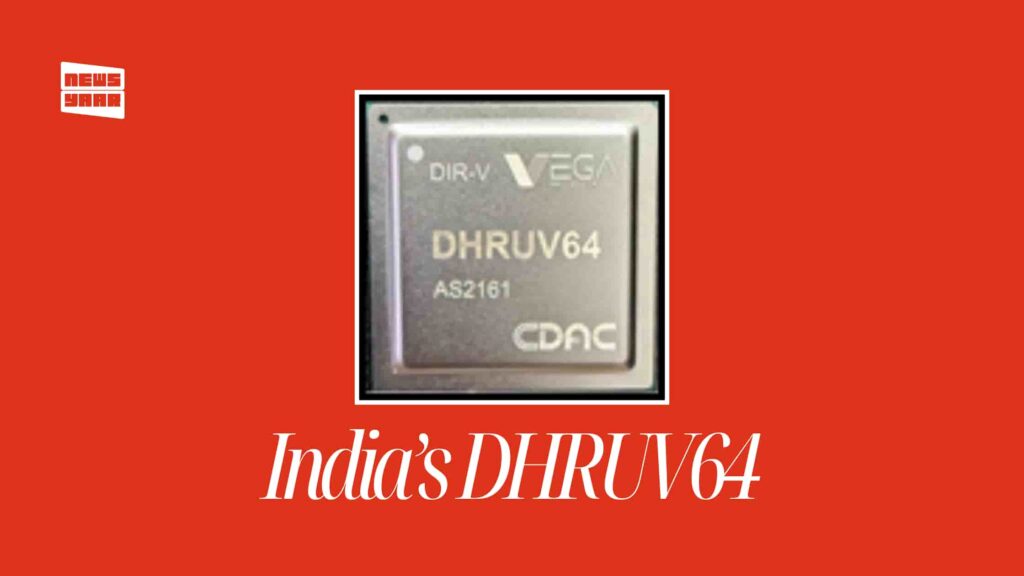
TECH India’s DHRUV64: The First 1 GHz, 64-Bit Dual-Core Microprocessor In a landmark moment for India’s semiconductor ambitions, the Centre for Development of Advanced Computing (C-DAC) has unveiled DHRUV64, the country’s first 1 GHz, 64-bit dual-core microprocessor. Developed under the government’s Microprocessor Development Programme and showcased as part of the Digital India RISC-V (DIR-V) initiative, DHRUV64 represents a major stride toward self-reliance in advanced chip design and computing technology. A Milestone in Indigenous Chip Design DHRUV64 is built on an open-source RISC-V architecture, an increasingly popular set of instructions that allows chip designers to innovate without costly licensing fees from foreign companies. Operating at a clock speed of 1.0 GHz with dual processing cores and 64-bit capability, it brings India into the realm of gigahertz-class embedded processors, a class previously dominated by global players. Unlike earlier academic or specialised chips, DHRUV64 is designed for broader strategic and commercial applications, including industrial automation, automotive electronics, 5G infrastructure, consumer devices, and Internet of Things (IoT) systems. It supports modern operating systems, integrates with diverse hardware systems, and provides multitasking efficiency suited for a range of real-world deployments. How Does It Matter? India currently consumes roughly 20 percent of the world’s microprocessors, yet historically has relied heavily on imports for core computing technology. Developing a homegrown processor like DHRUV64 is significant not only for technological sovereignty but also for enhancing security, reducing supply-chain vulnerabilities, and building local expertise in semiconductor design. By creating a platform that domestic startups, researchers, and established companies can build upon, DHRUV64 is expected to boost innovation across the electronics ecosystem and support cheaper prototyping and product development. It also provides a foundation for a growing pipeline of skilled chip design professionals, further energising India’s tech sector. A Step Toward Aatmanirbhar Bharat in Technology DHRUV64 marks a continuation of India’s journey toward an Aatmanirbhar (self-reliant) semiconductor ecosystem. The chip follows earlier indigenous designs such as SHAKTI, AJIT, VIKRAM, and THEJAS64, and sits alongside future variants like Dhanush and Dhanush+ in the development pipeline. While India still relies on global fabrication technologies for manufacturing, the design and strategic deployment of processors like DHRUV64 signal a slow but steady shift toward autonomous capabilities in core computing technologies, a critical competitiveness marker in the global tech landscape. About the Author Tech Reporter Share via Copied Comments Post Comment