




Fractal Analytics IPO Debuts Muted: Shares List at 2.7% Discount, Close Day 1 Down 6% Amid AI Hype Fade

BUSINESS Fractal Analytics IPO Debuts Muted: Shares List at 2.7% Discount, Close Day 1 Down 6% Amid AI Hype Fade Mumbai, February 16, 2026 – AI-driven analytics firm Fractal Analytics made a tepid stock market entry today, listing at ₹876 on NSE (2.7% below the ₹900 IPO price) and flat at ₹900 on BSE, before closing the first day down 6%, signaling investor caution despite 2.66x oversubscription. With a listed market cap of ₹15,061 crore, the debut underscores market demand for execution proof over “AI buzz,” as grey market premium (GMP) flipped negative at -₹10 (-1.11%). IPO Snapshot and Subscription Breakdown The ₹1,526 crore IPO (Dec 9-11, 2025; price band ₹857-900; lot size 16 shares) drew solid institutional interest (4.05x) but tepid retail/non-institutional bids (~1x). Allotment finalized Feb 12; trading commenced Feb 16 post-approvals. Promoters: Srikanth Velamakanni, Pranay Agrawal, Chetana Kumar, Narendra Kumar Agrawal, Rupa Krishnan Agrawal. GMP swung from +₹180 high to -₹10 low, forecasting ₹890 listing, mirroring sentiment. Key Metric Details Issue Size ₹1,526 crore Subscription 2.66x overall Listing (NSE/BSE) ₹876 / ₹900 GMP (Feb 16) -₹10 (-1.11%) Mkt Cap (Listing) ₹15,061 crore Post-listing P/E: 65.6x FY25 profits (down from 67.37x at IPO); 109.1x annualized H1 FY26, premium to Nifty 50 (~22x), pricing in growth but vulnerable to misses. Funds Utilization: Growth Bets with Risks Net proceeds target: Prepay Fractal USA borrowings. Laptops, new India offices, R&D/sales/marketing via Fractal Alpha. Inorganic growth (≤25% cap), general purposes (≤35% total).Unappraised by banks; three-year deployment. No variation without shareholder nod (special resolution). Risks: Delays, overruns, alternative funding needs (debt/accruals). Key Risks from RHP: Execution Hurdles Fractal flagged multiple red flags: Operations: All 24 offices leased (non-renewal risk); 78.2% PPE insured (gaps/exclusions). Growth: Regulatory delays, hiring woes; client concentration (top 10: 54.2% Fractal.ai revenue); US reliance (64.9%). Financials: Employee costs 72.2% revenue (H1 FY26); cash lags possible. Compliance/Tax: Anti-bribery/sanctions exposure; Finance Bill 2025 uncertainties; LTCG 12.5% (>₹1.25L, >12mo hold), STCG 20%. Governance: Concentrated post-IPO holding (Apax, OLMO, TPG, promoters); PFIC risk for US investors; internal controls critical.Anchor lock-ins: 50% till Mar 13, 2026; rest May 12—potential volatility triggers. What to Watch: Investor Triggers Q4 FY26 Results: Validate FY25 ₹220.6 crore profit; margin stability amid people costs. Client Metrics: 122 MWCs (Sep 2025); sticky revenue vs. headcount bloat. Cash Flows: Receivables quality in a project-heavy model. Peers: Premium tech-services+AI valuation; execution > narrative. Analysts eye partial profit-taking for allottees; long-term hold if margins/client base expand. Fractal’s AI analytics pitch met reality check, market demands quarterly proof amid fading hype. Track live at indmoney.com/ipo/fractal-analytics-ipo. Valuation: Premium Pricing, Execution Squeeze Listing P/E 65.6x FY25 (109x H1 FY26 annualized), steep vs. Nifty (~22x), peers. ROCE 13%; per-unit spend ₹0.93/Rs earned FY25. GMP crash (-₹10) reflects fading AI buzz; 2.66x subscription (QIBs 4x, retail ~1x) shows selective appetite. Mkt cap ₹15,061 Cr at list; anchor lock-ins (Mar/May 2026) loom as supply risks. Bull vs. Bear: Balanced Risks Bulls: AI platforms scale margins (45.9% gross); enterprise wins (Google, Wells Fargo); IPO funds inorganic growth (25% cap), offices, R&D. Services-to-subs shift boosts repeatability. Bears: People-heavy (72% costs); unappraised proceeds; leased ops (24 sites); tax/compliance/PFIC risks; no cash flow details signal receivables lag potential. Q4 FY26 must sustain margins amid salary inflation. Investor Playbook Traders: Eye ₹900 resistance; sell on lock-in spikes. 6-12 Months: Hold if Q4 confirms profit stability, client diversification. Long-Term: Bet on AI embedment if subs >20% mix, US demand holds. Partial exits prudent; track cash flows, top-client stability over hype. Fractal’s story hinges on proving scalable profitability, not just “AI-first” labels, in a crowded analytics field.
Why Gold and Silver Prices Are Rising: Key Reasons Behind the Metals Surge
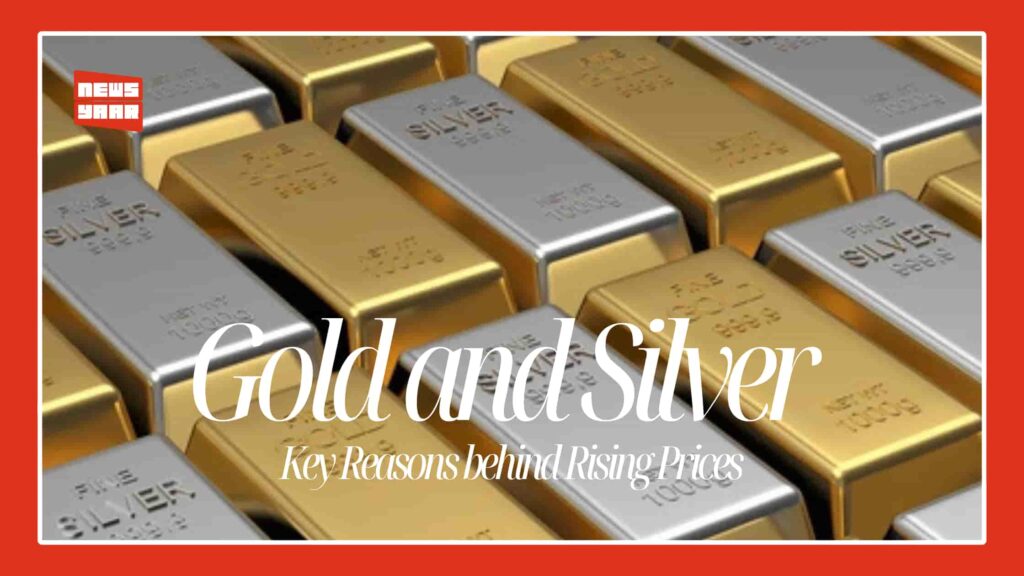
BUSINESS Why Gold and Silver Prices Are Rising: Key Reasons Behind the Metals Surge As global markets continue to face uncertainty, gold and silver prices have been witnessing a steady upward trend, reinforcing their long-standing status as safe-haven assets. From geopolitical tensions to economic slowdowns, multiple factors are pushing investors toward precious metals, making gold and silver increasingly attractive in both domestic and international markets. Safe-Haven Demand Amid Global Uncertainty One of the primary reasons behind the rising prices of gold and silver is growing global uncertainty. Ongoing geopolitical conflicts, trade tensions, and instability in key regions have made investors cautious about riskier assets like equities. In such times, precious metals are seen as a store of value, leading to higher demand and, consequently, rising prices. Inflation and Currency Fluctuations Persistent inflation across major economies has also played a crucial role. When inflation erodes the purchasing power of money, investors turn to gold and silver as hedges against rising prices. Additionally, fluctuations in major currencies, particularly the US dollar, influence metal prices. A weaker dollar often makes gold and silver cheaper for global buyers, boosting demand. Central Bank Policies and Interest Rates Monetary policies adopted by central banks worldwide significantly impact precious metal markets. Expectations of interest rate cuts or a pause in tightening cycles make non-yielding assets like gold and silver more attractive. When interest rates remain low or are expected to decline, investors are less inclined toward fixed-income instruments and more inclined toward commodities. Industrial Demand for Silver While gold is largely driven by investment and jewellery demand, silver benefits from strong industrial usage as well. Silver is a key component in sectors such as electronics, renewable energy, electric vehicles, and solar panel manufacturing. With the global push toward green energy and technological advancement, industrial demand for silver has grown, contributing to its price rise. Strong Domestic Demand and Festive Buying In countries like India, cultural and festive demand also plays an important role. Weddings, festivals, and traditional investments lead to consistent buying of gold and silver, especially during auspicious periods. Rising demand during these seasons often adds upward pressure on prices. With India being one of the world’s largest consumers of gold, any movement in international prices quickly reflects in local bullion markets. Conclusion The growing prices of gold and silver reflect a complex mix of global economic trends, investor sentiment, and industrial demand. Whether for investment, jewellery, or industrial use, precious metals remain central to financial strategies in uncertain times. As markets evolve, gold and silver are expected to continue shining as reliable assets in diversified portfolios. About the Author Business Reporter Share via Copied Comments Post Comment