




Kalinga Literary Festival 2026: Four Days of Ideas, Culture and Literary Confluence in Bhubaneswar
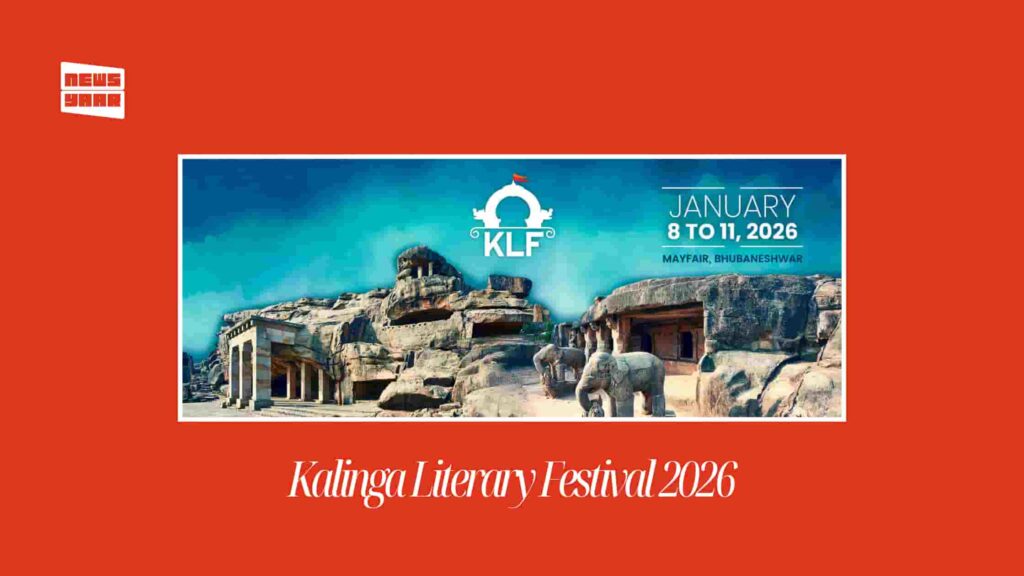
EVENTS Kalinga Literary Festival 2026: Four Days of Ideas, Culture and Literary Confluence in Bhubaneswar Bhubaneswar, Odisha — January 8–11, 2026: The 12th edition of the Kalinga Literary Festival (KLF) concluded in Bhubaneswar with an expansive celebration of literature, culture and intellectual dialogue, bringing together hundreds of authors, thinkers, poets, translators, artists and public intellectuals from India and abroad. Organised by the Kalinga Literary Festival Pvt. Ltd. under the stewardship of Founder & Director Rashmi Ranjan Parida, the annual gathering has grown into one of India’s most significant literary platforms, bridging regional narratives with global conversations. A Festival with Global Reach and Cultural Depth Held across multiple venues within Mayfair Lagoon, Bhubaneswar, the four-day festival positioned itself at the intersection of literature, culture, public policy, technology and civilisational thought. With the overarching theme “Stories That Shape Humanity: Translating Worlds, Transforming Futures,” KLF 2026 emphasised translation, narrative power, cross-cultural exchange and the contemporary relevance of storytelling — inviting audiences to explore how literature interacts with identity, technology, democracy, sustainability and performance arts. This edition was also notable for its integration of the 10th Kalinga Art Festival, showcasing visual and performative arts alongside literary dialogues, making the event a richly layered cultural experience. Inauguration and Distinguished Guests The festival’s inauguration on January 8, 2026 featured an impressive array of dignitaries and cultural figures: Shri Kanak Vardhan Singh Deo, Deputy Chief Minister of Odisha — Chief Guest Dr. Upali Pannilage, Minister of Rural Development, Sri Lanka — Guest of Honour Shri Harivansh Narayan Singh, Deputy Chairman, Rajya Sabha — Guest of Honour Shri Suryabanshi Suraj, Minister of Culture & Sports, Odisha Ambassador Philip Green OAM, Australia’s High Commissioner to India Shri Sujeet Kumar, MP, Odisha Dr. Binod Chaudhury, Nepalese industrialist & philanthropist Shri Sudarshan Sahoo, Padma Vibhushan awardee Dr. Pratibha Ray, Padma Bhushan awardee Ms. Tanaya Patnaik, Executive Director, Sambad Group Shri Ashok Kumar Bal served as CEO & Patron of KLF, welcoming attendees, while Rashmi Ranjan Parida outlined the vision and cultural significance of the festival. Extensive Speaker Line-up and Influential Voices KLF 2026 featured a distinguished roster of more than 400 speakers, blending international award-winning figures with prominent Indian writers, artists, commentators and thought leaders. Some of the notable speakers and contributors included: Padma Shri Malini Awasthi – celebrated Indian folk singer and cultural ambassador, anchoring performances that blended literature with music. Daisy Rockwell – award-winning artist, writer and translator whose translations have won international honours. Banu Mushtaq – International Booker Prize winner. Deepa Bhasthi – Booker Prize–winning author and cultural critic. Ram Madhav – strategic thinker, author and political voice. Acharya Prashant – spiritual leader and speaker drawing large audiences. Sudhir Mishra – acclaimed filmmaker engaging on cinema and narrative culture. Tuhin A. Sinha – author and political commentator. Arun Lal – former Indian cricketer and writer, presenting on life, sport and narrative history. Amit Lodha – IPS officer and author known for Bihar Diaries. Priya Arora, Sushil Doshi, Dr. Sajjan Singh Yadav, Swati Pandey, Madhuchhanda Bal and many more talents spanning journalism, poetry, translation, essay, art and cultural criticism. This eclectic mix ensured a multi-disciplinary engagement, encouraging dialogue beyond literature into public policy, society, technology, gender, sustainability and more. Sessions and Programmes: Diverse Ideas in Conversation Across its four days, KLF 2026 facilitated a rich array of formats — panel discussions, interviews, conversational salons, poetry readings, translation forums, and masterclasses. Highlights included: International Storytelling Panels that explored how translation bridges voices across cultures and languages Gender, Identity & Feminism Discussions led by writers and scholars investigating contemporary literary narratives Politics, Democracy & Public Policy Conversations with authors and commentators analysing India’s socio-political framework Writing for the Future & AI Forums where evolving technologies and literature intersected Cinema and Story Culture Sessions illuminating how narrative art forms shape public imagination Poetry and Multilingual Workshops celebrating Indian languages alongside world literatures The festival also dedicated space to regional literary traditions, including a focus on Odia literature, storytelling practices, and poetry across borders, acknowledging the cultural depth of India’s myriad languages. Awards, Art and Recognition At the opening ceremony, several prestigious honours were conferred in recognition of literary achievement and cultural contribution: International Living Legend Award: Dr. Binod Chaudhary Kalinga Literary Award: Shri Achyutananda Pati Kalinga International Literary Award: Daisy Rockwell Kalinga Literary Award (Youth): Ranjana Niraula Odisha Living Legend Awards: Pandit Harmohan Khuntia, Shri Govardhan Dora Special awards including the KLF-Penguin Review Project and KLF-Sambad Book Review Awards These recognitions underscored the festival’s commitment to honouring excellence across genres, generations and geographies. Cultural Fusion: Music, Performance, and Engagement Beyond discussions, KLF 2026 integrated music and performance arts. Evening programmes featured performances by Padma Shri Malini Awasthi and other artists, weaving literary themes with folk and classical traditions — a reminder that literature and performance often co-create cultural memory. The festival’s inclusive format also embraced workshops, heritage walks and book launches, turning Bhubaneswar into a vibrant hub of ideas and creative exchange for readers, students and practitioners alike. Why KLF 2026 Holds Special Significance The Kalinga Literary Festival has, over the years, transformed from a regional gathering into a global literary forum where ideas intersect with lived experience and cultural imagination. Rooted in Odisha’s civilisational heritage, KLF continues to expand its reach internationally, with initiatives and editions planned beyond India’s borders, reconnecting ancient cultural ties with contemporary creative discourse. As founder Rashmi Ranjan Parida articulated, the festival reflects a belief that stories do more than entertain — they shape empathy, influence thought and help societies imagine better futures. With its rich programming, diverse voices and deep engagement with literary and cultural themes, KLF 2026 has once again cemented its role as a cornerstone event in India’s literary calendar. The festival not only created spaces for dialogue but also fostered cross-cultural appreciation, making Bhubaneswar a focal point for global conversations on literature and ideas.
International Theatre Festival of Kerala 2026: Thrissur Set to Transform into a Global Stage for Theatre
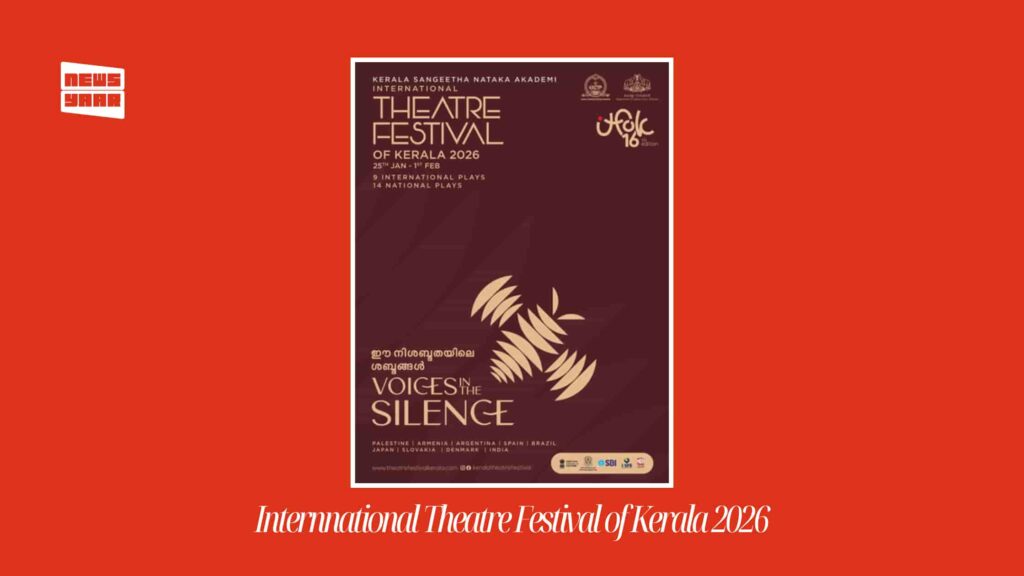
ENTERTAINMENT International Theatre Festival of Kerala 2026: Thrissur Set to Transform into a Global Stage for Theatre Newsyaar January 23, 2026 6:52 pm The 16th International Theatre Festival of Kerala (ITFoK) is set to take place from 25 January to 1 February 2026 in Thrissur city, Kerala, reaffirming its position as one of India’s most significant international cultural events. Organised by the Kerala Sangeetha Nataka Akademi under the Cultural Department of the Government of Kerala, the festival will bring together theatre practitioners, scholars and audiences from across the world to celebrate performance, dialogue and storytelling in its many forms. The week-long festival will be hosted across multiple venues in Thrissur, with the Kerala Sangeetha Nataka Akademi complex serving as the focal point. Key performance spaces will include the Murali Outdoor Theatre, K. T. Muhammed Regional Theatre, and other designated cultural venues across the city, transforming Thrissur into a vibrant, open stage for global theatre. Dates, Theme and Structure Event: International Theatre Festival of Kerala (ITFoK) 2026 Edition: 16th Dates: 25 January to 1 February 2026 Venue: Thrissur, Kerala Organiser: Kerala Sangeetha Nataka Akademi, Government of Kerala The 2026 edition will be presented under the theme “Voices in the Silence”, a concept that reflects theatre’s enduring ability to articulate unspoken realities through movement, dialogue, visual language and performance. The theme highlights ITFoK’s emphasis on theatre as both artistic expression and social commentary, especially in a time marked by global uncertainty, conflict and transformation. Performances and International Participation ITFoK 2026 will feature 23 plays across approximately 46 performances, showcasing a carefully curated mix of international and Indian productions. Theatre groups from Argentina, Brazil, Armenia, Palestine, Slovakia, Spain, Japan and Denmark are scheduled to participate, presenting works that span classical theatre, contemporary experimentation and cross-cultural collaboration. Indian theatre will be represented by productions from Kerala, Rajasthan, Assam, Maharashtra and Tamil Nadu, offering audiences exposure to diverse linguistic traditions, regional aesthetics and evolving performance practices. The programme aims to place Indian theatre in dialogue with global narratives, encouraging comparative engagement and artistic exchange. Several international productions are expected to address themes such as identity, memory, political conflict, displacement and social change, reinforcing ITFoK’s reputation as a festival that privileges substance, experimentation and intellectual depth. Organisation and Accessibility Since its inception in 2008, the International Theatre Festival of Kerala has grown into one of Asia’s most respected theatre festivals. The event is fully organised and curated by the Kerala Sangeetha Nataka Akademi, with institutional support from the state’s cultural machinery. For the 2026 edition, organisers have expanded the number of plays compared to previous years, reflecting renewed focus on diversity and scale. In addition to stage performances, the festival will also include cultural interactions, informal discussions and academic engagements, fostering dialogue between artists, scholars and audiences. While tickets are required for major performances, several associated programmes and discussions will remain open to the public, ensuring wider access and community participation. Cultural Importance of ITFoK The International Theatre Festival of Kerala occupies a distinctive place in India’s cultural landscape. It functions not merely as a performance showcase, but as a space for cultural diplomacy, artistic exchange and critical reflection. By bringing global theatre traditions to a regional Indian audience, ITFoK contributes to expanding cultural literacy and deepening engagement with contemporary global issues. The festival also reinforces Thrissur’s identity as a cultural capital of Kerala, complementing the city’s long-standing association with classical arts, festivals and literary traditions. Each edition attracts theatre enthusiasts, students and visitors from across India, adding to the city’s cultural and intellectual vibrancy. Looking Ahead As ITFoK 2026 prepares to open on 25 January, expectations are high for a festival that continues to push the boundaries of performance while remaining rooted in dialogue and inclusivity. With its expanded programme, strong international presence and thematic focus on unheard voices, the festival is poised to reaffirm its relevance in both Indian and global theatre circuits. By sustaining conversations across borders, languages and artistic traditions, the International Theatre Festival of Kerala continues to position theatre as a living, evolving medium — one that reflects society, questions power and invites audiences to engage more deeply with the world around them. About the Author Entertainment Reporter Share via Copied Comments Post Comment