




Maru Mahotsav 2026: Know Jaisalmer’s Rich Legacy & Culture
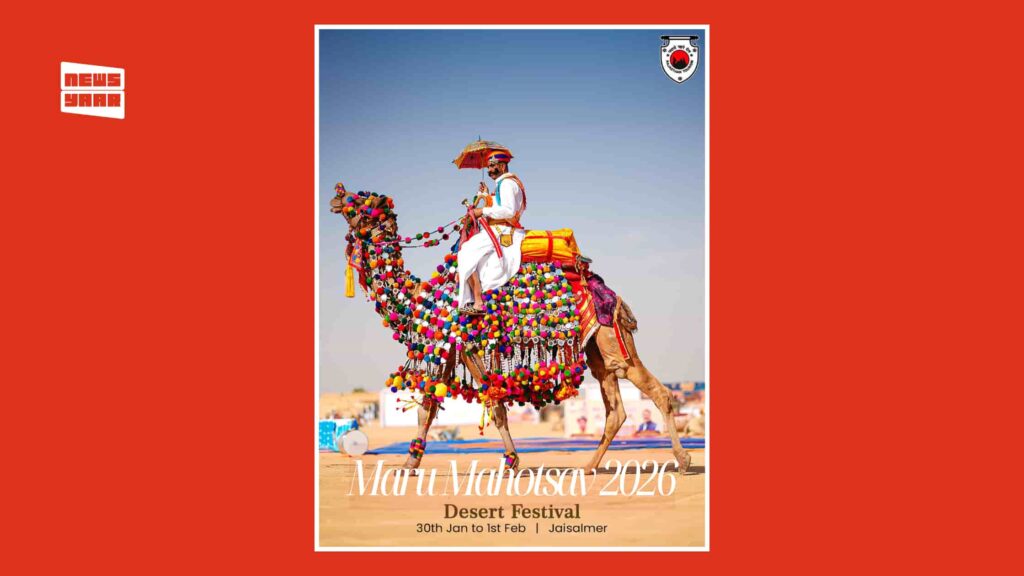
TRAVEL Maru Mahotsav 2026: Know Jaisalmer’s Rich Legacy & Culture Newsyaar February 5, 2026 6:19 pm Three-day festival draws thousands of domestic and international tourists to experience Rajasthan’s vibrant traditions Jaisalmer: The Maru Mahotsav 2026, also known as Desert Festival, currently underway at Jaisalmer’s Shaheed Poonam Singh Stadium, has transformed the Golden City into a vibrant cultural hub, bringing together locals, artists, and tourists to celebrate the rich heritage of Rajasthan’s Thar Desert. The three-day festival, which commenced on January 30 and will conclude on February 1, showcases the colorful traditions, folk music, dance performances, and cultural contests that define the desert region’s unique identity. Set against the backdrop of Jaisalmer’s iconic golden sandstone architecture and vast dunes, the event has attracted visitors from across India and around the world. Cultural Competitions Crown New Winners The festival featured several prestigious cultural competitions on its opening day. Manish Panwar was crowned “Maru Shri 2026,” fulfilling what he described as a childhood dream. “I participated in the competition, and I have won… This was my childhood dream,” Panwar told ANI, visibly emotional about his achievement. Kusum Panwar from Bikaner won the coveted “Miss Moomal 2026” title, expressing her pride in representing Rajasthan’s cultural heritage. “This program is held to move our culture forward… I just wanted to participate in this,” she said, highlighting the festival’s role in preserving traditional values. Taj, who secured the “Mrs. Jaisalmer 2026” crown, shared her excitement: “I got very excited when my name was announced… I am very happy.” The competitions also included traditional events such as turban-tying contests and mustache competitions, reflecting the region’s distinctive cultural practices. A Global Cultural Attraction The Maru Mahotsav has emerged as a significant tourist attraction, drawing both domestic and international visitors. Lucia, a tourist from Brazil, expressed her delight at experiencing the desert celebrations. “This festival is amazing. We are very happy here,” she said, echoing the sentiments of numerous international attendees who have traveled to witness Jaisalmer’s cultural spectacle. Festival Highlights and Events The festival’s packed schedule offers something for everyone. Visitors have been treated to mesmerizing folk music and dance performances, including the traditional Ghoomar dance. Thrilling camel races and camel polo matches showcase the desert animal’s central role in regional culture and history. The Art & Craft Bazaar has been a major attraction, featuring traditional Rajasthani handicrafts, textiles, and artworks, allowing visitors to take home authentic pieces of desert culture. A Food Festival offers attendees the opportunity to savor authentic Rajasthani cuisine, from dal baati churma to ker sangri. Modern elements blend seamlessly with tradition at the festival. Evening performances have included a spectacular drone show, combining cutting-edge technology with traditional festivities. Cultural evenings feature performances by renowned artists, creating magical moments under the desert sky. Cultural Preservation and Tourism The Maru Mahotsav serves a dual purpose, preserving Rajasthan’s rich cultural heritage while boosting tourism in the region. The festival provides a platform for local artists and performers to showcase their talents, ensuring that traditional art forms continue to thrive in the modern era. The event also offers visitors unique experiences, such as folk art exhibitions at historic sites like Kuldhara and Khaba Fort, where the Mandana Art Exhibit displays intricate Rajasthani folk paintings. Musical performances at Khuri Sand Dunes create an authentic desert atmosphere, allowing tourists to experience the region’s musical heritage in its natural setting. Grand Finale Awaits As the festival approaches its conclusion on February 1, organizers have planned a spectacular grand finale. The final evening will feature a magnificent fireworks display that will illuminate the desert sky, providing a fitting end to the three-day celebration of Rajasthani culture. The Maru Mahotsav 2026 has once again proven that Jaisalmer remains one of India’s most captivating cultural destinations, where ancient traditions meet modern celebrations in the heart of the Thar Desert. About the Author Travel Reporter Share via Copied Comments Post Comment
National Tourism Day 2026: Celebrating India’s Cultural Heritage, Economic Growth and Youth Engagement
EVENTS National Tourism Day 2026: Celebrating India’s Cultural Heritage, Economic Growth and Youth Engagement Newsyaar February 2, 2026 1:33 pm National Tourism Day is observed annually on January 25 in India to recognise the vital role tourism plays in the nation’s socio-economic development, cultural exchange and heritage conservation. In 2026, the country marked National Tourism Day with multi-theme programmes, state participation, youth-oriented activities, and initiatives to boost both domestic and international travel. Tourism is one of India’s fastest-growing economic sectors, contributing significantly to employment, foreign exchange earnings and community-led development. National Tourism Day highlights these dimensions while promoting travel awareness, sustainability and inclusive participation across regions and communities. Background: Why National Tourism Day Matters National Tourism Day commemorates the adoption of the National Tourism Policy in 2002, a landmark moment when the Government of India formally recognised tourism as a key driver of economic growth and cultural diplomacy. The policy aimed to expand tourism infrastructure, incentivise private sector participation, enhance employability, and position India as a global travel destination. Over the years, tourism has become a major employment generator, particularly in rural and semi-urban areas. The sector supports jobs across hospitality, transportation, cultural industries, handicrafts, heritage management, tour operations, adventure travel and wellness tourism. According to industry estimates, tourism contributes 7–9% of India’s GDP and supports millions of direct and indirect jobs across the country. Post-pandemic recovery and strategic initiatives have further elevated tourism as a priority sector in national development planning. National Tourism Day 2026: Themes and Programmes In 2026, National Tourism Day was marked with a series of coordinated events spanning heritage walks, cultural performances, seminars, youth forums, heritage site launches and promotional campaigns. The Ministry of Tourism’s multi-theme programme emphasised: Heritage Conservation and Cultural Tourism: Celebrating India’s rich history through curated events at iconic sites. Youth Engagement and Education: Special outreach to students and young travellers to encourage tourism careers and awareness of local heritage. Sustainable and Eco-Friendly Tourism: Promoting responsible travel practices that protect landscapes and support community livelihoods. Local and Regional Specialties: Showcasing food, handicrafts, folk art and customs from various states to highlight India’s diversity. The multi-theme approach, adopted by state tourism departments, aimed to both celebrate India’s diverse cultural tapestry and provide economic opportunities for local artists, guides, heritage managers and hospitality professionals. National and State Participation The Ministry of Tourism, Government of India, coordinates National Tourism Day events in collaboration with state tourism boards, cultural institutions, educational bodies and industry associations. State governments organise activities such as: Heritage Walks and Site Visits: Guided tours at forts, temples, museums and historical cities such as Agra, Jaipur, Varanasi and Hampi. Tourism Promotion Fairs: Exhibitions featuring travel destinations, culinary showcases, handicraft bazaars and local performances. Youth Outreach and Awareness Campaigns: Competitions, webinars and campus events to engage students in tourism-related careers. Community Tourism Projects: Initiatives to promote village tourism, eco-trails, homestays and local enterprise models. For 2026, Uttar Pradesh — home to several major heritage sites including the Taj Mahal — held a flagship programme with tribal dance performances, youth engagement forums, skill development workshops and discussions on sustainable destination management. Significance: Beyond Travel National Tourism Day carries multi-layered significance: Economic Significance: Tourism drives economic activity through direct services (hotels, transport, tour operators) and indirect value chains (farmers, artisans, retail, logistics). Growth in visitor numbers fosters investment in infrastructure and amenities. Cultural and Social Impact: Tourism promotes cultural exchange, enabling travellers to experience India’s linguistic, religious and artistic diversity. Heritage conservation initiatives often receive momentum through tourism interests, leading to improved preservation and community pride. Youth Empowerment: With a large youth population, India views tourism as a sector that can offer meaningful careers — from tour guiding and hospitality to digital marketing, event management and sustainable adventure tourism. Global Connectivity: National Tourism Day also underscores India’s place in global travel circuits. India offers unique attractions spanning ancient monuments, biodiversity hotspots, spiritual circuits, hill stations, desert landscapes, backwaters and festivals that draw millions of international travellers every year. Key Initiatives and Government Measures The Government of India has undertaken several strategic measures to enhance India’s tourism footprint: Increased Connectivity: Development of airports, regional air routes, rail connectivity and waterways to improve access to remote and emerging destinations. Incentives for Homestays and Eco-Tourism: Policies to support local tourism entrepreneurs with training, grants and marketing support. Digital Platforms: Initiatives like the Incredible India portal, mobile apps, virtual tours and digital campaigns that offer seamless travel planning and destination information. Skill Development: Collaborations with hospitality training institutes and universities to build tourism-related skills among youth. Safety and Accessibility: Enhancing traveller safety, accessibility for differently-abled tourists and women traveller support systems. Such initiatives reinforce National Tourism Day’s role as both a celebration and a policy milestone, aligning tourism with broader national goals of employment generation, cultural preservation and economic progress. Tourism Trends and Future Outlook India’s tourism sector continues to register strong indicators of growth. Domestic travel has seen sustained enthusiasm, while international arrivals have rebounded following the pandemic. Emerging trends include: Experiential and Adventure Tourism: Rising demand for trekking, wildlife circuits, river rafting and off-beat trails. Wellness and Spiritual Tourism: Increased interest in Ayurveda, yoga retreats and spiritual heritage circuits such as Char Dham and Buddhist heritage trails. Eco-Tourism and Community Tourism: Focus on sustainability, homestays and tourism that directly benefits local communities. Industry analysts expect that India’s tourism sector will continue to expand its contribution to GDP and employment, particularly with supportive government policies, improved infrastructure and global travel confidence. How National Tourism Day Inspires Travellers Travellers and tourism stakeholders view National Tourism Day as an invitation to explore India’s untapped destinationsand celebrate its living heritage. The day inspires individuals, families, students and professionals to discover cultural gems, engage in sustainable travel