




Snowfall Returns to Bare Himalayas: Tourism Boom Brings Joy, Chaos, and Economic Lifeline
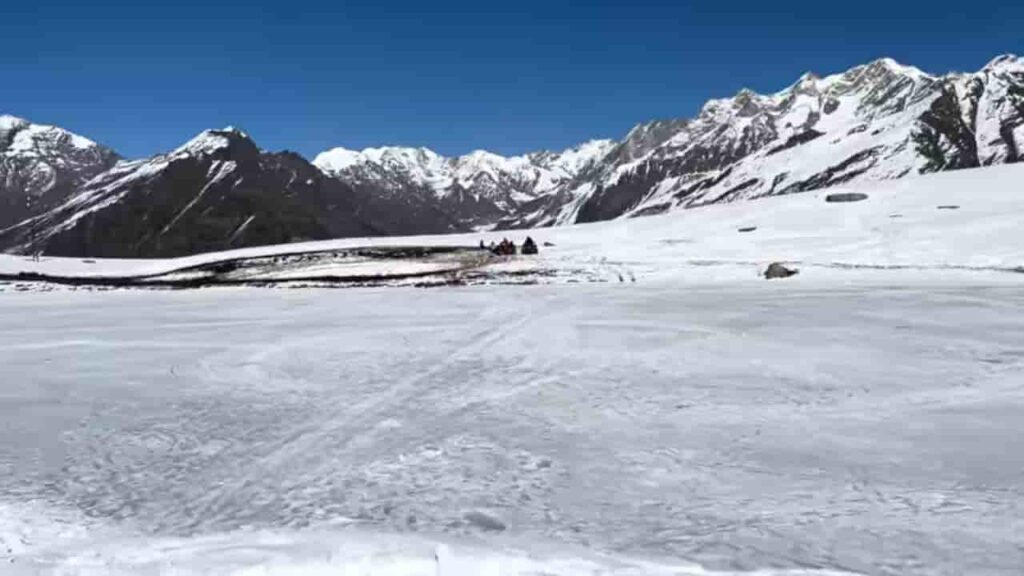
TRAVEL Snowfall Returns to Bare Himalayas: Tourism Boom Brings Joy, Chaos, and Economic Lifeline New Delhi – After months of barren peaks and a crippling “snow drought,” fresh western disturbances have blanketed Uttarakhand, Himachal Pradesh, and Jammu & Kashmir with snow, igniting jubilation among tourists and local businesses. From Auli’s ski slopes to Manali’s adventure hubs, the white resurgence is breathing life into mountain economies, but a sudden influx has exposed infrastructure gaps, traffic snarls, and administrative overstretch. The Himalayas, Asia’s “Third Pole,” stand starkly bare this winter, with vast swathes of peaks in Uttarakhand, Himachal Pradesh, and Jammu & Kashmir defying their snow-clad legacy. Satellite data and IMD reports confirm a severe “snow drought”, the lowest snow persistence in 23 years per ICIMOD’s 2025 update, threatening rivers, glaciers, and 2 billion downstream lives. December 2025’s 100% snowfall deficit in Uttarakhand and 99% in Himachal crushed tourism: Auli hotel occupancy plunged 80%, leaving taxi drivers and paragliding operators idle. Shimla and Gulmarg saw 50-70% cancellations as the “snowless selfies” trend went negative online. But IMD’s Feb 9-11 forecast delivered: 6-12 inches in higher reaches, reviving hopes. “Finally, the mountains look like mountains again,” cheered a Delhi visitor in Manali, where bookings spiked 300% overnight. Causes: Warming & Variability IPCC links this to global warming: warmer air favors rain over snow, quickens melt, shifts snowline upward. Western disturbances, key moisture carriers, were weak/irregular, delaying onset 30-40 days. Over five years, winters lag 1980-2020 averages, with mid-elevations (3,000-6,000m) hit hardest. Primary Drivers: Weak Western Disturbances: Extratropical storms from the Mediterranean deliver winter moisture but were irregular/weak in 2025-26, causing 100% deficits in Uttarakhand, 99% in Himachal. Delayed onset (30-40 days late) slashed accumulation. Rising Temperatures (Elevation-Dependent Warming): HKH warms 2-3x global average; warmer air holds more moisture, shifting precipitation from snow to rain, raising snowline, and accelerating melt. Snow Drought Types: Precipitation Deficit: Below-normal winter storms (e.g., Dec 2025: J&K -78%, Ladakh -63%). Snowmelt Drought: Normal precipitation but hot conditions cause rain/early melt. Long-Term Trends: ICIMOD: 23.6% snow persistence drop (23-year low); 4/5 recent winters below 1980-2020 norms. IPCC: Warming shortens cover, worsens by 2100. Compounding Factors: Greenhouse emissions amplify variability; mid-elevations are most vulnerable as small temp rises tip the snow-to-rain balance. Impacts & Effects Water Security: Snowmelt supplies 25% runoff to the Indus, Ganga, and Brahmaputra; glaciers add dry-season flow. Losses spike spring melt, then shortages, risking droughts for 1/4 of humanity’s basins. Glaciers: Uttarakhand’s may turn negative mass balance; HKH projected 75% loss by 2100.Hazards: Destabilized slopes fuel landslides, GLOFs, fires, Uttarakhand/Himachal fires rose amid dry winters. Economy/Tourism: Auli bookings crashed; Shimla/Manali snowless. Impacts of Reduced Himalayan Snow on Ganges and Indus Rivers Reduced snow in the Himalayas, exacerbated by warming and weak western disturbances, poses severe threats to the Ganges (Ganga) and Indus basins, which sustain 1.65-2 billion people. Short-Term Effects (Peak Melt Phase) Peak Flows Shift: Earlier snowmelt floods rivers prematurely (spring surge), raising flood risks in the Indo-Gangetic plains. Temporary Boost: Glacier/snow melt temporarily increases runoff (to 2050), but erratic. Long-Term Consequences (Post-2050) Declining Dry-Season Flow: Snow contributes 25% annual runoff; deficits (Indus: 30-50%, Ganga: 50-60% by 2100) slash baseflow, causing summer shortages for irrigation, drinking water, and hydropower. Ganga Basin: Upper Ganga snow persistence down 17%; earlier melt disrupts Gangotri/Ganges timing, hitting 500M+ farmers, ecosystems (forest biodiversity loss). Indus Basin: 23% snow drop; critical for Pakistan/India agriculture/hydropower; projected 20-30% flow reduction by 2100. Broader Risks Droughts/Water Stress: Shorter snow cover (5 fewer days/decade) worsens seasonal deficits. Agriculture: 129M farmers affected; reduced irrigation in kharif/rabi seasons. Hydropower/Ecosystems: Diminished reservoirs; biodiversity shifts, fires. Glacier Amplification: Combined with 75% HKH glacier loss by 2100. ICIMOD urges drought plans and transboundary cooperation. Economic Lifeline for Mountain Communities Snowfall is the heartbeat of Himalayan tourism, fueling 70% of winter revenue in hill stations. Himachal’s adventure sector, skiing, snowmobiling, yak safaris, generates ₹5,000 crore annually, employing 2 million in hotels, homestays, taxis, and gear rentals. Uttarakhand’s Auli and Chopta saw ₹1,200 crore from the 2025 peak season alone. Local vendors selling woolens, momos, and hot chai thrive; pony rides and snowman-building add family fun. In Gulmarg, gondola rides resumed at full capacity, injecting cash into shepherds and handicraft sellers. “One good snow week equals a month’s earnings,” said a Manali hotelier. J&K’s Pahalgam reported 40% occupancy jump, easing post-conflict economic pressures. For women-led homestays and tribal artisans, it’s empowerment: snow draws cultural tourists craving authentic pahadi experiences. Joy Amid Chaos: The Double-Edged Snowfall Tourists are ecstatic, families build snow forts, influencers capture reels, and adventure seekers hit slopes. “Pure magic after the drought scare,” posted a group from Punjab. But the rush creates mayhem: narrow Rohtang Pass jams with 5,000 vehicles daily; Auli’s lone cable car queues stretch hours. In Shimla, overbooked hotels turn away families, sparking online fury. Poor preparedness amplifies woes. Landslides from melt-snow mix block paths; inadequate parking floods meadows; waste piles up sans dustbins. Last year, Manali’s “snow chaos” saw 20-hour delays, oxygen shortages at high camps, and petty scams. Locals lament: “Tourists bring money but trash our paradise.” Both Sides: Boom vs. Burden Pro-tourism voices hail snow as salvation: “It saved our season,” says a Kasol trek operator. Businesses invested in snow chains, heated tents—paying off now. Environmentally, snow aids groundwater recharge, curbing wildfires. Critics warn of overload: fragile ecology suffers trampling, pollution spikes (diesel generators, plastic litter). Over-reliance risks bust-boom cycles; climate-vulnerable hills can’t sustain endless crowds. “Sustainable numbers, not mass frenzy,” urges a Nainital activist. Path Forward: Building Resilience Authorities must act decisively: Local Administration: Deploy traffic wardens, mobile toilets, waste squads; enforce carrying capacity (e.g., 2,000/day in Auli). Digital booking for parking/gondolas prevents no-shows. State Governments: Himachal/Uttarakhand invest ₹500 crore in snow-clearing machines, widened roads (Atal Setu-style tunnels), and eco-lodges. Promote off-peak treks and homestays via apps. Central Government/Ministries: MoT allocates ₹2,000 crore for infra (helicopter pads, EV charging at 5,000m). Skill 1 lakh youth in hospitality/glaciology tourism. NGT-monitored waste rules; drone
Halda Festival: A Traditional Himalayan Celebration of Community, Culture and New Beginnings

EVENTS Halda Festival: A Traditional Himalayan Celebration of Community, Culture and New Beginnings The Halda Festival is an ancient cultural festival observed in the Lahaul-Spiti district of Himachal Pradesh, celebrated each year in January to mark the New Year, strengthen community bonds and seek blessings for prosperity, good harvests and protection against misfortune. The festival holds deep significance for the tribal communities of the region, blending rituals, folklore, music, dance, community gatherings and symbolic fire ceremonies that have been preserved across generations. When and Where It Happens Unlike many fixed-date festivals, the precise dates of the Halda Festival are determined by local spiritual leaders — the Lamas — each year based on traditional observances. The celebrations typically occur during the second and third weeks of January, when Lahaul Valley communities come together to perform age-old customs amid the region’s snowy winter landscape. The festival is especially prominent in the Gahar, Chandra and Pattan valleys of Lahaul-Spiti, which lie along the Chandra and Bhaga river systems. These valleys become vibrant centres of traditional activity as residents participate in Halda’s rituals and social celebrations. In 2026, local administrations and community leaders prepared for the festival’s start around mid-January, with areas like Koksar and Sissu temporarily closing to tourism and non-residents so the festival could proceed without disruption to sacred practices. Origins and Cultural Significance Halda is rooted in the Indigenous Himalayan traditions of the Lahaul-Spiti region, where harsh winters, geographic isolation and agrarian cycles have shaped the cultural calendar over centuries. It is generally understood as a New Year’s festival, a time when communities come together at the peak of winter to renew social ties, offer devotions and symbolically seek protection and abundance for the coming year. The festival is dedicated to Shashikar Apa, a Goddess of Wealth in the local Lamaistic pantheon, revered for bestowing prosperity and well-being upon the community. Families invoke her blessings in traditional rituals and collective gatherings. Rituals, Customs and Celebrations At the heart of Halda is a set of distinctive rituals, most of which revolve around fire, community gatherings and symbolic offerings: Lighting the Halda Torch: Each family cuts branches of pencil cedar (a local conifer) and binds them into bundles called “Halda” — essentially large, hand-made torches. On the festival day, these torches are lit to form a ceremonial fire, which serves as a focal point for community prayers, rituals and collective gatherings in homes or village spaces. Families often prepare a number of torches corresponding to male members in the household, underscoring the personalised and family-centric nature of the ritual. Once lit, residents gather around the fire to sing traditional songs, perform rituals and share food and stories. Music, Dance and Folklore: Halda is marked by vibrant folk music, communal dancing and song, which reflect the cultural heritage of the valley peoples. One of the most distinctive traditional performances is the Asur Dance, presented in some villages (such as Khangsar in the Chandra Valley) on the concluding day. This performance involves dancers wearing masks representing demons (Asur) — a symbolic ritual rooted in local folklore about warding off evil forces. Ritual Offerings and Community Prayers: Residents perform prayers to local deities and ancestral spirits to ensure prosperity, protection and a good agricultural season ahead, even as the stark winter persists. These rites are considered vital for maintaining spiritual harmony and community cohesion. Festive Atmosphere and Social Elements Though the festival is deeply traditional and spiritual, Halda also resembles a period of communal unity and social celebration. Despite the extreme cold and snow that blankets Lahaul in January, people gather to share food, socialize, and celebrate their shared culture. Visitors from other parts of Himachal Pradesh and neighbouring regions often attend the festivities, drawn by the music, dance and unique rituals. In contrast to more commercialised national festivals, Halda remains largely a community-driven cultural observance, with emphasis on shared participation and continuity of local heritage rather than tourism-focused activities. Social and Symbolic Importance The Halda Festival serves several deep cultural and social purposes: Preservation of Indigenous Traditions: Its rituals, music and community practices are a living repository of the traditional values, mythologies and spiritual outlook of the mountain people. Community Solidarity: The collective lighting of the Halda fire, shared songs and communal dances reinforce social unity, mutual support and intergenerational bonds at a time when isolation and harsh climate can strain everyday life. Seasonal Transition Symbolism: Held mid-winter, the festival symbolically marks a moment of hope, renewal and cultural resilience, anticipating the return of spring and the season of growth. Why Halda Festival Matters In an era of rapid cultural change and globalization, the Halda Festival represents a vibrant thread of continuity for Lahaul-Spiti’s unique cultural identity. It preserves ancient rituals, promotes collective memory and sustains traditions that have been passed down through generations. By anchoring community life and seasonal cycles, Halda helps ensure that local customs remain alive even as younger generations navigate the pressures of modern life. For cultural scholars, anthropologists and travellers interested in Himalayan heritage, Halda offers insight into how festival practices, spiritual symbolism and communal cohesion intersect in one of India’s most remote and resilient regions. How to Experience Halda While Halda remains primarily a local observance rooted in tribal and village communities, those wishing to witness aspects of the festival should respect its traditional and spiritual context. Visitors are encouraged to engage respectfully with local practices, understand community norms and appreciate the symbolic significance of rituals rather than treat the festival as mere spectacle.
Wings India 2026: Celebrating Aviation Excellence and Cultural Unity in the Skies
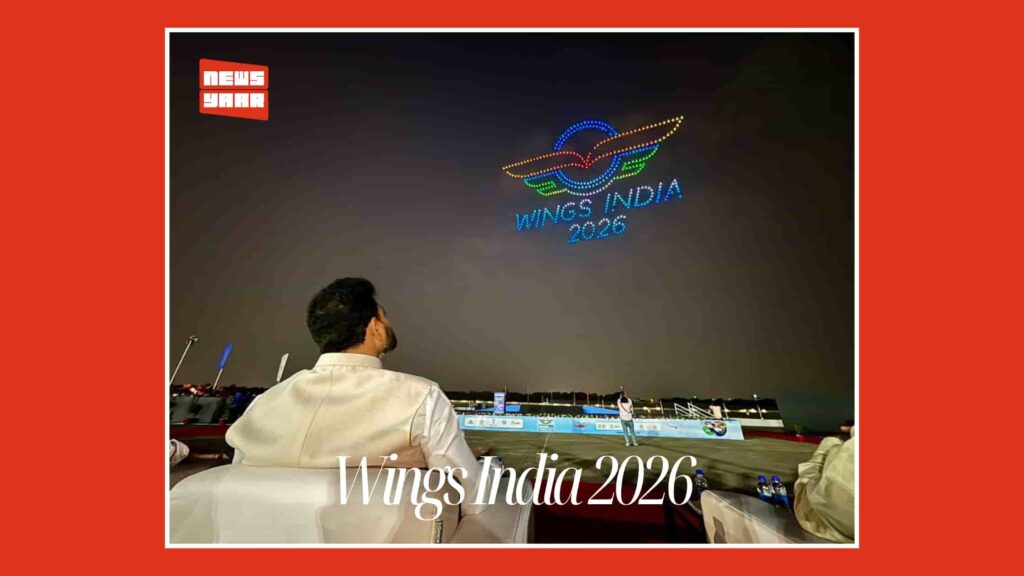
EVENTS Wings India 2026: Celebrating Aviation Excellence and Cultural Unity in the Skies Newsyaar February 5, 2026 6:31 pm Gujarat wins top aviation award as Air India Express showcases India’s rich heritage through music and art Hyderabad: The Wings India 2026 aviation expo, held at Begumpet Airport from January 28-31, has emerged as more than just an industry gathering—it’s a celebration of how aviation connects cultures, builds communities, and drives economic progress across the nation. The four-day event brought together thousands of aviation professionals, exhibitors, and enthusiasts from around the world, highlighting India’s position as one of the fastest-growing aviation markets globally. From cutting-edge technology exhibits to cultural performances on the tarmac, the expo demonstrated that modern aviation is about more than just moving people—it’s about creating meaningful connections. Gujarat Soars High with Prestigious Recognition Gujarat received the coveted ‘Best State for Promotion of Aviation Ecosystem’ award, presented by Union Minister for Civil Aviation Shri K. Ram Mohan Naidu. The state shared this honor with Telangana and Uttarakhand, recognizing their exceptional contributions to India’s aviation sector. KL Bachani, Gujarat’s Civil Aviation Commissioner, attributed the achievement to Chief Minister Bhupendra Patel’s visionary leadership and the state’s focus on world-class infrastructure. “This honor reflects Gujarat’s commitment to making air travel more accessible for citizens while driving economic growth,” Bachani said. The award acknowledges Gujarat’s impressive progress in aviation infrastructure, including maintenance, repair, and overhaul (MRO) facilities and the aircraft leasing sector. This marks Gujarat’s third consecutive recognition at Wings India, having previously won awards in 2022 and 2024, demonstrating sustained excellence in aviation development. When Aviation Meets Art: Air India Express’s Cultural Showcase One of the most memorable moments at Wings India 2026 was Air India Express’s spectacular cultural performance featuring legendary singer Usha Uthup. The unique event took place on the airport tarmac beside the airline’s stunning first line-fit Boeing 737-8 aircraft, VT-RNT, adorned with livery inspired by traditional Parsi Gara embroidery. Uthup performed alongside talented artists from eleven Indian states: Andhra Pradesh, Assam, Delhi, Gujarat, Jammu & Kashmir, Karnataka, Kerala, Maharashtra, Odisha, Punjab, and Tamil Nadu. The performance created a vibrant tapestry of India’s diverse cultural heritage against the backdrop of modern aviation. “Music is a language that connects people across cultures and geographies,” Uthup said. “Performing at Wings India as the country’s cultural ambassador makes this truly special.” Aviation with Heart: Connecting People, Not Just Places Siddhartha Butalia, Chief Marketing Officer of Air India Express, emphasized the deeper purpose behind aviation. “In an increasingly digitally connected world, the true value of travel lies in real, immersive experiences and meaningful human connections,” he explained. The airline also received the prestigious ‘Domestic Connectivity’ award from the Ministry of Civil Aviation, recognizing its efforts to expand air travel access across India. This follows their ‘Sustainability Champions’ recognition at Wings India 2024. Air India Express’s ‘Tales of India’ initiative showcases India’s artistic heritage through aircraft liveries featuring indigenous designs like Kalamkari, Bandhani, Jamawar, Warli, and Phulkari. Their ‘Gourmair’ in-flight dining extends this cultural celebration to regional cuisines, featuring special menus for festivals like Onam, Navratri, and Diwali. The new Boeing 737-8 aircraft features ergonomically designed seats, fast-charging power outlets, on-board ovens for hot meals, spacious overhead bins, and Boeing’s Sky Interior with soothing mood lighting, proving that comfort and culture can fly together. Building Tomorrow’s Skies Today Wings India 2026 demonstrated that India’s aviation sector is not just about economic growth; it’s about inclusivity, sustainability, and preserving cultural identity while embracing innovation. As states like Gujarat lead infrastructure development and airlines like Air India Express celebrate regional diversity, Indian aviation is truly paving the future from design to deployment. The event reinforced that when aviation connects people meaningfully, everyone wins, from passengers experiencing rich cultural journeys to states driving economic development through better connectivity. About the Author Events Reporter Share via Copied Comments Post Comment
Maru Mahotsav 2026: Know Jaisalmer’s Rich Legacy & Culture
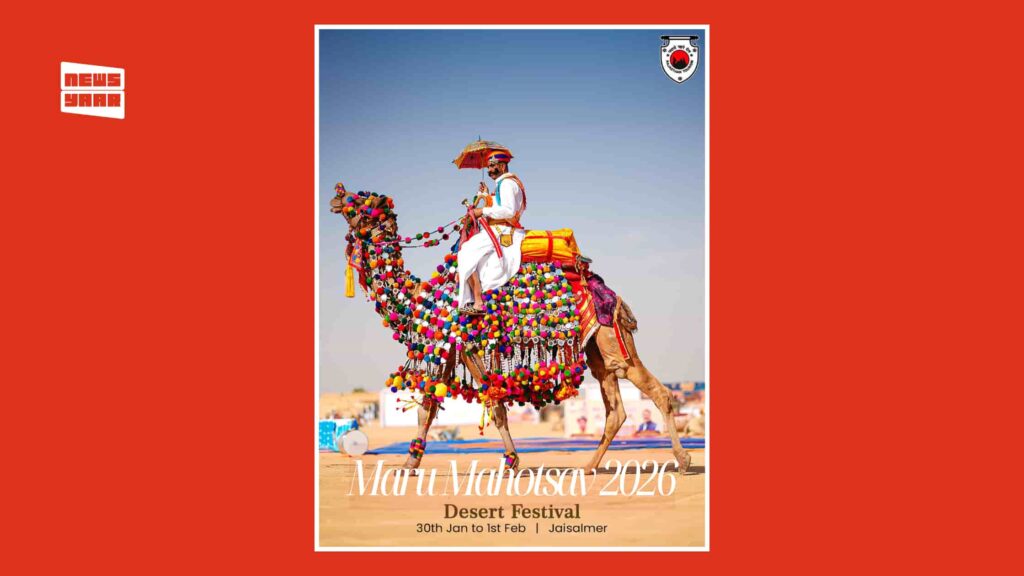
TRAVEL Maru Mahotsav 2026: Know Jaisalmer’s Rich Legacy & Culture Newsyaar February 5, 2026 6:19 pm Three-day festival draws thousands of domestic and international tourists to experience Rajasthan’s vibrant traditions Jaisalmer: The Maru Mahotsav 2026, also known as Desert Festival, currently underway at Jaisalmer’s Shaheed Poonam Singh Stadium, has transformed the Golden City into a vibrant cultural hub, bringing together locals, artists, and tourists to celebrate the rich heritage of Rajasthan’s Thar Desert. The three-day festival, which commenced on January 30 and will conclude on February 1, showcases the colorful traditions, folk music, dance performances, and cultural contests that define the desert region’s unique identity. Set against the backdrop of Jaisalmer’s iconic golden sandstone architecture and vast dunes, the event has attracted visitors from across India and around the world. Cultural Competitions Crown New Winners The festival featured several prestigious cultural competitions on its opening day. Manish Panwar was crowned “Maru Shri 2026,” fulfilling what he described as a childhood dream. “I participated in the competition, and I have won… This was my childhood dream,” Panwar told ANI, visibly emotional about his achievement. Kusum Panwar from Bikaner won the coveted “Miss Moomal 2026” title, expressing her pride in representing Rajasthan’s cultural heritage. “This program is held to move our culture forward… I just wanted to participate in this,” she said, highlighting the festival’s role in preserving traditional values. Taj, who secured the “Mrs. Jaisalmer 2026” crown, shared her excitement: “I got very excited when my name was announced… I am very happy.” The competitions also included traditional events such as turban-tying contests and mustache competitions, reflecting the region’s distinctive cultural practices. A Global Cultural Attraction The Maru Mahotsav has emerged as a significant tourist attraction, drawing both domestic and international visitors. Lucia, a tourist from Brazil, expressed her delight at experiencing the desert celebrations. “This festival is amazing. We are very happy here,” she said, echoing the sentiments of numerous international attendees who have traveled to witness Jaisalmer’s cultural spectacle. Festival Highlights and Events The festival’s packed schedule offers something for everyone. Visitors have been treated to mesmerizing folk music and dance performances, including the traditional Ghoomar dance. Thrilling camel races and camel polo matches showcase the desert animal’s central role in regional culture and history. The Art & Craft Bazaar has been a major attraction, featuring traditional Rajasthani handicrafts, textiles, and artworks, allowing visitors to take home authentic pieces of desert culture. A Food Festival offers attendees the opportunity to savor authentic Rajasthani cuisine, from dal baati churma to ker sangri. Modern elements blend seamlessly with tradition at the festival. Evening performances have included a spectacular drone show, combining cutting-edge technology with traditional festivities. Cultural evenings feature performances by renowned artists, creating magical moments under the desert sky. Cultural Preservation and Tourism The Maru Mahotsav serves a dual purpose, preserving Rajasthan’s rich cultural heritage while boosting tourism in the region. The festival provides a platform for local artists and performers to showcase their talents, ensuring that traditional art forms continue to thrive in the modern era. The event also offers visitors unique experiences, such as folk art exhibitions at historic sites like Kuldhara and Khaba Fort, where the Mandana Art Exhibit displays intricate Rajasthani folk paintings. Musical performances at Khuri Sand Dunes create an authentic desert atmosphere, allowing tourists to experience the region’s musical heritage in its natural setting. Grand Finale Awaits As the festival approaches its conclusion on February 1, organizers have planned a spectacular grand finale. The final evening will feature a magnificent fireworks display that will illuminate the desert sky, providing a fitting end to the three-day celebration of Rajasthani culture. The Maru Mahotsav 2026 has once again proven that Jaisalmer remains one of India’s most captivating cultural destinations, where ancient traditions meet modern celebrations in the heart of the Thar Desert. About the Author Travel Reporter Share via Copied Comments Post Comment
National Tourism Day 2026: Celebrating India’s Cultural Heritage, Economic Growth and Youth Engagement
EVENTS National Tourism Day 2026: Celebrating India’s Cultural Heritage, Economic Growth and Youth Engagement Newsyaar February 2, 2026 1:33 pm National Tourism Day is observed annually on January 25 in India to recognise the vital role tourism plays in the nation’s socio-economic development, cultural exchange and heritage conservation. In 2026, the country marked National Tourism Day with multi-theme programmes, state participation, youth-oriented activities, and initiatives to boost both domestic and international travel. Tourism is one of India’s fastest-growing economic sectors, contributing significantly to employment, foreign exchange earnings and community-led development. National Tourism Day highlights these dimensions while promoting travel awareness, sustainability and inclusive participation across regions and communities. Background: Why National Tourism Day Matters National Tourism Day commemorates the adoption of the National Tourism Policy in 2002, a landmark moment when the Government of India formally recognised tourism as a key driver of economic growth and cultural diplomacy. The policy aimed to expand tourism infrastructure, incentivise private sector participation, enhance employability, and position India as a global travel destination. Over the years, tourism has become a major employment generator, particularly in rural and semi-urban areas. The sector supports jobs across hospitality, transportation, cultural industries, handicrafts, heritage management, tour operations, adventure travel and wellness tourism. According to industry estimates, tourism contributes 7–9% of India’s GDP and supports millions of direct and indirect jobs across the country. Post-pandemic recovery and strategic initiatives have further elevated tourism as a priority sector in national development planning. National Tourism Day 2026: Themes and Programmes In 2026, National Tourism Day was marked with a series of coordinated events spanning heritage walks, cultural performances, seminars, youth forums, heritage site launches and promotional campaigns. The Ministry of Tourism’s multi-theme programme emphasised: Heritage Conservation and Cultural Tourism: Celebrating India’s rich history through curated events at iconic sites. Youth Engagement and Education: Special outreach to students and young travellers to encourage tourism careers and awareness of local heritage. Sustainable and Eco-Friendly Tourism: Promoting responsible travel practices that protect landscapes and support community livelihoods. Local and Regional Specialties: Showcasing food, handicrafts, folk art and customs from various states to highlight India’s diversity. The multi-theme approach, adopted by state tourism departments, aimed to both celebrate India’s diverse cultural tapestry and provide economic opportunities for local artists, guides, heritage managers and hospitality professionals. National and State Participation The Ministry of Tourism, Government of India, coordinates National Tourism Day events in collaboration with state tourism boards, cultural institutions, educational bodies and industry associations. State governments organise activities such as: Heritage Walks and Site Visits: Guided tours at forts, temples, museums and historical cities such as Agra, Jaipur, Varanasi and Hampi. Tourism Promotion Fairs: Exhibitions featuring travel destinations, culinary showcases, handicraft bazaars and local performances. Youth Outreach and Awareness Campaigns: Competitions, webinars and campus events to engage students in tourism-related careers. Community Tourism Projects: Initiatives to promote village tourism, eco-trails, homestays and local enterprise models. For 2026, Uttar Pradesh — home to several major heritage sites including the Taj Mahal — held a flagship programme with tribal dance performances, youth engagement forums, skill development workshops and discussions on sustainable destination management. Significance: Beyond Travel National Tourism Day carries multi-layered significance: Economic Significance: Tourism drives economic activity through direct services (hotels, transport, tour operators) and indirect value chains (farmers, artisans, retail, logistics). Growth in visitor numbers fosters investment in infrastructure and amenities. Cultural and Social Impact: Tourism promotes cultural exchange, enabling travellers to experience India’s linguistic, religious and artistic diversity. Heritage conservation initiatives often receive momentum through tourism interests, leading to improved preservation and community pride. Youth Empowerment: With a large youth population, India views tourism as a sector that can offer meaningful careers — from tour guiding and hospitality to digital marketing, event management and sustainable adventure tourism. Global Connectivity: National Tourism Day also underscores India’s place in global travel circuits. India offers unique attractions spanning ancient monuments, biodiversity hotspots, spiritual circuits, hill stations, desert landscapes, backwaters and festivals that draw millions of international travellers every year. Key Initiatives and Government Measures The Government of India has undertaken several strategic measures to enhance India’s tourism footprint: Increased Connectivity: Development of airports, regional air routes, rail connectivity and waterways to improve access to remote and emerging destinations. Incentives for Homestays and Eco-Tourism: Policies to support local tourism entrepreneurs with training, grants and marketing support. Digital Platforms: Initiatives like the Incredible India portal, mobile apps, virtual tours and digital campaigns that offer seamless travel planning and destination information. Skill Development: Collaborations with hospitality training institutes and universities to build tourism-related skills among youth. Safety and Accessibility: Enhancing traveller safety, accessibility for differently-abled tourists and women traveller support systems. Such initiatives reinforce National Tourism Day’s role as both a celebration and a policy milestone, aligning tourism with broader national goals of employment generation, cultural preservation and economic progress. Tourism Trends and Future Outlook India’s tourism sector continues to register strong indicators of growth. Domestic travel has seen sustained enthusiasm, while international arrivals have rebounded following the pandemic. Emerging trends include: Experiential and Adventure Tourism: Rising demand for trekking, wildlife circuits, river rafting and off-beat trails. Wellness and Spiritual Tourism: Increased interest in Ayurveda, yoga retreats and spiritual heritage circuits such as Char Dham and Buddhist heritage trails. Eco-Tourism and Community Tourism: Focus on sustainability, homestays and tourism that directly benefits local communities. Industry analysts expect that India’s tourism sector will continue to expand its contribution to GDP and employment, particularly with supportive government policies, improved infrastructure and global travel confidence. How National Tourism Day Inspires Travellers Travellers and tourism stakeholders view National Tourism Day as an invitation to explore India’s untapped destinationsand celebrate its living heritage. The day inspires individuals, families, students and professionals to discover cultural gems, engage in sustainable travel
Indian Passport Climbs the Ladder in 2026, but Global Travel Reality Remains Mixed
TRAVEL Indian Passport Climbs the Ladder in 2026, but Global Travel Reality Remains Mixed Newsyaar January 23, 2026 7:07 pm Indian passport holders have a reason to feel cautiously optimistic in 2026. According to the latest Henley Passport Index, India’s passport has registered an improvement in global rankings, signalling a gradual rise in international mobility for Indian travellers. However, beneath the headline gain lies a more nuanced reality that travellers must keep in mind while planning overseas journeys. The Henley Passport Index 2026 has placed India at the 80th position, a jump of five ranks from last year’s 85th spot. The index, which ranks passports based on the number of destinations their holders can access without a prior visa, reflects how freely citizens of a country can travel across borders. In practical terms, Indian passport holders can now access 55 destinations without securing a visa in advance. This includes countries offering visa-free entry, visa-on-arrival, or electronic travel authorisation (ETA). The upward movement suggests incremental progress in India’s global travel standing, driven partly by diplomatic engagements, bilateral agreements, and the growing international presence of Indian travellers. For frequent flyers and first-time international tourists alike, this translates into slightly more flexibility and reduced paperwork for select destinations. However, the improvement in ranking does not tell the full story. Despite climbing the index, the number of destinations offering hassle-free access to Indian passport holders remains limited compared to many other countries. In fact, while the rank has improved, access to key regions such as Europe’s Schengen Area, the United States, the United Kingdom, and several East Asian nations continues to require traditional visas, often involving lengthy processing times, extensive documentation, and high costs. This contrast highlights an important point: rankings can improve even when overall access remains constrained. The Henley Index is relative in nature, meaning India’s rise may also reflect changes in other countries’ visa policies rather than a dramatic expansion of visa-free access for Indians. For Indian travellers, the list of accessible destinations is still dominated by countries in Southeast Asia, Africa, the Caribbean, and parts of the Middle East. While these destinations offer rich cultural and travel experiences, many popular business, education, and tourism hubs remain out of easy reach without prior approvals. Travel industry experts say the ranking improvement is symbolically significant but should not be overstated. “A higher rank improves perception, but on the ground, Indian travellers still need to plan well in advance for most long-haul or premium destinations,” said a senior travel consultant based in Delhi. He added that visa rejections, appointment delays, and rising visa fees continue to be common concerns. At the same time, the gradual rise reflects India’s growing global footprint. As one of the world’s fastest-growing major economies and a key player in international diplomacy, India has been actively engaging with countries to simplify travel frameworks. Industry observers believe that sustained diplomatic efforts, along with reciprocal visa arrangements, could further enhance passport strength in the coming years. For now, Indian passport holders can take heart in the positive movement, while remaining realistic. The 2026 ranking underscores progress, but also serves as a reminder that global mobility for Indians is still a work in progress, one that requires both policy-level negotiations and patient travel planning. As international travel rebounds and geopolitical equations evolve, the Indian passport’s journey up the global ladder is likely to continue, albeit gradually. About the Author Travel Reporter Share via Copied Comments Post Comment
Bagurumba Dwhou 2026 in Guwahati: A Historic Celebration of Bodo Culture
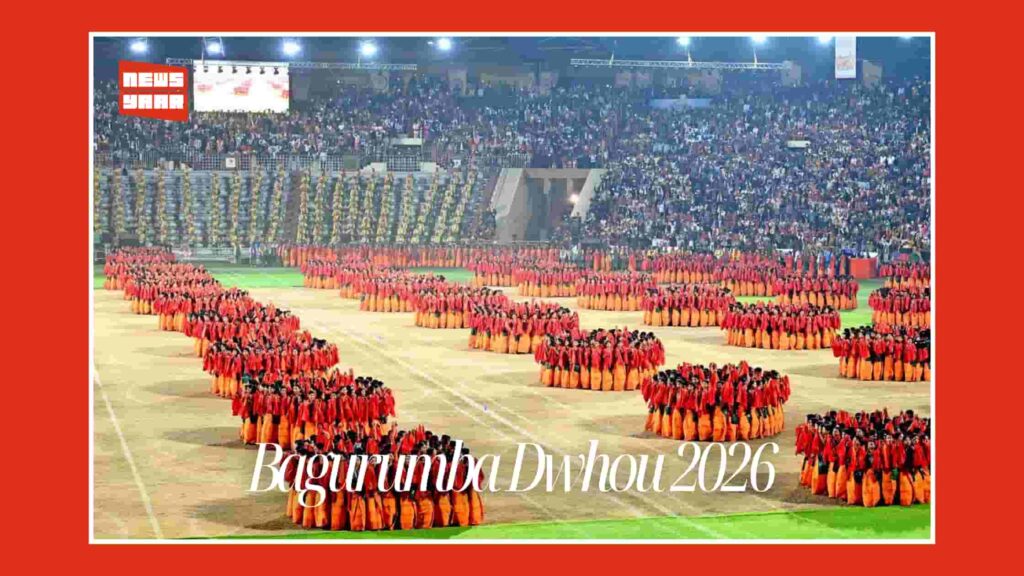
EVENT Bagurumba Dwhou 2026 in Guwahati: A Historic Celebration of Bodo Culture Newsyaar January 22, 2026 4:50 pm Guwahati played host to one of the most significant cultural events in recent memory on January 17, 2026, when the Bagurumba Dwhou 2026 programme brought together more than 10,000 artistes from across Assam to perform the iconic Bagurumba dance of the Bodo community in a large-scale presentation at the Arjun Bhogeswar Baruah Sports Complex, Sarusajai, Guwahati. The event was held in the presence of Prime Minister Narendra Modi, senior state leaders and cultural representatives, marking a landmark moment for the recognition and celebration of indigenous heritage. What Is Bagurumba Dwhou? Bagurumba is a traditional folk dance of the Bodo community, one of Assam’s oldest and most culturally rich indigenous groups. Often referred to as the “butterfly dance,” this art form draws inspiration from nature — its gentle, flowing movements mimic butterflies, birds, leaves and flowers — and symbolises peace, fertility, joy and collective harmony. Traditionally performed by young Bodo women, with men providing musical accompaniment on instruments such as the kham (drum) and sifung (flute), Bagurumba features dancers in vibrant, hand-woven attire including Dokhona, Jwmgra and Aronai. The term Dwhou in the event’s name refers to a wave or surge, and in this context signifies a grand, synchronised display that takes the traditional dance to an unprecedented scale. Date, Venue and Programme Details Date: January 17, 2026 Venue: Arjun Bhogeswar Baruah Sports Complex (Sarusajai Stadium), Guwahati, Assam The event was preceded by extensive preparations and rehearsals that began in early January, involving hundreds of master trainers and thousands of dancers from across 23 districts of Assam. Participants were brought to Guwahati in the days leading up to the event, with rehearsals starting from January 12 to ensure a coordinated and visually compelling performance. Scale and Artistic Participation Bagurumba Dwhou 2026 was remarkable for its scale. Organisers confirmed that over 10,000 Bodo artistes took part in a single, synchronised performance of Bagurumba, making it one of the largest cultural gatherings of its kind. The dancers represented all 81 Legislative Assembly constituencies across Assam, reflecting the dance’s pan-state cultural reach and unifying spirit. Musical accompaniment was provided by traditional instruments including: Kham (drum) Sifung (bamboo flute) Serja Jatha and Japshring These instruments added rhythmic depth to the choreography and underscored the event’s authenticity and traditional roots. Prime Minister’s Participation and Remarks Prime Minister Narendra Modi attended Bagurumba Dwhou 2026 as part of his official visit to Assam, which also included infrastructure inaugurations and other cultural programmes. On the sidelines of the event, he actively participated, including trying his hand at traditional musical instruments and being felicitated by organisers and artists. In his address, the Prime Minister described the performance as a vibrant celebration of Bodo identity and Assam’s rich cultural heritage. He emphasised that Bagurumba Dwhou was not just a dance festival but a medium to honour the longstanding traditions of the Bodo community and remember its eminent leaders. He paid tribute to figures such as Bodofa Upendra Nath Brahma, Gurudev Kalicharan Brahma, Rupnath Brahma and others, noting their roles in social reform, cultural renaissance and political awakening. The Prime Minister observed that efforts to promote Assamese and Bodo art forms have helped bring the region’s cultural expressions to national and global prominence, noting social media traction and national viewership of the event. Cultural Significance and Tourism Potential Officials and cultural advocates highlighted Bagurumba Dwhou 2026 as a milestone in Assam’s cultural narrative. According to Assam’s Cultural Affairs Minister, the mass performance was executed with structured training involving 25 experts and 400 master trainers, who prepared the dancers for the synchronised choreography that awaited them on the main stage. The event was expected to attract a large audience, with around 14,000 entry passes distributed and arrangements made for LED screens outside the stadium to accommodate additional viewers. Beyond its immediate spectacle, Bagurumba Dwhou 2026 was promoted as a potential draw for cultural tourism. By showcasing one of Assam’s most distinctive traditional art forms on a massive platform, organisers hoped to boost interest in the state’s broader heritage offerings, further enriching tourism prospects. Broader Context of Cultural Promotion The Bagurumba Dwhou follows other major cultural showcases supported by central and state efforts, such as large-scale Bihu and Jhumoir performances in recent years. These have been part of a broader initiative to position Assam’s diverse dance traditions — from the globally recognised Bihu to indigenous forms like Jhumoir and Bagurumba — as symbols of cultural identity and pride. What Bagurumba Represents Bagurumba is more than a dance; it is a visual representation of the Bodo community’s deep connection to nature, harmony and collective joy. Its choreography evokes natural elements — fluttering butterflies, rolling leaves, flowing rivers — and symbolises themes of peace, fertility and community cohesion. While traditionally associated with festivals like Bwisagu (Bodo New Year) and Domasi, the 2026 Dwhou elevated the form from local festivities to a nationwide cultural spectacle. Looking Ahead Bagurumba Dwhou 2026 set a new benchmark for cultural showcases in Assam, demonstrating how traditional art forms can be celebrated at scale and introduced to broader audiences. With global interest in the dance increasing — partly driven by social media engagement and official promotion — the event is likely to spur further presentations of indigenous performing arts from the Northeast. About the Author Government Reporter Share via Copied Comments Post Comment
Germany Visa-Free Transit for Indians: What It Means and How It Works
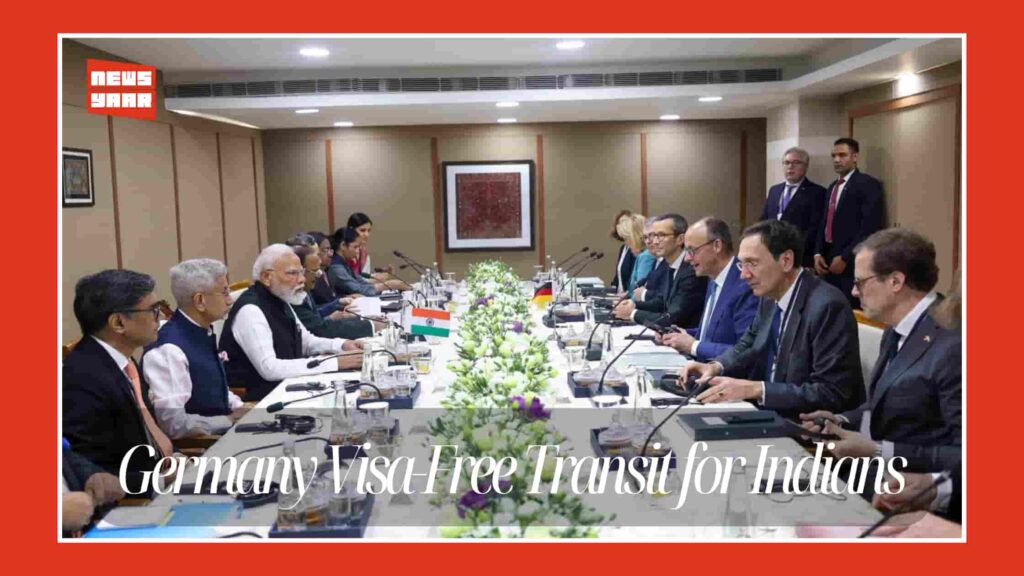
TRAVEL Germany Visa-Free Transit for Indians: What It Means and How It Works Newsyaar January 18, 2026 11:46 am Germany has introduced a new visa-free transit facility for Indian passport holders that is set to simplify international travel for many flyers. Announced during German Chancellor Friedrich Merz’s official visit to India in January 2026, this move aims to reduce paperwork and costs for Indians connecting through major German airports en route to non-European destinations. What Is the New Germany Visa-Free Transit Rule? Under the updated rule, Indian citizens no longer need an Airport Transit Visa (Type A) to change flights at selected German international airports, such as Frankfurt, Munich, Berlin, Düsseldorf and Hamburg, provided certain conditions are met. This transit privilege applies only if travellers remain within the international transit area and are en route to destinations outside the Schengen Zone — for example, flights from India to the United States, Canada or the United Kingdom with a stopover in Germany. It is important to note that this policy does not grant entry into Germany or the wider Schengen Area. If passengers plan to enter Germany (even briefly) or travel within the Schengen region, they must still obtain the appropriate visa before arrival. Why This Change Matters for Indian Travellers For many Indian passengers, Germany was previously a less convenient transit option due to its Airport Transit Visa requirement, which could involve paperwork, costs and added delays even if the traveller never left the airport. Here’s why the new rule is significant: Easier Airline ConnectionsPassengers can now book flights with layovers at major German hubs without worrying about additional visa requirements — making options like Frankfurt and Munich more attractive for long-haul itineraries. Lower Costs and Less PaperworkEarlier, Indian nationals needed to apply for and pay for a transit visa (around €90 or roughly ₹9,000–₹10,000) even for short airport layovers. With this requirement lifted for eligible transits, travellers can save both time and money. Improved Travel FlexibilityThis change could encourage travellers to choose more direct or efficient routes, especially when flying to global destinations beyond Europe. Who Benefits Most Long-haul travellers flying from India to the Americas, Africa or the UK with German stopovers Students and professionals connecting through German airports on their way to academic or work destinations abroad Families and leisure travellers seeking flexible multi-leg itineraries without extra visa hurdles However, travellers should ensure they remain airside in the transit area and are not entering Germany or the Schengen Zone, as that still requires a separate visa. How to Use the Visa-Free Transit Facility Here are the key conditions to benefit from the rule: You must remain within the international transit zone of the German airport. Your final destination must be outside the Schengen Area. Your layover must not exceed the allowed airport transit period (usually under 24 hours). You must have confirmed onward tickets and boarding passes for your connecting flight. If any of these conditions are not met — for example, if you wish to exit the airport or travel to a Schengen destination — you still need a Schengen visa. When Did This Rule Come Into Effect? The policy was announced during Chancellor Merz’s visit to India in early January 2026 and has started to be implemented since then, aligning with broader efforts to strengthen India-Germany ties and enhance travel facilitation for Indian passport holders. What This Means for Future Travel While this facility does not change the general visa requirements for entry into Germany or the Schengen Zone, it reflects a broader trend of travel facilitation and cooperation between India and Germany. The move is likely to make Germany a more competitive transit hub in global air travel, especially for Indian travellers heading to destinations beyond Europe. In Summary Germany has introduced visa-free airport transit for Indian passport holders at major airports. The rule applies only when passengers stay within the international transit area and travel onwards to non-Schengen destinations. Travellers still need a Schengen or national visa if they intend to enter Germany or other Schengen countries. The change reduces costs and documentation for Indian travellers connecting through German hubs. It enhances travel flexibility and could attract more Indians to fly via German airports. About the Author Travel Reporter Share via Copied Comments Post Comment
Bharat Taxi Launched: Government-Backed Cooperative Cab Platform Aims to Disrupt Ride-Hailing Market
GOVERNMENT Bharat Taxi Launched: Government-Backed Cooperative Cab Platform Aims to Disrupt Ride-Hailing Market Newsyaar January 18, 2026 10:55 am The Government of India has extended institutional support to Bharat Taxi, a cooperative-owned digital mobility platform that seeks to offer an alternative to private ride-hailing aggregators by placing drivers at the centre of ownership and operations. Launched under the vision of “Sahakar se Samriddhi”, Bharat Taxi is being positioned as India’s first large-scale, cooperative-led cab service, focused on transparent pricing, fair earnings for drivers and affordable transport for commuters. What Is Bharat Taxi and Who Runs It Bharat Taxi operates under Sahakar Taxi Cooperative Limited, a Multi-State Cooperative Society registered under the Multi-State Cooperative Societies Act, 2002. Unlike conventional cab platforms, drivers on Bharat Taxi are not just service providers but cooperative members with ownership stakes. The initiative is supported by major national cooperative institutions, including the National Cooperative Development Corporation, NABARD, IFFCO, KRIBHCO, Amul, NAFED, the National Dairy Development Board and the National Cooperative Export Limited. While the government is not involved in daily operations, it is actively promoting the cooperative framework behind the platform. A Driver-First Alternative to Aggregator Models Bharat Taxi has been conceived as a community-owned alternative to commission-based ride-hailing services. The platform follows a zero-commission model, allowing drivers to retain the full fare earned from each ride. Under the cooperative structure, driver-members are expected to benefit from collective decision-making, profit-sharing mechanisms and long-term financial participation, moving away from high platform fees that have been a longstanding concern in the sector. For passengers, the platform promises safe, reliable and cost-effective mobility with upfront fare visibility and reduced dependence on surge pricing. Pilot Launch and Expansion Plans The service has been pilot-launched in Delhi–National Capital Region and parts of Gujarat’s Saurashtra region. Based on feedback and operational readiness, Bharat Taxi is expected to expand to major cities including Mumbai, Bengaluru, Chennai, Hyderabad and Kolkata, followed by tier-2 cities and semi-urban areas. The government has indicated that the platform is intended to strengthen last-mile and point-to-point connectivity, especially in regions where ride-hailing services remain inconsistent or limited. Booking, App and Accessibility Features Bharat Taxi is accessible through a mobile application available on both Android and iOS platforms. Users can register using their mobile number and book city rides, intercity travel and metro-linked services. The app includes features aimed at accessibility, allowing users to indicate specific needs, including disabilities, during registration. Real-time tracking, emergency support and customer assistance are expected to be part of the platform’s core offerings. Fare Structure and Transparency One of the key selling points of Bharat Taxi is its pricing model. The platform aims to offer transparent, upfront fares with minimal fluctuation during peak hours. While fares are expected to remain competitive with existing services like Ola and Uber, the emphasis is on predictability rather than aggressive discounting. For drivers, the absence of commission is expected to translate into higher take-home earnings and improved financial stability. Why Bharat Taxi Matters Bharat Taxi represents a significant policy experiment in applying cooperative principles to the digital economy. By extending the cooperative movement into urban mobility, the initiative aligns with broader government goals of inclusive growth, fair competition and sustainable livelihoods. If scaled successfully, Bharat Taxi could reshape how technology-enabled public services are delivered, proving that platform-based businesses do not have to rely solely on investor-driven models. The Road Ahead As India’s urban transport needs continue to grow, Bharat Taxi’s success will depend on execution, service quality and user trust. The coming months will be crucial in determining whether the cooperative-led model can compete effectively in a market dominated by private aggregators. For now, Bharat Taxi marks a notable shift in India’s mobility landscape, one that blends technology with community ownership and signals a new direction for platform-based public services. About the Author Government Reporter Share via Copied Comments Post Comment
India Greenlights 3 New Airlines: Transforming Domestic Aviation

BUSINESS India Greenlights 3 New Airlines: Transforming Domestic Aviation India’s aviation landscape is up for a major shake-up with the Ministry of Civil Aviation granting no-objection certificates (NOCs) to three new domestic carriers, Shankh Air, Al Hind Air, and FlyExpress, signaling steps toward increased competition, enhanced regional connectivity, and more affordable travel options in 2026. The approvals come amid growing calls to diversify the aviation market, which has long been dominated by IndiGo and the Air India Group, together controlling more than 90 % of domestic flights. Recent operational disruptions at one of the country’s largest carriers underscored the risks of such concentration and prompted regulators to clear the way for fresh capacity. Shankh Air: Uttar Pradesh’s New Player Shankh Air is expected to be one of the first among the three to begin operations, with plans to launch flight services in early 2026. Based in Uttar Pradesh, the airline aims to connect north and central Indian cities, initially linking Lucknow with major metros such as Delhi and Mumbai while expanding to Varanasi, Gorakhpur, and other destinations. The carrier, led by founder Shravan Kumar Vishwakarma, plans to start with an initial fleet of Airbus aircraft and gradually expand, including potential international operations by the late 2020s. Its mission underscores making air travel more accessible to middle-class and first-time flyers while strengthening intrastate connectivity. Al Hind Air: Regional Focus from Kerala Al Hind Air, headquartered in Kozhikode, Kerala, will initially operate as a regional commuter airline under the UDAN scheme. With a focus on connecting smaller cities and underserved markets in southern India, it plans to begin services using ATR turboprop aircraft. The airline emerges from the established Alhind Group, which brings travel and tourism sector experience to its aviation venture. While it has faced early financial strain, including unpaid leave for some staff, the carrier is advancing toward operational readiness pending its Air Operator Certificate (AOC). FlyExpress: Low-Cost Connectivity & Cargo Potential FlyExpress, a Hyderabad-based startup, has also received its NOC and intends to serve both passengers and freight across India’s regional markets as a low-cost carrier. It joins the other two new entrants in targeting a balance between affordability and broader market access. What’s Ahead for Indian Aviation? While securing NOCs is an important regulatory milestone, these airlines must still complete technical requirements, including proving flights, crew training, and DGCA-issued Air Operator Certificates, before selling commercial tickets. If successful, the trio could destabilize the market dominance, competitive pricing, boost connectivity to Tier-II and Tier-III cities, and make flying more accessible for millions of Indians. As they take shape in 2026, the aviation sector will be watching closely to see whether this trio can break into a market long held by a few major carriers. About the Author Business Reporter Share via Copied Comments Post Comment