




India–Chile Trade Deal: Deepening Economic Engagement Between South Asia and South America

India–Chile Trade Deal: Deepening Economic Engagement Between South Asia and South America India and Chile have nurtured a stable and steadily expanding trade relationship over the past two decades, anchored in the India–Chile Preferential Trade Agreement (PTA) and moving toward a more comprehensive economic partnership. The evolving framework of cooperation reflects both countries’ strategic interests in expanding market access, diversifying export baskets, and strengthening bilateral economic integration within a globalised trade environment. Historical Background: From Framework to Preferential Trade The roots of formal trade cooperation between India and Chile date back to the Framework Agreement on Economic Cooperation signed in January 2005, which laid the foundation for deeper commercial ties. Following this, after four rounds of negotiations, the India–Chile Preferential Trade Agreement (PTA) was finalised and signed on March 8, 2006 and came into force in India on September 11, 2007 and in Chile on August 17, 2007. The PTA was subsequently notified to the World Trade Organization (WTO) in January 2009, underlining its legitimacy and integration into global trade rules. Under the original 2006 PTA, both countries agreed to provide fixed tariff preferences on a selected list of goods to encourage bilateral trade. India initially offered tariff concessions ranging from 10% to 50% on 178 tariff lines at the detailed eight-digit product level to Chile, while Chile reciprocated with concessions on 296 tariff lines, some of which carried preferences of up to 100%. Expansion and Current Trade Regime Recognising the need to broaden the agreement’s scope, India and Chile agreed in 2016 to expand the PTA, which came into effect on May 16, 2017, after ratification by both sides. Under the expanded framework: Chile offered preferential duty reductions on 1,798 goods — with margins of preference (MoP) between 30% and 100% — granting Indian exporters enhanced access to the Chilean market. India reciprocated with tariff concessions on 1,031 products at the eight-digit classification level, providing MoPs between 10% and 100% on items ranging from processed foods and raw materials to industrial and manufacturing inputs. The expanded PTA covers sectors such as agriculture and allied goods, chemicals, pharmaceuticals, textiles and apparel, machinery and equipment, processed foods, leather products, and various industrial commodities. This broader coverage has significantly improved market access for Indian businesses and diversified the range of products traded between the two countries. Trade Flows and Economic Significance Chile is one of India’s key trading partners in Latin America, ranking among the top destinations for Indian exports and sources of imports. According to data for the fiscal year 2023–24, bilateral trade between India and Chile reached approximately US$2.45 billion, with India exporting goods worth about US$1.1 billion and importing nearly US$1.35 billion, reflecting a modest trade deficit for India. Chile’s top exports to India include copper ore and concentrates, iodine, lithium compounds, molybdenum ores, and chemicals, while Indian exports to Chile comprise transport equipment, pharmaceuticals, textiles, engineering goods, plastic and leather products, and handicrafts. Trade experts note that the India–Chile trade relationship remains well-balanced compared with other Latin American partners and continues to deepen despite global economic fluctuations. The diversity of export and import baskets illustrates the complementary aspects of both economies, offering opportunities for further expansion. Towards a Comprehensive Economic Partnership While the PTA has provided a stable framework for tariff concessions, policymakers in both countries have recognised that a broader and more robust trade agreement could unlock greater economic potential. To this end, India and Chile have embarked on negotiations for a Comprehensive Economic Partnership Agreement (CEPA), which aims to expand beyond tariff reductions to cover emerging areas of bilateral cooperation. In May 2025, India and Chile signed the Terms of Reference (ToR) for CEPA, signalling their intent to elevate the trade relationship to a full-fledged free trade agreement (FTA). The CEPA negotiations build upon the existing PTA and foresee expanded cooperation in key sectors such as digital services, investment promotion and protection, small and medium enterprises (MSMEs), critical minerals, and broader goods and services trade. The first round of CEPA talks was concluded in May 2025, followed by subsequent negotiation rounds aimed at finalising the agreement text. Both sides have identified that including digital services and critical minerals — particularly Chile’s rich reserves of lithium and copper — could add significant strategic value to the CEPA framework, benefiting sectors such as clean energy, electronics and high-technology industries. Strategic and Geopolitical Dimensions The India–Chile trade engagement is more than a commercial arrangement. Chile is a founding member of the Pacific Alliance, and India is an observer member, positioning the PTA and prospective CEPA as gateways to deeper engagement with broader Latin American markets. Strengthening trade ties with Chile aligns with India’s global economic outreach strategy, which seeks to diversify export markets, attract foreign investment, and secure supply chains for critical resources. For Indian exporters, Chile offers access to a strategically located South American market with strong linkages to other regional economies. For Chile, India presents opportunities in one of the fastest-growing large economies, with demand for products ranging from pharmaceuticals to engineering goods and textiles. Challenges and Future Prospects While the expanded PTA has facilitated greater market access, the trade relationship still faces challenges such as addressing non-tariff barriers, improving logistics integration, and enhancing investment flows. The CEPA negotiations are seen as a necessary next step, aiming to resolve such issues and elevate economic cooperation to a more comprehensive level. Both governments have expressed optimism that a concluded CEPA will not only expand bilateral trade volumes but also attract greater investment in sectors such as information technology, renewable energy, critical minerals, and services, while supporting MSMEs, innovation ecosystems, and job growth in both countries. Conclusion: A Growing Partnership The India–Chile trade deal — rooted in a preferential trade agreement since 2007 and evolving towards a Comprehensive Economic Partnership Agreement — represents a significant chapter in India’s trade diplomacy with Latin America. Through phased tariff concessions, portfolio diversification, and ongoing negotiations to deepen economic cooperation, the two countries are forging a trade relationship that blends traditional commerce with emerging sectoral opportunities. As negotiations continue and potential CEPA outcomes take shape, the India–Chile economic partnership stands poised to expand not only in value but also in strategic scope, reflecting a shared vision of inclusive, future-oriented growth that benefits businesses, workers, and consumers on both sides.
Russia Develops Experimental Cancer Vaccine, Early Trials Show Promise

Russia has announced the development of an experimental cancer vaccine, marking a significant step in its ongoing efforts to advance personalised cancer treatment through immunotherapy. The vaccine, which is still in the research and clinical trial stage, has been developed by scientific institutions operating under Russia’s state-run medical research framework and is being positioned as a therapeutic vaccine, not a preventive one. According to Russian health authorities, the vaccine is designed to stimulate the patient’s immune system to recognise and attack cancer cells, rather than prevent the onset of cancer. This places it within the rapidly growing global field of cancer immunotherapy, where treatments are tailored to the biological profile of an individual’s tumour. What Makes the Vaccine Different Unlike conventional vaccines used against infectious diseases, Russia’s cancer vaccine is personalised. It is developed using messenger RNA (mRNA) technology, a platform that delivers genetic instructions to the body’s cells, enabling the immune system to identify tumour-specific antigens and mount a targeted response against cancer cells. Russian researchers have stated that the vaccine is created after genetic sequencing of a patient’s tumour, allowing the formulation to be customised for each individual. This approach aims to improve treatment precision while reducing damage to healthy cells — a longstanding challenge in traditional cancer therapies such as chemotherapy and radiation. The project is being led by institutions under the Federal Medical Biological Agency (FMBA), with collaboration from leading molecular biology and oncology research centres in Russia. Stage of Development and Trials Russian officials have clarified that the vaccine has completed pre-clinical testing and has entered early-phase human trials, primarily focused on assessing safety and immune response rather than long-term efficacy or cure rates. Preliminary observations from these early trials suggest that the vaccine has triggered immune activation against cancer cells, with researchers reporting an absence of severe adverse effects among participants. However, experts stress that Phase I trials are not designed to establish effectiveness, and broader conclusions can only be drawn after larger Phase II and Phase III trials. As of now, comprehensive peer-reviewed clinical data has not been published in international medical journals, and the vaccine has not received regulatory approval for widespread clinical use either within Russia or internationally. Not a “Cancer Cure” Medical experts and health authorities have cautioned against describing the development as a cure for cancer. Cancer is not a single disease but a complex group of conditions, and therapeutic vaccines are generally intended to slow disease progression, prevent recurrence, or improve survival outcomes, often in combination with other treatments. Independent analysts have pointed out that while early results are encouraging, claims circulating on social media suggesting “100 per cent effectiveness” are scientifically inaccurate and misleading. Regulatory approval will depend on long-term trial outcomes, reproducibility of results and transparent data validation. International Interest and Future Plans Despite its early stage, the announcement has drawn international attention, with some countries reportedly expressing interest in observing or participating in further clinical evaluation once larger trials are initiated. Russian health authorities have indicated that, subject to successful trial outcomes and regulatory clearance, limited clinical use could be expanded in the coming years, particularly for cancers where existing treatments show limited effectiveness. Why This Development Matters Globally, cancer remains one of the leading causes of death, and the pursuit of personalised, less toxic treatments is a major priority for medical research. Therapeutic cancer vaccines, especially those using mRNA technology, are seen as a promising frontier because they aim to harness the body’s own immune defences rather than relying solely on invasive treatments. Russia’s progress reflects a broader global shift towards precision medicine, where treatments are increasingly tailored to individual patients rather than applied uniformly. The Road Ahead For now, Russia’s cancer vaccine remains an experimental medical innovation, not a commercially available treatment. Scientists and clinicians agree that extensive clinical trials, peer-reviewed data and international regulatory scrutinywill be critical before the vaccine can be considered a reliable addition to cancer care. While the early findings offer cautious optimism, experts emphasise that rigorous science, not headlines, will determine whether the vaccine ultimately changes cancer treatment outcomes.
Brazil President Lula in India: A Friendly Visit for Talks on AI, Trade, and More
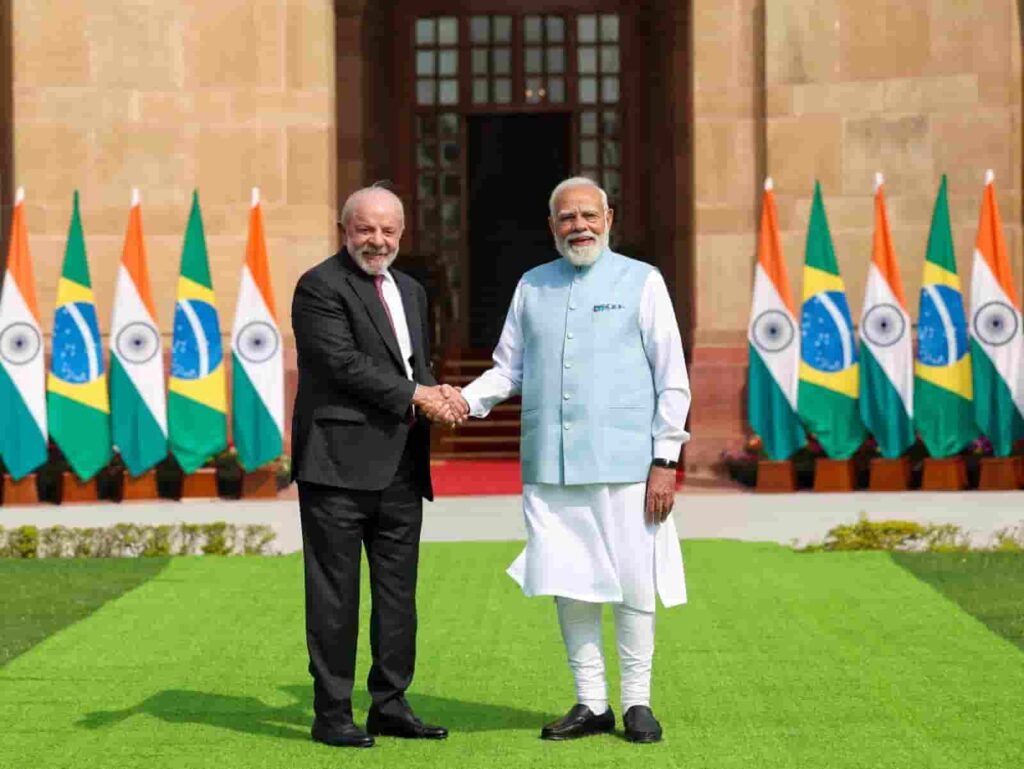
POLITICS Brazil President Lula in India: A Friendly Visit for Talks on AI, Trade, and More Brazil’s President Luiz Inácio Lula da Silva landed in New Delhi on February 18, 2026, for a five-day state visit. He said “Namaste, India!” on social media and shared a video of his warm traditional welcome. This is his sixth trip to India, invited by Prime Minister Narendra Modi. Lula will stay until February 22. The visit focuses on stronger ties between the two countries, with key events like the AI Impact Summit and meetings with top Indian leaders. Lula got a nice welcome at the airport from Minister of State for External Affairs Pabitra Margherita. He is here with about 14 ministers and many top CEOs from Brazilian companies. They will meet Indian leaders and join a Business Forum to talk business. India and Brazil already trade a lot, $15 billion in 2025. Brazil is India’s biggest trade partner in Latin America. What Will Happen During the Visit The visit has a full schedule. On February 19-20, Lula will join the 2nd AI Impact Summit. This event brings leaders together to discuss how AI can help countries grow fairly. India and Brazil both care about smartly using tech. President Droupadi Murmu will meet Lula and host a banquet for him. Vice President C.P. Radhakrishnan and External Affairs Minister S. Jaishankar will also call on him. The big meeting is on February 21. Prime Minister Modi will sit down with Lula to review all parts of their relationship. They will talk about trade, defense, energy, farming, health, and new areas like AI and space. Modi will host lunch for Lula. The leaders will also share ideas on world issues like UN changes, climate change, terrorism, and problems facing the Global South. Strong Ties Between India and Brazil India and Brazil have been close friends since 1948. They became Strategic Partners in 2006. Both are big democracies with shared values. They work together in BRICS, where India is the chair right now. Trade is growing fast. Brazil sells things like soybeans and oil to India. India sends pharma, chemicals, and auto parts to Brazil. They cooperate in defense, green energy, critical minerals for batteries, and Digital Public Infrastructure, like India’s UPI. Both push for UN reforms and fight climate change. Lula first came to India in 2004 as a Republic Day guest. He was here last for the G20 in 2023. Modi visited Brazil in July 2025, the first Indian PM’s state visit there in 57 years. They met again at the G20 in November 2025. Why This Visit Matters This trip will help both countries plan. Business leaders want more deals in trade and investment. Ministers will talk on energy, health, and tech. The CEOs’ forum shows how companies from both sides see big chances. Lula said the visit is about “strengthening ties, deepening partnerships, and discussing AI’s future.” For India, it boosts the BRICS and the Global South work. Brazil gets a stronger link to Asia’s top economy. People-to-people links are good too, yoga in Brazil, Brazilian culture in India. Both leaders want more cooperation on big world problems.
Adani, Leonardo Sign Strategic Deal for Helicopter Manufacturing in India
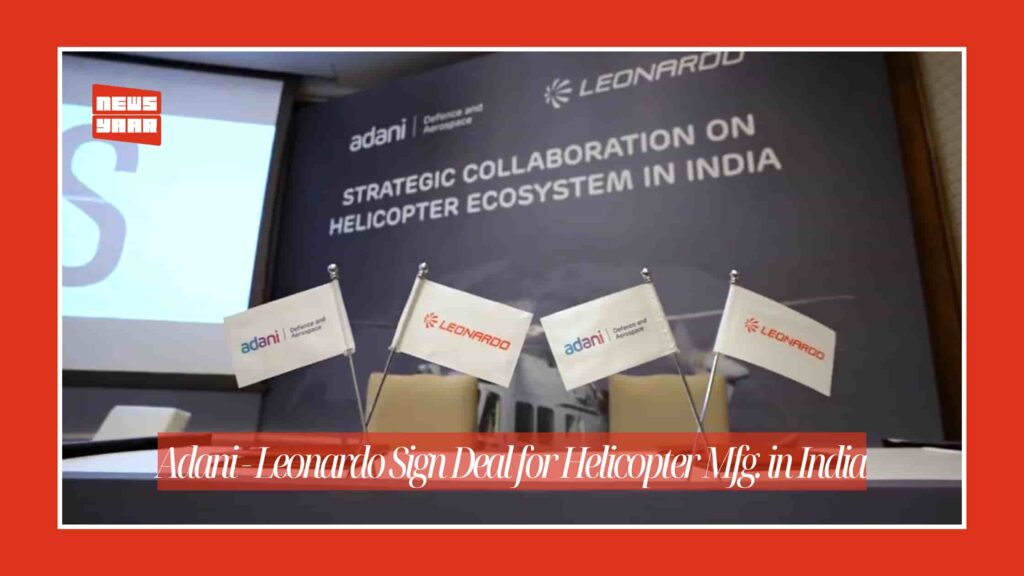
BUSINESS Adani, Leonardo Sign Strategic Deal for Helicopter Manufacturing in India In a significant development for India’s defence and aerospace sector, Adani Defence & Aerospace, the defence arm of India’s Adani Group, and Leonardo, the Italian aerospace and defence giant, have signed a strategic Memorandum of Understanding (MoU) to establish a comprehensive helicopter manufacturing ecosystem in India. The partnership, announced in early February 2026, represents a milestone in the country’s bid to enhance indigenous manufacturing capabilities, support national security requirements and reduce dependence on imports for military rotorcraft. Overview of the Agreement The MoU was signed in New Delhi by Ashish Rajvanshi, CEO of Adani Defence & Aerospace, and Stefano Villanti, Senior Vice President – Helicopters at Leonardo, in the presence of senior officials including India’s Defence Secretary Rajesh Kumar Singh and Director General of Acquisition, A. Anbarasu. The agreement lays the foundation for collaborative efforts to develop, manufacture, sustain and support a range of helicopter platforms in India. Under the pact, both parties will work to build an integrated helicopter production base that encompasses not just manufacturing, but also assembly, maintenance, repair and overhaul (MRO) capabilities, pilot training infrastructure and a phased transfer of technology to Indian industry. Focus on Key Helicopter Platforms The partnership is expected to centre initially on the production of Leonardo’s AW169M and AW109 TrekkerM helicopter models — platforms designed for multi-role utility in military, parapublic, law enforcement and support missions. These models are chosen for their versatility, modern avionics and suitability for diverse operational environments. The strategic intent is to position India as a hub for helicopter manufacturing in the Asia-Pacific region, with future potential expansion into civil applications once the defence ecosystem is established. Market analysts believe that India’s armed forces may require more than 1,000 helicopters over the coming decade, making this collaboration timely for meeting long-term demand while promoting domestic capabilities. Strategic Importance and Government Alignment The Indo-Italian partnership aligns closely with the Government of India’s “Make in India” and “Aatmanirbhar Bharat” (self-reliant India) initiatives, which seek to strengthen the domestic defence industrial base, attract foreign direct investment and develop advanced technological and manufacturing expertise within the country. By facilitating technology transfer, indigenous production and high-skill job creation, the collaboration is expected to contribute to broader policy goals of reducing import dependency in critical defence platforms while improving operational readiness and supply chain resilience for the Indian Armed Forces. Economic and Industrial Impact Industry observers note that the agreement could catalyse growth in India’s aerospace sector by: Creating an integrated manufacturing ecosystem for helicopters and related aerospace products Fostering technology transfer and skill development for Indian engineers and technicians Boosting local supply chains and components manufacturing **Generating high-value employment opportunities across engineering, production and MRO segments Supporting ancillary industries such as avionics, composite materials and specialised tooling The collaboration also has potential spill-over effects into civil aviation and emergency services, where helicopter platforms play a key role in operations such as medical evacuation, disaster relief, law enforcement support and search-and-rescue missions. Context: Rising Demand for Helicopters India’s demand for helicopters spans both military and civilian needs. The Indian armed forces regularly modernise and expand their rotary-wing fleets to address border security, rapid deployment, logistics and humanitarian tasks. Meanwhile, civil sectors including tourism, offshore operations and corporate transport increasingly require reliable and versatile helicopter platforms, driving overall growth in the rotorcraft market. Broader Aerospace Strategy of Adani Defence & Aerospace This strategic tie-up with Leonardo complements other moves by Adani Defence & Aerospace to broaden its footprint in India’s aerospace landscape. For instance, the company recently signed a separate MoU with Brazilian aerospace firm Embraer to explore the establishment of an integrated regional transport aircraft manufacturing ecosystem, aiming to set up assembly lines and develop supply chain and pilot training infrastructure in support of India’s broader aviation ambitions. These partnerships reflect Adani’s evolving role in advancing India’s capabilities in both fixed-wing and rotary-wing aviation manufacturing — a sector historically dominated by public-sector enterprises and foreign imports. Industry and Market Reaction The announcement has been met with cautious optimism in industry circles and on financial markets. Shares of Leonardo saw a modest uptick following the news, signalling investor confidence in the strategic growth potential of expanded manufacturing operations in India. Analysts have highlighted that structured collaborations between Indian private industry and global aerospace leaders could accelerate the development of high-end manufacturing competencies domestically. Challenges and Future Prospects While the MoU lays a strategic roadmap, experts note that detailed implementation will require further clarity on timelines, investment commitments, facility locations and regulatory approvals. Establishing an end-to-end helicopter manufacturing ecosystem — from component production to final assembly and life-cycle support — is capital-intensive and requires strong coordination between industry partners, government bodies and defence stakeholders. Nevertheless, the Adani-Leonardo partnership is widely seen as a transformational step in India’s defence manufacturing strategy, reinforcing the country’s march towards self-reliance and technological maturity in aerospace.
Grammy Awards 2026: Historic Wins, Major Moments and Full Winners List

ENTERTAINMENT Grammy Awards 2026: Historic Wins, Major Moments and Full Winners List Newsyaar February 9, 2026 8:31 am The 68th Annual Grammy Awards — the most prestigious honours in the global music industry — were held on February 1, 2026, at the Crypto.com Arena in Los Angeles, California, celebrating outstanding achievements in music released between August 31, 2024, and August 30, 2025. The ceremony was broadcast live on CBS and streamed on Paramount+, marking the final year on these platforms before the broadcast moves to new partners under a long-term agreement beginning in 2027. South African comedian Trevor Noah hosted the event for the sixth and final time, closing a defining chapter in Grammy hosting history. The Grammys are presented annually by the Recording Academy, recognising excellence in recordings, performances, compositions and technical artistry across widespread genres. This year’s event drew major global attention for its historic milestones, genre diversity and broad musical representation spanning rap, pop, Latin, R&B, rock, country and international music. Big Night, Big Winners: Major Awards and Historic Firsts One of the most notable outcomes of the 2026 ceremony was the Album of the Year award going to Bad Bunny for Debí Tirar Más Fotos, marking the first time a primarily Spanish-language album has won the Grammys’ most coveted prize. The triumph was widely viewed as a cultural milestone, illustrating the expanding global influence of Latin urban music. Record of the Year, which honours the performance and production of a single recording, went to “luther” by Kendrick Lamar and SZA, highlighting one of the year’s most acclaimed songs. Song of the Year, awarded to songwriters, was won by Billie Eilish and Finneas O’Connell for “Wildflower”. Meanwhile, Olivia Dean was named Best New Artist, acknowledging a breakthrough year in her career. Leadership in Nominations and Awards Rap powerhouse Kendrick Lamar led all nominees with nine nominations heading into the night, tying with artists such as Lady Gaga, Jack Antonoff and producer Cirkut in multiple categories. Lamar went on to capture five Grammy wins, the most of any artist at the ceremony, including Best Rap Album for GNX and a second consecutive win for Record of the Year. His victories also extended his standing as the most awarded rapper in Grammy history, surpassing previous record holders through sustained artistic excellence. Full Winners Snapshot: Major Categories While the Grammys encompass 95 categories covering both popular and specialised areas, the following represents a condensed overview of key awards and winners from the 2026 ceremony: Album of the Year — Debí Tirar Más Fotos (Bad Bunny) Record of the Year — “luther” (Kendrick Lamar & SZA) Song of the Year — “Wildflower” (Billie Eilish & Finneas) Best New Artist — Olivia Dean Best Pop Vocal Album — Mayhem (Lady Gaga) Best Pop Solo Performance — “Messy” (Lola Young) Best Pop Duo/Group Performance — “Defying Gravity” (Cynthia Erivo & Ariana Grande) Best Rap Album — GNX (Kendrick Lamar) Best R&B Album — MUTT (Leon Thomas) Best Rock Album — Songs of a Lost World (The Cure) Best Country Solo Performance — “Bad As I Used to Be” (Chris Stapleton) Best African Music Performance — “Water” (Tyla)(Other winners and full lists are available from Recording Academy sources.) Diverse Recognition Across Genres The 2026 Grammys celebrated genre diversity and global music influence. Lady Gaga secured wins in both Best Pop Vocal Album and Best Dance Pop Recording for Abracadabra, while artists like Tyler, The Creator and Turnstile were recognised in rock and alternative categories. R&B and hip-hop saw standout wins for Kehlani and Leon Thomas, reinforcing the continued crossover appeal of those genres. Latin, African and reggae music also featured in winners’ circles, reflecting the Recording Academy’s broader emphasis on inclusivity within music’s evolving landscape. Notable moments also emerged outside typical categories; the documentary Music by John Williams, produced by Steven Spielberg and collaborators, earned a win for Best Music Film, crowning him an EGOT recipient — an artist who has collectively won an Emmy, Grammy, Oscar and Tony Award. Additionally, the song “Golden” from KPop Demon Hunters captured Best Song Written for Visual Media, marking a landmark moment for Korean pop integration into major Grammy recognition. Performances, Red Carpet and Broader Cultural Impact The 2026 ceremony featured a lineup of performances and presentations spanning multiple music styles and eras. High-profile artists such as Lady Gaga, Justin Bieber, Sabrina Carpenter and others took to the stage, bridging mainstream pop with experimental and genre-blending sounds. The red carpet was equally vibrant, with nominees and attendees showcasing fashion and expression that added to the cultural resonance of the event. While the Grammys are inherently competitive, the 2026 edition was marked by artist statements and moments that transcended music alone, with some performers using their acceptance speeches to touch on social commentary and advocacy, underlining the intersection of art and contemporary issues. Why the 2026 Grammys Matter The 68th Annual Grammy Awards reaffirmed the ceremony’s position as a bellwether for global music trends, celebrating both commercial success and artistic innovation. From Bad Bunny’s historic Spanish-language Album of the Year to Kendrick Lamar’s record-setting achievements, the event highlighted the industry’s dynamic evolution and the broadening reach of diverse musical voices. As the music world looks ahead, the 2026 Grammys will be remembered for its blend of historic wins, genre-crossing recognition and cultural expression — a testament to the ever-expanding landscape of global music. https://www.youtube.com/watch?v=gil4hcn9loI&t=13129s Video credit: YT@/Recording Academy / GRAMMYs https://www.youtube.com/watch?v=20RneK7Dnho Video credit: YT@/Recording Academy / GRAMMYs About the Author Entertainment Reporter Share via Copied Comments Post Comment
Epstein Files: All You Need To Know
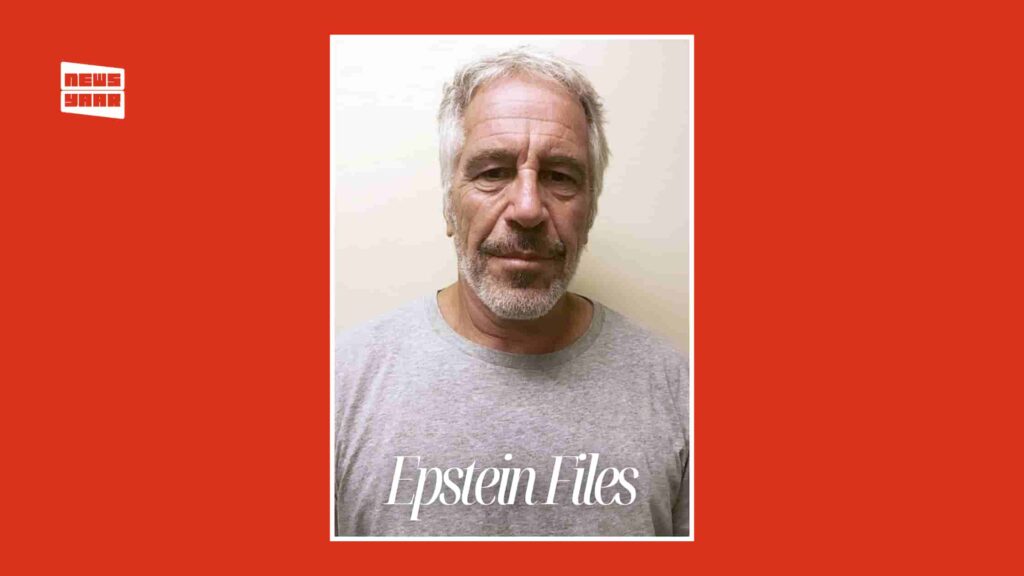
WORLD Epstein Files: All You Need To Know Newsyaar February 9, 2026 8:20 am Jeffrey Epstein’s case spans decades of allegations, lenient deals, and high-profile scrutiny. It began with early reports of abuse in the 2000s, escalated through his 2019 arrest and death, and continues unfolding via mandated file releases today. Jeffrey Epstein’s files, a massive trove of emails, documents, and records from the US Department of Justice, expose the financier’s web of connections to power, science, and controversy. Released under the 2025 Epstein Transparency Act, these files, totaling over three million items, detail his funding of elite projects and interactions with prominent figures, though most mentions do not imply criminality. Who Was Jeffrey Epstein? Epstein, a convicted sex offender, built a fortune as a financier and cultivated ties with scientists, politicians, and celebrities. Arrested in 2019 on federal sex trafficking charges, he died by suicide in a New York jail cell that August, sparking endless speculation. His associate Ghislaine Maxwell was convicted in 2021 and is serving 20 years for her role in recruiting victims. Early History (2002–2008) Abuse allegations surfaced in March 2005 when Palm Beach police probed Epstein for paying a 14-year-old girl for a “massage” at his mansion, uncovering claims from dozens more minors dating back to 2002.’ In 2006, he faced multiple unlawful sex act charges, but a grand jury indicted only on one minor count of solicitation. Federal involvement grew via the FBI’s “Operation Leap Year.” By June 2008, Epstein secured a controversial non-prosecution deal from U.S. Attorney Alexander Acosta: pleading guilty to state solicitation charges, 18 months in jail (mostly work release), sex offender registration, and victim restitution, sparing him federal time despite 36 identified victims. The Epstein Files 2026 Less than 1% of files are public; redactions shield victims, with more expected. No “client list” or conspiracy proof; DOJ upholds suicide ruling, lists ~10 co-conspirators (some subpoenaed). Revelations fuel global probes (Norway politics shaken) and speculation (e.g., “Cody Rudland” email), but focus remains on Epstein’s science/power ties without broad prosecutions. Online tools like Jmail drive public analysis, sustaining debate. Recent Document Releases The US Department of Justice’s January 31, 2026, release—over three million pages, 180,000 images, and 2,000 videos—marks the biggest batch yet under the Epstein Transparency Act. It includes Epstein’s jail evaluations, Ghislaine Maxwell details, and searchable emails via Jmail. These files highlight Epstein’s post-2008 conviction dealings, like his $800,000 MIT donations that triggered resignations and probes. No “client list” or blackmail evidence emerged, per a July 2025 DOJ memo confirming his death as suicide. Prominent Associates in Files Files name ~150 from lawsuits, emails, flight logs; many social/financial ties, no proven criminality. Bill Clinton: Frequent flyer on Epstein’s jet (post-presidency); denied island visits or knowledge of crimes. Donald Trump: Early friendship (banned Epstein from Mar-a-Lago); Maxwell emails reference “girls,” denied by White House. Prince Andrew: Giuffre alleged abuse (settled 2022 civil suit); stripped of titles. Leon Black: Paid $158M for advice; files allege coerced massages Lawrence Krauss: $250K funding; emails on his scandals.Lisa Randall: Island visit, house arrest joke email Martin Nowak: $6.5M Harvard center funding.Nathan Wolfe: Pitched “horny virus” study. Corina Tarnita: Facilitated Romanian scholarships Harvey Weinstein: One victim alleged a paid encounter via Maxwell Other Notables Files reference ~10 potential co-conspirators (FBI list, some subpoenaed) plus 25 unnamed with secret settlements per Maxwell. Scientists, politicians (Norwegian fallout), Bill Gates (odd emails). About the Author World Reporter Share via Copied Comments Post Comment
Pravasi Bharatiya Divas 2026: Celebrating the Diaspora’s Enduring Bond with India
GOVERNMENT Pravasi Bharatiya Divas 2026: Celebrating the Diaspora’s Enduring Bond with India Newsyaar February 9, 2026 7:56 am Pravasi Bharatiya Divas (PBD), observed annually on January 9, honors the pivotal contributions of the Indian diaspora to India’s progress, marking Mahatma Gandhi’s return from South Africa in 1915 after 21 years, a moment that fueled India’s independence movement. While 2026 marks a non-convention year following the 18th biennial PBD Convention in Bhubaneswar, Odisha (January 8-10, 2025), themed “Diaspora’s Contribution to a Viksit Bharat,” global events and local initiatives continue to strengthen ties with over 35 million Non-Resident Indians (NRIs) and Persons of Indian Origin (PIOs) across 200+ countries. Launched in 2003 by the Government of India, PBD has evolved into a flagship platform since 2015 in its biennial convention format, promoting engagement amid India’s position as home to the world’s largest diaspora. Valued at more than 35 million strong, this community drives diplomacy, trade, technology transfer, and cultural exchange, channeling over USD 120 billion in annual remittances, making India the global top recipient. Objectives and Impact PBD 2026 emphasizes reconnecting overseas Indians with their roots while leveraging their potential for national growth. Key goals include building trust through direct interactions with Indian leaders and policymakers, encouraging investments in startups, infrastructure, healthcare, and education, and promoting skill-sharing from global experiences. It preserves Indian culture, languages, and traditions among second- and third-generation diaspora members while recognizing achievements through the Pravasi Bharatiya Samman Awards. The impact resonates deeply: it bolsters the diaspora’s global identity, enhances economic participation, and provides grievance redressal forums. By honoring their role in nation-building, PBD motivates sustained contributions, from business ventures to cultural preservation, positioning the diaspora as a bridge for a “Viksit Bharat” (Developed India). Dubai’s Vibrant Celebration In the UAE, home to one of the largest Indian communities, the Indian Business and Professional Council (IBPC) Dubai, alongside the Consulate General of India, hosted a standout cultural and thought-leadership evening blending World Hindi Day and PBD observances. The event drew Pravasi Bharatiya Award recipients like IBPC Chairman Siddharth Balachandran and veteran leader Vasu Shroff, highlighting Dubai’s stature as a hub for Indian professional excellence and exchange. Balachandran underscored the UAE’s diverse Indian tapestry, advocating for appreciation of regional languages alongside Arabic to foster coexistence. IBPC Vice Chairman Sunil Sinha stressed language in heritage preservation, while Consul Sunil Kumar urged youth involvement in cultural safeguarding. Dr. Sahitya Chaturvedi, IBPC Secretary General, addressed in Sanskrit, sharing his passion for linguistic promotion. The evening featured poetry recitals, an IBPC member Kavi Sammelan, and musical tributes to Hindi poetry, capturing the diaspora’s vibrant spirit. Looking Ahead As a non-convention year, 2026 relies on embassy-led events worldwide for reflection and dialogue, with the next major gathering slated for the 19th PBD in 2027. Smaller regional interactions may emerge, though official Ministry of External Affairs details remain pending. Amid cricket’s dominance and emerging sports like cycling (e.g., Pune Grand Tour), PBD uniquely spotlights the diaspora’s quiet power in remittances, innovation, and soft diplomacy. This observance reaffirms India’s strategic embrace of its global family, turning historical homecomings into modern partnerships for progress. About the Author Government Reporter Share via Copied Comments Post Comment
India Secures Record Investments at Davos 2026
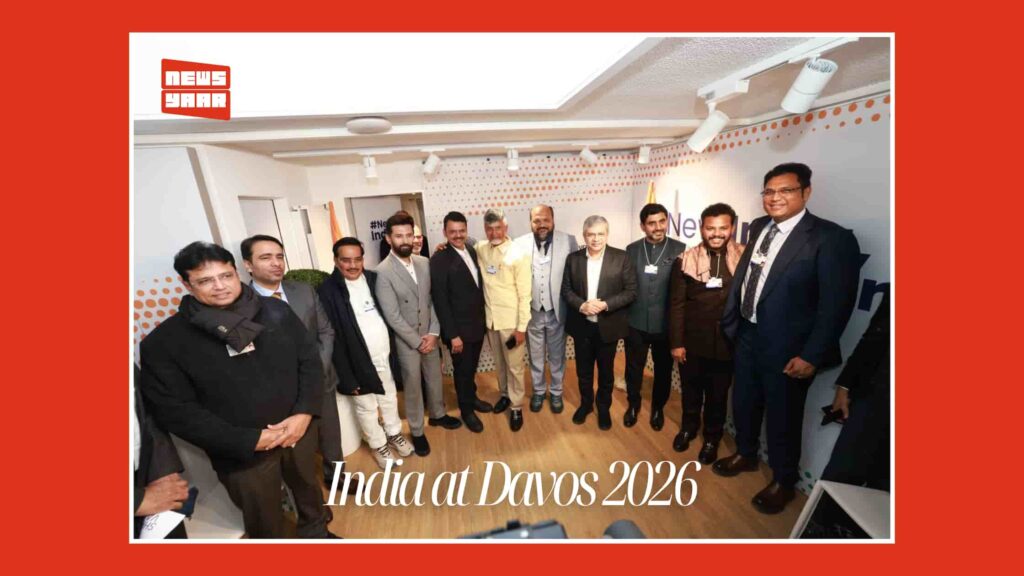
BUSINESS India Secures Record Investments at Davos 2026 Newsyaar February 5, 2026 5:32 pm Nine States Present Unified Investment Vision at World Economic Forum India emerged as the preferred investment destination at the World Economic Forum 2026 held in Davos, Switzerland, with nine participating states securing commitments worth lakhs of crores across artificial intelligence, clean energy, manufacturing, and digital infrastructure. The states presented themselves as a single, integrated investment market, showcasing opportunities that position India firmly as a future-ready economic powerhouse. Gujarat, Maharashtra, Telangana, Karnataka, Uttar Pradesh, Andhra Pradesh, Kerala, Assam, and Jharkhand participated in the summit, with Assam and Jharkhand making their inaugural appearances. All states are integrated with the National Single Window System, a centralised digital platform designed to streamline investment approvals and clearances for global investors. India’s Strategic Objectives at Davos 2026 India’s presence at Davos 2026 represented a coordinated national strategy with several key objectives: Positioning India as a Unified Investment Destination: Rather than competing against each other, states presented complementary strengths, demonstrating policy alignment and infrastructure readiness across the country. Showcasing Digital Infrastructure Readiness: With the National Single Window System integration, India demonstrated its commitment to ease of doing business and rapid investment approvals. Accelerating Clean Energy Transition: States highlighted renewable energy commitments aligned with India’s net-zero targets, attracting global climate-focused investors. Building AI and Technology Leadership: Multiple states positioned themselves as AI-ready economies, competing for next-generation technology investments. Creating Employment at Scale: Investment commitments focused on job creation, with Maharashtra alone projecting over 40 lakh jobs from secured MoUs. Maharashtra Leads with ₹30 Lakh Crore Investment Pipeline Maharashtra Chief Minister Devendra Fadnavis announced MoUs worth ₹30 lakh crore, with 83 per cent involving foreign direct investment and 16 per cent in partnerships with foreign technologies. Companies from 18 countries are committed to investing in the state, potentially creating over 40 lakh jobs. Major investors include Lodha Developers, OpenAI, Iron Mountain, Princeton Data Group, Volkswagen, and Coca-Cola, with a primary focus on developing data centres. Lodha Developers pledged ₹1 lakh crore to develop a 2.5 GW Green Data Centre Park in the Mumbai Metropolitan Region, set to become one of India’s largest digital infrastructure hubs. Plans also include an AI innovation city near Navi Mumbai, a Global Capability Centre in Bandra Kurla Complex, and a ₹20,000 crore steel plant expansion in Gadchiroli. Technology and Clean Energy Drive State Commitments Telangana secured investments worth ₹30,000 crore, positioning itself as an AI-first economy. L’Oréal will establish an AI-powered Global Beauty Tech Hub in Hyderabad, while UPC Volt plans a 100 MW AI-ready data centre in Bharat Future City. The Rashmi Group committed ₹12,500 crore for a steel plant, and Schneider Electric India announced manufacturing capacity expansion. Uttar Pradesh signed MoUs exceeding ₹9,750 crore, coordinated by Invest UP. Key projects include SAEL Industries’ ₹8,000 crore waste-to-energy initiative, Sift Technologies’ ₹1,600 crore AI-ready data centres, and a ₹150 crore AI city in Noida focused on defence manufacturing. Assam has secured investment commitments worth Rs 1 lakh crore already, and it is only a base for the state in the global arena, Chief Minister Himanta Biswa Sarma said on Wednesday. Karnataka attracted interest from Nokia for Global Capability Centres and research facilities beyond Bengaluru, with discussions involving Cloudflare and aerospace companies Vast Space and Voyager Technologies. The RPSG Group invested in renewable energy projects in Vijapura and Ballari districts, supporting wind power manufacturing expansion. Kerala secured $14 billion (₹1.18 lakh crore) in commitments across renewable energy, skill development, tourism, medical services, and infrastructure. Andhra Pradesh partnered with RMZ Corporation for large-scale mixed-use, digital, industrial, and logistics infrastructure development. Jharkhand received Tata Steel’s ₹11,000 crore investment commitment for low-carbon steelmaking technologies and held discussions with Hitachi India on power and grid infrastructure. National Clean Energy Push India is rapidly expanding its clean electricity pipeline through large-scale solar and wind farms while upgrading grid infrastructure. The focus includes battery storage and hybrid storage options to meet 24×7 renewable power needs, increasing energy reliability across regions. Davos 2026 showcased India’s growing stature as a global investment destination. From state-led projects to nationwide green energy initiatives, the announcements reflect strong investor confidence in India’s policy stability, scale, and future-ready growth story, promising long-term economic growth, job creation, and deeper global integration. Why Davos 2026 Matters for India? Davos 2026 showcased India’s growing stature as a global investment destination. From state-led projects to nationwide green energy initiatives, the announcements reflect strong investor confidence in India’s policy stability, scale, and future-ready growth story, promising long-term economic growth, job creation, and deeper global integration. The success of India’s Davos 2026 participation will ultimately be measured not just in MoU values, but in actual project implementation, job creation, technology transfer, and contribution to India’s vision of becoming a developed nation by 2047. The unified approach by participating states, supported by central government infrastructure and policy frameworks, creates a strong foundation for translating commitments into tangible economic outcomes. About the Author Business Reporter Share via Copied Comments Post Comment
Doomsday Clock Explained: Why Humanity Remains 90 Seconds from Midnight

WORLD Doomsday Clock Explained: Why Humanity Remains 90 Seconds from Midnight Newsyaar February 2, 2026 8:54 pm The Doomsday Clock, a symbolic measure of humanity’s proximity to global catastrophe, remains set at 90 seconds to midnight, the closest it has ever been to the point representing irreversible disaster. Maintained by the Bulletin of the Atomic Scientists, the clock reflects the collective judgement of leading scientists, security experts and Nobel laureates on the state of existential threats facing the world. First unveiled in 1947, the Doomsday Clock was conceived by scientists who had worked on the Manhattan Project and later became deeply concerned about the consequences of nuclear weapons. What began as a warning about atomic warfare has since evolved into a broader indicator that incorporates multiple human-driven risks, including nuclear conflict, climate change, biological threats, disruptive technologies and geopolitical instability. Midnight on the clock does not represent a specific event or date. Instead, it symbolises a threshold beyond which civilisation could face irreversible damage. The clock’s movement toward or away from midnight is recalibrated periodically based on global developments, policy decisions and emerging scientific assessments. Why the Clock Is Still at 90 Seconds The decision to keep the Doomsday Clock at 90 seconds to midnight reflects the Bulletin’s view that the global risk environment remains exceptionally dangerous, with no meaningful improvement across major threat categories. At the centre of this assessment lies the continued risk of nuclear confrontation. More than three decades after the end of the Cold War, nuclear weapons remain deeply embedded in global security doctrines. Approximately 12,000 nuclear warheads exist worldwide, many on high alert. The erosion of arms control frameworks, combined with heightened geopolitical tensions, has increased the risk of miscalculation, misunderstanding or unintended escalation. The ongoing conflict in Ukraine, now entering a prolonged phase with no clear resolution, has brought nuclear rhetoric back into mainstream strategic discourse. Relations between nuclear-armed states have grown more confrontational, while communication channels that once helped manage crises have weakened. Experts warn that even a limited nuclear exchange would have catastrophic humanitarian, environmental and economic consequences far beyond national borders. Climate Change as a Risk Multiplier Climate change is another central reason for the clock’s position. Scientists associated with the Bulletin consistently describe climate disruption as a threat multiplier, exacerbating existing political, economic and social stresses. Rising global temperatures, intensifying extreme weather events, melting glaciers and sea-level rise are no longer future projections but present realities. Despite international agreements and climate pledges, global greenhouse gas emissions continue at levels incompatible with limiting warming to safer thresholds. The failure to translate commitments into action has raised concerns that climate impacts could trigger large-scale displacement, food insecurity and conflict, further destabilising fragile regions. The Bulletin has emphasised that climate risks intersect with nuclear and geopolitical dangers, creating complex feedback loops that make crises harder to manage and resolve. Biological Risks and Global Health Vulnerabilities The COVID-19 pandemic reshaped global thinking around biological threats, exposing weaknesses in health systems, international coordination and crisis response mechanisms. While the immediate emergency has passed, experts caution that the world remains underprepared for future pandemics. Advances in biotechnology, while offering immense benefits, also raise concerns about accidental releases, laboratory safety and the potential misuse of biological agents. The Bulletin notes that insufficient global governance in this area increases the likelihood that biological risks could escalate rapidly before adequate countermeasures are deployed. Technology, AI and Unintended Consequences Emerging technologies, particularly artificial intelligence, have become an increasingly important factor in the Doomsday Clock’s assessment. Rapid advances in AI, autonomous systems and cyber capabilities are transforming economies and militaries alike, often faster than regulatory or ethical frameworks can adapt. Of particular concern is the integration of AI into military decision-making systems, where reduced human oversight could increase the risk of unintended escalation during crises. The spread of AI-driven misinformation and deepfake technologies has also undermined trust in institutions, media and democratic processes, contributing to political polarisation and instability. The Bulletin has warned that technological innovation without adequate safeguards could amplify existing threats rather than mitigate them. The Role of Geopolitics and Global Fragmentation A defining feature of the current era is the fragmentation of global cooperation. Multilateral institutions face growing pressure, while geopolitical rivalries increasingly shape international engagement. Trade disputes, sanctions regimes and strategic competition have narrowed the space for collective problem-solving. The Doomsday Clock reflects this reality by highlighting not just the presence of risks, but the absence of effective global responses. According to the Bulletin, many of today’s dangers are exacerbated by mistrust between states and the prioritisation of short-term national interests over long-term global stability. A Warning, Not a Prediction Crucially, the Bulletin of the Atomic Scientists stresses that the Doomsday Clock is not a forecast of inevitable disaster. Rather, it is a warning signal intended to prompt reflection, debate and action. The clock’s hands have moved away from midnight in the past, most notably after the Cold War, demonstrating that political choices and international cooperation can reduce existential risk. The current setting at 90 seconds to midnight is meant to convey urgency. It reflects a judgement that humanity is operating with a dangerously narrow margin for error — but not that catastrophe is unavoidable. Why the Doomsday Clock Still Matters Today In an era of constant news cycles and competing crises, the Doomsday Clock endures because it offers a unified framework for understanding global risk. It reminds policymakers and the public alike that nuclear weapons, climate change, pandemics and disruptive technologies are interconnected challenges requiring coordinated responses. The Bulletin argues that humanity possesses the knowledge and resources needed to address these threats. What remains uncertain is whether there is sufficient political will to act decisively and collectively before risks escalate further. As the world navigates an increasingly complex and volatile landscape, the Doomsday Clock’s position serves
India Energy Week 2026: Mapping India’s Energy Transition in a Fragmented World
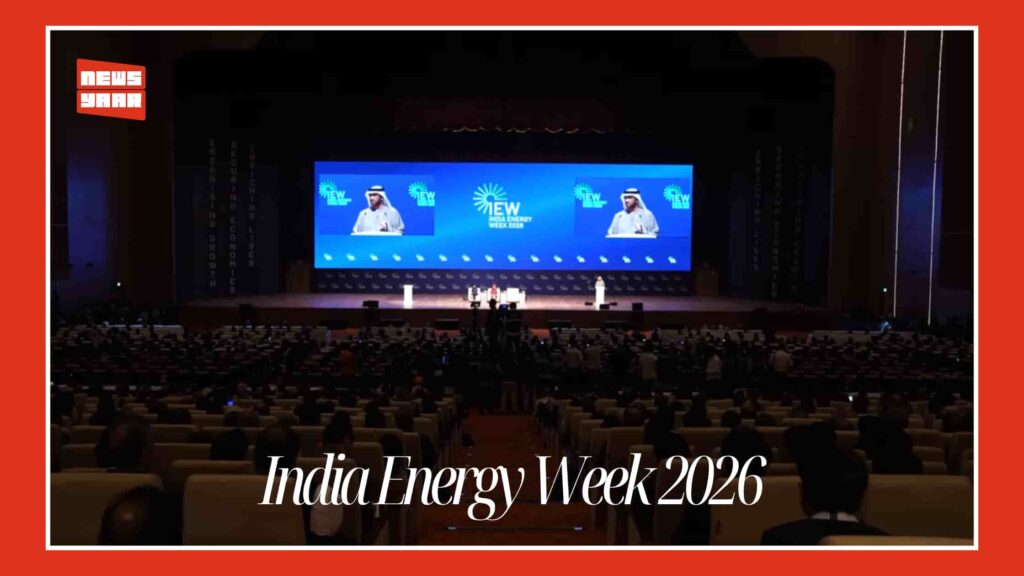
EVENTS India Energy Week 2026: Mapping India’s Energy Transition in a Fragmented World Newsyaar February 1, 2026 11:15 pm New Delhi: India Energy Week (IEW) 2026 emerged as a pivotal platform for India to articulate its energy priorities at a time when global energy systems are undergoing rapid transition amid geopolitical uncertainty, climate imperatives and shifting technology landscapes. Bringing together policymakers, industry leaders, innovators and global stakeholders, the event reinforced India’s ambition to position itself as a key driver of the global energy transition while safeguarding energy security and affordability. Held with a sharp focus on collaboration and execution, India Energy Week 2026 underscored the idea that India’s energy journey will be defined not by a single fuel or technology, but by a balanced, multi-pathway approach. Why India Energy Week Matters India Energy Week is designed as India’s flagship international energy forum, aimed at bridging dialogue between government, global energy companies, clean-tech innovators and investors. As one of the world’s fastest-growing energy consumers, India sits at the centre of global energy conversations, both as a market and as a solutions provider. With India targeting net-zero emissions by 2070, while simultaneously meeting the needs of a growing population and industrial base, the event plays a crucial role in aligning policy intent with industry execution. IEW 2026 continued this mandate by spotlighting policy clarity, investment opportunities and technological pathways across conventional and clean energy sectors. Central Themes and Focus Areas India Energy Week 2026 revolved around a few clear pillars: Energy Security in an Uncertain World: Discussions highlighted the need for diversified supply chains, domestic production and strategic reserves to shield economies from global disruptions. Accelerating the Clean Energy Transition: Renewable energy, green hydrogen, biofuels and energy storage were central to conversations, with India positioning itself as a scalable clean-energy hub rather than just a consumer of imported technologies. Technology, Innovation and Digitalisation: Artificial intelligence, smart grids and digital monitoring systems were presented as key enablers for improving efficiency, reducing losses and optimising energy distribution. Just and Inclusive Transition: Policymakers stressed that India’s energy shift must remain affordable and inclusive, ensuring that growth, employment and access are not compromised in the pursuit of sustainability. Key Highlights from India Energy Week 2026 A major highlight of IEW 2026 was the strong participation from both domestic and global energy players across oil & gas, renewables, power, hydrogen and emerging technologies. The event featured: Policy Dialogues: Senior government representatives outlined India’s evolving energy roadmap, emphasising reforms, infrastructure expansion and investor-friendly frameworks. Investment Conversations: India showcased opportunities across upstream and downstream energy, renewable manufacturing, electric mobility and green hydrogen ecosystems, reinforcing confidence in long-term capital deployment. Hydrogen and Bioenergy Push: India’s ambitions under the National Green Hydrogen Mission were discussed in detail, alongside progress in ethanol blending and bioenergy adoption to reduce import dependence. Energy Transition Showcases: Technology exhibitions and innovation zones demonstrated advancements in storage solutions, clean fuels and digital energy platforms. Global and Domestic Voices on the Same Stage India Energy Week 2026 featured participation from a wide range of stakeholders, including senior Indian ministers, global energy executives, international organisations and climate experts. The presence of global industry leaders reinforced India’s growing relevance in shaping future energy markets. International delegates engaged in dialogues on climate finance, technology transfer and collaborative innovation, while Indian public sector enterprises and private companies presented transition-ready business models aligned with sustainability goals. Strategic Significance for India The significance of India Energy Week 2026 lies in its timing and context. As global energy systems face volatility, from supply disruptions to policy shifts, India is positioning itself as a stable, predictable and scalable energy partner. The event highlighted India’s dual strength: Its ability to anchor traditional energy markets responsibly, and Its growing leadership in renewables and low-carbon solutions. By aligning policy, capital and innovation under one platform, IEW 2026 strengthened India’s narrative as a country that is not choosing between growth and sustainability, but integrating both. Looking Ahead: The Final Insights While India Energy Week 2026 focused heavily on ideas, partnerships and vision, the underlying message was clear: execution will define success. The emphasis on infrastructure readiness, regulatory clarity and market depth suggests a shift from aspirational announcements to delivery-oriented outcomes. As India advances towards becoming a $5 trillion economy, energy will remain at the core of its growth story. India Energy Week 2026 reaffirmed that India’s approach, pragmatic, inclusive and forward-looking, could well serve as a blueprint for other emerging economies navigating similar transitions. In a world searching for balanced energy solutions, India is increasingly positioning itself not just as a participant, but as a shaper of the global energy future. About the Author Events Reporter Share via Copied Comments Post Comment