


FIFA World Cup 2026 in Crisis: Wars, Cartels, and Trade Fights Threaten Historic Tournament

The 2026 FIFA World Cup will be the biggest ever, with 48 teams, 104 matches from June 11 to July 19 across 16 cities in the US, Canada, and Mexico. But today, just months away, it’s facing huge problems. Wars in the Middle East, killings by drug gangs in Mexico, fights between the host countries, and even a funny award to US President Donald Trump are making things very hard. Let’s break it all down in simple terms.Trump’s Peace Prize and the Wars That FollowedIn December 2025, at the World Cup group draw, FIFA President Gianni Infantino gave Trump the first-ever FIFA Peace Prize. They called him a “dynamic leader” for talks that brought “dialogue, de-escalation, and stability.” A video praised him for four minutes. Trump put on the medal happily.But three months later, Trump started big wars. He and Israel launched airstrikes on Iran called Operation Epic Fury, killing Iran’s top leader, Ayatollah Khamenei. Iran fired missiles at Israel, Qatar, Saudi Arabia, and Iraq. Trump also hit ISIS in Nigeria on Christmas, sent troops to Venezuela to catch President Nicolás Maduro, threatened to take Greenland from Denmark, and joked about making Canada the 51st US state by calling PM Mark Carney “governor.”Now, FIFA’s peace award looks bad. The World Cup could be ruined if the war in the Middle East escalates. Iran qualified first from Asia and plans a base in Arizona, but now they’re at war with the US. Iran Soccer Federation president Mehdi Taj said: “We can’t hope for the World Cup after these attacks.”FIFA has not said anything about the prize or wars.Mexico’s Drug War Hits World Cup CitiesMexico hosts the opening match in Mexico City (Mexico vs South Africa) and games in Guadalajara and Monterrey. But violence exploded near Guadalajara. Mexican forces killed “El Mencho,” boss of the Jalisco New Generation cartel, with US help from Trump. At least 70 people died.Trump pushed Mexico’s President Claudia Sheinbaum to fight cartels. Now, Monterrey has inter-confederation playoffs on March 31: Iraq vs winner of Bolivia vs Suriname (semifinal March 26). Guadalajara hosts another playoff with New Caledonia, Jamaica, and DR Congo.FIFA’s Infantino said, “Mexico is great. Governments and police will keep it safe.” Some talk moved matches to Qatar’s Lusail stadium (the last final site), but Iran attacked Qatar too—their jets shot down Iranian planes.Iraq Wants Playoffs Delayed Because of WarIraq coach Graham Arnold asked FIFA to postpone the Monterrey game. Iran’s war closed Iraqi airspace; no players or staff can fly out. “It won’t be our best team. Iraq hasn’t been to the World Cup since 1986. This is our big dream,” he said from the UAE.Arnold suggests: Bolivia vs Suriname now; winner vs Iraq in the US a week before the World Cup. Iraq president Adnan Dirjal works non-stop. FIFA has no answer yet.Host Countries Fighting Over Trade—USMCA Ends Mid-TournamentThe “United Bid” was sold as three friends together, like old NAFTA. But the USMCA trade deal ends July 1, right in the middle of the World Cup. Trump calls it “irrelevant” and might let it die. He pressures Mexico on cartels (even military help), backs Canada’s Alberta to break away (vote October), and Canada PM Carney promises to “stand up to Trump.”Leaders met once at the draw: Trump, Sheinbaum, and Carney. Trump met FIFA boss Infantino 8 times. Money problems too:US: Cities pay alone, no big federal help. Shutdown stops FEMA grants. No big fan fests in Jersey City or Seattle.Mexico: Tax breaks for World Cup cities.Canada: Over $300M federal money, mostly to Toronto/Vancouver cities.FIFA has 1,000 staff in three countries (4,000 during the event) for security and plans. They train local teams.How the United Bid Started, and Why It’s BreakingIn 2016, US Soccer boss Sunil Gulati said: Join forces, US gets 75% games, win sure. Canada/Mexico agreed. Pitch: “Neighbors unite for inclusive World Cup.” Won in 2018 vs Morocco.What Happens Next for the World Cup?Playoffs: March 26-31 in Mexico, will they move?Iran/Iraq teams: Travel bans? Boycotts?Security: Cartels, wars, and drones worry US cities.Fans: 39 days, millions travel, flights, borders tense.FIFA says it’s one tournament, three cultures. But glue is thin. Soccer unites the world, or will wars win?World Cup 2026 tests if football beats real fights. Fans wait, pray for goals over bombs.
Strait of Hormuz Crisis: Why This Narrow Waterway Controls Global Oil and Sparks Economic Chaos
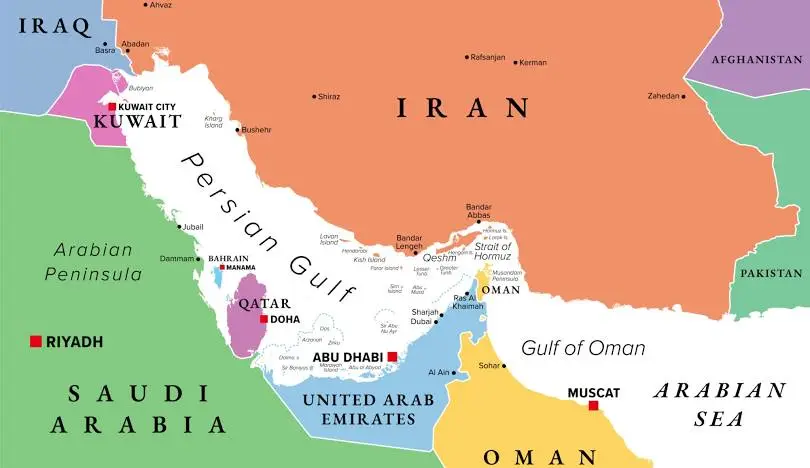
A tense new threat hangs over world trade. Iran has warned it will “set fire” to any ships passing through the Strait of Hormuz and block all oil exports from the region. This comes after US and Israeli strikes on Iran starting February 28, 2026. Already, oil prices have jumped, ships are avoiding the area, and experts fear big problems for countries like India, China, and Japan. Let’s explain this vital sea route in simple terms, what it is, why it matters, and what happens if it closes.What is the Strait of Hormuz?The Strait of Hormuz is a narrow waterway between Iran (north) and Oman/UAE (south). At its narrowest, it’s just 33 km (21 miles) wide, with shipping lanes only about 3 km (2 miles) each way. It connects the Persian Gulf to the Arabian Sea and the open ocean.Size: Deep enough for giant oil tankers; the busiest oil chokepoint in the world.Daily traffic: Around 3,000 ships per month; 20 million barrels of oil per day (20% of global supply).Value: Nearly $600 billion in oil/gas trade yearly.Big producers like Saudi Arabia, Iraq, Kuwait, Qatar, the UAE, and Iran send oil here. Most goes to Asia (84% crude oil).Why is It So Important for World Trade?This strait is like a busy highway for energy, with no good shortcuts. Without it:Global oil: 20-27% of all seaborne oil (14-20 million barrels/day). LNG (gas): 20% of world supply, mostly Qatar to Europe/Asia.Other goods: 1/3 of global fertilizer trade (hits farming/food prices).Top destinations (2024-2025 data):CountryOil ShareWhy It HurtsChina5.4M b/d (27%)90% of Iran’s oil goes here; factories are slow. India1.6-2.1M b/dHalf of India’s oil imports; fuel/food prices rise. Japan/S. Korea1.6-2.1M eachPower plants, cars affected. Europe/USSmaller but key LNGGas bills up. Saudi leads exports: 5.5M b/d (38%). Iran: 1.7M b/d ($67B/year)Current Crisis: Threats, Attacks, and Shipping StoppedIran’s General Sardar Jabbari said no “single drop of oil” leaves. After US/Israel missiles sank Iranian warships and hit tankers:Ships flee: Hapag-Lloyd/CMA CGM paused transits; 150+ tankers stranded.Prices soar: Brent crude hit $82/bbl (up 10%); could reach $100+ if blocked long.reuters+1Ports shut: Dubai’s Jebel Ali fire from missile debris.Insurance skyrockets: Supertanker to China: $400K (doubled).UKMTO warns of “miscalculation” near military ships. Flows dropped to 4M b/d (from 16-20M).How Could Iran Close It—and Can They?UN rules give coastal control up to 12 nautical miles, covering the strait fully (Iran/Oman waters).Iran’s options:Mine: Fast boats/subs drop them, hard to clear.Missiles/drones: From IRGC navy boats/subs.Attacks: On tankers/warships.But risky: US Navy could strike back (1980s “Tanker War” escorts won). Trump vows to destroy Iran’s navy.Economic Impact: Higher Prices EverywhereShort block: Oil $80-90/bbl. Month-long: $100+; gas surges 130%.Consumers: Petrol, diesel, heating 20-50%.India/Asia: Factories slow; inflation hits food/transport.Gulf hurt too: Saudi/UAE lose exports (economies rely 70% on oil).Ripple effect: Airlines, plastics, fertilizers cost more—global goods pricier.OPEC+: Boost 206K b/d April, but tiny vs 20M gap.Worst case: Sunk tanker = eco-disaster, months closed.What Happens Next?Short-term: Ships wait; prices are high for days/weeks.India: Stockpiles activated; seeks other suppliers.Global: OPEC output up, but war drags = recession risk.The Strait of Hormuz isn’t just water; it’s the world’s energy lifeline. Iran’s threat tests whether one narrow gap can choke global trade. Eyes on ships, missiles, and oil pumps.
Israel–America and Iran War: Global Impact on Trade, Travel, Economy and Lives at Risk
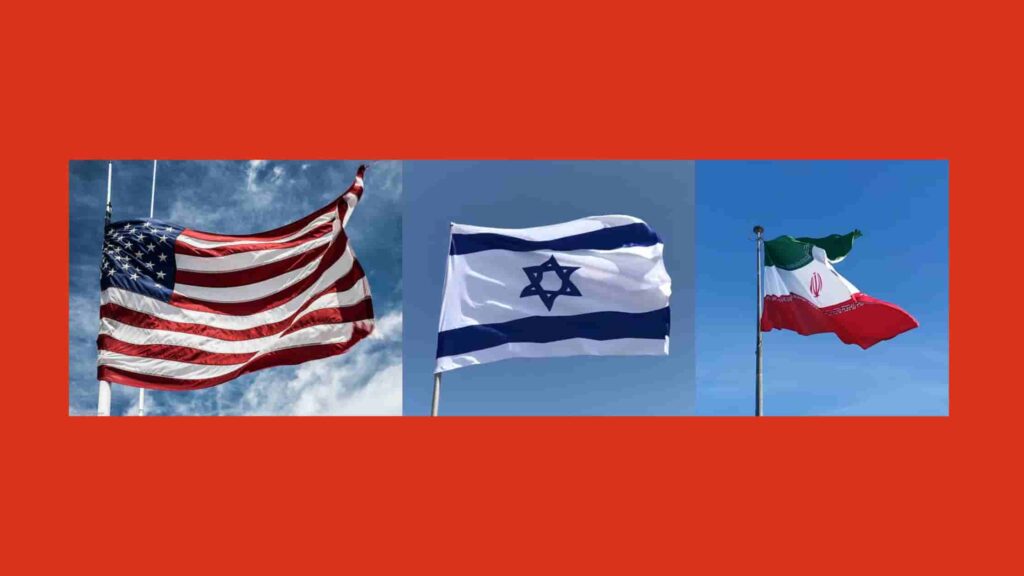
The escalating conflict involving Israel, the United States, and Iran has rapidly transformed into one of the most serious geopolitical crises of the 21st century. What began as targeted military operations has now evolved into a broader regional confrontation with global consequences. The war has not only destabilised the Middle East but has also created significant ripple effects across global trade, financial markets, aviation routes, energy supply chains, and international security.A turning point in the conflict came with the death of Iran’s Supreme Leader, Ayatollah Ali Khamenei, which dramatically intensified the geopolitical situation and reshaped the power dynamics within Iran and across the Middle East.Background of the ConflictTensions between Iran, Israel, and the United States have existed for decades, primarily due to ideological differences, nuclear ambitions, and regional power struggles. Israel has consistently viewed Iran’s nuclear and missile programmes as an existential threat to its national security, while Iran has strongly opposed U.S. military presence and Israeli influence in the region.These tensions reached a breaking point when coordinated military strikes were carried out against Iranian targets. The operation targeted strategic facilities, military installations, and high-level leadership structures in Iran. The strikes were designed to weaken Iran’s military capabilities and disrupt its command network.However, instead of de-escalating tensions, the attacks triggered large-scale retaliation from Iran, rapidly expanding the conflict across the Middle East.Death of Ali Khamenei and Its ImpactOne of the most dramatic developments in the war was the death of Iran’s Supreme Leader Ali Khamenei, who had ruled the Islamic Republic since 1989. He was killed during a targeted strike on Iranian leadership facilities during the early phase of the conflict.Khamenei was the most powerful figure in Iran’s political and religious system. As Supreme Leader, he held ultimate authority over the armed forces, intelligence agencies, judiciary, and major political decisions of the country. His influence shaped Iran’s domestic governance as well as its foreign policy for more than three decades.His death sent shockwaves through Iran and the wider Middle East. The Iranian government declared national mourning and vowed strong retaliation against Israel and the United States. The Islamic Revolutionary Guard Corps (IRGC) intensified military operations and pledged to continue resistance against what it described as foreign aggression.The assassination of a sitting supreme leader during wartime is extremely rare in modern international politics. Instead of weakening Iran’s political system, the event strengthened nationalist sentiment within the country and intensified calls for retaliation.Leadership Transition in IranFollowing Khamenei’s death, Iran’s Assembly of Experts appointed Mojtaba Khamenei, the son of the late leader, as the new Supreme Leader. This marked a controversial and historic transition, as the leadership appeared to move toward a dynastic style of succession within the Islamic Republic.Mojtaba Khamenei had long been considered an influential figure behind the scenes in Iranian politics, particularly within religious and military circles. However, his appointment sparked debate both inside and outside Iran regarding the future direction of the country’s political system.The leadership transition has also influenced the ongoing war, as the new leadership seeks to demonstrate strength and maintain internal stability while confronting external military pressure.Escalation of Military ConflictFollowing the initial strikes and leadership assassination, Iran launched large-scale missile and drone attacks targeting Israeli territory and American military installations across the region. Military bases in the Persian Gulf, naval facilities, and intelligence infrastructure became potential targets.The conflict also spread beyond Iran and Israel. Tensions intensified in neighbouring regions, including Lebanon, Syria, and the Persian Gulf, raising fears of a wider regional war involving multiple countries.Air defence systems across the Middle East were activated, and military forces in several countries were placed on high alert.Impact on Global Energy MarketsOne of the most immediate consequences of the war has been disruption to global energy markets. The Middle East remains one of the world’s most critical energy-producing regions, and any instability in this area directly affects global oil supply.A major concern during the conflict has been the security of the Strait of Hormuz, a narrow waterway through which nearly one-fifth of the world’s oil supply passes. Any threat to shipping in this region has the potential to disrupt global energy flows.As tensions increased, oil prices surged significantly due to fears of supply disruptions. Higher energy prices have direct implications for transportation, manufacturing, agriculture, and electricity generation around the world.Countries that rely heavily on imported oil are particularly vulnerable to such price shocks.Disruption of Global Trade and ShippingThe war has also affected international trade routes. The Middle East serves as a critical junction connecting Asia, Europe, and Africa, making it central to global shipping and logistics.Increased military activity and security risks in maritime corridors have forced shipping companies to reroute vessels or delay operations. Insurance costs for ships travelling through the region have also risen sharply due to heightened risk.Because the majority of global trade is transported by sea, disruptions in these strategic routes can quickly affect supply chains worldwide. Industries dependent on global shipping—including electronics, manufacturing, energy, and agriculture—are already facing logistical challenges.Economic Consequences WorldwideThe conflict has also created volatility in global financial markets. Investors often react strongly to geopolitical uncertainty, leading to fluctuations in stock markets and currency values.Rising energy prices are likely to contribute to inflation in many economies. Higher fuel costs affect transportation, manufacturing, and food production, which ultimately increases the cost of living for consumers.Economists have warned that prolonged geopolitical tensions could slow global economic growth while simultaneously increasing inflationary pressure.Developing economies may face the most severe challenges because they rely heavily on imported energy and international trade.Impact on Aviation and International TravelThe war has also disrupted global aviation routes. Much of the airspace above the Middle East lies along major flight corridors connecting Europe, Asia, and Africa.Airlines have had to reroute flights to avoid conflict zones, which increases flight durations and fuel costs. In some cases, flights have been cancelled or delayed due to security concerns.Travel advisories have been issued by multiple governments warning citizens about travelling to conflict-affected regions. Tourism industries across several Middle Eastern countries have already begun experiencing economic
UP Chief Minister Yogi Adityanath’s Singapore and Japan Visit: A Landmark Investment Roadshow
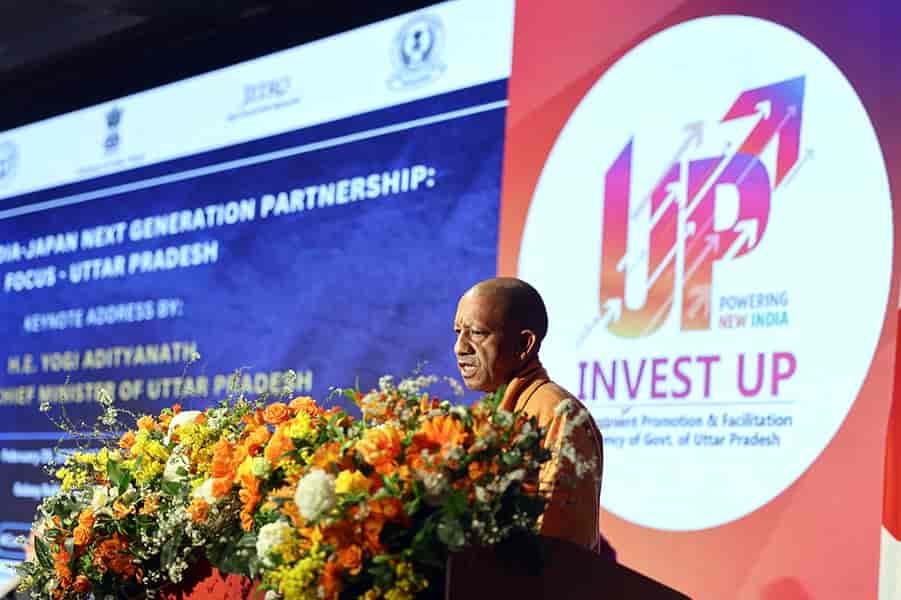
IntroductionUttar Pradesh Chief Minister Yogi Adityanath’s official visit to Singapore (February 22–24) and Japan (February 25–26) has emerged as one of the most consequential investment outreach efforts undertaken by any Indian state government in recent years. Undertaken as part of the UP Invest Roadshow, the twin-country visit generated MoUs worth ₹1.5 lakh crore and fresh investment proposals amounting to ₹2.5 lakh crore, spanning sectors ranging from semiconductors and data centres to green hydrogen and advanced manufacturing.The visit is expected to serve as a key milestone in Uttar Pradesh’s stated goal of becoming a one-trillion-dollar economy by 2029–30. With a Gross State Domestic Product of ₹30.25 lakh crore in 2024–25, projected to reach approximately ₹36 lakh crore in 2025–26, UP is positioning itself as one of India’s most competitive destinations for global capital.Singapore Visit (February 22–24, 2026)High-Level Government EngagementsThe Singapore leg of the visit was anchored in high-level political diplomacy. Chief Minister Yogi Adityanath held meetings with Singapore’s top leadership, including:President Tharman Shanmugaratnam (meeting took place on February 24)Prime Minister Lawrence Wong, who described UP as India’s third-largest economy and noted that Singaporean companies are actively investing in the state, particularly in logistics, connectivity, and infrastructureMinister for Foreign Affairs Vivian Balakrishnan, who described Uttar Pradesh as “India’s most populous state and among its fastest-growing economies, with a young and dynamic workforce”Minister for Manpower and Minister-in-charge of Energy and Science and Technology Tan See LengThe discussions were framed within the India–Singapore Comprehensive Strategic Partnership (CSP) Roadmap, which identifies priority collaboration areas including economic cooperation, digitalisation, skills development, sustainability, connectivity, and advanced manufacturing.Investor Meetings and Business EngagementsBeyond governmental meetings, the Chief Minister held substantive discussions with leaders from Singapore’s top financial and infrastructure institutions:Tan Su Shan, CEO, DBS Group — financial cooperation and infrastructure project financing for UPLim Chow Kiat, CEO, GIC — long-term institutional investments in infrastructure, logistics, and sustainable urban development; GIC is already a partner in projects such as the Ganga ExpresswayTeo Chee Hean, Chairman, Temasek — sovereign investment opportunities in data centres, renewable energy, and industrial infrastructureKerry Mok, President and CEO, SATS Ltd. — aviation sector collaborationLeaders from Mapletree, PSA India, Greenfield Ventures, AVPN, Kaizenvest, and the Private Infrastructure Development Group — covering logistics, green energy, sustainable infrastructure, and impact investmentSkill Development and Vocational TrainingThe Chief Minister reviewed Singapore’s technical and vocational education model at the ITE College Central campus, including its Aviation Hub facilities. MoUs were signed to strengthen collaboration in technical and vocational education, aviation skills, and industry-aligned training programmes.UP Investors’ Roadshow — Singapore Business FederationCM Yogi addressed business leaders at the UP Investors’ Roadshow organised by the Singapore Business Federation. He described the “new Uttar Pradesh” as offering safety, stability, and speed to investors.On the first day alone, UP secured total investment commitments of ₹19,877 crore. The single largest proposal came from Universal Success Group, which committed ₹6,650 crore for group housing, a logistics park, and a data centre.Sectoral Focus AreasKey sectors covered during the Singapore engagements included:MRO (Maintenance, Repair & Overhaul) and cargo hubs — positive discussions were held on developing the Noida International Airport at Jewar as an MRO and cargo hubSemiconductors and data centres — UP is positioning land parcels near Jewar Airport as potential sites for hyperscale and AI-enabled data infrastructureLogistics and fintechSkill development and digital economySingapore is India’s largest source of Foreign Direct Investment, contributing USD 14.94 billion in FY 2024–25.Japan Visit (February 25–26, 2026)UP Investment Roadshow, TokyoFollowing Singapore, Chief Minister Yogi Adityanath arrived in Tokyo to host the UP Investment Road Show, where he invited Japanese industrialists and investors to explore opportunities in Uttar Pradesh. He stated that “Uttar Pradesh has emerged as the most preferred state for investment in India due to its secure environment, strong infrastructure, large market potential, and young workforce.”He also referred to Japan as the “Land of the Rising Sun”, and drew a cultural connection by noting that Uttar Pradesh is the birthplace of Lord Ram and a significant node of India’s Buddhist heritage.MoUs Signed — Day One: ₹11,000 CroreOn the first day of the Japan visit, MoUs worth approximately ₹11,000 crore were signed with a range of Japanese companies. The companies included:CompanySectorKubota CorporationAgricultural machinery and equipmentMinda Corporation (with Toyo Denso)Automobiles and auto componentsJapan Aviation Electronics IndustryElectronics and defenceNagase & Co. Ltd.Chemicals and technologySeiko AdvanceIndustrial printing and graphicsO&O GroupHospitality and real estateFuji Partnership / Fuji Silvertech ConcreteIndustrial infrastructureB2G (Business-to-Government) MeetingsIn separate B2G interactions, senior representatives from the following corporations engaged with the UP government:Suzuki Motor CorporationHonda Cars India Ltd.Konoike Transport Co. Ltd.Mitsui & Co. Ltd. — discussions centred on renewable energy, ICT, semiconductor manufacturing, data centres, and logisticsRapidus CorporationMarubeni CorporationSumitomo Realty & Development Co. Ltd.MUFG BankJapan City in YEIDA RegionA centrepiece announcement of the Japan visit was the confirmation that a dedicated 500-acre “Japan City” will be developed in the Yamuna Expressway Industrial Development Authority (YEIDA) region, near the upcoming Noida International Airport. The township is envisioned as an exclusive industrial ecosystem for Japanese companies, with dedicated auto clusters and R&D facilities for OEMs and component manufacturers.The Japan Desk at Invest UP will be further strengthened, with direct monitoring by the Chief Minister’s Office (CMO), to ensure seamless facilitation of Japanese investment.Green Hydrogen Centre of ExcellenceA significant announcement on clean energy was the establishment of a Green Hydrogen Centre of Excellence, to be developed collaboratively between:University of Yamanashi (Japan)Yamanashi Hydrogen Company (Japan)IIT KanpurHarcourt Butler Technical University (HBTU)IIT BHUMadan Mohan Malaviya University of Technology (MMMUT)Technology and Industrial VisitsChief Minister Yogi Adityanath visited the L0-Series Maglev Train Station and experienced a ride on the high-speed train, exploring possibilities for collaboration in advanced transport technologies.He also inspected FANUC Corporation’s industrial robot and factory automation plant. FANUC expressed interest in investing in UP and supporting technological upgradation of the state’s MSME sector.Tourism and Cultural CollaborationBoth sides agreed to strengthen tourism ties by linking UP’s globally significant Buddhist Circuit and Ramayana Circuit with Japan’s cultural interest in these heritage routes, promoting spiritual, cultural, and heritage tourism between the two regions.Cumulative Investment OutcomesCategoryAmountMoUs Signed (Singapore + Japan combined)₹1.5 lakh croreFresh
Chenab Bridge: India’s Engineering Marvel Over the Himalayas
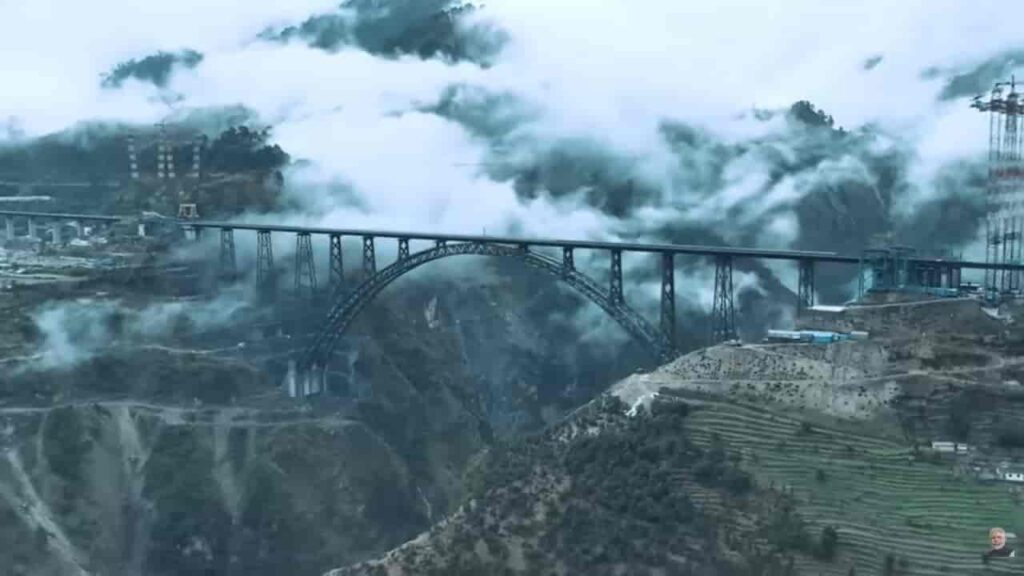
The Chenab Bridge, built across the Chenab River in the Union Territory of Jammu and Kashmir, stands as one of the most remarkable feats of modern engineering in India. Constructed as part of the ambitious Udhampur–Srinagar–Baramulla Rail Link (USBRL), the bridge has gained global attention for its height, design complexity, and strategic importance.Often described as a symbol of India’s infrastructural progress in difficult terrain, the Chenab Bridge is now recognized as the world’s highest railway bridge, surpassing even iconic structures like the Eiffel Tower in height from its base.Location and Strategic ImportanceThe Chenab Bridge is located between Bakkal and Kauri in the Reasi district of Jammu and Kashmir, spanning the deep gorge of the Chenab River. The region is known for its rugged Himalayan terrain, seismic sensitivity, and challenging weather conditions, making construction extremely demanding.The bridge is a crucial component of the USBRL project, which aims to provide all-weather rail connectivity to the Kashmir Valley, linking it with the rest of India. This connectivity is expected to significantly improve:Transportation and logisticsTourism and economic activityStrategic and defence mobility in the regionRecord-Breaking Height and StructureThe Chenab Bridge stands at an astonishing height of 359 metres above the riverbed, making it the highest railway bridge in the world. For perspective, it is about 35 metres taller than the Eiffel Tower.The total length of the bridge is approximately 1,315 metres, and it is designed as a steel arch bridge, a structure chosen specifically to withstand the extreme conditions of the region.Engineering and Design FeaturesThe bridge has been designed to endure some of the harshest environmental and geological challenges. Key features include:High Wind ResistanceThe structure is capable of withstanding wind speeds of up to 260 km/h, ensuring safety even in extreme weather conditions.Seismic SafetyGiven that the region falls in a high seismic zone, the bridge has been engineered to withstand earthquakes of significant magnitude, making it structurally resilient.Blast-Proof DesignConsidering its strategic importance, the bridge has been designed with blast-resistant features, adding an additional layer of security.LongevityThe structure has an estimated lifespan of over 120 years, reflecting the durability of materials and engineering precision used in its construction.Construction ChallengesBuilding the Chenab Bridge was not just an engineering task but a logistical and environmental challenge.The remote and mountainous location made transportation of materials extremely difficult.Extreme temperatures, landslides, and high winds frequently disrupted construction work.Specialised equipment and techniques were required to construct the massive steel arch over a deep gorge.Advanced technologies such as cable cranes, incremental launching, and precision welding were used to complete the structure.The project involved collaboration between Indian Railways and several international engineering firms, highlighting the global scale of expertise required.Role in the USBRL ProjectThe Indian Railways has undertaken the USBRL project to connect Kashmir via rail for the first time in history. The Chenab Bridge is considered the most critical and iconic segment of this project.Once fully operational, the rail link is expected to:Reduce travel time between Jammu and SrinagarProvide reliable connectivity in all seasonsBoost regional integration and developmentEconomic and Social ImpactThe completion of the Chenab Bridge is expected to have far-reaching effects:Tourism Boost: Easier access to Kashmir could significantly increase tourist inflow.Trade and Commerce: Improved logistics will benefit local businesses and industries.Employment Opportunities: Infrastructure development will generate jobs in the region.Regional Connectivity: It will reduce isolation and improve access to essential services.A Symbol of Modern IndiaBeyond its technical specifications, the Chenab Bridge represents a broader narrative of India’s infrastructural ambition and capability. Constructed in one of the most challenging terrains in the world, it reflects the country’s ability to execute large-scale projects with precision and resilience.It also stands as a testament to the dedication of engineers, workers, and planners who turned a seemingly impossible vision into reality.The Chenab Bridge is not just a railway structure—it is a landmark achievement that has redefined engineering possibilities in India, while playing a pivotal role in connecting the Kashmir Valley to the national railway network.
Amazon Opens Its Second-Largest Office in Asia with 12-Storey Campus in North Bengaluru
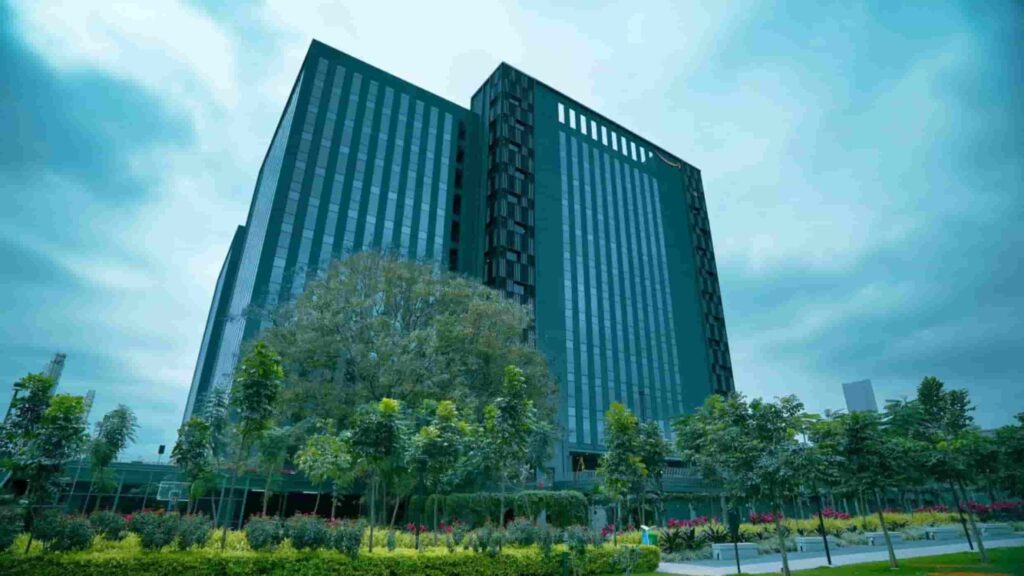
Global technology and e-commerce company Amazon has inaugurated its second-largest office in Asia in North Bengaluru, marking another major milestone in the company’s long-term expansion in India. The new corporate campus reflects Amazon’s continued investment in the country’s technology ecosystem and highlights Bengaluru’s position as one of the world’s leading technology hubs.The newly opened office spans 1.1 million square feet and consists of a 12-storey building, making it one of the largest corporate campuses operated by the company in the Asia-Pacific region. The facility is designed to accommodate more than 7,000 employees working across various business divisions including e-commerce, technology, operations, payments, and seller services.The campus was officially inaugurated on 23 February 2026 in the presence of Karnataka’s Minister for Large and Medium Industries and Infrastructure Development, Dr. M. B. Patil, along with senior leaders from Amazon India.Location and Campus SizeThe new Amazon office is located in North Bengaluru, near the rapidly developing technology corridor close to the airport region. The campus stands on a five-acre site located about 15 kilometres from Kempegowda International Airport, making it strategically accessible for employees and business partners.With its 1.1 million square-foot built-up area, the facility ranks as Amazon’s second-largest office building in Asia and one of its largest single-building corporate offices globally.The campus is part of Amazon’s broader strategy to expand its operational and technological presence in India, where the company has been building large infrastructure facilities for more than two decades.A Major Hub for Amazon’s India OperationsThe new Bengaluru campus will serve as a major hub for several of Amazon’s key business functions in India. Employees working in technology development, e-commerce operations, payments, logistics, and seller services will operate from this facility.Amazon India’s leadership has emphasised that Bengaluru has played a central role in the company’s journey in the country. Over the years, the city has hosted some of Amazon’s earliest technology and innovation teams.Samir Kumar, Country Manager of Amazon India, stated that India remains a long-term priority for the company and that Bengaluru continues to be a critical centre for talent, innovation, and global operations.Modern Workplace InfrastructureThe campus has been designed with a modern workplace philosophy that prioritises collaboration, flexibility, and employee well-being. The building includes multiple meeting rooms, collaboration zones, breakout spaces, and event areas to encourage teamwork and innovation.Several recreational and wellness facilities have also been incorporated into the campus. These include:Basketball and pickleball courtsOutdoor landscaped spacesAmphitheatres and community gathering areasRecreation zones for employeesLarge cafeterias serving diverse cuisines across two floorsThe design approach aims to create a workplace that supports both productivity and work-life balance for thousands of employees working in the building.Sustainability and Future-Ready DesignAmazon’s new campus also reflects the company’s broader sustainability commitments. The building has been designed with features intended to support energy efficiency, environmental sustainability, and responsible resource usage.Large corporate campuses like this are increasingly designed to reduce carbon footprints, improve indoor air quality, and promote sustainable operations.The campus is also aligned with Amazon’s global environmental initiative known as The Climate Pledge, through which the company aims to achieve net-zero carbon emissions by 2040.Amazon’s Investment in IndiaThe opening of this large office campus also highlights the scale of Amazon’s investment in the Indian market. Since entering India, the company has invested over 40 billion dollars in the country, and it has committed an additional 35 billion dollars in investment by 2030.India has become one of Amazon’s most important global markets, not only for e-commerce but also for technology development, cloud services, logistics, and digital payments.Large corporate campuses like the one in Bengaluru are intended to support this long-term expansion strategy while strengthening the company’s innovation capabilities in the region.Bengaluru as a Global Technology HubThe decision to establish such a large office in Bengaluru also reflects the city’s status as a global centre for technology and innovation. Often referred to as India’s “Silicon Valley,” Bengaluru hosts thousands of technology companies, research centres, and startups.The presence of global companies such as Amazon, along with major technology firms, has helped transform the city into one of the world’s largest technology talent hubs.Government officials have also highlighted that investments like Amazon’s new campus contribute significantly to the local economy by creating high-skilled jobs, strengthening the technology ecosystem, and supporting the growth of India’s digital economy.Economic and Employment ImpactThe new campus is expected to generate significant employment opportunities and strengthen the technology ecosystem in Bengaluru. With space for over 7,000 employees, the facility will host professionals working in engineering, operations, business strategy, logistics management, and digital services.In addition to direct employment, large corporate campuses often create indirect economic benefits by supporting local businesses, service providers, and infrastructure development in surrounding areas.Experts believe that investments of this scale also reinforce India’s role as a major centre for global technology development.ConclusionAmazon’s new 12-storey corporate campus in North Bengaluru represents one of the largest office developments by a technology company in India. As the company’s second-largest office in Asia, the facility underscores Amazon’s continued commitment to expanding its operations in the country.With thousands of employees expected to work from the campus and with modern infrastructure designed for collaboration and innovation, the new office is likely to play an important role in Amazon’s global operations in the years ahead.The project also highlights the growing importance of Bengaluru as a global technology hub and reflects India’s increasing role in the international digital economy.
Prime Minister Modi’s Israel Visit: Strategic Engagement Amid Regional Uncertainty
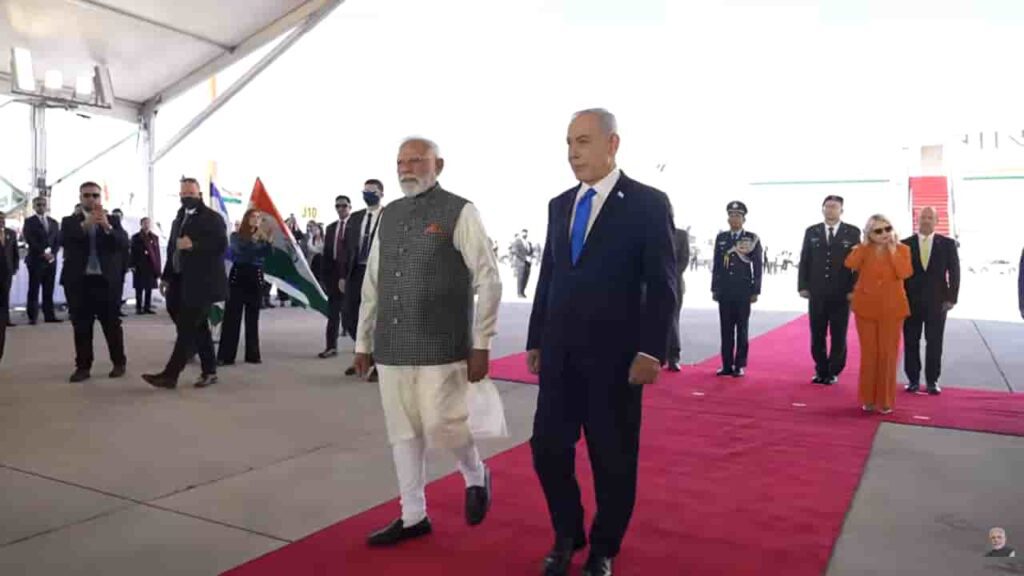
Prime Minister Narendra Modi undertook a two-day official visit to Israel, marking a significant moment in India–Israel relations at a time of heightened geopolitical volatility in West Asia. The visit, described by official sources as historic, was aimed at consolidating India’s long-standing strategic partnership with Israel while navigating the complex regional and global environment shaping Middle Eastern politics.The visit underscored India’s commitment to sustained engagement with Israel across defence, technology, agriculture, innovation and economic cooperation, even as regional conflicts and shifting alliances pose diplomatic headwinds.Context and Timing of the VisitPrime Minister Modi’s Israel visit comes at a sensitive juncture for the region. West Asia continues to witness prolonged instability, with security concerns, evolving power equations and humanitarian challenges dominating the geopolitical landscape. Against this backdrop, India’s outreach to Israel reflects a calibrated diplomatic approach that balances strategic interests with regional stability and global responsibilities.India and Israel share a relationship that has evolved steadily since the establishment of full diplomatic ties in 1992. Over the years, cooperation has expanded from defence procurement to joint research, innovation-driven partnerships and people-centric development projects. The current visit builds on this foundation while acknowledging the realities of a strained regional environment.High-Level Engagements and Bilateral TalksDuring the visit, Prime Minister Modi held extensive talks with Benjamin Netanyahu, focusing on deepening the India–Israel strategic partnership. The discussions reviewed the full spectrum of bilateral cooperation, including defence and security, economic engagement, technological collaboration, water management and agricultural innovation.Both leaders reaffirmed their commitment to strengthening institutional mechanisms that support cooperation in critical and emerging sectors. Emphasis was placed on sustaining momentum in joint initiatives that align with India’s development priorities and Israel’s technological expertise.Defence and Strategic CooperationDefence cooperation remains a central pillar of India–Israel relations. Israel is among India’s key defence partners, particularly in areas such as surveillance systems, missile defence technologies, unmanned aerial vehicles and advanced electronics.During the talks, the two sides reviewed ongoing defence collaboration and explored avenues for deeper cooperation under India’s ‘Make in India’ and ‘Atmanirbhar Bharat’ initiatives. Officials highlighted the importance of co-development, technology transfer and long-term industrial partnerships rather than transactional procurement.The visit reaffirmed mutual interest in enhancing defence industrial ties while ensuring that cooperation remains aligned with international norms and India’s strategic autonomy.Technology, Innovation and Economic CooperationA major focus of the visit was expanding collaboration in technology and innovation, areas where India and Israel share strong complementarities. Israel’s globally recognised startup ecosystem and India’s scale in digital adoption and manufacturing offer significant opportunities for joint growth.Discussions covered cooperation in fields such as artificial intelligence, cybersecurity, digital public infrastructure, healthcare technologies and sustainable innovation. Both sides acknowledged the growing role of startups, research institutions and private enterprises in driving the next phase of bilateral engagement.Economic ties were also reviewed, with leaders noting the steady expansion of bilateral trade and investment. Efforts are underway to diversify trade baskets and encourage partnerships in manufacturing, services and high-technology sectors.Agriculture and Water ManagementAgriculture and water management — long-standing areas of India–Israel cooperation — featured prominently during the visit. Israel’s expertise in drip irrigation, water recycling and arid-zone farming has contributed significantly to India’s agricultural productivity initiatives over the years.The two sides discussed strengthening cooperation through Centres of Excellence across Indian states, capacity-building programmes and joint research initiatives focused on climate-resilient agriculture.Geopolitical Considerations and India’s Balanced ApproachPrime Minister Modi’s Israel visit unfolded amid ongoing geopolitical tensions in West Asia, a factor acknowledged in diplomatic discussions. India reiterated its principled position of supporting peace, dialogue and stability in the region while maintaining constructive relations with all key stakeholders.India’s engagement with Israel is part of a broader West Asia strategy that also encompasses strong ties with Arab nations, Iran and other regional actors. Officials emphasised that India’s foreign policy is guided by national interest, strategic autonomy and respect for sovereignty, rather than bloc-based alignments.People-to-People Ties and Cultural EngagementBeyond strategic and economic discussions, the visit also highlighted the importance of people-to-people ties. The Indian diaspora in Israel, academic exchanges and cultural interactions continue to add depth to bilateral relations.Educational cooperation, student mobility and cultural dialogue were identified as areas with potential for further expansion, particularly among younger generations.Significance of the VisitPrime Minister Modi’s Israel visit is significant not merely for the agreements discussed or reviewed, but for its broader diplomatic message. It signals continuity in India–Israel relations, resilience in engagement despite regional uncertainties, and a forward-looking approach to cooperation in technology-driven and innovation-led sectors.At a time when global geopolitics is marked by uncertainty and realignment, the visit reinforces India’s intent to remain an active, reliable and independent partner on the world stage.The Road AheadThe outcomes of the visit are expected to translate into strengthened institutional cooperation, faster implementation of joint projects and expanded engagement between businesses, research institutions and innovation ecosystems in both countries.As India and Israel look ahead, their partnership is likely to continue evolving — shaped by shared strategic interests, technological collaboration and a mutual commitment to long-term cooperation in an increasingly complex global environment.
Dubai’s World Governments Summit 2026: Global Leaders Shape Tomorrow’s Governance
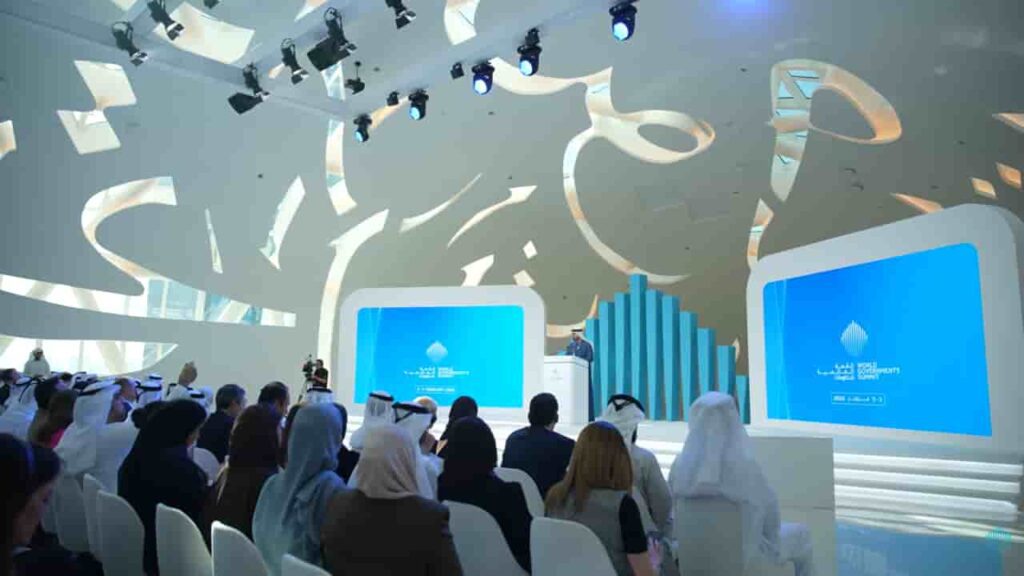
Dubai hosted the landmark World Governments Summit (WGS) 2026 from February 3-5, drawing record crowds under the theme “Shaping Future Governments.” Over 6,000 leaders from 150+ countries gathered for 320+ sessions, creating solutions for AI, sustainability, and resilient economies.Record-Breaking ParticipationThe summit featured more than 35 heads of state, 500+ ministers, and 450+ experts, including delegations from the IMF, IFC, and World Bank. It marked the largest international turnout in WGS history, with 100+ organizations collaborating on 24 specialized forums. Key forums included the New Silk Road Forum, IFC’s Latin America & Caribbean Investment Forum, the 10th International Cooperation Conference with the Association of Caribbean States, and the Future of Economy Forum.Debuting outside Shanghai, the World Laureates Summit (WLS) united Nobel, Turing, and Fields Medal winners like Michael Levitt (2013 Chemistry Nobel), Kip Thorne (2017 Physics Nobel), and John Hopcroft (1986 Turing Award) to tackle global challenges.Star-Studded Speakers LineupCategoryExamplesPresidents/PMsJoko Widodo (Indonesia), William Ruto (Kenya), Mostafa Madbouly (Egypt), Masrour Barzani (Kurdistan Region), Macky Sall (former Senegal)Global Org LeadersNgozi Okonjo-Iweala (WTO), Ajay Banga (World Bank), Catherine Russell (UNICEF), Haitham Al Ghais (OPEC)Tech/BusinessElon Musk, Alexander Karp (Palantir), Klaus SchwabOtherSanjay Gupta (CNN), Idris Elba, Aaron Ciechanover (Nobel Laureate)Speakers spanned presidents, CEOs, and laureates. Heads of government included Indonesia’s Joko Widodo, Kenya’s William Ruto, Egypt’s Mostafa Madbouly, Kurdistan Region’s Masrour Barzani, and the Maldives’ Mohamed Muizzu.Global organization heads: WTO’s Ngozi Okonjo-Iweala, World Bank’s Ajay Banga, UNICEF’s Catherine Russell, OPEC’s Haitham Al Ghais, and NDB’s Dilma Rousseff.Tech and business icons: Elon Musk (Tesla, SpaceX, X), Palantir’s Alexander Karp, WEF’s Klaus Schwab, CNN’s Sanjay Gupta, actor Idris Elba, PepsiCo’s Aamer Sheikh, and Nobel chemist Aaron Ciechanover.Others: Former Senegal President Macky Sall, Cuba’s Manuel Cruz, Sierra Leone’s David Sengeh, Indonesia’s Asman Abnur, Warwick economist Andrew Oswald, and NEA’s William Magwood IV.PwC’s Strategic RolePwC continued as Knowledge Partner, spotlighting the Best Minister Award and Global Ministers Survey. Executives joined closed-door roundtables: Hani Ashkar on Apple’s “AI in Manufacturing” (Day 1), Laurent Depolla on Agility’s “Partnerships for a Sustainable, Intelligent Economy” (Day 2), and Khaled Bin Braik on “The Future of HR in the Era of AI” (Day 3). PwC launched three reports: Anchoring Degrees, Accelerating Skills, Policies Towards a Stackable, Skills-First Ecosystem, Smart Trade Diplomacy, Transport and Logistics Alliances in a Multipolar World, and Harnessing AI to Build Whole-of-Society Resilience, A Blueprint for Governments of the Future.Outcomes and ImpactDiscussions emphasized international cooperation, innovative policies, and empowering next-gen governments amid economic and tech shifts. WLS outcomes were announced on-site, highlighting science-driven fixes for pressing issues.The event reinforced Dubai’s hub status, blending policy discourse with actionable insights for resilient societies.
Spanish President Pedro Sánchez’s Official Visit to India: Strengthening Strategic Partnership
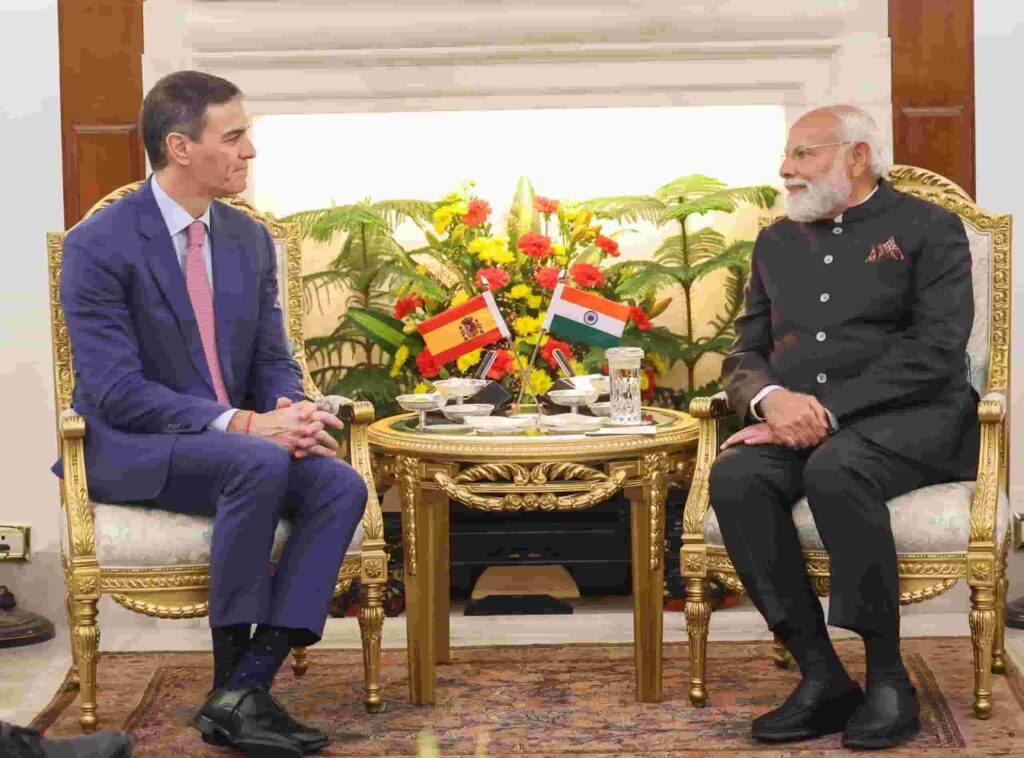
Spanish President Pedro Sánchez — President of the Government of Spain — paid an official visit to India from October 27 to 29, 2024, in a significant diplomatic engagement aimed at reinforcing bilateral ties across strategic, economic, technological and cultural domains. The visit, marked by high-level interactions with senior Indian leadership including Prime Minister Narendra Modi, underscored the evolving partnership between the two democracies in the contexts of trade, innovation, climate cooperation and global governance.This visit was the first by a Spanish head of government to India in nearly a decade, reflecting a renewed momentum in bilateral engagement driven by converging geopolitical priorities, deepening economic interdependence and shared commitments to multilateral cooperation.Arrival and Official EngagementsPresident Sánchez arrived in India on October 27, 2024, ahead of his participation in the AI Impact Summit hosted in New Delhi — an event that convened global leaders, industry experts and policymakers to discuss the future of artificial intelligence (AI), regulation frameworks and its socio-economic potential. Spanish participation in the summit signalled Spain’s interest in India’s emerging digital and technological leadership.On arrival, President Sánchez was received by senior Indian officials and engaged immediately in discussions that set the tone for substantive bilateral dialogues over the next three days.High-Level Meetings with Indian LeadershipA central component of the visit was the official meeting between President Sánchez and Prime Minister Narendra Modi at [official venue – e.g., Hyderabad House / Raisina Hill precinct]. The leaders held wide-ranging talks on issues of bilateral and global importance, reaffirming a shared vision for cooperation based on democratic values, economic partnership and sustainable development.Both leaders emphasised strengthening strategic dialogue mechanisms and enhancing cooperation in key sectors such as defence, manufacturing, green technologies, digital economy and renewable energy. They underscored the importance of elevating the India–Spain relationship into a comprehensive strategic partnership, reflecting growing political trust and mutual respect.Economic and Trade PrioritiesEconomic cooperation formed a major pillar of the visit. With bilateral trade between India and Spain having expanded over the years, both sides reiterated their intent to deepen economic engagement. Discussions focused on:Expanding trade in goods and servicesEnhanced cooperation in advanced manufacturing and innovation ecosystemsInvestment facilitation and market access for strategic sectorsTechnology partnerships in areas such as AI, mobility, health tech and clean energy solutionsPresident Sánchez and Indian counterparts acknowledged that both economies benefit from complementary industrial strengths — Spain’s advanced manufacturing and engineering capabilities and India’s growing services and technology base. They expressed optimism that targeted collaborations could accelerate investment flows and create employment opportunities in both countries.AI Impact Summit ParticipationPresident Sánchez’s participation at the AI Impact Summit underscored both nations’ interest in shaping global discourse on artificial intelligence. In his address, the Spanish leader emphasised the need for ethical, human-centric AI frameworks, equitable access to technological benefits, robust data protection standards and collaboration across nations in AI governance. The summit provided a platform for exchange of ideas on how emerging technologies can be responsibly deployed for societal benefit.Spanish delegations also engaged with Indian industry leaders, startups, research institutions and academic observers during the summit, fostering cross-border collaborations in cutting-edge research and innovation ecosystems.Defence, Security and Strategic CooperationDefence cooperation featured prominently in the discussions. Spain and India reviewed existing defence ties and explored expanded collaboration in key areas such as aerospace, naval systems, dual-use technologies and defence manufacturing partnerships. Both sides expressed interest in boosting joint research initiatives and expanding defence trade under frameworks that promote technology sharing and co-development.Security cooperation, particularly in areas such as counter-terrorism, cybersecurity and maritime security, was also prioritised. The leaders reiterated the importance of multilateral cooperation in addressing global security challenges, including in forums such as the United Nations and other international platforms.Climate Change, Renewable Energy and SustainabilityClimate action and sustainable development emerged as another key theme. India and Spain committed to enhancing cooperation on climate resilience, renewable energy deployment and green hydrogen ecosystems. Spain’s experience in wind and solar technologies aligns with India’s ambitious green energy transition targets, including the expansion of renewable capacity and sustainable urbanisation initiatives.Both sides also reaffirmed their support for multilateral climate goals under the Paris Agreement and emphasised collaborative approaches to climate finance, clean technology transfer and sustainable infrastructure development.Cultural and People-to-People ExchangesDuring his visit, President Sánchez highlighted the cultural bonds between India and Spain, noting that people-to-people ties — including tourism, academic exchange, arts and cultural collaborations — form a vital dimension of the bilateral relationship. Spain’s historical heritage and contemporary cultural vibrancy continue to find resonance with Indian audiences, even as Indian art, literature and cinema increasingly gain prominence in Spanish cultural spaces.Joint Communiqué and Future CooperationAt the conclusion of the visit, both countries released a joint communiqué outlining agreed priorities and a roadmap for future cooperation. Key commitments included:Regular high-level political consultationsEnhanced trade and investment facilitation measuresCooperative initiatives in technology, defence, climate and sustainable developmentStrengthened academic, cultural and scientific exchangesSignificance and ImpactPresident Pedro Sánchez’s visit to India in late 2024 marked a multipartite reaffirmation of the India–Spain relationship at a time of global geopolitical realignment. The emphasis on technology cooperation — particularly through Spain’s active role at the AI Impact Summit — hinted at a widening scope of cooperation beyond traditional diplomatic and defence dimensions.For India, deepening ties with Spain — a European Union member with strong global integration — adds momentum to its broader engagement strategy with Europe, aligning with India’s goals of diversifying partnerships in trade, innovation, and sustainable development.For Spain, stronger engagement with India opens pathways for Spanish companies in India’s fast-growing markets and reinforces Madrid’s diplomatic reach in Asia. Both nations signalled that their cooperation would be pragmatic, forward-looking and anchored in mutual interests.The visit has, therefore, been widely seen as a milestone moment in India–Spain ties — steering the relationship from transactional engagement toward a broader strategic partnership that spans economics, technology, culture and global governance cooperation.
Russia Develops Experimental Cancer Vaccine, Early Trials Show Promise

Russia has announced the development of an experimental cancer vaccine, marking a significant step in its ongoing efforts to advance personalised cancer treatment through immunotherapy. The vaccine, which is still in the research and clinical trial stage, has been developed by scientific institutions operating under Russia’s state-run medical research framework and is being positioned as a therapeutic vaccine, not a preventive one. According to Russian health authorities, the vaccine is designed to stimulate the patient’s immune system to recognise and attack cancer cells, rather than prevent the onset of cancer. This places it within the rapidly growing global field of cancer immunotherapy, where treatments are tailored to the biological profile of an individual’s tumour. What Makes the Vaccine Different Unlike conventional vaccines used against infectious diseases, Russia’s cancer vaccine is personalised. It is developed using messenger RNA (mRNA) technology, a platform that delivers genetic instructions to the body’s cells, enabling the immune system to identify tumour-specific antigens and mount a targeted response against cancer cells. Russian researchers have stated that the vaccine is created after genetic sequencing of a patient’s tumour, allowing the formulation to be customised for each individual. This approach aims to improve treatment precision while reducing damage to healthy cells — a longstanding challenge in traditional cancer therapies such as chemotherapy and radiation. The project is being led by institutions under the Federal Medical Biological Agency (FMBA), with collaboration from leading molecular biology and oncology research centres in Russia. Stage of Development and Trials Russian officials have clarified that the vaccine has completed pre-clinical testing and has entered early-phase human trials, primarily focused on assessing safety and immune response rather than long-term efficacy or cure rates. Preliminary observations from these early trials suggest that the vaccine has triggered immune activation against cancer cells, with researchers reporting an absence of severe adverse effects among participants. However, experts stress that Phase I trials are not designed to establish effectiveness, and broader conclusions can only be drawn after larger Phase II and Phase III trials. As of now, comprehensive peer-reviewed clinical data has not been published in international medical journals, and the vaccine has not received regulatory approval for widespread clinical use either within Russia or internationally. Not a “Cancer Cure” Medical experts and health authorities have cautioned against describing the development as a cure for cancer. Cancer is not a single disease but a complex group of conditions, and therapeutic vaccines are generally intended to slow disease progression, prevent recurrence, or improve survival outcomes, often in combination with other treatments. Independent analysts have pointed out that while early results are encouraging, claims circulating on social media suggesting “100 per cent effectiveness” are scientifically inaccurate and misleading. Regulatory approval will depend on long-term trial outcomes, reproducibility of results and transparent data validation. International Interest and Future Plans Despite its early stage, the announcement has drawn international attention, with some countries reportedly expressing interest in observing or participating in further clinical evaluation once larger trials are initiated. Russian health authorities have indicated that, subject to successful trial outcomes and regulatory clearance, limited clinical use could be expanded in the coming years, particularly for cancers where existing treatments show limited effectiveness. Why This Development Matters Globally, cancer remains one of the leading causes of death, and the pursuit of personalised, less toxic treatments is a major priority for medical research. Therapeutic cancer vaccines, especially those using mRNA technology, are seen as a promising frontier because they aim to harness the body’s own immune defences rather than relying solely on invasive treatments. Russia’s progress reflects a broader global shift towards precision medicine, where treatments are increasingly tailored to individual patients rather than applied uniformly. The Road Ahead For now, Russia’s cancer vaccine remains an experimental medical innovation, not a commercially available treatment. Scientists and clinicians agree that extensive clinical trials, peer-reviewed data and international regulatory scrutinywill be critical before the vaccine can be considered a reliable addition to cancer care. While the early findings offer cautious optimism, experts emphasise that rigorous science, not headlines, will determine whether the vaccine ultimately changes cancer treatment outcomes.