




Udaipur Turns Wedding Capital as Netra Mantena–Vamsi Gadiraju’s Lavish Nuptials Take Over Social Media
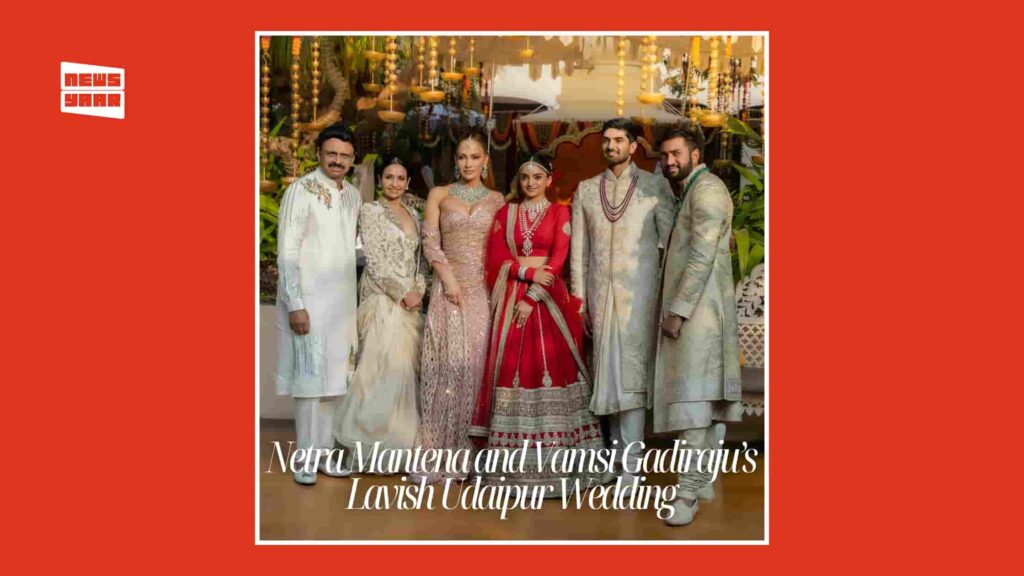
LUXURY Udaipur Turns Wedding Capital as Netra Mantena–Vamsi Gadiraju’s Lavish Nuptials Take Over Social Media Newsyaar January 19, 2026 5:01 pm Udaipur: For three days, Udaipur wasn’t just the City of Lakes, it was the epicentre of India’s most talked-about wedding. The wedding of Netra Mantena and Vamsi Gadiraju transformed the historic Rajasthani city into a high-profile celebration zone, drawing massive attention on social media and setting new benchmarks for destination weddings in India. From celebrity performances and royal venues to viral dance reels, the Mantena–Gadiraju wedding dominated Instagram and YouTube feeds, momentarily eclipsing memories of other high-profile celebrity weddings. What began as a private family celebration quickly turned into a nationwide spectacle, with every function unfolding like a curated visual extravaganza. While the wedding brought them into the public spotlight, the families behind the celebration are no strangers to success. Netra Mantena is the daughter of NRI pharmaceutical entrepreneur Rama Raju Mantena, Chairman and CEO of Ingenus Pharmaceuticals. Originally from Vijayawada, Andhra Pradesh, Mantena built his business across the US, Switzerland and India after moving abroad in the 1980s. The groom, Vamsi Gadiraju, is a tech entrepreneur and the co-founder and Chief Technology Officer of Superorder, a platform that enables multi-location restaurants to manage delivery and takeaway operations more efficiently. In 2024, Gadiraju and his co-founder, Raghav Poddar, earned a spot on the prestigious Forbes 30 Under 30 list under the Food and Drink category. The destination wedding unfolded entirely in Udaipur, with the city witnessing heightened security arrangements, restricted access around key tourist zones, and luxury hotels booked exclusively for guests. Reports suggested limited access to Lake Pichola during the celebrations, underlining the scale of the event. Chartered flights ferried guests, while traditional folk performances blended seamlessly with modern entertainment, offering a fusion of royal heritage and contemporary luxury. The wedding festivities were hosted across some of Udaipur’s most iconic landmarks. The main wedding ceremony took place at Jagmandir Island Palace, the 17th-century marble palace located in the middle of Lake Pichola. The sangeet was hosted at Zenana Mahal within the City Palace complex, while the haldi ceremony unfolded at the opulent Taj Lake Palace. The celebrations continued with grand party nights at The Leela Palace, which also hosted the reception. Each venue showcased elaborate décor inspired by royal aesthetics, adding to the fairytale-like appeal of the celebrations. Clips of choreographed dance performances, celebrity sightings and behind-the-scenes moments flooded social platforms, turning the wedding into a viral phenomenon. Industry observers note that the event reflects a growing trend of ultra-luxury destination weddings in India that blend heritage venues with global-scale production. As the celebrations concluded, the Mantena–Gadiraju wedding left behind more than memories, it set social media abuzz, boosted Udaipur’s image as a global wedding destination, and reaffirmed India’s enduring love for grand, larger-than-life weddings. About the Author Luxury Reporter Share via Copied Comments Post Comment
First Vande Bharat Sleeper Train to Run Between Guwahati and Howrah: Route, Features, Speed and Fare
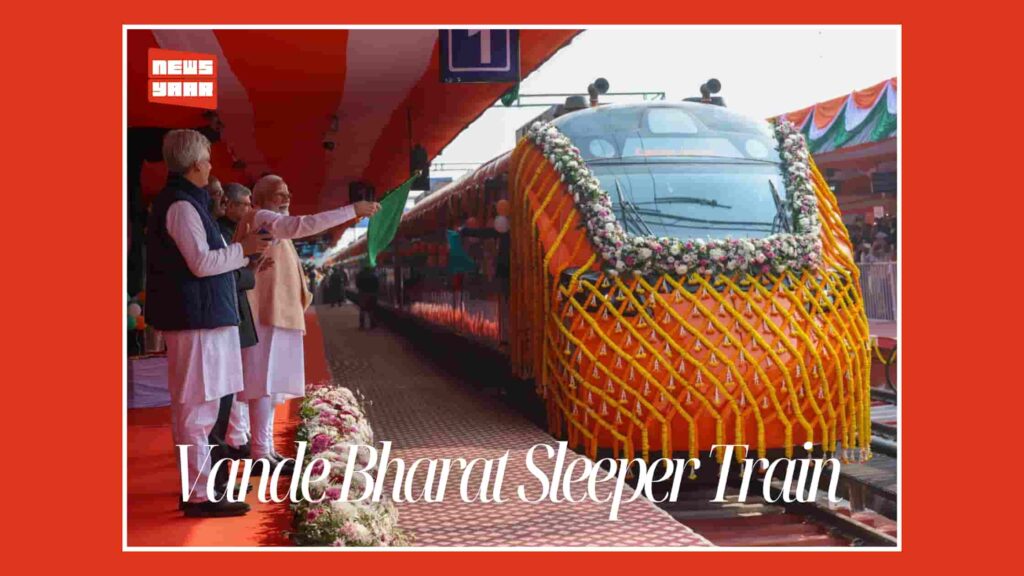
TRAVEL First Vande Bharat Sleeper Train to Run Between Guwahati and Howrah: Route, Features, Speed and Fare Newsyaar January 18, 2026 10:16 am India has launched its first Vande Bharat sleeper train, marking a major milestone in the modernisation of long-distance rail travel. The new service will operate between Guwahati and Howrah, providing an overnight, high-speed connection between the Northeast and eastern India. Prime Minister Narendra Modi flagged off the sleeper variant of the Vande Bharat train from Malda Town in West Bengal, while the return Guwahati–Howrah service was inaugurated virtually. The launch signals the expansion of the Vande Bharat network beyond short daytime routes into long-haul overnight travel. Guwahati–Howrah Vande Bharat Sleeper Train Route The Vande Bharat sleeper train connects Howrah in West Bengal with Kamakhya Junction in Guwahati, one of the most important railway hubs in Assam. Designed as an overnight service, the train aims to offer faster, safer and more comfortable travel on a busy inter-state corridor. According to official estimates, the new service is expected to reduce travel time by nearly two and a half hours compared to existing trains on the route. Speed and Operational Capacity The sleeper Vande Bharat train has been engineered for a top speed of 180 kilometres per hour. However, its operational speed is expected to range between 120 and 130 kilometres per hour, in line with current track conditions and safety protocols. Despite this, railway officials say the train will significantly improve journey efficiency and punctuality on the Guwahati–Howrah sector. Designed for Overnight Comfort Unlike the earlier Vande Bharat chair car services, this train has been specifically developed for long overnight journeys. It is fully air-conditioned and offers three classes of accommodation. Passenger comfort has been prioritised through ergonomically designed berths and a modern suspension system that ensures a smoother ride. Updated linens and improved onboard hygiene systems have also been introduced to enhance the travel experience. Safety and Automation Features The train is equipped with advanced safety systems, including the indigenous Kavach automatic train protection technology. Comprehensive onboard surveillance systems have been installed to improve passenger security. In addition, automated sliding doors remain closed while the train is in motion and open only when it reaches a station, adding an extra layer of safety and efficiency. Local Cuisine on Board Catering services are included in the ticket price and have been designed to reflect regional food preferences. Passengers travelling from Guwahati to Howrah will be served Assamese cuisine, while those on the return journey can expect Bengali dishes. The initiative mirrors airline-style meal services and aims to offer passengers a more personalised travel experience. Ticket Fare and Classes The Guwahati–Howrah Vande Bharat sleeper train offers three classes of travel. Expected one-way fares are: 3AC: Around Rs 2,300 2AC: Approximately Rs 3,000 1AC: Close to Rs 3,600 The pricing positions the train in the premium segment while remaining competitive with existing long-distance rail services. Boost to Connectivity and Tourism Railway authorities believe the introduction of the Vande Bharat sleeper train will strengthen connectivity between West Bengal and Assam. Faster overnight travel is expected to benefit business travellers, tourists and pilgrims, while also supporting economic activity across the region. With this launch, Indian Railways has indicated that sleeper variants of the Vande Bharat platform will play a key role in the future of long-distance rail travel in the country. https://www.youtube.com/watch?v=5oI6dnwvYkk Video credit: YT@/NaMo About the Author Travel Reporter Share via Copied Comments Post Comment
German Chancellor Friedrich Merz’s India Visit Signals Deeper Strategic Engagement
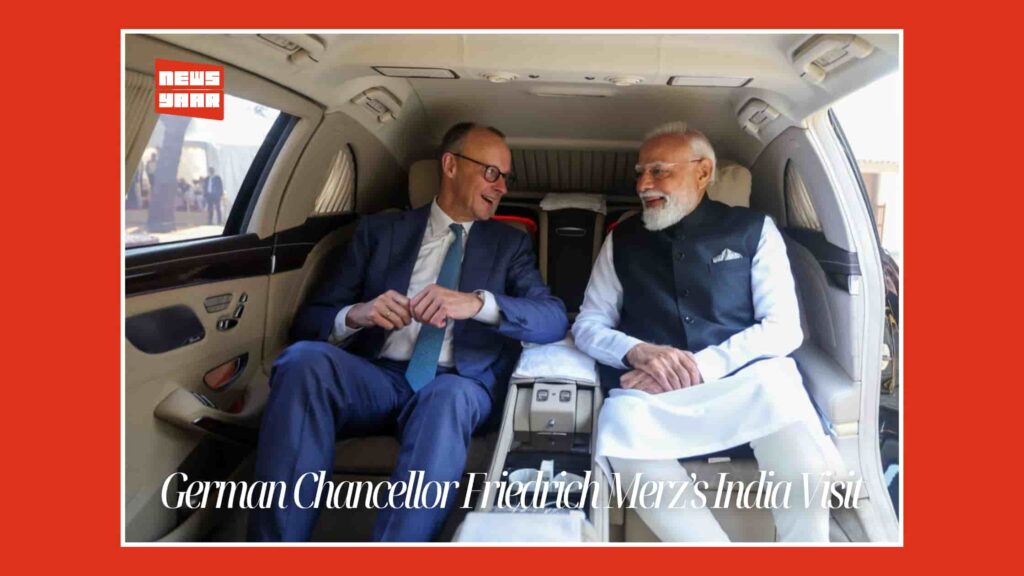
POLITICS German Chancellor Friedrich Merz’s India Visit Signals Deeper Strategic Engagement Newsyaar January 18, 2026 9:14 am German Chancellor Friedrich Merz’s first official visit to India has set the tone for a renewed phase in India–Germany relations, with both sides signalling intent to expand cooperation across defence, trade, technology and people-to-people exchanges. Welcoming the visit, Germany’s Ambassador to India, Philipp Ackermann, described it as wide-ranging and forward-looking. In a social media post, Ackermann highlighted discussions on defence cooperation, economic ties and migration, while also sharing a personal moment from the visit that underscored growing cultural links between the two countries. He noted that Chancellor Merz was particularly impressed after speaking in German with a young Indian woman who had begun learning the language only months ago. Focus on Defence, Trade and Technology Chancellor Merz arrived in Gujarat earlier this week at the invitation of Prime Minister Narendra Modi, marking his first official visit to India since taking office. The visit comes at a significant moment, as India and Germany mark 25 years of their Strategic Partnership and 75 years of diplomatic relations. During bilateral talks, Prime Minister Modi and Chancellor Merz reaffirmed their shared commitment to strengthening defence and security cooperation. The discussions covered deeper military-to-military engagement, including joint exercises, training programmes and exchanges between senior officials. Both leaders also acknowledged the value of regular port calls by naval ships, describing them as a symbol of growing trust and operational cooperation. Expanding Cooperation Beyond Security Beyond defence, the talks reflected a broader ambition to elevate the partnership. Prime Minister Modi said the two leaders agreed to take the relationship to a higher qualitative level, with enhanced collaboration in areas such as space, critical and emerging technologies, climate action and resilient supply chains. Education, skilling, sports and cultural exchanges also featured prominently in the discussions, pointing to a long-term vision focused on people-to-people ties. Modi described Chancellor Merz’s choice of India as the destination for his first visit to Asia as a reflection of Germany’s commitment to strengthening bilateral relations. Joint Exercises and Strategic Presence in the Indian Ocean The visit also resulted in concrete commitments in the maritime and defence domains. India welcomed Germany’s intention to participate in major regional and multilateral naval and air exercises in the coming years. These include Naval Exercise MILAN and the Indian Ocean Naval Symposium Conclave of Chiefs in early 2026, as well as the Air Combat Exercise Tarang Shakti later the same year. Germany’s decision to deploy a liaison officer to the Information Fusion Centre for the Indian Ocean Region was also noted as a significant step towards closer coordination in maritime domain awareness. Defence Collaboration With Europe Both sides expressed satisfaction with ongoing cooperation between India’s Defence Research and Development Organisation and the Organisation for Joint Armament Cooperation. The collaboration on the Eurodrone MALE UAV programme was highlighted as an example of how India can access advanced defence technologies while strengthening strategic ties with Europe. Looking Ahead Chancellor Merz’s visit has added momentum to India–Germany relations at a time when both countries are seeking reliable partners in a rapidly changing global landscape. With shared interests in security, innovation and sustainable development, the visit signals a mutual willingness to translate strategic intent into long-term cooperation. As the two nations look ahead, the outcomes of this visit are expected to shape bilateral engagement across defence, technology and economic sectors, reinforcing the growing importance of the India–Germany partnership on the global stage. https://www.youtube.com/watch?v=1Xnoi3Vs6Es Video credit: YT@/NaMo https://www.youtube.com/watch?v=rN32XAuURj4 Video credit: YT@/NaMo https://www.youtube.com/watch?v=fL2LfqroK30 Video credit: YT@/NaMo About the Author Politics Reporter Share via Copied Comments Post Comment
BRICS India 2026: New Logo, Theme and Website Launched as Chairship Preparations Get Underway
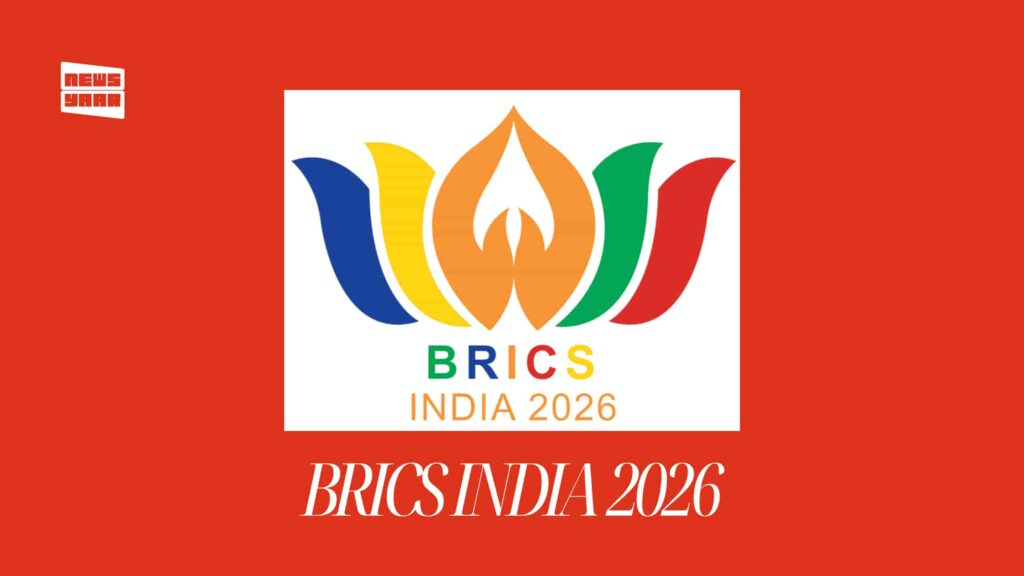
GOVERNMENT BRICS India 2026: New Logo, Theme and Website Launched as Chairship Preparations Get Underway Newsyaar January 17, 2026 12:57 pm New Delhi, India, has officially launched the logo, theme and official website for its year-long BRICS Chairship in 2026, marking the start of its leadership of the influential multilateral grouping that brings together emerging markets and developing economies. The unveiling took place in New Delhi on January 13, 2026, with External Affairs Minister Dr S. Jaishankar presiding over the ceremony. A Symbol of Unity and Shared Aspirations The newly showcased BRICS India 2026 logo draws its inspiration from the lotus flower, a symbol deeply rooted in Indian culture and widely associated with resilience, renewal and cultural heritage. The design incorporates petals in the vibrant colours of all BRICS member countries, highlighting the unity of diverse nations under a common purpose. At the centre of the emblem is the Namaste gesture, symbolising respect, warmth of partnership and a commitment to harmonious collaboration among nations. Accompanying the visual identity is the official theme for India’s chairship: “Building for Resilience, Innovation, Cooperation and Sustainability”. The theme reflects a people-centric and humanity-first approach, emphasising inclusive development, practical cooperation and mutual support. “The Indian government has said this vision is inspired by broader goals of shared growth and equitable progress across regions.” A Central Digital Platform Alongside the logo and theme, India also launched the official BRICS 2026 website, brics2026.gov.in. The digital platform is expected to serve as a central source of information on BRICS initiatives, meetings, official documents and events scheduled during India’s chairship. The website is designed to enhance transparency, engagement and communication both among member countries and with the global public. Officials highlighted that the platform’s easy access and regular updates will allow stakeholders from across member nations, partner states and civil society to stay informed about key developments and collaborative efforts under the BRICS framework. Context and Significance India assumed the BRICS Chairship on January 1, 2026, coinciding with the 20th anniversary of the BRICS grouping, which was first formed in 2006 to foster cooperation among key emerging economies. Over the years, BRICS has expanded beyond its five founding members, Brazil, Russia, India, China and South Africa, to include Egypt, Ethiopia, Iran, the United Arab Emirates and Indonesia as full members, significantly broadening its global footprint. The launch ceremony in New Delhi was attended by senior officials from the Ministry of External Affairs and representatives from diplomatic missions, underlining the importance India places on using its chairship to strengthen global dialogue and cooperation. Looking Ahead: The Final Insight With its theme focused on resilience and sustainability, India’s BRICS agenda in 2026 is expected to tackle key global challenges, including economic recovery, technological innovation, climate action and people-to-people exchanges. As preparations continue, the logo and website launch mark a pivotal early step in shaping India’s leadership year and the broader narrative of BRICS cooperation on the world stage. https://www.youtube.com/watch?v=WP8v54_xXR8 Video credit: YT@/MEA About the Author Government Reporter Share via Copied Comments Post Comment
CES 2026: From Dexterous Robots to Smart Living, A Glimpse Into the Future of Technology
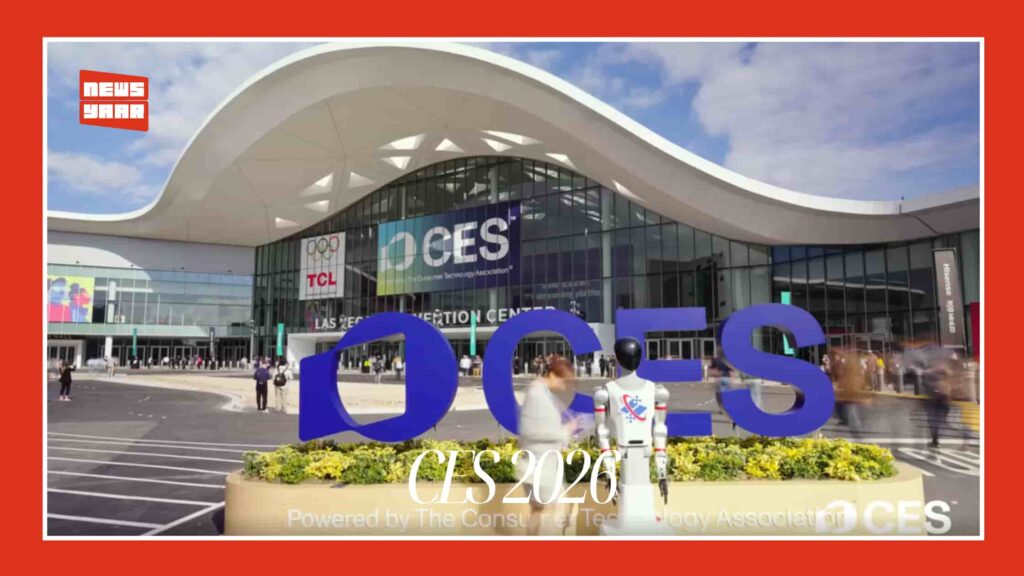
EVENTS CES 2026: From Dexterous Robots to Smart Living, A Glimpse Into the Future of Technology Newsyaar January 17, 2026 5:32 am The Consumer Electronics Show (CES) 2026 once again proved why it is considered the world’s biggest stage for innovation. Held in Las Vegas, the annual tech showcase brought together global technology leaders, startups, and innovators to present ideas that could shape how people live, work, and interact with machines in the coming years. This year’s edition marked a clear shift in focus, from flashy concepts to practical, usable technologies that address real-world needs. Robots Get Smarter, Not Just Taller One of the most talked-about highlights of CES 2026 was the rapid evolution of robotic technology. Unlike earlier years that focused on full humanoid robots, this time the spotlight was on dexterous robotic hands. These advanced systems demonstrated delicate tasks such as folding laundry, playing musical instruments, and even origami, showing how precision and control have improved significantly. Experts noted a strong presence from South Korean and Chinese companies, signalling growing competition in the robotics sector. The progress suggests robots are moving closer to assisting humans in homes, healthcare, and manufacturing environments. AI Takes Centre Stage Across Categories Artificial Intelligence was everywhere at CES 2026, not just as a feature, but as the foundation of innovation. From AI-powered home ecosystems to health monitoring devices, companies showcased how machine learning is being integrated seamlessly into daily life. HealthTech innovations stood out, including wearable devices that track vital signs, AI-driven wellness tools, and smart systems designed to improve long-term health outcomes. Industry experts estimate that AI-driven healthcare could become a multi-trillion-dollar market in the coming years. Smarter Homes, Cleaner Living Smart home technology saw major upgrades at CES 2026. Brands showcased AI-powered cleaning systems, automated home management platforms, and energy-efficient appliances designed to reduce human effort while improving sustainability. Several companies also showcased whole-home ecosystems, where lighting, security, climate control, and cleaning devices communicate with each other through a single intelligent platform. This signals a future where homes don’t just respond, but anticipate needs. Displays, Gadgets, and the Rise of E-Paper Display technology also evolved, with innovations in e-paper and flexible screens drawing attention. Lightweight, energy-efficient displays are expected to redefine how information is consumed, especially in portable devices and smart signage. Meanwhile, consumer gadgets, from compact chargers to next-generation laptops, balanced futuristic design with immediate usability, reflecting a trend toward tech that consumers can adopt right away. CES 2026 Sets the Tone for the Year Ahead CES 2026 highlighted a clear message: technology is becoming more human-centric. Instead of focusing solely on speed or power, innovation is now centred on usability, accessibility, and meaningful impact. As industries continue to adopt AI, robotics, and smart systems, CES 2026 has set the tone for a future where technology quietly blends into everyday life, making it smarter, simpler, and more connected than ever before. About the Author Events Reporter Share via Copied Comments Post Comment
International Kite Festival 2026: All You Need To Know
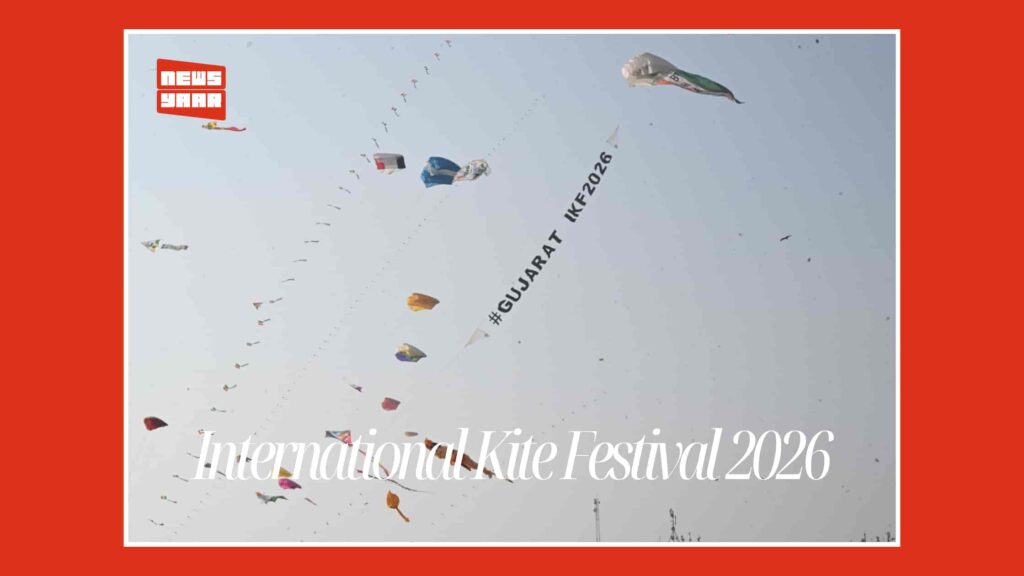
EVENTS International Kite Festival 2026: All You Need To Know Newsyaar January 13, 2026 1:52 pm Ahmedabad transforms into a city of colours every January as it hosts the International Kite Festival, one of Gujarat’s most iconic cultural events. Celebrated alongside Uttarayan (Makar Sankranti), the festival draws kite flyers, artists, and tourists from across India and the world, turning the sky into a vibrant canvas. The International Kite Festival is held annually on January 14 and is organised by the Gujarat Tourism Department. The main events take place along the Sabarmati Riverfront and other designated venues across Ahmedabad. What began as a local harvest celebration has now grown into a globally recognised cultural festival. Participants from countries like Japan, Brazil, France, Italy, the UK, and the USA bring uniquely designed kites, showcasing creativity, craftsmanship, and cultural diversity. Why Ahmedabad Becomes the Kite Capital? During Uttarayan, almost every rooftop in Ahmedabad turns into a kite-flying arena. Families, friends, and neighbours gather from early morning till sunset, competing to cut each other’s kites while shouting the famous phrase, “Kai Po Che!” The festival symbolises the end of winter and the arrival of longer, sunnier days, making it a time of joy, hope, and renewal. For Gujaratis, kite flying is not just a pastime but a deeply rooted tradition passed down through generations. One of the biggest attractions is the display of giant kites, artistic designs, and night kite flying, also known as tukkals. These illuminated kites light up the evening sky and add a magical touch to the celebrations. Cultural performances, music, dance, and local food stalls enhance the festive atmosphere. Traditional Gujarati dishes like undhiyu, jalebi, and chikki are an essential part of the experience. Global Participation and Tourism Boost The International Kite Festival plays a major role in promoting cultural exchange and tourism. International participants not only showcase their kite-flying skills but also engage with local traditions, making the event a meeting point of global cultures. Hotels, local markets, and tourism services see a significant boost during the festival, contributing to Ahmedabad’s economy. More Than a Festival Beyond colours and competition, the International Kite Festival reflects the spirit of community, creativity, and celebration. It brings people together under one sky, reminding everyone of the joy found in simple traditions. As kites fly high above Ahmedabad, the festival continues to celebrate freedom, culture, and the timeless charm of Uttarayan, making it an unforgettable experience year after year. https://www.youtube.com/watch?v=fQP9my6MK5g Video credit: @YT/NarendraModi About the Author Events Reporter Share via Copied Comments Post Comment
World Hindi Day: Connect Cultures Across Continents
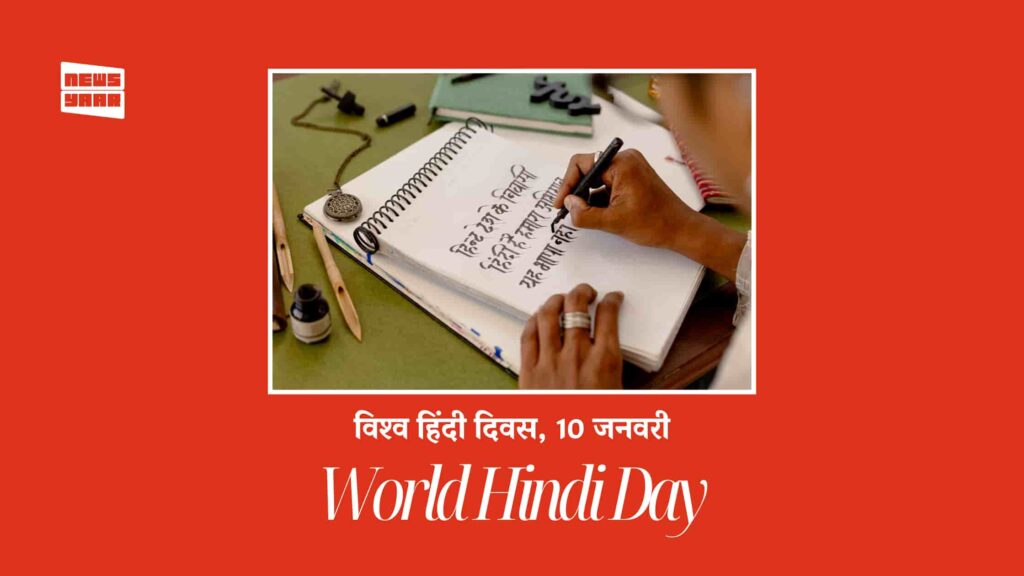
January 11, 2026 Newsyaar 4:35 am EVENTS World Hindi Day: Connect Cultures Across Continents January 10 marks World Hindi Day, a global celebration of one of the world’s most widely spoken languages and a symbol of India’s cultural identity. The Preface World Hindi Day, observed every year on January 10, is dedicated to promoting the Hindi language at an international level. Unlike Hindi Diwas, which is celebrated in India on September 14, World Hindi Day focuses on strengthening Hindi’s presence beyond India’s borders and encouraging its use as a medium of global communication. Hindi is spoken by over 600 million people worldwide, either as a first or second language. Over the years, it has grown beyond a regional language to become a cultural bridge connecting communities across continents. How Did World Hindi Day Begin? The origins of World Hindi Day can be traced back to the First World Hindi Conference, held in Nagpur on January 10, 1975. The conference brought together scholars, writers and language experts from across the world to discuss the global future of Hindi. To commemorate this historic event and to underline the importance of Hindi on the international stage, the Government of India officially declared January 10 as World Hindi Day in 2006. Since then, it has been observed annually to expand the language’s global reach. Where and How Is It Celebrated? World Hindi Day is celebrated not only in India but also across Indian embassies, cultural centres and universities worldwide. Countries with significant Indian diaspora populations, such as Mauritius, Fiji, Suriname, Trinidad and Tobago, Nepal, the United States and the United Kingdom mark the day with seminars, literary events, poetry readings and cultural programmes. Digital platforms have also played a key role in recent years, allowing Hindi writers and speakers from different countries to connect and participate in global discussions. Final Insights The day highlights Hindi’s role as a unifying language that carries India’s history, philosophy, literature and social values. As the world becomes more interconnected, World Hindi Day reinforces the idea that language is not just a means of communication, but a powerful carrier of culture, thought and shared heritage. About the Author Events Reporter Share via Copied Comments Post Comment
India Greenlights 3 New Airlines: Transforming Domestic Aviation
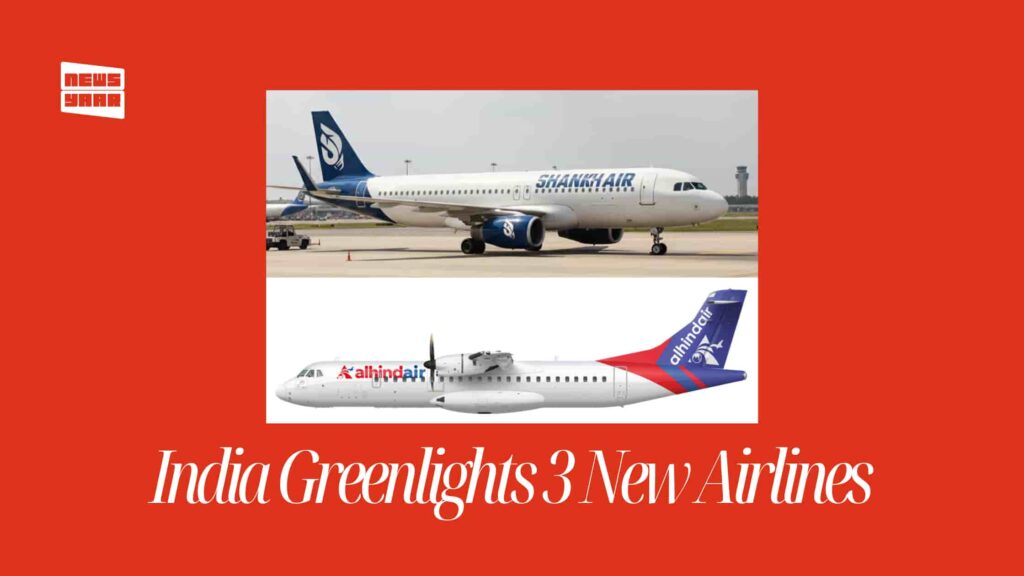
BUSINESS India Greenlights 3 New Airlines: Transforming Domestic Aviation India’s aviation landscape is up for a major shake-up with the Ministry of Civil Aviation granting no-objection certificates (NOCs) to three new domestic carriers, Shankh Air, Al Hind Air, and FlyExpress, signaling steps toward increased competition, enhanced regional connectivity, and more affordable travel options in 2026. The approvals come amid growing calls to diversify the aviation market, which has long been dominated by IndiGo and the Air India Group, together controlling more than 90 % of domestic flights. Recent operational disruptions at one of the country’s largest carriers underscored the risks of such concentration and prompted regulators to clear the way for fresh capacity. Shankh Air: Uttar Pradesh’s New Player Shankh Air is expected to be one of the first among the three to begin operations, with plans to launch flight services in early 2026. Based in Uttar Pradesh, the airline aims to connect north and central Indian cities, initially linking Lucknow with major metros such as Delhi and Mumbai while expanding to Varanasi, Gorakhpur, and other destinations. The carrier, led by founder Shravan Kumar Vishwakarma, plans to start with an initial fleet of Airbus aircraft and gradually expand, including potential international operations by the late 2020s. Its mission underscores making air travel more accessible to middle-class and first-time flyers while strengthening intrastate connectivity. Al Hind Air: Regional Focus from Kerala Al Hind Air, headquartered in Kozhikode, Kerala, will initially operate as a regional commuter airline under the UDAN scheme. With a focus on connecting smaller cities and underserved markets in southern India, it plans to begin services using ATR turboprop aircraft. The airline emerges from the established Alhind Group, which brings travel and tourism sector experience to its aviation venture. While it has faced early financial strain, including unpaid leave for some staff, the carrier is advancing toward operational readiness pending its Air Operator Certificate (AOC). FlyExpress: Low-Cost Connectivity & Cargo Potential FlyExpress, a Hyderabad-based startup, has also received its NOC and intends to serve both passengers and freight across India’s regional markets as a low-cost carrier. It joins the other two new entrants in targeting a balance between affordability and broader market access. What’s Ahead for Indian Aviation? While securing NOCs is an important regulatory milestone, these airlines must still complete technical requirements, including proving flights, crew training, and DGCA-issued Air Operator Certificates, before selling commercial tickets. If successful, the trio could destabilize the market dominance, competitive pricing, boost connectivity to Tier-II and Tier-III cities, and make flying more accessible for millions of Indians. As they take shape in 2026, the aviation sector will be watching closely to see whether this trio can break into a market long held by a few major carriers. About the Author Business Reporter Share via Copied Comments Post Comment
Messi gets a Luxury Watch: Anant Ambani Richard Mille Watch Moment Goes Viral Online
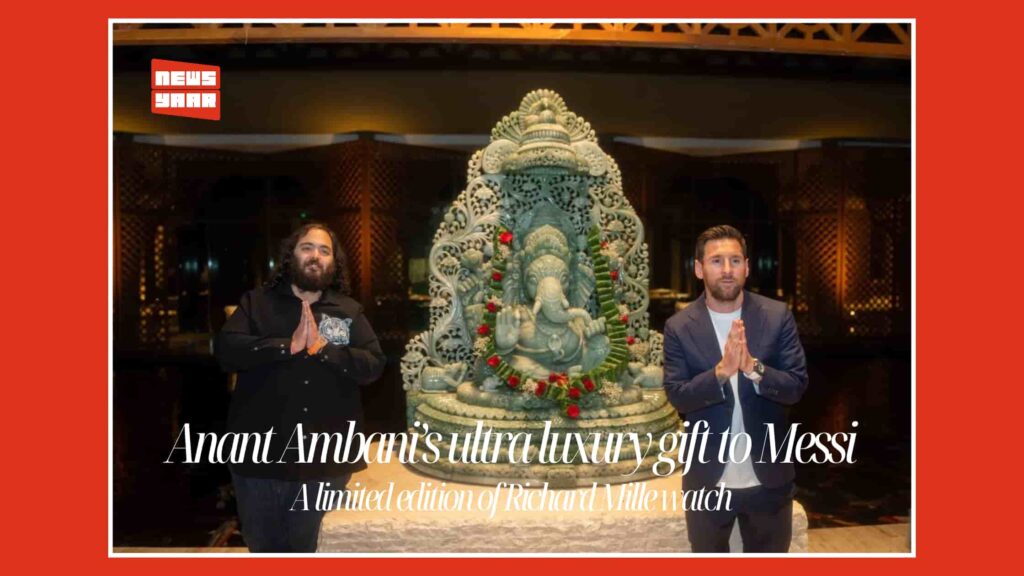
LIFESTYLE Messi gets a Luxury Watch: Anant Ambani Richard Mille Watch Moment Goes Viral Online In a moment that blended global sport, luxury, and Indian business legacy, Anant Ambani’s reported gift of an ultra-luxury Richard Mille watch to football legend Lionel Messi has set social media and lifestyle circles abuzz. The gesture, understated yet powerful, reflects the growing intersection of sports icons and global elite branding. Lionel Messi, widely regarded as one of the greatest footballers of all time, is no stranger to luxury watches. However, the Richard Mille timepiece gifted to him stands apart, not just for its craftsmanship but also for what it represents. Richard Mille watches are known for their aerospace-grade materials and limited production, making them symbols of exclusivity rather than mere accessories. The watch reportedly belongs to Richard Mille’s ultra-high-end collection, a brand long associated with elite athletes including Rafael Nadal, Lewis Hamilton, and Charles Leclerc. Messi himself has often been seen wearing rare timepieces, but this particular gift has drawn attention due to its association with Anant Ambani, the youngest son of industrialist Mukesh Ambani. Online Reactions to the News Online reactions to the news have been swift and divided, while many admire the elegance of the exchange, others see it as a reflection of how luxury brands and elite personalities operate in a shared ecosystem of influence. Regardless, the moment has undeniably captured attention worldwide. Sources close to the development suggest the gift was a mark of admiration and mutual respect, highlighting Messi’s impact on global sport and his inspirational journey from Rosario to football immortality. The Ambani family has frequently been associated with major international sporting events, athletes, and cultural icons, reinforcing India’s rising presence on the global luxury and influence map. In an era where gestures often speak louder than statements, this exchange between Anant Ambani and Lionel Messi stands as a symbol of global connection, where sport, luxury, and legacy converge seamlessly. About the Author Lifestyle Reporter Share via Copied Comments Post Comment
Why Gold and Silver Prices Are Rising: Key Reasons Behind the Metals Surge

BUSINESS Why Gold and Silver Prices Are Rising: Key Reasons Behind the Metals Surge As global markets continue to face uncertainty, gold and silver prices have been witnessing a steady upward trend, reinforcing their long-standing status as safe-haven assets. From geopolitical tensions to economic slowdowns, multiple factors are pushing investors toward precious metals, making gold and silver increasingly attractive in both domestic and international markets. Safe-Haven Demand Amid Global Uncertainty One of the primary reasons behind the rising prices of gold and silver is growing global uncertainty. Ongoing geopolitical conflicts, trade tensions, and instability in key regions have made investors cautious about riskier assets like equities. In such times, precious metals are seen as a store of value, leading to higher demand and, consequently, rising prices. Inflation and Currency Fluctuations Persistent inflation across major economies has also played a crucial role. When inflation erodes the purchasing power of money, investors turn to gold and silver as hedges against rising prices. Additionally, fluctuations in major currencies, particularly the US dollar, influence metal prices. A weaker dollar often makes gold and silver cheaper for global buyers, boosting demand. Central Bank Policies and Interest Rates Monetary policies adopted by central banks worldwide significantly impact precious metal markets. Expectations of interest rate cuts or a pause in tightening cycles make non-yielding assets like gold and silver more attractive. When interest rates remain low or are expected to decline, investors are less inclined toward fixed-income instruments and more inclined toward commodities. Industrial Demand for Silver While gold is largely driven by investment and jewellery demand, silver benefits from strong industrial usage as well. Silver is a key component in sectors such as electronics, renewable energy, electric vehicles, and solar panel manufacturing. With the global push toward green energy and technological advancement, industrial demand for silver has grown, contributing to its price rise. Strong Domestic Demand and Festive Buying In countries like India, cultural and festive demand also plays an important role. Weddings, festivals, and traditional investments lead to consistent buying of gold and silver, especially during auspicious periods. Rising demand during these seasons often adds upward pressure on prices. With India being one of the world’s largest consumers of gold, any movement in international prices quickly reflects in local bullion markets. Conclusion The growing prices of gold and silver reflect a complex mix of global economic trends, investor sentiment, and industrial demand. Whether for investment, jewellery, or industrial use, precious metals remain central to financial strategies in uncertain times. As markets evolve, gold and silver are expected to continue shining as reliable assets in diversified portfolios. About the Author Business Reporter Share via Copied Comments Post Comment