




Modi Calls Nitin Nabin His ‘Boss’ as New BJP President Takes Charge
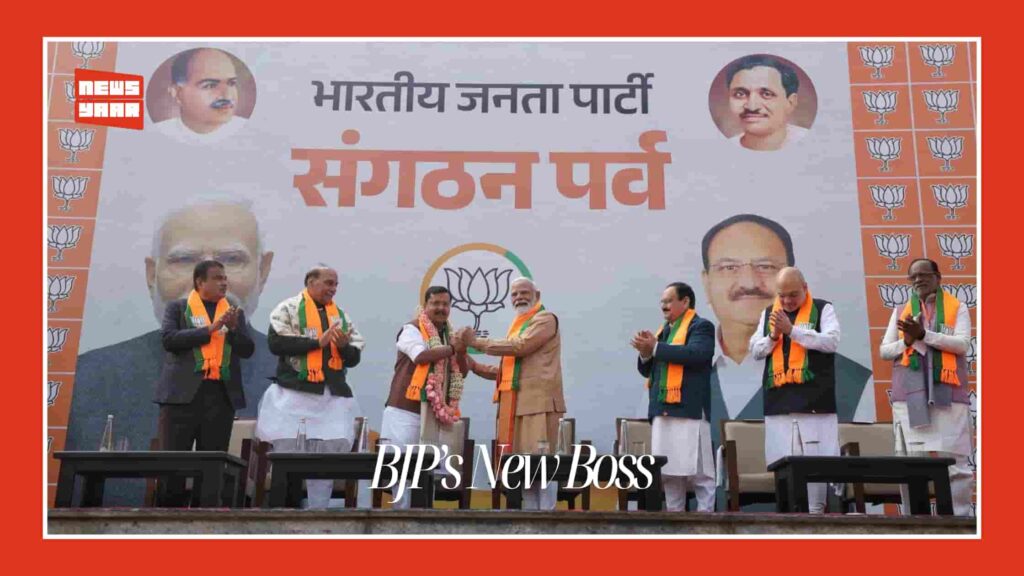
POLITICS Modi Calls Nitin Nabin His ‘Boss’ as New BJP President Takes Charge Newsyaar January 23, 2026 7:58 pm New Delhi: In a moment rich with symbolism and political messaging, Prime Minister Narendra Modi on Tuesday formally welcomed Nitin Nabin as the new national president of the Bharatiya Janata Party (BJP), declaring that in party matters, the newly appointed chief would be his “boss”. The remark, made at a felicitation event on January 20, 2026, with the BJP’s emphasis on organisational discipline and a clear separation between the party and the government. Nitin Nabin, 45, officially assumed charge in the presence of senior party leaders and Prime Minister Modi, marking the beginning of a new phase for the BJP’s organisational leadership. Addressing party workers, Modi said he had presented an account of his own work to the new president, adding with a touch of humour that he now awaited Nabin’s “guidance” and confidential report. “When it comes to party matters, honourable Nitin Nabin ji is my boss. I am a worker,” Modi said, drawing applause from the audience. The Prime Minister had made a similar statement in 2019 alongside then BJP president Amit Shah, reiterating a long-standing message within the party that the organisation functions independently of the government. Highlighting Nabin’s generational outlook, Modi pointed to the new president’s ability to bridge tradition and modernity. He remarked that while he himself grew up listening to news on the radio, Nabin represents a generation comfortable with technology and artificial intelligence, an implicit nod to the BJP’s evolving political strategies in a digital age. Nitin Nabin was officially declared the BJP national president on January 19, following the completion of an extensive internal organisational election process. According to party sources, 37 nominations were filed in his support, all of which were found valid. While the event largely focused on organisational unity, Modi also touched upon broader political issues. He reiterated the BJP’s position on national security, stating that infiltrators posed a serious threat to the country and must be identified and deported. He stressed the importance of learning from the mistakes of other political parties, a veiled reference to the Congress, and urged BJP workers to remain disciplined and connected to grassroots concerns. As Nitin Nabin steps into his new role, he faces the challenge of steering the BJP through complex electoral terrain and internal expectations. His relatively young age and organisational mandate signal a leadership style that blends experience with adaptability, qualities the party believes are essential for navigating the evolving political landscape. The transition, marked by Modi’s symbolic deference, reinforces the BJP’s core message: strong leadership thrives on organisational clarity, collective responsibility, and disciplined separation between party and power. About the Author Politics Reporter Share via Copied Comments Post Comment
PM Modi Receives the UAE President at the Airport
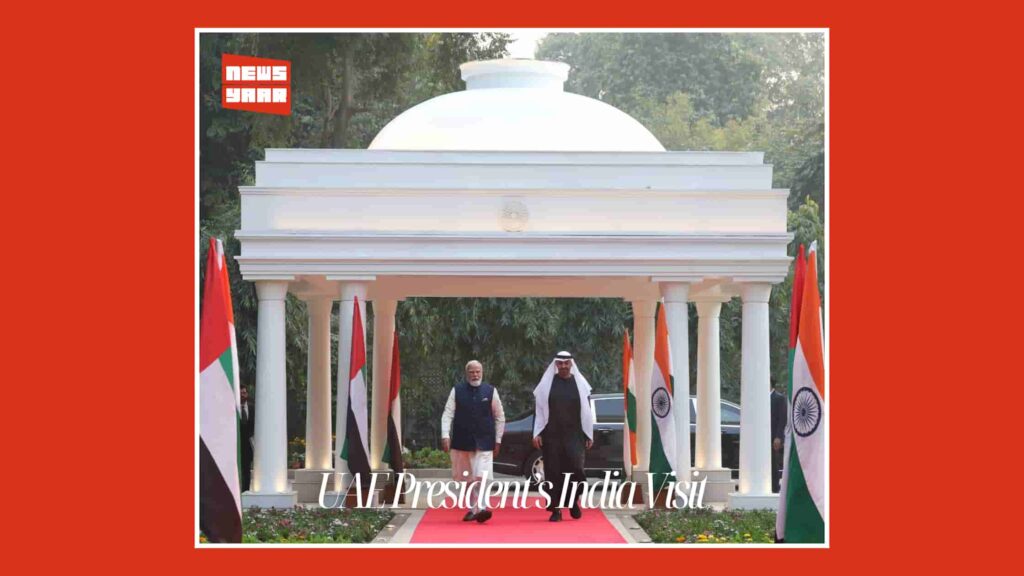
DEFENCE PM Modi Receives the UAE President at the Airport Newsyaar January 23, 2026 7:44 pm New Delhi: United Arab Emirates President Sheikh Mohamed bin Zayed Al Nahyan concluded a high-profile official visit to India on January 19, 2026, reinforcing the growing strategic partnership between New Delhi and Abu Dhabi. In a rare and symbolic gesture, Prime Minister Narendra Modi personally received the UAE President at the airport, underscoring the importance India attaches to its relationship with the Gulf nation. This marked Sheikh Mohamed bin Zayed’s third official visit to India since assuming office as UAE President and his fifth visit to the country over the past decade. The visit highlighted the sustained political engagement between the two countries and reflected the UAE’s view of India as a key strategic partner in Asia. During the visit, the two leaders held comprehensive talks covering trade, investment, energy security, defence cooperation, technology, and regional geopolitics. Several agreements and memoranda of understanding (MoUs) were signed to further strengthen bilateral cooperation. These included frameworks to expand collaboration in renewable energy, food security, digital infrastructure, fintech, and defence manufacturing, aligning with India’s “Make in India” and self-reliance goals while offering new opportunities for UAE investors. A major focus of the discussions was economic cooperation under the Comprehensive Economic Partnership Agreement (CEPA), which has significantly boosted bilateral trade since its implementation. Both sides reviewed progress under CEPA and agreed to work toward further increasing non-oil trade, easing market access, and encouraging private-sector partnerships. The use of local currency settlement mechanisms and the bilateral investment treaty were also highlighted as key enablers of smoother financial flows and long-term investment confidence. From India’s perspective, the outcomes of the visit strengthen energy security through long-term supply arrangements and increased cooperation in clean energy and green hydrogen. The UAE’s continued interest in investing in Indian infrastructure, ports, logistics, and technology startups was seen as a strong vote of confidence in India’s growth story. For the UAE, deeper engagement with India supports its strategy of economic diversification and strengthens its footprint in one of the world’s fastest-growing major economies. Enhanced cooperation in food corridors, technology, and innovation helps Abu Dhabi secure supply chains while expanding its global economic influence. The leaders also exchanged views on regional and global issues, including developments in West Asia, maritime security, and global economic uncertainty. Both sides reaffirmed their commitment to stability, dialogue, and cooperation in an increasingly complex geopolitical environment. Beyond agreements, the visit carried strong symbolic value. Prime Minister Modi’s decision to personally welcome Sheikh Mohamed bin Zayed sent a clear message of trust, warmth, and strategic alignment. It also reflected the personal rapport between the two leaders, which has played a significant role in elevating India–UAE ties over the years. As the UAE President departed India, the visit was widely seen as a reaffirmation of a mature and forward-looking partnership, one that goes beyond transactional ties to focus on long-term strategic, economic, and people-centric cooperation. About the Author Defence Reporter Share via Copied Comments Post Comment
India Registers Karan Fries as a High-Yield Synthetic Cattle Breed

AGRICULTURE India Registers Karan Fries as a High-Yield Synthetic Cattle Breed Newsyaar January 23, 2026 7:19 pm In a significant boost to India’s dairy and livestock sector, the country has officially registered Karan Fries, a high-yielding synthetic cattle breed capable of producing over 3,000 kilograms of milk in a standard 10-month lactation cycle. With this addition, India’s total number of registered livestock and poultry breeds has risen to 246, underlining the government’s continued push towards scientific breeding and productivity-led growth in animal husbandry. Developed through systematic cross-breeding programmes, Karan Fries combines the high milk-producing traits of exotic cattle with the hardiness and adaptability of Indian breeds. Officials say the breed has been designed to perform well under Indian agro-climatic conditions, making it suitable for farmers seeking higher productivity without compromising resilience. The focus on Karan Fries comes at a crucial time. Despite India being the world’s largest milk producer, the dairy sector faces persistent challenges. Many indigenous cattle breeds produce relatively low milk yields, typically between 1,000 and 2,000 kilograms per lactation, while farmers struggle with rising feed costs, limited veterinary access, and deteriorating cattle health. Poor nutrition, inadequate shelter, and climate stress have further affected productivity, particularly among small and marginal farmers. Against this backdrop, Karan Fries is being seen as a ray of hope. Higher milk yields per animal can help farmers increase income without expanding herd size, easing pressure on land, water, and fodder resources. Experts believe that productivity-focused breeds like Karan Fries could play a critical role in making dairying more sustainable and economically viable. Officials emphasised that the registration of Karan Fries reflects a broader strategy to modernise animal husbandry through genetic improvement, scientific breeding, and performance recording, while continuing to conserve indigenous breeds. “Native cattle remain essential for biodiversity, disease resistance, and ecological balance, but synthetic breeds like Karan Fries are necessary to meet growing commercial and nutritional demands,” an official said. However, experts caution that success will depend on responsible implementation. High-yielding breeds require better management, balanced nutrition, disease control, and regular veterinary care. Without adequate support systems, farmers may struggle to realise the full benefits. Policymakers are therefore being urged to strengthen extension services, expand artificial insemination coverage, and ensure affordable access to feed and healthcare. For farmers engaged in animal husbandry, the recognition of Karan Fries opens new possibilities. With proper support, the breed could help stabilise incomes, encourage youth participation in dairying, and enhance rural livelihoods. It also aligns with India’s long-term goals of improving farm productivity while maintaining sustainability. As India looks ahead, the challenge will be to balance productivity, animal welfare, and genetic diversity. The inclusion of Karan Fries marks an important step in that direction—signalling a future where scientific innovation supports farmers, strengthens the dairy economy, and addresses long-standing challenges in livestock management. About the Author Agriculture Reporter Share via Copied Comments Post Comment
Indian Passport Climbs the Ladder in 2026, but Global Travel Reality Remains Mixed
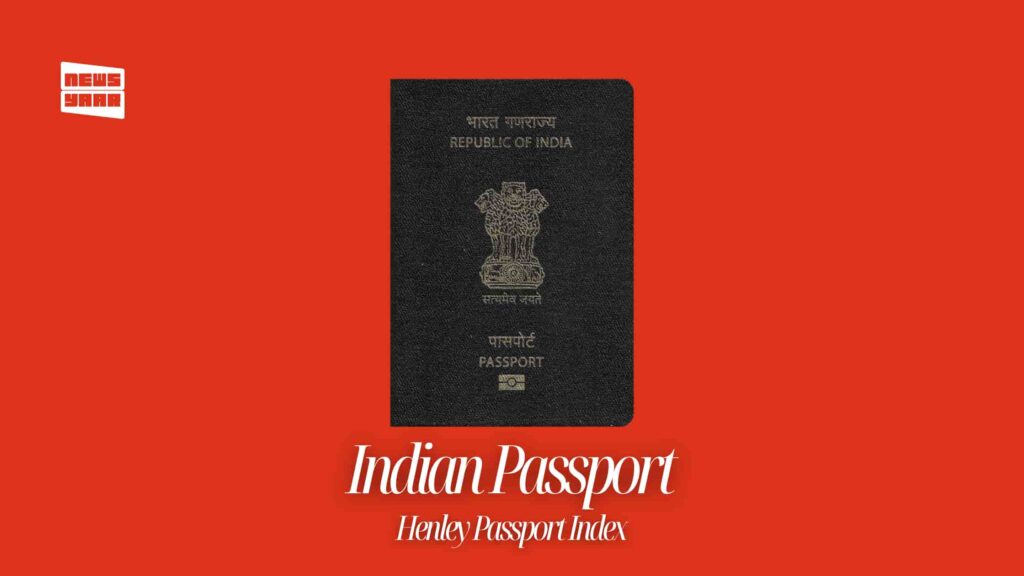
TRAVEL Indian Passport Climbs the Ladder in 2026, but Global Travel Reality Remains Mixed Newsyaar January 23, 2026 7:07 pm Indian passport holders have a reason to feel cautiously optimistic in 2026. According to the latest Henley Passport Index, India’s passport has registered an improvement in global rankings, signalling a gradual rise in international mobility for Indian travellers. However, beneath the headline gain lies a more nuanced reality that travellers must keep in mind while planning overseas journeys. The Henley Passport Index 2026 has placed India at the 80th position, a jump of five ranks from last year’s 85th spot. The index, which ranks passports based on the number of destinations their holders can access without a prior visa, reflects how freely citizens of a country can travel across borders. In practical terms, Indian passport holders can now access 55 destinations without securing a visa in advance. This includes countries offering visa-free entry, visa-on-arrival, or electronic travel authorisation (ETA). The upward movement suggests incremental progress in India’s global travel standing, driven partly by diplomatic engagements, bilateral agreements, and the growing international presence of Indian travellers. For frequent flyers and first-time international tourists alike, this translates into slightly more flexibility and reduced paperwork for select destinations. However, the improvement in ranking does not tell the full story. Despite climbing the index, the number of destinations offering hassle-free access to Indian passport holders remains limited compared to many other countries. In fact, while the rank has improved, access to key regions such as Europe’s Schengen Area, the United States, the United Kingdom, and several East Asian nations continues to require traditional visas, often involving lengthy processing times, extensive documentation, and high costs. This contrast highlights an important point: rankings can improve even when overall access remains constrained. The Henley Index is relative in nature, meaning India’s rise may also reflect changes in other countries’ visa policies rather than a dramatic expansion of visa-free access for Indians. For Indian travellers, the list of accessible destinations is still dominated by countries in Southeast Asia, Africa, the Caribbean, and parts of the Middle East. While these destinations offer rich cultural and travel experiences, many popular business, education, and tourism hubs remain out of easy reach without prior approvals. Travel industry experts say the ranking improvement is symbolically significant but should not be overstated. “A higher rank improves perception, but on the ground, Indian travellers still need to plan well in advance for most long-haul or premium destinations,” said a senior travel consultant based in Delhi. He added that visa rejections, appointment delays, and rising visa fees continue to be common concerns. At the same time, the gradual rise reflects India’s growing global footprint. As one of the world’s fastest-growing major economies and a key player in international diplomacy, India has been actively engaging with countries to simplify travel frameworks. Industry observers believe that sustained diplomatic efforts, along with reciprocal visa arrangements, could further enhance passport strength in the coming years. For now, Indian passport holders can take heart in the positive movement, while remaining realistic. The 2026 ranking underscores progress, but also serves as a reminder that global mobility for Indians is still a work in progress, one that requires both policy-level negotiations and patient travel planning. As international travel rebounds and geopolitical equations evolve, the Indian passport’s journey up the global ladder is likely to continue, albeit gradually. About the Author Travel Reporter Share via Copied Comments Post Comment
Bhargavastra: India’s Indigenous Counter-Drone Micro-Missile Defence System

DEFENCE Bhargavastra: India’s Indigenous Counter-Drone Micro-Missile Defence System Newsyaar January 23, 2026 6:24 pm Bhargavastra is an indigenous counter-drone defence system developed in India to address the rapidly evolving threat posed by unmanned aerial vehicles (UAVs), particularly drone swarms and autonomous aerial threats. Designed and developed by Solar Defence and Aerospace Limited (SDAL) in collaboration with Economic Explosives Limited, Bhargavastra represents a significant step in India’s efforts to build cost-effective, hard-kill air defence solutions that can operate across diverse terrains and combat modern aerial threats. The system takes its name from Indian mythological tradition, where “astra” refers to a powerful celestial weapon — an apt metaphor for a defence capability aimed at neutralising airborne dangers effectively. Why Bhargavastra Was Developed Recent conflicts around the world, including the Russian invasion of Ukraine and clashes in the Nagorno-Karabakh region, have highlighted how drone swarms and loitering munitions can pose significant challenges to traditional air defence systems. The Indian defence establishment and private sector designers concluded that a new kind of counter-drone solution was needed — one that could detect, track and neutralise small, low-altitude aerial threats at a lower cost than conventional surface-to-air missiles. Bhargavastra was developed in response to these emerging threats and does not rely on a formal request for proposals from the armed forces, indicating proactive indigenous innovation. Key Features and Capabilities Bhargavastra is built around a multi-layered defence architecture that combines detection, target acquisition and hard-kill interception mechanisms: Detection and Tracking: The system is equipped with advanced radar capable of detecting small unmanned aerial targets between 6 km and 10 km away. It also uses electro-optical/infrared (EO/IR) sensors and radio frequency receivers to accurately identify low radar cross-section targets and small drones. These sensors feed into a Command, Control, Communications, Computers and Intelligence (C4I) centre, which provides real-time situational awareness and coordinated engagement decisions. Hard Kill Mechanism: Bhargavastra operates primarily in a hard-kill mode, physically destroying hostile drones rather than just disrupting their electronics. It employs two layers of interception: First Layer: Uses unguided micro-rockets capable of neutralising multiple drones within a lethal radius of approximately 20 metres, with an engagement range of up to 2.5 km. Second Layer: Uses guided micro-missiles that offer high precision for targeting evasive or high-value aerial threats, improving interception accuracy and effectiveness. A single launcher can carry multiple micro-rockets and micro-missiles, enabling rapid firing in salvo mode. The system’s modular design allows up to 64 micro munitions to be launched in quick succession, providing coverage over a wide area. Soft Kill Integration: While the system’s primary focus is hard kill interception, it can also be equipped with an optional soft-kill layer that includes jamming and spoofing technologies. These can confuse or misdirect hostile drones as part of a layered defence strategy, making Bhargavastra a comprehensive counter-UAV solution. Mobility and Terrain Adaptability One of Bhargavastra’s distinguishing features is its ability to be deployed on mobile platforms, such as a 7.5-ton class all-terrain vehicle. This mobility makes it suitable for rapid repositioning to support frontline units, critical infrastructure sites, border areas and high-altitude regions. The system is capable of operating effectively in diverse environments, including mountainous terrain above 5,000 metres, making it adaptable to India’s varied geographic and strategic requirements. Testing and Integration Bhargavastra has undergone multiple rounds of successful testing. Trials conducted at the Seaward Firing Range in Gopalpur demonstrated its ability to launch rockets and intercept targets reliably, with both individual and salvo-mode firings meeting design parameters. These tests were observed by senior officers from the Indian Army Air Defence, underlining its potential military utility. The system is designed for integration with existing network-centric warfare infrastructures, allowing it to work seamlessly with broader command and control systems used by the Indian armed forces. Its modular components — radar, sensors and launch units — can be customised based on mission needs and integrated into larger air defence architectures. Operational Significance Bhargavastra is seen as a strategic enhancement to India’s air defence capabilities, especially in an era where unmanned systems are increasingly used in reconnaissance, surveillance and offensive roles. Traditional air defence systems can be costly and less effective against low-signature drone threats; Bhargavastra’s low-cost, mobile, multi-layer approach fills a capability gap by offering focused protection against fast-evolving UAV risks. By reducing dependency on expensive surface-to-air missiles for counter-UAV roles and leveraging domestic technology, Bhargavastra also aligns with the “Make in India” initiative and supports self-reliance in defence manufacturing. Its development positions India closer to global innovators in the counter-drone domain and has potential export prospects once fully operational. What It Means for Future Defence As warfare evolves with the increased use of autonomous aerial systems and swarming drones, defence forces worldwide are seeking cost-effective, scalable solutions. Bhargavastra’s layered architecture — combining detection, hard-kill interception and optional soft-kill measures — reflects this shift and underscores the importance of indigenous technological solutions tailored to contemporary threats. With further integration, testing, refinement and deployment, Bhargavastra could become a core component of India’s layered air defence grid, enhancing protection for frontline troops, strategic installations and critical assets against complex drone threats About the Author Defence Reporter Share via Copied Comments Post Comment
World Economic Forum 2026: Global Leaders Converge in Davos Amid Major Economic and Geopolitical Challenges

WORLD World Economic Forum 2026: Global Leaders Converge in Davos Amid Major Economic and Geopolitical Challenges Newsyaar January 22, 2026 5:04 pm The World Economic Forum (WEF) Annual Meeting 2026 took place from January 19 to 23 in Davos-Klosters, Switzerland, bringing together leaders from government, business, international organisations and civil society to discuss the most pressing global issues of the moment. Now in its 56th year, the forum — commonly referred to simply as “Davos” — is a flagship platform for public-private cooperation on economic policy, technology governance, sustainability and global security. The meeting’s official theme, “A Spirit of Dialogue,” underscored a widely recognised need for renewed cooperation in an era marked by geopolitical tensions, slowing economic growth, technological disruption and environmental risk. Organisers, delegates and analysts alike framed the discussions around the idea that dialogue — even amid disagreement — is essential for addressing interconnected global challenges. Scale of Participation and Global Profile The WEF 2026 drew thousands of participants from over 100 countries, including government ministers, heads of state, central bankers, chief executives of major corporations, academics and representatives of international institutions. The meeting’s scale and diversity reflect its enduring role as a central venue for high-level engagement on global policy priorities. Among the most notable attendees was United States President Donald Trump, whose presence drew significant media attention and marked a return to Davos for a leader of his stature. Delegations also included major European figures, leaders from Asia, Africa and Latin America, and senior representatives from international organisations and think tanks. Economic Priorities and Global Growth Concerns Economic issues formed a core pillar of the 2026 agenda. Discussions highlighted uneven global growth, persistent inflationary pressures and heightened uncertainty in financial markets. Organisers and speakers emphasised that sluggish expansions in major economies, coupled with high debt levels, pose risks to stability and investment confidence. According to WEF research and policy discussions at Davos, cooperation on economic policy, trade facilitation and investment frameworks remains essential to navigate these headwinds. Investments in human capital, innovation and sustainable growth models were also highlighted as central to unlocking new sources of economic opportunity. Technology, Innovation and Governance Technological advancement — particularly artificial intelligence (AI) — was a prominent topic throughout the meeting. Delegates debated how to harness innovation responsibly while addressing associated risks such as workforce displacement, data protection, ethical use cases and the broader social impact of AI deployment. Speakers noted the absence of globally coordinated regulatory frameworks for emerging technologies, emphasising the need for international dialogue to manage both the opportunities and risks of rapid digital transformation. Geopolitics and International Security Geopolitical tensions and international security issues shaped several panels and bilateral discussions. The ongoing conflict in Ukraine, instability in parts of the Middle East, and great-power competition in regions such as the Indo-Pacific were recurring themes. In this context, world leaders discussed the importance of resilient supply chains, energy security and strategic partnerships while acknowledging that geopolitical fragmentation continues to complicate efforts toward shared economic and diplomatic goals. A particularly high-profile moment at the forum involved exchanges around NATO and Arctic security, with debates over territorial issues such as the strategic role of Greenland drawing media attention and highlighting how security concerns intersect with economic and environmental priorities. Climate, Sustainability and Emerging Risks Climate change and sustainable development remained central to Davos discussions, but delegates acknowledged the gap between global climate commitments and action on the ground. Energy transition strategies, climate finance for developing economies and nature-based risk frameworks were all debated, often in conjunction with economic policy and innovation priorities. A distinctive focus this year was on water systems and planetary stability, with experts warning that imbalances in the global water cycle — including drought, flood extremes and freshwater scarcity — require urgent collective action. These discussions, sometimes referred to as part of the “Blue Davos” agenda, highlighted water as a foundational element of global resilience. Outcomes and Forward Agenda Unlike treaty negotiations or binding international agreements, the World Economic Forum does not issue enforceable resolutions. Instead, its role is to shape the global conversation, build networks of cooperation and catalyse voluntary initiatives. At the conclusion of the 2026 meeting, several partnerships, memoranda of understanding and investment dialogues were announced, particularly in areas such as clean energy, digital infrastructure and sustainable finance. For example, global and regional delegations highlighted collaborative efforts to expand green growth and industrial innovation, reflecting businesses and states seeking resilient growth pathways amid global uncertainty. Beyond formal sessions, the informal interactions in Davos — from bilateral talks between heads of state to private sector strategy meetings — often influence policy choices throughout the year. These engagements are frequently cited by governments and corporations as contributing to priority setting and risk assessment in economic and geopolitical planning. Why World Economic Forum 2026 Matters The World Economic Forum Annual Meeting remains significant because it brings together diverse decision-makers at a time when coordination on global issues has become more fragmented. As geopolitical tensions rise and economic risks persist, forums like Davos offer a rare structured environment where dialogues between competing interests can occur. In 2026, the emphasis on dialogue — even amid disagreement on trade, security, technology and climate policy — reflected a shared recognition that global challenges cannot be addressed in isolation. While the outcomes of Davos are not always immediately visible, the convergence of leaders and ideas continues to shape international conversations and influence public and private sector strategies in the months and years that follow. About the Author World Reporter Share via Copied Comments Post Comment
Bagurumba Dwhou 2026 in Guwahati: A Historic Celebration of Bodo Culture
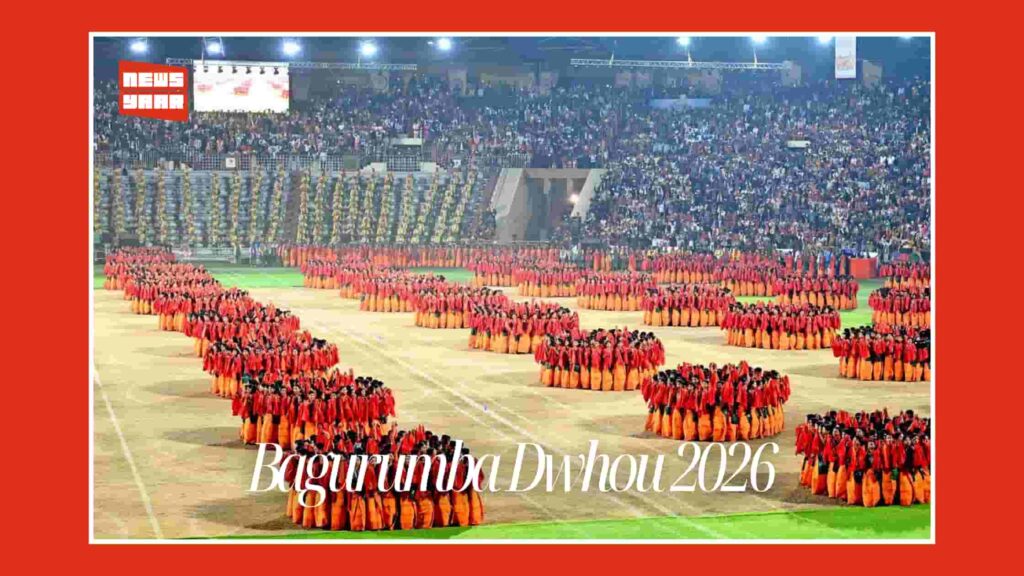
EVENT Bagurumba Dwhou 2026 in Guwahati: A Historic Celebration of Bodo Culture Newsyaar January 22, 2026 4:50 pm Guwahati played host to one of the most significant cultural events in recent memory on January 17, 2026, when the Bagurumba Dwhou 2026 programme brought together more than 10,000 artistes from across Assam to perform the iconic Bagurumba dance of the Bodo community in a large-scale presentation at the Arjun Bhogeswar Baruah Sports Complex, Sarusajai, Guwahati. The event was held in the presence of Prime Minister Narendra Modi, senior state leaders and cultural representatives, marking a landmark moment for the recognition and celebration of indigenous heritage. What Is Bagurumba Dwhou? Bagurumba is a traditional folk dance of the Bodo community, one of Assam’s oldest and most culturally rich indigenous groups. Often referred to as the “butterfly dance,” this art form draws inspiration from nature — its gentle, flowing movements mimic butterflies, birds, leaves and flowers — and symbolises peace, fertility, joy and collective harmony. Traditionally performed by young Bodo women, with men providing musical accompaniment on instruments such as the kham (drum) and sifung (flute), Bagurumba features dancers in vibrant, hand-woven attire including Dokhona, Jwmgra and Aronai. The term Dwhou in the event’s name refers to a wave or surge, and in this context signifies a grand, synchronised display that takes the traditional dance to an unprecedented scale. Date, Venue and Programme Details Date: January 17, 2026 Venue: Arjun Bhogeswar Baruah Sports Complex (Sarusajai Stadium), Guwahati, Assam The event was preceded by extensive preparations and rehearsals that began in early January, involving hundreds of master trainers and thousands of dancers from across 23 districts of Assam. Participants were brought to Guwahati in the days leading up to the event, with rehearsals starting from January 12 to ensure a coordinated and visually compelling performance. Scale and Artistic Participation Bagurumba Dwhou 2026 was remarkable for its scale. Organisers confirmed that over 10,000 Bodo artistes took part in a single, synchronised performance of Bagurumba, making it one of the largest cultural gatherings of its kind. The dancers represented all 81 Legislative Assembly constituencies across Assam, reflecting the dance’s pan-state cultural reach and unifying spirit. Musical accompaniment was provided by traditional instruments including: Kham (drum) Sifung (bamboo flute) Serja Jatha and Japshring These instruments added rhythmic depth to the choreography and underscored the event’s authenticity and traditional roots. Prime Minister’s Participation and Remarks Prime Minister Narendra Modi attended Bagurumba Dwhou 2026 as part of his official visit to Assam, which also included infrastructure inaugurations and other cultural programmes. On the sidelines of the event, he actively participated, including trying his hand at traditional musical instruments and being felicitated by organisers and artists. In his address, the Prime Minister described the performance as a vibrant celebration of Bodo identity and Assam’s rich cultural heritage. He emphasised that Bagurumba Dwhou was not just a dance festival but a medium to honour the longstanding traditions of the Bodo community and remember its eminent leaders. He paid tribute to figures such as Bodofa Upendra Nath Brahma, Gurudev Kalicharan Brahma, Rupnath Brahma and others, noting their roles in social reform, cultural renaissance and political awakening. The Prime Minister observed that efforts to promote Assamese and Bodo art forms have helped bring the region’s cultural expressions to national and global prominence, noting social media traction and national viewership of the event. Cultural Significance and Tourism Potential Officials and cultural advocates highlighted Bagurumba Dwhou 2026 as a milestone in Assam’s cultural narrative. According to Assam’s Cultural Affairs Minister, the mass performance was executed with structured training involving 25 experts and 400 master trainers, who prepared the dancers for the synchronised choreography that awaited them on the main stage. The event was expected to attract a large audience, with around 14,000 entry passes distributed and arrangements made for LED screens outside the stadium to accommodate additional viewers. Beyond its immediate spectacle, Bagurumba Dwhou 2026 was promoted as a potential draw for cultural tourism. By showcasing one of Assam’s most distinctive traditional art forms on a massive platform, organisers hoped to boost interest in the state’s broader heritage offerings, further enriching tourism prospects. Broader Context of Cultural Promotion The Bagurumba Dwhou follows other major cultural showcases supported by central and state efforts, such as large-scale Bihu and Jhumoir performances in recent years. These have been part of a broader initiative to position Assam’s diverse dance traditions — from the globally recognised Bihu to indigenous forms like Jhumoir and Bagurumba — as symbols of cultural identity and pride. What Bagurumba Represents Bagurumba is more than a dance; it is a visual representation of the Bodo community’s deep connection to nature, harmony and collective joy. Its choreography evokes natural elements — fluttering butterflies, rolling leaves, flowing rivers — and symbolises themes of peace, fertility and community cohesion. While traditionally associated with festivals like Bwisagu (Bodo New Year) and Domasi, the 2026 Dwhou elevated the form from local festivities to a nationwide cultural spectacle. Looking Ahead Bagurumba Dwhou 2026 set a new benchmark for cultural showcases in Assam, demonstrating how traditional art forms can be celebrated at scale and introduced to broader audiences. With global interest in the dance increasing — partly driven by social media engagement and official promotion — the event is likely to spur further presentations of indigenous performing arts from the Northeast. About the Author Government Reporter Share via Copied Comments Post Comment
Guwahati’s New Airport Terminal Marks a Turning Point for Assam and the Northeast
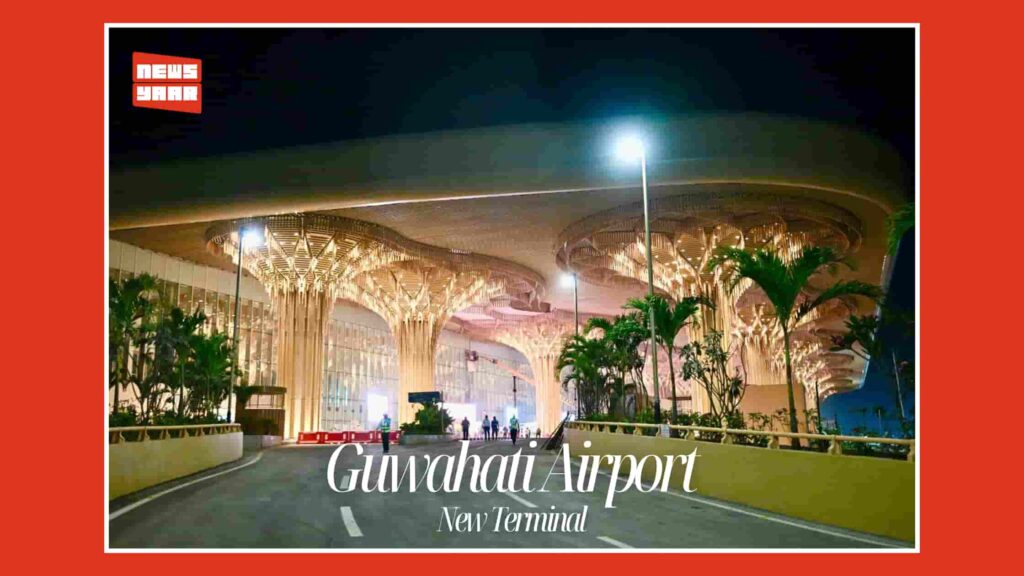
GOVERNMENT Guwahati’s New Airport Terminal Marks a Turning Point for Assam and the Northeast Newsyaar January 22, 2026 4:19 pm The inauguration of the new terminal at Lokpriya Gopinath Bordoloi International Airport (LGBIA) in Guwahati marks one of the most significant infrastructure upgrades in Assam in recent years, expanding the airport’s capacity and reinforcing its role as the Northeast’s primary aviation gateway. The terminal was inaugurated by Prime Minister Narendra Modi and is designed to handle over 13 million passengers annually, nearly doubling the airport’s earlier capacity of around 6 million passengers per year. Built at an estimated cost of Rs 1,200 crore, the expansion reflects a broader push to modernise transport infrastructure across eastern and northeastern India. What Has Changed at LGBIA The new terminal adds substantial scale and modern facilities to the airport: Terminal area expanded to approximately 167,000 square metres Designed to handle both domestic and international passengers Equipped with 64 check-in counters, automated baggage handling systems and expanded security lanes Integrated energy-efficient systems and passenger-friendly layouts to reduce congestion during peak travel hours With the upgrade, LGBIA now ranks among the larger airports in eastern India, both in terms of passenger handling and operational capacity. A Cultural Statement Alongside Infrastructure Unlike many airport expansions that focus purely on efficiency, Guwahati’s new terminal places visible emphasis on regional identity. Architectural elements draw from Assamese culture, with bamboo-inspired design features, local motifs and open spaces that reflect the state’s natural landscape. The installation of an 80-foot statue of Lokpriya Gopinath Bordoloi, Assam’s first Chief Minister, further anchors the project in historical and cultural context. The symbolism is deliberate — positioning the airport not only as a transport hub, but as a representation of Assam’s legacy and aspirations. Why the Expansion Was Necessary Passenger traffic at Guwahati airport has grown steadily over the past decade, driven by: Rising tourism to Assam and neighbouring states Increased business travel linked to infrastructure and energy projects Growing defence and logistics movement in the region Despite this growth, the airport’s infrastructure struggled to keep pace, often leading to congestion and delays. The new terminal addresses these constraints and prepares LGBIA for future demand, particularly as air connectivity to smaller northeastern cities improves. Strategic Importance Beyond Assam LGBIA functions as the main aviation hub for the entire Northeast, serving travellers from Arunachal Pradesh, Meghalaya, Nagaland, Mizoram and parts of Manipur. Improved capacity and passenger experience in Guwahati directly impact accessibility for the wider region. The airport also plays a role in India’s Act East policy, strengthening connectivity with Southeast Asia through potential international routes. Enhanced infrastructure makes Guwahati better positioned to support future cross-border travel and trade. Economic Impact and Future Plans The expansion is expected to generate ripple effects across multiple sectors: Tourism and hospitality, with increased visitor footfall Cargo and perishables transport, supporting regional agriculture and exports Employment in airport operations, ground handling and allied services Additionally, plans for a Maintenance, Repair and Overhaul (MRO) facility at Guwahati signal long-term ambitions to develop aviation-related services in the region, reducing dependence on metro cities for aircraft servicing. Why This Matters Now Guwahati’s new airport terminal arrives at a moment when the Northeast is no longer on the margins of India’s growth story. Infrastructure investment, regional stability and economic activity have reached a point where connectivity is no longer optional — it is essential. This expansion is not simply about accommodating more passengers. It reflects a broader recognition that Assam and the Northeast require infrastructure that matches their strategic, economic and cultural significance. As air travel continues to shape how regions connect with the rest of the country and the world, Lokpriya Gopinath Bordoloi International Airport stands as a clear signal that the Northeast’s gateway is finally being built at scale. About the Author Government Reporter Share via Copied Comments Post Comment
PM Modi Likely to Shift PMO to Seva Teerth, Marking Historic Transition from South Block
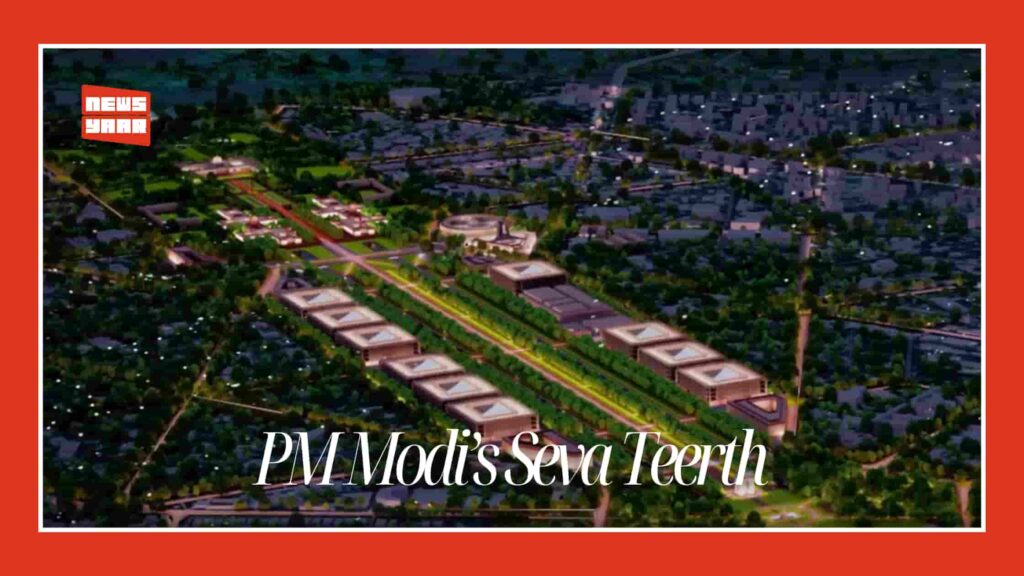
GOVERNMENT PM Modi Likely to Shift PMO to Seva Teerth, Marking Historic Transition from South Block Newsyaar January 20, 2026 7:00 pm New Delhi: Prime Minister Narendra Modi is likely to shift his office to the newly constructed Seva Teerth complex near Raisina Hill after January 14, marking a historic transition in India’s administrative landscape. According to reports, the move is expected to coincide with Makar Sankranti and will formally end the Prime Minister’s Office’s long association with South Block, where it has functioned since Independence. The relocation is part of the ambitious Central Vista redevelopment project, aimed at modernising India’s core administrative infrastructure and bringing key decision-making bodies under one consolidated zone. What is Seva Teerth? Seva Teerth, officially known as the Executive Enclave, is located on Dara Shikoh Road, earlier called Dalhousie Road, in the heart of New Delhi, close to Raisina Hill. The complex has been designed as a secure and integrated administrative hub, reflecting the government’s vision of a more efficient and contemporary governance system. The Executive Enclave comprises three distinct buildings, each assigned to a crucial arm of national administration. Allocation of Offices Within the Complex Seva Teerth-1 has been designated to house the Prime Minister’s Office. The building includes office spaces, meeting rooms, and ceremonial areas, with a more expansive and formal layout reflecting the PMO’s national and international responsibilities. Seva Teerth-2 already houses the Cabinet Secretariat, which shifted there in September last year. Seva Teerth-3 will accommodate the National Security Council Secretariat and the office of the National Security Advisor, Ajit Doval. Once fully operational, the complex will bring together top-level decision-makers within proximity, facilitating smoother coordination on governance and national security matters. A Symbolic End to the South Block Era The move marks the end of an era for South Block, which has served as the seat of the Prime Minister’s Office since 1947. Over the decades, South Block became synonymous with executive authority and witnessed some of the most significant decisions in independent India’s history. Similarly, North Block, home to the Ministries of Home Affairs and Finance for decades, has also been vacated as part of the transition. Both ministries have already shifted to Kartavya Bhavan, another component of the Central Vista project. The Central Vista redevelopment seeks to address long-standing space constraints, outdated infrastructure, and the dispersal of ministries across Delhi. By consolidating offices, the government aims to improve efficiency, security, and inter-ministerial coordination, while also modernising buildings to meet present-day functional and technological requirements. Officials familiar with the project have said the new complexes are designed with advanced security features, sustainable infrastructure, and digital-ready facilities, aligning with India’s future governance needs. A New Chapter in Governance Once the Prime Minister formally begins work from Seva Teerth, it will mark a significant symbolic and functional shift in India’s administrative history. While South Block remains a powerful emblem of the past, Seva Teerth represents the government’s push toward a modern, centralised, and future-ready system of governance at the heart of the national capital. https://www.youtube.com/watch?v=hTlB4OrFN0Y Video credit: YT@/PMO India About the Author Government Reporter Share via Copied Comments Post Comment
India, France Hold High-Level Talks on $36–39 Billion Rafale Fighter Jet Deal
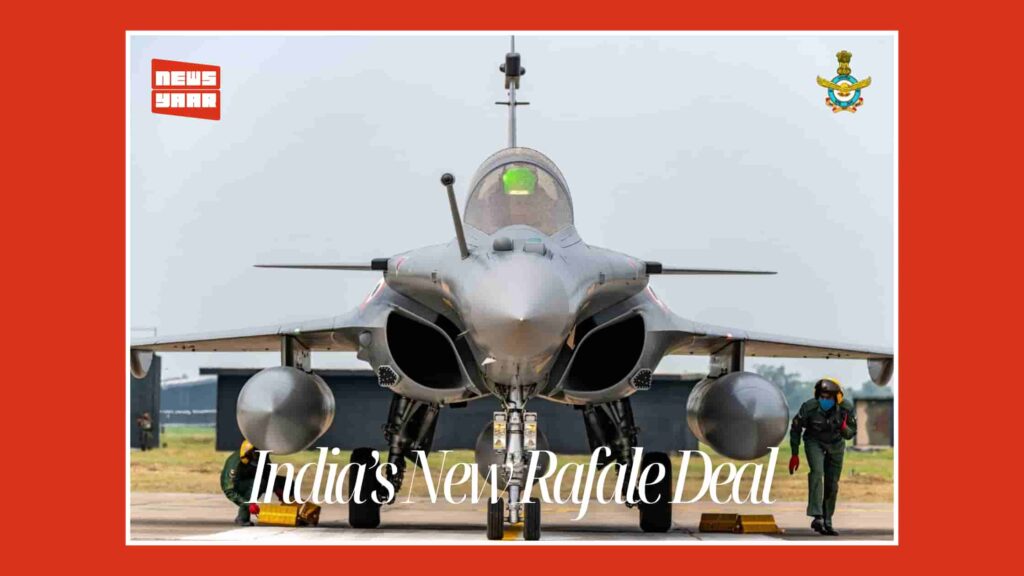
DEFENCE India, France Hold High-Level Talks on $36–39 Billion Rafale Fighter Jet Deal Newsyaar January 20, 2026 6:49 pm New Delhi is preparing for crucial high-level discussions with France this week on a proposal to acquire 114 additional Rafale fighter jets, a defence deal estimated at around $36–39 billion (approximately ₹3.25 trillion). If cleared, the agreement would become India’s largest-ever defence procurement, significantly boosting the combat capability of the Indian Air Force (IAF) and deepening strategic ties between the two countries. According to defence officials, the proposal will be reviewed at a senior-level Defence Ministry meeting after months of internal assessment by the IAF. The plan, formally known as the Statement of Case, must receive Defence Ministry approval before being sent to the Cabinet Committee on Security (CCS), the highest authority on defence decisions in India. The proposed acquisition comes at a critical time for the Indian Air Force, which continues to face a shortage of fighter squadrons. Several squadrons are operating below sanctioned strength, raising concerns over long-term operational readiness amid evolving regional security challenges. If approved, the deal would raise India’s total Rafale fleet to 176 aircraft, including the 36 Rafale jets already in service with the IAF and 26 Rafale-M jets contracted by the Indian Navy for aircraft carrier operations. India would then become one of the world’s largest operators of the Rafale platform. A key feature of the proposal is its strong Make in India component. Defence sources say over 30 per cent of the aircraft content would be indigenous, with most of the jets assembled domestically. Only 12 to 18 aircraft are expected to be delivered in “fly-away” condition for immediate operational use, while the rest would be produced in India in partnership with local industry. India is also seeking French approval to integrate indigenously developed weapons and electronic systems onto the Rafale. However, officials noted that the aircraft’s proprietary source codes would remain under French control, consistent with global defence norms. The deal is expected to significantly expand Dassault Aviation’s industrial footprint in India. Plans include enhanced maintenance, repair and overhaul (MRO) facilities and a proposed engine maintenance hub for Rafale’s M88 engines in Hyderabad, which could serve regional requirements as well. Indian private sector firms, including the Tata Group, are likely to play a major role in manufacturing and sustainment activities. The Rafale proposal comes amid offers from other global defence majors, including the United States’ F-35 stealth fighter and Russia’s Su-57. However, Indian officials have emphasised that proven operational performance and immediate readiness are key priorities. The Rafale’s advanced avionics, sensors and electronic warfare systems have reportedly performed strongly during recent IAF exercises. The talks follow the 38th India–France Strategic Dialogue, co-chaired by National Security Adviser Ajit Doval and French President Emmanuel Macron’s diplomatic adviser Emmanuel Bonne. Defence cooperation, technology partnerships and joint production were among the key issues discussed, setting the stage for an expected visit by President Macron to India. While the Rafale deal is still under consideration, defence analysts say it reflects India’s balanced approach, combining foreign technology with domestic manufacturing, to modernise its armed forces in an increasingly complex Indo-Pacific security environment. About the Author Defence Reporter Share via Copied Comments Post Comment