


Sagarmala Project: Transforming India’s Maritime Infrastructure and Coastal Economy
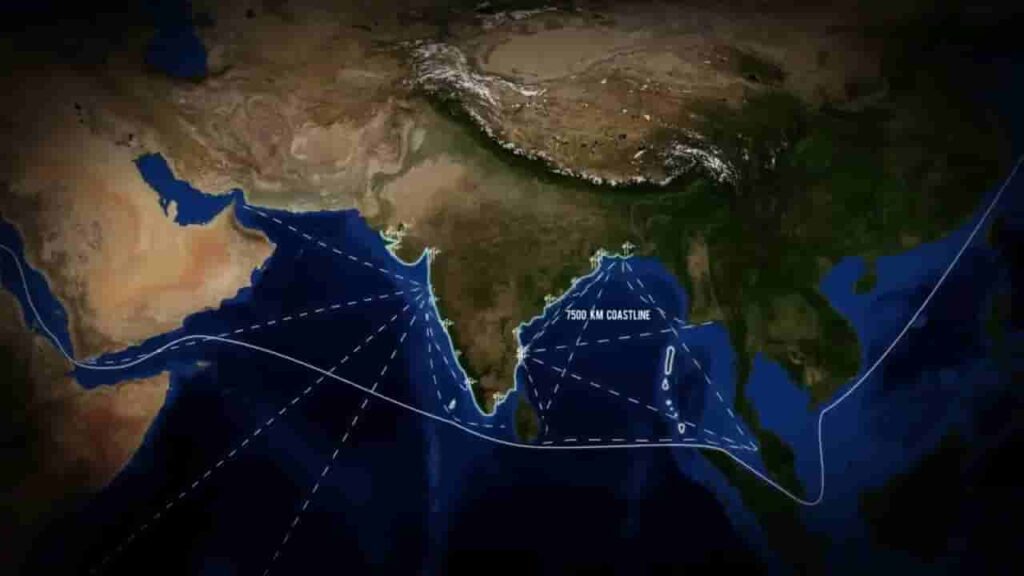
IntroductionThe Sagarmala Programme is one of the Government of India’s flagship initiatives aimed at harnessing the country’s vast coastline and maritime potential to drive economic growth. Launched with the vision of port-led development, the project seeks to modernise ports, improve logistics efficiency, and promote industrialisation along coastal regions.With over 7,500 km of coastline and strategic access to major international trade routes, India has long had the potential to become a global maritime hub. The Sagarmala Programme was designed to unlock this potential by integrating ports with hinterland connectivity and industrial development.Background and VisionIndia’s logistics sector has historically faced challenges such as high transportation costs, inefficiencies in port operations, and inadequate connectivity between ports and inland regions. Recognising these gaps, the Sagarmala Programme was introduced to create a more efficient and cost-effective logistics ecosystem.The core vision of Sagarmala is to reduce logistics costs for both domestic and international trade while boosting exports and generating employment. By focusing on port-led industrialisation, the initiative aims to transform coastal areas into economic growth centres.Key Pillars of the Sagarmala ProgrammeThe Sagarmala Project is built around four key pillars, each addressing a specific aspect of maritime and logistics development.Port Modernisation and New Port DevelopmentOne of the primary objectives is to upgrade existing ports and develop new ones to handle increasing cargo volumes. This includes improving port infrastructure, adopting advanced technologies, and enhancing operational efficiency.Major ports across India are being modernised to reduce turnaround time for ships and improve cargo handling capacity, making them globally competitive.Port Connectivity EnhancementEfficient connectivity between ports and inland regions is critical for seamless movement of goods. Under Sagarmala, significant investments have been made in road, rail, and inland waterways connectivity.Projects include:Dedicated freight corridorsRail links to portsNational highways connecting industrial clustersThese developments aim to ensure faster and more cost-effective transportation of goods.Port-Led IndustrialisationA major focus of the programme is the development of industrial clusters near ports. These include:Coastal Economic Zones (CEZs)Industrial corridorsPort-based manufacturing unitsBy locating industries closer to ports, the project reduces logistics costs and enhances export competitiveness. This approach also encourages foreign investment and boosts manufacturing under initiatives like “Make in India.”Coastal Community DevelopmentSagarmala also emphasises the socio-economic development of coastal communities. The programme includes initiatives for:Skill development in maritime sectorsEmployment generationFisheries and aquaculture developmentThis ensures that local populations benefit directly from the project’s growth opportunities.Implementation and ScaleThe Sagarmala Programme encompasses hundreds of projects across various sectors, making it one of the largest infrastructure initiatives in the country.It is being implemented by multiple agencies, including:Ministry of Ports, Shipping and WaterwaysState governmentsPrivate sector stakeholdersProjects range from port modernisation and connectivity improvements to industrial zone development and urban infrastructure in coastal regions.Economic SignificanceThe Sagarmala Project is expected to have a far-reaching impact on India’s economy.Reduction in Logistics CostsOne of the biggest advantages is the potential reduction in logistics costs, which have traditionally been higher in India compared to global standards. Efficient ports and better connectivity will make Indian goods more competitive in international markets.Boost to Trade and ExportsImproved port infrastructure and faster cargo handling will facilitate higher trade volumes, strengthening India’s position in global supply chains.Employment GenerationThe programme is expected to create millions of jobs, both directly and indirectly, across sectors such as shipping, logistics, manufacturing, and fisheries.Environmental and Social ConsiderationsGiven the scale of the project, environmental sustainability has been a key concern.Efforts have been made to:Promote green port initiativesReduce carbon emissionsEnsure sustainable coastal developmentHowever, concerns have also been raised regarding the impact of industrialisation on fragile coastal ecosystems, including mangroves and marine biodiversity.Balancing economic growth with environmental protection remains a critical challenge for the programme.Progress and AchievementsSince its launch, significant progress has been made under the Sagarmala Programme. Several port modernisation projects have been completed, and connectivity infrastructure has been strengthened.Cargo handling capacity at major ports has increased, and turnaround times have improved, reflecting enhanced efficiency. Industrial projects in coastal regions are also gradually taking shape.Challenges and the Road AheadDespite its progress, the Sagarmala Project faces several challenges:Land acquisition issuesEnvironmental clearancesCoordination between multiple agenciesFunding and timely execution of projectsAddressing these challenges will be essential to ensure the programme achieves its full potential.Final PerspectiveThe Sagarmala Programme represents a strategic shift in India’s approach to infrastructure and economic development. By leveraging its coastline and maritime strengths, the country aims to build a robust logistics network and emerge as a global trade hub.At its core, the project is not just about ports—it is about creating an integrated ecosystem that connects industries, communities, and markets, driving long-term growth and development across the nation.
Parvatmala Project: India’s National Ropeway Development Programme
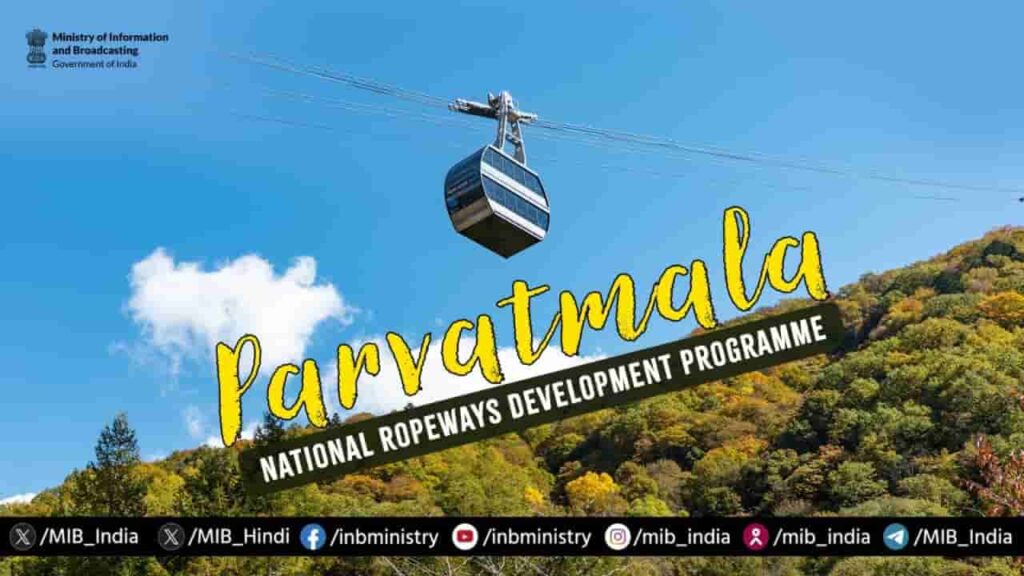
Image: MIBIntroductionThe Parvatmala Project, officially known as Parvatmala Pariyojana, was announced in the Union Budget 2022–23 as a major initiative to develop ropeway infrastructure across India, particularly in hilly and mountainous regions. The project aims to provide safe, efficient and sustainable connectivity in areas where traditional road and rail infrastructure face geographical and environmental challenges.It is being implemented under the guidance of the Ministry of Road Transport and Highways, with a strong focus on boosting connectivity, tourism, and local economic activity.Vision and ObjectivesThe core vision of the Parvatmala Project is to transform mobility in difficult terrains by introducing ropeways as a viable alternative to conventional transport systems. In many hill regions, road construction is not only expensive but also environmentally disruptive. Ropeways offer a cleaner and more efficient solution.The project is designed to:Improve last-mile connectivity in remote and hilly areasReduce travel time significantlyPromote eco-friendly transportationBoost tourism in scenic destinationsBy focusing on these objectives, the initiative seeks to integrate remote regions more effectively into the mainstream economy.Implementation StrategyThe Parvatmala Project is being developed under the Public-Private Partnership (PPP) model, which allows private players to participate in financing, constructing, and operating ropeway systems.The government has identified multiple corridors across states such as Uttarakhand, Himachal Pradesh, Jammu & Kashmir, and the Northeast for ropeway development. These routes are selected based on their tourism potential, connectivity needs, and feasibility.The project is expected to be implemented in phases, with initial priority given to high-demand routes and pilgrimage circuits.Key Features of Ropeway SystemsRopeways under the Parvatmala Project are expected to offer several advantages over traditional transport:They are designed to operate in difficult terrains with minimal land use, reducing the need for large-scale construction. Travel through ropeways is significantly faster, especially in areas where road journeys can take several hours due to winding routes.Additionally, ropeways are considered environmentally sustainable, as they produce lower emissions compared to fuel-based transport systems. They also help in reducing traffic congestion in popular tourist destinations.Economic and Tourism ImpactOne of the major expected outcomes of the Parvatmala Project is the boost to tourism. Improved connectivity to hill stations, धार्मिक sites, and remote scenic locations can increase tourist footfall and generate employment opportunities for local communities.The project is also likely to:Support small businesses in remote areasEnhance accessibility for pilgrims and touristsCreate jobs in construction, operations, and maintenanceBy improving connectivity, the initiative can play a key role in regional economic development.Challenges and ConcernsDespite its potential, the Parvatmala Project faces several challenges. Land acquisition, environmental clearances, and coordination between multiple agencies can slow down implementation.There are also concerns regarding the financial viability of certain routes, especially in areas with seasonal tourist demand. Ensuring safety standards and maintenance of ropeway systems will be critical for long-term success.The Road AheadThe government aims to develop over 200 ropeway projects covering more than 1,200 km in the coming years under the Parvatmala initiative. As implementation progresses, the focus will be on balancing infrastructure development with environmental sustainability.Successful execution of the project will depend on efficient planning, strong private sector participation, and timely clearances.ConclusionThe Parvatmala Project represents a significant shift in India’s approach to infrastructure development in mountainous regions. By introducing ropeways as a mainstream mode of transport, the initiative offers a practical solution to long-standing connectivity challenges.If implemented effectively, it has the potential to not only transform mobility in hilly areas but also drive tourism and economic growth, making remote regions more accessible and integrated with the rest of the country.
PM Surya Ghar Yojana: Powering Homes with Solar Energy
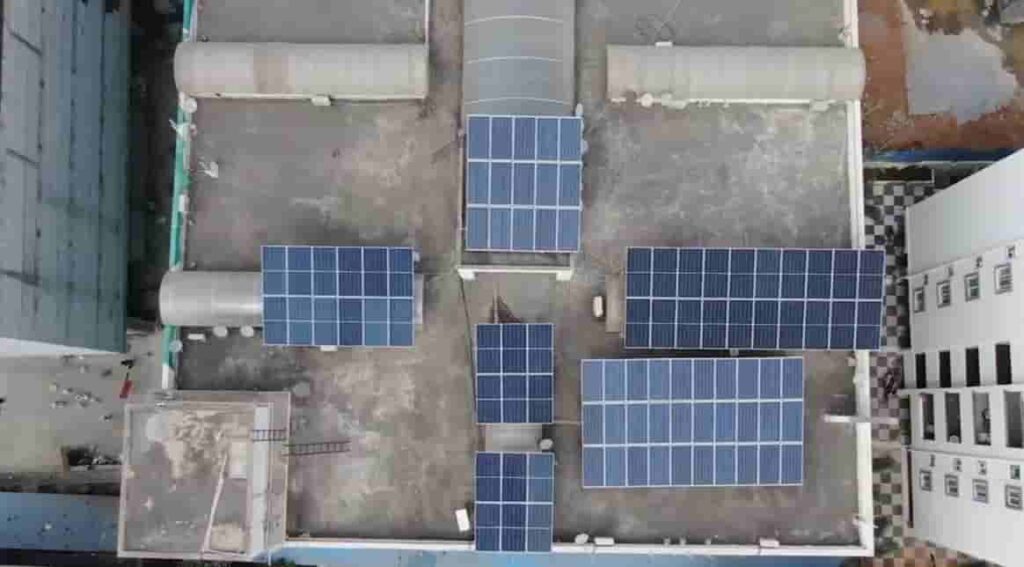
IntroductionThe PM Surya Ghar Yojana, officially known as the PM Surya Ghar: Muft Bijli Yojana, was launched in 2024 as a major step towards promoting rooftop solar adoption across India. Announced by Narendra Modi, the scheme aims to provide affordable and sustainable electricity to households while reducing dependence on conventional power sources.The initiative is positioned as a key component of India’s broader push towards renewable energy and energy self-reliance.Objective of the SchemeThe primary objective of the scheme is to encourage households to install rooftop solar panels by offering financial assistance and incentives. By doing so, the government aims to reduce electricity costs for citizens and promote clean energy usage at the grassroots level.The scheme also aligns with India’s long-term climate goals by reducing carbon emissions and supporting the transition to non-fossil fuel energy sources.Key Features of the YojanaUnder the PM Surya Ghar Yojana, eligible households are provided with subsidies to install rooftop solar systems. The government has set an ambitious target of covering 1 crore households under the scheme.One of the major highlights is the provision of up to 300 units of free electricity per month, depending on the installed solar capacity and energy generation. This is expected to significantly reduce electricity bills for middle- and lower-income households.The subsidy is directly transferred to beneficiaries, ensuring transparency and faster implementation. The scheme also promotes easy application processes through an online portal.Financial Support and Subsidy StructureThe government provides substantial financial assistance to make solar installations more accessible. Subsidies vary depending on the capacity of the rooftop solar system installed.Typically, households installing smaller systems receive higher proportional support, making it easier for a larger segment of the population to participate. In addition to central subsidies, some state governments also offer additional incentives, further reducing the overall cost.This financial model is designed to make rooftop solar a viable option even for households that may otherwise find the upfront investment challenging.Implementation and ReachSince its launch, the scheme has seen growing interest across various states. Urban areas, where rooftop access and electricity consumption are higher, have shown quicker adoption. However, efforts are also being made to expand the scheme’s reach in semi-urban and rural regions.The government has collaborated with local electricity distribution companies (DISCOMs) and vendors to streamline installation and approval processes. Digital platforms have been introduced to track applications, approvals, and subsidy disbursement.Benefits for Households and EconomyThe PM Surya Ghar Yojana offers multiple benefits at both the individual and national levels. For households, the most immediate advantage is reduced electricity expenditure and long-term savings. Over time, solar installations can significantly offset energy costs.At a broader level, the scheme contributes to:Increased adoption of renewable energyReduced burden on conventional power gridsLower carbon emissionsJob creation in the solar energy sectorIt also supports India’s goal of becoming a global leader in renewable energy.Challenges and ConcernsDespite its potential, the scheme faces certain challenges. Awareness about rooftop solar and the application process remains limited in some regions. Additionally, initial installation delays and coordination issues with local authorities have been reported in certain cases.Another challenge is ensuring quality control and standardisation across vendors, as the rapid scale-up of installations requires strict monitoring.Addressing these issues will be crucial for the scheme’s long-term success.ConclusionThe PM Surya Ghar Yojana represents a significant step towards democratising solar energy in India. By making rooftop solar accessible and affordable, the scheme has the potential to transform how households consume electricity.While challenges remain, its early momentum indicates a strong shift towards clean energy adoption at the household level. As implementation improves and awareness grows, the scheme is expected to play a crucial role in shaping India’s sustainable energy future.
Dholera: India’s First Greenfield Smart City Taking Shape in Gujarat
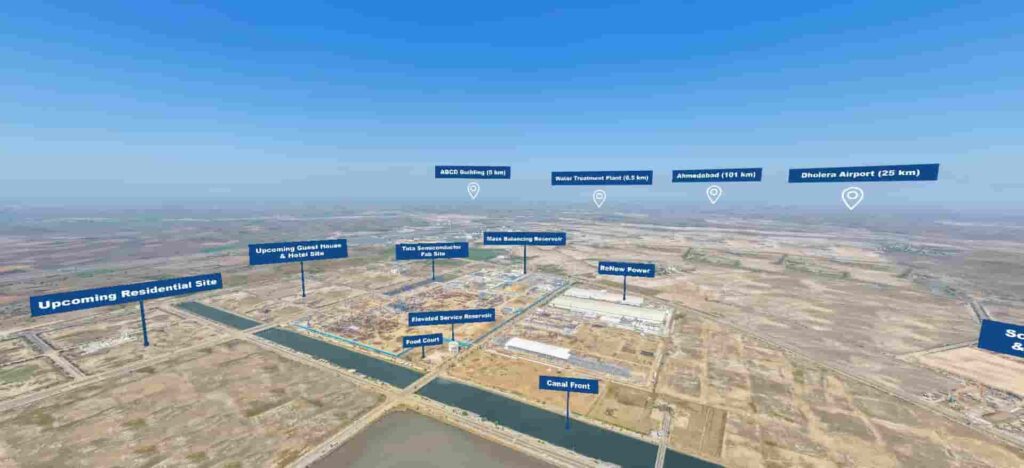
Dholera has emerged as one of India’s most ambitious urban development projects, envisioned as the country’s first greenfield smart city under the Delhi-Mumbai Industrial Corridor (DMIC). Located in Gujarat’s Ahmedabad district, Dholera is being developed from scratch with a focus on sustainable infrastructure, advanced technology, and industrial growth, positioning it as a future economic powerhouse.The project reflects India’s long-term vision of creating next-generation urban centres that can support rapid industrialisation while maintaining environmental balance and efficient governance.Vision Behind Dholera Smart CityUnlike traditional cities that evolve over time, Dholera has been planned as a greenfield city, meaning it is being built on previously undeveloped land with a fully integrated master plan.The objective behind Dholera is to:Decongest existing metropolitan citiesCreate a global manufacturing and investment hubProvide world-class infrastructure for industries and residentsDrive economic growth through planned urbanisationThe city is a key node of the Delhi Mumbai Industrial Corridor, one of India’s largest infrastructure initiatives aimed at boosting industrial development between Delhi and Mumbai.Strategic Location and ConnectivityDholera’s location gives it a strong strategic advantage. It lies around 100 kilometres from Ahmedabad and is well connected through major transport networks.The city is being linked via:The Ahmedabad-Dholera ExpresswayProposed metro rail connectivityDedicated freight corridorsProximity to ports along the western coastOne of the most important infrastructure components supporting the city is the Dholera International Airport, which is expected to enhance both domestic and international connectivity, making Dholera a globally accessible hub.Infrastructure and Smart City FeaturesDholera is being developed with a focus on future-ready infrastructure, incorporating smart technologies and sustainable systems.The city’s planning includes:Underground utility systems (electricity, water, telecom)Smart traffic management and surveillance systemsHigh-speed internet and digital connectivityIntegrated command and control centresThe infrastructure is designed to ensure efficiency, reduce congestion, and provide a high quality of life for residents and businesses.Industrial and Economic PotentialOne of the primary goals of Dholera is to function as a major industrial hub. Large tracts of land have been allocated for manufacturing, logistics, and commercial activities.The city is expected to attract:Domestic and international investorsManufacturing units across sectorsTechnology and innovation-driven industriesSpecial economic zones and industrial clusters are being planned to encourage exports and boost employment opportunities.Sustainability and Environmental PlanningA key highlight of Dholera is its focus on sustainability. The city is being designed to minimise environmental impact while supporting large-scale development.This includes:Use of renewable energy sources such as solar powerEfficient water management and recycling systemsGreen spaces and eco-friendly urban planningThe emphasis on sustainability aligns with global trends in urban development, making Dholera a model for future smart cities in India.Phased Development and Current ProgressThe development of Dholera is being carried out in phases, with initial focus on activating core infrastructure and industrial zones.The Activation Area—considered the first phase of development—has already seen progress in terms of:Road networksUtility infrastructureLand allocation for industriesAs infrastructure continues to develop, the city is gradually moving from planning to implementation, with increasing interest from investors and businesses.Challenges and ExpectationsWhile the vision for Dholera is ambitious, the project also faces challenges such as:Attracting sustained investmentEnsuring timely infrastructure developmentCreating residential demand alongside industrial growthThe success of the city will depend on how effectively these challenges are managed over time.A Glimpse into India’s Urban FutureDholera represents a shift in India’s approach to urbanisation—moving towards planned, technology-driven, and sustainable cities rather than unstructured expansion.As the project progresses, it is expected to serve as a benchmark for future smart city initiatives across the country.Dholera is not just a city under construction; it is a long-term vision of how India aims to balance growth, infrastructure, and sustainability. With its strategic location, advanced planning, and industrial focus, it has the potential to redefine urban development and emerge as a major economic hub in the years to come.
UP Chief Minister Yogi Adityanath’s Singapore and Japan Visit: A Landmark Investment Roadshow
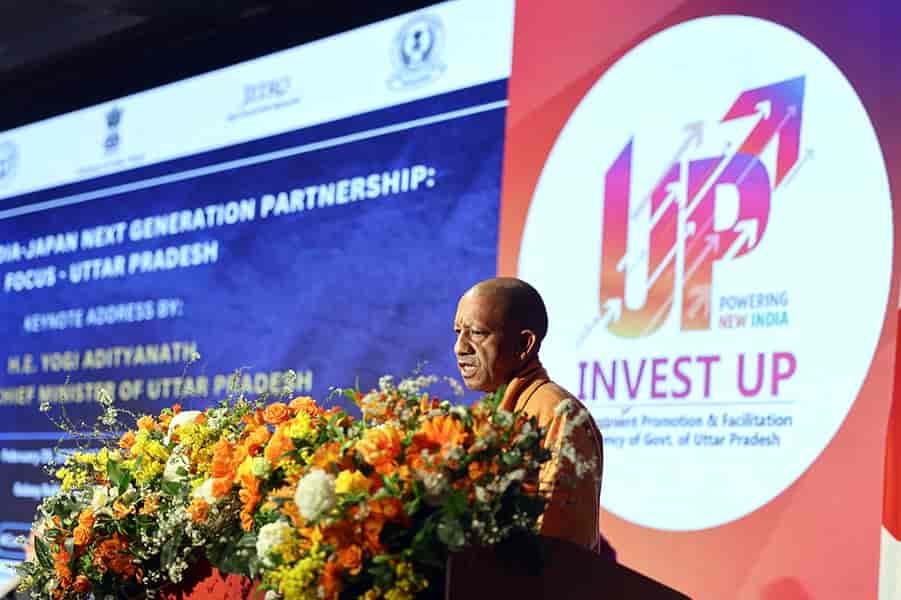
IntroductionUttar Pradesh Chief Minister Yogi Adityanath’s official visit to Singapore (February 22–24) and Japan (February 25–26) has emerged as one of the most consequential investment outreach efforts undertaken by any Indian state government in recent years. Undertaken as part of the UP Invest Roadshow, the twin-country visit generated MoUs worth ₹1.5 lakh crore and fresh investment proposals amounting to ₹2.5 lakh crore, spanning sectors ranging from semiconductors and data centres to green hydrogen and advanced manufacturing.The visit is expected to serve as a key milestone in Uttar Pradesh’s stated goal of becoming a one-trillion-dollar economy by 2029–30. With a Gross State Domestic Product of ₹30.25 lakh crore in 2024–25, projected to reach approximately ₹36 lakh crore in 2025–26, UP is positioning itself as one of India’s most competitive destinations for global capital.Singapore Visit (February 22–24, 2026)High-Level Government EngagementsThe Singapore leg of the visit was anchored in high-level political diplomacy. Chief Minister Yogi Adityanath held meetings with Singapore’s top leadership, including:President Tharman Shanmugaratnam (meeting took place on February 24)Prime Minister Lawrence Wong, who described UP as India’s third-largest economy and noted that Singaporean companies are actively investing in the state, particularly in logistics, connectivity, and infrastructureMinister for Foreign Affairs Vivian Balakrishnan, who described Uttar Pradesh as “India’s most populous state and among its fastest-growing economies, with a young and dynamic workforce”Minister for Manpower and Minister-in-charge of Energy and Science and Technology Tan See LengThe discussions were framed within the India–Singapore Comprehensive Strategic Partnership (CSP) Roadmap, which identifies priority collaboration areas including economic cooperation, digitalisation, skills development, sustainability, connectivity, and advanced manufacturing.Investor Meetings and Business EngagementsBeyond governmental meetings, the Chief Minister held substantive discussions with leaders from Singapore’s top financial and infrastructure institutions:Tan Su Shan, CEO, DBS Group — financial cooperation and infrastructure project financing for UPLim Chow Kiat, CEO, GIC — long-term institutional investments in infrastructure, logistics, and sustainable urban development; GIC is already a partner in projects such as the Ganga ExpresswayTeo Chee Hean, Chairman, Temasek — sovereign investment opportunities in data centres, renewable energy, and industrial infrastructureKerry Mok, President and CEO, SATS Ltd. — aviation sector collaborationLeaders from Mapletree, PSA India, Greenfield Ventures, AVPN, Kaizenvest, and the Private Infrastructure Development Group — covering logistics, green energy, sustainable infrastructure, and impact investmentSkill Development and Vocational TrainingThe Chief Minister reviewed Singapore’s technical and vocational education model at the ITE College Central campus, including its Aviation Hub facilities. MoUs were signed to strengthen collaboration in technical and vocational education, aviation skills, and industry-aligned training programmes.UP Investors’ Roadshow — Singapore Business FederationCM Yogi addressed business leaders at the UP Investors’ Roadshow organised by the Singapore Business Federation. He described the “new Uttar Pradesh” as offering safety, stability, and speed to investors.On the first day alone, UP secured total investment commitments of ₹19,877 crore. The single largest proposal came from Universal Success Group, which committed ₹6,650 crore for group housing, a logistics park, and a data centre.Sectoral Focus AreasKey sectors covered during the Singapore engagements included:MRO (Maintenance, Repair & Overhaul) and cargo hubs — positive discussions were held on developing the Noida International Airport at Jewar as an MRO and cargo hubSemiconductors and data centres — UP is positioning land parcels near Jewar Airport as potential sites for hyperscale and AI-enabled data infrastructureLogistics and fintechSkill development and digital economySingapore is India’s largest source of Foreign Direct Investment, contributing USD 14.94 billion in FY 2024–25.Japan Visit (February 25–26, 2026)UP Investment Roadshow, TokyoFollowing Singapore, Chief Minister Yogi Adityanath arrived in Tokyo to host the UP Investment Road Show, where he invited Japanese industrialists and investors to explore opportunities in Uttar Pradesh. He stated that “Uttar Pradesh has emerged as the most preferred state for investment in India due to its secure environment, strong infrastructure, large market potential, and young workforce.”He also referred to Japan as the “Land of the Rising Sun”, and drew a cultural connection by noting that Uttar Pradesh is the birthplace of Lord Ram and a significant node of India’s Buddhist heritage.MoUs Signed — Day One: ₹11,000 CroreOn the first day of the Japan visit, MoUs worth approximately ₹11,000 crore were signed with a range of Japanese companies. The companies included:CompanySectorKubota CorporationAgricultural machinery and equipmentMinda Corporation (with Toyo Denso)Automobiles and auto componentsJapan Aviation Electronics IndustryElectronics and defenceNagase & Co. Ltd.Chemicals and technologySeiko AdvanceIndustrial printing and graphicsO&O GroupHospitality and real estateFuji Partnership / Fuji Silvertech ConcreteIndustrial infrastructureB2G (Business-to-Government) MeetingsIn separate B2G interactions, senior representatives from the following corporations engaged with the UP government:Suzuki Motor CorporationHonda Cars India Ltd.Konoike Transport Co. Ltd.Mitsui & Co. Ltd. — discussions centred on renewable energy, ICT, semiconductor manufacturing, data centres, and logisticsRapidus CorporationMarubeni CorporationSumitomo Realty & Development Co. Ltd.MUFG BankJapan City in YEIDA RegionA centrepiece announcement of the Japan visit was the confirmation that a dedicated 500-acre “Japan City” will be developed in the Yamuna Expressway Industrial Development Authority (YEIDA) region, near the upcoming Noida International Airport. The township is envisioned as an exclusive industrial ecosystem for Japanese companies, with dedicated auto clusters and R&D facilities for OEMs and component manufacturers.The Japan Desk at Invest UP will be further strengthened, with direct monitoring by the Chief Minister’s Office (CMO), to ensure seamless facilitation of Japanese investment.Green Hydrogen Centre of ExcellenceA significant announcement on clean energy was the establishment of a Green Hydrogen Centre of Excellence, to be developed collaboratively between:University of Yamanashi (Japan)Yamanashi Hydrogen Company (Japan)IIT KanpurHarcourt Butler Technical University (HBTU)IIT BHUMadan Mohan Malaviya University of Technology (MMMUT)Technology and Industrial VisitsChief Minister Yogi Adityanath visited the L0-Series Maglev Train Station and experienced a ride on the high-speed train, exploring possibilities for collaboration in advanced transport technologies.He also inspected FANUC Corporation’s industrial robot and factory automation plant. FANUC expressed interest in investing in UP and supporting technological upgradation of the state’s MSME sector.Tourism and Cultural CollaborationBoth sides agreed to strengthen tourism ties by linking UP’s globally significant Buddhist Circuit and Ramayana Circuit with Japan’s cultural interest in these heritage routes, promoting spiritual, cultural, and heritage tourism between the two regions.Cumulative Investment OutcomesCategoryAmountMoUs Signed (Singapore + Japan combined)₹1.5 lakh croreFresh
Noida International Airport (Jewar Airport) Inauguration: A Transformational Push to India’s Aviation and Regional Growth
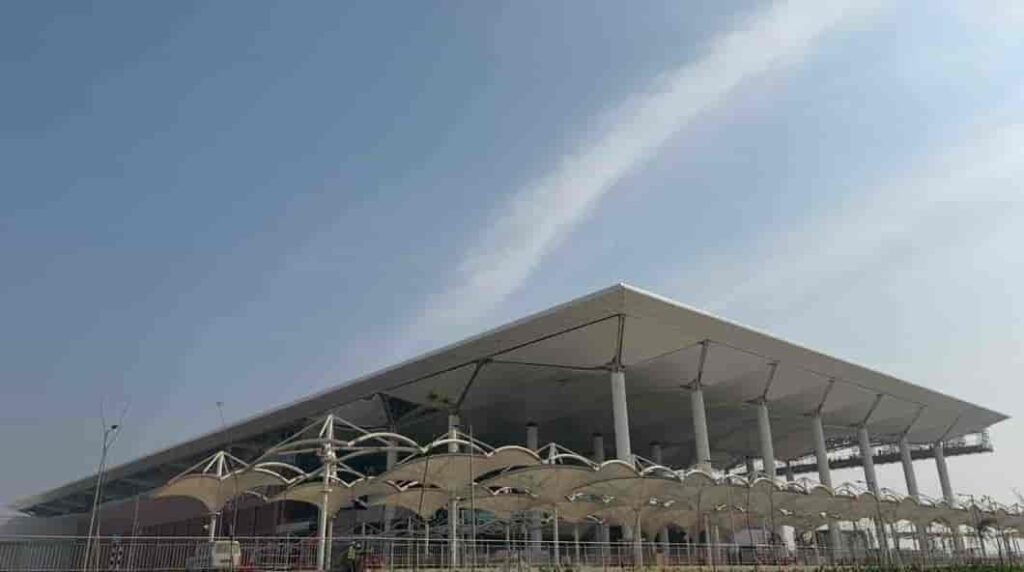
The inauguration of the Noida International Airport, widely known as Jewar Airport, marked a landmark moment in India’s aviation and infrastructure expansion. Positioned as one of the country’s largest and most ambitious greenfield airport projects, its launch has been seen as a strategic move to decongest existing aviation hubs and unlock new economic potential across northern India.Located in Jewar in Uttar Pradesh’s Gautam Buddha Nagar district, the airport has been developed to serve the rapidly growing travel demand of the National Capital Region (NCR), while also acting as a catalyst for industrial, logistical, and urban development in surrounding areas.Why India Needed a Second Major Airport in NCRFor years, the Indira Gandhi International Airport in Delhi has handled the bulk of air traffic in northern India. With passenger numbers steadily rising, the airport has been operating close to its maximum capacity, leading to congestion, delays, and operational strain.The idea of developing a second airport in the NCR was not just about expansion, but about redistributing aviation load and future-proofing infrastructure. The Noida International Airport was conceptualised to address these issues while supporting the long-term growth of one of India’s busiest urban corridors.Its location near the Yamuna Expressway provides strategic access not only to Delhi but also to key cities like Noida, Greater Noida, Ghaziabad, Agra, Mathura, and Aligarh. This makes it a regional hub rather than just an alternative airport.Scale, Design and Multi-Phase DevelopmentWhat sets the Noida International Airport apart is its scale and long-term vision. Unlike many existing airports that evolved through gradual expansion, this project has been planned from the outset as a multi-phase mega infrastructure development.In its first phase, the airport has been designed to handle around 12 million passengers annually, with a single runway and terminal. However, the long-term plan is far more ambitious. Once fully developed, the airport is expected to:Handle over 70 million passengers per yearOperate multiple runwaysInclude expansive cargo terminals and logistics parksSupport maintenance, repair, and overhaul (MRO) operationsThis phased approach ensures that the airport can scale alongside demand, making it a future-ready aviation hub.Focus on Sustainability and Modern InfrastructureOne of the defining aspects of the project is its emphasis on sustainability. The airport has been planned as an environmentally responsible infrastructure project, incorporating:Energy-efficient terminal designsWater conservation systemsReduced carbon footprint strategiesSustainable construction practicesGlobally, there has been increasing focus on green aviation infrastructure, and the Noida International Airport aligns with this shift by aiming to become one of the more eco-conscious airports in the region.Connectivity and Integration with Transport NetworksA major strength of the Jewar airport lies in its planned connectivity. The project is not being developed in isolation but as part of a larger, integrated transport ecosystem.The airport is expected to be connected through:The Yamuna Expressway and Eastern Peripheral ExpresswayProposed metro rail extensionsRegional Rapid Transit Systems (RRTS)High-speed rail links in the futureThis multi-modal integration will ensure seamless movement of passengers and goods, significantly reducing travel time and improving accessibility across the NCR and beyond.Economic Impact: A New Growth Engine for Uttar PradeshThe inauguration of the airport is expected to trigger a wave of economic activity in the region. Large infrastructure projects often act as growth multipliers, and Jewar is already witnessing rapid transformation.The airport is likely to:Generate thousands of direct and indirect employment opportunitiesBoost real estate demand in nearby areasAttract domestic and international investmentPromote development of logistics and warehousing hubsPlans for an aerotropolis—a city built around the airport—are also underway, which could include business districts, commercial centres, hotels, and industrial zones.This development is expected to strengthen Uttar Pradesh’s position as a major economic and industrial hub in northern India.Boost to Trade, Cargo and LogisticsBeyond passenger travel, the airport is expected to play a crucial role in cargo and logistics operations. With increasing demand for faster supply chains and export-oriented industries, the need for efficient cargo infrastructure has grown significantly.The Noida International Airport is being developed with dedicated cargo facilities, which will:Facilitate faster movement of goodsSupport export industries in the regionImprove connectivity for perishable and high-value goodsIts proximity to industrial clusters makes it particularly well-suited to serve as a logistics hub.Impact on Travel and Passenger ExperienceFor travellers, the airport is expected to bring noticeable improvements in convenience and efficiency. With reduced pressure on Delhi’s main airport, passengers can expect:Shorter wait timesBetter flight availabilityImproved travel experienceResidents of Noida, Greater Noida, and nearby regions will especially benefit, as they will no longer need to rely solely on Delhi for international travel.A Shift Towards Decentralised Urban DevelopmentThe development of the Jewar airport reflects a broader shift in India’s urban planning strategy—moving away from over-centralisation towards distributed growth models.By creating infrastructure hubs outside major metropolitan centres, the government aims to:Reduce pressure on existing citiesEncourage balanced regional developmentImprove quality of life in emerging urban zonesThe airport is expected to play a key role in shaping the future growth of the NCR, particularly in the Noida-Greater Noida belt.A Defining Moment in India’s Infrastructure StoryThe inauguration of the Noida International Airport is not just about adding another airport to the country’s aviation network. It represents a long-term vision for connectivity, economic expansion, and urban transformation.As air travel continues to grow in India, projects like Jewar airport will play a crucial role in ensuring that infrastructure keeps pace with demand. With its scale, strategic location, and integrated planning, the airport is poised to become one of the most important aviation hubs in the country in the coming years.In many ways, it signals how India is preparing for the next phase of growth—by investing in infrastructure that is not only large in scale but also forward-looking in design and impact.
Sonamarg Tunnel: A Key Milestone in Jammu and Kashmir’s All-Weather Connectivity

The Sonamarg Tunnel, officially known as the Z-Morh Tunnel, marked a significant step in improving infrastructure in Jammu and Kashmir. Built along the strategic Srinagar–Leh highway, the tunnel has addressed one of the region’s long-standing challenges—seasonal isolation of Sonamarg due to extreme weather conditions.For decades, Sonamarg remained cut off during winters as heavy snowfall and avalanches made the route unsafe and often impassable. The opening of this tunnel has fundamentally changed that reality, ensuring smoother, safer, and uninterrupted connectivity.Overcoming a Long-Standing Connectivity ChallengeLocated between Gagangir and Sonamarg, the tunnel bypasses a particularly vulnerable stretch of road that was notorious for landslides, avalanches, and sharp turns. This stretch, often referred to as the “Z-Morh” due to its winding shape, posed serious risks to travellers and frequently led to prolonged road closures.With the tunnel now operational, the dependency on weather conditions has been significantly reduced. What was once a seasonal route has now been transformed into an all-weather corridor, ensuring that Sonamarg remains accessible throughout the year.Engineering in Extreme TerrainConstructing the tunnel in the Himalayan region was a complex and demanding task. The area is characterised by fragile geology, sub-zero temperatures, and unpredictable weather patterns, all of which posed challenges during construction.The tunnel stretches approximately 6.5 kilometres and has been designed as a modern, two-lane passage capable of handling bi-directional traffic efficiently. Advanced tunnelling techniques were used to cut through the mountainous terrain, while maintaining structural stability and safety.In addition to the main tunnel, extensive work was carried out on approach roads and protective structures to safeguard the route from avalanches and falling debris.Safety and Modern InfrastructureThe Sonamarg Tunnel has been equipped with several modern safety systems to ensure a secure travel experience. Continuous ventilation ensures air quality inside the tunnel, while surveillance systems allow real-time monitoring of traffic movement.Emergency response mechanisms, including escape routes and communication systems, have been integrated into the design. These features are particularly important given the tunnel’s location in a remote and high-altitude region, where immediate external assistance may not always be available.Boost to Tourism and Local EconomyOne of the most immediate impacts of the tunnel has been on tourism. Sonamarg, often called the “Meadow of Gold,” is one of the most scenic destinations in Jammu and Kashmir, but its accessibility was limited to a few months each year.With year-round connectivity now possible, the region is expected to witness a steady increase in tourist inflow. This will directly benefit local businesses, including hotels, transport operators, and small vendors who rely heavily on seasonal tourism.The tunnel has also improved the movement of goods and services, contributing to better economic stability for local communities.Strategic Importance and Connectivity to LadakhBeyond tourism, the tunnel plays a crucial role in enhancing connectivity towards Ladakh. The Srinagar–Leh highway is of significant strategic importance, particularly for defence movement and logistics.By ensuring smoother and more reliable access along this route, the Sonamarg Tunnel strengthens both civilian and strategic mobility in the region. It also complements larger infrastructure projects such as the Zojila Tunnel, which aims to further enhance all-weather connectivity between Srinagar and Leh.Transforming Travel in the RegionThe experience of travelling to Sonamarg has changed considerably with the opening of the tunnel. Journeys that were once uncertain and weather-dependent have become more predictable and safer.Reduced travel time, improved road safety, and uninterrupted access have collectively enhanced the overall connectivity of the region. This shift is expected to play a long-term role in integrating remote areas with mainstream economic and social networks.The Sonamarg Tunnel stands as a testament to India’s growing capability in executing complex infrastructure projects in challenging terrains. By addressing both connectivity and safety concerns, it has not only improved access to a key tourist destination but also contributed to the broader goal of regional development in Jammu and Kashmir.
Chenab Bridge: India’s Engineering Marvel Over the Himalayas

The Chenab Bridge, built across the Chenab River in the Union Territory of Jammu and Kashmir, stands as one of the most remarkable feats of modern engineering in India. Constructed as part of the ambitious Udhampur–Srinagar–Baramulla Rail Link (USBRL), the bridge has gained global attention for its height, design complexity, and strategic importance.Often described as a symbol of India’s infrastructural progress in difficult terrain, the Chenab Bridge is now recognized as the world’s highest railway bridge, surpassing even iconic structures like the Eiffel Tower in height from its base.Location and Strategic ImportanceThe Chenab Bridge is located between Bakkal and Kauri in the Reasi district of Jammu and Kashmir, spanning the deep gorge of the Chenab River. The region is known for its rugged Himalayan terrain, seismic sensitivity, and challenging weather conditions, making construction extremely demanding.The bridge is a crucial component of the USBRL project, which aims to provide all-weather rail connectivity to the Kashmir Valley, linking it with the rest of India. This connectivity is expected to significantly improve:Transportation and logisticsTourism and economic activityStrategic and defence mobility in the regionRecord-Breaking Height and StructureThe Chenab Bridge stands at an astonishing height of 359 metres above the riverbed, making it the highest railway bridge in the world. For perspective, it is about 35 metres taller than the Eiffel Tower.The total length of the bridge is approximately 1,315 metres, and it is designed as a steel arch bridge, a structure chosen specifically to withstand the extreme conditions of the region.Engineering and Design FeaturesThe bridge has been designed to endure some of the harshest environmental and geological challenges. Key features include:High Wind ResistanceThe structure is capable of withstanding wind speeds of up to 260 km/h, ensuring safety even in extreme weather conditions.Seismic SafetyGiven that the region falls in a high seismic zone, the bridge has been engineered to withstand earthquakes of significant magnitude, making it structurally resilient.Blast-Proof DesignConsidering its strategic importance, the bridge has been designed with blast-resistant features, adding an additional layer of security.LongevityThe structure has an estimated lifespan of over 120 years, reflecting the durability of materials and engineering precision used in its construction.Construction ChallengesBuilding the Chenab Bridge was not just an engineering task but a logistical and environmental challenge.The remote and mountainous location made transportation of materials extremely difficult.Extreme temperatures, landslides, and high winds frequently disrupted construction work.Specialised equipment and techniques were required to construct the massive steel arch over a deep gorge.Advanced technologies such as cable cranes, incremental launching, and precision welding were used to complete the structure.The project involved collaboration between Indian Railways and several international engineering firms, highlighting the global scale of expertise required.Role in the USBRL ProjectThe Indian Railways has undertaken the USBRL project to connect Kashmir via rail for the first time in history. The Chenab Bridge is considered the most critical and iconic segment of this project.Once fully operational, the rail link is expected to:Reduce travel time between Jammu and SrinagarProvide reliable connectivity in all seasonsBoost regional integration and developmentEconomic and Social ImpactThe completion of the Chenab Bridge is expected to have far-reaching effects:Tourism Boost: Easier access to Kashmir could significantly increase tourist inflow.Trade and Commerce: Improved logistics will benefit local businesses and industries.Employment Opportunities: Infrastructure development will generate jobs in the region.Regional Connectivity: It will reduce isolation and improve access to essential services.A Symbol of Modern IndiaBeyond its technical specifications, the Chenab Bridge represents a broader narrative of India’s infrastructural ambition and capability. Constructed in one of the most challenging terrains in the world, it reflects the country’s ability to execute large-scale projects with precision and resilience.It also stands as a testament to the dedication of engineers, workers, and planners who turned a seemingly impossible vision into reality.The Chenab Bridge is not just a railway structure—it is a landmark achievement that has redefined engineering possibilities in India, while playing a pivotal role in connecting the Kashmir Valley to the national railway network.
Namo Bharat Rapid Rail: India’s Next-Generation Regional Transit System
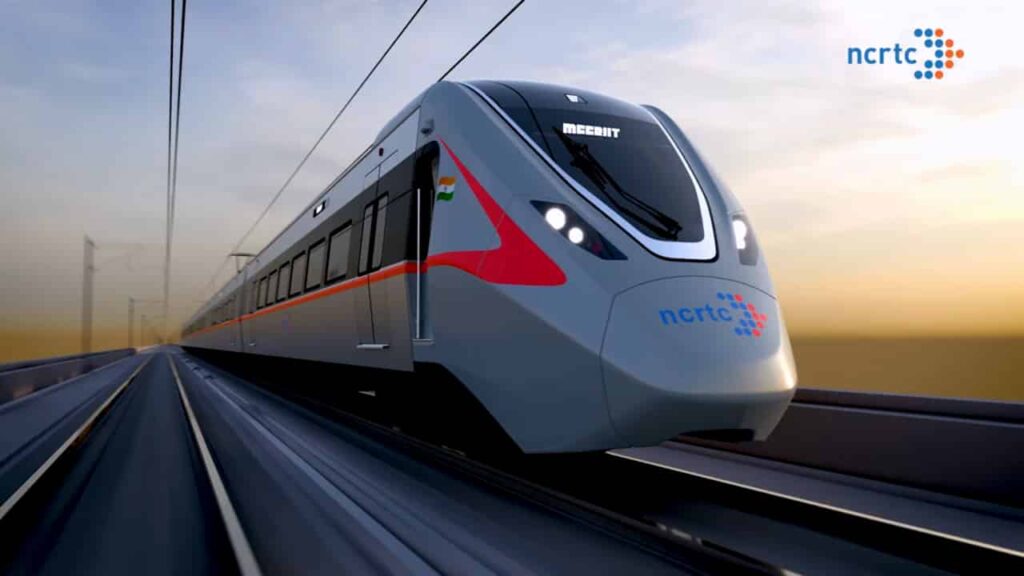
The Namo Bharat Rapid Rail, often referred to as India’s Vande Metro, represents a major leap in the country’s urban and regional mobility infrastructure. Designed to bridge the gap between metro systems and conventional railways, the project aims to provide fast, efficient, and comfortable connectivity between cities and their surrounding regions.Developed under the Regional Rapid Transit System (RRTS), the Namo Bharat trains are being positioned as a modern, high-speed transit solution to address increasing commuter demand in densely populated corridors.Concept and Vision Behind Namo BharatThe idea behind Namo Bharat Rapid Rail is to create a semi-high-speed, high-frequency transit system that connects major urban centres with nearby towns and cities. Unlike traditional trains, which often face delays and congestion, or metro systems limited to city boundaries, Namo Bharat is designed to operate across regions with greater speed and efficiency.The system has been implemented by the National Capital Region Transport Corporation (NCRTC), with a focus on improving connectivity in the National Capital Region (NCR) and eventually expanding to other parts of the country.Delhi–Meerut Corridor: The First Operational RouteThe first and most prominent corridor under the Namo Bharat Rapid Rail is the Delhi–Meerut RRTS Corridor, which has been developed as India’s inaugural regional rapid transit system.Spanning approximately 82 kilometres, the corridor connects Delhi, Ghaziabad, and Meerut, significantly reducing travel time between these cities. Once fully operational, the journey that earlier took several hours is expected to be completed in less than an hour.Sections of this corridor had already been opened in phases, marking the beginning of high-speed regional rail services in India.Speed, Technology and DesignThe Namo Bharat trains are engineered for speed, safety, and passenger comfort. They are capable of operating at speeds of up to 160 km/h, with a design speed of 180 km/h, placing them among the fastest commuter transit systems in the country.The trains feature:Fully air-conditioned coachesAutomatic doors and level boardingAdvanced signalling and train control systemsErgonomic seating and passenger information systemsThe system also uses modern technologies such as ETCS Level-2 signalling, ensuring efficient train operations and enhanced safety.How It Differs from Metro and Conventional RailWhile often compared to metro systems, Namo Bharat operates on a different scale and purpose. Metro rail systems are designed for intra-city travel with frequent stops, whereas Namo Bharat focuses on inter-city and regional connectivity with fewer stops and higher speeds.Compared to conventional railways, it offers:Faster travel timesDedicated tracks, reducing interference with other trainsHigher frequency of servicesImproved punctuality and reliabilityThis positions Namo Bharat as a hybrid solution, combining the efficiency of metro systems with the reach of railways.Vande Metro: A Parallel DevelopmentAlongside the Namo Bharat Rapid Rail, Indian Railways has also been working on the concept of Vande Metro, inspired by the success of Vande Bharat Express trains.The Vande Metro is aimed at enhancing short-distance intercity travel, particularly for routes of 100–250 kilometres. While still under development and rollout phases, it is expected to complement systems like Namo Bharat by offering modern, fast, and efficient services on existing railway tracks.Passenger Experience and AccessibilityA key focus of the Namo Bharat system is improving commuter experience. Stations are being developed with modern amenities, including escalators, lifts, ticketing automation, and seamless entry-exit systems.The trains also prioritise accessibility, with features designed for elderly passengers and persons with disabilities. Safety measures, surveillance systems, and real-time information displays further enhance the travel experience.Economic and Environmental ImpactThe introduction of Namo Bharat Rapid Rail is expected to have far-reaching economic and environmental benefits. By reducing travel time between cities, the system encourages regional economic integration and supports the growth of satellite towns.From an environmental perspective, the shift from road-based transport to high-capacity rail systems is expected to:Reduce traffic congestionLower carbon emissionsImprove air qualityThe project aligns with India’s broader goals of sustainable and green mobility.Expansion Plans and Future CorridorsFollowing the Delhi–Meerut corridor, additional RRTS corridors are being planned and developed, including routes connecting Delhi with Alwar and Panipat.These corridors aim to create a comprehensive regional transit network, transforming how people commute across the National Capital Region.A Transformational Shift in Urban MobilityThe Namo Bharat Rapid Rail marks a significant milestone in India’s infrastructure development, introducing a new category of high-speed regional transit. By combining speed, efficiency, and modern technology, it addresses long-standing challenges of urban congestion and intercity connectivity.As more corridors become operational, the system is expected to redefine daily commuting for millions, setting a new standard for public transport in India.
Beti Bachao, Beti Padhao: A National Campaign for Gender Equality and Girls’ Education
The Beti Bachao, Beti Padhao (BBBP) scheme is one of India’s flagship social initiatives aimed at addressing the declining child sex ratio and promoting the education and empowerment of the girl child. Launched in January 2015, the campaign marked a coordinated effort by the government to tackle deep-rooted gender bias and discrimination that have historically affected girls across various parts of the country.Over the years, the programme has evolved into a nationwide movement, combining policy intervention with behavioural change campaigns to improve the status of girls in society.Background and Need for the InitiativeThe launch of Beti Bachao, Beti Padhao was driven by growing concerns over the declining child sex ratio (CSR) in India. Census data and various reports had highlighted a worrying trend of fewer girls being born and surviving due to practices such as gender-biased sex selection and neglect of girl children.This imbalance not only reflected social discrimination but also posed long-term demographic and societal challenges. The need of the hour was not just legal enforcement but also a shift in societal mindset, which became a core focus of the BBBP campaign.Objectives of the SchemeThe Beti Bachao, Beti Padhao initiative was designed with a multi-dimensional approach, focusing on survival, protection, and education of the girl child.Its key objectives include improving the child sex ratio, ensuring the survival and protection of girls, and promoting their education and participation in society. The campaign also aims to challenge gender stereotypes and encourage equal value for girls within families and communities.Implementation and Institutional FrameworkThe scheme is implemented through a convergence of three key ministries — the Ministry of Women and Child Development, the Ministry of Health and Family Welfare, and the Ministry of Education.This multi-sectoral approach ensures that interventions are carried out at different levels, including healthcare, education, and community awareness. The programme initially focused on districts with low child sex ratios but was later expanded to cover the entire country.At the district level, local administrations play a crucial role in executing awareness campaigns, monitoring progress, and engaging with communities.Key Components of the CampaignOne of the defining features of Beti Bachao, Beti Padhao is its strong emphasis on mass awareness and behavioural change. Campaigns are conducted at national, state, and local levels to challenge societal norms that favour male children.Efforts include promoting the value of the girl child, discouraging gender-biased practices, and encouraging families to invest in girls’ education. The initiative also supports the enforcement of laws such as the prohibition of sex-selective practices.In the education sector, the scheme works towards improving enrolment and retention of girls in schools, ensuring access to quality education, and creating a supportive learning environment.Progress and ImpactSince its launch, the Beti Bachao, Beti Padhao scheme has contributed to increased awareness about gender equality and the importance of educating girls. Several districts have reported improvements in the child sex ratio, along with higher school enrolment rates for girls.The campaign has also succeeded in bringing conversations about gender bias into the mainstream, encouraging communities to reflect on long-standing social practices.In many regions, local initiatives under the scheme have led to better monitoring of pregnancies, institutional deliveries, and early education for girls.Challenges and CriticismDespite its achievements, the scheme has faced criticism regarding its implementation and utilisation of funds. Reports have pointed out that a significant portion of the budget has been spent on publicity rather than direct interventions.There are also concerns about the uneven impact across states, with some regions showing better outcomes than others. Experts have emphasised the need for stronger ground-level implementation and measurable outcomes.Additionally, changing deep-rooted social attitudes remains a long-term challenge that requires sustained effort beyond policy measures.Broader SignificanceBeti Bachao, Beti Padhao goes beyond being a government scheme; it represents a societal campaign aimed at redefining the value of girls in India. By addressing issues of gender discrimination, education, and empowerment together, the initiative attempts to create a more balanced and inclusive society.The programme aligns with India’s broader goals of social justice, gender equality, and inclusive development, recognising that empowering girls is essential for national progress.The Beti Bachao, Beti Padhao initiative continues to play a crucial role in shaping public discourse around gender equality. While challenges remain, its focus on awareness, education, and protection has contributed to a gradual shift in attitudes, reinforcing the importance of valuing and empowering the girl child across the country.