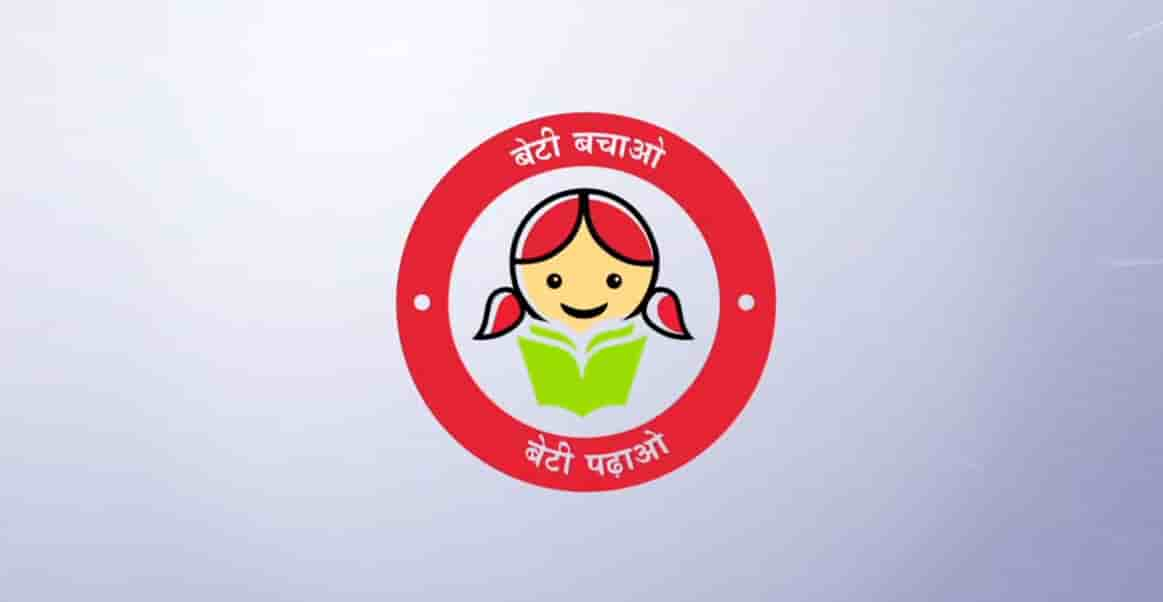
The Beti Bachao, Beti Padhao (BBBP) scheme is one of India’s flagship social initiatives aimed at addressing the declining child sex ratio and promoting the education and empowerment of the girl child. Launched in January 2015, the campaign marked a coordinated effort by the government to tackle deep-rooted gender bias and discrimination that have historically affected girls across various parts of the country.
Over the years, the programme has evolved into a nationwide movement, combining policy intervention with behavioural change campaigns to improve the status of girls in society.
Background and Need for the Initiative
The launch of Beti Bachao, Beti Padhao was driven by growing concerns over the declining child sex ratio (CSR) in India. Census data and various reports had highlighted a worrying trend of fewer girls being born and surviving due to practices such as gender-biased sex selection and neglect of girl children.
This imbalance not only reflected social discrimination but also posed long-term demographic and societal challenges. The need of the hour was not just legal enforcement but also a shift in societal mindset, which became a core focus of the BBBP campaign.
Objectives of the Scheme
The Beti Bachao, Beti Padhao initiative was designed with a multi-dimensional approach, focusing on survival, protection, and education of the girl child.
Its key objectives include improving the child sex ratio, ensuring the survival and protection of girls, and promoting their education and participation in society. The campaign also aims to challenge gender stereotypes and encourage equal value for girls within families and communities.
Implementation and Institutional Framework
The scheme is implemented through a convergence of three key ministries — the Ministry of Women and Child Development, the Ministry of Health and Family Welfare, and the Ministry of Education.
This multi-sectoral approach ensures that interventions are carried out at different levels, including healthcare, education, and community awareness. The programme initially focused on districts with low child sex ratios but was later expanded to cover the entire country.
At the district level, local administrations play a crucial role in executing awareness campaigns, monitoring progress, and engaging with communities.
Key Components of the Campaign
One of the defining features of Beti Bachao, Beti Padhao is its strong emphasis on mass awareness and behavioural change. Campaigns are conducted at national, state, and local levels to challenge societal norms that favour male children.
Efforts include promoting the value of the girl child, discouraging gender-biased practices, and encouraging families to invest in girls’ education. The initiative also supports the enforcement of laws such as the prohibition of sex-selective practices.
In the education sector, the scheme works towards improving enrolment and retention of girls in schools, ensuring access to quality education, and creating a supportive learning environment.
Progress and Impact
Since its launch, the Beti Bachao, Beti Padhao scheme has contributed to increased awareness about gender equality and the importance of educating girls. Several districts have reported improvements in the child sex ratio, along with higher school enrolment rates for girls.
The campaign has also succeeded in bringing conversations about gender bias into the mainstream, encouraging communities to reflect on long-standing social practices.
In many regions, local initiatives under the scheme have led to better monitoring of pregnancies, institutional deliveries, and early education for girls.
Challenges and Criticism
Despite its achievements, the scheme has faced criticism regarding its implementation and utilisation of funds. Reports have pointed out that a significant portion of the budget has been spent on publicity rather than direct interventions.
There are also concerns about the uneven impact across states, with some regions showing better outcomes than others. Experts have emphasised the need for stronger ground-level implementation and measurable outcomes.
Additionally, changing deep-rooted social attitudes remains a long-term challenge that requires sustained effort beyond policy measures.
Broader Significance
Beti Bachao, Beti Padhao goes beyond being a government scheme; it represents a societal campaign aimed at redefining the value of girls in India. By addressing issues of gender discrimination, education, and empowerment together, the initiative attempts to create a more balanced and inclusive society.
The programme aligns with India’s broader goals of social justice, gender equality, and inclusive development, recognising that empowering girls is essential for national progress.
The Beti Bachao, Beti Padhao initiative continues to play a crucial role in shaping public discourse around gender equality. While challenges remain, its focus on awareness, education, and protection has contributed to a gradual shift in attitudes, reinforcing the importance of valuing and empowering the girl child across the country.