
Introduction
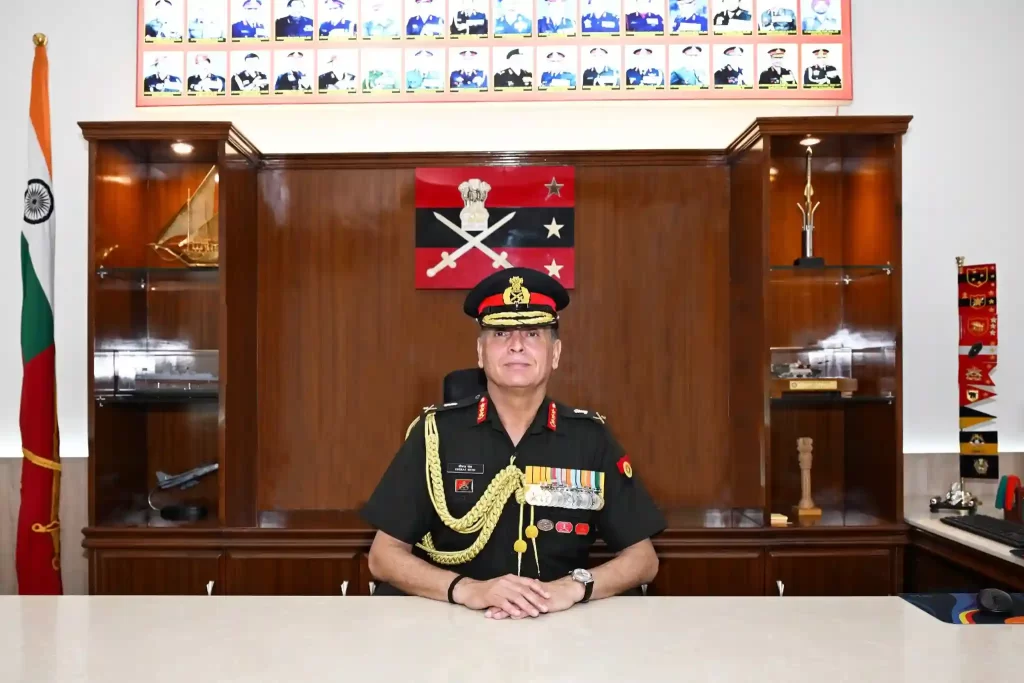
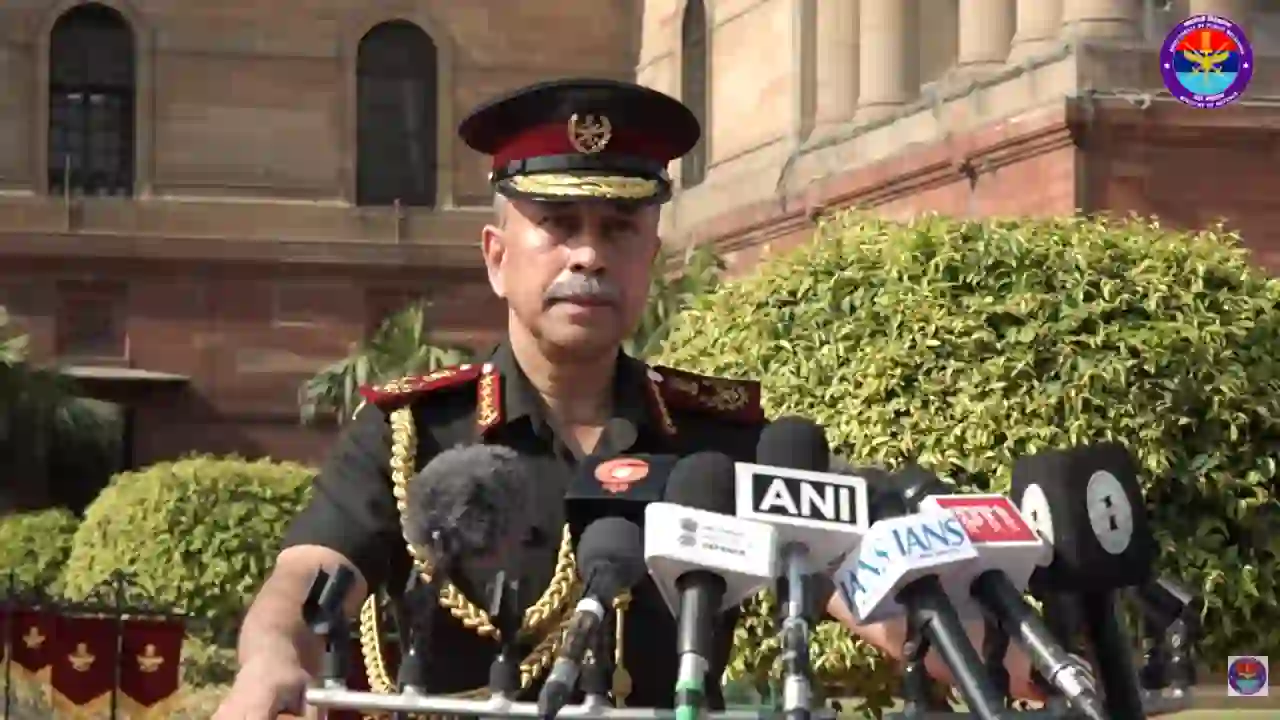
India entered a new chapter in its military leadership with the appointment of General N. S. Raja Subramani as the country's third Chief of Defence Staff (CDS). He succeeded General Anil Chauhan, who completed his tenure in May 2026. The appointment comes at a crucial time when India's armed forces are undergoing structural reforms aimed at improving coordination among the Army, Navy and Air Force, while simultaneously modernising their capabilities to meet evolving security challenges.
The position of the Chief of Defence Staff is one of the most significant military appointments in India. Created in 2020 following decades of debate, the office was envisioned to promote jointness among the three armed services, improve military planning, and strengthen India's defence preparedness. General Raja Subramani now assumes this responsibility at a time when regional security dynamics, technological advancements and geopolitical tensions are reshaping the nature of warfare.
Who is General N. S. Raja Subramani?
General N. S. Raja Subramani is one of the Indian Army's most experienced officers, with a career spanning nearly four decades. Before becoming the Chief of Defence Staff, he served as the Military Adviser at the National Security Council Secretariat. Earlier, he held the position of Vice Chief of the Army Staff and also commanded the Army's Central Command, one of India's key operational commands
Throughout his military career, he has held several important operational, instructional and staff appointments, including assignments in Jammu and Kashmir, the Eastern Command, Military Intelligence and the Defence Services Staff College. His experience covers border management, counter-insurgency operations, strategic planning and military administration, making him one of the country's most accomplished senior military leaders. His appointment reflects the government's emphasis on continuity in defence reforms while bringing experienced leadership to oversee the next phase of military modernisation.
Understanding the Role of the Chief of Defence Staff
The Chief of Defence Staff serves as the highest-ranking military officer in the Indian Armed Forces and acts as the principal military adviser to the Government of India on matters involving all three services. Unlike the Chiefs of the Army, Navy and Air Force, the CDS focuses on issues that require coordination among the services rather than commanding a single branch.
The CDS also functions as the Secretary of the Department of Military Affairs within the Ministry of Defence. This gives the office a unique role in integrating military planning with government decision-making.
Among the CDS's primary responsibilities are promoting joint planning, improving procurement processes, enhancing interoperability among the services and driving long-term defence reforms. The office also oversees several tri-service organisations and serves as the Permanent Chairman of the Chiefs of Staff Committee.
A Position Born from the Kargil Review
The idea of appointing a Chief of Defence Staff dates back to the recommendations made after the 1999 Kargil War. The Kargil Review Committee and subsequent expert groups concluded that India's military required greater integration between its three services to improve operational effectiveness and strategic planning.
Despite repeated recommendations, the proposal remained pending for nearly two decades because of concerns regarding command structures and institutional responsibilities.
The post was finally created in December 2019, and General Bipin Rawat became India's first Chief of Defence Staff in January 2020. Following his death in a helicopter crash in December 2021, General Anil Chauhan assumed the role in September 2022 and continued efforts towards military integration before handing over charge to General Raja Subramani in 2026.
Challenges Before the New CDS
General Raja Subramani takes charge at a time when India's security environment is becoming increasingly complex.
The armed forces continue to maintain operational preparedness along the Line of Actual Control (LAC) with China while simultaneously addressing security concerns along the Line of Control (LoC) with Pakistan. Maritime security in the Indian Ocean Region, cyber warfare, space-based surveillance and emerging technologies such as artificial intelligence have also become critical components of modern defence planning.
In addition to external security challenges, the new CDS must continue implementing structural reforms that have been under discussion for several years.
One of his most significant responsibilities will be advancing the creation of integrated theatre commands—a reform intended to bring the Army, Navy and Air Force under unified operational commands for specific geographical regions. Defence experts consider theatreisation one of the most important military reforms undertaken since Independence, although its implementation requires extensive coordination among all three services.
Focus on Jointness and Integration
One of the defining objectives of the CDS system has been to promote "jointness" among India's armed forces.
Traditionally, the Army, Navy and Air Force have functioned through separate command structures. While this arrangement has served the country for decades, modern warfare increasingly requires seamless coordination across land, air, sea, cyber and space domains.
General Raja Subramani has identified strengthening tri-service integration and organisational reforms as key priorities. Soon after assuming office, he emphasised the importance of Jointness, Atmanirbharta and Innovation (JAI) as guiding principles for the future of India's armed forces.
Improved integration is expected to enhance operational efficiency, optimise the use of military resources and strengthen India's overall defence preparedness.
Driving Defence Modernisation
Another major responsibility before the new CDS is accelerating military modernisation.
India has been investing heavily in advanced defence technologies, including indigenous fighter aircraft, missile systems, drones, artificial intelligence, cyber capabilities and space-based defence infrastructure.
The CDS plays an important role in prioritising procurement across the three services and ensuring that future acquisitions support integrated military operations.
The government has also placed significant emphasis on Atmanirbhar Bharat in defence manufacturing, encouraging greater use of domestically developed weapons, equipment and technologies. General Raja Subramani is expected to continue this focus by promoting indigenous capability development and reducing dependence on imported defence systems.
Why the Appointment Matters
The appointment of a new CDS is more than a routine change in military leadership. It comes at a time when India's defence priorities are evolving rapidly in response to changing geopolitical realities.
The nature of warfare has expanded beyond conventional military operations to include cyber attacks, information warfare, unmanned systems, artificial intelligence and space-based capabilities. These developments require closer coordination among the armed forces than ever before.
The CDS plays a central role in ensuring that India's military remains prepared for these emerging challenges while continuing to strengthen conventional deterrence.
Looking Ahead
General Raja Subramani inherits an institution that has already undergone important reforms but still has significant work ahead. The implementation of integrated theatre commands, continued military modernisation, expansion of indigenous defence manufacturing and greater operational coordination among the services are expected to define his tenure.
His extensive operational experience, administrative background and involvement in defence planning place him in a strong position to oversee these changes. Defence analysts believe the coming years will be crucial in determining how effectively India transforms its military structure to meet future security requirements.
Conclusion
General N. S. Raja Subramani's appointment as India's new Chief of Defence Staff marks an important transition in the country's military leadership. While the office itself is relatively new, its role has become increasingly central to India's long-term defence strategy.
As the armed forces continue to pursue greater integration, technological modernisation and self-reliance, the new CDS will be expected to guide these reforms while ensuring that India's military remains prepared to address an increasingly complex security environment. His tenure is likely to play a defining role in shaping the future direction of India's defence establishment and strengthening the country's military preparedness for the challenges of the coming decade.
Video: YT/@MoD,GOI