


Vande Bharat Cargo: India’s Push to Build a Faster, Modern Freight Rail Network
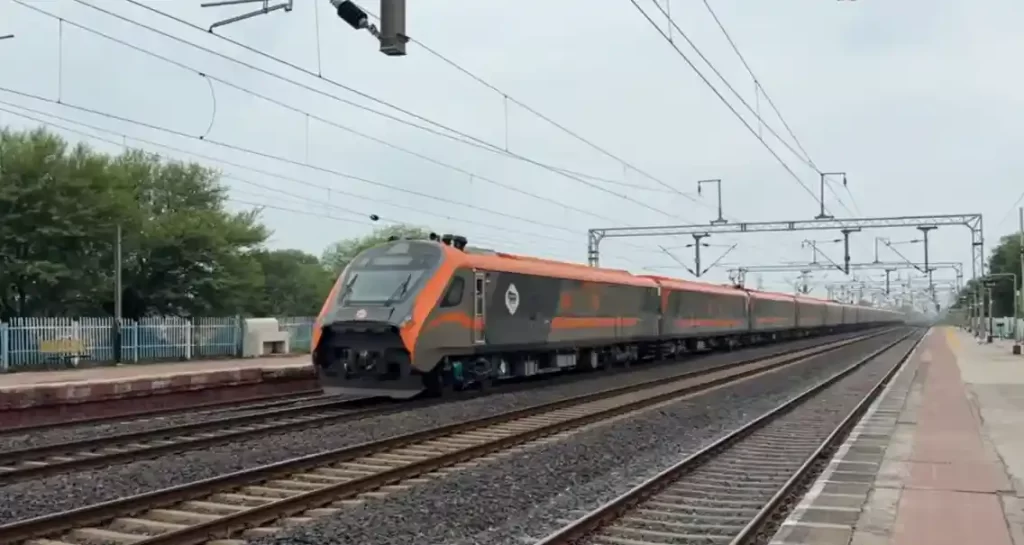
Indian Railways is looking beyond passenger trains as it expands its next generation of railway services. Alongside the rapid rollout of Vande Bharat passenger trains, the railways is also exploring a new generation of faster, more modern freight services designed to move high-value and time-sensitive goods more efficiently.This effort has brought the Vande Bharat Cargo concept into focus.Unlike conventional freight trains, which are primarily designed to move large volumes of bulk commodities, a Vande Bharat-style cargo train is intended for a different segment of the logistics market: time-sensitive, high-value and relatively lightweight cargo. The idea is to use modern train technology and dedicated logistics infrastructure to make rail more competitive with road and air transport for certain categories of goods.The concept is part of a broader transformation underway in Indian Railways, where freight is increasingly being viewed not simply as a source of railway revenue but as a critical component of India’s logistics and supply-chain infrastructure.What Is Vande Bharat Cargo?Vande Bharat Cargo refers to the development of a dedicated freight version of the Vande Bharat train platform, designed specifically for cargo movement rather than passenger transportation.The concept builds on the technology and design philosophy of the Vande Bharat trainsets, including modern propulsion, faster acceleration and efficient use of railway infrastructure.The fundamental difference is the interior.Instead of passenger seats, a cargo train would use its available space for transporting goods. The configuration can be designed around loading and unloading efficiency, cargo protection and rapid turnaround at terminals.The objective is not to replace conventional freight trains.India will continue to depend on long, heavy freight trains to transport coal, iron ore, cement, foodgrains, fertilisers, petroleum products and other bulk commodities. Vande Bharat Cargo is aimed at a different market: goods where speed, reliability and delivery time are more important than simply moving the largest possible tonnage.Why Does India Need Faster Cargo Trains?India’s logistics sector remains heavily dependent on road transport.Roads offer the flexibility of door-to-door delivery and can reach destinations that are not connected directly to railway lines. However, road freight can be affected by congestion, fuel costs, weather conditions and unpredictable travel times.Rail transport, on the other hand, can move large quantities over long distances with comparatively high energy efficiency.The challenge is that traditional freight rail is often optimised for bulk cargo rather than speed.This creates a gap between rail and road for time-sensitive shipments.A faster cargo train could potentially fill that gap.For example, products such as electronics, pharmaceuticals, automobile components, e-commerce shipments, perishables and other high-value goods may benefit from a predictable rail service that offers shorter transit times than conventional freight trains.The Vande Bharat Technology AdvantageThe Vande Bharat platform was developed as a modern self-propelled trainset rather than a conventional locomotive-hauled passenger train.One of its key characteristics is distributed propulsion, with traction equipment distributed across the trainset rather than concentrated entirely in a locomotive.This configuration allows the train to accelerate quickly and makes better use of its available track time.For a cargo application, faster acceleration could be particularly useful because freight trains frequently need to start, stop and operate around other railway services.A modern trainset could potentially reduce turnaround times and improve schedule reliability.However, speed alone does not determine whether a freight service will be commercially successful. Loading and unloading time, terminal infrastructure, cargo handling, route availability and pricing will be equally important.What Kind of Cargo Could It Carry?A Vande Bharat Cargo service would be best suited to goods that have a relatively high value compared with their weight and need to reach their destination quickly.Potential categories include:E-commerce shipments: India’s online retail market generates enormous volumes of parcels that need predictable delivery times.Electronics: Smartphones, computers, components and other electronic goods are relatively high-value and can benefit from secure transportation.Pharmaceuticals: Medicines and medical products can be time-sensitive and, in some cases, require controlled transportation conditions.Automobile components: Manufacturers increasingly operate integrated supply chains in which delays in receiving components can disrupt production.Perishable goods: Fruits, vegetables, dairy products, seafood and other perishables can lose value rapidly if transportation takes too long.Express parcels: Courier and logistics companies could potentially use dedicated rail services for inter-city movement.High-value industrial goods: Precision equipment, machinery components and other specialised products could also be candidates.The key consideration is that the cargo must justify paying a premium for faster and more predictable rail transportation.How It Would Differ From Conventional Freight TrainsThe distinction between Vande Bharat Cargo and traditional freight services is important.Conventional freight trains are designed primarily around capacity and haulage efficiency. Their strength is the ability to move thousands of tonnes of cargo over long distances.A Vande Bharat Cargo service would focus more heavily on speed and turnaround time.A conventional freight train carrying coal, for instance, may consist of dozens of wagons and be hauled by one or more powerful locomotives.A cargo train designed around the Vande Bharat platform would instead operate as a dedicated trainset, with cargo space integrated into the train.This makes the two services complementary rather than competing.India needs both.Heavy freight trains will remain essential for the country’s industrial economy, while faster services could target the rapidly expanding express logistics market.The E-Commerce OpportunityThe growth of e-commerce has fundamentally changed India’s logistics requirements.Consumers increasingly expect products to be delivered within one or two days, particularly on routes connecting major cities.This has created enormous demand for faster inter-city logistics.Most e-commerce deliveries currently depend heavily on road transportation for the middle-mile segment.A dedicated rail cargo service could potentially provide a faster and more predictable alternative for certain long-distance routes.For example, parcels could be consolidated at a logistics hub, transported overnight by rail between major cities and then transferred to local delivery networks for the final mile.Such a model would essentially turn railways into a high-speed middle-mile logistics network.The Perishables MarketAgricultural products present another potential opportunity.India is one of the world’s largest producers of fruits, vegetables, dairy products and other agricultural commodities. However, post-harvest losses remain a significant concern, particularly for products with short shelf lives.Faster transportation can help reduce the time between production and consumption.A dedicated cargo train
Kargil Vijay Diwas: A Day of Remembrance, Gratitude, and National Resolve
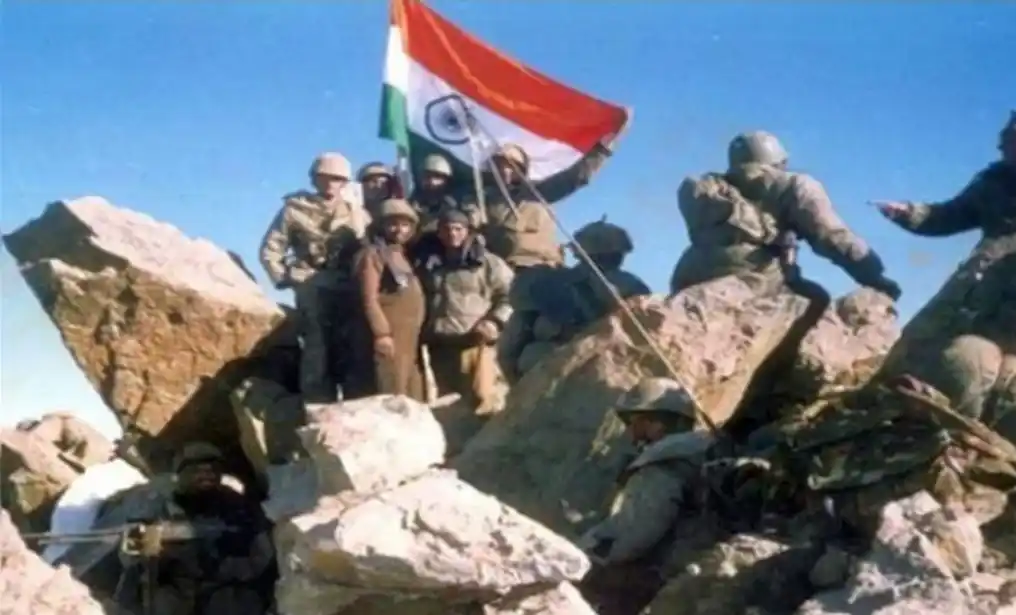
Kargil Vijay Diwas is one of India’s most solemn national observances, marked every year to honour the soldiers who fought in the Kargil War of 1999 and to remember the extraordinary cost of reclaiming India’s territory in the Himalayas. On the 27th anniversary of Operation Vijay, commemorations across the country once again placed the focus on courage, sacrifice, and the enduring responsibility to protect the nation’s sovereignty. This year’s observance carried special emotional weight in places like Drass, Shimla, Belagavi, Bhaderwah, and Lucknow, where wreath-laying ceremonies, military tributes, and public remembrance events brought together serving officers, veterans, families of martyrs, cadets, and citizens in a shared act of gratitude. The Meaning of Kargil Vijay DiwasKargil Vijay Diwas marks India’s victory in the Kargil conflict, which culminated in the successful execution of Operation Vijay and the recovery of territory in the Kargil district of Jammu and Kashmir that had been infiltrated by Pakistani soldiers and militants. The day is not simply about military success; it is about remembering the harsh conditions in which the war was fought, the high altitude at which soldiers operated, and the discipline and determination that made the eventual victory possible. Photo: PIBThe anniversary matters because it reminds the country that national security is often secured in places that most citizens will never see, on mountain heights where every advance is costly and every act of bravery carries real risk. It is also a reminder that freedom and territorial integrity are preserved not in abstract terms, but through sacrifice, planning, and unflinching commitment by the armed forces. Tributes Across the CountryAt the Kargil War Memorial in Drass, the main national ceremony was held in a deeply solemn atmosphere, with Defence Minister Rajnath Singh leading the commemorations by paying floral tributes at the cenotaph in honour of the bravehearts of Operation Vijay. He also inaugurated the Virtual Walkthrough Portal of the Kargil War Memorial, visited the Hut of Remembrance and Veer Bhoomi, interacted with Veer Naris and Veer Matas, and flagged off the Shaurya Vijay Yatra motorcycle rally. In Shimla, Army Training Command commemorated the 27th anniversary of the day with a wreath-laying ceremony at Shradhanjali Sthal in Annandale, followed by two minutes of silence and the sounding of the Last Post. The ceremony ended with all ranks of ARTRAC taking a pledge to uphold patriotism, courage, and selfless service, underscoring how the memory of Kargil continues to shape military ethos even decades later. Belagavi also saw an emotional observance, where officers and personnel of the Maratha Light Infantry Regimental Centre marked the day with a wreath-laying ceremony at the war memorial. Such regimental commemorations matter because they connect the memory of Kargil not only to the nation at large, but also to the traditions, identities, and inherited sense of duty within India’s military units.Drass and the National Centre of MemoryDrass remains the symbolic heart of Kargil Vijay Diwas because it is where the nation gathers most visibly to remember the war. The Kargil War Memorial there stands not only as a site of tribute, but also as a physical expression of collective memory, where names, stones, and ceremonial rituals help translate history into lived remembrance. The memorial’s significance grows each year because the war itself has become part of India’s national narrative of resilience. The presence of soldiers’ families, veterans, young cadets, and public officials creates a powerful bridge between the generation that fought in 1999 and the generations that now inherit the duty of remembering what was won and what was lost. The Voices of National LeadersPublic tributes from national leaders have reinforced the day’s seriousness. Rajnath Singh described the soldiers who fought on the inaccessible heights of Kargil as examples of indomitable bravery, supreme sacrifice, and unwavering resolve, saying the nation would remain forever grateful for their service. Amit Shah called Kargil Vijay Diwas a symbol of the Army’s indomitable courage, while S. Jaishankar emphasized that the service and sacrifice of those who laid down their lives to protect India’s unity and integrity would always be remembered. Dr. L. Murugan also paid tribute, urging people to remember the valour and dedication of the soldiers not only on this day but every day. [user-provided]These statements are more than ceremonial language. They reflect the way Kargil Vijay Diwas has become part of India’s civic calendar, a day when public remembrance, military pride, and national unity are brought together through ritual and reflection. The Human Cost of VictoryThe Kargil War is often remembered through strategy and geography, but the deeper reality is human. Soldiers fought under extreme cold, difficult terrain, and the strategic advantage held by enemy positions on higher ground, and they did so with the knowledge that many would not return. That human cost is why observances such as the felicitation of Veer Naris, Veer Matas, and families of martyrs carry such emotional force. In Lucknow, for instance, the municipal corporation honoured the families of soldiers who sacrificed their lives, while officials were instructed to create a database of military families and resolve their grievances on priority. These acts of recognition help ensure that remembrance is not just symbolic, but also practical and humane. Why the Day Still MattersKargil Vijay Diwas remains relevant because it speaks to values that do not age: duty, sacrifice, discipline, and loyalty to the nation. In an era when public attention can move quickly from one event to another, the day insists on memory and gratitude, asking citizens to pause and reflect on the people who secured the country’s safety in one of its most difficult military conflicts.It also carries a lesson about preparedness. The war showed how quickly high-altitude infiltration and strategic surprise can create danger, and how crucial it is for armed forces to have the resilience, equipment, training, and national support needed to respond effectively. That lesson remains important even today, because sovereignty is never protected only by sentiment; it is protected by readiness.A Legacy Passed ForwardThe enduring power of Kargil Vijay Diwas lies in the way it connects past sacrifice to present responsibility. Students performing patriotic songs in
Lucknow-Kanpur Expressway: Uttar Pradesh’s New High-Speed Corridor
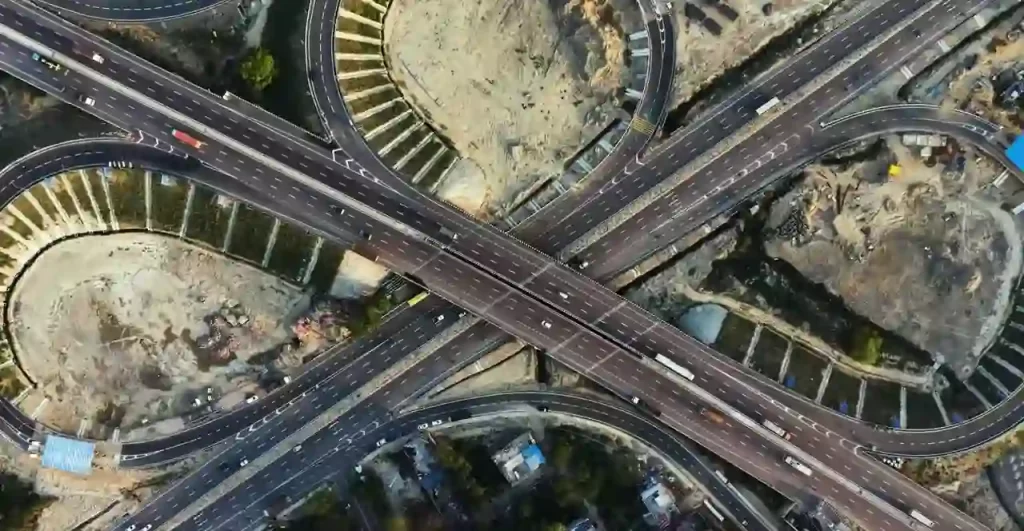
The Lucknow-Kanpur Expressway is one of the most important road infrastructure projects to come out of Uttar Pradesh in recent years, and its opening marks a major shift in how people, goods, and economic activity will move between the state’s two biggest urban centres. Built as a six-lane, access-controlled corridor with advanced traffic systems and a substantial elevated stretch, it is designed to cut travel time dramatically while also easing pressure on the older and more congested routes that commuters have relied on for decades.For travelers, the biggest change is simple and immediate: what used to be a tiring, unpredictable journey of well over two hours can now be completed in a fraction of that time. For the state, the expressway is more than a convenience project; it is a growth corridor that connects Lucknow, Kanpur, Unnao, and surrounding districts through faster mobility, smarter highway management, and stronger investment potential.A Long-Awaited CorridorThe Lucknow-Kanpur road link has been a long-standing demand, and the expressway finally gives that connection a modern, high-capacity form. The project has been completed by the National Highways Authority of India, with construction handled by PNC Infratech, and it runs for about 62.76 km between Amausi in Lucknow and Shuklaganj near Kanpur.What makes the corridor especially significant is that it combines greenfield and brownfield development, meaning it was built both on new land and through upgraded sections near existing urban areas. That blend allowed planners to create a faster, more direct route while still dealing with the practical realities of dense settlements, traffic pressure, and urban connectivity.Route and StructureThe expressway is not just a straight strip of asphalt; it is a carefully engineered corridor with multiple layers of mobility planning built into it. Around 45 km of the route is greenfield alignment, while about 18 km is elevated, making it one of the more advanced highway projects in the state.Its key stretches pass through or near Nawabganj, Banthara, Bani, and Unnao, with integration planned toward the upcoming Ganga Expressway at Unnao. The route includes major bridges, minor bridges, underpasses, flyovers, and interchanges, all of which help the expressway function as an access-controlled corridor rather than a conventional road with frequent interruptions.Faster Travel, Smarter AccessThe main promise of the expressway is time savings. Reports indicate that travel between Lucknow and Kanpur, which currently takes roughly 1.5 to 2.5 hours and sometimes more in heavy traffic, may be reduced to around 45 to 60 minutes, with some early reporting even suggesting a 35- to 45-minute range under ideal conditions.That kind of reduction matters because the corridor links two cities that are central to Uttar Pradesh’s economy, administration, education, and industry. A commuter, logistics operator, or business traveler using the route regularly does not just save time; they gain predictability, and in transport planning, predictability is often as valuable as speed.Elevated Section and Urban ReliefOne of the most impressive engineering features of the project is the elevated stretch through the Lucknow side of the corridor. This section helps vehicles bypass some of the worst congestion around areas such as Amausi, Sarojininagar, and parts of NH-27, which is crucial in a region where urban traffic often slows even fast roads to a crawl.The elevated corridor also shows how expressway planning has evolved in India. Instead of simply widening roads and hoping for better flow, modern projects increasingly try to separate through-traffic from local traffic, allowing long-distance vehicles to move efficiently while reducing conflict with city movement.Technology on the HighwayWhat sets the Lucknow-Kanpur Expressway apart from older highways is its heavy use of intelligent transport systems. The corridor has been equipped with surveillance cameras, variable message signs, video incident detection systems, emergency call boxes, speed radars, and other digital safety tools intended to make the road not just faster, but more manageable and safer.It is also described as India’s first barrier-free expressway, using Automatic Number Plate Recognition technology alongside FASTag-based tolling so vehicles can move without the stop-and-go experience of conventional toll booths. That barrier-free model is important because it reduces delay, lowers congestion at toll points, and creates a more modern highway experience overall.Tolling and User CostsThe expressway’s toll structure is an important part of the public conversation because affordability always shapes how widely such infrastructure is used. Available project details indicate that regular cars may be charged around ₹275 for a one-way trip, with a return trip within 24 hours costing around ₹415, while higher rates apply to light commercial vehicles, buses, trucks, and heavy vehicles.There are also notes that annual FASTag users may benefit from lower effective charges on eligible trips, although final toll notifications are issued by the authorities before public operations begin. For many users, the key question will be whether the time saved and fuel efficiency gained justify the toll cost, especially for frequent intercity travel.Why the Project Matters EconomicallyThe Lucknow-Kanpur Expressway is expected to influence land values, logistics activity, and regional business development along the corridor. Areas near interchanges and access points, particularly around Amausi, Unnao, and Shuklaganj, are likely to draw investor interest as improved connectivity makes them more attractive for residential and commercial development.This kind of effect is common around major highways, but the scale here could be especially notable because the expressway ties into industrial and administrative centres rather than only passing through remote land. Faster movement between airports, highways, warehouses, and city markets can encourage warehousing, manufacturing support services, and new township development in surrounding districts.Engineering College FlyoverAlong with the expressway inauguration, the government is also laying the foundation stone for a four-lane flyover at Engineering College intersection in Lucknow, reportedly at a cost of ₹108 crore. That project is meant to reduce a major local bottleneck and improve access in northern parts of the city, which shows that the highway program is not being treated as a standalone corridor but as part of a wider urban mobility plan.This matters because highway success often depends on what happens at the edges. If entry and exit zones remain congested, the road’s benefits
Maruti Suzuki and Hero MotoCorp Launch Flex-Fuel Vehicles: A New Chapter in India’s Clean Mobility Journey
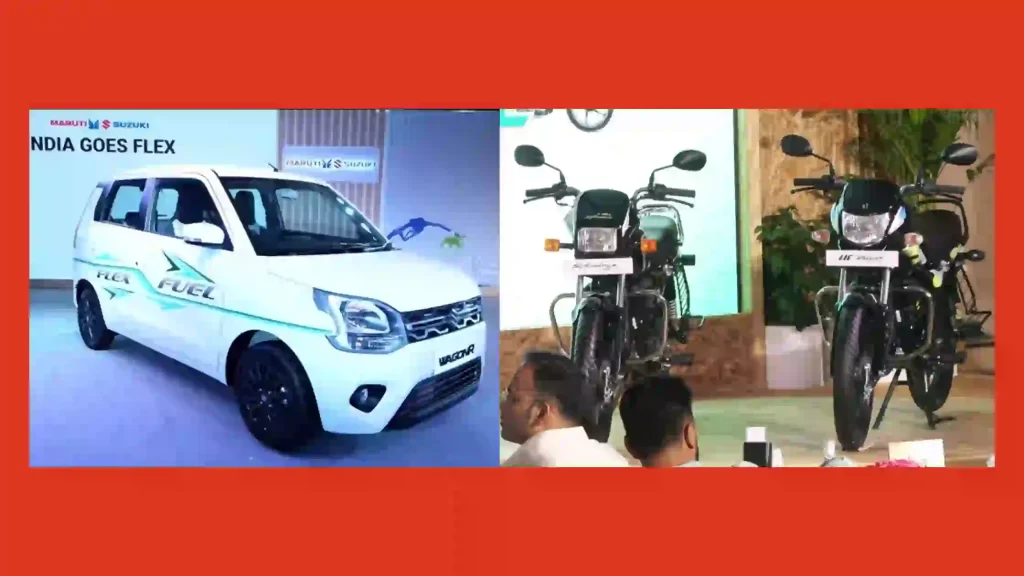
IntroductionIndia’s transition towards cleaner and more sustainable mobility received a major boost with the launch of flex-fuel vehicles by two of the country’s largest automobile manufacturers—Maruti Suzuki and Hero MotoCorp. While Maruti Suzuki introduced the country’s first mass-market flex-fuel passenger car, Hero MotoCorp launched India’s first flex-fuel motorcycles in the commuter segment, marking an important milestone in the government’s push towards alternative fuels.The launches are more than just new product introductions. They reflect India’s broader strategy to reduce dependence on imported crude oil, promote ethanol as an alternative fuel, lower vehicular emissions, and strengthen the country’s energy security. As the government continues to expand ethanol blending across the country, flex-fuel technology is expected to play a significant role in shaping the future of India’s automobile industry. Understanding Flex-Fuel TechnologyA flex-fuel vehicle is designed to operate on petrol as well as ethanol-blended fuels. Unlike conventional petrol vehicles that are compatible only with lower ethanol blends, flex-fuel vehicles can run on a wide range of blends—from E20 (20 per cent ethanol) to E85 and, in some cases, even E100, depending on the vehicle’s engineering.Since ethanol has different chemical properties compared to petrol, flex-fuel vehicles require specially designed engines, fuel pumps, injectors, sensors and fuel lines that can withstand higher ethanol concentrations without affecting performance or durability.The technology has already been widely adopted in countries such as Brazil and is gradually gaining attention in India as part of the country’s clean energy transition.Maruti Suzuki’s Entry into the Flex-Fuel SegmentMaruti Suzuki, India’s largest passenger vehicle manufacturer, unveiled its first flex-fuel passenger car, based on the WagonR platform. The model is capable of operating on ethanol-rich fuel blends and has been developed specifically to support India’s evolving ethanol fuel programme.The flex-fuel WagonR features several engineering modifications compared to the conventional model. These include changes to the engine management system, upgraded fuel injectors, corrosion-resistant fuel lines and components designed to handle higher ethanol concentrations. These upgrades ensure that the vehicle can switch between petrol and ethanol blends while maintaining reliable performance and efficiency.For Maruti Suzuki, the launch represents an important step in preparing for India’s future fuel ecosystem. The company has already introduced E20-compatible vehicles across its portfolio, and the flex-fuel model further expands its alternative fuel strategy.Hero MotoCorp Introduces India’s First Flex-Fuel MotorcyclesHero MotoCorp, the country’s largest two-wheeler manufacturer, also entered the flex-fuel segment with the launch of the Splendor+ Flex Fuel and HF Deluxe Flex Fuel motorcycles.Built on two of Hero’s most popular commuter platforms, the motorcycles are engineered to operate on ethanol-blended fuels of up to E85. Although they closely resemble their standard petrol counterparts, they feature several mechanical upgrades, including revised fuel delivery systems, ethanol-compatible engine components and modified engine calibration to accommodate higher ethanol blends.The launch is particularly significant because commuter motorcycles account for a substantial share of India’s two-wheeler market. Introducing flex-fuel technology in this segment has the potential to bring cleaner fuel options to millions of daily commuters across the country. Why India is Promoting Ethanol-Based MobilityThe push towards flex-fuel vehicles is closely linked to the Government of India’s ethanol blending programme. India imports a large portion of its crude oil requirements, making the country vulnerable to fluctuations in global oil prices and geopolitical uncertainties.By increasing the use of ethanol—produced domestically from crops such as sugarcane, maize and other agricultural feedstock—the government aims to reduce dependence on imported fossil fuels while supporting domestic agriculture.The National Policy on Biofuels and the Ethanol Blended Petrol (EBP) Programme have already accelerated ethanol adoption across the country. India successfully achieved nationwide availability of E20 fuel ahead of schedule, and the introduction of flex-fuel vehicles represents the next stage of this transition. Environmental and Economic BenefitsFlex-fuel vehicles offer several potential environmental and economic advantages.Since ethanol is a renewable biofuel, its use can help reduce greenhouse gas emissions compared to conventional petrol. Increased ethanol consumption may also contribute to improved air quality by lowering certain vehicle emissions.From an economic perspective, greater ethanol usage can reduce India’s crude oil import bill and improve energy security. It also creates additional demand for agricultural produce used in ethanol production, providing farmers with new market opportunities and supporting the rural economy.For consumers, ethanol-based fuels are expected to become more affordable as production increases and distribution infrastructure expands, although the actual cost benefits will depend on fuel prices and vehicle efficiency. Challenges Before Large-Scale AdoptionDespite the optimism surrounding flex-fuel technology, several challenges remain before widespread adoption becomes a reality.One of the biggest challenges is the availability of higher ethanol blends such as E85 and E100 across fuel stations. While E20 has become increasingly accessible, infrastructure for dispensing higher ethanol blends is still in the early stages of development.Vehicle affordability is another consideration. Flex-fuel vehicles require specialised components, making them slightly more expensive than conventional petrol models. Consumer awareness regarding ethanol compatibility, fuel availability and long-term maintenance will also play an important role in determining adoption rates.Additionally, ethanol production must continue to expand sustainably to meet growing demand without adversely affecting food security or water resources.Impact on the Automobile IndustryThe launch of flex-fuel vehicles by Maruti Suzuki and Hero MotoCorp is expected to encourage other automobile manufacturers to accelerate their own alternative fuel programmes.Several companies have already showcased flex-fuel prototypes and announced plans to introduce ethanol-compatible vehicles in the coming years. As government policies continue to favour cleaner mobility solutions, flex-fuel technology is likely to become an important part of India’s multi-fuel automotive strategy alongside electric vehicles, CNG, hybrid technology and hydrogen-powered mobility.Industry experts believe that rather than relying on a single technology, India’s transition towards cleaner transportation will involve multiple solutions tailored to different consumer needs and regional requirements. Looking AheadThe introduction of flex-fuel cars and motorcycles represents an important milestone in India’s journey towards sustainable mobility. While widespread adoption will depend on fuel infrastructure, pricing and consumer acceptance, the launch demonstrates that the country’s automobile industry is preparing for a future where alternative fuels will play a larger role.With continued government support, expansion of ethanol production and increased participation from automobile manufacturers, flex-fuel
India’s New Chief of Defence Staff: General N. S. Raja Subramani and the Next Phase of Military Reforms
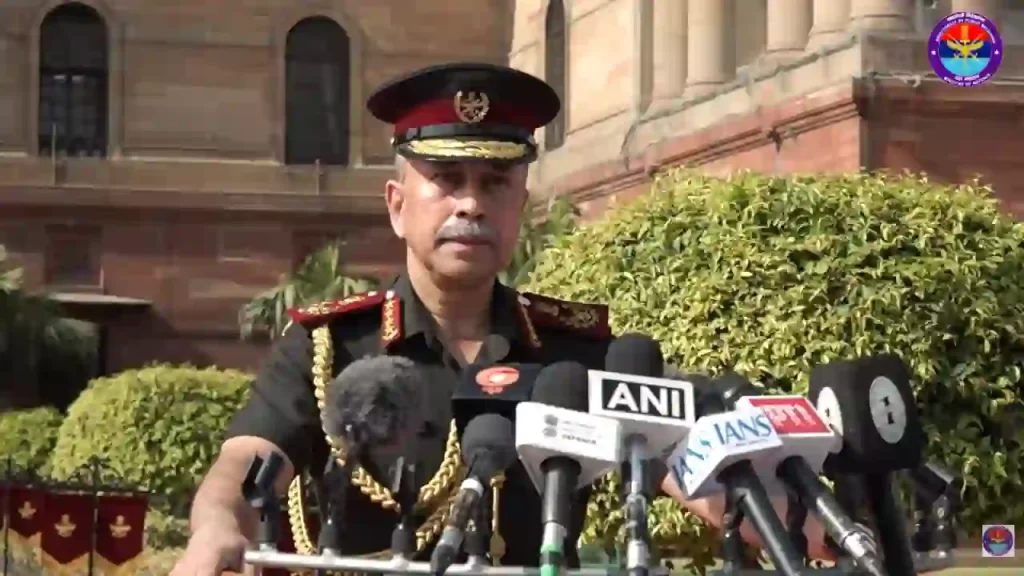
IntroductionIndia entered a new chapter in its military leadership with the appointment of General N. S. Raja Subramani as the country’s third Chief of Defence Staff (CDS). He succeeded General Anil Chauhan, who completed his tenure in May 2026. The appointment comes at a crucial time when India’s armed forces are undergoing structural reforms aimed at improving coordination among the Army, Navy and Air Force, while simultaneously modernising their capabilities to meet evolving security challenges. The position of the Chief of Defence Staff is one of the most significant military appointments in India. Created in 2020 following decades of debate, the office was envisioned to promote jointness among the three armed services, improve military planning, and strengthen India’s defence preparedness. General Raja Subramani now assumes this responsibility at a time when regional security dynamics, technological advancements and geopolitical tensions are reshaping the nature of warfare.Who is General N. S. Raja Subramani?General N. S. Raja Subramani is one of the Indian Army’s most experienced officers, with a career spanning nearly four decades. Before becoming the Chief of Defence Staff, he served as the Military Adviser at the National Security Council Secretariat. Earlier, he held the position of Vice Chief of the Army Staff and also commanded the Army’s Central Command, one of India’s key operational commandsThroughout his military career, he has held several important operational, instructional and staff appointments, including assignments in Jammu and Kashmir, the Eastern Command, Military Intelligence and the Defence Services Staff College. His experience covers border management, counter-insurgency operations, strategic planning and military administration, making him one of the country’s most accomplished senior military leaders. His appointment reflects the government’s emphasis on continuity in defence reforms while bringing experienced leadership to oversee the next phase of military modernisation.Understanding the Role of the Chief of Defence StaffThe Chief of Defence Staff serves as the highest-ranking military officer in the Indian Armed Forces and acts as the principal military adviser to the Government of India on matters involving all three services. Unlike the Chiefs of the Army, Navy and Air Force, the CDS focuses on issues that require coordination among the services rather than commanding a single branch. The CDS also functions as the Secretary of the Department of Military Affairs within the Ministry of Defence. This gives the office a unique role in integrating military planning with government decision-making.Among the CDS’s primary responsibilities are promoting joint planning, improving procurement processes, enhancing interoperability among the services and driving long-term defence reforms. The office also oversees several tri-service organisations and serves as the Permanent Chairman of the Chiefs of Staff Committee.A Position Born from the Kargil ReviewThe idea of appointing a Chief of Defence Staff dates back to the recommendations made after the 1999 Kargil War. The Kargil Review Committee and subsequent expert groups concluded that India’s military required greater integration between its three services to improve operational effectiveness and strategic planning.Despite repeated recommendations, the proposal remained pending for nearly two decades because of concerns regarding command structures and institutional responsibilities.The post was finally created in December 2019, and General Bipin Rawat became India’s first Chief of Defence Staff in January 2020. Following his death in a helicopter crash in December 2021, General Anil Chauhan assumed the role in September 2022 and continued efforts towards military integration before handing over charge to General Raja Subramani in 2026. Challenges Before the New CDSGeneral Raja Subramani takes charge at a time when India’s security environment is becoming increasingly complex.The armed forces continue to maintain operational preparedness along the Line of Actual Control (LAC) with China while simultaneously addressing security concerns along the Line of Control (LoC) with Pakistan. Maritime security in the Indian Ocean Region, cyber warfare, space-based surveillance and emerging technologies such as artificial intelligence have also become critical components of modern defence planning.In addition to external security challenges, the new CDS must continue implementing structural reforms that have been under discussion for several years.One of his most significant responsibilities will be advancing the creation of integrated theatre commands—a reform intended to bring the Army, Navy and Air Force under unified operational commands for specific geographical regions. Defence experts consider theatreisation one of the most important military reforms undertaken since Independence, although its implementation requires extensive coordination among all three services. Focus on Jointness and IntegrationOne of the defining objectives of the CDS system has been to promote “jointness” among India’s armed forces.Traditionally, the Army, Navy and Air Force have functioned through separate command structures. While this arrangement has served the country for decades, modern warfare increasingly requires seamless coordination across land, air, sea, cyber and space domains.General Raja Subramani has identified strengthening tri-service integration and organisational reforms as key priorities. Soon after assuming office, he emphasised the importance of Jointness, Atmanirbharta and Innovation (JAI) as guiding principles for the future of India’s armed forces.Improved integration is expected to enhance operational efficiency, optimise the use of military resources and strengthen India’s overall defence preparedness.Driving Defence ModernisationAnother major responsibility before the new CDS is accelerating military modernisation.India has been investing heavily in advanced defence technologies, including indigenous fighter aircraft, missile systems, drones, artificial intelligence, cyber capabilities and space-based defence infrastructure.The CDS plays an important role in prioritising procurement across the three services and ensuring that future acquisitions support integrated military operations.The government has also placed significant emphasis on Atmanirbhar Bharat in defence manufacturing, encouraging greater use of domestically developed weapons, equipment and technologies. General Raja Subramani is expected to continue this focus by promoting indigenous capability development and reducing dependence on imported defence systems. Why the Appointment MattersThe appointment of a new CDS is more than a routine change in military leadership. It comes at a time when India’s defence priorities are evolving rapidly in response to changing geopolitical realities.The nature of warfare has expanded beyond conventional military operations to include cyber attacks, information warfare, unmanned systems, artificial intelligence and space-based capabilities. These developments require closer coordination among the armed forces than ever before.The CDS plays a central role in ensuring that India’s military remains prepared
PM Modi’s Mann Ki Baat – 135th Episode
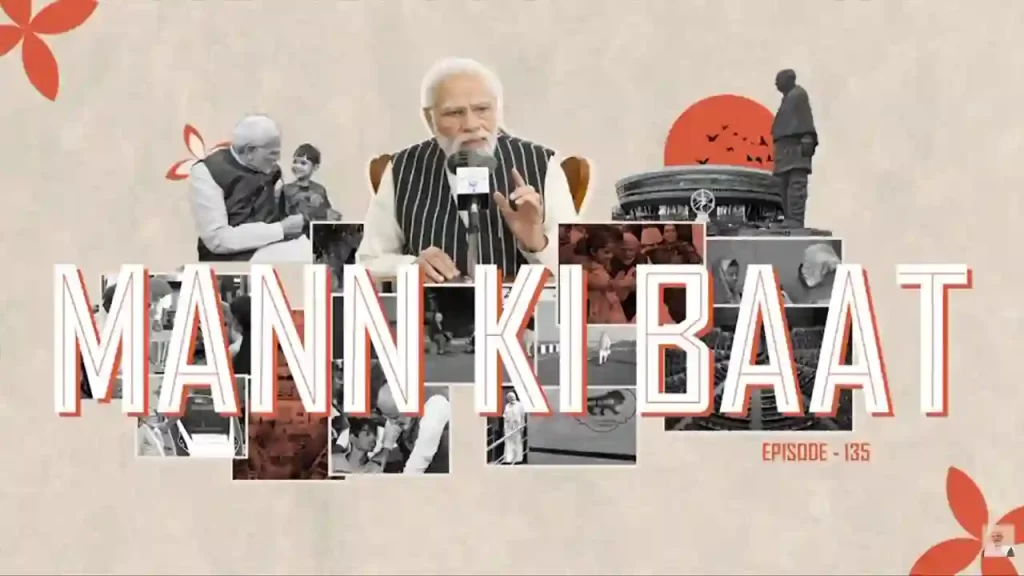
PM Modi’s Mann Ki Baat – 135th EpisodeVideo: YT/@PM Modi
Government Approves E85 and E100 Fuels: India Opens the Door to a New Ethanol-Driven Mobility Era
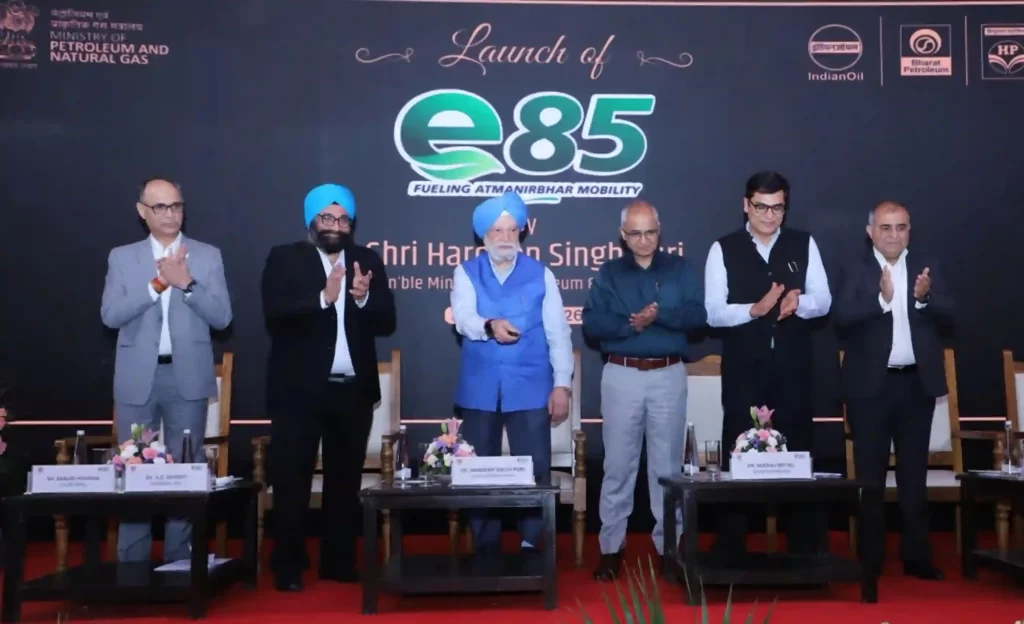
India has taken a significant step toward cleaner and more diversified transport energy by clearing the regulatory framework for E100 fuel, while E85 has already begun appearing in the market in limited form. The move is important not only because it gives legal backing to ethanol-only vehicles, but because it signals that India’s fuel strategy is no longer just about blending ethanol into petrol, it is now about creating a parallel mobility ecosystem around biofuels.The announcement by Union Road Transport and Highways Minister Nitin Gadkari, made at the Sugar, Ethanol & Bio-Energy India Conference in Nagpur, marks a turning point for automakers, fuel retailers, and policy makers alike. Gadkari said he signed the file authorising the use of 100 percent ethanol at 8 pm, giving manufacturers the regulatory certainty they need to invest in flex-fuel platforms and ethanol-compatible powertrains. What E85 and E100 MeanE85 is a high-ethanol fuel blend that contains roughly 85 percent ethanol and a smaller share of petrol or additives, while E100 refers to fuel that is essentially pure ethanol for transport use, though in practice it usually includes a small amount of petrol and additives to support cold starts and handling. These fuels are very different from India’s current E20 programme, which uses 20 percent ethanol blended with petrol.That distinction matters because E20 can be used in vehicles designed or calibrated for it, while E100 requires much more specialised hardware, fuel-system materials, and engine tuning. In other words, this is not a simple switch at the pump; it is a structural shift in how vehicles are designed, tested, and supplied.Why the Approval MattersThe biggest significance of the E100 approval is that it gives the market a legal framework for ethanol-only mobility, something India has been inching toward for years through its broader ethanol-blending push. By creating a formal pathway for E100, the government has effectively opened another route for low-carbon transport alongside electric, CNG, hybrid, and hydrogen technologies. It also sends a strong signal to manufacturers. When policy becomes clearer, investment typically follows, and that is especially true in the auto sector, where new engine families and fuel systems cannot be developed without regulatory certainty. Gadkari said that flex-fuel vehicles are already entering the market, citing Maruti Suzuki’s WagonR flex-fuel model and Hero’s ethanol-compatible motorcycles, with Toyota and Hyundai expected to launch E100-capable vehicles soon. The Technology Behind Flex-Fuel VehiclesFlex-fuel vehicles are built to run on multiple fuel mixes, often ranging from petrol-heavy blends to high-ethanol fuels. To do that safely and efficiently, they need specific changes in engine calibration, corrosion-resistant fuel-system components, and software that can manage combustion differently depending on the blend.This is especially important because ethanol behaves differently from petrol. It absorbs moisture more readily, can be more corrosive to certain materials, and contains less energy per litre than petrol, which means fuel consumption tends to rise when vehicles run on higher ethanol blends. That is one reason E100-compatible vehicles cannot simply be older petrol cars with a software update. Why India Is Pushing EthanolIndia’s ethanol strategy is not just about cleaner tailpipes; it is also about energy security and rural economics. The country imports more than 85 percent of its crude requirement, so every litre of domestic biofuel that replaces imported petrol or diesel helps reduce exposure to volatile global oil prices and improves the trade balance. At the same time, ethanol creates a stronger market for agricultural feedstocks such as sugarcane and maize. Gadkari described the sugar and bio-energy sector as the backbone of rural development, arguing that higher ethanol production can support farm incomes, stimulate bio-refinery investment, and create more value in the countryside rather than only in refineries and fuel-import channels. What Still Needs to HappenFor E100 to move from regulation to widespread use, India will need more than a policy announcement. Oil marketing companies will have to build dedicated E100 dispensing infrastructure, and storage and transportation systems may need upgrades because ethanol’s moisture sensitivity and handling requirements differ from conventional petrol.There is also a vehicle-readiness challenge. Existing E20-compatible vehicles cannot simply be switched to E100, and consumers will need clear guidance on which cars and two-wheelers are certified for which fuel. Emission certification, homologation standards, and warranty frameworks will also need to align before E100 can become a normal part of the retail fuel network. Market Impact for AutomakersFor automakers, the E100 framework creates a new option at a time when the industry is already balancing electrification, hybridisation, CNG, and conventional ICE innovation. That matters because not every market or customer will move to EVs at the same pace, and ethanol-based mobility gives manufacturers an additional decarbonisation path that can be localised more quickly than imported technology chains.It may also accelerate component localisation. If India builds a strong ethanol vehicle ecosystem, suppliers of fuel injectors, seals, sensors, elastomers, and engine control systems could all develop new product lines around alcohol-compatible mobility. In practical terms, that means E100 could become not just a fuel story but a manufacturing story as well.The Consumer QuestionFor consumers, the immediate question is simple: will E100 be cheaper to run? The answer is not straightforward. Ethanol is usually domestically produced and can help reduce dependency on imported fuel, but because it has lower energy density than petrol, a vehicle typically consumes more of it to travel the same distance.So while the policy may improve energy security and support farmers, ownership economics will depend on the final pump price, vehicle efficiency, and how widely the fuel is available. In the short term, the appeal of E100 is likely to be strongest for fleet operators, fuel-conscious early adopters, and buyers who want to support alternative-fuel mobility without moving fully to electric.ConclusionIndia’s approval of the E100 regulatory framework is a major policy shift because it moves ethanol from being only a blending ingredient to being a standalone transport fuel with its own future in the mobility market. Combined with the rollout of E85 in limited markets and the growth of flex-fuel vehicles, the decision shows that the government wants ethanol to play a
Anji Khad Bridge: India’s First Cable-Stayed Railway Marvel Connecting Kashmir to the Nation
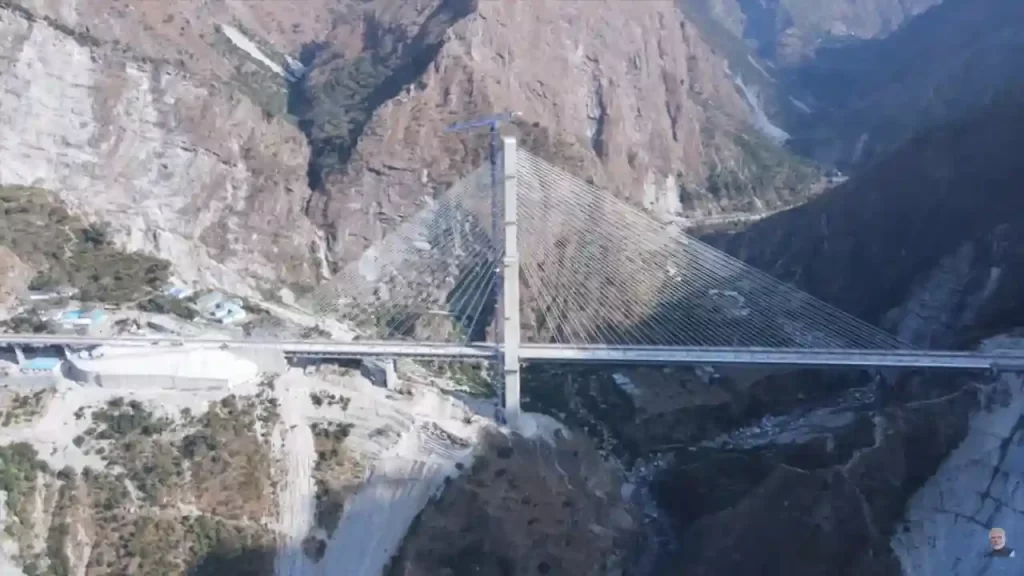
In the rugged hills of Jammu & Kashmir, where steep gorges and fierce winds challenge every builder, a stunning engineering wonder now stands tall. The Anji Khad Bridge is India’s very first cable-stayed railway bridge, a key piece of the massive Udhampur-Srinagar-Baramulla Rail Link (USBRL) project. This 272-kilometer all-weather rail line will finally connect the beautiful Kashmir Valley to the rest of India, ending decades of isolation. Prime Minister Narendra Modi inaugurated it on June 6, 2025, alongside the world’s highest rail bridge over the Chenab River. These bridges mark a historic moment, turning tough Himalayan dreams into reality and opening doors for faster travel, trade, and tourism.Where It Stands and What It ConnectsThe Anji Khad Bridge stretches gracefully across the Anji River, a sparkling tributary of the mighty Chenab, in Reasi district of Jammu & Kashmir. It links the pilgrimage town of Katra (base for the Vaishno Devi temple) to Reasi, about 80 kilometers from Jammu city. This spot sits in the young, shaky folds of the Himalayas – a place with deep gorges, near-vertical walls, earthquakes, and winds gusting up to 213 km/h (almost cyclone strength). Before this bridge, trains had to take long, winding detours. Now, passengers zoom through safely, cutting travel time and costs.Part of the USBRL mega-project, which includes 943 bridges and 36 tunnels, the bridge ensures year-round connectivity. No more snow-blocked roads or floods, trains will run smoothly, carrying people, goods, and hope to Srinagar and beyond.A First in India: Cable-Stayed Design Explained SimplyCable-stayed bridges are like giant clotheslines holding up a road or rail deck. Strong cables stretch from tall pylons (towers) directly to the bridge floor, making them perfect for long spans over deep valleys. Unlike suspension bridges (like Howrah), these are simpler, cheaper, and quicker to build in tough spots.The Anji Khad Bridge shines with these standout features:Total length: 725 meters (about 2,380 feet), with a 473-meter cable-stayed section.Height: 331 meters (1,086 feet) above the riverbed – taller than many skyscrapers.Main pylon: Inverted Y-shape, rising 193-196 meters (633 feet) from foundation – one of the tallest of its kind.Cables: 96 high-tensile cables of different lengths, using 653 kilometers of strands total. They create an asymmetrical design for stability.Deck width: Supports double rail tracks, plus a 12.3-foot service road and 5-foot footpaths on both sides.Train speed: Safe for 100 km/h services like Vande Bharat.Built with 8,200 metric tonnes of steel, it took just 11 months for the main structure. Italian firm Italferr (FS Group) handled design and supervision, their $70 million project won the 2024 ENR Global Best Projects Award for excellence, innovation, and safety.Built for Battle: Surviving the Himalayas’ FuryThe Himalayas don’t play nice. Steep slopes, loose rocks, quakes (Zone V), and howling winds tested every bolt. Engineers used:Seismic-proof tech: Flexible joints absorb shocks.Wind tunnels: Tested for 213 km/h gusts.Sensors everywhere: Integrated health monitoring tracks stress, vibrations, and cracks in real-time.Special concrete: Resists extreme cold (-20°C) and heat.One clever trick? Asymmetrical layout let most work happen from one side, avoiding unstable slopes. Construction used cranes, helicopters for cables, and precision tech, all without harming the fragile ecology.Part of USBRL: Kashmir’s Rail LifelineThe USBRL (started 2002, cost Rs 40,000+ crore) drills through mountains to link Udhampur (on Jammu-Del train line) to Baramulla near Srinagar. Highlights:Chenab Bridge: World’s highest rail arch (359m/1,178 ft), inaugurated same day.Tunnels: 119 km total, including the longest at 12.7 km.Benefits: Srinagar is 3.5 hours from Delhi; apples, saffron to markets fast; jobs, tourism boom.PM Modi flagged Vande Bharat trains from Katra to Srinagar, zipping tourists to Vaishno Devi and Kashmir’s valleys.Global Praise and Real ImpactThe bridge isn’t just Indian pride, it’s world-class. ENR Award beat 120 entries for bridging tough terrain sustainably. Italferr calls it “unprecedented” for India. Locals cheer: Faster pilgrimages, cheaper goods, and army supplies secure.Challenges? Monsoon floods, landslides delayed it years. But grit won, now trains roll where eagles soar.
India’s Women’s Reservation Bill: A 30-Year Journey from Parliament’s Margins to Its Centre

IntroductionFew pieces of legislation in India’s post-independence history have travelled as far, fallen as many times, and returned as persistently as the Women’s Reservation Bill. First introduced in Parliament in 1996, the bill seeking to reserve one-third of seats in India’s legislature for women spent nearly three decades being introduced, disrupted, shelved, lapsed, revived, and deferred — a legislative saga that became as much about India’s political fault lines as it was about gender equality.In September 2023, the bill finally crossed its highest hurdle when it was passed by both houses of Parliament and signed into law by President Droupadi Murmu, becoming the Constitution (One Hundred and Sixth Amendment) Act, 2023, officially named the Nari Shakti Vandan Adhiniyam. But the story did not end there. The Act came with a critical condition: the reservation would only take effect after a fresh national census and the subsequent delimitation of constituencies. That condition sparked a fresh chapter of political conflict, and in April 2026, a government attempt to accelerate implementation was defeated in the Lok Sabha, pushing the effective realisation of women’s reservation into a future that remains uncertain.What follows is the full account of this bill’s journey — its origins, its repeated failures, its historic passage in 2023, and where things stand today.The Pre-Legislative History: Why the Demand AroseIndia’s Constitution, adopted in 1950, guarantees universal adult franchise and prohibits discrimination on the basis of sex. Yet from the very first general election, women remained dramatically underrepresented in Parliament and state legislatures. The question of reserving seats for women was actually debated in the Constituent Assembly as early as 1946, but members, including prominent women leaders like Hansa Mehta, argued against it. Their position rested on the belief that universal franchise would, over time, correct historical imbalances on its own.Fifty years later, that belief had only been partially realised. By the mid-1990s, women constituted barely 6.5 percent of Lok Sabha membership. The state assemblies fared no better, with many registering single-digit female representation for decades.Meanwhile, India had taken decisive steps in the other direction at the local governance level. In 1992, Prime Minister P. V. Narasimha Rao’s government passed the 73rd and 74th Constitutional Amendment Acts, which mandated 33.3 percent reservation for women in Panchayati Raj Institutions. The results were transformative. Women went on to constitute over 46 percent of elected representatives at the grassroots level, totalling more than 1.4 million women in elected local governance roles across India.The Panchayati Raj experiment demonstrated what reservation could achieve at scale. It also strengthened the argument that structural barriers, not a lack of capable women, explained the gap between the grassroots and Parliament.Seven Attempts: The Legislative History from 1996 to 2026First Attempt: 1996The first formal bill was introduced on September 12, 1996, as the Constitution (81st Amendment) Bill under the United Front government led by Prime Minister H. D. Deve Gowda. It was referred to a Joint Parliamentary Committee chaired by Communist Party of India leader Geeta Mukherjee, who reviewed the bill extensively, but no consensus emerged. The bill lapsed with the dissolution of the 11th Lok Sabha.Within minutes of its introduction, the bill ran into fierce opposition. Male MPs questioned whether reservation could produce “enough capable women.” OBC leaders from parties like the RJD and SP demanded a sub-quota for women from backward communities within the 33 percent — a demand that would become the bill’s recurring stumbling block for the next three decades.Second and Third Attempts: 1998 and 1999The second attempt was in 1998 under Atal Bihari Vajpayee’s NDA government, when then Law Minister M. Thambidurai introduced it. Opposition parties, especially the RJD and SP, strongly opposed it, demanding a quota within a quota for OBC reservation. The bill lapsed again when the 12th Lok Sabha was dissolved. The third attempt was in 1999 when the Vajpayee government tried again. Both times it failed to progress. The Vajpayee government required the support of Congress and other parties to secure the two-thirds majority required for a constitutional amendment, and that support was conditional or absent.Fourth and Fifth Attempts: 2002 and 2003Two more attempts during the Vajpayee era met the same fate. The pattern was now clear: no government had been able to build the two-thirds parliamentary consensus necessary for a constitutional amendment on this issue.The 2008 Bill and the 2010 Rajya Sabha PassageThe United Progressive Alliance government under Prime Minister Manmohan Singh introduced a revised version of the bill in the Rajya Sabha in 2008. The most significant legislative progress came in 2010, where the bill secured the mandated two-thirds majority in the Rajya Sabha with 186 votes in favour. In 2010, the bill’s passage in Parliament was derailed after Samajwadi Party and Rashtriya Janata Dal MPs tore documents amid loud protests. The then UPA government under Prime Minister Manmohan Singh was unable to pass the bill in the face of resistance from allies.Despite the Rajya Sabha approval, the UPA government never brought the bill to the Lok Sabha floor. It was repeatedly deferred, with the government citing a lack of consensus among coalition partners. When the 15th Lok Sabha was dissolved in 2014, the bill lapsed for the fifth time.The Nari Shakti Vandan Adhiniyam: How the 2023 Bill Was PassedA Special Session in the New Parliament BuildingOn September 18, 2023, the government called a special session of Parliament. The Constitution (One Hundred and Sixth Amendment) Act, popularly known as the Women’s Reservation Bill, 2023, was introduced in Lok Sabha on September 19, 2023 during the special session of Parliament. The bill was the first to be considered in the new Parliament building.The political backdrop was significant. The BJP-led NDA held a strong parliamentary majority on its own, making it the first time any government in Indian history had the independent parliamentary strength to push through a constitutional amendment of this kind without depending on opposition cooperation.The Lok Sabha Vote: September 20, 2023The Lok Sabha took up the bill for debate on September 20, 2023. The discussion saw broad cross-party support in
Soaring Heights: How Tata-Airbus H-125 Facility Marks India’s Aerospace Leap
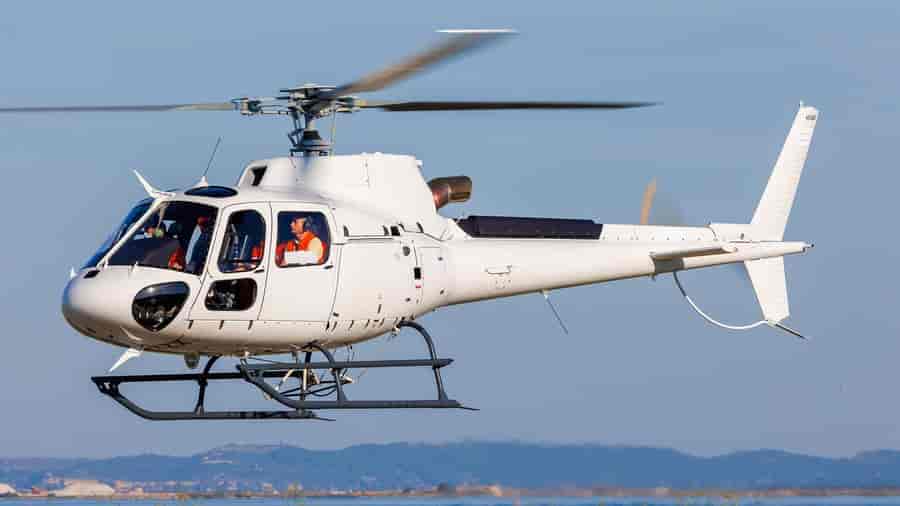
India’s aerospace ambitions just touched new heights, literally. On February 17, 2026, Prime Minister Narendra Modi and French President Emmanuel Macron virtually inaugurated the Tata Advanced Systems Limited (TASL) Final Assembly Line (FAL) for Airbus H-125 light utility helicopters in Vemagal, Karnataka, from Mumbai. This isn’t mere infrastructure; it’s a fusion of strategic trust, technological prowess, and economic firepower, propelling India’s Make-in-India and Aatmanirbhar Bharat visions skyward.A Historic Virtual Ribbon-CuttingPicture this: Leaders from two global powers, Modi and Macron, hitting the digital button to unveil a facility that symbolises Indo-French synergy. Raksha Mantri Rajnath Singh, on-site at Vemagal, called it a “milestone in the strategic partnership between India and France,” quipping that “even the sky is not the limit.” Joining him were French Minister of Armed Forces and Veterans Affairs Catherine Vautrin, Union Civil Aviation Minister KR Naidu, Karnataka’s Minister for Large & Medium Industries MB Patil, Chief of Air Staff Air Chief Marshal AP Singh, Defence Secretary Rajesh Kumar Singh, and Secretary (Defence Production) Sanjeev Kumar.This event builds directly on TASL-Airbus’ prior triumph: the C-295 military transport aircraft FAL, India’s first private-sector final assembly for military planes. Now, the H-125 line cements a full-spectrum military aerospace ecosystem, blending French engineering with Indian manufacturing muscle.H-125: The Everest-Conquering WorkhorseAt its core, the H-125 is no ordinary chopper; it’s the world’s most trusted single-engine light utility helicopter, with unmatched reliability across brutal conditions. The military-optimised H-125M variant acts as a high-altitude force multiplier: stealthy low acoustic and thermal signatures enable tactical reconnaissance and surveillance. It delivers logistics to remote frontline outposts, rushes search-and-rescue (SAR) or medical evacuations (MEDEVAC), and thrives where others falter.Why? It’s the only helicopter to land on Mount Everest’s summit, proof of its extreme performance ceiling. For India’s armed forces, battling “hot-and-high” terrains from Ladakh’s icy peaks to Siachen’s glaciers, this is gold. Traditional fleets struggle above 6,000 meters; the H-125 powers through, ensuring supply drops, troop insertions, and rapid response in oxygen-starved zones. Globally, over 9,000 H-125 family units fly missions, from VIP transport to firefighting, logging 45+ million flight hours.PM Modi captured the pride: “We take pride in manufacturing in India the world’s only helicopter capable of flying to the heights of Mount Everest and exporting it worldwide.” Raksha Mantri echoed, praising its “exceptional reliability, versatility, and outstanding performance.”Economic Engine: Jobs, Investment, and ExportsThis FAL isn’t just about rotors; it’s an economic turbocharger. Projected investment surpasses ₹1,000 crore, igniting direct and indirect jobs for India’s “skilled and hardworking youth.” It supercharges the MSME ecosystem, now boasting 16,000+ defence-linked units supplying global giants.Since 2014, under Modi, reforms have flipped the script: Ordnance Factories corporatised into seven DPSUs, liberalised FDI (up to 74% on the automatic route), and twin Defence Industrial Corridors (Uttar Pradesh-Tamil Nadu). Private sector share? A robust 25% of total defence production. Exports? Multi-fold surge, ranking India among the top global defence exporters. Foreign OEMs now tap Indian MSMEs for components, with Rajnath Singh inviting deeper tech transfers to fuel security solutions worldwide.Schemes like Production Linked Incentives (PLI), massive infrastructure (roads, ports), and startup boosts have slashed gestation periods, drawing high-capital plays like this. Result: Holistic growth, from domestic self-reliance to export powerhouse.Economic Impact MetricsDetailsInvestment>₹1,000 croreEmploymentDirect + indirect jobs for youth; boosts 16,000+ MSMEsDefence ReformsPrivate share at 25%; exports up manifoldBroader EcosystemPLI schemes, FDI liberalisation, industrial corridorsGlobal ReachComponent sourcing by foreign firms; export-ready H-125sMake-in-India’s Aerospace AscentLaunched in 2014, Make-in-India targeted manufacturing revival; Aatmanirbhar Bharat amplified it post-COVID, prioritising critical tech. Defence exemplifies: From 65% import dependence, India now produces 70%+ indigenously. Private players like TASL lead, absorbing complex tech via offsets and partnerships.This H-125 FAL exemplifies “mutually beneficial partnerships.” Airbus gains India as a low-cost hub; TASL masters final assembly, testing, and avionics integration. Future? Potential exports to friendly nations, plus civilian H-125 variants for tourism, charters, and disaster relief. Karnataka’s Vemagal, near Bengaluru’s aerospace cluster, optimises logistics, skills, and supply chains.Indo-French Ties: Boundless HorizonsIndia-France defence bonds run deep: Rafale jets, Scorpene submarines, joint exercises. Macron’s visit layered geopolitics, countering China in Indo-Pacific, onto tech ties. Vautrin’s presence signals sustained commitment. As Singh noted, collaborations are “limitless,” eyeing AI, drones, and sixth-gen fighters.Charting the Future SkiesThe Vemagal FAL isn’t an endpoint; it’s a launchpad. For troops in unforgiving Himalayas, it means swifter rescues. For workers, stable careers. For India, a louder global voice in aerospace. As helicopters hum off the line, they carry more than passengers; they ferry self-reliance, innovation, and unbreakable partnerships into tomorrow’s skies.