


Vande Bharat Cargo: India’s Push to Build a Faster, Modern Freight Rail Network

Indian Railways is looking beyond passenger trains as it expands its next generation of railway services. Alongside the rapid rollout of Vande Bharat passenger trains, the railways is also exploring a new generation of faster, more modern freight services designed to move high-value and time-sensitive goods more efficiently.This effort has brought the Vande Bharat Cargo concept into focus.Unlike conventional freight trains, which are primarily designed to move large volumes of bulk commodities, a Vande Bharat-style cargo train is intended for a different segment of the logistics market: time-sensitive, high-value and relatively lightweight cargo. The idea is to use modern train technology and dedicated logistics infrastructure to make rail more competitive with road and air transport for certain categories of goods.The concept is part of a broader transformation underway in Indian Railways, where freight is increasingly being viewed not simply as a source of railway revenue but as a critical component of India’s logistics and supply-chain infrastructure.What Is Vande Bharat Cargo?Vande Bharat Cargo refers to the development of a dedicated freight version of the Vande Bharat train platform, designed specifically for cargo movement rather than passenger transportation.The concept builds on the technology and design philosophy of the Vande Bharat trainsets, including modern propulsion, faster acceleration and efficient use of railway infrastructure.The fundamental difference is the interior.Instead of passenger seats, a cargo train would use its available space for transporting goods. The configuration can be designed around loading and unloading efficiency, cargo protection and rapid turnaround at terminals.The objective is not to replace conventional freight trains.India will continue to depend on long, heavy freight trains to transport coal, iron ore, cement, foodgrains, fertilisers, petroleum products and other bulk commodities. Vande Bharat Cargo is aimed at a different market: goods where speed, reliability and delivery time are more important than simply moving the largest possible tonnage.Why Does India Need Faster Cargo Trains?India’s logistics sector remains heavily dependent on road transport.Roads offer the flexibility of door-to-door delivery and can reach destinations that are not connected directly to railway lines. However, road freight can be affected by congestion, fuel costs, weather conditions and unpredictable travel times.Rail transport, on the other hand, can move large quantities over long distances with comparatively high energy efficiency.The challenge is that traditional freight rail is often optimised for bulk cargo rather than speed.This creates a gap between rail and road for time-sensitive shipments.A faster cargo train could potentially fill that gap.For example, products such as electronics, pharmaceuticals, automobile components, e-commerce shipments, perishables and other high-value goods may benefit from a predictable rail service that offers shorter transit times than conventional freight trains.The Vande Bharat Technology AdvantageThe Vande Bharat platform was developed as a modern self-propelled trainset rather than a conventional locomotive-hauled passenger train.One of its key characteristics is distributed propulsion, with traction equipment distributed across the trainset rather than concentrated entirely in a locomotive.This configuration allows the train to accelerate quickly and makes better use of its available track time.For a cargo application, faster acceleration could be particularly useful because freight trains frequently need to start, stop and operate around other railway services.A modern trainset could potentially reduce turnaround times and improve schedule reliability.However, speed alone does not determine whether a freight service will be commercially successful. Loading and unloading time, terminal infrastructure, cargo handling, route availability and pricing will be equally important.What Kind of Cargo Could It Carry?A Vande Bharat Cargo service would be best suited to goods that have a relatively high value compared with their weight and need to reach their destination quickly.Potential categories include:E-commerce shipments: India’s online retail market generates enormous volumes of parcels that need predictable delivery times.Electronics: Smartphones, computers, components and other electronic goods are relatively high-value and can benefit from secure transportation.Pharmaceuticals: Medicines and medical products can be time-sensitive and, in some cases, require controlled transportation conditions.Automobile components: Manufacturers increasingly operate integrated supply chains in which delays in receiving components can disrupt production.Perishable goods: Fruits, vegetables, dairy products, seafood and other perishables can lose value rapidly if transportation takes too long.Express parcels: Courier and logistics companies could potentially use dedicated rail services for inter-city movement.High-value industrial goods: Precision equipment, machinery components and other specialised products could also be candidates.The key consideration is that the cargo must justify paying a premium for faster and more predictable rail transportation.How It Would Differ From Conventional Freight TrainsThe distinction between Vande Bharat Cargo and traditional freight services is important.Conventional freight trains are designed primarily around capacity and haulage efficiency. Their strength is the ability to move thousands of tonnes of cargo over long distances.A Vande Bharat Cargo service would focus more heavily on speed and turnaround time.A conventional freight train carrying coal, for instance, may consist of dozens of wagons and be hauled by one or more powerful locomotives.A cargo train designed around the Vande Bharat platform would instead operate as a dedicated trainset, with cargo space integrated into the train.This makes the two services complementary rather than competing.India needs both.Heavy freight trains will remain essential for the country’s industrial economy, while faster services could target the rapidly expanding express logistics market.The E-Commerce OpportunityThe growth of e-commerce has fundamentally changed India’s logistics requirements.Consumers increasingly expect products to be delivered within one or two days, particularly on routes connecting major cities.This has created enormous demand for faster inter-city logistics.Most e-commerce deliveries currently depend heavily on road transportation for the middle-mile segment.A dedicated rail cargo service could potentially provide a faster and more predictable alternative for certain long-distance routes.For example, parcels could be consolidated at a logistics hub, transported overnight by rail between major cities and then transferred to local delivery networks for the final mile.Such a model would essentially turn railways into a high-speed middle-mile logistics network.The Perishables MarketAgricultural products present another potential opportunity.India is one of the world’s largest producers of fruits, vegetables, dairy products and other agricultural commodities. However, post-harvest losses remain a significant concern, particularly for products with short shelf lives.Faster transportation can help reduce the time between production and consumption.A dedicated cargo train
Bhogapuram International Airport: Andhra Pradesh’s New Aviation Gateway

India’s aviation sector has witnessed unprecedented expansion over the past decade, driven by rising passenger traffic, increasing regional connectivity and sustained investment in airport infrastructure. As air travel becomes more accessible and India’s economy continues to grow, several states have undertaken large-scale airport projects to support tourism, trade and industrial development.One of the most significant additions to this network is the Alluri Sitarama Raju International Airport at Bhogapuram, commonly known as Bhogapuram International Airport, in Andhra Pradesh’s Vizianagaram district. Developed as a greenfield international airport, the project is expected to transform air connectivity for North Andhra while serving as a modern alternative to the existing Visakhapatnam Airport, which currently operates as a civil enclave within the Indian Navy’s INS Dega airbase.Designed with modern aviation infrastructure, sustainability features and significant room for future expansion, Bhogapuram Airport is among India’s most ambitious airport development projects. Beyond improving passenger travel, it is expected to become a major catalyst for economic growth, logistics, tourism and industrial investment across the region.Why Bhogapuram Airport Was NeededFor several decades, Visakhapatnam Airport served as the primary aviation hub for North Andhra Pradesh. However, the airport functions as a civil enclave inside INS Dega, limiting its ability to expand operations due to military restrictions.With passenger numbers steadily increasing, the existing airport faced constraints in runway expansion, terminal capacity and future international operations. As Visakhapatnam evolved into one of eastern India’s fastest-growing cities and emerged as an important industrial, maritime and tourism centre, the need for a dedicated greenfield international airport became increasingly evident.Bhogapuram was selected because it offers sufficient land for long-term expansion while providing convenient access to Visakhapatnam, Vizianagaram and Srikakulam districts. The project is intended not only to accommodate future passenger demand but also to support cargo operations, exports and regional economic development.Project OverviewBhogapuram International Airport has been developed under a Public-Private Partnership (PPP) model by GMR Visakhapatnam International Airport Limited (GVIAL), a subsidiary of GMR Airports Limited.The first phase of the project has been developed at an estimated investment of approximately ₹4,700 crore across nearly 2,700 acres. The airport has been designed to handle around six million passengers annually during Phase I, with master plans allowing expansion to accommodate significantly higher passenger traffic in future phases.The airport has also received its Aerodrome Licence from the Directorate General of Civil Aviation (DGCA), confirming its operational readiness ahead of commercial services.Modern Infrastructure and FacilitiesBhogapuram Airport has been planned as a next-generation aviation hub equipped with modern passenger amenities and operational infrastructure.The airport features a 3,800-metre Code-E runway, capable of handling wide-body aircraft such as the Boeing 777, Boeing 787 Dreamliner and Airbus A350. This capability enables the airport to support both domestic and future long-haul international services.The passenger terminal incorporates contemporary architectural design while integrating digital technologies intended to improve passenger movement through self-service check-in systems, baggage handling and security processes.A dedicated cargo terminal has also been developed to strengthen the movement of agricultural products, seafood, pharmaceuticals and industrial goods from Andhra Pradesh to domestic and international markets. Initial cargo handling capacity is estimated at around 20,000 metric tonnes annually, with provisions for future expansion.Sustainability and Passenger ExperienceEnvironmental sustainability has been incorporated into the airport’s planning and construction.The terminal design incorporates energy-efficient systems, natural lighting, rainwater harvesting and environmentally conscious construction practices aimed at reducing operational impact. The airport has also been planned with landscaped public areas and infrastructure capable of supporting future green mobility initiatives.The terminal architecture reflects regional cultural identity while incorporating modern airport design standards expected at international gateways. These features are intended to improve both operational efficiency and passenger comfort.Strengthening ConnectivityOne of Bhogapuram Airport’s primary objectives is to improve connectivity across North Andhra Pradesh.Located approximately 50 kilometres from Visakhapatnam city, the airport is expected to serve not only Visakhapatnam but also neighbouring districts including Vizianagaram and Srikakulam. State authorities have invested substantially in supporting road infrastructure, while dedicated public transport services, including electric buses, have been introduced to improve airport accessibility.Improved connectivity is expected to reduce travel times for residents, facilitate business travel and encourage greater movement of tourists to the region’s beaches, Buddhist heritage sites, hill stations and coastal attractions.Economic Impact on North Andhra PradeshPerhaps the most significant aspect of Bhogapuram Airport is its expected contribution to regional economic development.Large-scale airport projects often become catalysts for wider infrastructure investment, industrial growth and urban expansion. Bhogapuram is expected to attract investments across sectors such as logistics, warehousing, hospitality, information technology, aviation services and manufacturing.The airport is also expected to generate substantial direct and indirect employment during both operational and expansion phases. Businesses dependent on efficient air connectivity—including exporters, logistics providers and multinational companies—are likely to benefit from improved transportation infrastructure.In addition, plans for an aviation ecosystem, including aviation-related educational and industrial facilities near the airport, could further strengthen the region’s long-term economic prospects.Boost to TourismAndhra Pradesh possesses diverse tourism assets, including beaches, temples, Buddhist heritage sites and eco-tourism destinations.Improved international and domestic air connectivity is expected to make these destinations more accessible to visitors from across India and overseas. Visakhapatnam already serves as an important gateway to attractions such as Araku Valley, Borra Caves, Rushikonda Beach, Yarada Beach and the state’s growing cruise tourism sector.The airport is expected to support higher tourist arrivals while encouraging greater investment in hotels, convention centres, restaurants and tourism infrastructure throughout the region.Role in India’s Aviation GrowthBhogapuram Airport reflects India’s broader strategy of expanding aviation infrastructure beyond metropolitan cities.Under national initiatives to strengthen regional connectivity and improve airport capacity, several greenfield airports are being developed across the country. These projects aim to accommodate growing passenger demand while supporting economic development in emerging regions.Bhogapuram is particularly important because it provides Andhra Pradesh with a modern international airport capable of handling future traffic growth without the operational limitations associated with military-controlled facilities. Its development also strengthens aviation infrastructure along India’s eastern coastline, complementing the country’s broader logistics and infrastructure ambitions.Challenges and Future DevelopmentWhile Bhogapuram Airport offers significant long-term potential, its success will depend on continued investment in supporting infrastructure.Efficient road
Prawaas 5.0: How India’s Largest Passenger Mobility Platform Is Shaping the Future of Public Transport

India’s passenger transport sector is undergoing one of its biggest transformations in decades. Rapid urbanisation, growing demand for efficient public transport, the push towards electric mobility, and the government’s vision of developing world-class infrastructure have collectively accelerated the need for smarter and more sustainable mobility solutions. At the same time, policymakers, vehicle manufacturers, technology companies and transport operators are increasingly working together to modernise a sector that serves millions of people every day.Against this backdrop, Prawaas 5.0 emerged as one of the country’s most significant industry events dedicated to passenger mobility. Organised by the Bus and Car Operators Confederation of India (BOCI), the fifth edition of the event was held from 9 to 11 July 2026 at the Helipad Exhibition Centre (HEC) in Gandhinagar, Gujarat under the theme “Towards Safe, Smart & Sustainable Public Transport.” More than an exhibition, Prawaas 5.0 functioned as a national platform where governments, transport authorities, manufacturers, startups, investors and fleet operators came together to discuss the future of passenger mobility in India. The event reflected the country’s broader ambition of building an integrated, technology-driven and environmentally sustainable transport ecosystem in line with the vision of Viksit Bharat. What is Prawaas?Prawaas is India’s flagship multimodal passenger transport platform that focuses on improving public mobility through collaboration between the public and private sectors. Since its inception, the event has brought together stakeholders from across the transport ecosystem to discuss policy reforms, showcase new technologies and encourage investment in modern transport infrastructure.Unlike conventional automobile exhibitions that primarily focus on launching new vehicles, Prawaas examines the entire passenger transport ecosystem. Discussions extend beyond buses and commercial vehicles to include metro connectivity, electric mobility, school transport, tourist vehicles, taxis, fleet management, digital technologies, financing models, road safety and last-mile connectivity.The event is organised by the Bus and Car Operators Confederation of India (BOCI), the apex body representing private passenger transport operators across the country. Over the years, Prawaas has evolved into an important industry platform where transport policies, operational challenges and emerging technologies are discussed under one roof. Prawaas 5.0: The Largest Edition So FarThe fifth edition marked the biggest Prawaas event organised so far.Held over three days in Gandhinagar, the event attracted more than 20,000 registered participants from 31 States and Union Territories as well as 11 countries, making it one of India’s largest gatherings dedicated exclusively to passenger transport and mobility. Participants included government officials, State Transport Undertakings (STUs), private bus operators, automobile manufacturers, technology companies, startups, financiers, consultants and international mobility experts. The event was inaugurated by Union Minister for Road Transport and Highways Nitin Gadkari, whose presence highlighted the growing importance of public transport in India’s infrastructure and economic development agenda. Several ministers, policymakers and industry leaders also participated in panel discussions and policy sessions during the conference. Why Passenger Mobility MattersPassenger transport is one of the most critical components of India’s economy.Every day, millions of people depend on buses, taxis, metro systems and shared mobility services to travel for work, education, healthcare and business. As cities continue to expand and urban populations increase, the demand for reliable, affordable and environmentally sustainable public transport is expected to grow significantly.Road transport continues to carry the majority of passenger traffic in India, making improvements in fleet quality, safety standards, digital ticketing, operational efficiency and clean mobility essential for future growth.Prawaas 5.0 was organised with this larger objective in mind—to encourage collaboration that can improve accessibility, reduce congestion, enhance passenger safety and support India’s transition towards cleaner modes of transport. Focus on Safe, Smart and Sustainable TransportThe central theme of Prawaas 5.0 was “Towards Safe, Smart & Sustainable Public Transport.”Safety remained one of the most important discussion areas. Experts examined measures to improve vehicle safety standards, strengthen driver training, modernise fleet management systems and reduce road accidents through better technology and regulatory reforms.The event also focused on “smart” mobility, highlighting the growing role of digital technologies such as GPS-enabled fleet management, intelligent transport systems, AI-based route optimisation, digital ticketing platforms and data-driven transport planning.Sustainability formed the third pillar of the discussions. Sessions explored the transition towards electric buses, cleaner fuels, reduced emissions and environmentally responsible transport systems that support India’s climate goals. Key Themes Discussed During the ConferenceThe conference programme covered a wide range of issues that are shaping the future of passenger transport in India.Panel discussions examined policy reforms required to accelerate bus transport and electric mobility while addressing challenges such as financing, insurance frameworks and regulatory approvals.Dedicated sessions focused on the electrification of school buses, the shortage of buses across Indian cities, strategies for achieving net-zero transport goals and the role of startups in developing innovative mobility solutions.Other discussions explored toll policies, driver skill development, fleet digitisation, tourism mobility, connected transport systems and the future of electric vehicles in India’s passenger transport sector. Industry experts also debated how technology, investment and policy can work together to modernise public transport infrastructure across the country. Electric Mobility Takes Centre StageElectric mobility was among the dominant themes throughout the event.India has been steadily increasing the adoption of electric buses and other zero-emission vehicles through initiatives such as the PM e-Drive Scheme and state-level EV policies. Prawaas 5.0 provided a platform for manufacturers to showcase electric buses, charging technologies, battery innovations and digital fleet management solutions.Industry leaders discussed the opportunities and challenges associated with electrifying commercial passenger transport, including charging infrastructure, financing models, battery technology, operational costs and policy incentives.The event reflected the growing consensus that electric mobility will play a major role in reducing urban pollution while lowering operating costs for transport operators over the long term. Platform for Startups and InnovationPrawaas 5.0 also highlighted the increasing role of startups in transforming passenger mobility.Emerging companies presented solutions related to fleet management, mobility software, passenger safety, artificial intelligence, route optimisation, predictive maintenance and smart ticketing systems.Dedicated startup sessions enabled entrepreneurs to interact with transport operators, investors and policymakers, creating opportunities for partnerships and commercial deployment of innovative technologies.The inclusion of startups demonstrated that India’s transport sector is no longer driven solely by vehicle manufacturers but increasingly by software, digital
Kargil Vijay Diwas: A Day of Remembrance, Gratitude, and National Resolve
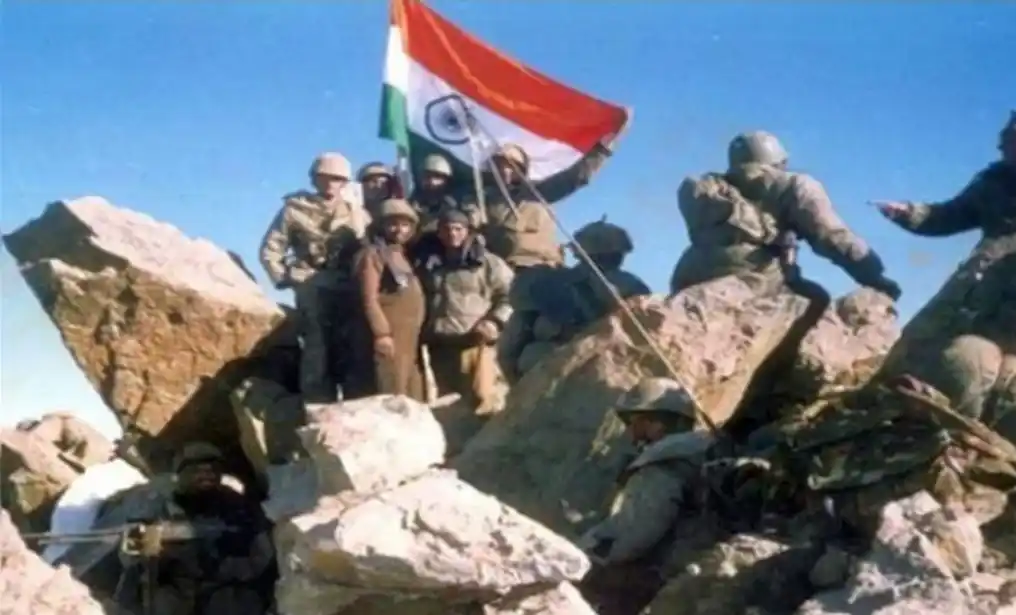
Kargil Vijay Diwas is one of India’s most solemn national observances, marked every year to honour the soldiers who fought in the Kargil War of 1999 and to remember the extraordinary cost of reclaiming India’s territory in the Himalayas. On the 27th anniversary of Operation Vijay, commemorations across the country once again placed the focus on courage, sacrifice, and the enduring responsibility to protect the nation’s sovereignty. This year’s observance carried special emotional weight in places like Drass, Shimla, Belagavi, Bhaderwah, and Lucknow, where wreath-laying ceremonies, military tributes, and public remembrance events brought together serving officers, veterans, families of martyrs, cadets, and citizens in a shared act of gratitude. The Meaning of Kargil Vijay DiwasKargil Vijay Diwas marks India’s victory in the Kargil conflict, which culminated in the successful execution of Operation Vijay and the recovery of territory in the Kargil district of Jammu and Kashmir that had been infiltrated by Pakistani soldiers and militants. The day is not simply about military success; it is about remembering the harsh conditions in which the war was fought, the high altitude at which soldiers operated, and the discipline and determination that made the eventual victory possible. Photo: PIBThe anniversary matters because it reminds the country that national security is often secured in places that most citizens will never see, on mountain heights where every advance is costly and every act of bravery carries real risk. It is also a reminder that freedom and territorial integrity are preserved not in abstract terms, but through sacrifice, planning, and unflinching commitment by the armed forces. Tributes Across the CountryAt the Kargil War Memorial in Drass, the main national ceremony was held in a deeply solemn atmosphere, with Defence Minister Rajnath Singh leading the commemorations by paying floral tributes at the cenotaph in honour of the bravehearts of Operation Vijay. He also inaugurated the Virtual Walkthrough Portal of the Kargil War Memorial, visited the Hut of Remembrance and Veer Bhoomi, interacted with Veer Naris and Veer Matas, and flagged off the Shaurya Vijay Yatra motorcycle rally. In Shimla, Army Training Command commemorated the 27th anniversary of the day with a wreath-laying ceremony at Shradhanjali Sthal in Annandale, followed by two minutes of silence and the sounding of the Last Post. The ceremony ended with all ranks of ARTRAC taking a pledge to uphold patriotism, courage, and selfless service, underscoring how the memory of Kargil continues to shape military ethos even decades later. Belagavi also saw an emotional observance, where officers and personnel of the Maratha Light Infantry Regimental Centre marked the day with a wreath-laying ceremony at the war memorial. Such regimental commemorations matter because they connect the memory of Kargil not only to the nation at large, but also to the traditions, identities, and inherited sense of duty within India’s military units.Drass and the National Centre of MemoryDrass remains the symbolic heart of Kargil Vijay Diwas because it is where the nation gathers most visibly to remember the war. The Kargil War Memorial there stands not only as a site of tribute, but also as a physical expression of collective memory, where names, stones, and ceremonial rituals help translate history into lived remembrance. The memorial’s significance grows each year because the war itself has become part of India’s national narrative of resilience. The presence of soldiers’ families, veterans, young cadets, and public officials creates a powerful bridge between the generation that fought in 1999 and the generations that now inherit the duty of remembering what was won and what was lost. The Voices of National LeadersPublic tributes from national leaders have reinforced the day’s seriousness. Rajnath Singh described the soldiers who fought on the inaccessible heights of Kargil as examples of indomitable bravery, supreme sacrifice, and unwavering resolve, saying the nation would remain forever grateful for their service. Amit Shah called Kargil Vijay Diwas a symbol of the Army’s indomitable courage, while S. Jaishankar emphasized that the service and sacrifice of those who laid down their lives to protect India’s unity and integrity would always be remembered. Dr. L. Murugan also paid tribute, urging people to remember the valour and dedication of the soldiers not only on this day but every day. [user-provided]These statements are more than ceremonial language. They reflect the way Kargil Vijay Diwas has become part of India’s civic calendar, a day when public remembrance, military pride, and national unity are brought together through ritual and reflection. The Human Cost of VictoryThe Kargil War is often remembered through strategy and geography, but the deeper reality is human. Soldiers fought under extreme cold, difficult terrain, and the strategic advantage held by enemy positions on higher ground, and they did so with the knowledge that many would not return. That human cost is why observances such as the felicitation of Veer Naris, Veer Matas, and families of martyrs carry such emotional force. In Lucknow, for instance, the municipal corporation honoured the families of soldiers who sacrificed their lives, while officials were instructed to create a database of military families and resolve their grievances on priority. These acts of recognition help ensure that remembrance is not just symbolic, but also practical and humane. Why the Day Still MattersKargil Vijay Diwas remains relevant because it speaks to values that do not age: duty, sacrifice, discipline, and loyalty to the nation. In an era when public attention can move quickly from one event to another, the day insists on memory and gratitude, asking citizens to pause and reflect on the people who secured the country’s safety in one of its most difficult military conflicts.It also carries a lesson about preparedness. The war showed how quickly high-altitude infiltration and strategic surprise can create danger, and how crucial it is for armed forces to have the resilience, equipment, training, and national support needed to respond effectively. That lesson remains important even today, because sovereignty is never protected only by sentiment; it is protected by readiness.A Legacy Passed ForwardThe enduring power of Kargil Vijay Diwas lies in the way it connects past sacrifice to present responsibility. Students performing patriotic songs in
PM Modi’s Mann Ki Baat – Episode 136th

The 136th Episode of Prime Minister Shri Narendra Modi’s Mann Ki Baat, the monthly radio programme that connects the Prime Minister with citizens across the nation. Through this unique platform, PM Modi shares inspiring stories, highlights grassroots innovations, and discusses topics of national importance that encourage public participation and nation-building. In this episode of Mann Ki Baat, PM Modi interacts with the people of India, recognizes exceptional contributions by individuals and communities, and speaks about initiatives that are shaping the country’s progress. The programme reflects the spirit of Jan Bhagidari and celebrates inspiring efforts from every corner of the nation.Video: YT/@NaMo
GAGAN: India’s Indigenous Navigation Shield for Safer Skies and Smarter Mobility
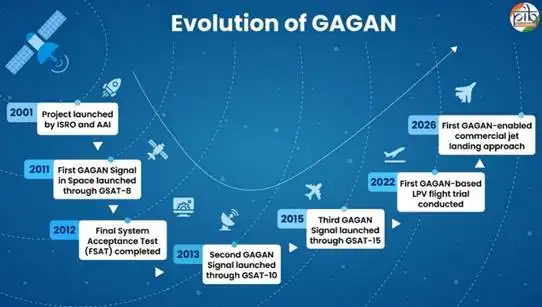
GAGAN, short for GPS Aided GEO Augmented Navigation, is one of India’s most important but least publicly understood technology achievements: a homegrown satellite-based augmentation system that strengthens GPS, improves aviation safety, and extends precise navigation far beyond the airport runway. Developed jointly by ISRO and the Airports Authority of India, it has been operational since 2015 and now sits at the heart of India’s indigenous navigation ecosystem.What makes GAGAN significant is not just that it improves location accuracy, but that it gives pilots integrity information — a real-time warning if a GPS signal should not be trusted for navigation. That single capability changes aviation from “roughly informed” to “safety-certified,” and it is why GAGAN has become a strategic pillar for Indian civil aviation and a symbol of technological self-reliance.Why GAGAN Was NeededModern aviation depends on precision, and even small positioning errors can become serious safety risks when aircraft are landing, flying in bad weather, or operating in crowded airspace. Standard GPS is helpful, but its signals can be distorted by atmospheric conditions and other sources of error, making it insufficient on its own for precision approach and landing.India’s answer was GAGAN, a Satellite-Based Augmentation System, or SBAS, that overlays correction data on top of GPS. Instead of replacing GPS, it makes GPS trustworthy enough for safety-of-life aviation applications by improving accuracy, continuity, availability, and integrity.How GAGAN WorksGAGAN operates through a tightly linked network of ground stations, control centers, uplink stations, communication networks, and geostationary satellites carrying GAGAN payloads. According to ISRO’s URSC, the system includes 15 Indian Reference Stations, 2 Indian Master Control Centres, 3 Indian Land Uplink Stations, 4 communication network chains, and 3 GEO satellites with GAGAN payloads.The process is elegant in concept and highly sophisticated in practice. Reference stations across India continuously monitor GPS signals, master control centers calculate corrections and integrity data, and uplink stations send that information to geostationary satellites, which then broadcast enhanced navigation signals back to aircraft and other users.Core System ElementsElementCountFunctionIndian Reference Stations (INRES)15Monitor GPS signals and detect errors. Indian Master Control Centres (INMCC)2Process data and generate corrections. Indian Land Uplink Stations (INLUS)3Send correction data to satellites. Communication Networks4Support secure real-time transmission. Geostationary satellites with GAGAN payloads3Broadcast corrected navigation signals. Because the satellites are geostationary, they appear fixed in the sky relative to the Earth’s rotation, which makes them ideal for steady regional augmentation services. The currently cited GAGAN payload satellites include GSAT-8, GSAT-10, and GSAT-15.Aviation Breakthrough & Global StandingGAGAN’s biggest job is to make Indian aviation safer and more efficient, especially during non-precision and precision approach procedures. ISRO’s documentation notes that the system has been certified to provide Non Precision Approach services over the Indian Flight Information Region and APV services over Indian landmass, bringing India into the select club of countries with operational SBAS capability.The significance became especially clear in June 2026, when DGCA successfully conducted India’s first satellite-based landing system approach on a commercial jet using GAGAN. That milestone was not just symbolic; it demonstrated that India can now rely on an indigenous augmentation system for advanced approach operations, reducing dependence on foreign navigation ecosystems.GAGAN places India alongside the United States, Europe, and Japan, which operate comparable augmentation systems such as WAAS, EGNOS, and MSAS. It is also interoperable with those international systems, which matters in global aviation because aircraft often cross multiple airspace regions and must move seamlessly between standards and navigation services.Another important distinction is that GAGAN is described as the first SBAS certified for the equatorial anomaly region, a technically challenging zone where ionospheric conditions can affect satellite navigation. That makes the system especially valuable not only for India but for the broader region extending well beyond the country’s borders.GAGAN vs NavICGAGAN is often mentioned alongside NavIC, but the two systems serve different purposes. NavIC is India’s independent regional navigation satellite system, providing positioning, navigation, and timing services across India and up to about 1,500 km beyond its borders, while GAGAN augments GPS with correction and integrity information for aviation-grade precision.Think of NavIC as an independent navigation backbone and GAGAN as the precision safety layer that helps GPS become reliable enough for demanding civil aviation use. Together, they form a stronger indigenous navigation stack that reduces dependence on external systems while expanding India’s strategic autonomy.Uses Beyond AviationAlthough GAGAN was created for civil aviation, its usefulness extends into several other sectors. The URSC notes applications in maritime navigation, highways, railways, disaster management, defense, telecom synchronization, surveying, and public services.That broader utility is important because navigation infrastructure has become a foundation for modern digital economies. Precise timing supports telecom networks, accurate positioning improves logistics and fleet management, and reliable geospatial data strengthens everything from mapping to emergency response.Strategic Value for IndiaGAGAN is more than a technical system; it is a statement of capability. By building and operating its own SBAS, India has created a sovereign navigation asset that improves safety, supports aviation growth, and enhances resilience in a world where critical infrastructure increasingly depends on space-based signals.The system also fits neatly into India’s broader aviation and technology ambitions. As civil aviation expands and the government pushes for more airports, stronger regional connectivity, and advanced air traffic management, GAGAN provides an indigenous precision layer that can support those goals for years to come.The Road AheadThe next phase for GAGAN is likely to be defined by wider adoption, deeper integration with aviation operations, and more cross-sector use. Its ability to support precision approaches, landing operations, and reliable positioning services makes it a key enabler for a future in which Indian infrastructure is increasingly digital, connected, and self-reliant.In practical terms, GAGAN helps India do something important: turn space technology into everyday public value. It makes flights safer, navigation smarter, and national capability stronger, all while quietly proving that indigenous systems can meet the highest international standards.ConclusionGAGAN is one of India’s clearest examples of technology serving both safety and sovereignty. Developed by ISRO and AAI, certified to international civil aviation standards, and now proven in satellite-based landing operations, it has transformed from an engineering project into
Prambanan Temple, Indonesia: Java’s Majestic Hindu Monument and a Living Bridge Between Civilizations

Prambanan Temple is one of Indonesia’s most remarkable historical treasures, a soaring 9th-century Hindu complex near Yogyakarta that still feels powerful even in ruins, not because it is perfectly preserved, but because it carries the grandeur of an ancient civilization in every carved stone and rising spire. As the largest Hindu temple complex in Indonesia and one of the most important in Southeast Asia, it stands today not only as a UNESCO World Heritage Site, but also as a symbol of the long cultural conversation between India and Indonesia.The recent visit by Indian Prime Minister Narendra Modi to Prambanan, alongside Indonesian President Prabowo Subianto, gave the temple renewed international attention, especially after the two leaders marked the beginning of India’s archaeological conservation and restoration project for the site. That gesture matters because Prambanan is more than a monument; it is a shared civilizational memory, built in stone and preserved through diplomacy, scholarship, and devotion.A Monument With Deep RootsPrambanan was built during the 9th and 10th centuries under the Sanjaya dynasty of the ancient Mataram Kingdom, at a time when Hinduism and Buddhism both shaped life on Java’s fertile plains. The temple was dedicated to the Hindu Trimurti, Shiva, Vishnu, and Brahma, and was designed as a sacred landscape rather than a single isolated shrine.What makes its origin story so fascinating is the way it reflects the cosmopolitan character of ancient Southeast Asia. Java was not a peripheral outpost of Indic culture; it was a place where Hindu ideas were absorbed, adapted, and given local artistic expression, creating a monument that feels both familiar and distinctly Indonesian. In that sense, Prambanan is not simply an import from India’s religious world, but a mature regional interpretation of it.Scale and StructureThe Prambanan Temple Compound is made up of several groups of buildings, including the main Prambanan temple complex as well as Sewu, Bubrah, and Lumbung temples. At the heart of the site once stood roughly 240 temples, large and small, spread across a landscape of nearly 40 hectares, making it one of the grandest religious complexes ever built in ancient Java.The central shrine arrangement is especially striking. Three main temples honor Shiva, Vishnu, and Brahma, with Shiva’s temple rising highest at around 47 metres and dominating the skyline with a verticality that immediately sets Prambanan apart from many other temple traditions in Asia. That upward sweep creates a sense of aspiration and sacred hierarchy, as if the entire complex is trying to lift the visitor’s gaze toward the divine.The Architecture & Carvings That SpeakThe first impression Prambanan gives is one of dramatic elegance. Unlike sprawling temple compounds that spread horizontally across a broad footprint, Prambanan rises sharply and symmetrically, with stone towers that create a powerful silhouette against the Javanese sky. This vertical design is not just beautiful; it reflects Hindu cosmology and the idea of sacred order expressed through geometry, elevation, and alignment.Inside the Shiva temple are chambers that house statues of Shiva, Durga, Ganesha, and the sage Agastya, reinforcing the temple’s theological depth and ritual purpose. Around the central shrines, rows of smaller pervara shrines once created a dense sacred field, and although many are now in ruins, their remains still help convey the scale and ambition of the original complex.One of Prambanan’s greatest artistic achievements is its relief sculpture. The temple galleries are decorated with finely carved bas-reliefs depicting episodes from the Ramayana, allowing visitors to move around the structure almost as if they are reading a sacred story in stone. That narrative quality gives the site a remarkable human texture. The carvings are not merely decorative; they function as theological instruction, cultural memory, and visual storytelling, connecting architecture to epic literature in a way that turns the temple into a living manuscript. Visitors traditionally walk clockwise around the corridors, following the sequence of scenes, which turns movement itself into an act of contemplation.Prambanan and BorobudurPrambanan is often discussed alongside Borobudur, the great Buddhist monument nearby, and the pairing is one of the most compelling features of Java’s cultural landscape. Where Borobudur represents the island’s Buddhist heritage, Prambanan reveals its Hindu legacy, and together they show that ancient Java was home to overlapping traditions rather than a single religious identity.That coexistence is historically important because it reminds us that Southeast Asian civilizations were deeply plural, creative, and interconnected. The two monuments, standing in the same broader region, make a powerful case for understanding heritage not as a fixed label, but as a layered record of exchange, adaptation, and local genius.UNESCO Recognition and PreservationPrambanan was designated a UNESCO World Heritage Site in 1991, a recognition that underlined both its architectural importance and its vulnerability. Like many ancient monuments, it has faced damage from age, weathering, and seismic events, which is why conservation has been central to its survival.India’s involvement in the current restoration effort is especially notable because the Archaeological Survey of India has a long history of heritage conservation in Southeast Asia, including documentation work at the Borobudur temple compounds. The Prambanan project is therefore part of a broader effort to preserve not just a structure, but a shared historical vocabulary that connects South and Southeast Asia across centuries.Why Prambanan Still MattersPrambanan matters today because it speaks to more than religion or tourism. It is a reminder that civilizations travel through architecture, that faith can become form, and that cultural influence often survives longest in stone. For Indonesia, it is a monument to the Hindu past that helped shape its early history; for India, it is a reminder of how widely Indic traditions once flowed and how deeply they were transformed abroad.It also matters because heritage diplomacy is not abstract. When leaders jointly restore a temple, they are not only protecting old walls; they are affirming a relationship between histories, publics, and identities. The plaque unveiled by Modi and Prabowo at Prambanan therefore carries meaning well beyond ceremony, because it ties preservation to friendship, scholarship, and mutual respect.ConclusionPrambanan Temple is one of Southeast Asia’s great cultural masterpieces, a place
Maruti Suzuki and Hero MotoCorp Launch Flex-Fuel Vehicles: A New Chapter in India’s Clean Mobility Journey
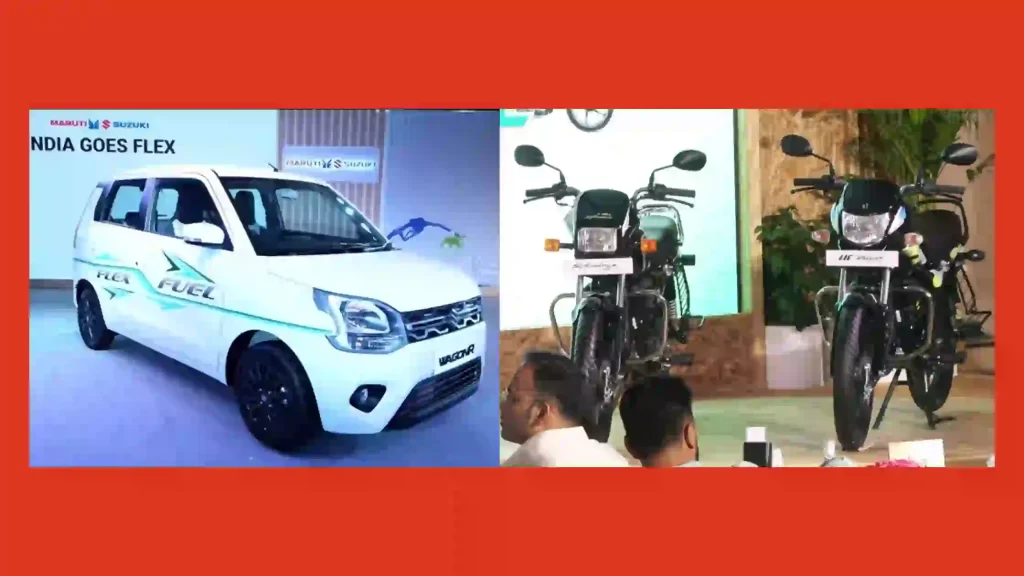
IntroductionIndia’s transition towards cleaner and more sustainable mobility received a major boost with the launch of flex-fuel vehicles by two of the country’s largest automobile manufacturers—Maruti Suzuki and Hero MotoCorp. While Maruti Suzuki introduced the country’s first mass-market flex-fuel passenger car, Hero MotoCorp launched India’s first flex-fuel motorcycles in the commuter segment, marking an important milestone in the government’s push towards alternative fuels.The launches are more than just new product introductions. They reflect India’s broader strategy to reduce dependence on imported crude oil, promote ethanol as an alternative fuel, lower vehicular emissions, and strengthen the country’s energy security. As the government continues to expand ethanol blending across the country, flex-fuel technology is expected to play a significant role in shaping the future of India’s automobile industry. Understanding Flex-Fuel TechnologyA flex-fuel vehicle is designed to operate on petrol as well as ethanol-blended fuels. Unlike conventional petrol vehicles that are compatible only with lower ethanol blends, flex-fuel vehicles can run on a wide range of blends—from E20 (20 per cent ethanol) to E85 and, in some cases, even E100, depending on the vehicle’s engineering.Since ethanol has different chemical properties compared to petrol, flex-fuel vehicles require specially designed engines, fuel pumps, injectors, sensors and fuel lines that can withstand higher ethanol concentrations without affecting performance or durability.The technology has already been widely adopted in countries such as Brazil and is gradually gaining attention in India as part of the country’s clean energy transition.Maruti Suzuki’s Entry into the Flex-Fuel SegmentMaruti Suzuki, India’s largest passenger vehicle manufacturer, unveiled its first flex-fuel passenger car, based on the WagonR platform. The model is capable of operating on ethanol-rich fuel blends and has been developed specifically to support India’s evolving ethanol fuel programme.The flex-fuel WagonR features several engineering modifications compared to the conventional model. These include changes to the engine management system, upgraded fuel injectors, corrosion-resistant fuel lines and components designed to handle higher ethanol concentrations. These upgrades ensure that the vehicle can switch between petrol and ethanol blends while maintaining reliable performance and efficiency.For Maruti Suzuki, the launch represents an important step in preparing for India’s future fuel ecosystem. The company has already introduced E20-compatible vehicles across its portfolio, and the flex-fuel model further expands its alternative fuel strategy.Hero MotoCorp Introduces India’s First Flex-Fuel MotorcyclesHero MotoCorp, the country’s largest two-wheeler manufacturer, also entered the flex-fuel segment with the launch of the Splendor+ Flex Fuel and HF Deluxe Flex Fuel motorcycles.Built on two of Hero’s most popular commuter platforms, the motorcycles are engineered to operate on ethanol-blended fuels of up to E85. Although they closely resemble their standard petrol counterparts, they feature several mechanical upgrades, including revised fuel delivery systems, ethanol-compatible engine components and modified engine calibration to accommodate higher ethanol blends.The launch is particularly significant because commuter motorcycles account for a substantial share of India’s two-wheeler market. Introducing flex-fuel technology in this segment has the potential to bring cleaner fuel options to millions of daily commuters across the country. Why India is Promoting Ethanol-Based MobilityThe push towards flex-fuel vehicles is closely linked to the Government of India’s ethanol blending programme. India imports a large portion of its crude oil requirements, making the country vulnerable to fluctuations in global oil prices and geopolitical uncertainties.By increasing the use of ethanol—produced domestically from crops such as sugarcane, maize and other agricultural feedstock—the government aims to reduce dependence on imported fossil fuels while supporting domestic agriculture.The National Policy on Biofuels and the Ethanol Blended Petrol (EBP) Programme have already accelerated ethanol adoption across the country. India successfully achieved nationwide availability of E20 fuel ahead of schedule, and the introduction of flex-fuel vehicles represents the next stage of this transition. Environmental and Economic BenefitsFlex-fuel vehicles offer several potential environmental and economic advantages.Since ethanol is a renewable biofuel, its use can help reduce greenhouse gas emissions compared to conventional petrol. Increased ethanol consumption may also contribute to improved air quality by lowering certain vehicle emissions.From an economic perspective, greater ethanol usage can reduce India’s crude oil import bill and improve energy security. It also creates additional demand for agricultural produce used in ethanol production, providing farmers with new market opportunities and supporting the rural economy.For consumers, ethanol-based fuels are expected to become more affordable as production increases and distribution infrastructure expands, although the actual cost benefits will depend on fuel prices and vehicle efficiency. Challenges Before Large-Scale AdoptionDespite the optimism surrounding flex-fuel technology, several challenges remain before widespread adoption becomes a reality.One of the biggest challenges is the availability of higher ethanol blends such as E85 and E100 across fuel stations. While E20 has become increasingly accessible, infrastructure for dispensing higher ethanol blends is still in the early stages of development.Vehicle affordability is another consideration. Flex-fuel vehicles require specialised components, making them slightly more expensive than conventional petrol models. Consumer awareness regarding ethanol compatibility, fuel availability and long-term maintenance will also play an important role in determining adoption rates.Additionally, ethanol production must continue to expand sustainably to meet growing demand without adversely affecting food security or water resources.Impact on the Automobile IndustryThe launch of flex-fuel vehicles by Maruti Suzuki and Hero MotoCorp is expected to encourage other automobile manufacturers to accelerate their own alternative fuel programmes.Several companies have already showcased flex-fuel prototypes and announced plans to introduce ethanol-compatible vehicles in the coming years. As government policies continue to favour cleaner mobility solutions, flex-fuel technology is likely to become an important part of India’s multi-fuel automotive strategy alongside electric vehicles, CNG, hybrid technology and hydrogen-powered mobility.Industry experts believe that rather than relying on a single technology, India’s transition towards cleaner transportation will involve multiple solutions tailored to different consumer needs and regional requirements. Looking AheadThe introduction of flex-fuel cars and motorcycles represents an important milestone in India’s journey towards sustainable mobility. While widespread adoption will depend on fuel infrastructure, pricing and consumer acceptance, the launch demonstrates that the country’s automobile industry is preparing for a future where alternative fuels will play a larger role.With continued government support, expansion of ethanol production and increased participation from automobile manufacturers, flex-fuel
Bharat Innovates 2026: Showcasing India’s Deep-Tech Ambitions on the Global Stage

IntroductionAs countries around the world compete to lead the next wave of technological innovation, India has increasingly positioned itself not only as a hub for software and digital services but also as a growing centre for deep-tech research and entrepreneurship. Bharat Innovates 2026, held in Nice, France, marked an important step in that journey by providing Indian startups, researchers and academic institutions with a global platform to showcase indigenous technologies and build international partnerships.Organised under the Ministry of Education with strategic guidance from the Office of the Principal Scientific Adviser to the Government of India, Bharat Innovates 2026 brought together India’s innovation ecosystem—including startups, higher educational institutions, investors, industry leaders and policymakers—to demonstrate the country’s capabilities in emerging technologies. The initiative reflected India’s broader vision of transforming itself from a technology consumer into a global technology developer and exporter.What is Bharat Innovates 2026?Bharat Innovates 2026 is India’s first large-scale international deep-tech showcase designed to present the country’s most promising innovations before a global audience. The event featured around 120 carefully selected deep-tech startups, research institutions and universities working across strategic technology sectors.Unlike traditional startup exhibitions that primarily focus on fundraising, Bharat Innovates was conceived as a global accelerator to facilitate research collaborations, pilot projects, technology commercialisation, manufacturing partnerships and international market access. It also sought to strengthen links between Indian innovators and investors, industries, universities and governments from around the world. Why the Initiative MattersIndia has emerged as one of the world’s fastest-growing startup ecosystems, with thousands of technology companies working in areas such as artificial intelligence, biotechnology, space technology, robotics and semiconductor design. However, many deep-tech startups often face challenges in accessing international markets, research partnerships and long-term investments.Bharat Innovates 2026 was designed to bridge this gap by providing a dedicated international platform where Indian innovators could directly interact with global venture capital firms, multinational corporations, research organisations and government agencies.The initiative also highlights a shift in India’s innovation strategy. Instead of focusing only on information technology services, the country is increasingly investing in technologies that require advanced scientific research, intellectual property development and long-term industrial applications. Key Focus AreasThe event showcased innovations across a wide range of strategic sectors that are expected to shape the future global economy.Artificial Intelligence and machine learning emerged as major focus areas, with startups presenting solutions in healthcare diagnostics, language technologies, automation and industrial applications.Space technology formed another important segment, reflecting India’s growing capabilities following the success of missions such as Chandrayaan and Aditya-L1. Several startups demonstrated satellite technologies, earth observation solutions and launch-related innovations.Other sectors included:Semiconductor technologiesDefence and aerospaceBiotechnologyClimate and clean energyQuantum technologiesAdvanced manufacturingRobotics and automationAgritech and food securityHealthcare technologiesThe diversity of innovations reflected the growing maturity of India’s research and startup ecosystemIndia-France CollaborationOne of the defining aspects of Bharat Innovates 2026 was its role in strengthening technology cooperation between India and France.The event was inaugurated by Prime Minister Narendra Modi and French President Emmanuel Macron during the India-France Year of Innovation. Both leaders emphasised the importance of collaborative research, innovation-driven economic growth and stronger partnerships in emerging technologies.France has become an important strategic partner for India in areas such as defence, aerospace, artificial intelligence and clean energy. Bharat Innovates expanded this cooperation by creating opportunities for joint research projects, technology transfer and industrial collaboration between institutions from both countries. Opportunities for Indian StartupsFor participating startups, Bharat Innovates represented far more than an exhibition.The event provided opportunities to pitch technologies before global investors, establish commercial partnerships, explore international markets and collaborate with universities and research laboratories.Many startups working in advanced technologies often require long-term funding and access to specialised expertise rather than traditional venture capital alone. By bringing together investors, research institutions and industry leaders under one platform, Bharat Innovates aimed to accelerate the commercialisation of Indian innovations.The initiative also sought to encourage Indian startups to think globally from the early stages of product development instead of limiting themselves to domestic markets. Role of Higher Educational InstitutionsUniversities and research institutions formed a significant part of Bharat Innovates 2026.Premier institutions including the Indian Institutes of Technology (IITs), research laboratories and innovation centres showcased technologies developed through academic research. Projects ranged from healthcare solutions and advanced materials to artificial intelligence, defence technologies and sustainable engineering.The participation of academic institutions reflected the growing emphasis on translating scientific research into commercially viable technologies and supporting innovation-driven entrepreneurship within higher education.Supporting the Vision of Atmanirbhar BharatBharat Innovates also aligns closely with the Government of India’s vision of Atmanirbhar Bharat by promoting indigenous innovation in strategically important sectors.Rather than depending entirely on imported technologies, India is encouraging domestic research, intellectual property creation and advanced manufacturing capabilities.This approach has become particularly important in sectors such as semiconductors, defence equipment, artificial intelligence, cybersecurity and quantum technologies, where technological self-reliance is increasingly viewed as a strategic necessity.Through initiatives such as Bharat Innovates, the government aims to strengthen India’s position as both an innovation hub and a technology exporter.Challenges AheadWhile Bharat Innovates represents an important milestone, several challenges remain.Deep-tech startups typically require larger investments, longer development timelines and stronger research infrastructure compared to conventional technology startups. Commercialising advanced scientific innovations also involves regulatory approvals, manufacturing capabilities and sustained industry collaboration.Maintaining global competitiveness will require continued investment in research and development, stronger university-industry partnerships and policies that encourage innovation while supporting entrepreneurs through different stages of growth.Looking AheadBharat Innovates 2026 represents more than a single international event. It reflects India’s broader ambition to become a leading contributor to global technological advancement.As emerging technologies continue to reshape industries worldwide, initiatives that connect Indian researchers and startups with international partners are expected to play an increasingly important role in driving innovation-led economic growth.By providing a global platform for indigenous technologies, Bharat Innovates has the potential to strengthen India’s innovation ecosystem and accelerate the transition from research laboratories to commercial markets.ConclusionBharat Innovates 2026 marked a significant milestone in India’s efforts to establish itself as a global centre for deep-tech innovation. By bringing together startups, researchers, universities, investors and policymakers on an international platform, the initiative showcased the growing capabilities
India’s New Chief of Defence Staff: General N. S. Raja Subramani and the Next Phase of Military Reforms
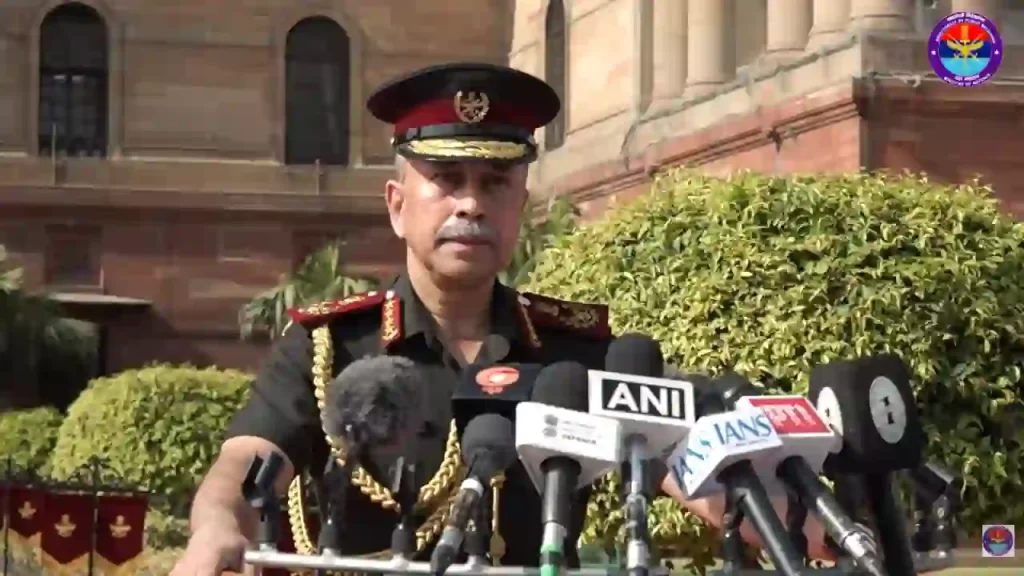
IntroductionIndia entered a new chapter in its military leadership with the appointment of General N. S. Raja Subramani as the country’s third Chief of Defence Staff (CDS). He succeeded General Anil Chauhan, who completed his tenure in May 2026. The appointment comes at a crucial time when India’s armed forces are undergoing structural reforms aimed at improving coordination among the Army, Navy and Air Force, while simultaneously modernising their capabilities to meet evolving security challenges. The position of the Chief of Defence Staff is one of the most significant military appointments in India. Created in 2020 following decades of debate, the office was envisioned to promote jointness among the three armed services, improve military planning, and strengthen India’s defence preparedness. General Raja Subramani now assumes this responsibility at a time when regional security dynamics, technological advancements and geopolitical tensions are reshaping the nature of warfare.Who is General N. S. Raja Subramani?General N. S. Raja Subramani is one of the Indian Army’s most experienced officers, with a career spanning nearly four decades. Before becoming the Chief of Defence Staff, he served as the Military Adviser at the National Security Council Secretariat. Earlier, he held the position of Vice Chief of the Army Staff and also commanded the Army’s Central Command, one of India’s key operational commandsThroughout his military career, he has held several important operational, instructional and staff appointments, including assignments in Jammu and Kashmir, the Eastern Command, Military Intelligence and the Defence Services Staff College. His experience covers border management, counter-insurgency operations, strategic planning and military administration, making him one of the country’s most accomplished senior military leaders. His appointment reflects the government’s emphasis on continuity in defence reforms while bringing experienced leadership to oversee the next phase of military modernisation.Understanding the Role of the Chief of Defence StaffThe Chief of Defence Staff serves as the highest-ranking military officer in the Indian Armed Forces and acts as the principal military adviser to the Government of India on matters involving all three services. Unlike the Chiefs of the Army, Navy and Air Force, the CDS focuses on issues that require coordination among the services rather than commanding a single branch. The CDS also functions as the Secretary of the Department of Military Affairs within the Ministry of Defence. This gives the office a unique role in integrating military planning with government decision-making.Among the CDS’s primary responsibilities are promoting joint planning, improving procurement processes, enhancing interoperability among the services and driving long-term defence reforms. The office also oversees several tri-service organisations and serves as the Permanent Chairman of the Chiefs of Staff Committee.A Position Born from the Kargil ReviewThe idea of appointing a Chief of Defence Staff dates back to the recommendations made after the 1999 Kargil War. The Kargil Review Committee and subsequent expert groups concluded that India’s military required greater integration between its three services to improve operational effectiveness and strategic planning.Despite repeated recommendations, the proposal remained pending for nearly two decades because of concerns regarding command structures and institutional responsibilities.The post was finally created in December 2019, and General Bipin Rawat became India’s first Chief of Defence Staff in January 2020. Following his death in a helicopter crash in December 2021, General Anil Chauhan assumed the role in September 2022 and continued efforts towards military integration before handing over charge to General Raja Subramani in 2026. Challenges Before the New CDSGeneral Raja Subramani takes charge at a time when India’s security environment is becoming increasingly complex.The armed forces continue to maintain operational preparedness along the Line of Actual Control (LAC) with China while simultaneously addressing security concerns along the Line of Control (LoC) with Pakistan. Maritime security in the Indian Ocean Region, cyber warfare, space-based surveillance and emerging technologies such as artificial intelligence have also become critical components of modern defence planning.In addition to external security challenges, the new CDS must continue implementing structural reforms that have been under discussion for several years.One of his most significant responsibilities will be advancing the creation of integrated theatre commands—a reform intended to bring the Army, Navy and Air Force under unified operational commands for specific geographical regions. Defence experts consider theatreisation one of the most important military reforms undertaken since Independence, although its implementation requires extensive coordination among all three services. Focus on Jointness and IntegrationOne of the defining objectives of the CDS system has been to promote “jointness” among India’s armed forces.Traditionally, the Army, Navy and Air Force have functioned through separate command structures. While this arrangement has served the country for decades, modern warfare increasingly requires seamless coordination across land, air, sea, cyber and space domains.General Raja Subramani has identified strengthening tri-service integration and organisational reforms as key priorities. Soon after assuming office, he emphasised the importance of Jointness, Atmanirbharta and Innovation (JAI) as guiding principles for the future of India’s armed forces.Improved integration is expected to enhance operational efficiency, optimise the use of military resources and strengthen India’s overall defence preparedness.Driving Defence ModernisationAnother major responsibility before the new CDS is accelerating military modernisation.India has been investing heavily in advanced defence technologies, including indigenous fighter aircraft, missile systems, drones, artificial intelligence, cyber capabilities and space-based defence infrastructure.The CDS plays an important role in prioritising procurement across the three services and ensuring that future acquisitions support integrated military operations.The government has also placed significant emphasis on Atmanirbhar Bharat in defence manufacturing, encouraging greater use of domestically developed weapons, equipment and technologies. General Raja Subramani is expected to continue this focus by promoting indigenous capability development and reducing dependence on imported defence systems. Why the Appointment MattersThe appointment of a new CDS is more than a routine change in military leadership. It comes at a time when India’s defence priorities are evolving rapidly in response to changing geopolitical realities.The nature of warfare has expanded beyond conventional military operations to include cyber attacks, information warfare, unmanned systems, artificial intelligence and space-based capabilities. These developments require closer coordination among the armed forces than ever before.The CDS plays a central role in ensuring that India’s military remains prepared