


India’s Hydrogen Train: NaMo Green Rail and the Beginning of a New Era in Green Rail Mobility
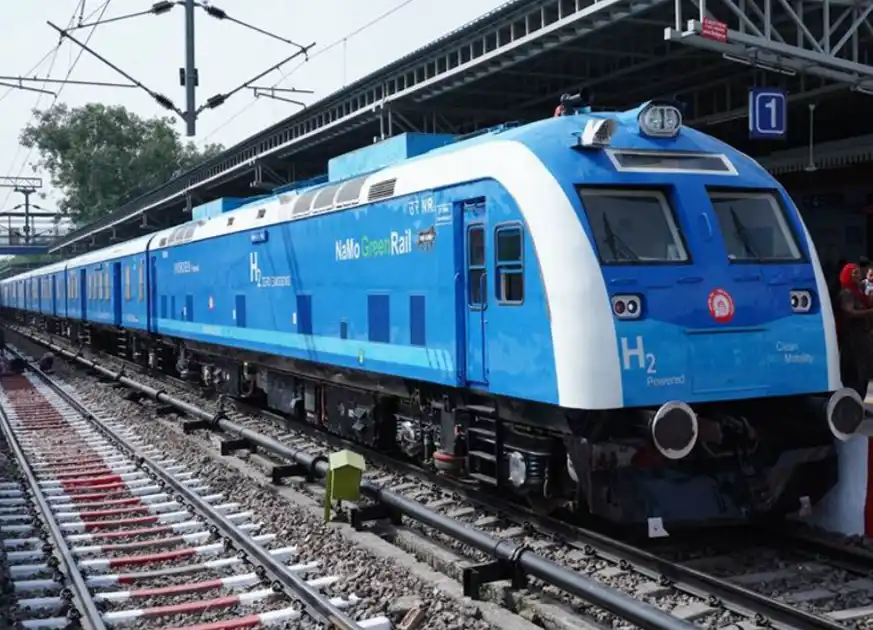
Indian Railways has taken a major step towards introducing alternative-energy propulsion with the launch of NaMo Green Rail, India’s first hydrogen-powered train. The train was flagged off by Prime Minister Narendra Modi from Jind in Haryana on July 17, 2026, and has begun passenger operations on the Jind–Sonipat route. The project is being presented as a significant milestone in the development of indigenous hydrogen-powered railway technology and the country’s broader shift towards cleaner transportation.The launch is significant not only because India now has a hydrogen-powered passenger train in operation, but also because the project covers the wider ecosystem required to run such a train. Along with the train itself, Indian Railways has developed hydrogen storage and refuelling infrastructure at Jind, allowing the technology to be tested under actual operating conditions.The NaMo Green Rail is designed to demonstrate how hydrogen fuel-cell technology can be used as an alternative to conventional diesel propulsion, particularly on railway routes where electrification may not always be the most practical option.What Is NaMo Green Rail?NaMo Green Rail is the official name of India’s first hydrogen-powered train. It has been designed and developed in India as part of Indian Railways’ efforts to explore next-generation fuel technologies.Unlike a conventional diesel train, which burns diesel in an internal-combustion engine to generate mechanical power, a hydrogen fuel-cell train uses an electrochemical process to generate electricity.Hydrogen stored onboard the train is supplied to fuel cells, where it reacts with oxygen from the air. This produces electricity, which is then used to power the train’s traction system. At the point of operation, the principal by-product of the process is water vapour rather than the carbon dioxide and particulate emissions associated with diesel combustion.The environmental benefit, however, depends on how the hydrogen is produced. Hydrogen produced using renewable electricity can have a substantially lower carbon footprint than hydrogen produced using fossil fuels.The Jind–Sonipat RouteNaMo Green Rail is being operated on the Jind–Sonipat section of Northern Railway in Haryana.The route provides Indian Railways with an opportunity to assess hydrogen propulsion in actual railway conditions rather than limiting the technology to laboratory or controlled trials.The passenger service began after the train was flagged off on July 17. The route covers approximately 89 kilometres, connecting Jind with Sonipat in Haryana. The deployment is particularly important because it allows Indian Railways to collect operational data on hydrogen consumption, fuel-cell performance, reliability, maintenance, safety and refuelling requirements.The experience gained from this route could help determine where hydrogen-powered trains can be practically deployed in the future.A 10-Coach Hydrogen TrainThe NaMo Green Rail trainset consists of 10 coaches, including two driving power cars and eight passenger coaches.Each driving power car has a power output of 1,200 kW, giving the trainset a combined installed power of 2,400 kW. Indian Railways has described it as the world’s longest and most powerful hydrogen trainset on a broad-gauge platform.The train has been designed to operate at speeds of up to 75 kmph in regular service.Its passenger capacity is approximately 2,600 people, according to officials. The combination of hydrogen fuel-cell propulsion and battery-based energy management allows the train to generate and use electricity without relying on a conventional diesel engine.How Does a Hydrogen Train Work?The basic principle behind a hydrogen fuel-cell train is different from both diesel and conventional electric trains.A conventional electric train receives electricity through an external system, generally an overhead catenary or third rail. A diesel locomotive carries its fuel onboard and uses combustion to produce power.A hydrogen train carries its own energy source in the form of hydrogen.Inside the fuel-cell system, hydrogen is combined with oxygen through an electrochemical reaction. The process generates electricity, which powers the train’s electric traction motors.The direct by-product is water vapour.This means that the train does not produce carbon dioxide from hydrogen fuel-cell operation at the point of use. Indian Railways has therefore positioned NaMo Green Rail as a cleaner alternative for routes where diesel trains are still required. Why Is Hydrogen Being Considered for Railways?India has made substantial progress in railway electrification, and electric traction remains the primary direction for the majority of the network.Hydrogen is therefore not intended to replace electric trains across the country.Its potential lies in specific applications, particularly on routes that are difficult or expensive to electrify.Installing overhead electrical infrastructure requires significant investment in catenary systems, substations and other supporting infrastructure. On some low-density, heritage or difficult-to-electrify routes, a hydrogen train could provide an alternative without requiring the entire route to be equipped with overhead electrical systems.Hydrogen trains can also operate independently of an overhead power supply because their electricity is generated onboard.The Role of Green HydrogenThe environmental case for hydrogen trains depends heavily on the source of the hydrogen.Hydrogen itself is not automatically a zero-carbon fuel.If hydrogen is produced using renewable electricity, the resulting fuel can have a much lower lifecycle carbon footprint. This is generally referred to as green hydrogen.Green hydrogen is produced by splitting water into hydrogen and oxygen through electrolysis, using electricity. When renewable sources such as solar or wind power provide that electricity, the production process can be significantly cleaner than conventional fossil-fuel-based hydrogen production.This makes hydrogen relevant to India’s broader clean-energy strategy and its efforts to build a domestic green hydrogen economy.Indigenous Technology and Atmanirbhar BharatOne of the most important aspects of NaMo Green Rail is its indigenous development.Indian Railways says the project involved designing the train from the initial stages, prototype manufacturing and the development of hydrogen traction technology specifically for Indian Railways. The project is being presented as an example of Atmanirbhar Bharat, or self-reliance in technology and manufacturing. Developing hydrogen railway technology domestically has strategic significance.Hydrogen propulsion requires expertise in fuel cells, power electronics, energy storage, hydrogen handling, control systems and safety technologies. Building these capabilities within India can help create a domestic industrial ecosystem around hydrogen-powered transportation.It also gives Indian engineers and manufacturers experience with a technology that is still developing globally.Hydrogen Refuelling Infrastructure at JindA hydrogen train requires infrastructure that is fundamentally different from conventional railway fuelling systems.To support NaMo Green Rail, Indian
Independence Day 2026: 79 Years of Freedom, A Nation Still Becoming
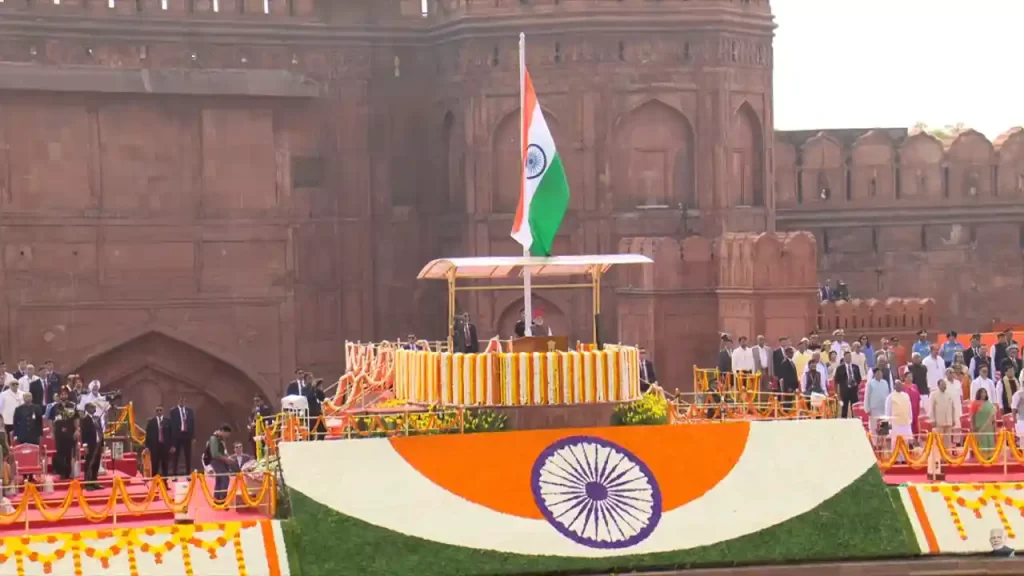
Before there was an India that could dream of becoming a global power, there was an India that simply wanted to be free.Before there were satellites, expressways, digital payments, billion-dollar companies and missions to the Moon, there was a country struggling to decide its own destiny.And before the Tricolour became a familiar sight every August 15, there were millions of Indians who fought, protested, went to prison and sacrificed their lives without knowing what the India they were fighting for would eventually become.That is what makes Independence Day more than a national holiday.It is a reminder of what India was, a celebration of what it has become and a moment to consider where the country is headed next.On August 15, 2026, India celebrated its 80th Independence Day, marking 79 years since the country became independent from British rule in 1947. The national celebration at the Red Fort in New Delhi brought together the familiar symbols of India’s freedom struggle with a strong focus on the country’s future, particularly its youth, self-reliance, technology and the ambition of building a developed India by 2047. The celebrations also carried special significance as 2026 marks 150 years of “Vande Mataram”, which was included in the Red Fort ceremony in a historic first.A Morning of National Pride at the Red FortThe Red Fort once again became the centre of the country’s Independence Day celebrations.Prime Minister Narendra Modi began the ceremony by paying tribute to the freedom fighters before proceeding with the traditional flag-hoisting ceremony.The Tricolour was unfurled against the backdrop of the historic Red Fort, accompanied by the national anthem and a ceremonial 21-gun salute. The ceremony brought together personnel representing India’s armed forces and Delhi Police, reflecting the traditional inter-services character of the national celebration. One of the notable features of this year’s ceremony was the rendition of Vande Mataram before the national anthem, marking the first time the national song was presented from the Red Fort during the Independence Day ceremony. The inclusion came in the year marking 150 years of the song. The ceremony also placed considerable emphasis on India’s young population, with the theme centred on “Yuva Shakti for Viksit Bharat@2047”, highlighting the role of young Indians in shaping the country’s development over the next two decades. From the Freedom Struggle to a New IndiaThere was a time when the idea of an independent India was itself a distant dream.For generations, Indians challenged British colonial rule through political movements, protests, revolutionary activities, social mobilisation and civil disobedience.Mahatma Gandhi transformed the freedom struggle into a mass movement through non-violent resistance. Subhas Chandra Bose pursued a different path through the Indian National Army. Bhagat Singh and other revolutionaries represented another strand of resistance.There were also thousands whose names never became part of popular history.They marched.They protested.They went to prison.They lost their livelihoods.Some lost their lives.Freedom was not handed to India. It was fought for.The Road to August 15, 1947The demand for complete independence gained a decisive political expression when the Indian National Congress adopted Purna Swaraj, or complete independence, as its goal in 1929.The Civil Disobedience Movement followed, bringing large numbers of ordinary Indians into the struggle against colonial rule.Then came the Quit India Movement in 1942, one of the defining moments of the final phase of the freedom struggle.The call of “Do or Die” reflected the determination of a population increasingly unwilling to accept continued colonial rule.Thousands were arrested. Many were subjected to imprisonment and violence. The movement demonstrated the scale of public resistance to British rule.Five years later, India became independent.But freedom came alongside the trauma of Partition.1947: Freedom and the Pain of PartitionThe celebrations of Independence were accompanied by one of the most painful episodes in the subcontinent’s history.Partition resulted in the displacement of millions of people. Families were separated, homes were abandoned and communities that had lived together for generations were torn apart.India therefore began its independent journey under extraordinarily difficult circumstances.There was poverty.There was widespread illiteracy.There were food shortages.Industrial capacity was limited.The newly independent country also faced the enormous task of building democratic institutions and integrating hundreds of princely states.Yet India made a remarkable choice.It chose democracy.India Chose to Govern ItselfIndia’s independence was followed by the creation of a constitutional framework for the new republic.The Constituent Assembly worked on the Constitution, which was adopted on November 26, 1949, and came into force on January 26, 1950.Independence had given India political sovereignty.The Constitution provided the framework through which that sovereignty would be exercised.India committed itself to democratic government, elections and constitutional institutions at a time when several newly independent countries around the world were struggling with political instability.The journey has not been perfect.There have been political conflicts, social challenges and periods of considerable difficulty.But India’s democratic system has endured.That endurance is itself an important part of the country’s post-Independence story.Look at India Then. Look at India Now.The India of 1947 would be almost unrecognisable to an Indian today.At Independence, the country had a largely agrarian economy, limited industrial infrastructure and extremely low literacy compared with modern standards.Today, India is one of the world’s largest economies.Indian companies operate globally.Indian scientists and engineers work on advanced technologies.Indian cities have expanded rapidly.Highways, airports, ports, metro systems and digital networks have transformed connectivity.The country has developed major capabilities in pharmaceuticals, information technology, space technology, defence production and renewable energy.The transformation did not happen overnight.It happened one generation at a time.The India That Learned to Feed ItselfOne of independent India’s biggest early challenges was food security.The country faced serious food shortages and depended heavily on imports.The Green Revolution transformed agricultural production through high-yielding crop varieties, irrigation, fertilisers and improved farming practices.India gradually moved from a country deeply concerned about food shortages to one of the world’s major agricultural producers.It was more than an agricultural transformation.It demonstrated what sustained investment in science, technology and public policy could accomplish.From a Young Space Programme to the MoonFew stories capture India’s technological journey better than its space programme.India’s early space programme began with modest resources.Today, the country has developed sophisticated launch
Modi’s Australia Visit Signals a New, Deeper Phase in India–Australia Ties
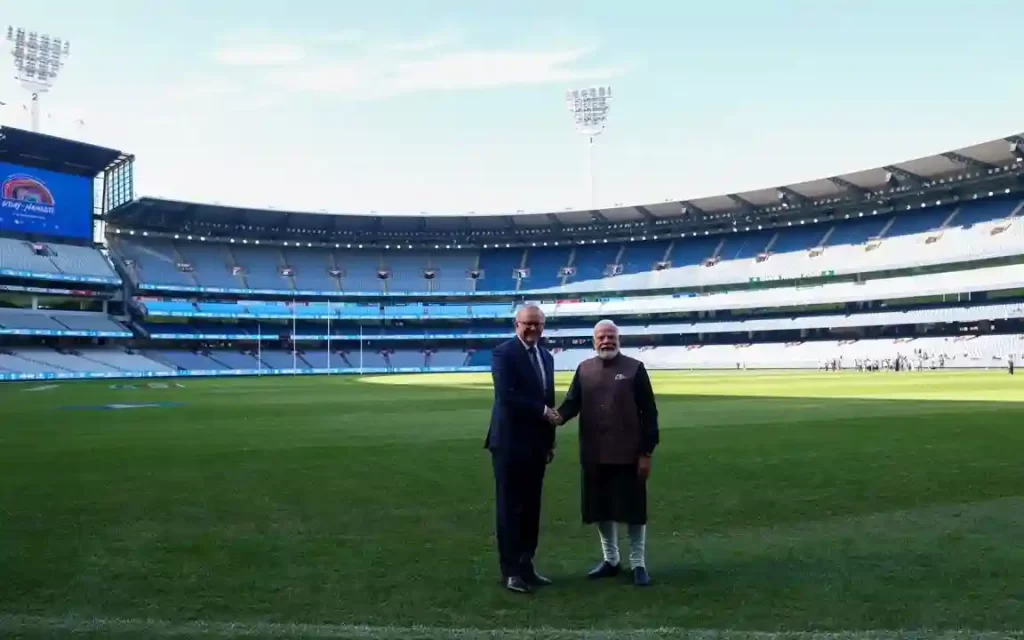
Prime Minister Narendra Modi’s July 2026 visit to Australia has given fresh momentum to a partnership that is now clearly moving beyond symbolism and into institutionally grounded cooperation. The visit produced a wide set of outcomes across defence, energy, critical technologies, education, skills, maritime security, culture, and the Indo-Pacific, underscoring how far India and Australia have come from the uneven and often cautious relationship of earlier decades. What stands out most is not simply the number of agreements signed, but the coherence of the overall package. Defence, energy security, supply chains, education, and regional strategy were all treated as interconnected priorities, reflecting a relationship that is becoming more resilient, more practical, and more difficult to derail. A Relationship Built on TrustThis was Modi’s third visit to Australia, and that in itself is historically significant. It reflects a diplomatic rhythm that has become more regular and more substantive, with both countries now willing to engage at a high level even when the broader global environment is uncertain. The summit’s central message was clear: India and Australia are no longer relying on ad hoc engagement. Instead, they are building a partnership that can absorb disagreements, manage differences, and still keep expanding in strategically important areas. Defence Cooperation DeepensThe most important strategic outcome was the Joint Declaration on Defence and Security Cooperation, which renews and expands earlier bilateral frameworks and places greater emphasis on interoperability, maritime domain awareness, counter-terrorism, HADR, cyber security, defence-industrial collaboration, and professional military education. The declaration also supports a more regular defence dialogue, including an annual defence ministers’ mechanism, which should help the two sides move from broad strategic alignment to more structured operational cooperation. In a region where maritime competition and security uncertainty are growing, that kind of institutionalisation matters.A parallel Maritime Security Collaboration Roadmap further strengthens coordination on information sharing, capability development, and operational planning. The MoU between the Indian Coast Guard and Australia’s Maritime Border Command adds a practical layer to this effort by linking maritime law-enforcement and border-protection agencies directly.Energy Security and Nuclear CooperationEnergy security emerged as another major pillar of the visit. The two countries issued a joint statement reaffirming cooperation on reliable, affordable, and sustainable energy, while also highlighting the importance of resilience in the face of geopolitical disruptions. The most notable breakthrough came with the finalisation of the administrative arrangement under the civil nuclear agreement, which clears the path for Australian uranium exports to India for peaceful use under IAEA safeguards. That step carries both practical and symbolic weight, because it reflects a new level of trust and helps India diversify its uranium supply sources. Technology, Supply Chains, and the Future EconomyThe summit also launched the Australia–India Partnership for Cyber, Critical Technologies, Supply Chains (PACTS), signalling that both countries want to cooperate more closely in the technological domains that will shape economic competitiveness and national security in the coming years. PACTS builds on earlier cyber and critical technology arrangements, but it goes further by linking digital resilience, supply-chain diversification, and defence-related innovation. That makes it one of the most forward-looking outcomes of the visit, especially at a time when trusted technology partnerships are becoming central to global strategy. Education, Skills, and People-to-People TiesEducation and skills cooperation formed a major part of the summit’s practical agenda. The visit included the issuance of a Letter of Intent to Flinders University for a campus in Bengaluru and a Letter of Approval to Victoria University to operate in Gurugram, reinforcing the growing role of Australian higher education in India. The two sides also advanced vocational cooperation through a new agreement between India’s regulators and Australia’s skills authority, along with a Centre of Excellence in Mining and Mining Equipment, Technology and Services at NSTI Bhubaneswar. These are the kinds of arrangements that create long-term institutional links rather than one-off announcements.Culture and HeritageThe visit also included a meaningful cultural dimension. Australia’s voluntary repatriation of Indian antiquities, including Nandi, a Bhadrakali trident, and a six-headed Skanda, underscored how heritage cooperation is becoming an important part of the bilateral relationship.The broader emphasis on heritage restitution, along with parallel work on human remains and cultural exchange, shows that the relationship is now capable of accommodating not just strategic interests but also historical and moral concerns.A Shared Indo-Pacific VisionRegionally, the two leaders reaffirmed support for a free, open, rules-based Indo-Pacific and emphasized the importance of UNCLOS, ASEAN centrality, IORA, the Pacific Islands Forum, and the Quad. They also condemned terrorism, voiced concern about instability in the Middle East, Ukraine, and Myanmar, and stressed the need for diplomacy, restraint, and adherence to international law. This regional alignment is important because it gives the partnership strategic depth. India and Australia are not merely coordinating bilaterally; they are also trying to shape a regional order that supports stability, maritime security, and economic resilience.Why This Visit MattersThe real significance of Modi’s Australia visit is that it shows how much the relationship has matured. Earlier phases were marked by distrust, interruptions, and political hesitations, but the present phase is defined by continuity, institutional trust, and an expanding set of shared interests. That shift matters because it makes the partnership more durable. Agreements on defence, energy, technology, education, and regional security now sit within a broader framework of cooperation that appears strong enough to withstand domestic political changes and strategic pressure.ConclusionModi’s July 2026 visit to Australia should be seen as more than a successful diplomatic tour. It was a signal that India–Australia ties have entered a deeper, more consequential phase, one in which both sides are investing in mechanisms that can support long-term cooperation rather than short-term headlines. From defence and maritime security to uranium exports, universities, and cultural repatriation, the visit delivered a broad and carefully balanced set of outcomes. Taken together, they point to a partnership that is increasingly built on trust, institutional depth, and a shared understanding of what stability and prosperity in the Indo-Pacific require
PM Modi’s Mann Ki Baat – Episode 136th
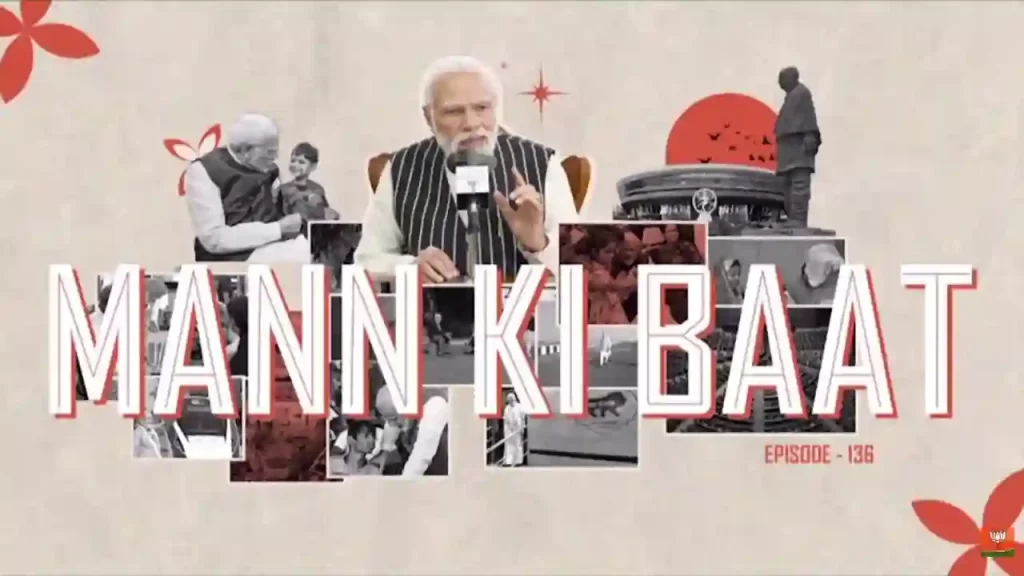
The 136th Episode of Prime Minister Shri Narendra Modi’s Mann Ki Baat, the monthly radio programme that connects the Prime Minister with citizens across the nation. Through this unique platform, PM Modi shares inspiring stories, highlights grassroots innovations, and discusses topics of national importance that encourage public participation and nation-building. In this episode of Mann Ki Baat, PM Modi interacts with the people of India, recognizes exceptional contributions by individuals and communities, and speaks about initiatives that are shaping the country’s progress. The programme reflects the spirit of Jan Bhagidari and celebrates inspiring efforts from every corner of the nation.Video: YT/@NaMo
Lucknow-Kanpur Expressway: Uttar Pradesh’s New High-Speed Corridor
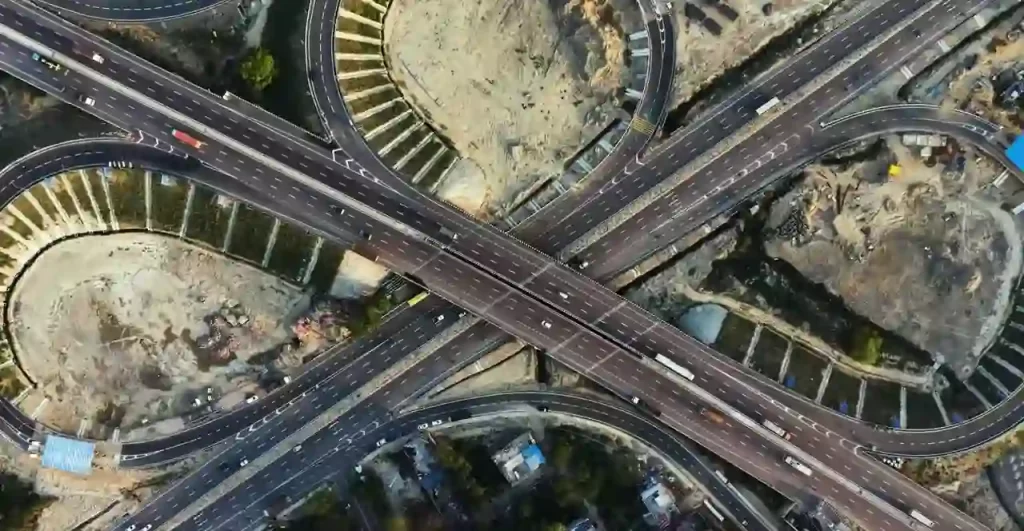
The Lucknow-Kanpur Expressway is one of the most important road infrastructure projects to come out of Uttar Pradesh in recent years, and its opening marks a major shift in how people, goods, and economic activity will move between the state’s two biggest urban centres. Built as a six-lane, access-controlled corridor with advanced traffic systems and a substantial elevated stretch, it is designed to cut travel time dramatically while also easing pressure on the older and more congested routes that commuters have relied on for decades.For travelers, the biggest change is simple and immediate: what used to be a tiring, unpredictable journey of well over two hours can now be completed in a fraction of that time. For the state, the expressway is more than a convenience project; it is a growth corridor that connects Lucknow, Kanpur, Unnao, and surrounding districts through faster mobility, smarter highway management, and stronger investment potential.A Long-Awaited CorridorThe Lucknow-Kanpur road link has been a long-standing demand, and the expressway finally gives that connection a modern, high-capacity form. The project has been completed by the National Highways Authority of India, with construction handled by PNC Infratech, and it runs for about 62.76 km between Amausi in Lucknow and Shuklaganj near Kanpur.What makes the corridor especially significant is that it combines greenfield and brownfield development, meaning it was built both on new land and through upgraded sections near existing urban areas. That blend allowed planners to create a faster, more direct route while still dealing with the practical realities of dense settlements, traffic pressure, and urban connectivity.Route and StructureThe expressway is not just a straight strip of asphalt; it is a carefully engineered corridor with multiple layers of mobility planning built into it. Around 45 km of the route is greenfield alignment, while about 18 km is elevated, making it one of the more advanced highway projects in the state.Its key stretches pass through or near Nawabganj, Banthara, Bani, and Unnao, with integration planned toward the upcoming Ganga Expressway at Unnao. The route includes major bridges, minor bridges, underpasses, flyovers, and interchanges, all of which help the expressway function as an access-controlled corridor rather than a conventional road with frequent interruptions.Faster Travel, Smarter AccessThe main promise of the expressway is time savings. Reports indicate that travel between Lucknow and Kanpur, which currently takes roughly 1.5 to 2.5 hours and sometimes more in heavy traffic, may be reduced to around 45 to 60 minutes, with some early reporting even suggesting a 35- to 45-minute range under ideal conditions.That kind of reduction matters because the corridor links two cities that are central to Uttar Pradesh’s economy, administration, education, and industry. A commuter, logistics operator, or business traveler using the route regularly does not just save time; they gain predictability, and in transport planning, predictability is often as valuable as speed.Elevated Section and Urban ReliefOne of the most impressive engineering features of the project is the elevated stretch through the Lucknow side of the corridor. This section helps vehicles bypass some of the worst congestion around areas such as Amausi, Sarojininagar, and parts of NH-27, which is crucial in a region where urban traffic often slows even fast roads to a crawl.The elevated corridor also shows how expressway planning has evolved in India. Instead of simply widening roads and hoping for better flow, modern projects increasingly try to separate through-traffic from local traffic, allowing long-distance vehicles to move efficiently while reducing conflict with city movement.Technology on the HighwayWhat sets the Lucknow-Kanpur Expressway apart from older highways is its heavy use of intelligent transport systems. The corridor has been equipped with surveillance cameras, variable message signs, video incident detection systems, emergency call boxes, speed radars, and other digital safety tools intended to make the road not just faster, but more manageable and safer.It is also described as India’s first barrier-free expressway, using Automatic Number Plate Recognition technology alongside FASTag-based tolling so vehicles can move without the stop-and-go experience of conventional toll booths. That barrier-free model is important because it reduces delay, lowers congestion at toll points, and creates a more modern highway experience overall.Tolling and User CostsThe expressway’s toll structure is an important part of the public conversation because affordability always shapes how widely such infrastructure is used. Available project details indicate that regular cars may be charged around ₹275 for a one-way trip, with a return trip within 24 hours costing around ₹415, while higher rates apply to light commercial vehicles, buses, trucks, and heavy vehicles.There are also notes that annual FASTag users may benefit from lower effective charges on eligible trips, although final toll notifications are issued by the authorities before public operations begin. For many users, the key question will be whether the time saved and fuel efficiency gained justify the toll cost, especially for frequent intercity travel.Why the Project Matters EconomicallyThe Lucknow-Kanpur Expressway is expected to influence land values, logistics activity, and regional business development along the corridor. Areas near interchanges and access points, particularly around Amausi, Unnao, and Shuklaganj, are likely to draw investor interest as improved connectivity makes them more attractive for residential and commercial development.This kind of effect is common around major highways, but the scale here could be especially notable because the expressway ties into industrial and administrative centres rather than only passing through remote land. Faster movement between airports, highways, warehouses, and city markets can encourage warehousing, manufacturing support services, and new township development in surrounding districts.Engineering College FlyoverAlong with the expressway inauguration, the government is also laying the foundation stone for a four-lane flyover at Engineering College intersection in Lucknow, reportedly at a cost of ₹108 crore. That project is meant to reduce a major local bottleneck and improve access in northern parts of the city, which shows that the highway program is not being treated as a standalone corridor but as part of a wider urban mobility plan.This matters because highway success often depends on what happens at the edges. If entry and exit zones remain congested, the road’s benefits
Prambanan Temple, Indonesia: Java’s Majestic Hindu Monument and a Living Bridge Between Civilizations
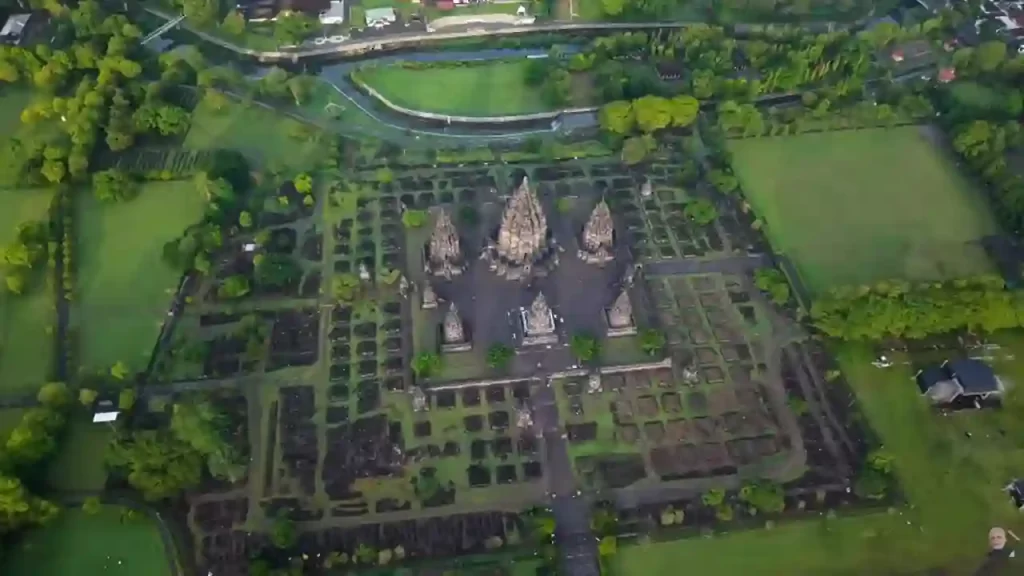
Prambanan Temple is one of Indonesia’s most remarkable historical treasures, a soaring 9th-century Hindu complex near Yogyakarta that still feels powerful even in ruins, not because it is perfectly preserved, but because it carries the grandeur of an ancient civilization in every carved stone and rising spire. As the largest Hindu temple complex in Indonesia and one of the most important in Southeast Asia, it stands today not only as a UNESCO World Heritage Site, but also as a symbol of the long cultural conversation between India and Indonesia.The recent visit by Indian Prime Minister Narendra Modi to Prambanan, alongside Indonesian President Prabowo Subianto, gave the temple renewed international attention, especially after the two leaders marked the beginning of India’s archaeological conservation and restoration project for the site. That gesture matters because Prambanan is more than a monument; it is a shared civilizational memory, built in stone and preserved through diplomacy, scholarship, and devotion.A Monument With Deep RootsPrambanan was built during the 9th and 10th centuries under the Sanjaya dynasty of the ancient Mataram Kingdom, at a time when Hinduism and Buddhism both shaped life on Java’s fertile plains. The temple was dedicated to the Hindu Trimurti, Shiva, Vishnu, and Brahma, and was designed as a sacred landscape rather than a single isolated shrine.What makes its origin story so fascinating is the way it reflects the cosmopolitan character of ancient Southeast Asia. Java was not a peripheral outpost of Indic culture; it was a place where Hindu ideas were absorbed, adapted, and given local artistic expression, creating a monument that feels both familiar and distinctly Indonesian. In that sense, Prambanan is not simply an import from India’s religious world, but a mature regional interpretation of it.Scale and StructureThe Prambanan Temple Compound is made up of several groups of buildings, including the main Prambanan temple complex as well as Sewu, Bubrah, and Lumbung temples. At the heart of the site once stood roughly 240 temples, large and small, spread across a landscape of nearly 40 hectares, making it one of the grandest religious complexes ever built in ancient Java.The central shrine arrangement is especially striking. Three main temples honor Shiva, Vishnu, and Brahma, with Shiva’s temple rising highest at around 47 metres and dominating the skyline with a verticality that immediately sets Prambanan apart from many other temple traditions in Asia. That upward sweep creates a sense of aspiration and sacred hierarchy, as if the entire complex is trying to lift the visitor’s gaze toward the divine.The Architecture & Carvings That SpeakThe first impression Prambanan gives is one of dramatic elegance. Unlike sprawling temple compounds that spread horizontally across a broad footprint, Prambanan rises sharply and symmetrically, with stone towers that create a powerful silhouette against the Javanese sky. This vertical design is not just beautiful; it reflects Hindu cosmology and the idea of sacred order expressed through geometry, elevation, and alignment.Inside the Shiva temple are chambers that house statues of Shiva, Durga, Ganesha, and the sage Agastya, reinforcing the temple’s theological depth and ritual purpose. Around the central shrines, rows of smaller pervara shrines once created a dense sacred field, and although many are now in ruins, their remains still help convey the scale and ambition of the original complex.One of Prambanan’s greatest artistic achievements is its relief sculpture. The temple galleries are decorated with finely carved bas-reliefs depicting episodes from the Ramayana, allowing visitors to move around the structure almost as if they are reading a sacred story in stone. That narrative quality gives the site a remarkable human texture. The carvings are not merely decorative; they function as theological instruction, cultural memory, and visual storytelling, connecting architecture to epic literature in a way that turns the temple into a living manuscript. Visitors traditionally walk clockwise around the corridors, following the sequence of scenes, which turns movement itself into an act of contemplation.Prambanan and BorobudurPrambanan is often discussed alongside Borobudur, the great Buddhist monument nearby, and the pairing is one of the most compelling features of Java’s cultural landscape. Where Borobudur represents the island’s Buddhist heritage, Prambanan reveals its Hindu legacy, and together they show that ancient Java was home to overlapping traditions rather than a single religious identity.That coexistence is historically important because it reminds us that Southeast Asian civilizations were deeply plural, creative, and interconnected. The two monuments, standing in the same broader region, make a powerful case for understanding heritage not as a fixed label, but as a layered record of exchange, adaptation, and local genius.UNESCO Recognition and PreservationPrambanan was designated a UNESCO World Heritage Site in 1991, a recognition that underlined both its architectural importance and its vulnerability. Like many ancient monuments, it has faced damage from age, weathering, and seismic events, which is why conservation has been central to its survival.India’s involvement in the current restoration effort is especially notable because the Archaeological Survey of India has a long history of heritage conservation in Southeast Asia, including documentation work at the Borobudur temple compounds. The Prambanan project is therefore part of a broader effort to preserve not just a structure, but a shared historical vocabulary that connects South and Southeast Asia across centuries.Why Prambanan Still MattersPrambanan matters today because it speaks to more than religion or tourism. It is a reminder that civilizations travel through architecture, that faith can become form, and that cultural influence often survives longest in stone. For Indonesia, it is a monument to the Hindu past that helped shape its early history; for India, it is a reminder of how widely Indic traditions once flowed and how deeply they were transformed abroad.It also matters because heritage diplomacy is not abstract. When leaders jointly restore a temple, they are not only protecting old walls; they are affirming a relationship between histories, publics, and identities. The plaque unveiled by Modi and Prabowo at Prambanan therefore carries meaning well beyond ceremony, because it ties preservation to friendship, scholarship, and mutual respect.ConclusionPrambanan Temple is one of Southeast Asia’s great cultural masterpieces, a place
Bharat Innovates 2026: Showcasing India’s Deep-Tech Ambitions on the Global Stage
IntroductionAs countries around the world compete to lead the next wave of technological innovation, India has increasingly positioned itself not only as a hub for software and digital services but also as a growing centre for deep-tech research and entrepreneurship. Bharat Innovates 2026, held in Nice, France, marked an important step in that journey by providing Indian startups, researchers and academic institutions with a global platform to showcase indigenous technologies and build international partnerships.Organised under the Ministry of Education with strategic guidance from the Office of the Principal Scientific Adviser to the Government of India, Bharat Innovates 2026 brought together India’s innovation ecosystem—including startups, higher educational institutions, investors, industry leaders and policymakers—to demonstrate the country’s capabilities in emerging technologies. The initiative reflected India’s broader vision of transforming itself from a technology consumer into a global technology developer and exporter.What is Bharat Innovates 2026?Bharat Innovates 2026 is India’s first large-scale international deep-tech showcase designed to present the country’s most promising innovations before a global audience. The event featured around 120 carefully selected deep-tech startups, research institutions and universities working across strategic technology sectors.Unlike traditional startup exhibitions that primarily focus on fundraising, Bharat Innovates was conceived as a global accelerator to facilitate research collaborations, pilot projects, technology commercialisation, manufacturing partnerships and international market access. It also sought to strengthen links between Indian innovators and investors, industries, universities and governments from around the world. Why the Initiative MattersIndia has emerged as one of the world’s fastest-growing startup ecosystems, with thousands of technology companies working in areas such as artificial intelligence, biotechnology, space technology, robotics and semiconductor design. However, many deep-tech startups often face challenges in accessing international markets, research partnerships and long-term investments.Bharat Innovates 2026 was designed to bridge this gap by providing a dedicated international platform where Indian innovators could directly interact with global venture capital firms, multinational corporations, research organisations and government agencies.The initiative also highlights a shift in India’s innovation strategy. Instead of focusing only on information technology services, the country is increasingly investing in technologies that require advanced scientific research, intellectual property development and long-term industrial applications. Key Focus AreasThe event showcased innovations across a wide range of strategic sectors that are expected to shape the future global economy.Artificial Intelligence and machine learning emerged as major focus areas, with startups presenting solutions in healthcare diagnostics, language technologies, automation and industrial applications.Space technology formed another important segment, reflecting India’s growing capabilities following the success of missions such as Chandrayaan and Aditya-L1. Several startups demonstrated satellite technologies, earth observation solutions and launch-related innovations.Other sectors included:Semiconductor technologiesDefence and aerospaceBiotechnologyClimate and clean energyQuantum technologiesAdvanced manufacturingRobotics and automationAgritech and food securityHealthcare technologiesThe diversity of innovations reflected the growing maturity of India’s research and startup ecosystemIndia-France CollaborationOne of the defining aspects of Bharat Innovates 2026 was its role in strengthening technology cooperation between India and France.The event was inaugurated by Prime Minister Narendra Modi and French President Emmanuel Macron during the India-France Year of Innovation. Both leaders emphasised the importance of collaborative research, innovation-driven economic growth and stronger partnerships in emerging technologies.France has become an important strategic partner for India in areas such as defence, aerospace, artificial intelligence and clean energy. Bharat Innovates expanded this cooperation by creating opportunities for joint research projects, technology transfer and industrial collaboration between institutions from both countries. Opportunities for Indian StartupsFor participating startups, Bharat Innovates represented far more than an exhibition.The event provided opportunities to pitch technologies before global investors, establish commercial partnerships, explore international markets and collaborate with universities and research laboratories.Many startups working in advanced technologies often require long-term funding and access to specialised expertise rather than traditional venture capital alone. By bringing together investors, research institutions and industry leaders under one platform, Bharat Innovates aimed to accelerate the commercialisation of Indian innovations.The initiative also sought to encourage Indian startups to think globally from the early stages of product development instead of limiting themselves to domestic markets. Role of Higher Educational InstitutionsUniversities and research institutions formed a significant part of Bharat Innovates 2026.Premier institutions including the Indian Institutes of Technology (IITs), research laboratories and innovation centres showcased technologies developed through academic research. Projects ranged from healthcare solutions and advanced materials to artificial intelligence, defence technologies and sustainable engineering.The participation of academic institutions reflected the growing emphasis on translating scientific research into commercially viable technologies and supporting innovation-driven entrepreneurship within higher education.Supporting the Vision of Atmanirbhar BharatBharat Innovates also aligns closely with the Government of India’s vision of Atmanirbhar Bharat by promoting indigenous innovation in strategically important sectors.Rather than depending entirely on imported technologies, India is encouraging domestic research, intellectual property creation and advanced manufacturing capabilities.This approach has become particularly important in sectors such as semiconductors, defence equipment, artificial intelligence, cybersecurity and quantum technologies, where technological self-reliance is increasingly viewed as a strategic necessity.Through initiatives such as Bharat Innovates, the government aims to strengthen India’s position as both an innovation hub and a technology exporter.Challenges AheadWhile Bharat Innovates represents an important milestone, several challenges remain.Deep-tech startups typically require larger investments, longer development timelines and stronger research infrastructure compared to conventional technology startups. Commercialising advanced scientific innovations also involves regulatory approvals, manufacturing capabilities and sustained industry collaboration.Maintaining global competitiveness will require continued investment in research and development, stronger university-industry partnerships and policies that encourage innovation while supporting entrepreneurs through different stages of growth.Looking AheadBharat Innovates 2026 represents more than a single international event. It reflects India’s broader ambition to become a leading contributor to global technological advancement.As emerging technologies continue to reshape industries worldwide, initiatives that connect Indian researchers and startups with international partners are expected to play an increasingly important role in driving innovation-led economic growth.By providing a global platform for indigenous technologies, Bharat Innovates has the potential to strengthen India’s innovation ecosystem and accelerate the transition from research laboratories to commercial markets.ConclusionBharat Innovates 2026 marked a significant milestone in India’s efforts to establish itself as a global centre for deep-tech innovation. By bringing together startups, researchers, universities, investors and policymakers on an international platform, the initiative showcased the growing capabilities
Kalpasar Project: Gujarat’s Ambitious Plan to Build the World’s Largest Freshwater Reservoir
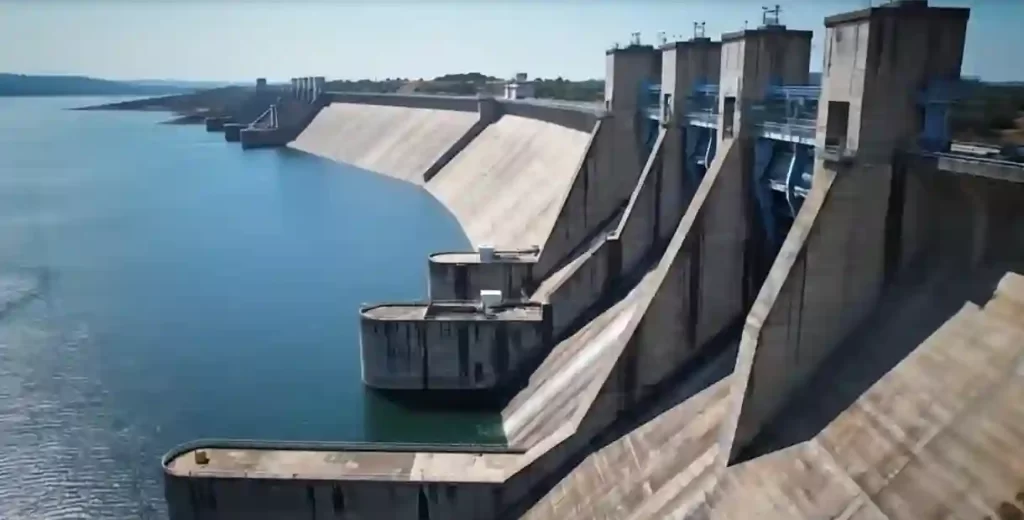
IntroductionFor decades, Gujarat has grappled with an uneven distribution of water resources. While some regions receive adequate rainfall and river water, others—particularly the Saurashtra, Kutch and North Gujarat regions—continue to face recurring water scarcity, declining groundwater levels and prolonged drought-like conditions. Addressing this challenge has remained one of the state’s biggest developmental priorities.Among the many water management initiatives proposed over the years, the Kalpasar Project stands out as one of the most ambitious and technically challenging. Envisioned as a multipurpose infrastructure project, Kalpasar aims to construct a massive dam across the Gulf of Khambhat to create what is expected to become the world’s largest freshwater reservoir in a marine environment. The project has been designed not only to improve water availability but also to strengthen transport connectivity, support industrial growth and enhance long-term water security across Gujarat. Although the project has been under discussion for nearly four decades, recent developments—including the finalisation of the Detailed Project Report (DPR) and renewed technical collaborations—have once again brought it into focus. The Vision Behind the Kalpasar ProjectThe Kalpasar Project, officially known as the Gulf of Khambhat Development Project, was conceptualised during the 1980s as a long-term solution to Gujarat’s growing water requirements.The central idea behind the project is to construct a dam across the Gulf of Khambhat, preventing freshwater from flowing directly into the Arabian Sea. Instead, the freshwater carried by rivers such as the Narmada, Sabarmati, Mahi, Dhadhar and several smaller rivers would be stored within a massive coastal reservoir for future use.Unlike conventional dams that are built across rivers, Kalpasar proposes building a barrier across a section of the sea. If implemented successfully, it would represent one of the largest and most complex coastal reservoir projects ever attempted anywhere in the world. Why Gujarat Needs a Project Like KalpasarDespite significant investments in irrigation and river-linking projects, Gujarat continues to face considerable regional disparities in water availability.Large quantities of freshwater from major rivers flow into the Gulf of Khambhat every monsoon before they can be effectively stored or utilised. Experts estimate that thousands of million cubic metres of freshwater eventually drain into the sea each year.At the same time, several districts in western Gujarat regularly depend on groundwater extraction, water tankers and long-distance canal networks to meet drinking and irrigation requirements.Kalpasar has been conceived as a solution to bridge this imbalance by capturing surplus monsoon water and storing it for use throughout the year.The project is expected to support irrigation, drinking water supply and industrial development while reducing dependence on groundwater resources. How the Project Will WorkThe project proposes constructing a massive sea dam across the Gulf of Khambhat, creating an enormous freshwater reservoir behind it.Freshwater from multiple rivers flowing into the gulf would gradually accumulate within the reservoir, while engineering systems would prevent seawater intrusion and maintain water quality.The revised plan also incorporates the Bhadbhut Barrage on the Narmada River, which will help divert freshwater into the proposed reservoir and reduce salinity intrusion in the river. This barrage has become an important component of the overall Kalpasar vision. Apart from storing water, the project also proposes the construction of a multi-lane road over the dam, significantly improving connectivity between South Gujarat and the Saurashtra region.Key Objectives of the ProjectKalpasar has been planned as a multipurpose infrastructure project rather than merely a water storage scheme.Its primary objective is to create a reliable freshwater source capable of supplying drinking water to drought-prone regions while expanding irrigation coverage for agriculture.The project also seeks to support Gujarat’s rapidly growing industrial sector by ensuring long-term water availability for manufacturing and urban development.Another important objective is to improve transportation by providing a direct road connection across the Gulf of Khambhat. Such connectivity is expected to substantially reduce travel distance and time between Bhavnagar, Bharuch and other parts of Gujarat, improving the movement of people and goods.The project is also expected to contribute to fisheries development, groundwater recharge and regional economic growth. Earlier proposals included a tidal power generation component, although this has since been excluded from the revised project design.Economic ImportanceIf completed, the Kalpasar Project could become one of Gujarat’s most transformative infrastructure initiatives.Reliable water availability is expected to benefit agriculture by enabling irrigation across large areas that currently depend on uncertain rainfall. Increased agricultural productivity could improve rural incomes while strengthening food security.The project is also expected to support industrial expansion by ensuring water availability for manufacturing clusters, ports and urban centres.The proposed road link over the dam would improve logistics, reduce transportation costs and enhance connectivity between different parts of the state, creating opportunities for trade and investment.Large-scale construction activities are also expected to generate employment across engineering, construction, transport and allied sectors.Environmental and Technical ChallengesDespite its potential benefits, Kalpasar remains one of India’s most technically challenging infrastructure projects.Constructing a dam across a tidal gulf requires sophisticated engineering solutions capable of withstanding strong tidal currents, marine conditions and complex geological formations.Environmental experts have also expressed concerns regarding the project’s potential impact on marine biodiversity, fisheries, coastal ecosystems and sediment movement.Changes in salinity levels, water circulation and ecological balance within the Gulf of Khambhat will require careful scientific assessment before construction can proceed.For this reason, numerous environmental, hydrological and technical studies have been conducted over the past several years to evaluate the project’s long-term feasibility. Why the Project Has Been DelayedAlthough the Kalpasar Project was first proposed in the 1980s, implementation has been repeatedly delayed.The project’s enormous scale, evolving design, environmental concerns and engineering complexity have required extensive feasibility studies before construction could begin.Over the years, multiple revisions have been made to the original proposal. The length of the proposed dam has been reduced, the tidal power component has been removed, and greater emphasis has been placed on ensuring environmental sustainability.The preparation of the Detailed Project Report has taken considerable time due to the large number of scientific studies and inter-departmental consultations required for a project of this magnitude.Current StatusThe Kalpasar Project has recently gained renewed momentum.According to the Gujarat government, the Detailed Project Report (DPR) has reached its final stages.
The Longest-Serving Indian PM: Narendra Modi Surpasses Nehru’s Record with 4,399 Days
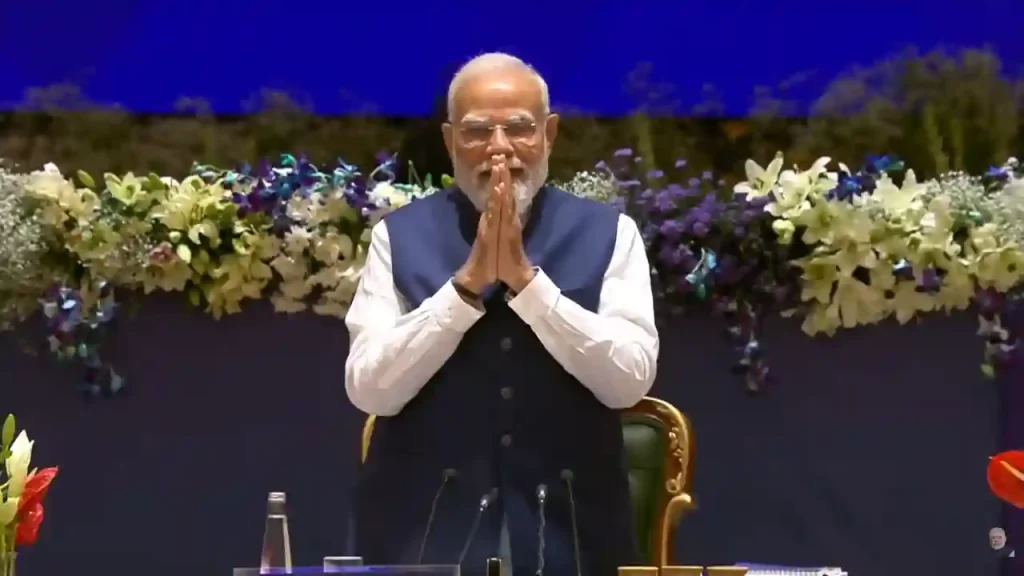
Prime Minister Narendra Modi has officially become India’s longest continuously serving elected Prime Minister, completing 4,399 consecutive days in office on June 10, 2026, surpassing the previous record of 4,398 days held by Jawaharlal Nehru after the country’s first general elections, with the Union Cabinet passing a historic resolution marking this milestone as a symbol of India’s democratic consciousness and public trust. Mr Modi took the oath of office on 26th May 2014 and has surpassed Pandit Jawaharlal Nehru, who first took the oath as an elected Prime Minister on 13th May 1952 and served until 27th May 1964, with Nehru’s tenure amounting to 4,398 days while Modi’s continuous tenure from 26th May 2014 to 10th June 2026 now stands at 4,399 days, making him the longest-serving elected Prime Minister in India’s history.The Historic Milestone: 4,399 Days of Continuous Service Surpassing Nehru’s 1952-1964 RecordThe achievement of Prime Minister Narendra Modi is particularly noteworthy given the scale and complexity of governance in India, a nation of over 1.4 billion people characterized by extraordinary diversity in language, culture, religion, and geography, making sustained leadership across three consecutive national mandates in the world’s largest democracy unprecedented in Indian political history. At a time when many countries have witnessed political churn, frequent changes in government, and policy uncertainty, India has experienced continuity in leadership and governance, reflecting sustained public trust across three consecutive national mandates that demonstrates the unprecedented support bestowed by the people upon a leader guided by the ‘Nation First’ resolve.The Union Cabinet today passed a resolution marking June 10, 2026, as an historic milestone in the journey of Indian democracy, applauding Shri Narendra Modi for becoming the longest-serving elected Prime Minister of the country by establishing a record of 4,399 days of continuous service as an elected PM, surpassing the previous record held by Shri Jawaharlal Nehru, who served for 4,398 continuous days from 1952 to 1964. This occasion stands as a symbol of India’s democratic consciousness, public trust, and the power of public participation, with the resolution extending heartfelt congratulations and best wishes to the Prime Minister while highlighting that this achievement coincides with the NDA government completing 12 years under his leadership.From Humble Beginnings to the Nation’s Highest OfficePrime Minister Modi’s rise from a humble socio-economic background to the highest elected office without the support of a political dynasty is widely seen as an illustration of the opportunities and social mobility offered by India’s democratic system, marking a departure from traditional political patterns where family connections often determined leadership trajectories. Shri Narendra Modi served as the Chief Minister of Gujarat for 14 years and was applauded for the economic growth and setting up advanced infrastructure in the state, among other key developments, before ascending to the nation’s highest office, where he is known for campaigns like Swachh Bharat, Make in India, Digital India, and many more.Amongst his several accolades, he is also famous for being the first Indian to win the Seoul Peace Prize award in 2018, while Independent global surveys have consistently ranked Prime Minister Modi among the world’s most popular democratic leaders, with him also being conferred with the highest civilian honours of more than 30 countries. Harivansh Narayan Singh, Deputy Chairman of the Rajya Sabha, praised PM Modi’s leadership, describing him as a “visionary” who has successfully translated ideas into action, remarking to ANI that “since independence, he is perhaps the first politician and a visionary who didn’t just dream but actually implemented those dreams, bringing them to reality on the ground”.Poverty Eradication and Inclusive Development:During Prime Minister Modi’s tenure, nearly 250 million Indians moved out of multidimensional poverty, with the resolution acknowledging that the welfare of the poor has been placed at the center of governance, detailing an unprecedented scale of amenities delivered including pucca houses, electricity, clean water, and direct benefit transfers, alongside free rations for over 80 crore citizens and free medical treatment for over 60 crore poor individuals. These efforts collectively boosted national self-confidence and enabled over 25 crore people to defeat poverty, expressing gratitude for the policies that have enabled more than 25 crore poor people in India to defeat poverty under his leadership.The resolution maps the empowerment of key demographics, recognizing the focus on youth power that propelled India into becoming the world’s third-largest startup ecosystem and a scientific power through Mission Chandrayaan, while a new chapter of ‘Women-Led Development’ is detailed through comprehensive policies ranging from smoke-free kitchens and the Lakhpati Didi campaign to the historic 33 percent reservation for women in legislative bodies. Affirming farmers as a core pillar of a ‘Viksit Bharat’, the text applauds initiatives like PM Kisan Samman Nidhi and the provision of Kisan Credit Cards to pastoralists and fishermen, which have helped propel agricultural exports past the Rs 5 lakh crore mark, appreciating his efforts directed towards inclusive growth and social justice.Digital Infrastructure and Economic TransformationDuring this period, India has strengthened its position as the world’s fastest-growing major economy, concluded major trade agreements with leading economies, and emerged as a more influential voice on global issues, including development, technology, climate action, and the priorities of the Global South, with people seeing rapid expansion of digital public infrastructure, large-scale infrastructure development, improvements in welfare delivery, and broad-based socio-economic progress. The resolution attributes the advancement of India’s manufacturing capabilities in sectors from defense to AI to the momentum gained by the ‘Make in India’ and ‘Aatmanirbhar Bharat’ campaigns, underlining that political stability, dynamic governance, and far-sighted policies of the last 12 years have transformed India into the world’s fastest-growing large economy.Union Minister Sukanta Majumdar also celebrated PM Modi’s historic milestone, emphasizing its significance in Indian political history, saying “There is a special day in the political history of India. Prime Minister Narendra Modi has set the record for the longest tenure as India’s Prime Minister.” Singh highlighted key policy initiatives under Modi’s tenure, including the introduction of a 33 per cent reservation for women in the Lok Sabha and State Legislative Assemblies, the implementation of
PM Modi’s Mann Ki Baat: Episode – 134th
PM Modi’s Mann Ki Baat: Episode – 134thVideo: YT/NaMo