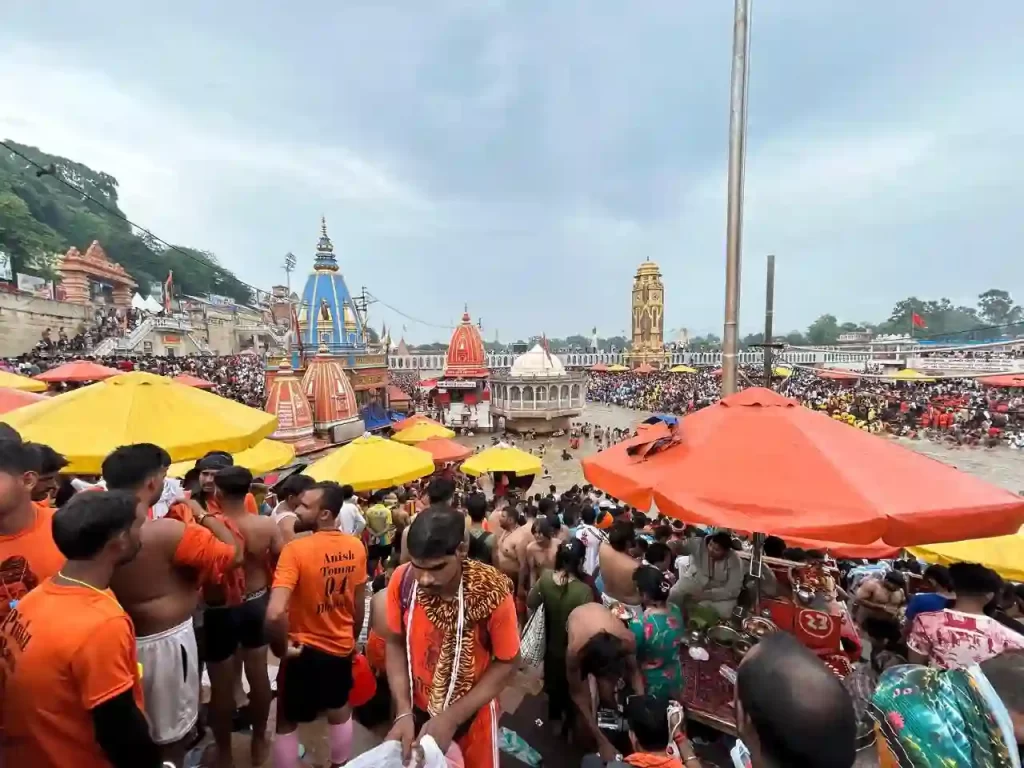
The Amarnath pilgrimage in 2026 is unfolding as one of Jammu and Kashmir’s most significant religious and administrative operations of the year, combining devotion, difficult Himalayan terrain, large-scale public infrastructure, and extensive security planning. While the main Shri Amarnath Ji Yatra to the high-altitude cave shrine runs from July 3 to August 28, the parallel Baba Budha Amarnath Yatra in Poonch began in August and will also culminate around Raksha Bandhan. Together, these pilgrimages reflect the many layers of the Amarnath tradition: the spiritual pull of Lord Shiva, the importance of local shrines, the resilience of pilgrims, and the enormous coordination required to make a high-altitude religious journey safer and more accessible.
Main Amarnath Yatra 2026
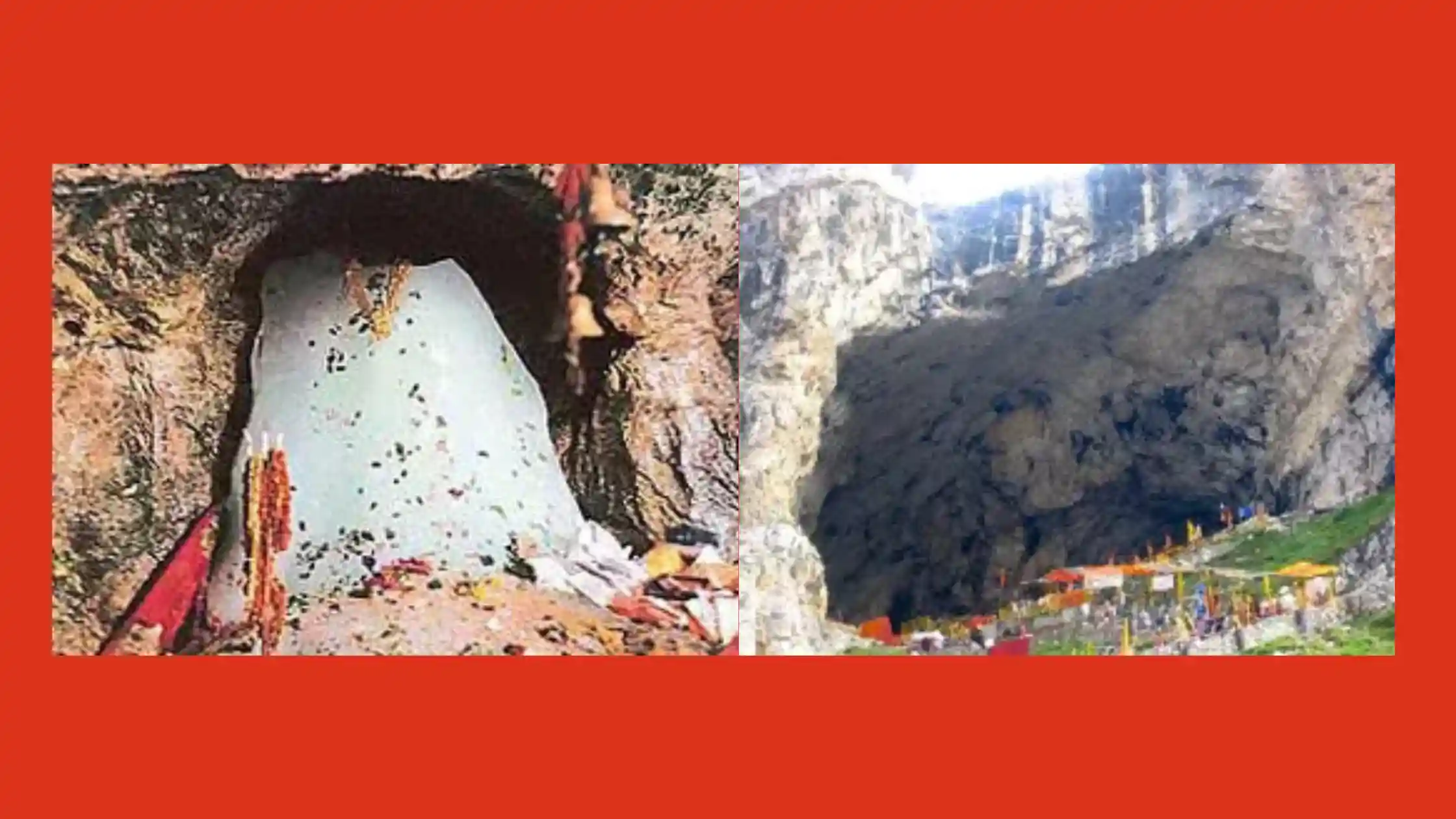
The principal Shri Amarnath Ji Yatra began on July 3, 2026, and is scheduled to conclude on August 28, covering 57 days. Registration opened on April 15 through online and offline channels, with arrangements intended to regulate the number of pilgrims and manage the capacity of the two main routes. The pilgrimage leads to the revered cave shrine in south Kashmir, where devotees worship the naturally formed ice Shivling associated with Lord Shiva. The two traditional routes begin from Pahalgam and Baltal, each offering a different physical and logistical experience.
The Pahalgam route is longer and generally considered more gradual, while the Baltal route is shorter but steeper. Pilgrims may use facilities such as ponies, palkis, camps, and other authorised support services, though the journey remains physically demanding because of altitude, weather, steep gradients, and rapidly changing mountain conditions.
The Significance of the Cave Shrine
The Amarnath Cave is one of the most revered Shiva pilgrimage sites in India. Its religious importance comes from the belief that Lord Shiva revealed the secret of immortality to Goddess Parvati in this remote Himalayan cave, away from the distractions of the world. For devotees, the journey is therefore not simply a visit to a temple. It is an act of endurance and surrender, where the difficulty of the terrain becomes part of the spiritual experience. Walking through the mountains, chanting “Har Har Mahadev,” and reaching the cave after days of effort gives the pilgrimage a deeply personal meaning that cannot be separated from the physical journey.
Baba Budha Amarnath Yatra.
The Baba Budha Amarnath Yatra is a separate but closely associated pilgrimage to the ancient Baba Budha Amarnath Temple in Rajpura village of Mandi tehsil in Poonch district. The 2026 yatra began in mid-August and will continue until August 28, with the first batch of pilgrims travelling from Bhagwati Nagar in Jammu under enhanced security arrangements. The temple is located at an altitude of around 4,600 feet and is associated with a self-manifested white stone Shivling. Pilgrims traditionally bathe in the nearby Pulastya River before entering the shrine, adding a ritual dimension to the journey.
The route from Jammu to Poonch covers roughly 230 kilometres through mountainous terrain. Although it is distinct from the higher-altitude cave pilgrimage, many devotees regard the Baba Budha Amarnath journey as an important part of their wider spiritual connection with the Amarnath tradition.
Security and Administration
Because the pilgrimage takes place in sensitive and difficult terrain, security is one of the central pillars of the 2026 arrangements. Authorities have deployed multi-layered surveillance across Poonch, Rajouri, Jammu, and the main transit routes, while pilgrim convoys are being moved under police escort with additional Central Armed Police Forces deployed in key areas. The district administration has prepared waterproof tents, langar facilities, parking zones, medical stations, sanitation arrangements, and route-management systems. A dedicated portal has also been launched to support advance registration for pilgrims travelling to Baba Budha Amarnath from different parts of the country. These arrangements are particularly important because a pilgrimage of this scale involves more than crowd control. Authorities must coordinate transport, emergency response, weather monitoring, food supply, medical care, communications, and evacuation systems across difficult terrain where access can quickly become complicated.
Food Safety at Baltal
Food safety has emerged as another important part of the 2026 Amarnath operation. At the Baltal base camp, the Food Safety Department tested 576 samples during the SANJAY-2026 exercise and reported that all samples met the prescribed standards. The department also carried out 354 inspections of langars and food establishments, conducted awareness programmes for food handlers, and organised training sessions on hygiene and safe food preparation. Such preventive measures are crucial because thousands of pilgrims depend on communal kitchens and temporary food facilities during the yatra. The figures show that modern pilgrimage management is no longer limited to roads, tents, and security. Public health, sanitation, food quality, and disease prevention have become equally important parts of the infrastructure supporting religious travel.
The Chhari Mubarak
The Chhari Mubarak, the sacred mace associated with the Amarnath pilgrimage, remains one of the most important religious traditions of the yatra. In 2026, it is scheduled to leave Srinagar on August 22 and reach the Holy Cave on August 28 after halting at important religious locations along the route. The journey includes visits to temples such as the Shiv Temple at Bijbehara, Martand-Tirth Mattan, and the Gourishankar Temple at Pahalgam. Officials have been directed to ensure that firewood, food, puja materials, drinking water, accommodation, and sanitation remain available throughout the procession. The Chhari Mubarak gives the yatra a ceremonial and spiritual centre. While ordinary pilgrims undertake the difficult route in large numbers, the sacred mace represents the continuity of the tradition itself, linking present-day devotees with generations of worshippers who have followed the same devotional path.
Why the Yatra Matters to the Region
The Amarnath Yatra has significance beyond religion. It supports local transport operators, pony owners, porters, hotels, restaurants, medical workers, traders, camp operators, and small businesses along the routes. For many families in the region, the pilgrimage season is an important source of annual income.
It also brings together people from different regions of India, creating a distinctive social and cultural exchange. Pilgrims arrive from across the country, while local communities, security personnel, volunteers, and service providers participate in the organisation of the journey. At the same time, the scale of the pilgrimage creates pressure on the environment. Waste management, water use, traffic, sanitation, and protection of fragile mountain ecosystems must remain part of the long-term planning. A successful yatra is therefore one that balances devotion with responsibility toward the landscape through which it passes.
Anyone planning to undertake the Amarnath Yatra should treat it as a physically demanding mountain pilgrimage rather than an ordinary tourist trip. Registration, medical certification, identification documents, route permissions, and official instructions should be followed carefully. Pilgrims should also prepare for cold weather, rain, altitude-related discomfort, long walking stretches, limited connectivity, and sudden changes in route conditions. Proper footwear, layered clothing, essential medicines, hydration, and a gradual approach to altitude can make the journey safer and more manageable. The most important principle is to follow the instructions of the Shrine Board, local administration, police, and medical teams. In a high-altitude environment, flexibility and caution are often more valuable than speed.
Conclusion
Amarnath Yatra 2026 is a powerful example of how faith and administration now intersect on a massive scale. The pilgrimage brings together ancient religious traditions, difficult Himalayan geography, modern registration systems, multi-layered security, food-safety monitoring, medical services, and regional economic activity. Whether one travels to the high-altitude Holy Cave or to Baba Budha Amarnath in Poonch, the essence of the journey remains the same: devotion expressed through effort, discipline, and endurance. As the yatra concludes around August 28, the lasting image will be that of thousands of pilgrims moving through the mountains with faith, while an equally large network of officials, volunteers, local residents, and security personnel works behind the scenes to make that journey possible.