




Wings India 2026: Celebrating Aviation Excellence and Cultural Unity in the Skies
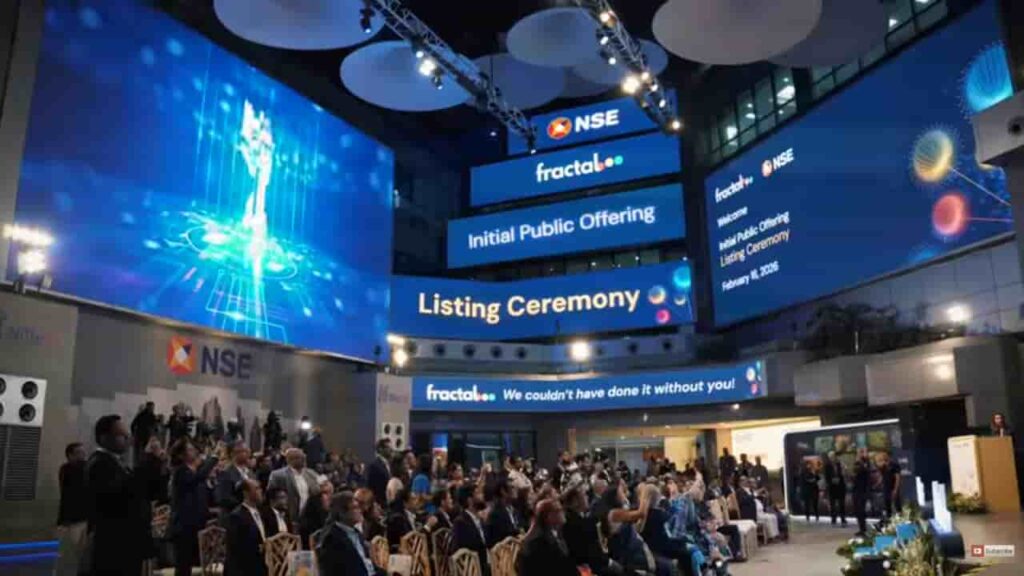
Gujarat wins top aviation award as Air India Express showcases India’s rich heritage through music and art Hyderabad: The Wings India 2026 aviation expo, held at Begumpet Airport from January 28-31, has emerged as more than just an industry gathering—it’s a celebration of how aviation connects cultures, builds communities, and drives economic progress across the nation. The four-day event brought together thousands of aviation professionals, exhibitors, and enthusiasts from around the world, highlighting India’s position as one of the fastest-growing aviation markets globally. From cutting-edge technology exhibits to cultural performances on the tarmac, the expo demonstrated that modern aviation is about more than just moving people—it’s about creating meaningful connections. Gujarat Soars High with Prestigious Recognition Gujarat received the coveted ‘Best State for Promotion of Aviation Ecosystem’ award, presented by Union Minister for Civil Aviation Shri K. Ram Mohan Naidu. The state shared this honor with Telangana and Uttarakhand, recognizing their exceptional contributions to India’s aviation sector. KL Bachani, Gujarat’s Civil Aviation Commissioner, attributed the achievement to Chief Minister Bhupendra Patel’s visionary leadership and the state’s focus on world-class infrastructure. “This honor reflects Gujarat’s commitment to making air travel more accessible for citizens while driving economic growth,” Bachani said. The award acknowledges Gujarat’s impressive progress in aviation infrastructure, including maintenance, repair, and overhaul (MRO) facilities and the aircraft leasing sector. This marks Gujarat’s third consecutive recognition at Wings India, having previously won awards in 2022 and 2024, demonstrating sustained excellence in aviation development. When Aviation Meets Art: Air India Express’s Cultural Showcase One of the most memorable moments at Wings India 2026 was Air India Express’s spectacular cultural performance featuring legendary singer Usha Uthup. The unique event took place on the airport tarmac beside the airline’s stunning first line-fit Boeing 737-8 aircraft, VT-RNT, adorned with livery inspired by traditional Parsi Gara embroidery. Uthup performed alongside talented artists from eleven Indian states: Andhra Pradesh, Assam, Delhi, Gujarat, Jammu & Kashmir, Karnataka, Kerala, Maharashtra, Odisha, Punjab, and Tamil Nadu. The performance created a vibrant tapestry of India’s diverse cultural heritage against the backdrop of modern aviation. “Music is a language that connects people across cultures and geographies,” Uthup said. “Performing at Wings India as the country’s cultural ambassador makes this truly special.” Aviation with Heart: Connecting People, Not Just Places Siddhartha Butalia, Chief Marketing Officer of Air India Express, emphasized the deeper purpose behind aviation. “In an increasingly digitally connected world, the true value of travel lies in real, immersive experiences and meaningful human connections,” he explained. The airline also received the prestigious ‘Domestic Connectivity’ award from the Ministry of Civil Aviation, recognizing its efforts to expand air travel access across India. This follows their ‘Sustainability Champions’ recognition at Wings India 2024. Air India Express’s ‘Tales of India’ initiative showcases India’s artistic heritage through aircraft liveries featuring indigenous designs like Kalamkari, Bandhani, Jamawar, Warli, and Phulkari. Their ‘Gourmair’ in-flight dining extends this cultural celebration to regional cuisines, featuring special menus for festivals like Onam, Navratri, and Diwali. The new Boeing 737-8 aircraft features ergonomically designed seats, fast-charging power outlets, on-board ovens for hot meals, spacious overhead bins, and Boeing’s Sky Interior with soothing mood lighting, proving that comfort and culture can fly together. Building Tomorrow’s Skies Today Wings India 2026 demonstrated that India’s aviation sector is not just about economic growth; it’s about inclusivity, sustainability, and preserving cultural identity while embracing innovation. As states like Gujarat lead infrastructure development and airlines like Air India Express celebrate regional diversity, Indian aviation is truly paving the future from design to deployment. The event reinforced that when aviation connects people meaningfully, everyone wins, from passengers experiencing rich cultural journeys to states driving economic development through better connectivity.
Maruti Suzuki e-Vitara Launched: India’s EV Game-Changer Hits Roads at ₹10.99 Lakh BaaS

Maruti Suzuki e-Vitara Launched: India’s EV Game-Changer Hits Roads at ₹10.99 Lakh BaaS Maruti Suzuki, India’s top carmaker, has electrified the SUV segment with the e Vitara launch, deliveries underway at an introductory Battery-as-a-Service (BaaS) price of ₹10.99 lakh + ₹3.99/km battery EMI (49kWh Delta trim), undercutting rivals like Tata Curvv EV and Mahindra BE 6 while offering up to 543km range. Pricing & Ownership Revolution Bookings from ₹21,000 open now (full list pending); offers valid till March 31, 2026. BaaS splits costs (dual-loan), with e Flex matching existing EMI for upgrades. Assured buybacks shine: 3-yr/45,000km: 60% value 4-yr/60,000km: 50% value Trims: Delta (49kWh, 440km ARAI), Zeta/Alpha (61kWh, 543km). WLTP: 344-461km real-world. Powertrain & Performance Maruti Suzuki e-Vitara packs two LFP battery options and efficient motors into its HEARTECT-e platform, delivering strong performance for urban and highway EV duties. HEARTECT-e platform (60%+ high-tensile steel) with LFP packs: 49kWh: 142hp FWD, 189Nm 61kWh: 172hp FWD/300Nm 4WD (ALLGRIP-e) Motor & Drivetrain Permanent Magnet Synchronous Motors (PMSM) with integrated eAxle: 49kWh FWD: 142hp (105.8kW), 193Nm torque. 61kWh FWD: 172-174hp (128kW), 193Nm. 61kWh ALLGRIP-e AWD: Dual motors (~181hp total), up to 300Nm, grip for monsoons/hills. Top speed: 160kmph; 0-100kmph ~9 secs (tested). Regen braking, single-speed auto gearbox ensures smooth one-pedal efficiency; 5-star Bharat NCAP body shields packs. Safety & Features Standouts 5-star Bharat NCAP with Level-2 ADAS (AEB, Lane Keep, Adaptive Cruise, Blind Spot), 7 airbags (knee incl.), Suzuki Connect (60+ features). Dual 10.1-inch screens, ventilated seats, panoramic sunroof, 18-inch alloys, 10 colors (4 dual-tone). Ecosystem Edge: NEXA Exclusives 1,500+ EV-ready centers, trained managers. ₹250 cr investment for 1L chargers by 2030. 8-yr/1.6L km battery warranty; 3-yr vehicle (extend to 8 yrs). Delhi-Chandigarh: 63 chargers demo range confidence. Exports: 13,000 units to 28 countries post-Aug 2025 Gujarat plant ramp-up (Toyota collab). Competitive Positioning Maruti eyes mass EV adoption amid 2% market share (Jan 2026 debut post-Auto Expo 2025 eVX concept). Vs Hyundai Creta EV/MG Windsor: BaaS affordability, vast network win for first-timers. CEO Hisashi Takeuchi: “e Vitara mirrors Maruti reliability for EV peace-of-mind.” Book at NEXA; expect 50,000+ annual sales, scaling India’s green shift.
Government Announces 7 New Bullet Train Corridors in India: A Transformative Push for High-Speed Connectivity
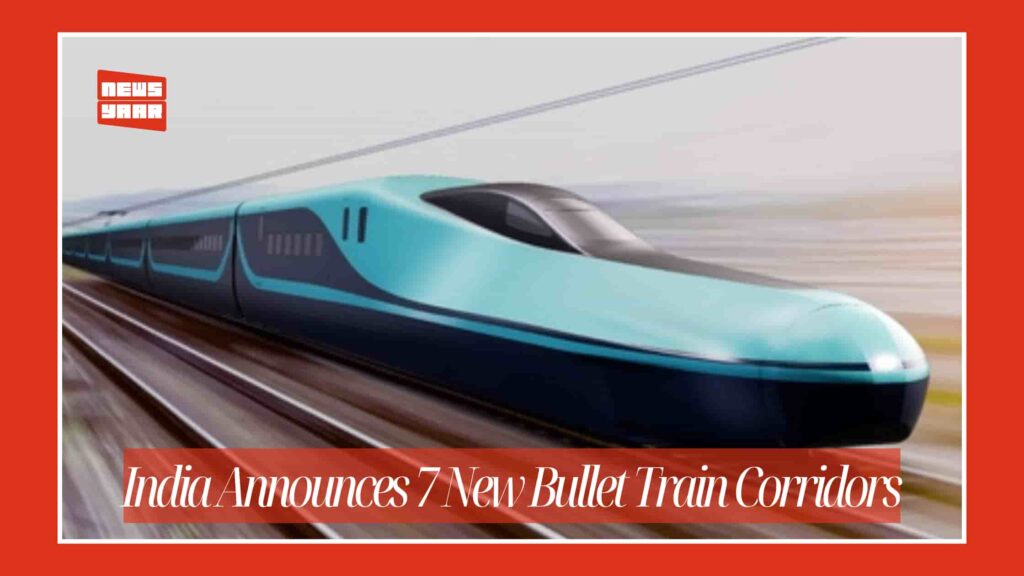
GOVERNMENT Government Announces 7 New Bullet Train Corridors in India: A Transformative Push for High-Speed Connectivity In a landmark expansion of India’s rail infrastructure, the Government of India has announced the development of seven new high-speed rail corridors — popularly referred to as bullet train routes — as part of the Union Budget 2026–27. The ambitious initiative aims to transform inter-city travel by significantly reducing travel times, boosting economic growth and enhancing connectivity between major urban and economic hubs across the country. Announcement and Policy Context Union Finance Minister Nirmala Sitharaman unveiled the corridors during her Budget 2026–27 speech in Parliament, categorising them as “growth connectors” that will promote environmentally sustainable passenger transport systems across India’s rail network. These high-speed corridors complement the Mumbai–Ahmedabad High-Speed Rail Corridor (MAHSR) — India’s first bullet train project — and build on the government’s broader infrastructure and mobility agenda. Railway Minister Ashwini Vaishnaw has confirmed that detailed preparations are underway, with Detailed Project Reports (DPRs) being finalized and pre-construction activities initiated through the National High Speed Rail Corporation Limited (NHSRCL). The government is focused on fast-tracking implementation and standardising high-speed rail system development nationwide. Proposed Bullet Train Corridors: Routes and Connectivity The announcement includes seven high-speed rail corridors that will link key cities and regions across India. These corridors are expected to span nearly 4,000 km and strategically connect major economic, industrial and cultural centres. The routes identified are: Mumbai–Pune High-Speed Rail Corridor — strengthening connectivity within Maharashtra’s economic belt. Pune–Hyderabad High-Speed Rail Corridor — linking western and southern economic hubs. Hyderabad–Bengaluru High-Speed Rail Corridor — a major southern technology and industry link. Hyderabad–Chennai High-Speed Rail Corridor — connecting southern metros with coastal economic zones. Chennai–Bengaluru High-Speed Rail Corridor — improving travel between two major southern cities. Delhi–Varanasi High-Speed Rail Corridor — enhancing northern connectivity with Uttar Pradesh’s cultural capital. Varanasi–Siliguri High-Speed Rail Corridor — extending high-speed reach toward eastern India and gateway regions. Collectively, these corridors aim to connect financial hubs, technology clusters, manufacturing centres and emerging cities with modern high-speed rail infrastructure. Strategic Goals and Economic Rationale Government officials have described the new corridors as not just transport projects but growth engines that will: Reduce travel times drastically between key city pairs (for example, a bullet train between Mumbai and Pune could reduce travel to under an hour), enhancing convenience and productivity. Stimulate regional economic development by creating linked urban-industrial corridors that attract investment, tourism and job creation. Support environmental sustainability by offering cleaner and more energy-efficient alternatives to road and air travel. Drive technology and manufacturing growth by enabling high-speed rail ecosystem development, including engineering, signalling, rolling stock and systems integration. Union Minister Ashwini Vaishnaw has emphasised that the initiative will contribute toward India becoming 100 per cent self-reliant (Atmanirbhar) in high-speed rail technologies, with a focus on leveraging indigenous manufacturing and innovation wherever feasible. Implementation and Timeline While the Mumbai–Ahmedabad corridor is already under construction and expected to begin phased operations starting 2027 for the Surat–Bilimora section and full completion by 2029, the new seven corridors are in the pre-construction and planning stage. Officials have indicated that preparation of DPRs, alignment finalisation, land acquisition and contract documentation will be prioritised over the coming months, with work expected to begin once these foundational studies are complete. Dedicated field teams for each corridor will support expedited project execution. Broader Impact on Indian Railways and Mobility The seven new bullet train corridors represent a shift toward world-class rail mobility in India, aligning with global best practices in high-speed transportation. Once operational, these corridors are expected to: Enhance national connectivity across key economic belts in the west, south, north and east. Reduce congestion on existing air and road networks by providing faster, reliable alternatives. Boost tourism by enabling easy access to major cultural and heritage destinations. Encourage urban transformation through transit-oriented development along high-speed rail alignments. Looking Ahead: A New Era of Rail Travel The announcement of seven additional bullet train corridors marks a transformational phase for Indian Railways, moving the nation closer to a widespread high-speed rail network that complements existing infrastructure and accelerates economic integration. By linking metropolitan centres and regional hubs with modern, efficient rail travel, the government aims to redefine mobility in India and position the country as a global leader in high-speed rail development. Summary of the New Bullet Train Corridors Route Region Strategic Role Mumbai–Pune West Economic mobility in Maharashtra Pune–Hyderabad West–South Industrial and technology linkage Hyderabad–Bengaluru South Connects major IT & innovation hubs Hyderabad–Chennai South Coastal economic corridor Chennai–Bengaluru South Southern metro connectivity Delhi–Varanasi North Links capital with cultural heartland Varanasi–Siliguri North–East Gateway to eastern region
Bikaner Camel Festival 2026: A Majestic Celebration of Desert Culture and Heritage
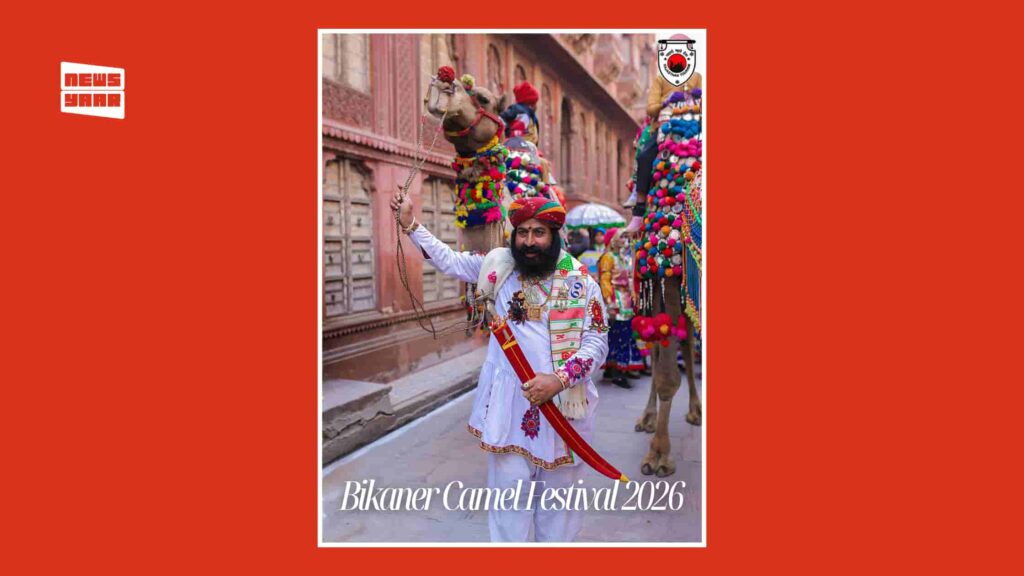
EVENTS Bikaner Camel Festival 2026: A Majestic Celebration of Desert Culture and Heritage The Bikaner Camel Festival 2026 — one of Rajasthan’s most iconic cultural events — was held from January 9 to January 11, 2026, in Bikaner, Rajasthan, celebrating the camel as the enduring “Ship of the Desert” and a living emblem of the region’s history, community and traditions. Organised by the Rajasthan Tourism Department, the three-day festival drew enthusiastic participation from domestic and international visitors, camel breeders, cultural performers and artisans, transforming the historic desert city into a vibrant tapestry of colour, heritage and folk celebration. Dates, Venue and Significance Festival: Bikaner Camel Festival 2026 Dates: January 9–11, 2026 Location: Bikaner, Rajasthan — with key events across Junagarh Fort, Dr. Karni Singh Stadium, Camel Farm, Raisar Sand Dunes and Old City Grounds Organised by: Rajasthan Tourism Department Held annually in January, when the cool desert climate is ideal for outdoor festivities, the festival celebrates the deep bond between the desert communities and the camel, an animal that has sustained trade, transport and cultural continuity in the Thar region for centuries. Cultural Roots and Historical Context The camel is not merely a domestic animal in Rajasthan; it is symbolic of survival, resilience and identity in one of India’s most challenging landscapes. Historically, camel corps were esteemed for their role in regional defence and trade routes — from the terrain of the Thar Desert to campaigns beyond. Today, the festival honors this legacy through artistic expression, competitive displays and community celebrations. Highlights of the 2026 Edition The 2026 festival offered a rich blend of tradition, competition, culture, art and entertainment spread across three action-packed days: Day 1 — Friday, January 9: Heritage and Local Flavor The festivities kicked off with the “Hamari Virasat” Heritage Walk, a vibrant procession of beautifully decorated camels and handlers that wound through the historic lanes from Laxminath Temple to Rampuria Haveli in Bikaner’s Old City. Later in the day, the Bikaneri Food Festival celebrated the unique flavours of Rajasthan — from Bikaneri bhujia to rich thalis and local sweets — offering visitors an authentic taste of Thar cuisine. The afternoon featured Mr. Bikana and Miss Marwan contests at the Dr. Karni Singh Stadium, where participants showcased traditional attire and cultural pride. Day 2 — Saturday, January 10: Camel Artistry and Folk Nights The second day moved to the National Research Centre on Camel (NRCC), where visitors enjoyed a range of spectacular camel-centric events, including: Camel Fur Cutting Competitions — intricate designs trimmed into camel coats reflecting centuries-old artistry. Camel Dance Performances — animals moving rhythmically to traditional beats. The evening culminated in a Folk Night featuring traditional Rajasthani music and dance under the desert sky, amplifying the cultural heartbeat of the festival. Day 3 — Sunday, January 11: Desert Adventure & Finale The final day’s events took place against the scenic backdrop of the Raisar Sand Dunes, incorporating: Rural Sports Events such as tug-of-war and wrestling. Camel Races showcasing speed and agility. Camel Safaris that allowed visitors to experience the desert firsthand. Fire Dance Performances by the legendary Jasnath Sampradaya, a dramatic cultural feature as night fell. Camel Art, Craft and Celebration One of the festival’s signature attractions was the camel decoration and artistry on display. Handlers adorned the animals with bright tassels, mirrors, embroidered saddles, ornamental bridles and jingling bells — transforming camels into living works of traditional art and reflecting the folk creativity of desert communities. From camel races to folk music and dance, the festival also highlighted Rajasthani cultural heritage, featuring performers in vibrant regional attire, musicians using traditional instruments and displays of local handicrafts. Tourism, Experience and Local Engagement The festival has become a significant tourism magnet, drawing travellers eager to witness the unique spectacle of living desert culture. Many visitors combined the festival experience with tours of Bikaner’s historic attractions — including Junagarh Fort, Rampuria Haveli and the Camel Farm — and sampling regional cuisine. Local artisans and craftsmen also benefitted from the festival’s footfall, selling handicrafts, textiles, leather goods and souvenirs that showcase Rajasthan’s artistic traditions. Weather and Travel Tips Held in the heart of winter, the Camel Festival’s January dates offer pleasant daytime temperatures perfect for outdoor festivities, though nights in the desert can be cold, often dropping into single digits — so visitors are advised to carry warm clothing for evening events. Bikaner is well connected by rail and road, with Bikaner Junction providing train links to major cities, and Nal Airport serving domestic flights, making the festival accessible for travellers from across India and abroad. Cultural Significance and Legacy The Bikaner Camel Festival celebrates more than just animal beauty or competition — it honours the enduring partnership between humans and camels in one of India’s most challenging landscapes. The festival preserves traditional knowledge, supports rural economies and reinforces a sense of pride among herder communities who have stewarded this heritage over generations. By bringing together music, sport, food, art and ritual, the festival upholds a dynamic desert culture that continues to thrive in the 21st century, making it a standout event in Rajasthan’s rich calendar of fairs and festivals.
Valley of Words (VoW), Dehradun: India’s Himalayan Literary & Arts Festival
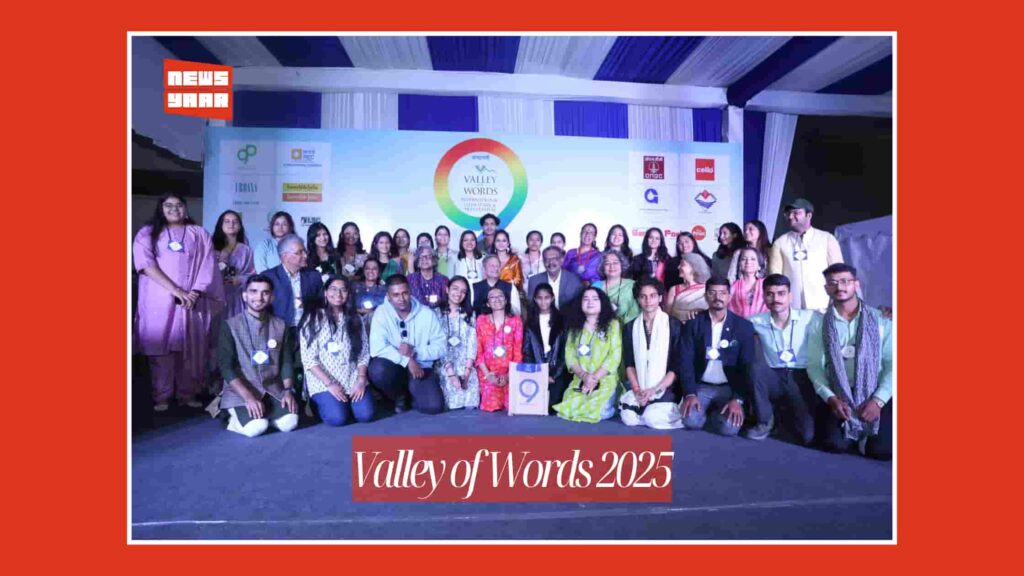
EVENTS Valley of Words (VoW), Dehradun: India’s Himalayan Literary & Arts Festival Dehradun, Uttarakhand — Situated in the foothills of the Himalayas, the Valley of Words (VoW) has emerged as one of India’s most distinctive and engaging literature and arts festivals, blending storytelling, artistic expression, debate and critical thought into a rich cultural tapestry that resonates across generations. Launched in 2017 as a not-for-profit, volunteer-driven initiative of The Valley of Words Foundation Trust, the festival has steadily grown into a pan-Indian celebration of literature, arts, ideas and dialogue that draws writers, artists, performers, scholars, students and readers from across the country and beyond. Origins, Mission and Vision Valley of Words — also known as VoW Shabdavali — is rooted in the belief that words matter and that literature and art have the power to challenge assumptions, broaden perspectives, stimulate empathy and foster critical thinking. The festival’s mission emphasises engaging diverse audiences — particularly students and youth — in dynamic conversations that encourage curiosity, creativity and intergenerational exchange, inviting participants to explore ideas that transcend boundaries of language, culture and discipline. Over the last decade, VoW’s programming has embraced a wide spectrum of voices, encompassing fiction, non-fiction, poetry, translation, philosophy, culture, sustainability, history, theatre, music and visual arts. Through this inclusive approach, the festival has become a platform where literature and life intersect — offering spaces where artistic imagination meets social reflection and community engagement. Flagship Festival and Literary Gathering The heart of the Valley of Words initiative is its annual international literature and arts festival in Dehradun, typically held in October each year, though the organisation also hosts year-round events, workshops and thematic sessions to sustain literary engagement throughout the calendar. The festival attracts acclaimed authors, poets, translators, journalists, critics, artists, civil society figures and students for a series of discussions, debates, performances and creative exchanges. The most recent full edition — the 9th Valley of Words International Literature & Arts Festival — took place on October 25–26, 2025, at Hotel Madhuban, Dehradun, commemorating two and a half decades of Uttarakhand’s statehood and underscoring the region’s rich cultural heritage. It was inaugurated by Uttarakhand Governor Lt Gen Gurmit Singh (Retd), who highlighted the festival’s role in elevating regional creativity while fostering national and global cultural dialogue. Festival Features and Programming The Valley of Words festival is not merely a sequence of book readings; it is a multi-faceted cultural experience where ideas, art and performance come together. Its programming typically includes: Panel discussions and conversations on literature, public policy, culture, identity and contemporary issues Poetry readings and storytelling sessions featuring voices in English, Hindi and other Indian languages Book launches, author dialogues and translation forums that explore how stories travel across linguistic and cultural borders Workshops and masterclasses for aspiring writers, translators and students Art exhibitions and showcase events highlighting visual arts, craft and sustainable creatives Music, theatre and performance arts that amplify literary themes through rhythm, movement and performative expression Youth participation initiatives, including debates and interactive forums designed to nurture critical thinking and creative expression among young audiences. A unique feature of VoW has been its exhibitions and curated spaces such as Iti Kriti (sustainable arts and crafts), Iti Smriti (ethical memorabilia) and Iti Lekh (book bazaars and curated reading lists), which blend artistic exploration with cultural dialogue. REC-VoW Book Awards and Literary Recognition A highlight of the festival is the REC-VoW Book Awards, a nationally recognised literary honour that celebrates excellence across genres, languages and age groups. In 2025, more than 600 nominations from over 75 publishing houses were received, and eight authors across categories including English Fiction, Hindi Fiction, Translation, Children’s & Young Adult Literature were selected as winners to be felicitated during the festival. Each award includes a prestigious citation and a cash prize of ₹1 lakh, underscoring the festival’s commitment to recognising and promoting creative excellence in India’s diverse literary landscape. Cultural Impact and Community Engagement Valley of Words stands out for its commitment to inclusive cultural dialogue, ensuring that discussions are accessible not only to literary connoisseurs but also to students, educators, artists and community members. With sessions that often cut across age, language and disciplinary lines, the festival creates an environment where debate, reflection and artistic exchange are central. Beyond its annual flagship event, VoW conducts year-round outreach programmes, including debates, author-at-work sessions, café dialogues and digital engagements, helping sustain an active literary community in Dehradun and beyond. Over 10,000 students join VoW debate platforms annually, and the festival has cumulatively hosted over 365 sessions across multiple years, reflecting its depth and reach. Why Valley of Words Matters In an era of rapid digital consumption and compressed attention, the Valley of Words festival reminds audiences of the transformative power of deep listening, thoughtful dialogue and story-driven inquiry. By bringing together voices from across India and the world, VoW facilitates cross-cultural understanding, intellectual engagement and creative expression — essentials for a society that seeks to think deeply about its past, present and future. The festival’s location in the Himalayan foothills of Dehradun — a city known for its natural beauty, academic institutions and cultural diversity — further enriches the experience, creating a space where ideas can be explored in peace, reflection and community camaraderie. Looking Ahead As Valley of Words continues to grow in stature and scope, organisers are expanding its footprint with satellite events in other cities, thematic literature initiatives and collaborations with educational institutions, cultural organisations and international partners. For lovers of literature and art, the festival remains a must-attend annual gathering, where stories are celebrated, ideas take flight, and the written word continues to shape collective imagination.
Kalinga Literary Festival 2026: Four Days of Ideas, Culture and Literary Confluence in Bhubaneswar
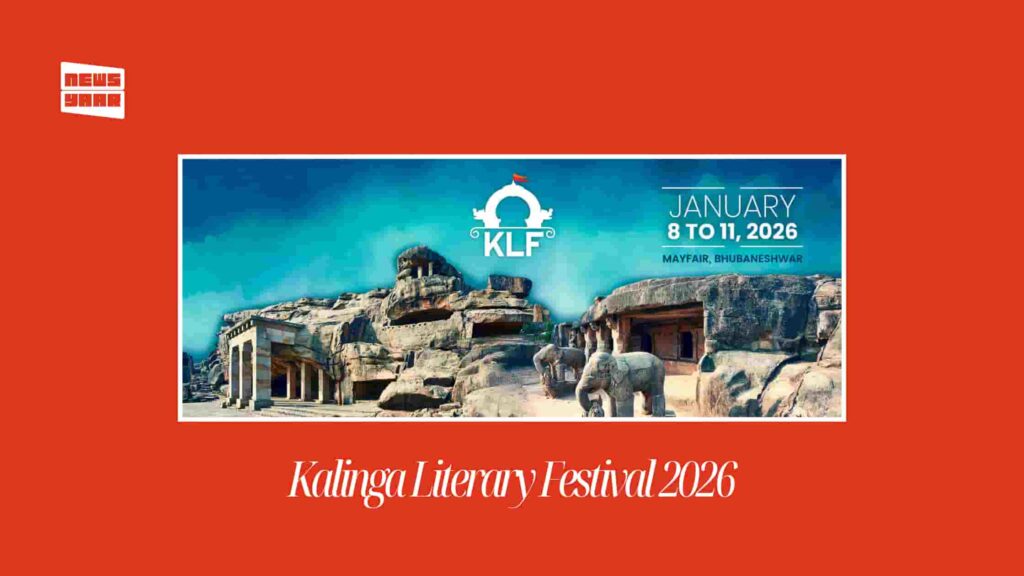
EVENTS Kalinga Literary Festival 2026: Four Days of Ideas, Culture and Literary Confluence in Bhubaneswar Bhubaneswar, Odisha — January 8–11, 2026: The 12th edition of the Kalinga Literary Festival (KLF) concluded in Bhubaneswar with an expansive celebration of literature, culture and intellectual dialogue, bringing together hundreds of authors, thinkers, poets, translators, artists and public intellectuals from India and abroad. Organised by the Kalinga Literary Festival Pvt. Ltd. under the stewardship of Founder & Director Rashmi Ranjan Parida, the annual gathering has grown into one of India’s most significant literary platforms, bridging regional narratives with global conversations. A Festival with Global Reach and Cultural Depth Held across multiple venues within Mayfair Lagoon, Bhubaneswar, the four-day festival positioned itself at the intersection of literature, culture, public policy, technology and civilisational thought. With the overarching theme “Stories That Shape Humanity: Translating Worlds, Transforming Futures,” KLF 2026 emphasised translation, narrative power, cross-cultural exchange and the contemporary relevance of storytelling — inviting audiences to explore how literature interacts with identity, technology, democracy, sustainability and performance arts. This edition was also notable for its integration of the 10th Kalinga Art Festival, showcasing visual and performative arts alongside literary dialogues, making the event a richly layered cultural experience. Inauguration and Distinguished Guests The festival’s inauguration on January 8, 2026 featured an impressive array of dignitaries and cultural figures: Shri Kanak Vardhan Singh Deo, Deputy Chief Minister of Odisha — Chief Guest Dr. Upali Pannilage, Minister of Rural Development, Sri Lanka — Guest of Honour Shri Harivansh Narayan Singh, Deputy Chairman, Rajya Sabha — Guest of Honour Shri Suryabanshi Suraj, Minister of Culture & Sports, Odisha Ambassador Philip Green OAM, Australia’s High Commissioner to India Shri Sujeet Kumar, MP, Odisha Dr. Binod Chaudhury, Nepalese industrialist & philanthropist Shri Sudarshan Sahoo, Padma Vibhushan awardee Dr. Pratibha Ray, Padma Bhushan awardee Ms. Tanaya Patnaik, Executive Director, Sambad Group Shri Ashok Kumar Bal served as CEO & Patron of KLF, welcoming attendees, while Rashmi Ranjan Parida outlined the vision and cultural significance of the festival. Extensive Speaker Line-up and Influential Voices KLF 2026 featured a distinguished roster of more than 400 speakers, blending international award-winning figures with prominent Indian writers, artists, commentators and thought leaders. Some of the notable speakers and contributors included: Padma Shri Malini Awasthi – celebrated Indian folk singer and cultural ambassador, anchoring performances that blended literature with music. Daisy Rockwell – award-winning artist, writer and translator whose translations have won international honours. Banu Mushtaq – International Booker Prize winner. Deepa Bhasthi – Booker Prize–winning author and cultural critic. Ram Madhav – strategic thinker, author and political voice. Acharya Prashant – spiritual leader and speaker drawing large audiences. Sudhir Mishra – acclaimed filmmaker engaging on cinema and narrative culture. Tuhin A. Sinha – author and political commentator. Arun Lal – former Indian cricketer and writer, presenting on life, sport and narrative history. Amit Lodha – IPS officer and author known for Bihar Diaries. Priya Arora, Sushil Doshi, Dr. Sajjan Singh Yadav, Swati Pandey, Madhuchhanda Bal and many more talents spanning journalism, poetry, translation, essay, art and cultural criticism. This eclectic mix ensured a multi-disciplinary engagement, encouraging dialogue beyond literature into public policy, society, technology, gender, sustainability and more. Sessions and Programmes: Diverse Ideas in Conversation Across its four days, KLF 2026 facilitated a rich array of formats — panel discussions, interviews, conversational salons, poetry readings, translation forums, and masterclasses. Highlights included: International Storytelling Panels that explored how translation bridges voices across cultures and languages Gender, Identity & Feminism Discussions led by writers and scholars investigating contemporary literary narratives Politics, Democracy & Public Policy Conversations with authors and commentators analysing India’s socio-political framework Writing for the Future & AI Forums where evolving technologies and literature intersected Cinema and Story Culture Sessions illuminating how narrative art forms shape public imagination Poetry and Multilingual Workshops celebrating Indian languages alongside world literatures The festival also dedicated space to regional literary traditions, including a focus on Odia literature, storytelling practices, and poetry across borders, acknowledging the cultural depth of India’s myriad languages. Awards, Art and Recognition At the opening ceremony, several prestigious honours were conferred in recognition of literary achievement and cultural contribution: International Living Legend Award: Dr. Binod Chaudhary Kalinga Literary Award: Shri Achyutananda Pati Kalinga International Literary Award: Daisy Rockwell Kalinga Literary Award (Youth): Ranjana Niraula Odisha Living Legend Awards: Pandit Harmohan Khuntia, Shri Govardhan Dora Special awards including the KLF-Penguin Review Project and KLF-Sambad Book Review Awards These recognitions underscored the festival’s commitment to honouring excellence across genres, generations and geographies. Cultural Fusion: Music, Performance, and Engagement Beyond discussions, KLF 2026 integrated music and performance arts. Evening programmes featured performances by Padma Shri Malini Awasthi and other artists, weaving literary themes with folk and classical traditions — a reminder that literature and performance often co-create cultural memory. The festival’s inclusive format also embraced workshops, heritage walks and book launches, turning Bhubaneswar into a vibrant hub of ideas and creative exchange for readers, students and practitioners alike. Why KLF 2026 Holds Special Significance The Kalinga Literary Festival has, over the years, transformed from a regional gathering into a global literary forum where ideas intersect with lived experience and cultural imagination. Rooted in Odisha’s civilisational heritage, KLF continues to expand its reach internationally, with initiatives and editions planned beyond India’s borders, reconnecting ancient cultural ties with contemporary creative discourse. As founder Rashmi Ranjan Parida articulated, the festival reflects a belief that stories do more than entertain — they shape empathy, influence thought and help societies imagine better futures. With its rich programming, diverse voices and deep engagement with literary and cultural themes, KLF 2026 has once again cemented its role as a cornerstone event in India’s literary calendar. The festival not only created spaces for dialogue but also fostered cross-cultural appreciation, making Bhubaneswar a focal point for global conversations on literature and ideas.
Second Global Buddhist Summit 2026, New Delhi: A Confluence of Heritage, Dialogue and Global Peace Efforts
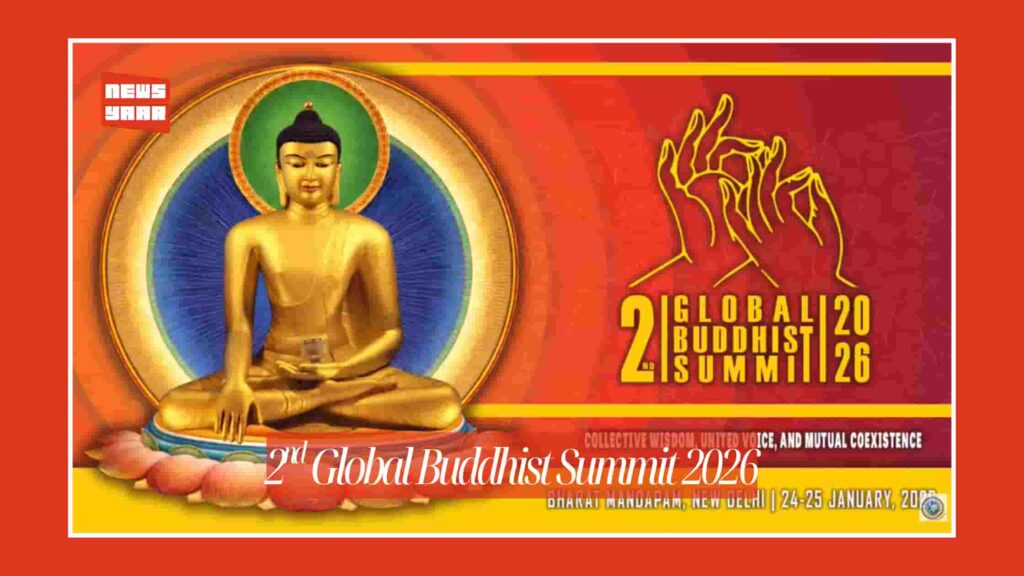
SPIRITUALITY Second Global Buddhist Summit 2026, New Delhi: A Confluence of Heritage, Dialogue and Global Peace Efforts The Second Global Buddhist Summit was held in New Delhi on January 24–25, 2026, bringing together Buddhist leaders, scholars, practitioners and delegates from countries across Asia, Europe, the Americas and Oceania. The summit — a follow-up to the first edition held in 2023 — reaffirmed India’s role as an ancient cradle of Buddhism and a modern platform for inter-civilizational dialogue, peace advocacy, cultural cooperation and spiritual exchange. Hosted in the Indian capital, the summit underscored shared commitments to Buddhist philosophy, ethical governance, sustainable development and global harmony. Context: India and Buddhism Buddhism, originating in India over 2,500 years ago with the enlightenment of Gautama Buddha at Bodh Gaya, has since spread across Asia and the world, influencing culture, art, philosophy and ethical systems. From the ancient universities of Nalanda and Takshashila to the widespread Buddhist traditions of East, Southeast and Central Asia, India remains central to the historical and spiritual heritage of Buddhism. Hosting the Global Buddhist Summit aligns with the country’s broader efforts to preserve and promote its civilizational legacy while encouraging global cooperation on contemporary challenges through the lens of Buddhist teachings. Objectives of the Second Global Buddhist Summit The summit was designed to accomplish several key objectives: Revitalising Buddhist Heritage: Reaffirming India’s connection to Buddhist history and cultural heritage, and encouraging the preservation and promotion of Buddhist sites, languages and scholarly traditions. Promoting Global Dialogue: Providing a structured platform for Buddhist leaders, scholars and practitioners to engage in dialogue on issues such as peace, conflict resolution, ethical leadership, environmental stewardship and human well-being. Enhancing Cultural Exchange: Encouraging cross-cultural understanding and cooperation among Buddhist communities from different countries and traditions, including Theravada, Mahayana and Vajrayana schools. Addressing Contemporary Challenges: Linking traditional Buddhist perspectives with modern issues, including mental health, education, social equity and climate resilience, to highlight the relevance of Buddhist wisdom in the 21st century. Participation and Representation The summit featured participation from over 30 countries, including nations with strong Buddhist traditions such as Japan, Sri Lanka, Thailand, Nepal, Myanmar, Bhutan, South Korea and Vietnam. Delegations comprised: Buddhist monastic leaders and sangha representatives Scholars and academics specialising in Buddhist studies Government officials and cultural envoys Civil society members engaged in peace and ethical initiatives The diverse range of participants reflected the pluralistic nature of global Buddhism and its ability to foster cooperation across different societies and cultures. Summit Themes and Deliberations The agenda included plenary sessions, panel discussions, cultural performances, academic presentations and collaborative workshops. Key themes addressed during the summit included: Peace and Non-Violence: Delegates discussed how Buddhist principles of compassion, non-violence and ethical conduct can inform peacebuilding efforts in regions experiencing conflict and social tension. Buddhist Heritage Preservation: Strategies for safeguarding ancient Buddhist sites, enhancing archaeological research and encouraging pilgrimages were deliberated, with a focus on integrating heritage conservation into sustainable tourism frameworks. Mindfulness, Well-Being and Education: The role of mindfulness, meditation and ethical education in promoting mental health and resilience across societies was a significant focus, examined through interdisciplinary perspectives blending traditional insights with contemporary science. Environmental Ethics: Participants explored how Buddhist teachings on interdependence and respect for all life forms can contribute to global environmental movements, climate action and sustainable living practices. Youth Engagement and Future Leadership: Sessions emphasised empowering young Buddhists and youth leaders to carry forward ethical leadership, community service and cultural exchange in an increasingly interconnected world. Cultural and Ceremonial Highlights The summit also featured cultural programmes designed to showcase the richness and diversity of Buddhist traditions. These included: Traditional chanting and musical recitals Performances of Buddhist dance and theatre forms Exhibitions of Buddhist art, manuscripts and calligraphy Visits to key Buddhist sites in and around the National Capital Region One of the summit’s notable ceremonial moments was a collective meditation and prayer session attended by delegates from various traditions, articulating a shared aspiration for global peace and harmony. India’s Role and Government Support The Government of India actively supported the summit through policy facilitation, logistical arrangements and inter-ministerial coordination. In official statements, ministers highlighted India’s commitment to promoting civilizational dialogue and advancing cooperation on cultural, educational and spiritual fronts. They also reaffirmed the Indian state’s respect for all faith traditions, while underlining the secular ethos enshrined in the Constitution. Officials noted that forums like the Global Buddhist Summit contribute to soft power diplomacy, strengthen cultural ties with Buddhist-majority countries and complement India’s external engagement initiatives such as the Act East Policy and International Buddhist Confederation activities. Why the Summit Matters The Second Global Buddhist Summit holds significance beyond religious discourse. It serves as: A platform for peace and ethical dialogue among nations A mechanism for cultural diplomacy strengthening people-to-people relations An avenue for integrating ancient wisdom with contemporary global issues A reaffirmation of India’s historical role in the preservation and propagation of Buddhist thought At a time when many societies grapple with challenges ranging from conflict and inequality to environmental degradation and mental health crises, the summit’s emphasis on compassion, interdependence and ethical action resonated across cultural and national boundaries. Looking Ahead Building on the momentum of the second edition, participants expressed eagerness to continue collaborative engagement through academic networks, cultural exchange programmes, joint research initiatives and future summits. The host government indicated plans to institutionalise the summit as a recurring global forum, enabling sustained dialogue on issues of shared concern. By situating Buddhist philosophical insights within conversations about peace, sustainability and well-being, the Second Global Buddhist Summit 2026 in New Delhi reaffirmed the timeless relevance of these traditions and charted a path for ongoing cooperation and understanding in an increasingly complex world. Video credit: YT@/IBC World
India AI Impact Summit 2026: Detailed Agenda for Global AI Action in New Delhi
EVENTS India AI Impact Summit 2026: Detailed Agenda for Global AI Action in New Delhi New Delhi, February 9, 2026 – India gears up for the India AI Impact Summit 2026, set for February 16-20 at Bharat Mandapam, Pragati Maidan, New Delhi, the primary venue for the India AI Impact Summit 2026, which will host the main events on February 19-20. Hosted by the Ministry of Electronics and Information Technology (MeitY), this first Global South edition, billed by Union Minister Ashwini Vaishnaw as the “largest yet,” transitions AI discourse from vision to verifiable impact under the “Three Sutras”: People, Planet, and Progress. Some sources mention a broader program across February 16-20, potentially using additional Delhi venues like Sushma Swaraj Bhawan for side events, sessions, or exhibitions. Bharat Mandapam, one of India’s largest convention centers, was upgraded by NDMC for this flagship gathering. Chief Guests and Stellar Lineup Prime Minister Narendra Modi serves as the Chief Guest, inaugurating on February 16 with a keynote and hosting a leaders’ dinner. Expected heads of government include representatives from Singapore, the UAE, and Brazil (15-20 total), plus 50+ ministers. Key speakers feature Google’s Sundar Pichai, Anthropic’s Dario Amodei, Microsoft’s Satya Nadella, and Indian luminaries like Nandan Nilekani (Infosys co-founder) and Ola’s Bhavish Aggarwal. Over 40 CEOs from Reliance, TCS, and global firms join, along with a Chinese delegation, signaling a thaw in collaboration. Event Schedule and Dialogues Feb 16: Inauguration, Modi address, CEO roundtable. Feb 17-18: Plenary sessions and seven “Chakras” (working groups) on core topics. Feb 19: Startup showcase (500+ ventures), AI model launches, bilateral dialogues. Feb 20: Closing with actionable declarations. Expect 500+ parallel sessions, hackathons, and exhibitions. Dialogues include G20-style tracks on AI ethics, public-private partnerships, and Global South priorities. Participating Governments in India AI Impact Summit 2026 The summit, hosted by India’s Ministry of Electronics and Information Technology (MeitY) under the IndiaAI Mission, expects involvement from over 100 countries. Key highlights: High-Level Representation: 15-20 heads of government and 50+ ministers confirmed, including from Singapore, UAE, Brazil, and others. China: Delegation attending after India’s formal invitation, signaling AI collaboration. Preceding Hosts: Builds on summits by UK (2023 Bletchley), South Korea (2024 Seoul), France (2025 Paris). Collaborators: NITI Aayog (India’s policy think tank), state governments like Uttarakhand (pre-summit host), and international bodies (ITU, World Economic Forum). Global Engagement: Multinational working groups across Chakras, with US, UK, EU, and ASEAN nations active in prep consultations. Key Topics and Seven Chakras The India AI Impact Summit 2026 is structured around three foundational “Sutras” (People, Planet, Progress) that guide its discussions, with seven interconnected “Chakras” (working groups) translating these into specific, actionable themes. Core Sutras People: Focuses on human-centric AI, including safeguarding rights, enhancing access to services (e.g., healthcare, education), building user trust, workforce reskilling amid job impacts, and ensuring equitable benefits across societies. Planet: Addresses sustainable AI deployment, such as energy-efficient models, responsible resource use (e.g., reducing GPU/data center power demands), and AI applications for climate action, environmental monitoring, and resilience. Progress: Emphasizes inclusive innovation, capacity-building, productivity gains in sectors like agriculture and manufacturing, economic growth, and bridging the AI divide for the Global South. Seven Chakras (Key Discussion Topics)These working groups, involving 100+ countries, cover: AI governance and ethical frameworks. Trust and safety protocols for AI models (e.g., bias mitigation, transparency). AI’s impact on work and future jobs. Sector-specific applications (healthcare, agriculture, industry). Innovation and scalable solutions. Sustainability and environmental integration. Equitable access, inclusion, and development outcomes. Sessions will also spotlight IndiaAI Mission launches, startup innovations, and global standards, prioritizing “on-ground” results over regulations. What to Expect in India AI Summit? MeitY leads with partners like NITI Aayog, NASSCOM, World Economic Forum, and ITU. Corporate backers include Google, Microsoft, NVIDIA (GPU focus), and Indian firms like Tata and Adani (data centers). Governments from US, UK, EU, and ASEAN collaborate. Attendees (10,000+), policymakers, researchers, startups, NGOs, can expect networking zones, live demos (e.g., edge AI), policy labs, and a “Global AI Talent Fair.” Launches include indigenous foundational models under the Rs 10,370 crore IndiaAI Mission. India’s Strategic Push Amid Hurdles Echoing Bletchley (2023), Seoul (2024), and Paris (2025), India’s summit prioritizes “on-ground” wins for 1.4 billion people, as per Secretary S. Krishnan. AI could add $500B to GDP (NASSCOM), but challenges like GPU imports persist—eased by US trade deals and data center tax holidays to 2047. Budget 2026-27 tweaks fund nuclear-powered AI infra, as Vaishnaw eyes energy self-reliance. Vaishnaw hailed “phenomenal” global buy-in, with NDMC upgrading venues. Beyond talks, expect MoUs on compute sharing, talent visas, and sustainable AI pacts, positioning India as an AI diplomacy hub. This summit promises not just dialogue, but deliverables: inclusive, green AI for humanity’s progress. Video credit: YT@/Digital India
Amrit Udyan 2026 Opens: Rashtrapati Bhavan’s Floral Paradise Welcomes Visitors from February 3
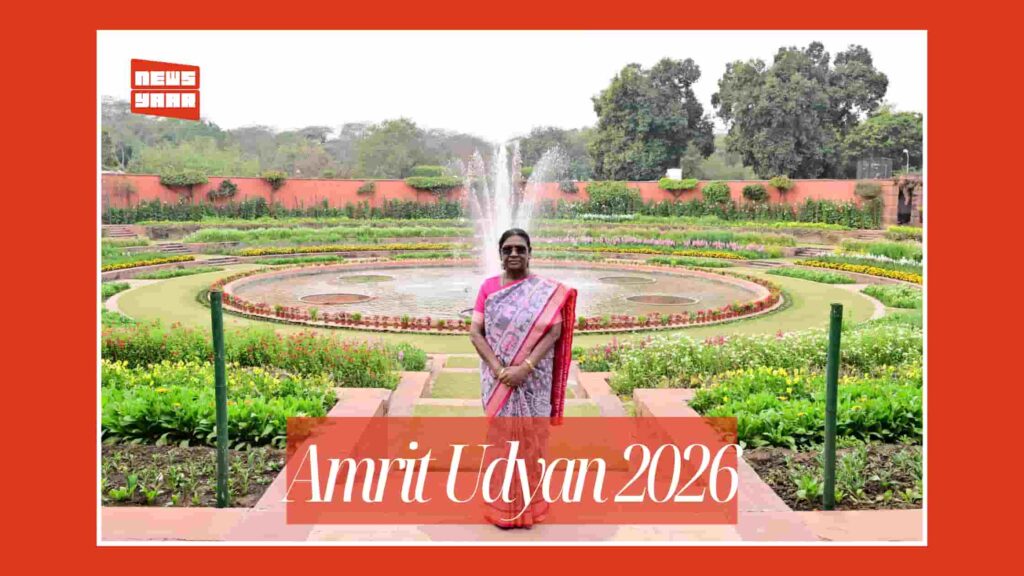
GOVERNMENT Amrit Udyan 2026 Opens: Rashtrapati Bhavan’s Floral Paradise Welcomes Visitors from February 3 New Delhi, February 9, 2026 – President Droupadi Murmu inaugurated the Winter Annuals Edition of Amrit Udyan on February 1, throwing open the gates of Rashtrapati Bhavan’s iconic 15-acre gardens to the public from February 3 to March 31. Renamed from the historic Mughal Gardens, this “soul of Rashtrapati Bhavan” promises a breathtaking display of 85 flower species, including 145 rose varieties like ‘Bheem’, ‘Arjun’, and ‘Mother Teresa’, alongside tulips, the cascading Babbling Brook, and new reflexology paths in the Banyan Garden. Spanning East Lawn, Central Lawn, Long Garden, and Circular Garden, enhanced by additions like Herbal Garden, Tactile Garden, Bonsai Garden, and Arogya Vanam during Presidents APJ Abdul Kalam and Ram Nath Kovind’s tenures, Amrit Udyan blends Mughal symmetry with modern horticultural innovation. This year’s highlights include the landscaped Banyan Garden and a serene water stream, offering therapeutic walks amid nature’s splendor. Visitor Essentials: Timings, Booking, and Access Open Tuesday to Sunday, 10:00 AM to 6:00 PM (last entry 5:00-5:15 PM), the gardens close Mondays for maintenance and on March 4 for Holi. Entry is free, but mandatory online booking via https://visit.rashtrapatibhavan.gov.in/ ensures smooth access, with no on-the-spot registrations. Slots (hourly from 10 AM-4 PM) book up to six people per ticket and close at 10 AM the previous day; planning is advised. Entry/Exit: Gate No. 35, President’s Estate (near North Avenue). Shuttle buses run every 30 minutes from Central Secretariat Metro Station (9:30 AM-6:00 PM, last from the metro at 4:00 PM), marked “Shuttle Service for Amrit Udyan”. The self-guided route: Bal Vatika → Plumeria Garden → Banyan Garden → Bonsai Garden → Babbling Brook → Central Lawn → Long Garden → Circular Garden. Permitted items include mobiles, keys, purses, water bottles, baby milk bottles, and umbrellas. On-site amenities: drinking water, restrooms, and first aid. Special Access Days for Inclusivity March 3: Defence Personnel March 5: Senior Citizens March 10: Women and Tribal Women’s SHGs March 13: Divyangjan (persons with disabilities) Main Gardens in Amrit Udyan Amrit Udyan (formerly Mughal Gardens) at Rashtrapati Bhavan spans 15 acres with these core sections, enhanced over time: Central Lawn: Vast manicured expanse, central to the layout. Long Garden: Elongated walled stretch with water channels, roses, and bougainvillea. Circular Garden (Pearl/Sunken/Butterfly Garden): Amphitheater-style with ringed flower beds (stock, phlox, pansies, marigolds), lotus pond, bubble fountain, and nearby apiary. East Lawn: Original formal section with lotus fountains and stepped geometry. Bal Vatika: Children’s garden featuring a 225-year-old Sheesham tree, treehouse, and nature classroom. Bonsai Garden: Collection of miniature trees (some 80+ years old). Banyan Garden: Landscaped with reflexology paths. Plumeria Garden: Fragrant flowering section. Herbal Garden / Arogya Vanam: Medicinal plants and herbs. Tactile/Sensory Garden: Textured plants for touch. Musical Garden: Fountains synced to music. Spiritual Garden: Serene herbs from ancient texts. Visitor Route (self-guided): Bal Vatika → Plumeria → Banyan → Bonsai → Babbling Brook → Central Lawn → Long Garden → Circular Garden. Key Flowers (2026 Highlights)85 species total, with 145 rose varieties like ‘Bheem’, ‘Arjun’, and ‘Mother Teresa’. Seasonal stars: tulips, daffodils, Asiatic/Oriental lilies, calendula, viola, alyssum, marigolds, phlox, pansies, stock, lotus. Musical Garden in Amrit Udyan: Unique Features The Musical Garden at Rashtrapati Bhavan’s Amrit Udyan stands out for its innovative fusion of music, science, and nature. Key Unique Elements: Inaugurated in 2006 by President APJ Abdul Kalam, transforming a former nursery into a high-tech sensory space. Dancing Fountains: Three large water fountains showcase digital electronics, electromagnetism, hydrodynamics, and hydrostatics, synchronized perfectly with music via computerized controllers. Tunes and Lights: Plays classical Indian instruments (shehnai, veena) and patriotic songs like Vande Mataram, with colorful lights shifting from white to red for a magical effect. Surroundings: Nestled amid tennis courts, biodiversity park, Bonsai Garden, and Herbal Garden; often frequented by peacocks, adding natural liveliness. Interactive Science: Exemplifies “human creativity through contact between music and science,” breaking the gardens’ tranquility with rhythmic water shows. Beyond the Gardens: Full Rashtrapati Bhavan Experience Pair your visit with Rashtrapati Bhavan tours, the Museum, or Saturday’s Change-of-Guard Ceremony (Forecourt). Combine tickets for a full day exploring India’s presidential heritage. Amrit Udyan isn’t just flora, it’s a living testament to India’s gardening legacy, drawing lakhs annually. Deputy Press Secretary Navika Gupta and garden in-charge Avneesh Banswal highlighted this season’s vibrant blooms during media previews, urging families to book early. As Delhi’s winter blooms, don’t miss this free oasis of tranquility amid urban hustle, perfect for photos, picnics, and peace. Video credit: YT@/President of India Video credit: YT@/President of India
DRDO’s GaN Chip Breakthrough: A Strategic Leap in India’s Defence Technology
DEFENCE DRDO’s GaN Chip Breakthrough: A Strategic Leap in India’s Defence Technology India’s Defence Research and Development Organisation (DRDO) has achieved a transformative milestone in defence electronics with the successful development of indigenous Gallium Nitride (GaN) semiconductor chips — a feat that marks a decisive shift in the country’s technological autonomy and strategic capability. This achievement, emerging from years of sustained research and innovation, places India alongside a select group of countries with advanced compound semiconductor capabilities and strengthens its defence industrial base amid evolving global security dynamics. What Are GaN Chips and Why They Matter Gallium Nitride (GaN) chips represent a class of compound semiconductors that outperform traditional silicon-based technologies in power efficiency, thermal tolerance and high-frequency performance. Unlike silicon, GaN can operate at much higher power densities and elevated temperatures, making it ideal for defence systems where reliability under extreme conditions is critical. These characteristics are especially valuable in active electronically scanned array (AESA) radars, missile seekers, electronic warfare systems, communication arrays and surveillance sensors, which demand compact, high-power, high-frequency performance. Experts characterise compound semiconductor technologies like GaN and Silicon Carbide (SiC) as “thoroughbred racehorses” of modern defence electronics — systems that deliver superior range, resolution and signal fidelity in comparison with legacy counterparts. From Technology Denial to Indigenous Mastery The journey toward GaN mastery in India began as a response to foreign technology denial regimes that restricted access to high-end semiconductor technologies during sensitive defence procurements. A notable example occurred during negotiations for the Rafale fighter jet acquisition, when France declined to transfer restricted chip-level technologies under offset requirements. Rather than accept continued dependence, Indian scientists initiated a long-term indigenous development effort led by DRDO labs. Two principal research centres spearheaded this effort: Solid State Physics Laboratory (SSPL), Delhi — focusing on material growth, device physics and compound semiconductor device design. Gallium Arsenide Enabling Technology Centre (GAETEC), Hyderabad — concentrating on compound chip fabrication, testing and integration. By late 2025 and into 2026, DRDO scientists had successfully decoded and implemented GaN technology at the level of monolithic microwave integrated circuits (MMICs) and high-power GaN High Electron Mobility Transistors (HEMTs), a critical achievement for defence electronic systems. Strategic and Operational Implications The GaN breakthrough is not merely a laboratory milestone — it has direct implications for India’s defence preparedness, sensor infrastructure and future combat platforms: Enhanced Radar and AESA Systems: GaN-based radar modules allow systems to transmit and receive much higher power with reduced heat loss, improving detection range, resolution and reliability — vital for surveillance and targeting. Missile Seekers and Electronic Warfare: GaN chips’ high-frequency handling and thermal tolerance make them suitable for compact, resilient radar seekers and EW systems used in both air-to-air and surface-to-air engagements. Communication and Satellite Systems: GaN’s superior power efficiency enhances satellite payloads and communication terminals, especially where size, weight and power constraints are critical. The integration of GaN in defence electronics also supports self-reliance in mission-critical technology, reducing dependency on imports and external suppliers. DRDO leadership has emphasised this capability as a strategic buffer against supply disruptions and export control regimes in times of geopolitical tension. Broader Technological Context GaN development is part of a broader global emphasis on third-generation semiconductor technologies, which include GaN and SiC. These technologies are rapidly shaping defence, telecommunications, electric vehicles, power electronics and 5G infrastructure due to their ability to handle extreme operating conditions and high efficiencies. India’s achievement places it in an elite cohort of nations — including the United States, France, Russia, Germany, South Korea and China — actively pursuing sovereign GaN semiconductor capabilities. Expert Perspectives and Domestic Innovation Ecosystem Officials within DRDO, including Suma Varughese — Director General of Micro Electronic Devices and Computational Systems — have highlighted that GaN chips are not incremental advancements but foundational enablers for next-generation defence systems. These chips allow systems such as AESA radars to deliver significantly greater range and resolution, while electronic warfare setups benefit from enhanced power management and frequency agility. The GaN initiative also bolsters India’s indigenous semiconductor ecosystem, encouraging domestic research institutions, startups and industry partners to participate in high-end chip design and fabrication research. Integration into Defence Platforms While the GaN chips themselves are an achievement, the ongoing work involves incorporating them into operational systems. DRDO’s progress in GaN technology aligns with advancements in long-range radars, missile guidance systems and next-generation avionics, where compound semiconductors enable performance far beyond what silicon technology can offer. Indigenous GaN technology is expected to play a key role in future sensor suites for platforms such as radar networks and upgraded fighter aircraft systems, enhancing India’s air domain awareness and electronic warfare capabilities. Strategic Autonomy and Future Prospects From a strategic standpoint, achieving GaN chip capability is a milestone in India’s pursuit of technological sovereignty. DRDO’s advancements underscore a wider national effort toward self-reliance in defence technology, consistent with the government’s “Aatmanirbhar Bharat” (self-reliant India) vision. Officials estimate that mastering and iterating next-generation semiconductor technologies — including further refinement of GaN and related systems — will be a multi-year endeavour. However, the successful development of indigenous GaN chips demonstrates India’s capacity to innovate at the highest technical levels, insulating its defence industry from external constraint and positioning it for leadership in future electronic warfare technologies. Why This Breakthrough Matters The indigenous GaN chip triumph represents more than a single technical achievement; it embodies a shift in India’s defence technology trajectory — from dependence on foreign suppliers to authentic self-sufficiency in core electronic systems. As warfare becomes increasingly reliant on advanced sensors, radar systems and digital electronics, the mastery of GaN technology equips India with tools essential for next-generation defence capabilities, operational autonomy and strategic deterrence in the evolving security environment.