




India’s Semiconductor Leap: 2 nm Chips Designed from India Signal a Strategic Technological Shift
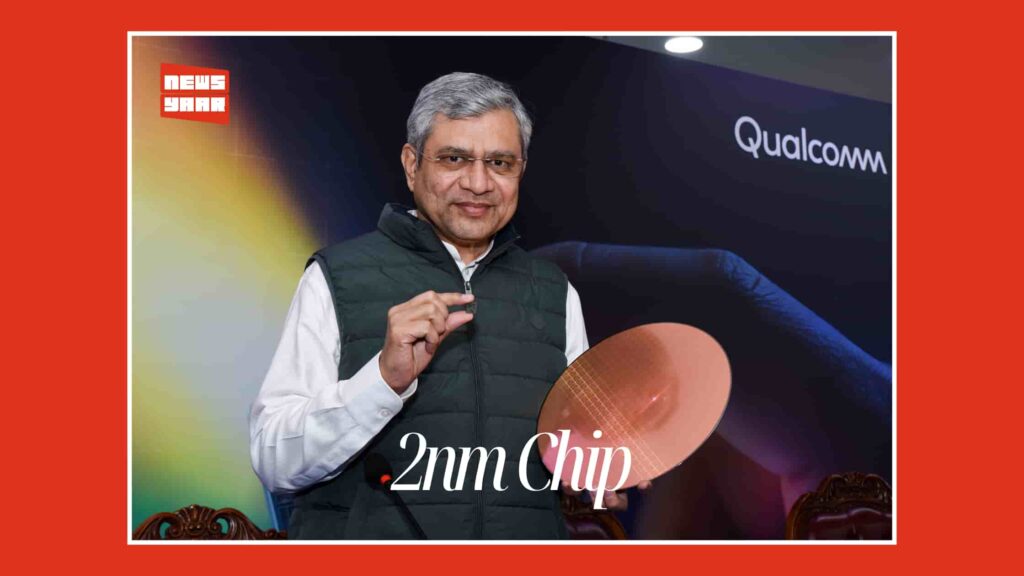
TECH India’s Semiconductor Leap: 2 nm Chips Designed from India Signal a Strategic Technological Shift In a development being widely recognised as a milestone for India’s semiconductor ambitions, engineers based in the country have played a central role in designing 2 nanometre (nm) semiconductor chips — one of the most advanced chip technologies in existence today. This achievement, marked by a successful 2 nm chip tape-out at a leading global chipmaker’s Indian facilities, underscores a significant shift in India’s role in the global semiconductor value chain from primarily back-office support to end-to-end engineering and advanced chip design. What Is a 2 nm Chip and Why It Matters In semiconductor terminology, the “nanometre (nm)” designation refers to the scale of the technology node — essentially the size of the features etched onto a chip. As technology nodes shrink, chips become more power-efficient, faster and capable of packing more transistors in the same physical space. The 2 nm node represents one of the most cutting-edge levels of chip design, sitting at the forefront of global semiconductor innovation alongside 3 nm and 4 nm processes. These advanced chips are expected to power future generations of smartphones, artificial intelligence (AI) systems, edge devices, data centre hardware, autonomous systems and high-performance computing applications. The density and complexity at this level — with tens of billions of transistors on a single die — enable significant improvements in performance and energy efficiency over earlier generations. The India Breakthrough: Design in Bengaluru and Beyond The chip design milestone was publicly showcased at **Qualcomm Technologies’ engineering centre in Bengaluru, where the company completed the **tape-out of its 2 nm semiconductor design, with development contributions distributed across its Indian engineering hubs in Bengaluru, Chennai and Hyderabad. “Tape-out” refers to the stage in chip development where the final design is completed and ready for manufacturing at a wafer fab — a critical endpoint of the design phase. While the actual manufacturing (fabrication) of the 2 nm chips will continue to be handled by specialised semiconductor foundries overseas due to the extremely capital- and technology-intensive infrastructure required, the fact that high-end design work is being led from India reflects a meaningful advance in the country’s engineering capabilities. Government Perspectives and Industry Interpretation Union Minister for Electronics and Information Technology, Ashwini Vaishnaw, highlighted this development as a marker of India’s transition toward holistic semiconductor capabilities, emphasising that the country is moving beyond “back-office development work” toward complete engineering cycles — from product definition, design and silicon layout to tape-out and validation — all conducted within Indian talent pools. At a press conference during the event, Minister Vaishnaw noted that this achievement demonstrates how India’s semiconductor design ecosystem has matured and is now integral to global engineering efforts. He indicated that the next strategic target would be to establish semiconductor “fabs” (fabrication facilities) in India, which would enable domestic production of advanced chips. Experts emphasise that such milestones are not merely technical achievements but also symbolic markers of India’s growing integration into the global semiconductor landscape, particularly in high-end design work that drives product performance and innovation. India as a Growing Engineering Hub The development also puts into sharp focus India’s rapidly expanding semiconductor ecosystem — one that combines a deep talent pipeline with increasing participation from global chipmakers. India hosts one of the largest engineering workforces outside the United States for companies like Qualcomm, which have invested in design, validation, system-level optimisation and AI integration efforts for next-generation chip platforms. Indian engineering teams contribute across multiple stages of semiconductor development, including architecture implementation, system integration and advanced feature validation — competencies that are critical in designing chips competitive at global levels. Policy Momentum: Semicon Mission 2.0 and Indigenous Design Focus The Government of India’s semiconductor policy framework, particularly Semicon Mission 2.0, prioritises indigenous chip design as a key objective alongside talent development, equipment and material ecosystem building, and eventual manufacturing capacity expansion. The revised mission includes funding and incentives for design-led startups, R&D centres, industry collaborations and skill development, aimed at creating a future-ready semiconductor workforce. Under this framework, global companies setting up design operations in India — including multinational firms like Arm — reflect international confidence in Indian engineering capabilities. Such initiatives help build intellectual property (IP), research expertise and design capability at a world-class level. Broader Strategic and Economic Implications The design of 2 nm chips from Indian engineering centres carries significance beyond technology alone. It contributes to: Enhanced strategic positioning in global semiconductor supply chains Attraction of further foreign direct investment (FDI) in high-tech R&D Upskilling of engineering talent and creation of advanced tech jobs Foundation for future advanced manufacturing and fab development Integration with AI, edge computing and next-gen connectivity sectors By enabling Indian engineers to work at the forefront of semiconductor design, the country is positioning itself as a competitor and collaborator in the high-performance chip ecosystem — a space historically dominated by a handful of global players. Conclusion: A Step Toward a Global Semiconductor Role While India’s semiconductor journey — from design to full-scale manufacturing — remains a multi-decade endeavour, the successful 2 nm chip tape-out driven by Indian talent and engineering operations represents a strategic inflection point. It reinforces the narrative that India is not just a consumer of cutting-edge technologies but a contributor and innovator, capable of playing a meaningful role in one of the most consequential fields of modern technology. This milestone, achieved through collaboration between global industry leaders and Indian engineers under supportive policy frameworks, signals that the country is steadily moving up the semiconductor value chain — from design and verification to eventual productisation and broader ecosystem participation. Video credit: YT@/ANI
Delhi Literature Festival 2026: Three Days of Ideas, Culture and Dialogue in the Capital
EVENTS Delhi Literature Festival 2026: Three Days of Ideas, Culture and Dialogue in the Capital The 14th edition of the Delhi Literature Festival (DLF) 2026 — one of India’s most vibrant annual literary events — was held from 6 February to 8 February 2026 at the Indira Gandhi National Centre for the Arts (IGNCA) Amphitheatre on Janpath in New Delhi. Spread over three days, the festival served as a confluence of literature, culture, art and public discourse, featuring a rich programme of author interactions, panel discussions, book launches, poetry sessions, performances and special thematic conversations. It is recognised as a key platform for nurturing literary talent, promoting creative expression, and fostering dialogue between writers, thinkers and readers. Origins and Purpose of the Festival First launched in 2013, the Delhi Literature Festival was conceived with the aim of celebrating India’s varied literary heritage and providing an inclusive space for thought leadership and cultural exchange. Over the years it has evolved into a major winter literary gathering that attracts authors, poets, journalists, policy experts, academics, cultural practitioners and enthusiastic readers from across India and abroad. The festival’s programming spans panel discussions, book readings, creative writing workshops, theatre and music performances, poetry recitals, debates, live interviews and thematic sessions that explore literature in its many forms. The festival emphasises the interplay between literature and public life, encouraging discussions that reflect the complexities of contemporary Indian society while also showcasing artistic and narrative innovation. It draws inspiration from Delhi’s long tradition as a cultural and intellectual hub, making it an ideal venue for literary exchange. Dates, Venue and Organisation Festival Name: Delhi Literature Festival 2026 Edition: 14th Dates: 6 February – 8 February 2026 Venue: Indira Gandhi National Centre for the Arts (IGNCA) Amphitheatre, Janpath, New Delhi Organisers: Delhi Literature Festival Organising Committee with support from cultural partners and sponsors The festival was open to the public with free registration, reinforcing its mission to make literature and cultural dialogue accessible to all sections of society. Theme and Programming The 2026 edition was held under the broad theme of “Literature, Culture and Prosperity”, acknowledging the role of literary engagement in shaping cultural understanding, public debate and intellectual flourishing. The festival’s sessions were designed to showcase diverse perspectives while exploring how stories and ideas connect to broader social, artistic and philosophical contexts. Programming was spread across the three days and included a balance of formal discussions and interactive sessions: Panel Discussions and Conversations: Authors, poets, literary critics and scholars participated in in-depth discussions on topics ranging from contemporary fiction and narrative style to cultural heritage, social issues and the future of publishing. Thematic Sessions: Special thematic talks gave voice to pressing subjects at the intersection of literature and society, such as the evolving role of storytelling in a digital era, the political dimensions of writing, and creative responses to cultural change. Cybercrime Awareness Session: Reflecting the festival’s engagement with contemporary realities beyond traditional literary boundaries, a notable session focused on cybercrime awareness, particularly the rise of “digital arrest” scams and online financial fraud. The session featured Nishant Kumar, Director of the Indian Cybercrime Coordination Centre (I4C), in conversation with RJ Purkhaa Tak, underscoring the importance of digital literacy and public vigilance in a rapidly evolving technological environment. Book Launches and Author Interactions: Several book launches and author meet-and-greet sessions were held, allowing readers to engage directly with writers and learn about their creative processes and recent work. Poetry and Performance: Poetry readings and live performances highlighted the expressive dimensions of language and narrative, bringing together established and emerging voices in verse and spoken word. Notable Participants and Voices While the official speakers’ list for DLF 2026 included a range of distinguished authors, thinkers, journalists and artists from across India, some sessions stood out for their depth and public engagement: Literary figures and cultural commentators Journalists and media personalities Policy experts and public intellectuals Emerging writers and poets The festival provided an important space for cross-generational dialogue, with established voices engaging with rising talent and new ideas. Public Engagement and Support The Delhi Literature Festival is supported by cultural organisations, literary associations, sponsor partners and volunteers who contribute to its efficient organisation and outreach. By offering free or accessible entry and a diverse programme, the festival has cultivated a broad audience, including students, professionals, senior citizens and families. Session formats were designed to encourage audience participation through question-and-answer segments, open debates and interactive workshops, making it not just a platform for listening but also for engaging. Why the Festival Matters The Delhi Literature Festival holds a unique place in India’s cultural calendar for several reasons: Promotion of Creative Expression: It celebrates literary creativity in its widest sense — from fiction and poetry to essays and public discourse — and supports writers in sharing their work beyond conventional publishing spaces. Cross-Disciplinary Dialogue: By incorporating contemporary issues such as digital literacy, technology and social questions into its programming, the festival underscores the relevance of literature to everyday public life. Audience Inclusivity: Free and open sessions attract a diverse audience, encouraging an active reading and discussion culture among people from different regions, age groups and backgrounds. Platform for Emerging Voices: Workshops, open mic formats and interactive panels provide opportunities for emerging writers and young thinkers to connect with established figures and build literary communities. Legacy and Future Outlook Since its inception in 2013, the Delhi Literature Festival has grown in influence and scope, becoming a hallmark of India’s literary landscape. The 2026 edition reinforced its commitment to evolving with the times — integrating contemporary subjects, forging new partnerships and encouraging participatory public engagement. As it looks forward to future editions, the festival continues to embrace literature as a space for cultural exchange, critical thinking and collective imagination, reaffirming the enduring
Hyderabad Literary Festival 2026: A Confluence of Culture, Ideas and Storytelling
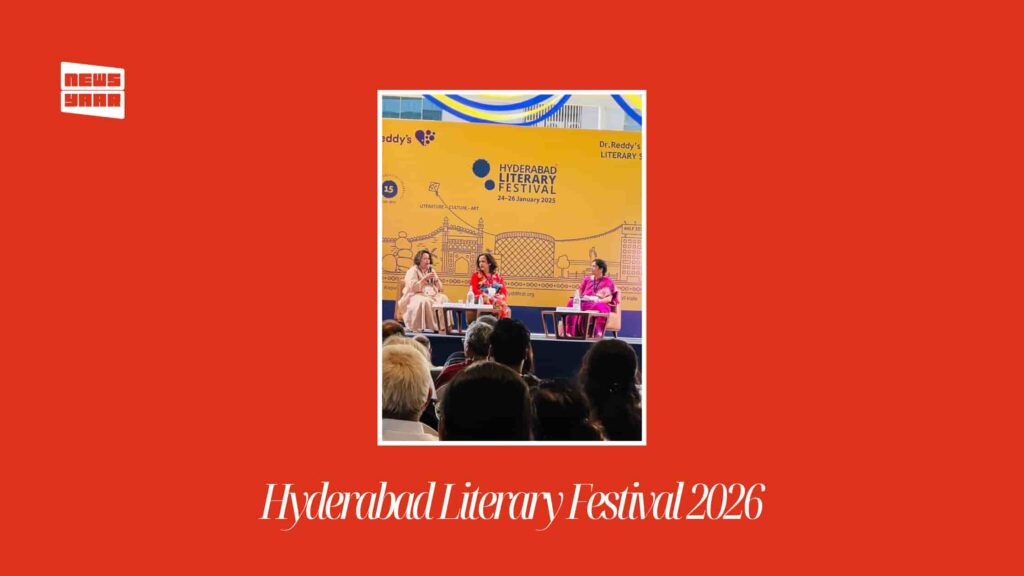
EVENTS Hyderabad Literary Festival 2026: A Confluence of Culture, Ideas and Storytelling The Hyderabad Literary Festival 2026 — one of South India’s most dynamic and inclusive literary events — was held from January 24 to January 26, 2026, in Hyderabad, Telangana. The annual festival brought together authors, poets, journalists, scholars, artists, translators and readers for three days of conversations, performances, workshops and community engagement revolving around literature, culture, cinema, history, social issues and the arts. The festival’s programming underscored its commitment to diversity, regional voices, multilingual storytelling and public dialogue. Organised by the Hyderabad Literary Trust, the festival has become a cornerstone of the city’s cultural calendar. It invites audiences not only from Hyderabad and other Indian states but also from abroad, positioning the city as a vibrant literary hub that celebrates both regional and global narratives. About the Festival The Hyderabad Literary Festival (HLF) is an annual event initiated with the purpose of promoting reading and writing, nurturing literary talent, fostering cross-cultural exchange, and creating an inclusive space where ideas and stories flourish. Since its inception, the festival has expanded in scale and scope, integrating a wide range of programmes including panel discussions, one-on-one conversations, book launches, poetry recitals, theatre presentations, film screenings, children’s literature sessions and writing workshops. The festival’s charter emphasises multilingual engagement, reflecting Hyderabad’s cosmopolitan ethos. Sessions at the festival are conducted in English as well as other Indian languages — particularly Telugu, Urdu and Hindi — ensuring accessibility for diverse audiences and literary communities. Dates and Venue (2026 Edition) Festival Name: Hyderabad Literary Festival 2026 Edition: Annual literary festival Dates: January 24–26, 2026 Location: Hyderabad (multiple cultural venues across the city) Organiser: Hyderabad Literary Trust For 2026, the festival took place at several venues in Hyderabad, including auditoriums, public libraries, literary centres and cultural institutions. These spaces enabled both curated programmes and interactive audience participation, accommodating literary events for all age groups. Key Highlights of HLF 2026 The 2026 edition of the Hyderabad Literary Festival featured an eclectic mix of sessions and activities. Major highlights included: Conversations with Renowned Authors: Established and emerging writers participated in in-depth discussions about their work, creative processes and the broader role of literature in society. Themes ranged from fiction and poetry to biography and reportage. Panel Discussions on Contemporary Issues: Festival sessions examined pressing social, political and cultural topics, including freedom of expression, climate narratives, migration and identity, digital media’s impact on storytelling, and historical memory. Regional Language Focus: True to its ethos of multilingual inclusivity, HLF 2026 amplified regional language voices — with sessions in Telugu, Urdu and Hindi alongside English. These included poetry recitals, translations showcases and dialogues on local literary traditions. Book Launches and Author Meet-and-Greets: Several new titles were launched during the festival, giving audiences the opportunity to interact with authors directly, participate in Q&A sessions and engage with creative communities. Workshops and Masterclasses: The festival offered a series of workshops aimed at aspiring writers, poets and students. Topics included creative writing techniques, translation skills, narrative structure, publishing insights and editorial craft. Children’s Literature Programme: With dedicated sessions for young readers, storytelling hours, interactive activities and workshops tailored for children and teenagers, the festival encouraged early literary engagement and fostered a reading culture among youth. Performances and Cultural Presentations: Poetry slams, theatre presentations and musical performances complemented the literary offerings, demonstrating how literature intersects with other art forms and live expression. Notable Participants and Voices While the festival featured a wide array of contributors, some notable participants in 2026 included: Indian authors and poets whose works have shaped contemporary discourse Regional language writers celebrated for their contributions to Telugu, Urdu and Hindi literature Journalists and cultural commentators addressing social change and media landscapes Academics and critics offering analytical perspectives on national and global themes Children’s authors and educators engaging young audiences through interactive sessions The diversity of participants underscored HLF’s commitment to providing platforms for both established voices and emerging talent. Why the Festival Matters The Hyderabad Literary Festival matters for a number of reasons: Promotion of Reading Culture: By drawing together writers, readers and cultural enthusiasts, the festival fosters a vibrant environment that encourages reading and literary appreciation across age groups. Multilingual and Inclusive Engagement: HLF’s focus on sessions in multiple languages acknowledges India’s rich linguistic landscape and promotes inclusivity in literary dialogue. Cultural and Intellectual Exchange: With discussions that cross disciplines — from literature and philosophy to social justice and technology — the festival stimulates intellectual exchange and public engagement with complex ideas. Support for Emerging Writers: Workshops, masterclasses and interactive forums provide emerging writers with mentorship opportunities and peer learning experiences, supporting the next generation of creative voices. City as Cultural Hub: For Hyderabad, the festival reinforces the city’s reputation as a thriving centre for culture, arts and literary expression. It contributes to the city’s cultural identity and encourages tourism, academic discourse and community participation. Audience Experience and Participation The 2026 festival welcomed readers, students, families, scholars and visitors from different parts of India. The inclusive programming ensured that sessions were accessible to a wide audience, with free or affordable tickets for select events and open-air activities designed to appeal to casual attendees and serious literature enthusiasts alike. Local institutions — including universities, cultural organisations and libraries — collaborated with the festival to support community outreach, extend programming into public spaces and integrate educational events into school and college schedules. Looking Forward As the Hyderabad Literary Festival continues to grow, its future promises enhanced engagement with national and international literary communities, deeper collaborations across cultures and greater emphasis on digital outreach and hybrid participation. By championing storytelling in all its forms, HLF remains a vital platform for ideas, identity and cultural dialogue in contemporary India.
Pariksha Pe Charcha 2026: 9th Edition — PM Modi Engages Students, Teachers and Parents Nationwide
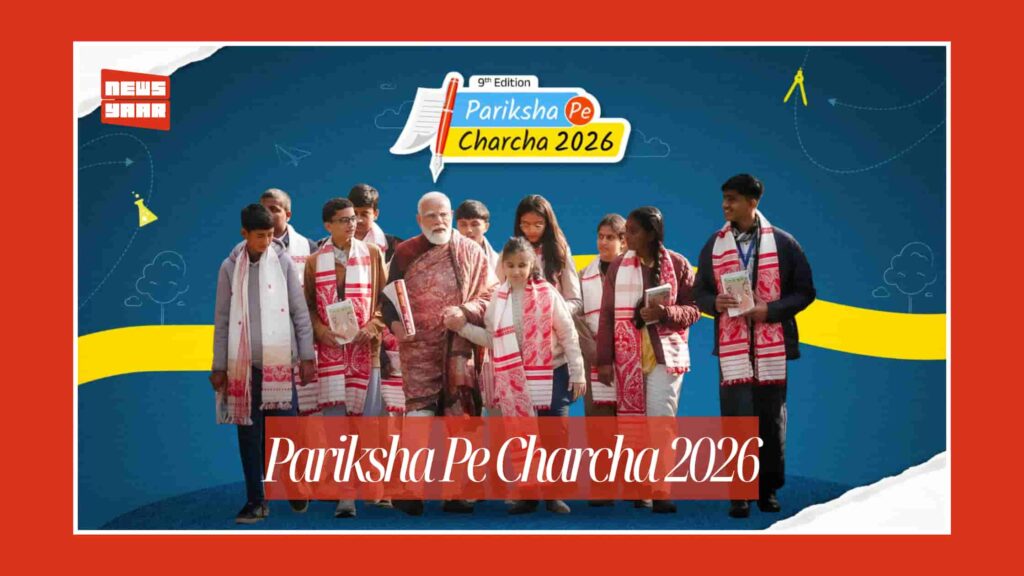
GOVERNMENT Pariksha Pe Charcha 2026: 9th Edition — PM Modi Engages Students, Teachers and Parents Nationwide The 9th edition of Pariksha Pe Charcha (PPC) — India’s annual interactive session between Prime Minister Narendra Modi and students, parents and teachers — was held on Friday, February 6, 2026. The event, broadcast live across television and digital platforms, marked a flagship national initiative that addresses examination stress, learning strategies, mental well-being and life skills for learners in the run-up to major board and competitive exams. Organised by the Department of School Education and Literacy under the Ministry of Education, PPC has evolved into one of the most widely followed educational outreach programmes in the country, reaching millions of students across urban and rural India. What Is Pariksha Pe Charcha? Pariksha Pe Charcha — literally “Discussion on Examinations” — is an annual interactive dialogue in which the Prime Minister addresses the concerns of students, parents and teachers about exams, study practices, stress management and future aspirations. First launched in 2018, the initiative aims to transform examination stress into a celebration of learning, encourage confidence and promote a balanced approach to academic life. Over the years, PPC has become a popular platform that reinforces mental well-being and purposeful learning, extending its relevance beyond just study tips to include broader life skills such as time management, resilience, discipline and digital awareness. Date, Format and Participation Event: Pariksha Pe Charcha 2026 Edition: 9th Date of Main Interaction: 6 February 2026 Organiser: Department of School Education and Literacy, Ministry of Education, Government of India Mode: Live broadcast and digital streaming across Doordarshan channels (DD National, DD News, DD India), All India Radio, MyGov.in, official Ministry of Education channels, YouTube, Facebook Live and other portals. The event was conducted in a hybrid and pan-India format, with interactive segments connecting the Prime Minister to learners in multiple cities including Delhi, Coimbatore (Tamil Nadu), Raipur (Chhattisgarh), Devmogra (Gujarat) and Guwahati (Assam), reflecting the nationwide reach of the initiative. Registration and Nationwide Participation The registration process for Pariksha Pe Charcha 2026 opened on 1 December 2025 on the MyGov portal, where students, teachers and parents could apply to participate and submit questions. The registration window closed on 11 January 2026. This year’s edition witnessed a record turnout, with over 4.5 crore registrations from students, parents and teachers. In addition, more than 2.26 crore people participated in associated school-based activities such as debates, quizzes and workshops, taking the overall engagement to approximately 6.76 crore participants nationwide. Educational institutions organised preparatory and follow-up activities such as quizzes, storytelling sessions, motivational talks and awareness programmes as part of the broader run-up to PPC, reinforcing its impact beyond the live broadcast. Key Themes and Messages During the 2026 interaction, Prime Minister Modi addressed a wide range of topics relevant to students’ academic journeys and personal development. The session did not focus solely on examination techniques, but also on holistic growth, well-being and future opportunities: 1. Exam Preparation and Strategic Learning PM Modi advised students on effective preparation techniques that emphasised consistent effort, understanding concepts and time management rather than last-minute preparation. He spoke about the importance of building a solid daily routine, disciplined revision and active engagement with study material. 2. Stress Management and Mental Well-Being A central thread of PPC 2026 was the discussion on exam anxiety and stress. The Prime Minister encouraged learners to view exams as milestones in learning rather than stress points, and urged them to maintain a calm, confident mindset. He highlighted practices such as regular breaks, physical exercise, sleep hygiene and supportive family environments to support mental well-being. 3. Responsible Use of Technology and Artificial Intelligence (AI) A significant topic for 2026 was the role of technology and AI in education. PM Modi emphasised that students should use AI as a guidance tool to enhance learning, creativity and problem-solving, but warned against over-dependence that might erode independent thinking and effort. He reiterated that discipline, focus and human judgment remain critical to academic success. 4. Career Choices and Personal Growth Responding to student and parent queries about career decisions, the Prime Minister advised learners to explore fields based on their interests, strengths and passions, rather than merely following popular trends. He encouraged self-awareness and thoughtful exploration before choosing professional pathways, highlighting that personal satisfaction and purposeful work contribute to long-term success. 5. Broader Life Skills and Values Beyond exams, the session touched on broader skills such as leadership, time management, emotional balance, discipline and community contribution — urging students to approach life with curiosity, resilience and empathy. In addressing parents, PM Modi called for supportive, pressure-free environments that allow children to thrive without excessive stress. Interactive Format and Question Selection Students and teachers submitted questions through official platforms ahead of the event, allowing the Prime Minister to respond to real concerns from multiple regions and educational backgrounds. The hybrid format enabled live participation from multiple locations, enabling similar levels of engagement across geographic and linguistic diversity. School events and live-streaming sessions, such as those organised in Kamrup Metropolitan district in Assam, facilitated shared viewing experiences, underscoring PPC’s role in fostering community dialogue and collective motivation ahead of examinations. Public and Media Engagement Pariksha Pe Charcha continues to attract broad media attention, with national and regional channels covering the event extensively. News outlets provided live coverage, summaries, thematic highlights and expert analysis, ensuring the session’s key messages reached students who were unable to participate live. Social media platforms were abuzz with clips, quotes, study tips and reflections, making PPC both a live conversation and a catalyst for follow-up discussions in classrooms and homes. Why Pariksha Pe Charcha Matters Pariksha Pe Charcha has grown into a signature national initiative for several reasons: Nationwide Accessibility: Through free broadcasts on television, radio and digital platforms, PPC
India-US Trade Deal 2026: Comprehensive Framework, Key Terms and Strategic Implications
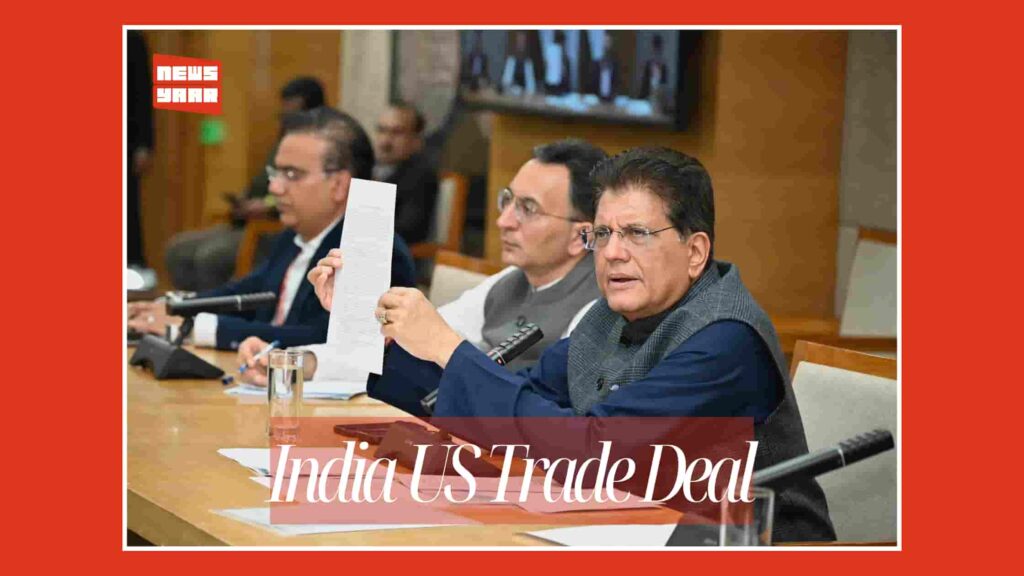
GOVERNMENT India-US Trade Deal 2026: Comprehensive Framework, Key Terms and Strategic Implications India and the United States have announced a framework for an interim trade agreement aimed at deepening economic ties, expanding market access, and strengthening bilateral cooperation on trade and investment. The trade deal represents progress in long-running negotiations between the two largest democracies and is viewed by New Delhi and Washington as a step toward a broader Bilateral Trade Agreement (BTA). The framework was unveiled following discussions between Prime Minister Narendra Modi and U.S. President Donald J. Trump, who first launched formal talks on a comprehensive India-U.S. trade arrangement in February 2025. Interim Framework Overview Under the interim framework, both countries have agreed to substantial tariff reductions and preferential market access commitments, while also embedding safeguards for politically sensitive and strategic sectors in their respective economies. The agreement stops short of a full free-trade agreement but sets out structured commitments that could be built upon in future negotiations. According to the joint statement issued by India and the U.S., the interim agreement emphasises mutual and reciprocal market access, rule-based trade enhancement, and sustained cooperation in areas of economic interest. It also commits both sides to work on non-tariff barriers to facilitate smoother trade flows. Tariff Reductions and Market Access One of the central features of the deal is reduction of mutually imposed tariffs on a wide range of goods: The United States will reduce its **reciprocal tariffs on Indian exports to 18 per cent from previous levels that reached up to 50 per cent on certain products, significantly improving access to the U.S. market. Tariffs will also be entirely eliminated for select Indian exports, including generic pharmaceuticals, gems and diamonds, and aircraft parts. India has agreed to eliminate or reduce tariffs on all U.S. industrial goods and a broad spectrum of American food and agricultural products, including dried distillers’ grains (DDGs), red sorghum for animal feed, tree nuts, fresh and processed fruits, soybean oil, wine and spirits. The reciprocal tariff arrangement is expected to open up significant opportunities for Indian exporters in traditional and emerging sectors, while also making a range of American products more competitive within India’s markets. Agriculture and Sensitive Sector Protections A major concern throughout negotiations has been safeguarding India’s agricultural and rural economy, which supports a vast portion of the population. Commerce and Industry Minister Piyush Goyal has repeatedly emphasised that the deal will fully protect sensitive agricultural and dairy products from tariff concessions. Products explicitly shielded include: Staple crops such as maize, wheat, rice and soya Dairy and poultry products including milk, cheese and meat Other items critical to rural livelihoods such as ethanol (fuel), tobacco and certain vegetables These protections are intended to prevent adverse impacts on the livelihoods of farmers, smallholder producers and rural communities, who form the backbone of India’s agricultural economy. At the same time, India has offered zero-duty access for its farm products entering the U.S. market, including items such as spices, tea, coffee, coconut and coconut oil, cashew nuts, certain fruits like mangoes, bananas and pineapples, bakery products and vegetable waxes. This is expected to enhance export earnings for agricultural producers and MSMEs. Sectoral Gains and Strategic Outcomes The interim framework includes sectoral provisions designed to boost trade and cooperation across diverse industries: Pharmaceuticals and Medical Devices: Zero tariffs on generic drugs and improved regulatory alignment are expected to bolster India’s strong position in the U.S. pharmaceutical market. Aerospace and Defence: Eliminating tariffs on aircraft parts and securing Section 232 exemptions are expected to benefit aerospace trade and support defence and commercial aircraft manufacturing. Manufacturing and ICT Goods: Commitments to address non-tariff barriers and streamline standards are expected to facilitate trade in information and communication technology (ICT) products and select machinery. Auto Components and Heavy Industry: The agreement anticipates tariff rate quotas for auto parts and preferential access for certain manufactured goods, enhancing industrial trade cooperation. Combined, these measures aim to reduce supply chain friction, attract investment, and support India’s Make in Indiainitiative by integrating domestic production more closely with global value chains. Energy and Long-term Procurement Commitments As part of the broader economic engagement, India has signalled intentions to import approximately USD 500 billion worth of goods from the United States over the next five years. These imports include energy products such as crude oil, liquefied natural gas (LNG) and liquefied petroleum gas (LPG), along with aircraft and aircraft parts, technology products, precious metals and coking coal. These procurement commitments align with India’s strategy of diversifying its energy sources and deepening strategic economic ties with the U.S. . Expected Economic Impact Commerce Minister Goyal has described the interim framework as a “historic and equitable agreement” that could potentially open a US$ 30 trillion market for Indian exporters. This expanded access is expected to deliver significant benefits for micro, small and medium enterprises (MSMEs), artisans, agricultural producers and women- and youth-led businesses by removing tariff barriers in the U.S. market. Key economic gains envisaged include: Boost to Indian exports in textiles, leather and footwear, plastic and rubber products, organic chemicals, home decor, artisanal goods and select machinery. Increased competitiveness for Indian pharmaceutical and aerospace sectors through zero tariff access. Enhancement of India’s MSME ecosystem through sustained preferential access and reduced non-tariff barriers. Political and Analytical Perspectives The trade framework has drawn both support and criticism within India. Proponents highlight its potential to create jobs, expand market reach for diverse sectors and attract foreign direct investment. Several state leaders have welcomed the deal as a step forward for economic growth and industrial development. Critics — including farmer unions and opposition figures — argue that the framework lacks sufficient detail and may expose certain sectors to unfair competition, particularly if tariff reductions are asymmetric. Concerns have been raised about the long-term impact on domestic agriculture and industrial policies. Why the
UGC Equity Rules Ignite Campus Fury: Protests, Court Stay, and a Divided Nation
EDUCATION UGC Equity Rules Ignite Campus Fury: Protests, Court Stay, and a Divided Nation Newsyaar February 9, 2026 8:06 am On a chilly January morning in 2026, 22-year-old Amit Mishra from Ballia led 60 fellow students on a 3-km march across Lucknow University, from the faculty of law to gate number 3. Their banners bore no party logos, just raw demands for “Equity for All.” This scene, amid policy’s collision with identity, captures the explosive backlash against the University Grants Commission (Promotion of Equity in Higher Education Institutions) Regulations, 2026, notified January 13. Aimed at curbing caste-based discrimination, especially against SCs, STs, OBCs, disabled persons, and women, the rules have sparked protests, a Supreme Court stay, and fierce political divides. Notified to repeal 2012 guidelines and align with the National Education Policy 2020’s equity focus, the regulations mandate Equity Committees, Equal Opportunity Centres, helplines, Campus Level Committees, and even “Equity Squads” for campus vigilance. They define discrimination broadly, covering religion, race, gender, caste, birthplace, and disability, but spotlight caste-based harm against reserved categories. Institutions must enforce these under the head’s oversight, with appeals to an Ombudsperson. Born from 2019 PILs by mothers of Rohith Vemula (died 2016) and Payal Tadvi, students alleging caste harassment, the rules address a 118% surge in UGC-reported complaints over five years. Campus Clashes Erupt Delhi University’s North Campus boiled over on Wednesday as general-category students breached police barricades near the Vice-Chancellor’s office, placards screaming “Kaala Kanoon Vaapas Lo,” “Equity for All, Not for Few.” Protester Satvik Sharma decried vague definitions and misuse risks, vowing to Parliament if unmet. Akhilesh Tiwari slammed the exclusion of general students from redressal, demanding natural justice amendments over the 2013 grievance system. Patna’s Dinkar Golambar turned chaotic: Hundreds from All Bihar Students Union and Savarna Ekta Manch burned effigies, announcing a February 1 Bharat Bandh. Leaders like Vishal Kumar cried upper-caste targeting, “Unity or destruction!”, while Suryadev Kumar called it divisive caste politics. UP protests echoed with “Bantenge Toh Katenge,” Lucknow and Kanpur seeing head-shaving vows; even a BJP Kisan Morcha office-bearer and Bareilly magistrate resigned in Rae Bareli. Sangh Parivar student wings protested at UGC offices; Karni Sena joined the bandh call. SFI countered with pro-rules marches, citing systemic bias. Court Steps In, Politics Splits January 29, Chief Justice Surya Kant and Justice Joymalya Bagchi stayed implementation, calling rules “prima facie vague,” misuse-prone, and overly caste-focused, excluding ragging, ignoring non-caste bias. Notices issued to UGC and government for March 19 replies; bench urged eminent jurists’ review. Petitions claim violations of Articles 14, 15(1), 21, seeking caste-neutral access. Tamil Nadu CM M.K. Stalin hailed it as “welcome” against “deep-rooted discrimination,” linking to SC/ST suicides and south/Kashmiri attacks, but flagged weak independence (heads chair committees). He urged strengthening, evoking Mandal resistance. CPI(M) backed expansion to IITs/IIMs; BSP’s Mayawati, Shiv Sena (UBT)’s Priyanka Chaturvedi welcomed stay for upper-caste inclusion. BJP’s Dharmendra Pradhan assured no misuse. Deeper Flaws Exposed Critics decry admin-controlled squads as “moral policing,” no systemic policy checks, and stakeholder ambiguity, faculty/staff covered but Ombudsperson student-only. Pro-rules voices see exclusionary protection as vital; opponents, a general-category witch hunt. Pre-election timing fuels suspicions. From streets to the Supreme Court, this “masterclass or mug’s game” tests equity’s meaning. As February 1 looms, India’s campuses teeter, Will the judicial system refine or dismantle? About the Author Education Reporter Share via Copied Comments Post Comment
Pravasi Bharatiya Divas 2026: Celebrating the Diaspora’s Enduring Bond with India
GOVERNMENT Pravasi Bharatiya Divas 2026: Celebrating the Diaspora’s Enduring Bond with India Newsyaar February 9, 2026 7:56 am Pravasi Bharatiya Divas (PBD), observed annually on January 9, honors the pivotal contributions of the Indian diaspora to India’s progress, marking Mahatma Gandhi’s return from South Africa in 1915 after 21 years, a moment that fueled India’s independence movement. While 2026 marks a non-convention year following the 18th biennial PBD Convention in Bhubaneswar, Odisha (January 8-10, 2025), themed “Diaspora’s Contribution to a Viksit Bharat,” global events and local initiatives continue to strengthen ties with over 35 million Non-Resident Indians (NRIs) and Persons of Indian Origin (PIOs) across 200+ countries. Launched in 2003 by the Government of India, PBD has evolved into a flagship platform since 2015 in its biennial convention format, promoting engagement amid India’s position as home to the world’s largest diaspora. Valued at more than 35 million strong, this community drives diplomacy, trade, technology transfer, and cultural exchange, channeling over USD 120 billion in annual remittances, making India the global top recipient. Objectives and Impact PBD 2026 emphasizes reconnecting overseas Indians with their roots while leveraging their potential for national growth. Key goals include building trust through direct interactions with Indian leaders and policymakers, encouraging investments in startups, infrastructure, healthcare, and education, and promoting skill-sharing from global experiences. It preserves Indian culture, languages, and traditions among second- and third-generation diaspora members while recognizing achievements through the Pravasi Bharatiya Samman Awards. The impact resonates deeply: it bolsters the diaspora’s global identity, enhances economic participation, and provides grievance redressal forums. By honoring their role in nation-building, PBD motivates sustained contributions, from business ventures to cultural preservation, positioning the diaspora as a bridge for a “Viksit Bharat” (Developed India). Dubai’s Vibrant Celebration In the UAE, home to one of the largest Indian communities, the Indian Business and Professional Council (IBPC) Dubai, alongside the Consulate General of India, hosted a standout cultural and thought-leadership evening blending World Hindi Day and PBD observances. The event drew Pravasi Bharatiya Award recipients like IBPC Chairman Siddharth Balachandran and veteran leader Vasu Shroff, highlighting Dubai’s stature as a hub for Indian professional excellence and exchange. Balachandran underscored the UAE’s diverse Indian tapestry, advocating for appreciation of regional languages alongside Arabic to foster coexistence. IBPC Vice Chairman Sunil Sinha stressed language in heritage preservation, while Consul Sunil Kumar urged youth involvement in cultural safeguarding. Dr. Sahitya Chaturvedi, IBPC Secretary General, addressed in Sanskrit, sharing his passion for linguistic promotion. The evening featured poetry recitals, an IBPC member Kavi Sammelan, and musical tributes to Hindi poetry, capturing the diaspora’s vibrant spirit. Looking Ahead As a non-convention year, 2026 relies on embassy-led events worldwide for reflection and dialogue, with the next major gathering slated for the 19th PBD in 2027. Smaller regional interactions may emerge, though official Ministry of External Affairs details remain pending. Amid cricket’s dominance and emerging sports like cycling (e.g., Pune Grand Tour), PBD uniquely spotlights the diaspora’s quiet power in remittances, innovation, and soft diplomacy. This observance reaffirms India’s strategic embrace of its global family, turning historical homecomings into modern partnerships for progress. About the Author Government Reporter Share via Copied Comments Post Comment
The Hindu Lit For Life 2026: 14th Edition Brings Literature and Public Discourse to Chennai
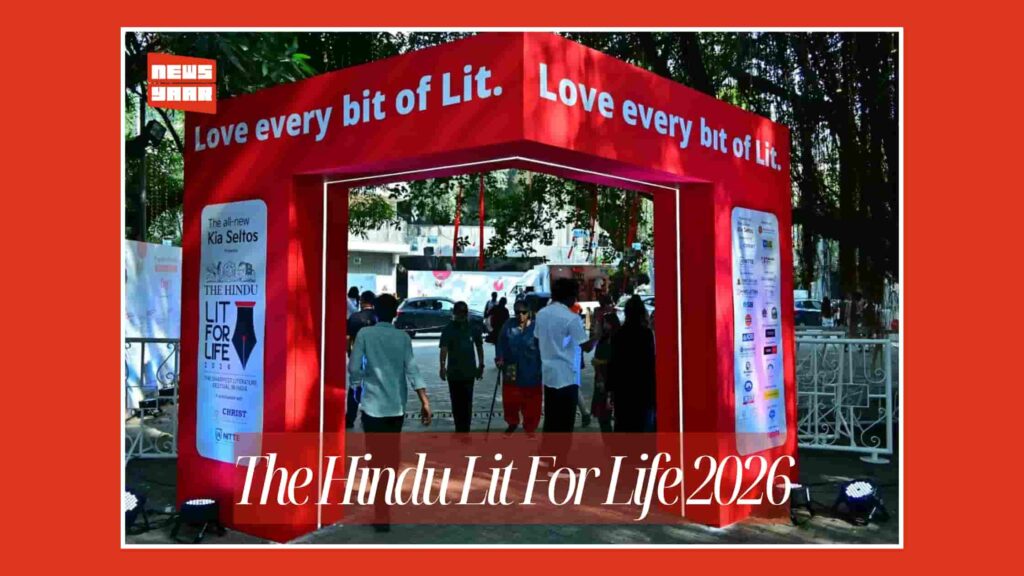
EVENTS The Hindu Lit For Life 2026: 14th Edition Brings Literature and Public Discourse to Chennai Newsyaar February 8, 2026 11:38 pm The 14th edition of The Hindu Lit For Life Festival 2026 will be held on January 17 and 18, 2026, at the Sir Mutha Venkatasubba Rao Concert Hall, located within the Music Academy complex in Chennai. Organised by The Hindu Group, the annual literary festival continues its long-standing tradition of bringing together leading writers, thinkers, journalists, artists and public intellectuals for conversations on literature, culture, politics and contemporary society. Over the years, Lit For Life has established itself as one of India’s most respected literary platforms, known for its focus on ideas, public dialogue and intellectual engagement rather than purely commercial book promotion. The 2026 edition marks the festival’s 14th year, reinforcing its position as a key fixture on India’s cultural calendar. About the Festival The Hindu Lit For Life was launched in 2013 as a space for meaningful literary and cultural conversations. Curated and hosted by The Hindu, the festival reflects the publication’s editorial ethos of informed debate, critical thinking and public interest journalism. Each year, the festival brings together voices from diverse fields — literature, politics, cinema, history, journalism, science and the arts — encouraging dialogue across disciplines and perspectives. The Chennai edition has traditionally been a central pillar of the festival, drawing audiences ranging from students and academics to avid readers and cultural practitioners. Dates, Venue and Format Event: The Hindu Lit For Life 2026 Edition: 14th Dates: January 17–18, 2026 Venue: Sir Mutha Venkatasubba Rao Concert Hall, Music Academy, Chennai Organiser: The Hindu Group The festival will feature panel discussions, author interactions, keynote conversations, poetry readings and thematic sessions, spread across two full days. Sessions are designed to encourage audience participation, with ample scope for questions and discussion. Themes and Focus Areas Lit For Life 2026 will focus on the evolving role of literature and ideas in a rapidly changing world. Discussions will span themes such as: Literature and democracy Media, truth and public trust Writing across languages and cultures Memory, history and identity Gender, society and representation The intersection of literature, cinema and popular culture The festival’s programming aims to connect literary discourse with real-world concerns, making it relevant not only to writers and scholars but also to a wider public audience. Speakers and Participants As in previous years, the 2026 edition is expected to feature a diverse lineup of prominent Indian and international writers, journalists, academics and cultural figures. The Hindu traditionally curates sessions that bring together contrasting viewpoints, encouraging nuanced debate rather than consensus-driven discussion. Detailed speaker line-ups and session schedules are released closer to the event. Why Lit For Life Matters At a time when public discourse is increasingly fragmented, The Hindu Lit For Life serves as an important forum for thoughtful, evidence-based conversations. The festival provides space for long-form discussion, critical engagement and intellectual exchange — values that are often underrepresented in fast-paced digital media environments. By hosting the festival in Chennai, a city with a deep literary and cultural legacy, The Hindu reinforces the importance of regional cultural hubs in shaping national conversations. Public Engagement and Accessibility The festival is open to the public, with entry passes available through official channels. Over the years, Lit For Life has attracted a wide demographic — from college students and first-time readers to senior academics and cultural professionals — making it one of the more inclusive literary events in the country. Select sessions are also typically covered extensively by The Hindu, ensuring wider access through news reports, interviews and digital content. Looking Ahead As The Hindu Lit For Life enters its 14th edition, it continues to evolve while staying rooted in its core mission — fostering informed dialogue through literature and ideas. The 2026 edition is expected to further strengthen the festival’s role as a space where literature engages directly with the social, political and cultural questions of the present. About the Author Events Reporter Share via Copied Comments Post Comment
Mathrubhumi International Festival of Letters (MBIFL) 2026: A Global Platform for Literature, Ideas and Cultural Dialogue
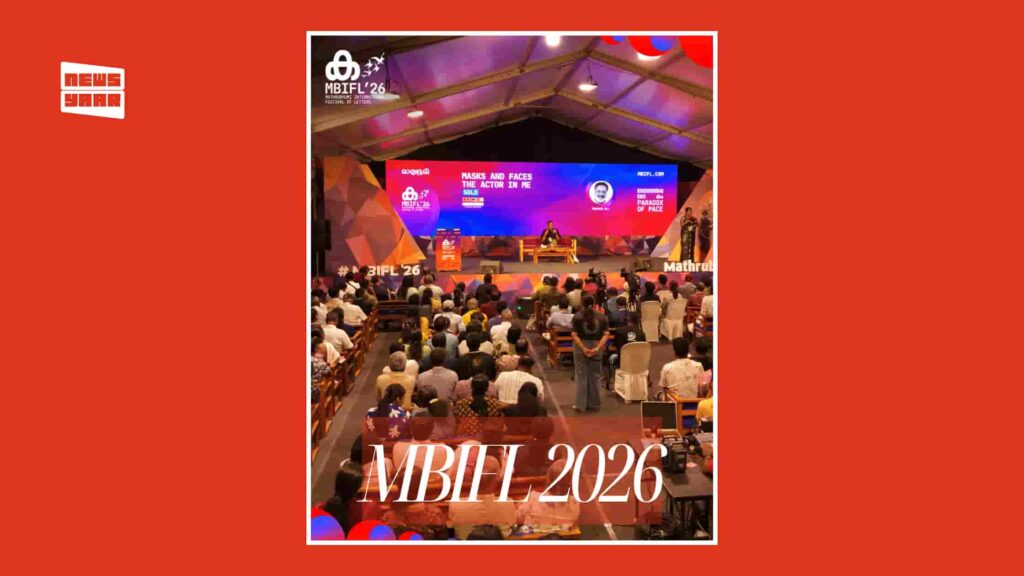
EVENTS Mathrubhumi International Festival of Letters (MBIFL) 2026: A Global Platform for Literature, Ideas and Cultural Dialogue Newsyaar February 8, 2026 11:19 pm The Mathrubhumi International Festival of Letters (MBIFL) is one of India’s most prominent literary and cultural festivals, conceived as a forum where literature intersects with ideas, society, politics, art and contemporary global discourse. Since its inception, the festival has positioned itself not merely as a celebration of books, but as a festival of conversations, bringing together writers, thinkers, artists, translators, journalists and readers from across India and the world. Organisers and Vision MBIFL is organised by the Mathrubhumi Group, one of India’s oldest and most respected media and publishing houses, with a legacy rooted deeply in Kerala’s literary and socio-political history. Founded in 1923, Mathrubhumi has played a formative role in shaping public discourse in India through journalism, publishing and cultural initiatives. The festival is curated and managed by Mathrubhumi Books and Mathrubhumi Event Division, with the objective of creating a global intellectual space rooted in Indian linguistic and cultural traditions. The organisers have consistently emphasised inclusivity, multilingualism and critical dialogue as the core pillars of the festival. By hosting MBIFL annually in Kozhikode — a city historically known for its openness, trade links and literary heritage — the organisers aim to position Kerala as a global destination for literary exchange and cultural thought. What the Festival Represents Unlike conventional literature festivals focused primarily on book launches or author readings, MBIFL is designed as an idea-driven platform. The festival foregrounds: Literature as a tool for social and political reflection Dialogue between Indian languages and global literatures Translation as cultural mediation rather than mere linguistic conversion Intersections between literature, history, science, cinema, philosophy, environment and democracy The festival actively brings together voices from diverse backgrounds, ensuring representation across geographies, languages, disciplines and generations. MBIFL 2026: 7th Edition — Dates, Venue and Structure The 7th edition of the Mathrubhumi International Festival of Letters (MBIFL 2026) was held from January 29 to February 1, 2026, in Kozhikode (Calicut), Kerala. Spanning four days, the festival featured an extensive programme of discussions, author interactions, panel sessions, workshops and performances hosted across multiple venues in the city. These included auditoriums, cultural centres, academic institutions and public spaces, enabling broad public access. Key Highlights of MBIFL 2026 Global Participation:The 2026 edition featured a strong international presence, with writers, scholars and cultural commentators from Asia, Europe, Africa and the Americas participating alongside leading Indian authors and intellectuals. Multilingual Focus:A defining highlight of MBIFL 2026 was its continued emphasis on Indian languages, particularly Malayalam, alongside English and other global languages. Several sessions focused on translation, linguistic identity and the future of regional literatures in a globalised world. Thematic Conversations: The festival curated discussions around themes such as: Literature and democracy Memory, history and identity Climate change and ecological narratives Migration, borders and belonging The evolving role of storytelling in the digital age These sessions brought together novelists, poets, historians, journalists and activists, encouraging cross-disciplinary dialogue. Translation and Cultural Exchange:Special sessions were dedicated to translation as both a creative and political act, examining how stories move across languages and cultures and how translation shapes global literary circulation. Youth and Student Engagement:MBIFL 2026 placed strong emphasis on engaging young readers and writers through interactive workshops, campus-linked programmes and student-focused discussions, strengthening the festival’s outreach beyond elite literary circles. Performative and Artistic Elements:In addition to discussions, the festival featured poetry readings, literary performances and cultural presentations that blended literature with music, theatre and oral storytelling traditions. Public Access and Media Engagement Many sessions at MBIFL 2026 were open to the public, reinforcing the festival’s democratic ethos. Select discussions were also livestreamed, allowing national and international audiences to engage with the festival remotely. The event attracted significant attention from national and regional media, literary publications and cultural platforms, underlining its growing importance in India’s cultural calendar. Cultural Significance and Impact Over the years, MBIFL has emerged as a key cultural institution that bridges regional and global literary ecosystems. Its impact extends beyond the festival days, influencing reading cultures, translation initiatives and intellectual debates within and beyond Kerala. For Kozhikode, the festival has become a defining annual event, boosting cultural tourism and reinforcing the city’s identity as a centre of ideas, literature and dialogue. Why MBIFL Matters The Mathrubhumi International Festival of Letters stands out because it treats literature not as an isolated art form, but as a living, questioning practice deeply connected to society. In an era marked by polarisation and information overload, MBIFL’s insistence on dialogue, nuance and critical engagement gives it renewed relevance. The 7th edition in 2026 reaffirmed the festival’s role as a space where stories, ideas and languages meet — not to compete, but to converse. About the Author Events Reporter Share via Copied Comments Post Comment
Beating Retreat 2026: A Grand Musical Finale to India’s Republic Day Celebrations
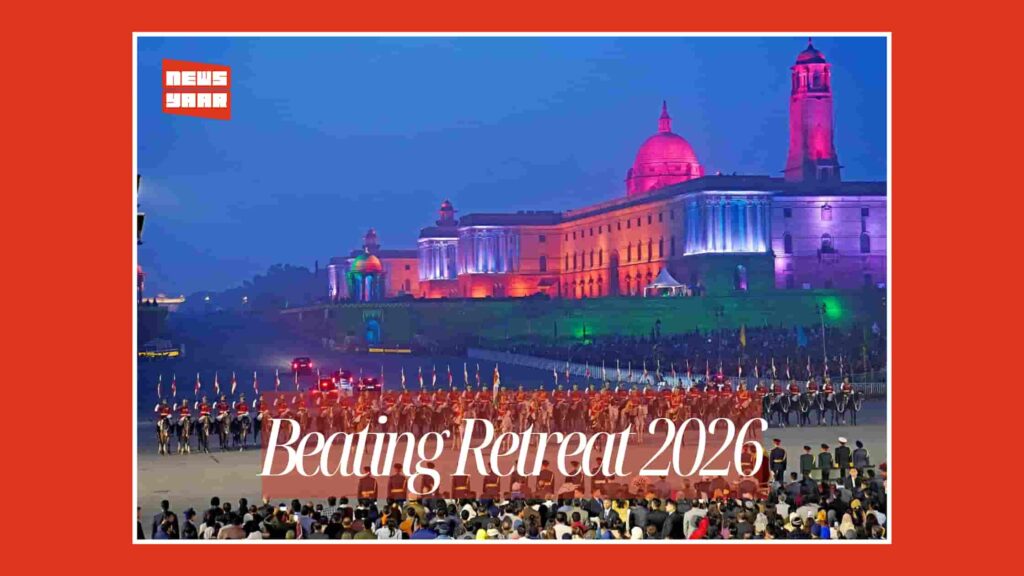
GOVERNMENT Beating Retreat 2026: A Grand Musical Finale to India’s Republic Day Celebrations Newsyaar February 8, 2026 11:08 pm The Beating Retreat ceremony — a time-honoured tradition that marks the official conclusion of India’s Republic Day festivities — was held on the evening of January 29, 2026, at Vijay Chowk in New Delhi. The event, presided over by President Droupadi Murmu in her capacity as Supreme Commander of the Indian Armed Forces, brought to a close several days of national celebration through a stirring display of military music, ceremonial precision and patriotic sentiment. The ceremony was also attended by Prime Minister Narendra Modi, Vice President Jagdeep Dhankhar, senior government officials and distinguished guests. Beating Retreat is held three days after Republic Day (26 January) and traditionally marks the end of India’s four-day long Republic Day celebrations that begin with the Parade on Kartavya Path and culminate in this distinctive evening event. What Beating Retreat Is and Its Origins The term “Beating Retreat” originates from a 17th-century military practice in England, when drums and bugles were sounded at sunset to signal troops to retire from the battlefield or return to their quarters for the night. Over time, this evolved into a ceremonial tradition involving massed military bands and formal musical routines. In India, the Beating Retreat ceremony was first introduced in 1955 during the state visit of Queen Elizabeth II and Prince Philip, with efforts led by officers of the Indian Army’s Ceremonial and Welfare Directorate. Since then, it has become a formal annual event integral to Republic Day observances, symbolising both military discipline and national unity. Ceremony Format and Key Elements Beating Retreat is celebrated against the backdrop of Vijay Chowk — the historic ceremonial venue flanked by the North and South Blocks of the Central Secretariat and the Rashtrapati Bhavan. The ceremony typically begins as the sun begins to set: When the President arrives, she is escorted by the President’s Bodyguard (PBG), a cavalry unit of the Indian Army, and receives a ceremonial salute. This is followed by the playing of the Indian National Anthem (Jana Gana Mana) by the massed bands and the unfurling of the National Flag. The musical programme features performances by a mass formation of bands drawn from multiple services and organisations — including the Indian Army, Indian Navy, Indian Air Force, pipe bands of the Army, Central Armed Police Forces (CAPF) and the Delhi Police bands. These ensembles play a blend of traditional military marches, Indian patriotic tunes and Western compositions. As the sky darkens, bands perform in synchronisation, demonstrating precision drills, compound marches and coordinated formations that reflect the discipline and heritage of India’s armed forces. Many of the musical arrangements incorporate both Western and Indian instruments, honouring the diversity of India’s cultural and military music traditions. A signature moment of the ceremony is the lowering of the National Flag at sunset. This is traditionally accompanied by a bugle call signalling retreat, followed by the martial strains of patriotic tunes such as “Saare Jahan Se Accha” and, in many years, the poignant hymn “Abide With Me”, which has been a fixture at the ceremony due to its historical association with Mahatma Gandhi. Beating Retreat 2026: Highlights and Significance The 2026 ceremony showcased the unity and precision of India’s military and paramilitary bands in a beautifully choreographed musical presentation. As the Republic Day festivities drew to a close, the event reaffirmed the discipline, dedication and professionalism of India’s defence and security forces. Prime Minister Narendra Modi, while attending the ceremony, underscored its importance as a symbol of India’s rich military heritage and traditions, reflecting the nation’s pride in its armed forces and cultural unity. The Beating Retreat ceremony is widely recognised not merely as a military protocol but as a cultural homage to the values enshrined in India’s Constitution — unity, diversity, courage and disciplined service to the nation. It is both a tribute to the armed forces and a reminder of the republic’s democratic ethos. Cultural and Public Engagement For many citizens and visitors, Beating Retreat represents the emotional climax of Republic Day celebrations, bringing together music, history and ceremonial dignity. The event is open to the public through limited ticketing and live broadcasts, and is followed by celebratory lighting displays across key government buildings in New Delhi, including the North and South Blocks and Rashtrapati Bhavan, enhancing the spectacle for attendees. Authorities in the capital also implement traffic and security arrangements in areas surrounding Vijay Chowk, Kartavya Path and Rafi Marg to ensure public safety and smooth conduct of the ceremony. Why Beating Retreat Matters Beating Retreat holds a unique place in India’s national calendar. Beyond crowd applause and musical grandeur, it encapsulates centuries-old military tradition adapted to contemporary national celebrations. The ceremony bridges historical practice with modern patriotic expression, reinforcing respect for service and sacrifice among citizens. Held every year on January 29, the Beating Retreat does more than end a series of Republic Day events; it symbolises the transition from formal celebration back to the regular rhythms of civic life, leaving an enduring impression of national pride and unity. https://www.youtube.com/watch?v=AlkqUq4SQXE Video credit: YT@/NaMo About the Author Government Reporter Share via Copied Comments Post Comment