


Mumbai Water Metro: Sailing to Ease Traffic and Revive Island City’s Waterways
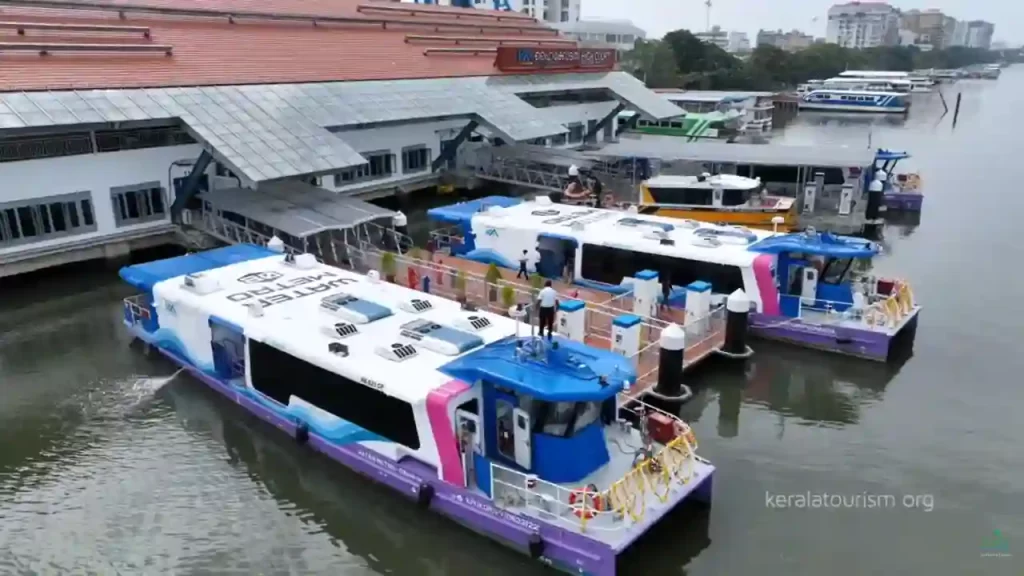
Mumbai, India’s bustling financial hub built on seven islands, faces daily chaos from overcrowded trains, jammed roads, and rising seas of cars. Commuters waste hours in gridlock, while ferries, once a lifeline, faded after failed tries like 1990s hovercrafts and a short-lived Belapur-Gateway run. Enter the Mumbai Water Metro: an ambitious 36-route network across the Mumbai Metropolitan Region (MMR) to ferry up to 18 million passengers yearly. Chief Minister Devendra Fadnavis gave in-principle nod on March 17, 2026, calling it a “coastal transport revolution.” Modelled on Kerala’s hit Kochi system, this Rs 6,592-crore plan taps Mumbai’s 340 km of waterways for scenic, green rides, slashing commute times, boosting tourism, and building shipyards.A Vision to Turn Tides on CongestionMumbai’s locals pack 75 lakh daily; roads choke with 40 lakh vehicles. Water Metro offers breezy escapes: 21 initial routes over 125-340 km (Phase 1: 215 km new + 125 km upgraded), with 25-44 terminals. Daily riders: 44,000; yearly: 18 million, rising to 75 million by 2031. Electric ferries zip between islands, bypassing potholes for sea views of Marine Drive, Bandra-Worli Sea Link.Fadnavis envisions it as the world’s largest water transport network, easing suburban rail pressure (already 1.6 crore water passengers yearly). Ports Minister Nitesh Rane: Start Mumbai city core, expand MMR, linking to Navi Mumbai Airport in 40 minutes from Gateway jetty.Key Routes: From Commutes to CruisesPhase 1 spotlights high-demand hops (6-10 initially):City Core: Nariman Point-Worli-Bandra-Juhu-Versova (coastal buzz).North Links: Versova-Madh, Marve-Manori, Gorai-Borivali (beaches, suburbs).Harbour Hops: Gateway-Mandwa, Belapur-Elephanta (tourist gems).Creek Crossings: Thal-Khanderi, Vasai Creek, Thane Creek, Ulhas River.Airport Express: Gateway to Navi Mumbai International Airport.Outer Reaches: Vasai-Kalyan-Kalher-Bandra-Vashi-Nariman Point.Later: Ro-Pax (car ferries), tourism circuits to Vasai Fort, bird sanctuaries, and parks. Fixed schedules like metro: Peak-hour frequency, digital tickets, rail-metro links.Green Fleet and Smart Tech for Smooth Sails207 vessels mix electrics (zero emissions), hydrofoils (fast), hovercrafts, hybrids, handling 3.5m tides. Private ops under PPP: Govt funds Rs 3,436 crore (civils, safety, jetties); privates Rs 3,156 crore (boats). Operations Control Centre at Kalher (Bhiwandi), backup Fountain Junction (Mira-Bhayandar); dedicated boatyard for local builds.Phases roll steadily:Phase 1 (by 2029): Rs 1,500 crore core network.Phase 2 (2030): Expansion.Phase 3 (2036): Full glory.Kochi Metro Rail Ltd’s DPR (submitted early 2026) guides; the consultant will be appointed in 4 months, then clearances, tenders.Kochi Model: Mumbai’s Fare GuideMumbai Water Metro ticket costs are not yet finalized, as the project is in planning (DPR stage, rollout eyed December 2026 onward). Officials aim for affordable fares like Kochi’s model (its blueprint), to beat past flops from high prices. Expect Rs 10-50 per short hop (e.g., 5-10 km), scaling with distance, cheaper than taxis (Rs 200+), on par with buses (Rs 10-30), and scenic vs. trains. Daily passes, monthly options, and UPI/app tickets planned.Kochi Water Metro (Mumbai’s inspiration) sets the benchmark:Single journey: Rs 20 minimum to Rs 40-50 maximum (e.g., Vytilla-High Court: Rs 40; Fort Kochi: Rs 40).Kochi1 Card: Rechargeable smart card (metro+water), 20% discount.Passes:Pass TypeCostValidityWeeklyRs 1807 daysMonthlyRs 60030 daysQuarterlyRs 1,50090 daysPast Flops to Future Wins: Learning from Waves1990s hovercrafts sank on costs; 2024 Belapur-Gateway fizzled on low uptake. This time? Affordable fares (Rs 20-50?), eco-focus, integration fix it. Kochi’s success (78 boats, 5 lakh riders/month) proves demand; Mumbai’s waterways are unused despite island roots.Hurdles and HorizonsEco-clearances, tides, and monsoons challenge, but tidal-proof jetties and weather-resilient boats are ready. By 2036, imagine: Skip Virar trains, sail Versova-Bandra in 20 minutes; tourists yacht Worli sunsets. Mumbai sails again, cleaner, calmer, connected.
India’s Kalpakkam Nuclear Reactor Hits Major Milestone
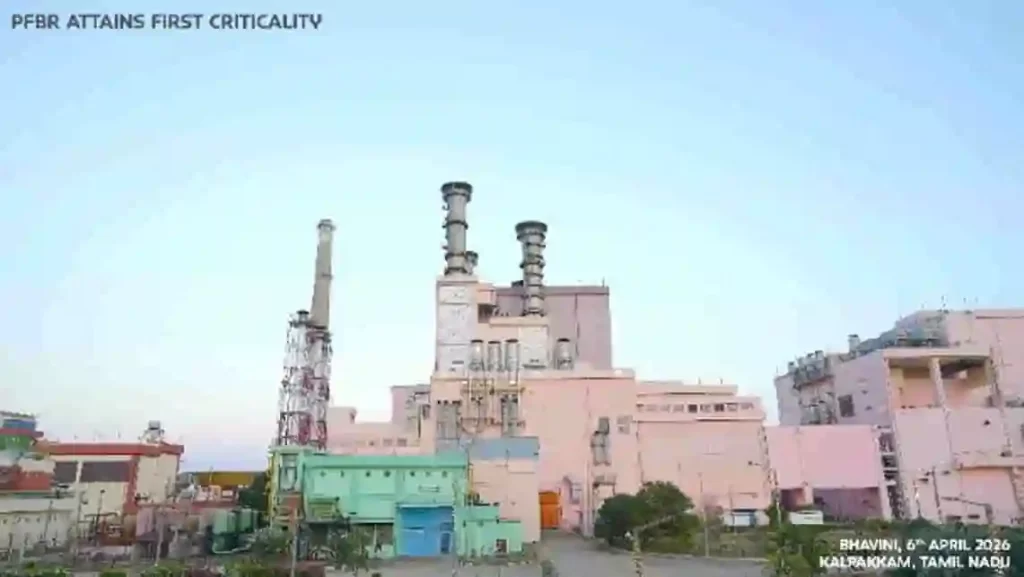
India has achieved a big success in its nuclear energy program. On April 6, 2026, the Prototype Fast Breeder Reactor at Kalpakkam in Tamil Nadu reached first criticality. This means the reactor started a steady nuclear chain reaction on its own. The 500 MWe reactor was fully designed and built in India by Bharatiya Nabhikiya Vidyut Nigam Limited at the Kalpakkam Nuclear Complex. Prime Minister Narendra Modi called it a defining step for India’s nuclear journey. This event moves India into the second stage of its three-stage nuclear power plan, first dreamed up by Dr. Homi Jehangir Bhabha.The success shows years of hard work by India’s scientists in the Department of Atomic Energy. When fully operational, India will be the only country, after Russia, to have a working commercial fast-breeder reactor. It helps India’s clean energy goals by giving steady power with low carbon. This brings the country closer to no net emissions by 2070.What is India’s Three-Stage Nuclear Plan?India has little uranium but lots of thorium. The plan uses a closed fuel cycle to make more fuel over time. Each step leads to the next for long-term power security.In Stage 1, Pressurised Heavy Water Reactors use natural uranium for power. Their waste makes plutonium for Stage 2.Stage 2 uses fast-breeder reactors such as the PFBR. These make more fuel than they use. The PFBR turns plutonium into power and breeds plutonium-239 from uranium-238. Later, it will use thorium to make uranium-233 for Stage 3.Stage 3 will use India’s thorium with uranium-233 for huge amounts of clean energy. This smart plan makes India a leader in nuclear strategy.How the PFBR Works SimplyThe PFBR comes from research at the Indira Gandhi Centre for Atomic Research. It uses mixed uranium-plutonium fuel from old reactor waste. A blanket around the core turns uranium-238 into new plutonium-239 with fast neutrons. This means it breeds extra fuel.It is sodium-cooled and sits next to the Madras power station. Construction started in 2004, and fuel went in during 2024. Waste fuel gets reused, cutting trash. It links Stage 1 to thorium in Stage 3.India’s Nuclear Power TodayIndia has 8.78 GW of nuclear power now. In 2024-25, plants made 56,681 million units of electricity, about 3% of total power. There are 21 working plants and eight buildings.Plans add 18 reactors by 2031-32 to reach 22.38 GW. India has deals with 18 countries for peaceful nuclear workBig Future PlansThe 2025-26 budget starts the Nuclear Energy Mission for 100 GW by 2047. It gives Rs 20,000 crore for small modular reactors. Five home-made ones will run by 2033.BARC builds new designs like the 200 MWe BSMR-200 and others for power and hydrogen. The SHANTI Act of 2025 updates rules and lets some private help under watch.This path mixes money, new laws, and home tech for a strong nuclear future. The PFBR opens doors to thorium power, and less uranium is needed. It creates jobs and cuts coal use for India’s growth.
Delhi Launches EV Policy 2.0 to Fight Pollution and Boost Electric Vehicles
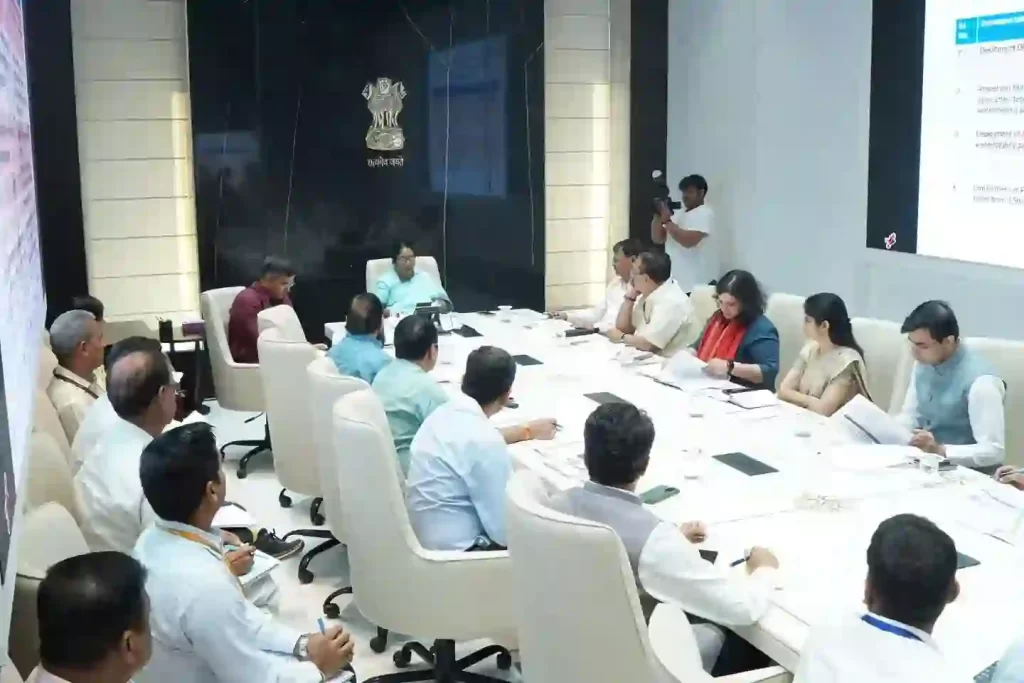
The Delhi government has put up a bold new plan to clean up the city’s air. They released the draft Electric Vehicle Policy 2.0 for 2026 to 2030 on April 11, 2026. This policy, called EV Policy 2.0, offers big cash incentives, tax breaks, and strict rules on petrol vehicles. The Transport Department’s EV Cell put it out for public feedback. People can send comments by email or post for 30 days. The goal is to make Delhi a leader in electric vehicles and cut down on dirty air from cars and bikes. Delhi wants one in every four new vehicles sold to be electric, building on its old policy from 2020.This new draft comes at a time when Delhi battles severe pollution. Vehicles cause a large part of the smog. Two-wheelers make up 67 percent of all vehicles on Delhi roads. The policy targets them first with bans and money help. It mixes rewards for buyers with deadlines to stop old fuel types. Experts call it one of India’s most forward-thinking plans. It aims to turn Delhi into a green transport hub by 2030.Big Cash Incentives for Electric Vehicle BuyersThe policy gives direct money to people who buy electric vehicles. Incentives drop over three years to push fast change. Buyers claim them online and get bank transfers after checks. They tie into the national PM E-DRIVE scheme.For electric two-wheelers up to Rs 2.25 lakh, help starts high. In year one, buyers get Rs 10,000 per kWh of battery, up to Rs 30,000 max. Year two drops to Rs 6,600 per kWh, max Rs 20,000. Year three gives Rs 3,300 per kWh, max Rs 10,000. This makes cheap EV scooters affordable for daily commuters.Electric three-wheelers like auto-rickshaws get fixed amounts. Year one pays Rs 50,000. Year two gives Rs 40,000. Year three offers Rs 30,000. These help drivers switch from CNG to clean power.For N1 goods vehicles up to 3.5 tonnes, incentives hit Rs 1 lakh in year one. Year two pays Rs 75,000. Year three gives Rs 50,000. Small trucks and vans benefit most here.Electric cars up to Rs 30 lakh ex-showroom qualify for extra perks if owners scrap old BS-IV or older cars. First 100,000 buyers get a Rs 1 lakh scrappage bonus. They must scrap within six months of the certificate. This clears old polluters fast. Tax Breaks and Scrappage Bonuses Make EVs CheaperElectric vehicles skip all road tax and registration fees until March 31, 2030. Cars up to Rs 30 lakh get a 100 percent waiver. Strong hybrids get 50 percent off. Luxury EVs over Rs 30 lakh pay full.Scrappage adds more savings. Two-wheeler owners get Rs 10,000 for old petrol or CNG bikes. Three-wheeler drivers earn Rs 25,000. N1 truck buyers pocket Rs 50,000. These bonuses reward people who ditch dirty vehicles for electric ones. The push clears roads of high-emission machines.Strict Bans and Mandates to Force the SwitchThe policy sets hard deadlines for petrol and diesel. No new petrol two-wheeler registrations after April 1, 2028. Only electric bikes and scooters are allowed then. New three-wheeler registrations must be electric from January 1, 2027. No more CNG autos.Commercial fleets face tougher rules. From January 1, 2026, ride-hailing and delivery firms cannot add new petrol or diesel two-wheelers or light goods vehicles up to 3.5 tonnes. BS-VI two-wheelers last until the end of 2026.Government leads by example. All leased or hired official cars will turn electric in 12 months. Delhi runs 3,535 electric buses now. Plans add 2,800 more in phase one and 3,330 in phase two. The goal is to hit 7,500 e-buses by the end of 2026 and 11,000 by 2028. Public transport shows the way.Charging Stations Grow to Support More EVsNo good policy without places to charge. Delhi wants a public charger every 3 km. From hundreds in 2020, it reached 9,000 stations by early 2026. Battery swap spots hit 234. Target will jump to 30,000 chargers soon.The government helps installers with cheap land in parking lots. It reimburses 100 percent of the state GST on advanced batteries for swaps. New buildings must have EV-ready spots in 20 percent of parking. Lower power rates for charging make it cheap. Sellers must add chargers at dealerships. These fights range from fear to speed in daily use.Past Success and Road AheadDelhi’s first EV policy from 2020 worked well. EVs now make 14 percent of new sales, above India’s 8 percent average. Over 86,000 EVs registered since the start. Two and three-wheelers lead uptake. Charging grew fast, too. The Transport Department runs the show with an EV Cell. A State EV Board checks progress. Funds come from pollution fines and the Air Ambience Fund. Central FAME money flows through local schemes.Challenges remain. Old subsidy delays frustrated buyers. New rules fix that with fast claims. Land scarcity slows chargers. Retrofitting old cars raises safety concerns. Policy adapts with open data on stations and loan help.Delhi beats many states in EV share and chargers. It teaches others: mix money, rules, and infra. National goals like PM E-DRIVE align perfectly. By 2030, Delhi eyes top global spot for green rides.
Anant Ambani Launches Vantara University for Wildlife Conservation
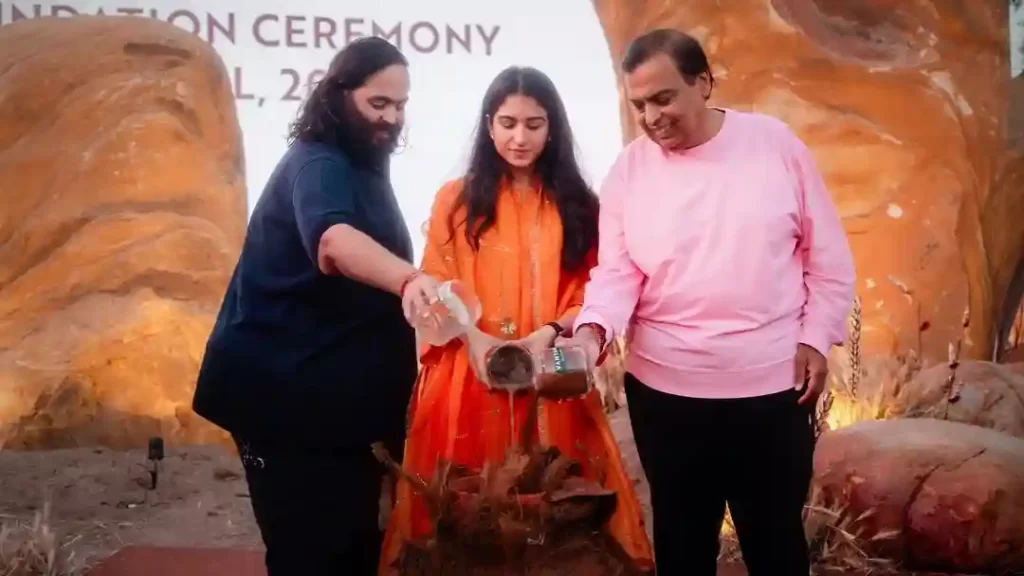
Anant Ambani, Executive Director of Reliance Industries, has launched Vantara University in Jamnagar, Gujarat. This new university focuses entirely on wildlife and veterinary sciences. He started it at the 3,000-acre Vantara wildlife rescue and rehabilitation centre. The launch happened during a foundation ceremony on his 31st birthday. Anant laid the foundation stone with his wife, Radhika and father Mukesh Ambani, Chairman of Reliance Industries.Anant Ambani calls this a “1,000-year vision for the planet.” He wants the university to train veterinarians and scientists from around the world. Right now, there is a big shortage of experts in wildlife health, disease control, and conservation. The university will fill this gap. It will create skilled people to fight problems like loss of animals, plants, and new diseases that jump from animals to humans.Why Vantara University Matters NowThe world faces more ecological problems every day. Biodiversity is disappearing fast. Zoonotic diseases, like those that spread from animals to people, are becoming common. Many countries lack trained professionals to handle these issues. Anant Ambani built this university to solve that. He says conservation needs more than money or land. It needs smart minds and strong skills.Vantara started as a rescue centre for hurt and endangered animals. Now, it grows into a full learning hub. The university sits right inside this vast facility. Students will work hands-on with real animals every day. This mix of school learning and field work makes it special.What Programs Will the University Offer?Vantara University plans many courses for different levels. These include undergraduate degrees, postgraduate studies, fellowships, and special training. The main areas cover key parts of wildlife care. Here is what they focus on:Wildlife medicine and surgery. Students learn to treat sick or injured wild animals.Animal behaviour and genetics. They study how animals act and pass on traits.Epidemiology. This teaches how diseases spread in animal groups.Conservation policy. Trainees learn rules and plans to protect nature.All programs blend classroom lessons with real work. Students use Vantara’s hospitals, rescue teams, and labs. They will help save animals, study their health, and plan for the future.Hands-On Learning at Vantara CentreThe 3,000-acre Vantara site gives perfect training grounds. It has advanced veterinary clinics for big and small animals. Rescue teams bring in hurt wildlife from India and abroad. Rehabilitation areas help animals get strong again before release. Research labs test new treatments.Students will join daily operations. They might help a rescued elephant with surgery. Or track diseases in bird groups. Or study genes to save rare species. This real-world practice builds experts fast. Anant Ambani says it turns book knowledge into life-saving action.A Global Hub with Indian RootsVantara University wants to lead worldwide. It plans partnerships with top schools and groups abroad. This brings in global experts and shares India’s know-how. At the same time, it uses India’s old wisdom. Ancient texts and traditions teach harmony with nature. The university mixes this with modern science for a unique style.Anant Ambani stresses compassion in all work. He says care for animals must come from the heart, backed by knowledge. The goal is a “purpose-led” education. Graduates will work in zoos, forests, research centres, and governments everywhere.Long-Term Vision for ConservationThis launch marks a big change in wildlife efforts. Past projects built zoos or parks. Vantara University builds people. It invests in talent for generations. Anant Ambani sees it as a civilizational step.Conservation will rely on trained hands as much as good intentions.The university supports Vantara’s full mission. That includes rescue, rehab, research, and now education. Together, they form one strong system. Over time, it will train thousands. This helps save species and ecosystems worldwide.India’s Jamnagar now hosts the world’s first university just for wildlife sciences. Vantara University promises hope amid global crises. It shows that one family’s big dream can spark worldwide change.
GIFT City Updates: IPO Withdrawal, New Initiatives, and Growth Milestones in Gujarat’s Financial Hub

Gandhinagar, April 2026 – Gujarat International Finance Tec-City (GIFT City) saw key developments this week. These include the withdrawal of the first GIFT City IPO, the launch of an industry-academia collaboration series, Niyam Group’s insurance authorization, and recognition as India’s first fully operational global financial hub. All details are from official sources, IFSCA, and company statements.XED Executive Development Withdraws $12 Million IPOXED Executive Development, the first company to launch an IPO in GIFT City, withdrew its $12 million share sale on Monday.Reason: Weak investor demand due to global uncertainties.Subscription: Only 5% of the offer size, per NSE International Exchange data, despite extensions.Company statement: “We withdraw in the current environment and plan to return at a better time.” Informed GIFT City-IFSC and exchanges.Challenges: KYC bottlenecks for retail investors; caution from institutions amid volatility and low liquidity.Impact: Industry calls it a setback for GIFT City’s IFSC ambitions against global hubs.GIFT City Launches Industry-Academia Roundtable SeriesGIFT City started its Industry-Academia Roundtable series to align talent with IFSC needs.First event: Held recently in GIFT City with leaders from Ahmedabad/Gandhinagar universities, tech firms, and GCC companies.Focus areas:Curriculum alignment with financial services, fintech, and tech.Structured internships and live projects.Research collaboration and talent pipelines.Quotes:Ms. Shefali Gaur, IBM: “Future workforce needs adaptability, digital fluency, and problem-solving. These platforms build employable talent.”Mr. Nimay Kalyani, University of Wollongong: “Evolve from alignment to integration for job-ready graduates.”Future: Expand to key Indian cities to boost employability and partnerships.Niyam Group Gets Tier 2 Insurance Intermediary ApprovalNiyam Group received IFSCA approval as a Tier 2 Insurance Intermediary Office (IIO) in GIFT City.Launch: January 2026 by insurance veteran Bobby Swarup (20+ years experience).Focus: Bring reinsurance capacity to India; supports Viksit Bharat 2047.Key approvals: Lloyd’s of London for Syndicate 2047; first IIO to offer Lloyd’s capacity from GIFT City.Principal Officer: Sumit Aneja, based in GIFT City, to scale operations.Quotes:Aneja: “Focused on building a high-performing team for Vision 2047.”Company: “Grateful to IFSCA; GIFT City key to India’s re/insurance growth.”GIFT City: India’s First Fully Operational Global HubGIFT City is now India’s first fully operational global financial and IT hub.Vision: Started under PM Narendra Modi as Gujarat CM; advanced by CM Bhupendra Patel.Features: Policy-driven center with financial services, tech, regulatory ease, and infrastructure.Goal: Serve India and the world by competing with global financial centers.Status: Transformed into a vibrant ecosystem per official press release.Recent Developments RecapXED IPO Withdrawal: First GIFT City IPO ($12M) pulled due to 5% subscription amid global issues and KYC hurdles.Industry-Academia Roundtables: New series bridges education and fintech needs; first event with universities and firms like IBM.Niyam Group Approval: Tier 2 IIO license; first to offer Lloyd’s Syndicate 2047 capacity; led by Sumit Aneja.Hub Milestone: Fully operational global finance/IT center, envisioned by PM Modi and advanced by CM Bhupendra Patel.Future Plans for ExpansionGIFT City targets rapid scaling post-2026:GCCs and Innovation: Priority on Global Capability Centres (GCCs), Global Innovation Centres (GICs), and centres of excellence for cost advantages.Workforce Goal: 100,000 jobs by 2030.Infrastructure: Add 10.25M sq ft (DTA, ~52,300 jobs) + 12.26M sq ft (SEZ, ~84,600 jobs) by FY2030; total 136,900+ new jobs.Residential: 7,500 units by 2030 for a live-work balance.Talent Focus: Deeper skills via partnerships, regulatory sandboxes, and social infrastructure. Outreach: Global events like Davos drive commitments beyond banking.Comparison: GIFT City vs. DIFC (Dubai) and SingaporeGIFT City competes effectively with established hubs, emphasizing India’s market access and low costs.FeatureGIFT City DIFC (Dubai) gift.Singapore Tax Exemptions100% for 10 years (profits, gains, no GST/MAT)0% on qualifying Free Zone income; 50-year holiday possibleAttractive rates, treatiesOperational CostsLowModerateHighRegulationsIFSCA: Flexible, global standardsStrict, investor-friendlyBusiness-friendly, GST exemptionsMarket AccessIndia’s 1.4B populationMiddle East/AfricaAsia-PacificSetup EaseSimple for funds/fintechUSD 50M AUM min for someHigh but costlyBest ForCost-effective offshore financeHigh-net-worth family officesEstablished tradingGIFT City excels in tax holidays and proximity to India’s growth, while DIFC offers long-term certainty for larger assets.Strategic ImportanceDespite IPO hiccups, GIFT City’s momentum – via reinsurance, talent initiatives, and expansions- positions it as a rival to offshore hubs like Singapore/Mauritius. It supports India’s Viksit Bharat 2047 vision with reinsurance capacity and fintech innovation.These updates show GIFT City’s push in finance, talent, and reinsurance despite challenges like the IPO pullback. The hub strengthens Gujarat’s role in India’s economy.
From Power Corridors to Cultural Eternity: Yuge Yugeen Bharat Museum as World’s Largest by 2026
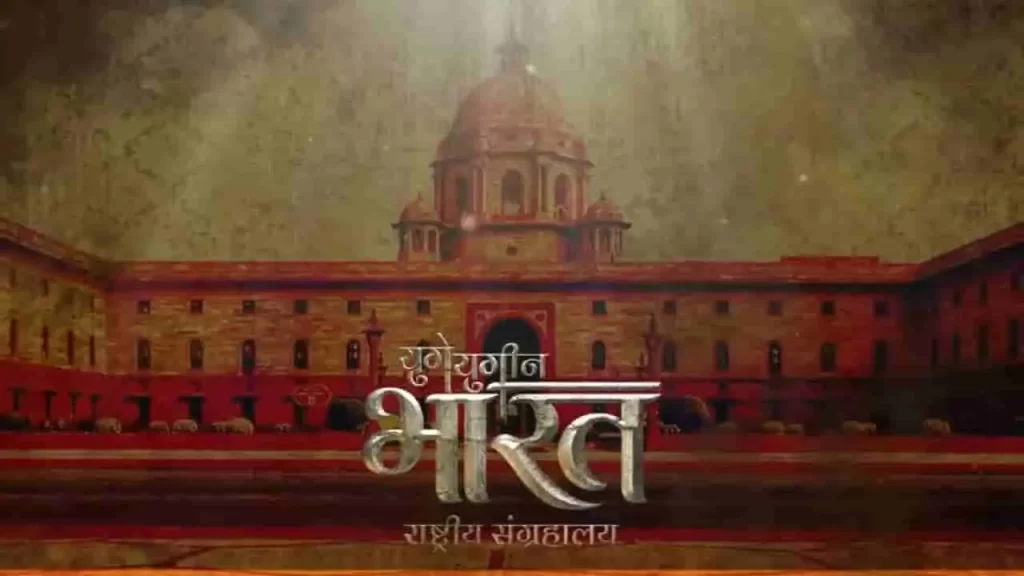
In a transformative pivot from colonial legacies to civilizational pride, India’s historic North and South Blocks on Raisina Hill are shedding their administrative mantle to birth the Yuge Yugeen Bharat Museum, poised to claim the title of the world’s largest museum. Spanning 1.55 lakh square meters (with over 80,000 sqm of display space across 950 rooms), this behemoth will chronicle 5,000 years of Bharat’s journey, from Indus Valley seals to modern manuscripts. The first gallery is expected to open in the North Block by late 2026, featuring 30 thematic spaces over three years and showcasing 80,000–1 lakh artefacts sourced from national vaults, state collections, and ASI treasures.Culture Secretary Vivek Aggarwal revealed to The Times of India: the inaugural “Time and Timelessness” gallery will spotlight 100 pivotal relics – think Indus Valley terracotta hourglasses (2500–1750 BCE), Mauryan edict pillars (3rd century BCE), Gupta Surya sculptures (5th century CE), the iconic 13th-century Konark Sun Wheel, and Chola Nataraja bronzes (10th–11th century CE) – offering a philosophical portal into India’s eternal ethos.Colonial Bastions Reborn: North-South Blocks’ Historic ShiftOnce the nerve center of British Viceregal power and post-Independence governance, these Edwin Lutyens-designed edifices witnessed the scars of Partition, Emergency deliberations, and triumphs such as the GST rollout, the abrogation of Article 370, and Swachh Bharat. For 95 years, South Block housed the PMO under 16 leaders from Nehru to Modi; Cabinet meetings echoed here until February 2026’s poignant finale.PM Modi’s February 13 dedication of the new PMO, rechristened ‘Seva Teerth’, alongside ‘Kartavya Bhavans’ signaled the epochal change. Ministries like Home, Finance, Personnel, External Affairs, and CBI have relocated to these tech-savvy, green workspaces on Kartavya Path, freeing the blocks for “adaptive reuse.” The Union Cabinet hailed it as a leap from “power-centric” rule to “service-oriented” Viksit Bharat, preserving architecture while infusing modern museology.Thematic Tapestry: 5,000 Years in 30 GalleriesCurated across eight zones, the museum weaves politics, art, spirituality, and innovation:Ancient Foundations: Indus artefacts from Kalibangan, Harappan seals.Classical Glory: Mauryan edicts, Gupta gold coins, Ajanta murals.Medieval Majesty: Chola bronzes, Vijayanagara scrolls, Mughal miniatures.Freedom to Future: INA trials, Constitution drafts, space tech replicas.Expect immersive audio-visuals, digital holograms, manuscripts, coins, and murals, all from a mapped pool of 20 lakh objects. Indo-French synergy elevates it: a December 2024 pact with France Museums Development pairs India’s heritage with Louvre-caliber expertise. Arcop Associates leads design under Thai architect Kulapat Yantrasast (Louvre redeveloper, LA’s Academy Museum), blending adaptive heritage with UNESCO/ICOM standards.Seamless Spectacle: Engineering Visitor DreamsAnticipating 10 million annual visitors (50,000 daily), accessibility reigns: ramps for PwD, seamless flows sans Raisina security snarls. A proposed underground tunnel – morphing into a subterranean cultural corridor- will link North-South Blocks, letting explorers glide between eras undetected. Restoration strips post-Independence partitions, reviving Lutyens’ grandeur amid sustainable tech. Culture Minister Gajendra Shekhawat eyes first verticals by 2027, eclipsing the Louvre’s footprint.FeatureYuge Yugeen BharatLouvre (Paris)Total Area1.55 lakh sqm~72,735 sqmDisplay Space80,000+ sqm~40,000 sqmArtefacts80,000–1 lakh~380,000 (38,000 displayed)Timeline Span5,000 years (Indus–Modern)10,000 years (global)Galleries30 across 8 zones35+ departmentsAnnual VisitorsProjected 10 million9.6 million (2024) Tourism Tsunami and Legacy LinkThis Central Vista crown jewel joins the PM Museum and digitised Archives, amplifying cultural mapping. Replacing Janpath’s National Museum, it repositions Delhi as a heritage hub, drawing global gazes to Raisina’s reinvention. As North Block readies its debut, Yuge Yugeen Bharat isn’t exhibiting; it’s Bharat’s soul, timeless and triumphant, inviting generations to reclaim their continuum.
Vrindavan’s Historic Gopinath Mandir Leads Emotional Widows’ Holi Amid Braj’s Vibrant 2026 Celebrations
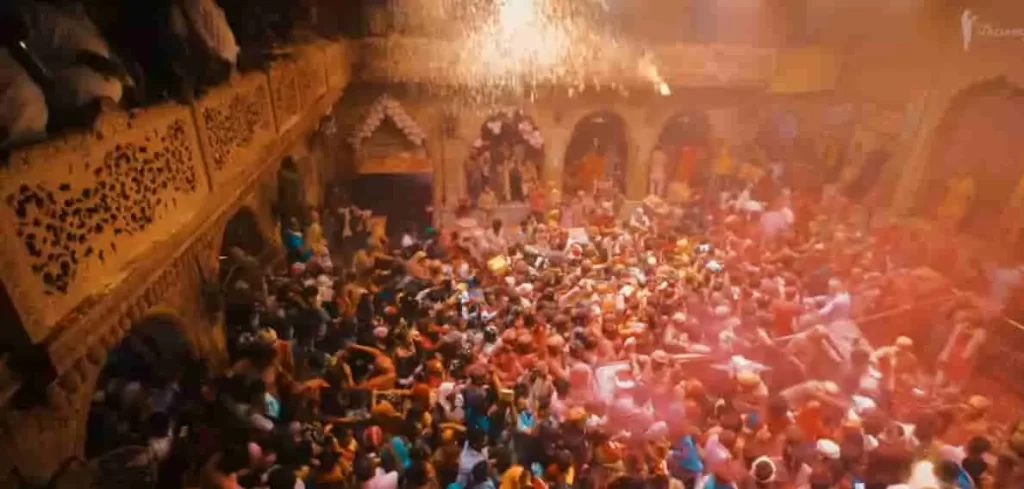
Vrindavan/Mathura, March 15, 2026 – As the sacred Braj Bhoomi region explodes in a kaleidoscope of gulal, drumbeats, and devotion, the Gopinath Temple in Vrindavan stands as a poignant beacon of inclusion during this year’s Holi festivities. Once sidelined from joy, widows gathered here on March 2 for their annual “Widows’ Holi,” hurling colors and songs skyward in a powerful symbol of social evolution. This event, part of a week-long frenzy from late February to mid-March, draws lakhs to Mathura-Vrindavan, blending ancient Krishna lore with modern inclusivity.Unlike the single-day Holi elsewhere in India, Braj’s celebrations stretch over 10-15 days, rooted in legends of Krishna’s playful leelas with Radha and the gopis. This year, festivities peaked around March 4 (Rangwali Holi/Dhulandi), but the Gopinath Mandir’s Widows’ Holi, typically 4-5 days prior, sets a tone of healing amid the chaos. Devotees in white saris, often residents of Vrindavan’s ashrams, danced with flower petals and herbal gulal, their laughter echoing against temple walls. “From exclusion to embrace, this Holi restores dignity,” said one participant, reflecting a tradition revived just over a decade ago by activists challenging orthodox norms.Braj Holi 2026: A Day-by-Day Calendar of Colors and RitualsThe 2026 schedule, aligned with Phalguna Purnima, unfolded across Vrindavan, Mathura, Barsana, Nandgaon, and Baldeo. Here’s the complete timeline pieced from temple announcements and local guides:Feb 24: Laddu Mar Holi (Barsana’s Shriji Temple) – Festivities kick off sweetly, with laddus (sweets) and flowers showered on Radha-Krishna idols, then devotees. A gentle prelude blending piety and play.Feb 25: Lathmar Holi (Barsana) – Radha’s village erupts as women wield lathis (sticks) to “beat” teasing men from Nandgaon, reenacting Krishna’s youthful pranks. Shields fly, colors splash, and dhol beats pulse, drawing massive crowds.Feb 26: Nandgaon Lathmar Holi – Revenge time! Nandgaon women chase Barsana men in this friendly village rivalry, turning streets into riotous arenas of laughter and gulal.Feb 27: Phoolon Ki Holi (Banke Bihari Temple, Vrindavan) – A divine twist: Priests shower rose petals and marigolds instead of powders (8-11 AM). Bhajans fill the air, offering a serene, flower-scented devotion ideal for families.Feb 27: Mathura Temple Holi (Krishna Janmabhoomi) – Parallel colors at Krishna’s birthplace.March 1: Gokul Chhadimaar Holi (Raman Reti) – Men playfully “strip” each other amid colors, echoing rustic Krishna tales.March 2: Widows’ Holi (Gopinath Temple, Vrindavan) – The emotional core: Widows, long barred from festivities, now lead with songs and gulal, symbolizing inclusivity.March 3: Holika Dahan – Bonfires blaze at Vishram Ghat (Mathura) and Dwarkadhish Temple, burning evil’s effigy. Evening parikramas (circumambulations) build spiritual fervor.March 4: Rangwali Holi/Dhulandi (Banke Bihari, ISKCON, Dwarkadheesh Temples) – Peak pandemonium: Streets drown in gulal, water balloons, and bhang-thandai. Processions from Mathura’s Vishram Ghat to Holi Gate feature child “Krishna-Radha” on chariots.March 5: Post-Holi at Prem Mandir – Lingering lights, dances, and colors extend the vibe.March 15: Huranga (Daoji Temple, Baldeo) – Grand finale: Men stripped and “beaten” with color-soaked cloth in a bhang-fueled frenzy.Iconic Temples and Traditions Lighting Up the FestivitiesBanke Bihari Temple (Vrindavan): Epicenter for Phoolon Ki (Feb 27) and Rangbhari (March 4) Holi. Priests splash colors; crowds surge—arrive pre-dawn for darshan.Dwarkadheesh Temple (Mathura): Dhulandi hub with non-stop music and processions.Gopinath Temple (Vrindavan): Widows’ Holi’s spiritual home, emphasizing equality.Others: Radha Raman, ISKCON, and Prem Mandir host parallel events, with floral Gulal Kund adding petal showers.Braj Holi fuses spirituality (bhajans, aastha) with revelry, Lathmar’s playful “battles,” processions of mini-Krishnas, and cuisine like gujiya (khoya dumplings), thandai (spiced milk), makhan mishri (butter-jaggery), and kachori-sabzi. Traveler Surge and Safety Amid ColorsLakhs flock annually, boosting the local economy via tour packages (SOTC, UP Tourism). Trains to Mathura Jn. fill fast; Mathura-Vrindavan shuttles run 24/7. Tips: Use herbal gulal, respect consent (“bura na mano, Holi hai!”), secure valuables, hydrate, wear old clothes, and opt for guided tours. Women travelers: Stick to temples/groups; avoid isolated spots. Metro/rail best over roads clogged by festivities.Why Gopinath Mandir’s Holi Resonates GloballyIn a festival of chaos, Widows’ Holi at Gopinath, quiet yet revolutionary, captures Braj’s soul: Krishna’s inclusive love triumphing over taboo. As one sadhu noted, “Holi here isn’t just color; it’s prema (divine love) washing away sorrow.” Amid 2026’s vibrant tapestry, this historic temple reminds us:
Kerala Passes Nativity Card Bill to Prove State Residency Amid National Identity Debates
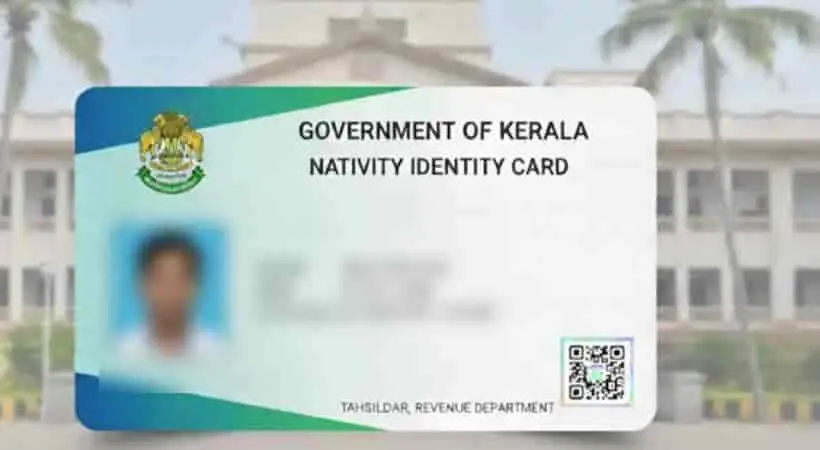
Thiruvananthapuram, February 23, 2026 – The Kerala Legislative Assembly has passed the Nativity Card Bill, introducing a new official document to help residents prove their connection to the state. This move comes as national discussions on identity and citizenship create tension across India.The Kerala Cabinet approved the bill on Wednesday, February 18, paving the way for its quick passage in the Assembly on Monday. Finance Minister K.N. Balagopal called it a “historic moment.” He said the card aims to protect minority communities and make it easier for people to prove their identity and residency without hassle.Chief Minister Pinarayi Vijayan highlighted this need last month. He stressed that no one in Kerala should struggle to show who they are or where they live, especially with ongoing national debates over citizenship rules.Who Qualifies for the Nativity Card?The government defines a “native of Kerala” simply and clearly:Someone born in Kerala.A person with at least one ancestor (like a parent or grandparent) born in the state.Individuals born outside Kerala if their parents were working elsewhere at the time, as long as they have not taken foreign citizenship.The Nativity Card will follow the same rules as the existing nativity certificate. It acts like an official ID to confirm long-term ties to Kerala.Opposition Boycotts, BJP CriticizesThe Congress-led United Democratic Front (UDF) boycotted the Assembly session. Balagopal accused them of skipping debates to stir controversy instead of joining the process. With no opposition present, the bill passed without discussion.The Bharatiya Janata Party (BJP) slammed the move as “dangerous separatist politics.” They worry it could divide people along state lines.Other Bills Passed on the Same DayThe Assembly also approved three other bills smoothly:Abkari (Amendment) Bill, 2026 (related to liquor laws).Kerala Advocates’ Clerks Welfare Fund (Amendment) Bill, 2026.Kerala Advocates’ Welfare Fund (Amendment) Bill, 2026.Subject committee reports were reviewed, and proposed changes were accepted.This Nativity Card is Kerala’s response to wider national issues on identity proofs. It seeks to simplify life for locals while sparking debate on state versus national priorities. More details will emerge as the government rolls it out.
The Cheesecake Factory Bakery Lands in Bengaluru: US Icon Targets 55 Outlets and ₹250 Crore Milestone
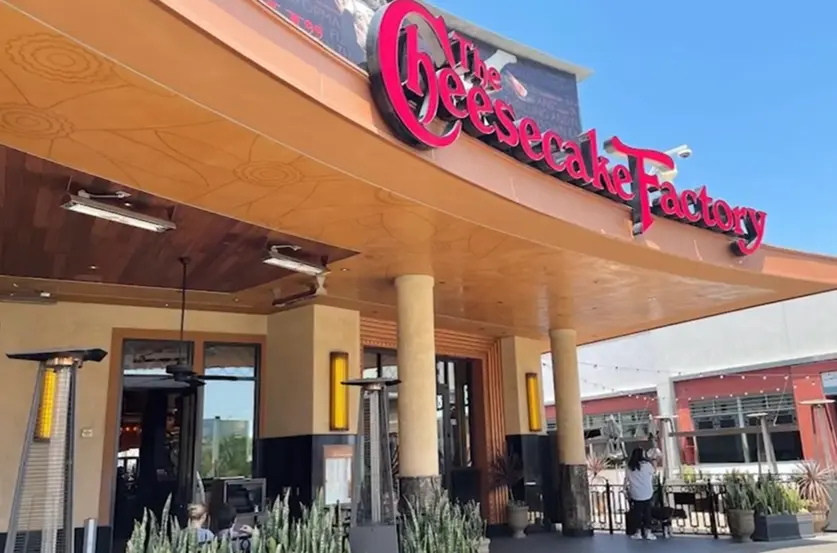
Bengaluru’s dessert lovers have a new indulgence spot. The Cheesecake Factory Bakery, the celebrated bakery arm of the iconic American restaurant chain, officially debuted in India with its first outlet in the city, partnering with local player The Gourmet Cafe. This QSR-style launch signals a smart pivot for global brands entering India’s booming premium cafe scene, blending authenticity with local tastes.Strategic Debut in India’s Desert BoomThe Cheesecake Factory, famous worldwide for its massive menu and 40+ cheesecake varieties (including Big Bang Theory fame via Penny’s waitress gig), now brings its bakery portfolio to India via a distribution deal, not a franchise. The Gourmet Cafe, founded by Masthan Adam, handles both B2B supply and B2C outlets, starting with this Bengaluru flagship.Positioned as a premium dessert specialist, outlets offer cheesecakes, bakery treats, coffee, and ice cream in differentiated portion sizes versus local rivals. Online sales target 20-30% of revenue, tapping India’s digital-savvy youth. Adam eyes metros first (Delhi, Mumbai), then tier-1s like Chandigarh, Kochi, Coimbatore, 6-10 premium stores per major market initially.Ambitious Expansion: 55 Stores, $60M BetThe roadmap: 55 outlets nationwide over 4-5 years, fueled by a $60 million investment (~₹500 crore). Projections: ₹200-250 crore revenue within five years, riding premium cafe growth (projected 15-20% CAGR amid rising disposable incomes).Authenticity reigns, cheesecakes baked in the USA, shipped frozen for consistency. India-first: An eggless cheesecake, approved specially for local palates (huge for vegetarian-heavy markets). Launch lineup: 14 flavors, expanding to 20-25 soon (classics like Original, Chocolate Mousse, plus innovations).Expansion PhaseTimelineFocus AreasStores PlannedPhase 1: LaunchNowBengaluru flagship1Phase 2: Metros1-2 yearsDelhi-NCR, Mumbai, Chennai, Hyderabad20-25Phase 3: Tier-1/23-5 yearsChandigarh, Kochi, Coimbatore, Pune, Ahmedabad30+Total Investment4-5 yearsNationwide QSR + B2B$60M (₹500 Cr)Revenue Goal5 yearsPremium desserts + coffee₹200-250 CrWhy Now? Premium Cafe Surge Meets Pop Culture PullIndia’s QSR cafe market hits ₹15,000 crore+, with premium desserts exploding—Starbucks, Cafe Coffee Day expansions prove demand. Cheesecake Factory Bakery skips full restaurants (high real estate costs) for agile QSR: Grab-and-go slices, whole cakes for events, coffee pairings.Bengaluru fits perfectly, Silicon Valley hub craves global flavors amid 10M+ millennials/Gen Z. Localization smart: Eggless option nods to 30-40% vegetarian population; smaller portions suit Indian sweet tooth without excess.What to Expect: Menu, Ambiance, PricingExpect velvet-rope vibes: Sleek QSR design with Instagrammable cheesecake displays. Core: 14 US-imported flavors (e.g., Godiva Chocolate, Dulce de Leche), bakery (brownies, cookies), ice creams, specialty coffee. Prices: Slice ₹250-400, whole cake ₹2,000-4,000—premium but value via unique tastes/sizes.Sustainability nod: Frozen shipping minimizes waste; local sourcing for coffee/non-cheesecake items.Challenges and TailwindsHurdles: High import costs, competition (Bird Box, Paul’s, local patisseries). Tailwinds: Brand recall (TV/streaming fame), rising cafe culture (urban India spends 10% F&B budget on desserts), e-com delivery tie-ups (Zomato/Swiggy).Gourmet Cafe’s edge: Proven scaling (multi-city cafes), Adam’s vision for “cheesecake specialization.” If it hits targets, could inspire more US chains (Dunkin’, Cinnabon) via bakery-first models.This Bengaluru launch isn’t just sweets, it’s a blueprint for global brands cracking India: Partner local, localize smart, scale via QSR. Cheesecake Factory Bakery eyes not slices, but a subcontinent-sized slice of the market. Sweet success awaits.
ODOP – One District One Product: Transforming Local Economies into Global Opportunities
The One District One Product (ODOP) initiative has emerged as a key strategy in India’s effort to promote balanced regional development and strengthen local economies. The programme focuses on identifying and promoting a unique product from each district, with the aim of boosting manufacturing, generating employment, and enhancing exports.By linking traditional skills and local specialisations with modern market access, ODOP seeks to position India’s diverse district-level products on both national and global platforms.Concept and Origin of ODOPThe idea behind ODOP is rooted in the principle that every district has a distinct product, craft, or agricultural strength that can be developed into a competitive economic asset. The initiative was first implemented at the state level in Uttar Pradesh, where it gained considerable success in promoting local industries and artisans.Building on this model, the concept was later adopted at the national level to encourage districts across India to identify and develop their unique products. These include handicrafts, textiles, agricultural goods, processed foods, and industrial products.Objectives of the InitiativeODOP is designed to address multiple economic and developmental challenges through a focused approach. The initiative aims to promote indigenous products, support local artisans and manufacturers, and create sustainable employment opportunities at the district level.Another key objective is to reduce regional imbalances by ensuring that economic growth is not limited to major urban centres but is distributed across smaller districts. By strengthening local industries, ODOP also contributes to increasing exports and enhancing India’s global trade presence.Implementation and Institutional FrameworkThe ODOP initiative is implemented through coordination between central ministries, state governments, and district administrations. Each district identifies its flagship product based on factors such as historical significance, availability of raw materials, and existing skill sets.Once identified, support is provided in areas such as production, processing, packaging, branding, and marketing. Financial assistance, training programmes, and infrastructure development are also part of the implementation framework.The initiative is closely aligned with broader national programmes aimed at promoting self-reliance and entrepreneurship.Focus on Skill Development and Capacity BuildingA significant component of ODOP is the emphasis on skill development. Artisans and producers are trained in modern techniques, quality control, and business practices to improve productivity and competitiveness.Capacity-building programmes also focus on enhancing design, innovation, and value addition, enabling local products to meet global standards. This approach helps traditional industries adapt to changing market demands without losing their authenticity.Market Linkages and Export PromotionOne of the major challenges faced by local producers has been access to markets. ODOP addresses this by facilitating market linkages through exhibitions, e-commerce platforms, and export channels.Products identified under the initiative are promoted through various trade fairs and government-supported platforms, helping them reach a wider audience. The focus on branding and packaging has further improved the visibility and appeal of these products in international markets.Economic and Social ImpactThe ODOP initiative has contributed to strengthening local economies by creating employment opportunities and increasing income levels in districts. By promoting district-specific industries, it has encouraged entrepreneurship and reduced migration to urban areas.Socially, the initiative has helped preserve traditional crafts and cultural heritage, providing recognition and support to artisans who were previously operating in informal sectors.Integration with National Development GoalsODOP aligns with India’s broader vision of self-reliance and inclusive growth, complementing initiatives focused on manufacturing and exports. It also supports the development of micro, small, and medium enterprises (MSMEs), which play a crucial role in the country’s economy.The initiative contributes to the goal of making India a global manufacturing hub by leveraging local strengths and diversifying production bases.Challenges and the Way ForwardDespite its potential, the implementation of ODOP faces certain challenges. These include issues related to infrastructure, supply chain inefficiencies, and limited awareness among producers in some regions.Ensuring consistent quality, scaling production, and maintaining competitiveness in global markets are also areas that require continued attention. Strengthening digital platforms and improving logistics will be crucial for the initiative’s long-term success.The One District One Product initiative represents a strategic approach to decentralised economic development. By focusing on local strengths and connecting them to larger markets, it is creating new opportunities for growth while preserving India’s rich cultural and industrial diversity.