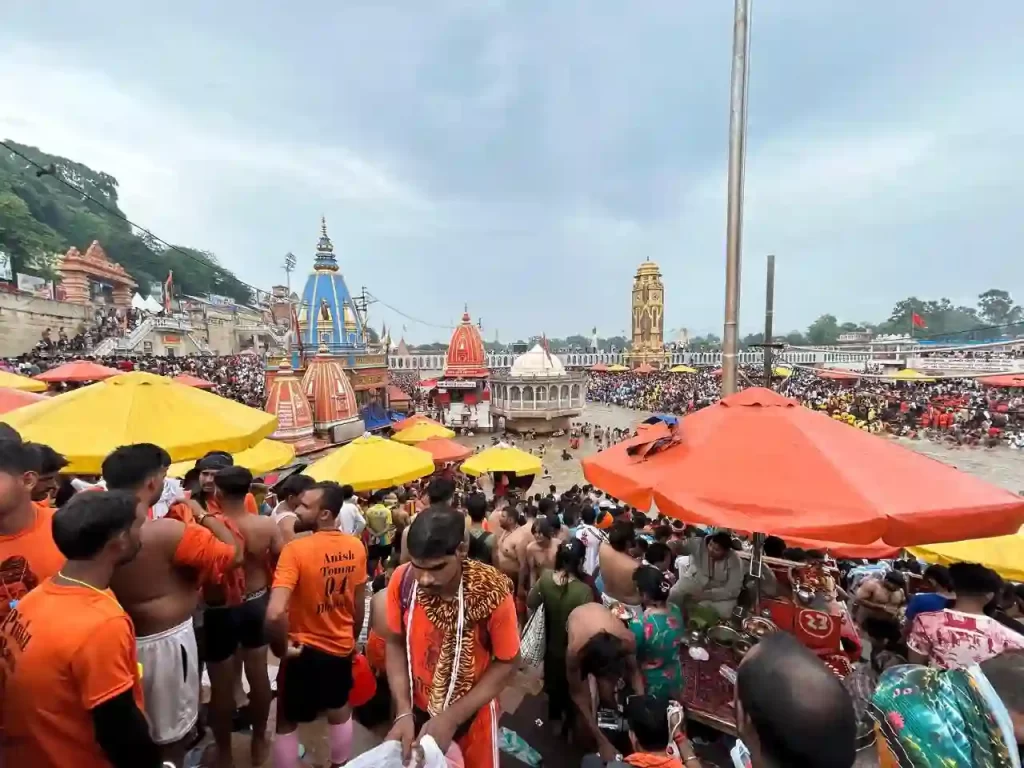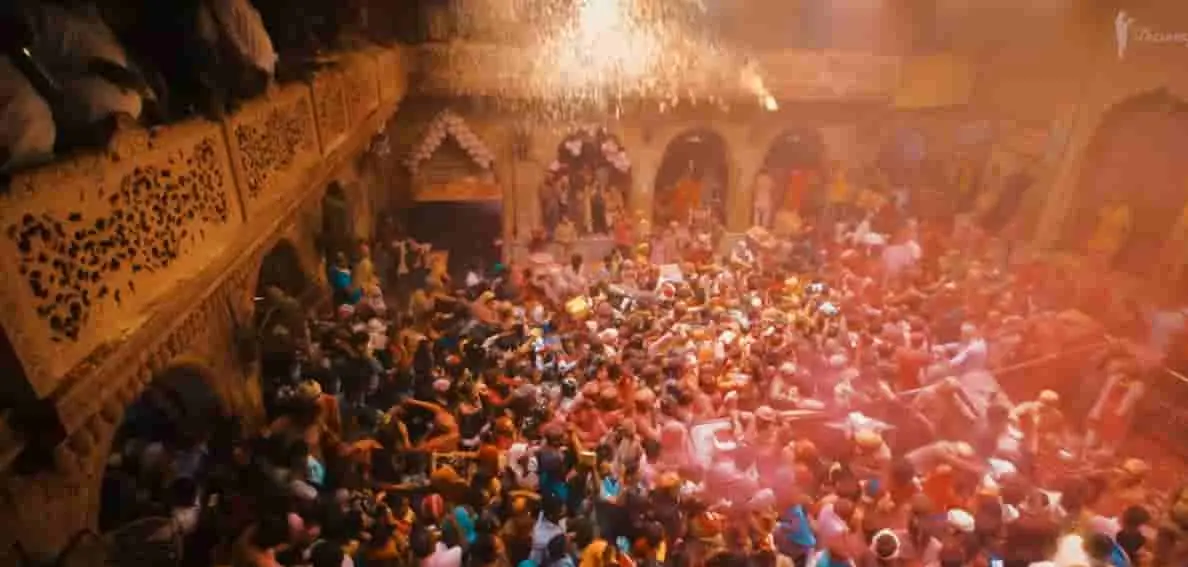
Vrindavan/Mathura, March 15, 2026 – As the sacred Braj Bhoomi region explodes in a kaleidoscope of gulal, drumbeats, and devotion, the Gopinath Temple in Vrindavan stands as a poignant beacon of inclusion during this year's Holi festivities. Once sidelined from joy, widows gathered here on March 2 for their annual "Widows' Holi," hurling colors and songs skyward in a powerful symbol of social evolution. This event, part of a week-long frenzy from late February to mid-March, draws lakhs to Mathura-Vrindavan, blending ancient Krishna lore with modern inclusivity.
Unlike the single-day Holi elsewhere in India, Braj's celebrations stretch over 10-15 days, rooted in legends of Krishna's playful leelas with Radha and the gopis. This year, festivities peaked around March 4 (Rangwali Holi/Dhulandi), but the Gopinath Mandir's Widows' Holi, typically 4-5 days prior, sets a tone of healing amid the chaos. Devotees in white saris, often residents of Vrindavan's ashrams, danced with flower petals and herbal gulal, their laughter echoing against temple walls. "From exclusion to embrace, this Holi restores dignity," said one participant, reflecting a tradition revived just over a decade ago by activists challenging orthodox norms.
Braj Holi 2026: A Day-by-Day Calendar of Colors and Rituals
The 2026 schedule, aligned with Phalguna Purnima, unfolded across Vrindavan, Mathura, Barsana, Nandgaon, and Baldeo. Here's the complete timeline pieced from temple announcements and local guides:
- Feb 24: Laddu Mar Holi (Barsana's Shriji Temple) – Festivities kick off sweetly, with laddus (sweets) and flowers showered on Radha-Krishna idols, then devotees. A gentle prelude blending piety and play.
- Feb 25: Lathmar Holi (Barsana) – Radha's village erupts as women wield lathis (sticks) to "beat" teasing men from Nandgaon, reenacting Krishna's youthful pranks. Shields fly, colors splash, and dhol beats pulse, drawing massive crowds.
- Feb 26: Nandgaon Lathmar Holi – Revenge time! Nandgaon women chase Barsana men in this friendly village rivalry, turning streets into riotous arenas of laughter and gulal.
- Feb 27: Phoolon Ki Holi (Banke Bihari Temple, Vrindavan) – A divine twist: Priests shower rose petals and marigolds instead of powders (8-11 AM). Bhajans fill the air, offering a serene, flower-scented devotion ideal for families.
- Feb 27: Mathura Temple Holi (Krishna Janmabhoomi) – Parallel colors at Krishna's birthplace.
- March 1: Gokul Chhadimaar Holi (Raman Reti) – Men playfully "strip" each other amid colors, echoing rustic Krishna tales.
- March 2: Widows' Holi (Gopinath Temple, Vrindavan) – The emotional core: Widows, long barred from festivities, now lead with songs and gulal, symbolizing inclusivity.
- March 3: Holika Dahan – Bonfires blaze at Vishram Ghat (Mathura) and Dwarkadhish Temple, burning evil's effigy. Evening parikramas (circumambulations) build spiritual fervor.
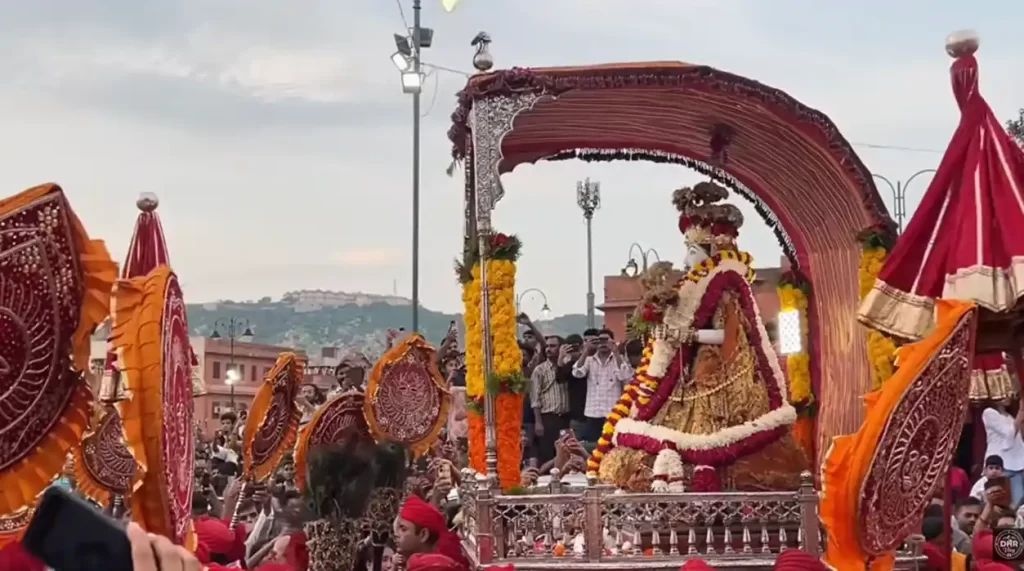
- March 4: Rangwali Holi/Dhulandi (Banke Bihari, ISKCON, Dwarkadheesh Temples) – Peak pandemonium: Streets drown in gulal, water balloons, and bhang-thandai. Processions from Mathura's Vishram Ghat to Holi Gate feature child "Krishna-Radha" on chariots.
- March 5: Post-Holi at Prem Mandir – Lingering lights, dances, and colors extend the vibe.
- March 15: Huranga (Daoji Temple, Baldeo) – Grand finale: Men stripped and "beaten" with color-soaked cloth in a bhang-fueled frenzy.
Iconic Temples and Traditions Lighting Up the Festivities
- Banke Bihari Temple (Vrindavan): Epicenter for Phoolon Ki (Feb 27) and Rangbhari (March 4) Holi. Priests splash colors; crowds surge—arrive pre-dawn for darshan.
- Dwarkadheesh Temple (Mathura): Dhulandi hub with non-stop music and processions.
- Gopinath Temple (Vrindavan): Widows' Holi's spiritual home, emphasizing equality.
- Others: Radha Raman, ISKCON, and Prem Mandir host parallel events, with floral Gulal Kund adding petal showers.
Braj Holi fuses spirituality (bhajans, aastha) with revelry, Lathmar's playful "battles," processions of mini-Krishnas, and cuisine like gujiya (khoya dumplings), thandai (spiced milk), makhan mishri (butter-jaggery), and kachori-sabzi.
Traveler Surge and Safety Amid Colors
Lakhs flock annually, boosting the local economy via tour packages (SOTC, UP Tourism). Trains to Mathura Jn. fill fast; Mathura-Vrindavan shuttles run 24/7. Tips: Use herbal gulal, respect consent ("bura na mano, Holi hai!"), secure valuables, hydrate, wear old clothes, and opt for guided tours. Women travelers: Stick to temples/groups; avoid isolated spots. Metro/rail best over roads clogged by festivities.
Why Gopinath Mandir's Holi Resonates Globally
In a festival of chaos, Widows' Holi at Gopinath, quiet yet revolutionary, captures Braj's soul: Krishna's inclusive love triumphing over taboo.
As one sadhu noted, "Holi here isn't just color; it's prema (divine love) washing away sorrow." Amid 2026's vibrant tapestry, this historic temple reminds us: