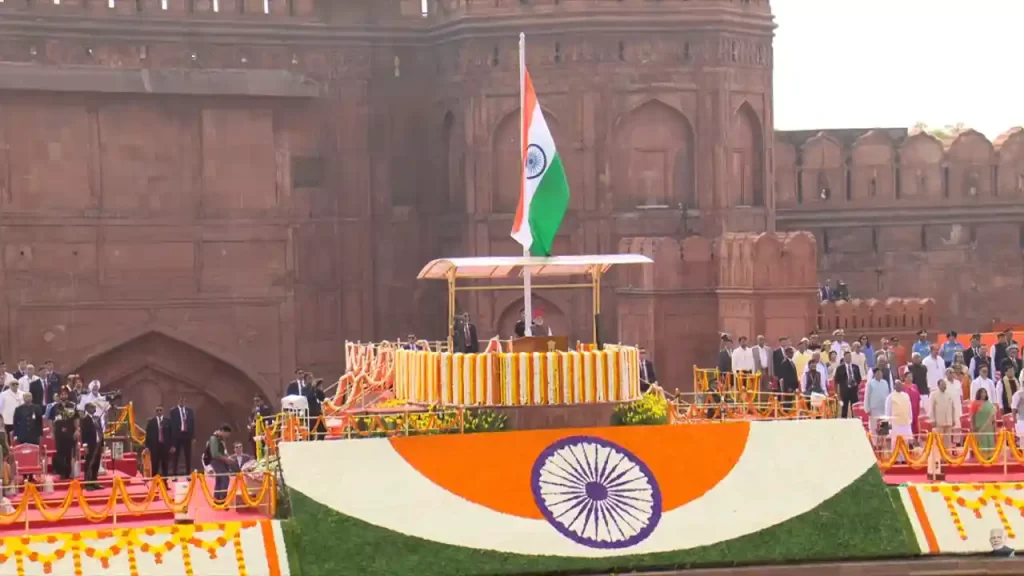

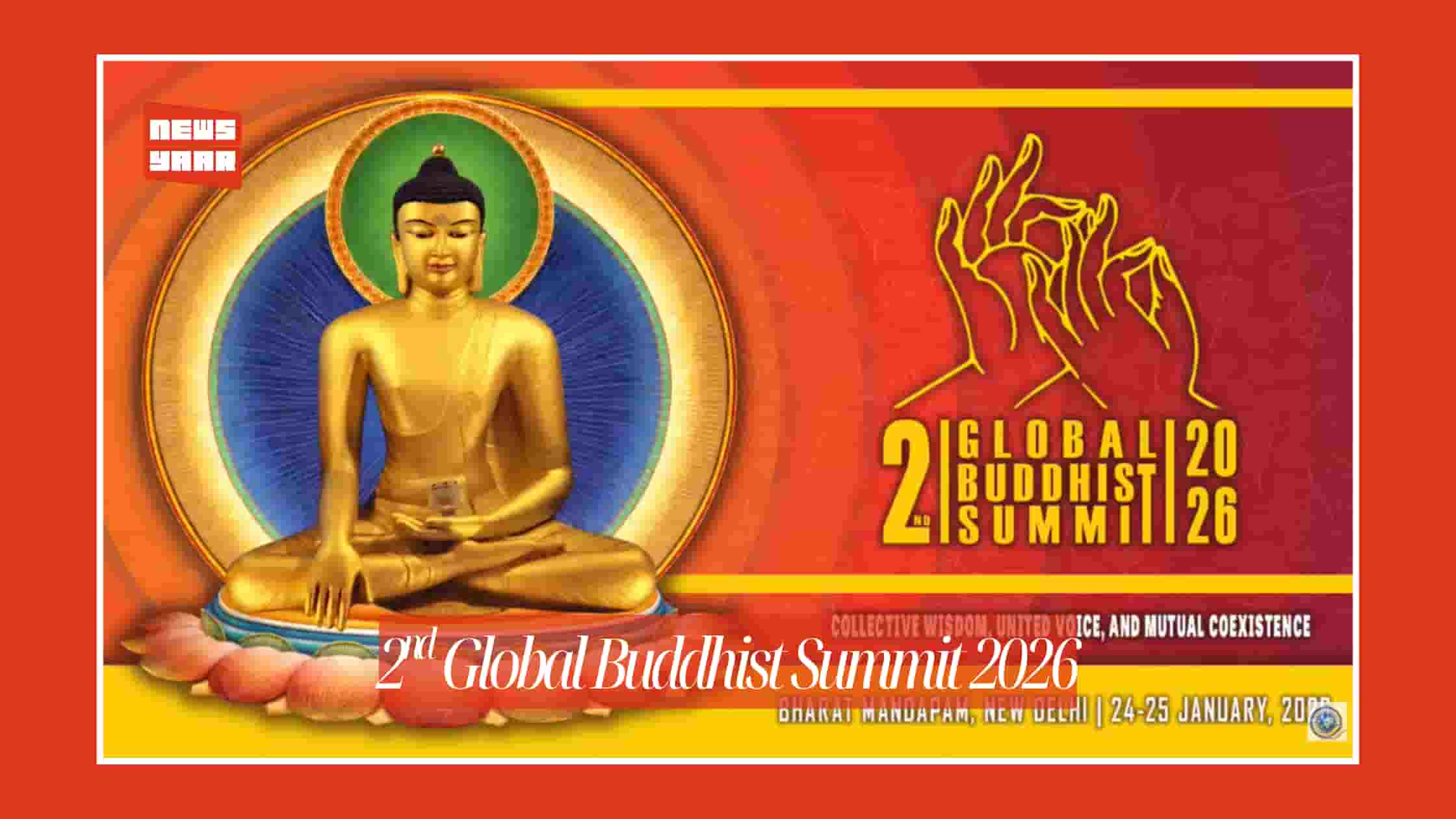
The Second Global Buddhist Summit was held in New Delhi on January 24–25, 2026, bringing together Buddhist leaders, scholars, practitioners and delegates from countries across Asia, Europe, the Americas and Oceania. The summit — a follow-up to the first edition held in 2023 — reaffirmed India’s role as an ancient cradle of Buddhism and a modern platform for inter-civilizational dialogue, peace advocacy, cultural cooperation and spiritual exchange. Hosted in the Indian capital, the summit underscored shared commitments to Buddhist philosophy, ethical governance, sustainable development and global harmony.
Context: India and Buddhism
Buddhism, originating in India over 2,500 years ago with the enlightenment of Gautama Buddha at Bodh Gaya, has since spread across Asia and the world, influencing culture, art, philosophy and ethical systems. From the ancient universities of Nalanda and Takshashila to the widespread Buddhist traditions of East, Southeast and Central Asia, India remains central to the historical and spiritual heritage of Buddhism. Hosting the Global Buddhist Summit aligns with the country’s broader efforts to preserve and promote its civilizational legacy while encouraging global cooperation on contemporary challenges through the lens of Buddhist teachings.
Objectives of the Second Global Buddhist Summit
The summit was designed to accomplish several key objectives:
- Revitalising Buddhist Heritage:
Reaffirming India’s connection to Buddhist history and cultural heritage, and encouraging the preservation and promotion of Buddhist sites, languages and scholarly traditions. - Promoting Global Dialogue:
Providing a structured platform for Buddhist leaders, scholars and practitioners to engage in dialogue on issues such as peace, conflict resolution, ethical leadership, environmental stewardship and human well-being. - Enhancing Cultural Exchange:
Encouraging cross-cultural understanding and cooperation among Buddhist communities from different countries and traditions, including Theravada, Mahayana and Vajrayana schools. - Addressing Contemporary Challenges:
Linking traditional Buddhist perspectives with modern issues, including mental health, education, social equity and climate resilience, to highlight the relevance of Buddhist wisdom in the 21st century.
Participation and Representation
The summit featured participation from over 30 countries, including nations with strong Buddhist traditions such as Japan, Sri Lanka, Thailand, Nepal, Myanmar, Bhutan, South Korea and Vietnam. Delegations comprised:
- Buddhist monastic leaders and sangha representatives
- Scholars and academics specialising in Buddhist studies
- Government officials and cultural envoys
- Civil society members engaged in peace and ethical initiatives
The diverse range of participants reflected the pluralistic nature of global Buddhism and its ability to foster cooperation across different societies and cultures.
Summit Themes and Deliberations
The agenda included plenary sessions, panel discussions, cultural performances, academic presentations and collaborative workshops. Key themes addressed during the summit included:
Peace and Non-Violence:
Delegates discussed how Buddhist principles of compassion, non-violence and ethical conduct can inform peacebuilding efforts in regions experiencing conflict and social tension.
Buddhist Heritage Preservation:
Strategies for safeguarding ancient Buddhist sites, enhancing archaeological research and encouraging pilgrimages were deliberated, with a focus on integrating heritage conservation into sustainable tourism frameworks.
Mindfulness, Well-Being and Education:
The role of mindfulness, meditation and ethical education in promoting mental health and resilience across societies was a significant focus, examined through interdisciplinary perspectives blending traditional insights with contemporary science.
Environmental Ethics:
Participants explored how Buddhist teachings on interdependence and respect for all life forms can contribute to global environmental movements, climate action and sustainable living practices.
Youth Engagement and Future Leadership:
Sessions emphasised empowering young Buddhists and youth leaders to carry forward ethical leadership, community service and cultural exchange in an increasingly interconnected world.
Cultural and Ceremonial Highlights
The summit also featured cultural programmes designed to showcase the richness and diversity of Buddhist traditions. These included:
- Traditional chanting and musical recitals
- Performances of Buddhist dance and theatre forms
- Exhibitions of Buddhist art, manuscripts and calligraphy
- Visits to key Buddhist sites in and around the National Capital Region
One of the summit’s notable ceremonial moments was a collective meditation and prayer session attended by delegates from various traditions, articulating a shared aspiration for global peace and harmony.
India’s Role and Government Support
The Government of India actively supported the summit through policy facilitation, logistical arrangements and inter-ministerial coordination. In official statements, ministers highlighted India’s commitment to promoting civilizational dialogue and advancing cooperation on cultural, educational and spiritual fronts. They also reaffirmed the Indian state’s respect for all faith traditions, while underlining the secular ethos enshrined in the Constitution.
Officials noted that forums like the Global Buddhist Summit contribute to soft power diplomacy, strengthen cultural ties with Buddhist-majority countries and complement India’s external engagement initiatives such as the Act East Policy and International Buddhist Confederation activities.
Why the Summit Matters
The Second Global Buddhist Summit holds significance beyond religious discourse. It serves as:
- A platform for peace and ethical dialogue among nations
- A mechanism for cultural diplomacy strengthening people-to-people relations
- An avenue for integrating ancient wisdom with contemporary global issues
- A reaffirmation of India’s historical role in the preservation and propagation of Buddhist thought
At a time when many societies grapple with challenges ranging from conflict and inequality to environmental degradation and mental health crises, the summit’s emphasis on compassion, interdependence and ethical action resonated across cultural and national boundaries.
Looking Ahead
Building on the momentum of the second edition, participants expressed eagerness to continue collaborative engagement through academic networks, cultural exchange programmes, joint research initiatives and future summits. The host government indicated plans to institutionalise the summit as a recurring global forum, enabling sustained dialogue on issues of shared concern.
By situating Buddhist philosophical insights within conversations about peace, sustainability and well-being, the Second Global Buddhist Summit 2026 in New Delhi reaffirmed the timeless relevance of these traditions and charted a path for ongoing cooperation and understanding in an increasingly complex world.
Video credit: YT@/IBC World