


Bharat Ratna Karpoori Thakur Birth Anniversary: Nation Remembers Champion of Social Justice
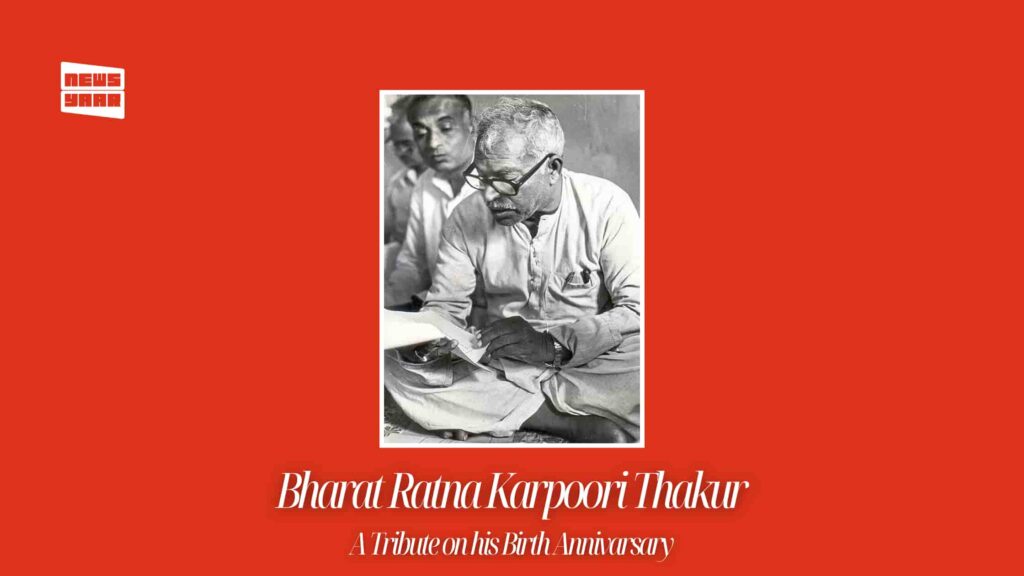
Tributes were paid across Bihar and the country on the birth anniversary of Bharat Ratna Karpoori Thakur, one of India’s most influential socialist leaders and a key architect of social justice politics in the Hindi heartland. Political leaders, social organisations and citizens remembered Thakur’s enduring contribution to inclusive governance, backward class empowerment and ethical public life. Born on January 24, 1924, in Samastipur district of Bihar, Karpoori Thakur rose from modest beginnings to become one of the most respected mass leaders of the state. His political life was shaped by the freedom movement, socialist ideology and a deep commitment to the upliftment of marginalised communities. He passed away in 1988, but his legacy continues to influence India’s political and social discourse decades later. On the occasion of his birth anniversary, leaders cutting across party lines highlighted Thakur’s role in institutionalising social justice policies at a time when such ideas faced strong resistance. Prime Minister Narendra Modi led the national tributes, recalling Thakur’s simplicity, integrity and lifelong dedication to the poor and backward classes. In a message, the Prime Minister described him as a visionary leader who devoted his life to empowering the marginalised and strengthening democratic values. Bihar Chief Minister Nitish Kumar, along with several senior state leaders, paid floral tributes at Karpoori Thakur’s memorial and emphasised that his policies laid the foundation for social equality in the state. Similar commemorative events were held in Patna, Samastipur and other parts of Bihar, with public meetings recalling his governance model and personal conduct in public office. Karpoori Thakur served as the Chief Minister of Bihar twice — first from 1970 to 1971 and again from 1977 to 1979. His tenure is particularly remembered for the implementation of reservations for backward classes in government jobs at the state level, a move that preceded and later informed national-level policy debates on affirmative action. His decision to include extremely backward classes within the reservation framework was considered path-breaking and remains central to Bihar’s social justice structure today. Often referred to as “Jan Nayak” (people’s leader), Karpoori Thakur was known for his austere lifestyle and incorruptible reputation. Despite holding high office, he lived simply and maintained close contact with grassroots workers and ordinary citizens. His refusal to accumulate personal wealth and his insistence on clean politics set him apart in an era marked by increasing political competition and power struggles. In recognition of his exceptional contribution to public life and social equity, the Government of India conferred the Bharat Ratna — the country’s highest civilian award — on Karpoori Thakur posthumously in 2024. The honour was widely seen as long overdue and was welcomed across the political spectrum, particularly by leaders and communities who regard Thakur as a symbol of empowerment and dignity. Political analysts note that Karpoori Thakur’s relevance has only grown over time, especially as debates around social justice, representation and inclusive growth continue to shape Indian politics. His emphasis on education, reservation, linguistic accessibility in administration and decentralised governance remains influential, particularly in Bihar and neighbouring states. As the nation marks his birth anniversary, Karpoori Thakur is remembered not only as a former chief minister or socialist leader, but as a statesman whose ideas were rooted in equity, humility and democratic participation. His life and work continue to serve as a moral and political reference point in contemporary India, reinforcing the values of social justice and public service.
India Registers Karan Fries as a High-Yield Synthetic Cattle Breed

New Delhi:In a significant boost to India’s dairy and livestock sector, the country has officially registered Karan Fries, a high-yielding synthetic cattle breed capable of producing over 3,000 kilograms of milk in a standard 10-month lactation cycle. With this addition, India’s total number of registered livestock and poultry breeds has risen to 246, underlining the government’s continued push towards scientific breeding and productivity-led growth in animal husbandry.Developed through systematic cross-breeding programmes, Karan Fries combines the high milk-producing traits of exotic cattle with the hardiness and adaptability of Indian breeds. Officials say the breed has been designed to perform well under Indian agro-climatic conditions, making it suitable for farmers seeking higher productivity without compromising resilience.The focus on Karan Fries comes at a crucial time. Despite India being the world’s largest milk producer, the dairy sector faces persistent challenges. Many indigenous cattle breeds produce relatively low milk yields, typically between 1,000 and 2,000 kilograms per lactation, while farmers struggle with rising feed costs, limited veterinary access, and deteriorating cattle health. Poor nutrition, inadequate shelter, and climate stress have further affected productivity, particularly among small and marginal farmers.Against this backdrop, Karan Fries is being seen as a ray of hope. Higher milk yields per animal can help farmers increase income without expanding herd size, easing pressure on land, water, and fodder resources. Experts believe that productivity-focused breeds like Karan Fries could play a critical role in making dairying more sustainable and economically viable.Officials emphasised that the registration of Karan Fries reflects a broader strategy to modernise animal husbandry through genetic improvement, scientific breeding, and performance recording, while continuing to conserve indigenous breeds. “Native cattle remain essential for biodiversity, disease resistance, and ecological balance, but synthetic breeds like Karan Fries are necessary to meet growing commercial and nutritional demands,” an official said.However, experts caution that success will depend on responsible implementation. High-yielding breeds require better management, balanced nutrition, disease control, and regular veterinary care. Without adequate support systems, farmers may struggle to realise the full benefits. Policymakers are therefore being urged to strengthen extension services, expand artificial insemination coverage, and ensure affordable access to feed and healthcare.For farmers engaged in animal husbandry, the recognition of Karan Fries opens new possibilities. With proper support, the breed could help stabilise incomes, encourage youth participation in dairying, and enhance rural livelihoods. It also aligns with India’s long-term goals of improving farm productivity while maintaining sustainability.As India looks ahead, the challenge will be to balance productivity, animal welfare, and genetic diversity. The inclusion of Karan Fries marks an important step in that direction—signalling a future where scientific innovation supports farmers, strengthens the dairy economy, and addresses long-standing challenges in livestock management.
Pongal 2026: India Celebrates the Festival of Harvest with Tradition, Gratitude, and Unity
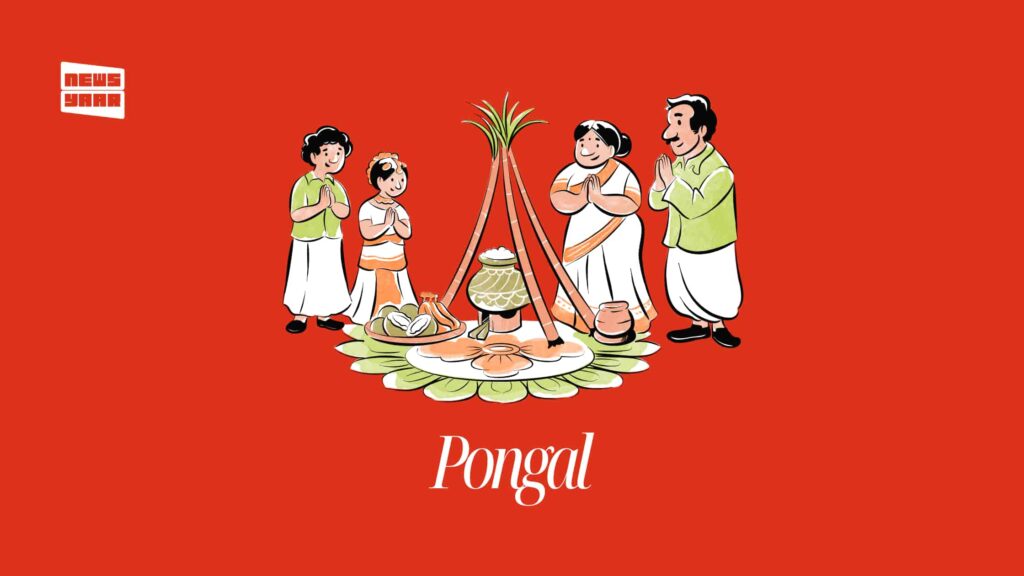
As the sun begins its northward journey, Tamil Nadu and Tamil communities across the globe come alive with joy, devotion, and cultural pride to celebrate Pongal 2026, one of India’s most significant harvest festivals. Observed annually in mid-January, Pongal marks gratitude to nature, farmers, cattle, and the Sun God for a bountiful harvest.Pongal 2026 will be celebrated over four days, each holding deep cultural and spiritual meaning.The festival begins with Bhogi Pongal, symbolising renewal and the discarding of old possessions to welcome positivity and prosperity. Homes are cleaned, bonfires are lit, and families prepare for new beginnings.The main day, Thai Pongal, is dedicated to Surya Dev (the Sun God). Families gather early in the morning to prepare the traditional sweet dish “Pongal” made from freshly harvested rice, jaggery, milk, and lentils.As the milk overflows from the pot, cries of “Pongalo Pongal!” echo through homes, symbolising abundance and good fortune. Colourful kolams (rangoli) adorn entrances, reflecting happiness and creativity.The third day, Mattu Pongal, honors cattle, recognizing their vital role in agriculture and rural life. Cows and bulls are bathed, decorated with flowers, and worshipped. In many villages, traditional events like Jallikattu add excitement, drawing large crowds and tourists.The celebrations conclude with Kaanum Pongal, a day for social bonding. Families visit relatives, enjoy outdoor picnics, and strengthen community ties. In 2026, urban celebrations are expected to blend tradition with modernity, featuring cultural programs, eco-friendly festivities, and digital greetings.Pongal 2026 also highlights sustainability and respect for nature. Many communities are choosing organic decorations, traditional cooking methods, and locally sourced ingredients, aligning the festival with environmental awareness.Beyond Tamil Nadu, Pongal is celebrated by the Tamil diaspora worldwide, from Sri Lanka and Malaysia to the US, UK, and Canada, making it a global cultural event.As Pongal 2026 arrives, it serves as a reminder of gratitude, hard work, and harmony between humans and nature, values that remain timeless in a rapidly changing world