


The Hindu Lit For Life 2026: 14th Edition Brings Literature and Public Discourse to Chennai
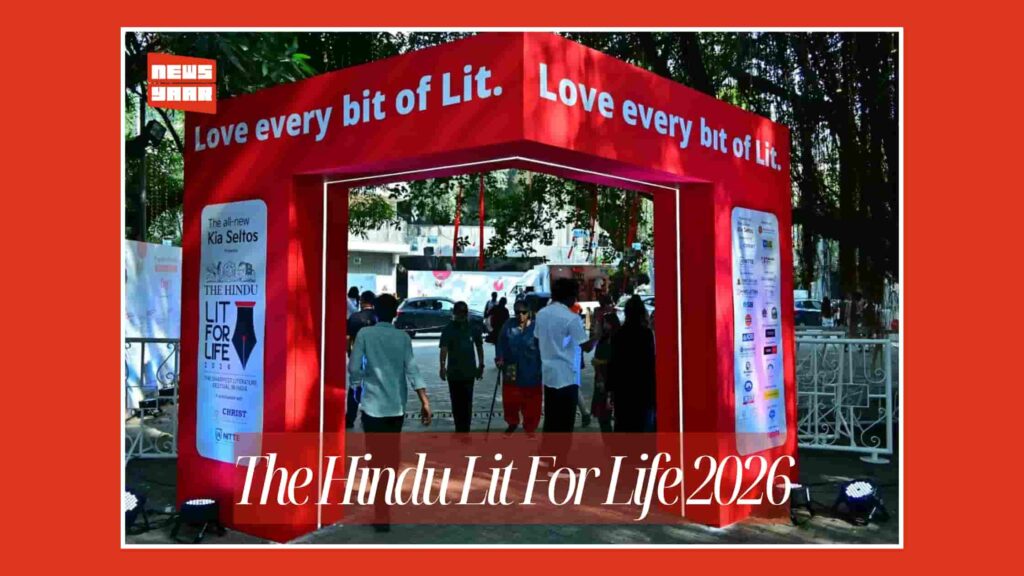
The 14th edition of The Hindu Lit For Life Festival 2026 will be held on January 17 and 18, 2026, at the Sir Mutha Venkatasubba Rao Concert Hall, located within the Music Academy complex in Chennai. Organised by The Hindu Group, the annual literary festival continues its long-standing tradition of bringing together leading writers, thinkers, journalists, artists and public intellectuals for conversations on literature, culture, politics and contemporary society. Over the years, Lit For Life has established itself as one of India’s most respected literary platforms, known for its focus on ideas, public dialogue and intellectual engagement rather than purely commercial book promotion. The 2026 edition marks the festival’s 14th year, reinforcing its position as a key fixture on India’s cultural calendar. About the Festival The Hindu Lit For Life was launched in 2013 as a space for meaningful literary and cultural conversations. Curated and hosted by The Hindu, the festival reflects the publication’s editorial ethos of informed debate, critical thinking and public interest journalism. Each year, the festival brings together voices from diverse fields — literature, politics, cinema, history, journalism, science and the arts — encouraging dialogue across disciplines and perspectives. The Chennai edition has traditionally been a central pillar of the festival, drawing audiences ranging from students and academics to avid readers and cultural practitioners. Dates, Venue and Format Event: The Hindu Lit For Life 2026 Edition: 14th Dates: January 17–18, 2026 Venue: Sir Mutha Venkatasubba Rao Concert Hall, Music Academy, Chennai Organiser: The Hindu Group The festival will feature panel discussions, author interactions, keynote conversations, poetry readings and thematic sessions, spread across two full days. Sessions are designed to encourage audience participation, with ample scope for questions and discussion. Themes and Focus Areas Lit For Life 2026 will focus on the evolving role of literature and ideas in a rapidly changing world. Discussions will span themes such as: Literature and democracy Media, truth and public trust Writing across languages and cultures Memory, history and identity Gender, society and representation The intersection of literature, cinema and popular culture The festival’s programming aims to connect literary discourse with real-world concerns, making it relevant not only to writers and scholars but also to a wider public audience. Speakers and Participants As in previous years, the 2026 edition is expected to feature a diverse lineup of prominent Indian and international writers, journalists, academics and cultural figures. The Hindu traditionally curates sessions that bring together contrasting viewpoints, encouraging nuanced debate rather than consensus-driven discussion. Detailed speaker line-ups and session schedules are released closer to the event. Why Lit For Life Matters At a time when public discourse is increasingly fragmented, The Hindu Lit For Life serves as an important forum for thoughtful, evidence-based conversations. The festival provides space for long-form discussion, critical engagement and intellectual exchange — values that are often underrepresented in fast-paced digital media environments. By hosting the festival in Chennai, a city with a deep literary and cultural legacy, The Hindu reinforces the importance of regional cultural hubs in shaping national conversations. Public Engagement and Accessibility The festival is open to the public, with entry passes available through official channels. Over the years, Lit For Life has attracted a wide demographic — from college students and first-time readers to senior academics and cultural professionals — making it one of the more inclusive literary events in the country. Select sessions are also typically covered extensively by The Hindu, ensuring wider access through news reports, interviews and digital content. Looking Ahead As The Hindu Lit For Life enters its 14th edition, it continues to evolve while staying rooted in its core mission — fostering informed dialogue through literature and ideas. The 2026 edition is expected to further strengthen the festival’s role as a space where literature engages directly with the social, political and cultural questions of the present.
Mathrubhumi International Festival of Letters (MBIFL) 2026: A Global Platform for Literature, Ideas and Cultural Dialogue
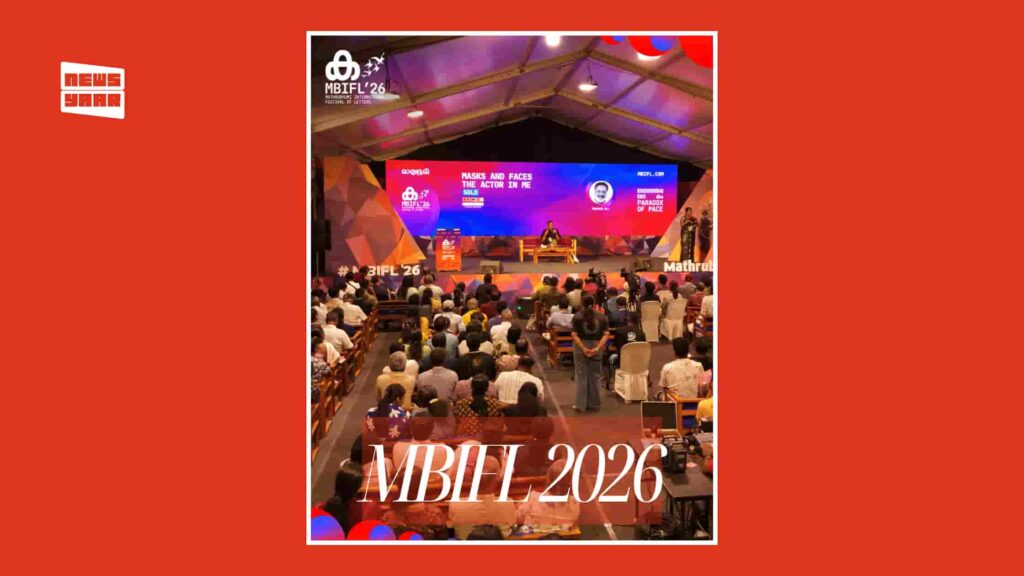
The Mathrubhumi International Festival of Letters (MBIFL) is one of India’s most prominent literary and cultural festivals, conceived as a forum where literature intersects with ideas, society, politics, art and contemporary global discourse. Since its inception, the festival has positioned itself not merely as a celebration of books, but as a festival of conversations, bringing together writers, thinkers, artists, translators, journalists and readers from across India and the world. Organisers and Vision MBIFL is organised by the Mathrubhumi Group, one of India’s oldest and most respected media and publishing houses, with a legacy rooted deeply in Kerala’s literary and socio-political history. Founded in 1923, Mathrubhumi has played a formative role in shaping public discourse in India through journalism, publishing and cultural initiatives. The festival is curated and managed by Mathrubhumi Books and Mathrubhumi Event Division, with the objective of creating a global intellectual space rooted in Indian linguistic and cultural traditions. The organisers have consistently emphasised inclusivity, multilingualism and critical dialogue as the core pillars of the festival. By hosting MBIFL annually in Kozhikode — a city historically known for its openness, trade links and literary heritage — the organisers aim to position Kerala as a global destination for literary exchange and cultural thought. What the Festival Represents Unlike conventional literature festivals focused primarily on book launches or author readings, MBIFL is designed as an idea-driven platform. The festival foregrounds: Literature as a tool for social and political reflection Dialogue between Indian languages and global literatures Translation as cultural mediation rather than mere linguistic conversion Intersections between literature, history, science, cinema, philosophy, environment and democracy The festival actively brings together voices from diverse backgrounds, ensuring representation across geographies, languages, disciplines and generations. MBIFL 2026: 7th Edition — Dates, Venue and Structure The 7th edition of the Mathrubhumi International Festival of Letters (MBIFL 2026) was held from January 29 to February 1, 2026, in Kozhikode (Calicut), Kerala. Spanning four days, the festival featured an extensive programme of discussions, author interactions, panel sessions, workshops and performances hosted across multiple venues in the city. These included auditoriums, cultural centres, academic institutions and public spaces, enabling broad public access. Key Highlights of MBIFL 2026 Global Participation:The 2026 edition featured a strong international presence, with writers, scholars and cultural commentators from Asia, Europe, Africa and the Americas participating alongside leading Indian authors and intellectuals. Multilingual Focus:A defining highlight of MBIFL 2026 was its continued emphasis on Indian languages, particularly Malayalam, alongside English and other global languages. Several sessions focused on translation, linguistic identity and the future of regional literatures in a globalised world. Thematic Conversations:The festival curated discussions around themes such as: Literature and democracy Memory, history and identity Climate change and ecological narratives Migration, borders and belonging The evolving role of storytelling in the digital age These sessions brought together novelists, poets, historians, journalists and activists, encouraging cross-disciplinary dialogue. Translation and Cultural Exchange:Special sessions were dedicated to translation as both a creative and political act, examining how stories move across languages and cultures and how translation shapes global literary circulation. Youth and Student Engagement:MBIFL 2026 placed strong emphasis on engaging young readers and writers through interactive workshops, campus-linked programmes and student-focused discussions, strengthening the festival’s outreach beyond elite literary circles. Performative and Artistic Elements:In addition to discussions, the festival featured poetry readings, literary performances and cultural presentations that blended literature with music, theatre and oral storytelling traditions. Public Access and Media Engagement Many sessions at MBIFL 2026 were open to the public, reinforcing the festival’s democratic ethos. Select discussions were also livestreamed, allowing national and international audiences to engage with the festival remotely. The event attracted significant attention from national and regional media, literary publications and cultural platforms, underlining its growing importance in India’s cultural calendar. Cultural Significance and Impact Over the years, MBIFL has emerged as a key cultural institution that bridges regional and global literary ecosystems. Its impact extends beyond the festival days, influencing reading cultures, translation initiatives and intellectual debates within and beyond Kerala. For Kozhikode, the festival has become a defining annual event, boosting cultural tourism and reinforcing the city’s identity as a centre of ideas, literature and dialogue. Why MBIFL Matters The Mathrubhumi International Festival of Letters stands out because it treats literature not as an isolated art form, but as a living, questioning practice deeply connected to society. In an era marked by polarisation and information overload, MBIFL’s insistence on dialogue, nuance and critical engagement gives it renewed relevance. The 7th edition in 2026 reaffirmed the festival’s role as a space where stories, ideas and languages meet — not to compete, but to converse.
Kerala Literature Festival 2026: A Celebration of Ideas in an Age of Change
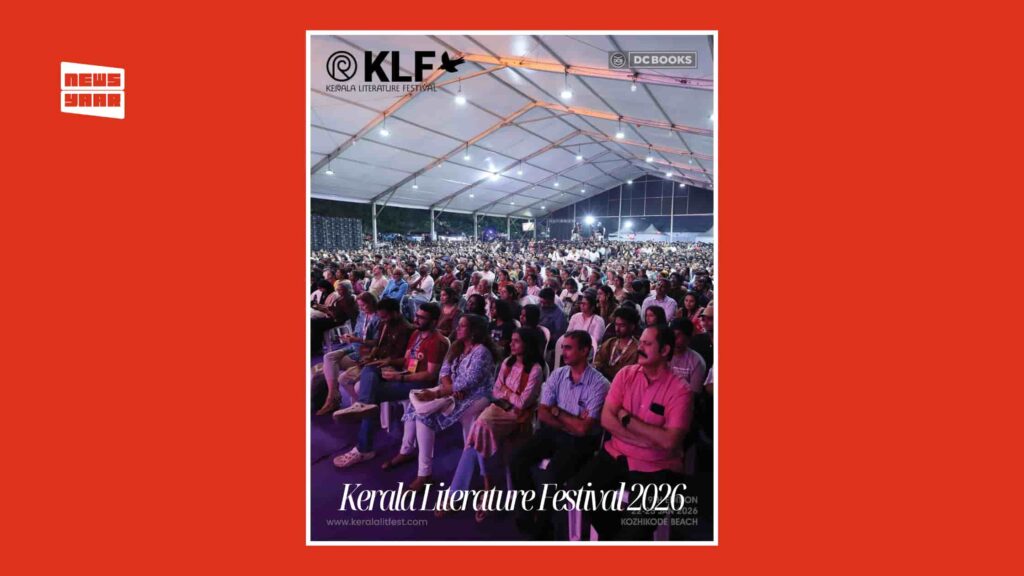
Kozhikode:As the world grapples with rapid political, social, and technological shifts, the Kerala Literature Festival (KLF) 2026 is set to offer a rare space for reflection, dialogue, and debate. Over the years, KLF has grown into a global literary landmark, known not just for books but for conversations that shape public thought.The 2026 edition is expected to bring together renowned authors, thinkers, journalists, and cultural voices from India and abroad. True to its spirit, the festival will explore themes ranging from free expression and identity to the climate crisis and the future of storytelling.What distinguishes KLF is its deep connection to Kerala’s intellectual traditions. Malayalam literature, regional storytelling, and indigenous voices continue to anchor the festival, ensuring global ideas remain rooted in local realities.With a growing emphasis on young writers, translation, and literature in the digital age, KLF 2026 is likely to focus on how stories evolve without losing their soul. More than a festival, KLF has become a cultural movement, one that celebrates dialogue, disagreement, and the enduring power of words.Key AttendeesNASA astronaut Sunita Williams delivered the keynote and inaugurated the event alongside Kerala Tourism Minister Mohammed Riyas, sharing insights on space resilience, leadership, and Earth’s fragility in packed sessions like “Dreams Reach Orbit.” Other luminaries included over 400 speakers from 17 countries, Nobel laureates, business leaders, authors, and activists. Besides Sunita Williams, prominent figures included Nobel Prize winners Abdulrazak Gurnah (Literature), Olga Tokarczuk (Literature), and Abhijit Banerjee (Economics).What to Expect at KLF 2026KLF 2026 will feature a mix of panel discussions, book launches, poetry readings, performances, film conversations, and interactive sessions. While global names draw attention, Malayalam literature and regional narratives will remain at the heart of the festival, reflecting Kerala’s deep-rooted intellectual and cultural traditions.A key focus this year is expected to be on youth participation, translation of regional works, and how literature adapts in the digital era. The festival’s open-access format continues to make it inclusive, allowing audiences from diverse backgrounds to engage directly with ideas and creators.Book Launches & AwardsA highlight was the launch of the Malayalam translation of Abhay K’s “Nalanda: How it Changed the World” by Benyamin, following a discussion on Nalanda’s legacy of Buddhism and debate.KLF announced shortlists for its Book of the Year Awards in fiction and nonfiction, with winners revealed during the festival; fiction included works like Vivek Shanbhag’s “Sakina’s Kiss,” while nonfiction featured Sunitha Krishnan’s memoir.Why KLF 2026 MattersAt a time when public discourse is increasingly polarised, KLF offers a rare space for thoughtful dialogue and disagreement. It celebrates literature not just as art, but as a tool for understanding society, questioning power, and imagining better futures.As Kozhikode prepares to host KLF 2026, the festival once again promises to be more than an event, it will be a meeting ground for ideas that shape culture, politics, and public thought.
Serendipity Arts Festival 2025 Marks a Decade With Its Most Expansive Edition Across Panjim
Panjim, Goa:As it completes ten years, the Serendipity Arts Festival (SAF) returns to Panjim with its largest, most ambitious and accessible edition yet, reaffirming its place as one of India’s most significant multidisciplinary cultural platforms. Running from December 12 to 21, 2025, the festival will feature over 250 projects, led by 35+ curators, spread across 12 venues across the Goan capital. What makes this tenth anniversary especially significant is that SAF’s celebrations began months before its official opening—spanning cities across India and even reaching overseas, signalling how far the Goa-born festival has travelled since its inception. A Year-Long Prelude to a Landmark Edition The tenth-year celebrations kicked off in May 2025 with a Mini Edition in Birmingham, UK, marking SAF’s growing global footprint. Over the following months, the festival made artistic interventions across the country: an evocative performance at Ahmedabad Cultural Week, a ghazal evening at Delhi’s Safdarjung Tomb, the much-loved River Raag sunset cruise in Varanasi, a curated celebration of Tamil culture in Chennai, and electronic B-Side Sessions in Gurugram. “These were not standalone events,” curators emphasised, “but preludes to a much larger artistic takeover.” Panjim as a Living, Breathing Cultural Canvas From riverfronts and promenades to beaches, parks, jetties and historic buildings, Panjim itself becomes the festival’s canvas. The Old GMC building at Campal—now dominated by artist Diptej Vernekar’s towering Narakasur installation, acts as SAF’s nerve centre, anchoring the festival’s visual identity. The festival officially opened with large-scale concerts by Clay Play and Palette(s) at The Arena, Nagali Hills Ground, with Motown Madness and The Revisit Project headlining subsequent nights. While music sets the tone, exhibitions and experiential venues open to the public from December 14, inviting visitors into a multi-sensorial, cross-cultural exploration of art, craft, performance, and food. SAF 2025’s performance programming spans continents and centuries, reconstructing Mumbai’s early jalsa music clubs, tracing divine feminine energies through Goddess Bhagavathy, revisiting 180 years of Marathi theatre, and reimagining puppetry traditions. Artists from across South Asia and beyond blur disciplinary boundaries, creating unexpected collaborations. Yet, Goa remains at the heart of the festival. Highlights include Goa’s Smallest Big Tradition: The Mini Narkasur Archive, the Terra-Grove terracotta pavilion crafted from kulhads at Miramar Beach by architect Vinu Daniels, and Not a Shore, Neither a Ship, But the Sea, an exhibition curated by Sahil Naik exploring Goa’s oceanic and maritime histories through intergenerational voices. Food as Memory, Culture and Performance Food takes centre stage as both art and archive. The Culinary Odyssey of Goa, curated by Odette Mascarenhas, traces the state’s layered culinary history, from Hindu artisans and Gaud Saraswat Brahmins to Muslim descendants of the Bijapur dynasty, Indo–Luso influences and Christian kitchens. Meanwhile, Goa is a Bebinca, curated by chef Manu Chandra with sensorial design by paChaak, offers an immersive dining experience where food, sound and memory unfold together. In a first since 2017, a docked barge at the Captain of Ports Jetty, Old Goa, has been transformed into a floating gallery, curated by Veerangana Solanki, encouraging slow, mindful engagement with art against the rhythm of the Mandovi river. Craft, Memory and the Museums of Making At the Old GMC Complex, exhibitions foreground craft as living knowledge. Hands, Tools, and the Living Thread, curated by Sandeep Sangaru, offers an intimate look into Kashmiri craft ateliers, presenting everyday tools, sketches and materials as carriers of generational wisdom. Complementary workshops introduce visitors to Namda felting, papier-mâché, and Kari-Kalamdani Naqqashi, led by master artisans. Other highlights include Home is Where the Heart Is, curated by Kristine Michael, exploring memory and migration through handmade materials, and Stepwells: Poetry in Craft, curated by Anjana Somany, which immerses audiences in the mythic and architectural worlds of Gujarat and Rajasthan’s stepwells. Designer Rashmi Varma’s Infinite Drape reimagines sari draping as an evolving, living craft, while The Voice of Fashion, SAF’s art partner, will host guided craft walkthroughs led by editor Shefalee Vasudev. An Inclusive Festival by Design Inclusivity remains central to SAF’s vision. Therefore I Am, curated by disability campaigner Salil Chaturvedi, features seven artists from across India working across media to document how disability shapes creative practice. The programme also includes performances in Indian Sign Language, bird-watching trails for blind audiences, operatic satire on Ambedkarite youth experiences, and Cinema for Every Sense, enabling blind and low-vision audiences to experience Hindi cinema through audio descriptions. With participation from leading artists, musicians, chefs, thinkers and craftspeople, Serendipity Arts Festival 2025 is not merely a celebration of a decade, it is a statement of intent, positioning Panjim as a global crossroads of art, culture and lived experience.
Oscar Nominations 2026 Announced: ‘Sinners’ Makes History With Record 16 Nods

Beverly Hills: The nominations for the 98th Academy Awards were officially announced on Thursday, January 22, 2026, setting the stage for one of the most competitive Oscar races in recent memory. Actors Lewis Pullman and Danielle Brooks revealed the nominees early morning in Beverly Hills, California. The Academy Awards ceremony will take place on March 15, 2026, and will be hosted by Conan O’Brien, airing live on ABC and streaming on Hulu. ‘Sinners’ Dominates the 2026 Oscar Race Ryan Coogler’s ambitious horror drama Sinners emerged as the biggest standout, securing a record-breaking 16 nominations, the highest ever for a single film. Set in 1930s Mississippi, the film stars Michael B. Jordan in a dual role as twins Smoke and Stack, earning him his first-ever Oscar nomination. The film received nominations across major categories, including Best Picture, Best Director, Best Original Screenplay, and multiple acting and technical categories, cementing its place as the frontrunner this year. Close behind is One Battle After Another, which picked up 13 nominations, including Best Picture and Best Actor for Leonardo DiCaprio. First-Time Nominees Shine The 2026 nominations also spotlight a strong wave of first-time acting nominees. Among them are Jacob Elordi (Frankenstein), Delroy Lindo and Wunmi Mosaku (Sinners), Teyana Taylor (One Battle After Another), and several cast members from the Norwegian drama Sentimental Value, including Elle Fanning, Renate Reinsve, and Stellan Skarsgård. Key Oscar Nominations 2026 Best Picture Bugonia F1 Frankenstein Hamnet Marty Supreme One Battle After Another The Secret Agent Sentimental Value Sinners Train Dreams Best Actor (Leading Role) Timothée Chalamet – Marty Supreme Leonardo DiCaprio – One Battle After Another Ethan Hawke – Blue Moon Michael B. Jordan – Sinners Wagner Moura – The Secret Agent Best Actress (Leading Role) Jessie Buckley – Hamnet Rose Byrne – If I Had Legs I’d Kick You Kate Hudson – Song Sung Blue Renate Reinsve – Sentimental Value Emma Stone – Bugonia Best Director Chloé Zhao – Hamnet Josh Safdie – Marty Supreme Paul Thomas Anderson – One Battle After Another Joachim Trier – Sentimental Value Ryan Coogler – Sinners Best Animated Feature Arco Elio KPop Demon Hunters Little Amélie or the Character of Rain Zootopia 2 Best International Feature Film The Secret Agent (Brazil) It Was Just an Accident (France) Sentimental Value (Norway) Sirāt (Spain) The Voice of Hind Rajab (Tunisia) Technical Excellence and Global Storytelling Films like Avatar: Fire and Ash, Frankenstein, and F1 dominated technical categories such as visual effects, sound, costume design, and production design. Meanwhile, documentaries tackling global politics, war, and social change found strong representation in both feature and short documentary categories. Looking Ahead to Oscar Night With blockbuster franchises, intimate international dramas, and politically charged narratives competing side by side, the 2026 Oscars promise a ceremony that reflects both cinematic ambition and cultural relevance. As the countdown to March 15 begins, all eyes will be on whether Sinners can convert its historic nominations into equally historic wins, or if a dark horse emerges on Hollywood’s biggest night.
International Theatre Festival of Kerala 2026: Thrissur Set to Transform into a Global Stage for Theatre
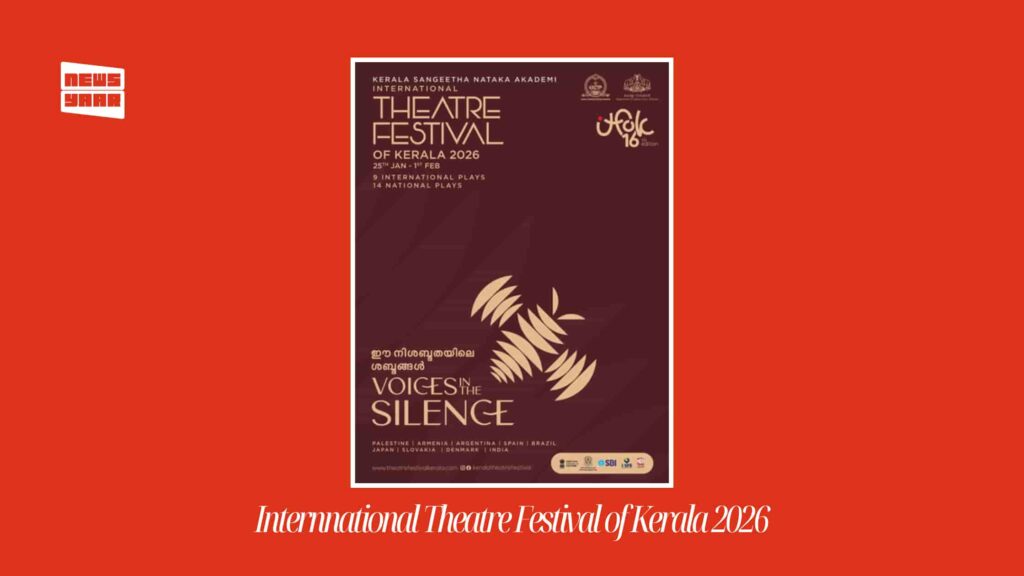
The 16th International Theatre Festival of Kerala (ITFoK) is set to take place from 25 January to 1 February 2026 in Thrissur city, Kerala, reaffirming its position as one of India’s most significant international cultural events. Organised by the Kerala Sangeetha Nataka Akademi under the Cultural Department of the Government of Kerala, the festival will bring together theatre practitioners, scholars and audiences from across the world to celebrate performance, dialogue and storytelling in its many forms.The week-long festival will be hosted across multiple venues in Thrissur, with the Kerala Sangeetha Nataka Akademi complex serving as the focal point. Key performance spaces will include the Murali Outdoor Theatre, K. T. Muhammed Regional Theatre, and other designated cultural venues across the city, transforming Thrissur into a vibrant, open stage for global theatre.Dates, Theme and StructureEvent: International Theatre Festival of Kerala (ITFoK) 2026 Edition: 16th Dates: 25 January to 1 February 2026 Venue: Thrissur, Kerala Organiser: Kerala Sangeetha Nataka Akademi, Government of KeralaThe 2026 edition will be presented under the theme “Voices in the Silence”, a concept that reflects theatre’s enduring ability to articulate unspoken realities through movement, dialogue, visual language and performance. The theme highlights ITFoK’s emphasis on theatre as both artistic expression and social commentary, especially in a time marked by global uncertainty, conflict and transformation.Performances and International ParticipationITFoK 2026 will feature 23 plays across approximately 46 performances, showcasing a carefully curated mix of international and Indian productions. Theatre groups from Argentina, Brazil, Armenia, Palestine, Slovakia, Spain, Japan and Denmark are scheduled to participate, presenting works that span classical theatre, contemporary experimentation and cross-cultural collaboration.Indian theatre will be represented by productions from Kerala, Rajasthan, Assam, Maharashtra and Tamil Nadu, offering audiences exposure to diverse linguistic traditions, regional aesthetics and evolving performance practices. The programme aims to place Indian theatre in dialogue with global narratives, encouraging comparative engagement and artistic exchange.Several international productions are expected to address themes such as identity, memory, political conflict, displacement and social change, reinforcing ITFoK’s reputation as a festival that privileges substance, experimentation and intellectual depth.Organisation and AccessibilitySince its inception in 2008, the International Theatre Festival of Kerala has grown into one of Asia’s most respected theatre festivals. The event is fully organised and curated by the Kerala Sangeetha Nataka Akademi, with institutional support from the state’s cultural machinery.For the 2026 edition, organisers have expanded the number of plays compared to previous years, reflecting renewed focus on diversity and scale. In addition to stage performances, the festival will also include cultural interactions, informal discussions and academic engagements, fostering dialogue between artists, scholars and audiences.While tickets are required for major performances, several associated programmes and discussions will remain open to the public, ensuring wider access and community participation.Cultural Importance of ITFoKThe International Theatre Festival of Kerala occupies a distinctive place in India’s cultural landscape. It functions not merely as a performance showcase, but as a space for cultural diplomacy, artistic exchange and critical reflection. By bringing global theatre traditions to a regional Indian audience, ITFoK contributes to expanding cultural literacy and deepening engagement with contemporary global issues.The festival also reinforces Thrissur’s identity as a cultural capital of Kerala, complementing the city’s long-standing association with classical arts, festivals and literary traditions. Each edition attracts theatre enthusiasts, students and visitors from across India, adding to the city’s cultural and intellectual vibrancy.Looking AheadAs ITFoK 2026 prepares to open on 25 January, expectations are high for a festival that continues to push the boundaries of performance while remaining rooted in dialogue and inclusivity. With its expanded programme, strong international presence and thematic focus on unheard voices, the festival is poised to reaffirm its relevance in both Indian and global theatre circuits.By sustaining conversations across borders, languages and artistic traditions, the International Theatre Festival of Kerala continues to position theatre as a living, evolving medium — one that reflects society, questions power and invites audiences to engage more deeply with the world around them.